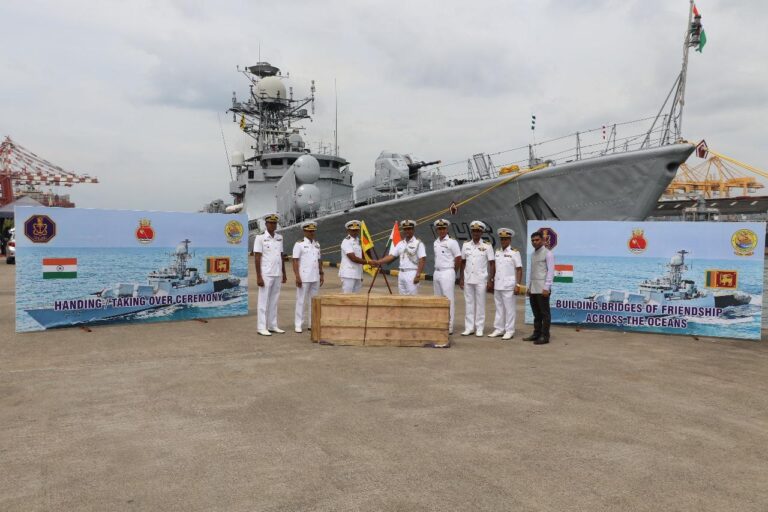
March 04, Colombo (LNW): The Indian Naval Ship Kuthar, an indigenously built Khukri-class corvette, docked at the Port of Colombo yesterday (03) for a three-day goodwill visit.
The vessel was greeted with a warm and traditional reception, including a performance by the Sri Lankan Navy band and an official welcome from senior naval officers.
Upon its arrival, the commanding officer of INS Kuthar, Commander Nitin Sharma, paid a courtesy call to Rear Admiral MHCJ Silva, the Commander of the Western Naval Area of the Sri Lanka Navy.
The occasion marked an important step in furthering the strong maritime cooperation between India and Sri Lanka.
One of the key events during the visit was a ceremony held on board INS Kuthar, where the ship’s crew handed over a refilled fire-fighting system cylinder to the Sri Lanka Coast Guard Ship Suraksha.
This system is a vital component of the vessel’s safety infrastructure. SLCGS Suraksha, an Offshore Patrol Vessel, was transferred to Sri Lanka by the Indian government in October 2017, and India has previously provided spare parts and technical support to the ship, including similar assistance in June 2021, April 2022, and June 2024. The refilling of fire-fighting cylinders was also carried out by India in January 2024.
During its stay in Colombo, INS Kuthar will engage in a series of professional interactions aimed at enhancing the skills and knowledge of Sri Lankan Navy personnel.
These exchanges will focus on sharing best practices and enhancing operational efficiency between the two navies. A special demonstration on Visit, Board, Search, and Seizure (VBSS) operations, as well as Force Protection tactics, will be conducted by the Sri Lanka Navy for the Indian crew.
Additionally, the ship’s crew will take part in sports activities and yoga sessions with their Sri Lankan counterparts, further strengthening the camaraderie between the two forces.
INS Kuthar is scheduled to depart from Colombo on March 06, 2025, marking the conclusion of this important visit that highlights the continued close ties between the Indian and Sri Lankan navies.
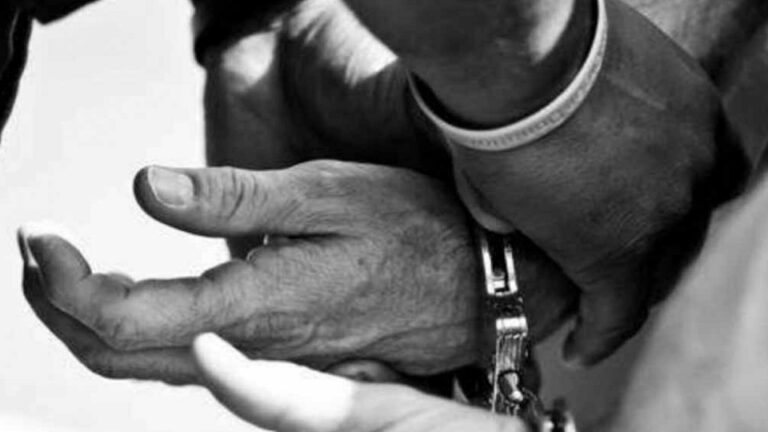
March 04, Colombo (LNW): A police constable from the Weeraketiya Police Station has been apprehended in connection with the horrific triple murder that occurred in Middeniya.
The arrest took place yesterday (03) evening, when officers from the Middeniya Police Station made the breakthrough following an ongoing investigation.
The 36-year-old suspect, a resident of Julampitiya, stands accused of supplying a crucial component to the individuals responsible for the shooting.
It is alleged that he provided 12 rounds of live T-56 ammunition to the assailants, who are believed to have carried out the attack.
The tragic shooting occurred on February 18, claiming the lives of Aruna Vidanagamage and his two young children.
Authorities have made significant progress in the investigation, with a total of seven individuals now in custody in relation to the crime.
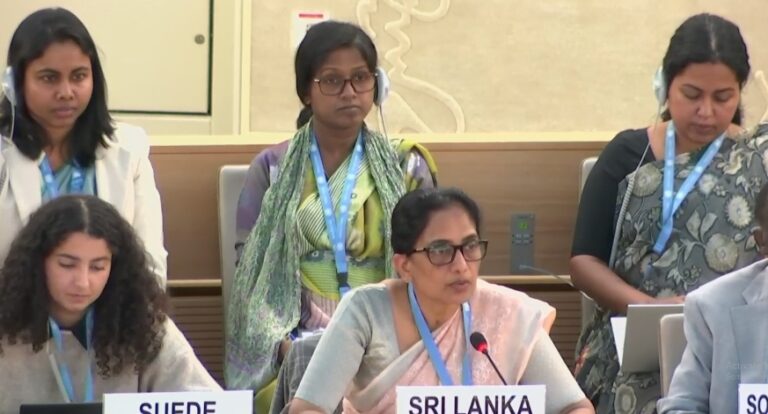
March 04, Colombo (LNW): Sri Lanka has firmly rejected several resolutions passed by the United Nations Human Rights Council (UNHRC), reaffirming its stance against Resolutions 46/1, 51/1, and 57/1, as well as the external evidence gathering mechanism on Sri Lanka.
These resolutions, which were discussed during the 58th Session of the UNHRC, have sparked significant controversy in the country.
Sri Lanka’s Permanent Representative to the UN in Geneva, Ambassador Himalee Subashini Arunatilaka, made the nation’s position clear during the High Commissioner for Human Rights’ oral update on Sri Lanka, stating that the country is resolutely opposed to such external interventions.
The government of Sri Lanka has consistently expressed its belief that national ownership, coupled with gradual, internally driven reforms, is the most effective path towards transformative change.
As a sovereign nation, Sri Lanka insists that progress should be shaped by its own legal processes and frameworks, and that any external mechanisms that undermine this principle are unacceptable.
Expressing deep regret, Sri Lanka condemned what it perceives as the inconsistent application of human rights principles within the UNHRC. Ambassador Arunatilaka pointed out that this selective approach to human rights has eroded trust in the global human rights system.
She warned that such practices have made countries more reluctant to engage with the Council, undermining the very values on which the UNHRC was established.
“We have long maintained that country-specific resolutions, which are passed without the consent of the country concerned, are deeply problematic,” Arunatilaka explained. “Sri Lanka remains opposed to Resolutions 46/1, 51/1, and 57/1, as well as the external evidence-gathering mechanism that was established through these divisive and intrusive resolutions.”
Sri Lanka also strongly criticised the establishment of an external evidence-gathering mechanism on Sri Lanka within the Office of the High Commissioner for Human Rights (OHCHR).
The government views this as an unprecedented overreach of the Council’s mandate, which contradicts the founding principles of impartiality, objectivity, and non-selectivity.
According to the Sri Lankan government, no sovereign state should be subjected to an external mechanism that contradicts its Constitution and undermines its domestic legal processes.
Adding to these concerns, several countries have raised alarm over the financial implications of the external evidence-gathering mechanism, especially in light of the United Nations’ ongoing budgetary constraints.
The Sri Lankan representative emphasised the need for a more responsible and balanced approach to human rights issues, one that respects national sovereignty and the principle of fairness.
Whilst strongly rejecting external interference, Sri Lanka reaffirmed its commitment to addressing human rights challenges, including reconciliation, through domestic processes. Ambassador Arunatilaka highlighted that the Sri Lankan government will continue its constructive engagement with the UNHRC and other human rights instruments, citing recent cooperative efforts with the Committee on the Elimination of Discrimination Against Women (CEDAW) during the review of the country’s ninth periodic report.
At the same time, Sri Lanka reiterated its dedication to multilateral cooperation in fostering peace, prosperity, and sustainability, alongside the promotion and protection of all human rights.
The government assured that efforts to rebuild the nation’s economy will be inclusive, ensuring that all citizens have equal opportunities to benefit from the country’s growth.
Arunatilaka emphasised that economic development would be pursued in a way that promotes transparency, accountability, and social justice. The government is committed to ensuring that the benefits of growth reach all segments of society and that the rule of law, reconciliation, and human rights remain central to the nation’s progress.
The Sri Lankan government has also outlined its focus on key national priorities, including the eradication of rural poverty, the implementation of the ‘Clean Sri Lanka’ initiative aimed at promoting social and environmental revival, and the creation of a robust digital economy to support sustainable development.
In line with its commitment to peace and reconciliation, Sri Lanka will continue to support the most vulnerable populations, particularly those affected by past conflicts, ensuring they are not left behind in the country’s development journey.
“By expanding the work of the proposed truth and reconciliation commission, we will investigate the impact of violence stemming from racism and religious extremism, whilst guaranteeing that all domestic processes remain credible and independent,” Arunatilaka concluded. “The government is determined to protect the human rights of all citizens, address past grievances, and create a more inclusive and prosperous Sri Lanka for future generations.”
March 04, Colombo (LNW): Prevailing showery condition over the island is expected to be reduced from today (04).
Showers or thundershowers may occur at a few places in Western and Sabaragamuwa provinces and in Galle and Matara districts in the evening or night.
A few showers may occur in Eastern coastal areas during the morning.
The general public is kindly requested to take adequate precautions to minimise damages caused by temporary localised strong winds and lightning during thundershowers.
Marine Weather:
Condition of Rain:
Mainly fair weather will prevail over the sea areas around the island.
Winds:
Winds will be north-easterly to easterly and speed will be (25-35) kmph. Wind speed will increase up to (40-45) kmph at times in the sea areas extending from Galle to Hambantota via Matara.
State of Sea:
The sea areas off the coast extending from Galle to Hambantota via Matara can be fairly rough times. Other sea areas around the island will be moderate. Temporarily strong gusty winds and very rough seas can be expected during thundershowers.
March 03, Colombo (LNW): The National Shoora Council (NSC) a consultative body comprising several Muslim Organisations and individuals formed to address the challenges currently faced by Muslims in Sri Lanka in a proactive manner is set to make a clarian call to countries worldwide to invest in Sri Lanka.
The Executive Committee of the National Shoora Council (NSC) last week decided to urge countries worldwide, including the 57-member Organisation of Islamic Cooperation (OIC) headquartered in Jeddah, Saudi Arabia, to make and encourage direct investments in Sri Lanka.
They request the Islamic world to make foreign direct investment in Sri Lanka’s in agriculture, dairy farming, fisheries, and housing projects, preferably in collaboration with existing Sri Lankan developers.
NSC’s newly-elected Head M.M. Zuhair, PC stated that prospective private sector investors should be supported to make direct investments in Sri Lanka through the Board of Investment (BOI).
The NSC, a non-profit civil society, would facilitate in the national interest collaboration with existing Sri Lankan companies of repute across the board. Government-level investments could be facilitated to discuss investments at government to government level, an NSC media release said.
The NSC would also urge the Government to create an attractive environment to encourage investments in the island nation, presently affected by high electricity and labour costs.
The civil society organisation has decided to suggest that the country’s President visit Riyadh and invite Saudi Government investments in Sri Lanka, and also meet with the heads of the OIC and other high-profile entities.
These are necessary to encourage closer cooperation to support the country’s efforts to develop and overcome the hitherto critical economic sectors. That would help other Middle Eastern countries too to come in, the NSC release said.
Sri Lanka presently receives the highest foreign exchange earnings annually from mainly the Middle East, with employment remittances topping $ 6.58 billion in 2024 without any debt constraints, while the highest volumes of remittances came last year from Kuwait, the UAE, Saudi Arabia, and Qatar.
Merchandise exports meanwhile earned $ 12.78 billion as against imports costing $ 18.84 billion in 2024, adding a foreign exchange liability of $ 6.06 in the import-export sector. Tourism brought in $ 3.17 billion, while IT earnings were $ 0.85 billion in 2024.
Progressive sectors of the country should presently support genuine governmental efforts to overcome economic sector bottlenecks and help achieve self-sufficiency and higher export targets, the NSC President said.
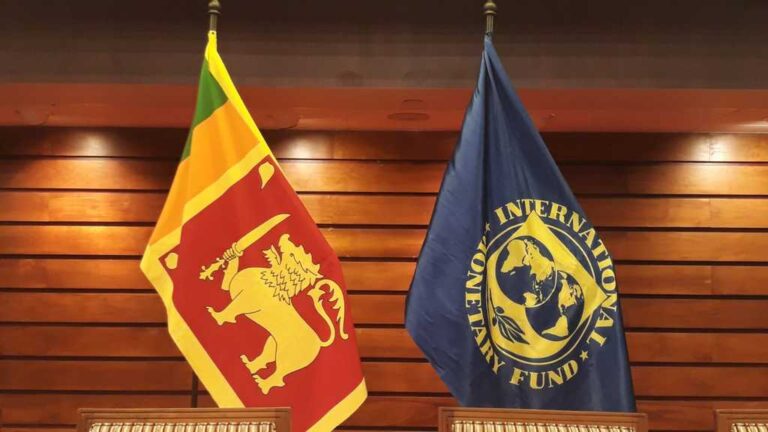
March 03, Colombo (LNW): The International Monetary Fund (IMF) has commended Sri Lanka’s significant economic recovery, describing it as “remarkable” while cautioning against policy missteps. Following the Third Review under its Extended Fund Facility (EFF), the IMF approved the release of $334 million, bringing Sri Lanka’s total disbursement under the program to $1.34 billion.
Kenji Okamura, the IMF’s Deputy Managing Director, acknowledged that Sri Lanka’s economic reforms are yielding positive results. He emphasized, however, that maintaining this momentum is crucial to ensure long-term stability. The EFF, a four-year arrangement approved in March 2023, is designed to help Sri Lanka restore macroeconomic balance, manage its debt, protect vulnerable groups, rebuild reserves, and implement structural reforms focused on governance and growth.
The IMF noted key economic improvements, including low inflation, rising revenue collection, and increasing foreign reserves. Economic growth has averaged 4.3% since rebounding in the third quarter of 2023, with real GDP projected to recover 40% of the losses incurred between 2018 and 2023 by the end of 2024. Growth is expected to continue in 2025.
Despite these gains, the IMF warned that Sri Lanka remains economically vulnerable, making sustained reforms essential. Okamura stressed that there is no room for policy errors, urging the government to continue its efforts to maintain macroeconomic stability and debt sustainability while fostering inclusive growth.
The IMF highlighted that while program performance has been strong, with most quantitative targets met, social spending remains below the required levels. Ensuring steady revenue collection is vital for fiscal stability and the continuation of essential government services. To achieve this, the IMF recommended improving tax compliance and avoiding tax exemptions.
The organization also underscored the importance of directing social spending toward those most in need to promote inclusive growth within the country’s limited fiscal space. Additionally, timely implementation of cost-recovery electricity pricing is necessary to manage fiscal risks associated with state-owned enterprises. Efficient capital expenditure within the fiscal framework would further contribute to long-term growth.
Debt restructuring efforts have also made notable progress, with the successful completion of a bond exchange marking a key step toward restoring debt sustainability. The IMF urged the Sri Lankan government to swiftly finalize agreements with bilateral and remaining creditors.
On the monetary front, the IMF emphasized maintaining price stability by avoiding monetary financing and safeguarding the independence of the Central Bank. Continuing exchange rate flexibility and gradually lifting balance of payments measures are also seen as essential to strengthening external reserves and economic rebalancing.
Finally, the IMF stressed the need for structural reforms to address long-standing economic challenges. Strengthening governance, tackling non-performing loans, improving oversight of state-owned banks, and enhancing insolvency frameworks are key priorities to revitalize credit growth and support the country’s recovery.
Sri Lanka’s economic revival is on the right path, but continued commitment to reforms will be crucial in ensuring long-term prosperity and financial stability.
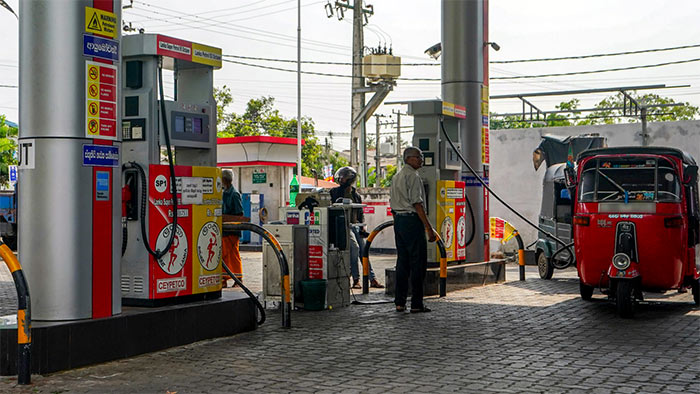
March 03, Colombo (LNW): The Petroleum Distributors’ Association has confirmed that it will proceed with placing orders for petroleum products tomorrow (04).
This decision comes after a period of uncertainty in the fuel distribution sector.
The association announced that the move follows the confirmation of a scheduled meeting with the Chairman of the Ceylon Petroleum Corporation (CEYPETCO) on the same day.
The discussions are expected to address ongoing concerns within the sector, including issues related to fuel distribution processes and pricing.
By resuming their orders, the association hopes to maintain smooth operations while engaging with the CEYPETCO to find long-term solutions.
March 03, Colombo (LNW): The Hambantota International Port (HIP) on Thursday received its first vehicle shipment following the lifting of import restrictions.
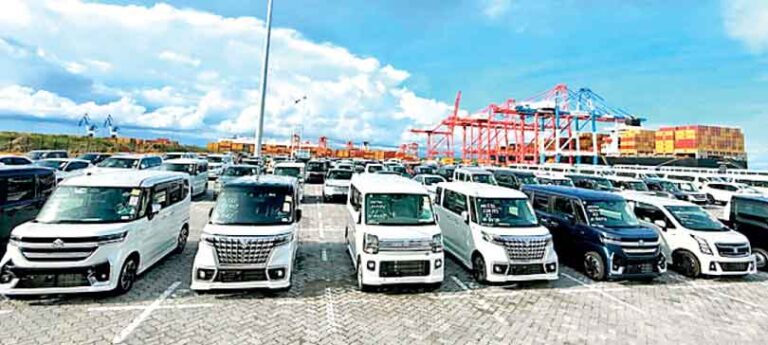
The MV Jupiter Leader, operated by NYK Lanka Ltd., arrived at the Port, discharging a total of 378 vehicles from Japan, of which 196 were for the local market. The Japanese vehicles that arrived for the local market included Land cruisers, Hilux cabs, Prado SUVs, Toyota sedans, and Suzuki Alto mini cars. The HIP handled a total volume of 2,318 units for this vessel transshipping 1,940 units bound for African markets.
With the lifting of Sri Lanka’s vehicle import ban, the HIP is fully prepared to handle the anticipated increase in shipments. Equipped with world-class infrastructure and a skilled workforce, the Port is poised to play a key role in meeting the growing demand in the local automotive market.
To ensure efficient handling, the HIP has implemented specialised facilities to streamline the clearance process. A dedicated customs inspection bay, featuring 24/7 CCTV monitoring and high-intensity lighting, has been set up to carry out thorough compliance checks. Vehicles awaiting clearance are securely stored, with additional temporary storage available for incoming imports.
Understanding the needs of importers and wharf clerks, the HIP offers designated areas with basic amenities for those visiting the Port for vehicle clearance. Vehicle Processing Stations have also been established to handle necessary paperwork and ensure a smooth transition from port to market. A newly-designed vehicle import yard, capable of storing approximately 4,000 vehicles, has been introduced to efficiently manage both local and transhipment vehicles, with access to the yard restricted to authorised personnel.
Since 2018, the HIP has successfully handled large-scale vehicle imports, reinforcing its position as a leading player in Sri Lanka’s automotive logistics sector. A $ 10 million investment in upgraded infrastructure and superstructure will further enhance its capacity to meet the growing demand for vehicle imports.
Strategically located and designed to support efficient, secure, and sustainable operations, the HIP remains a vital gateway for Sri Lanka’s automotive industry. With vehicle imports now resuming, the Port is well-positioned to drive the sector forward, ensuring a seamless and efficient supply chain.
March 03, Colombo (LNW): The Colombo Stock Exchange (CSE) experienced a considerable downturn today (03), with both key indices witnessing significant losses by the close of trading.
The All Share Price Index (ASPI) plummeted by 311.37 points, settling at 16,167.30, reflecting a sharp contraction in market sentiment.
Meanwhile, the S&P SL20 Index also saw a notable decrease, falling by 103.96 points to end the day at 4,827.21.
The day’s trading activity saw a turnover of Rs. 1.5 billion, indicating lower market participation amid the downturn.
Investors appeared to adopt a cautious stance as concerns over the broader economic outlook weighed on the market.
February 27, Colombo (LNW): In a conversation with the Sports Minister, he was able to clarify the confusion regarding the sources used in collecting data on the game of rugby. Some have convinced him that rugby in Sri Lanka is in the abyss. If the current system is successful, rugby should be at the top of Asia.
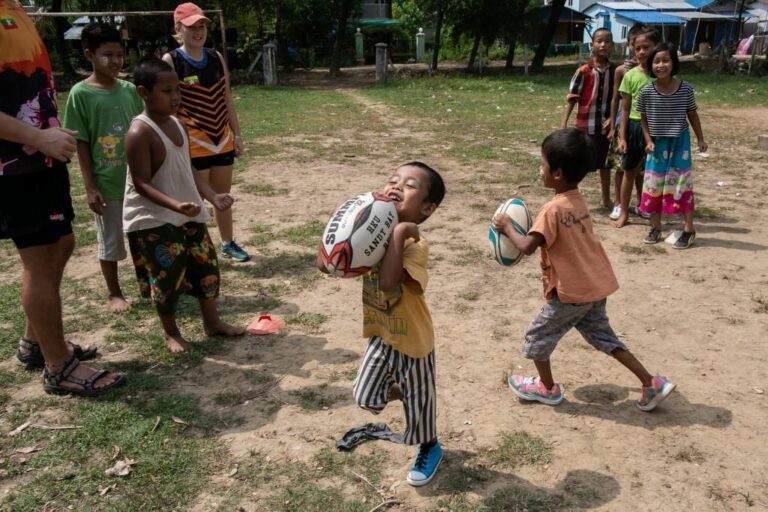
Sri Lanka Rugby is currently ranked 40th in the world and holds the fourth position in Asia, proving that the sport has not fallen into disrepair.
However, during the last Asian Games, legal issues stemming from the Asia’s actions and the Interim Committee appointed by Minister Roshan Ranasinghe hindered proper training and the strategic integration of local and foreign teams. As a result, rugby’s performance declined. Yet, prior to these setbacks, Sri Lanka was on the brink of securing a spot on the medal table in both Asian Games.
The last Commonwealth Games, which had left its mark on the prestigious games, and the training that was carried out using different training methods, were not the only Asia Rugby who wanted to prevent Sri Lanka Rugby, led by Rizly Illyas, from going to an Asian medal. Therefore, Sri Lanka’s collapse at the last Asian Games was a disruptive and opportunistic act. But even after that, Sri Lanka has shown Asian-level talent and has clearly marked its rightful place in Asia. The Asian Olympic Committee reversed the decision of the Asia Rugby to completely deprive Sri Lanka of playing rugby at the Asian Games, subjecting it to the influence of Asia, which failed. The World Rugby , as a member country of the International Olympic Committee, convinced the Asia Rugby that it should also work obediently to the Asian Olympic Committee.
Therefore, as the Director General of Sports of Sri Lanka thinks and as he also convinces the Minister, there should be no world-level federations and regional-level federations above the Sri Lankan judiciary. There are other ways to act without bowing to pressure.
The Minister’s Opinion
The Minister’s opinion is what he has gathered from the sources he uses to understand the subject at the moment. He shows how he believes them to be one hundred percent correct. The Director General of Sports is trying to take the responsibility of changing the constitution from the temporary opportunity he has received to govern rugby and its main objective is to give voting rights to the teams playing in that category. The Minister expressed it to the journalists by saying, ‘If you say CR, you know. If you say East, you know rugby?’
A province is not a sports team. But the CR mentioned by the Minister, as well as CH, Havelocks, and Sri Lions, who were included in that group this time amid protests from other sports teams in that group, also represent the Western Union. Among those elected from the West in this year’s election are people from sports clubs in that group.
After the constitution that determines power at the provincial level was prepared by New Zealander Jeff Matheson, there have been only one reported case of someone not from those sports clubs being appointed as the Sri Lanka Rugby President.
This body should focus on the entire rugby sector and create a competitive environment to raise the quality and competitive level of rugby, not by giving voting rights to clubs. An official body appointed by the existing constitution should be allowed to discuss with the World and Asia Rugby, argue with the facts on the ground, and create the necessary environment to make those amendments.
The sports clubs that play those games often have great facilities. There are ways to earn a lot of money for a low assessment tax. But not all the players who play at school level for a year and come out depend on these few sports clubs. Some are supported by a small sports club in these provincial unions. When the organism that is maintained through B or other competitions reaches a higher level, they receive calls from that sports club to play in that category. The sports clubs that play those games often have great facilities. There are ways to earn a lot of money for a low assessment tax. But not all the players who play at school level for a year and come out depend on these few sports clubs.
Some are supported by a small sports club in these provincial unions. When the organism that is maintained through B or other competitions reaches a higher level, they receive calls from that sports club to play in that category.
The Sports Minister’s full focus on ‘A’ sports clubs has completely ignored the fact that the plant nurseries that protect and grow plants for them are neglected. This writer personally feels that the tri-forces and the police bear the responsibility of providing voting rights in Sri Lanka after the provincial Unions, and that it is important to give them some power in elections. ‘A’ sports clubs are like the ones that pick the fragrant and fully bloomed flowers and place them in their shrines. However, they are now forgetting, or attempting to forget, the crucial role played by those who nurture these flowers to that state. If this continues, the sport will fall to the bottom. The system that brings players to the top and the structure that supports and retains talent will shrink and become inactive.
Since nothing was done against the rulers who made a huge mistake over the years and decided to pay the fine with money coming from world rugby for the development of rugby, today they have indirectly controlled the Minister and highlighted one side to gain the power to control rugby in their own hands, completely closing down the methods that protect the ground for the existence of the game.
Some major schools are still recognizing the talents from provincial unions who play rugby with the two balls provided by them, and they observe the performances of players brought from the villages and outside their teams. It’s unclear how these players were developed without attention being given to them.
These players don’t abandon rugby and return to their villages; instead, they are supported by smaller sports clubs within the provincial unions until they reach a level where they can play for a major sports club. When the Minister asks, ‘Who knows?’, the East is pointed to as the mistake for not acknowledging this. The real issue lies in how the grassroots level has been neglected to the extent that such a situation has arisen, which is more the fault of the Sports Minister than ours.
These provincial unions and small clubs should also be given attention. This structure is the determining factor in the overall talent. Despite all this, the Asia Rugby president’s team is still ranked 48th in the world rankings. It is 5th in Asia. It is now easier for him and those who are trying to attack the rugby game of their country of origin to join him and put Sri Lankan rugby below it and regain the places they lost. Therefore, the Minister has also given his word to prepare the necessary ground for it and leave the group that will harvest the talents and uproot the system with trees that grow talents.
The root of this matter is Namal and his group. They will not allow other camps to unite except that camp. It is their plan to steal votes to say that the best time is ours. When they are taken in a class sense, people like Malik Samarawickrama are also making plans to win more privileges for those sports clubs in order to increase the power of the class.
In another way, looking beyond the irrational question asked by the minister about this matter, some say that it is useless to explain to the minister who does not know much about this except the friendship between President Anura and Malik. It is possible that they have fallen into the trap of preventing widespread victories in any other field, not the terrible political game that we do not believe in. Perhaps the minister is confusing the work of CR and East and presenting two activities that are not the same.
In this way, a government that has given the village a dream does not care if the idea of giving a railway station with more power to Thambuttegama is only for the transportation of goods. But the athletes who took the train to Colombo and brought medals were also there. In the future, when a rugby team comes from Thambuttegama to Colombo, it will be easier to enjoy the train facilities available to Thambuttegama and reserve seats than to come in the bus provided by Sajith.
But if the provincial Unions that confirm and broadcast that power are dismantled, the rugby bodies that could have been used in Thambuttegama will load vegetables at the railway station that is being built. If the political talk is true, perhaps if the vegetable transport is managed by Malik Samarawickrama’s company, then only the youth from Thambuttegama will be used to load goods, but rugby will not look at Thambuttegama.
For the development of the game of rugby, the A group should remain stable. It should always be limited to eight teams. Last time, the Sri Lanka Lions made it to the ‘A’ group with great effort, but this time no team from the A group made it to the B group. What should really happen is to take that group back to the ‘B’ group. The best thing to do to keep the game at a high quality level is not to increase the number of clubs. It is to keep that level at a limit and give it a lower target to be suitable for it. This current situation is not proposed by either side in the rugby battle.
Therefore, if a sports club is entitled to a vote, each provincial unions should have three or two votes. The vote that a sports club is entitled to should not be specific and permanent. If the sports club is a team in that group of the tournament at that moment, it may be entitled to that vote, and sometimes if a sports club in that group is also entitled to the power of a provincial union, then a vote may be entitled not in the name of the sports club itself, but in the name of the provincial unions or in the name of the sports club in that group.
Therefore, as the world or the regional power said, the Minister should not spread the disease of the Director General who runs around without clothes, disregarding the world or the Sri Lankan judiciary. If it were not for the ministers who fell victim to that disease, we would have had a history of Asian medal winners to talk about in Sri Lanka Rugby today.
That is true. If a sports club should have voting rights in an election without weakening the visiblestructure, it should be left uncertain without naming the sports clubs permanently, so that it suits a group in that category at that moment. It is important to keep the competition categories, ‘A’ and ‘B’, flexible so that they can change at any time. Only then can the game function effectively, remaining dynamic and competitive without becoming stagnant.
The ministry should support the people who come to power by holding elections to carry out the constitution that has the power to change all this. There is nothing wrong with intervening to provide facilities. It is a big mistake for the World Federation or Asian regional powers to manipulate rugby in a country as they wish through the country’s ministers, and if there is any administrative crisis in that sport in a country, the responsibility should be assigned to the country’s National Olympic Committee. The international community cannot work without considering the sporting structure of that sport in a country through the intervention of a political power. It is a disregard for the policy issues of the International Olympic Committee.
The Sri Lankan government has faced this situation before. The National Olympic Committee did not accept the committee appointed by the country’s politicians and the Asian powerhouse. As a result, the Asian rugby authorities had to intervene, warning the Asia Rugby powerhouse, and adjust their schedule for the Asian Games to include Sri Lanka under the flag of the Asian Olympic Committee.
But from the moment Namal Rajapaksa took office as the Sports Minister, the politician has not allowed Sri Lankan rugby to continue under the existing constitution. He is interfering with it. He is doing things through those sports clubs and the Asian influence that is added to it, ignoring the wishes of the majority of the Sri Lankan rugby community. A provincial union is not a single sports club but a representation of a large number of teams, including those teams. When we understand that fact, we can understand that those sports clubs are places where the country’s talents are gathered, not the womb of the system that produces talents.
For more than a decade, efforts put into writing have been turned into a crime. No punishment has been handed down to those involved in the incident of fielding foreign players who brought disgrace to the country. Today, these individuals have gained enough power to align themselves with Asia and manipulate ministers. The current minister has yet to address the issue. The punishment for that mistake, the fine that should have been paid for it from the development aid received by Sri Lanka, has also been overlooked, further hindering the growth of rugby in the country.
Instead, no Sports Minister has ever met the former president, who fought for the independence of Sri Lanka Rugby when it was threatened. The injustice caused by several factors such as not filing a charge sheet against him or even taking a statement from him as the reason for the ban, despite his efforts to protect rugby’s independence in the country has gone unaddressed.
No Sports Minister has ever summoned him to ask what happened. Yet, ministers continue to engage with and take photos alongside those who have been fined for committing a crime in this country, without any hesitation.
A’ is a noble clan in rugby. Maintaining its position firmly and preventing new growth around it from surpassing its height is one of the strategies of that nobility. They aim to keep a distance between their sports clubs and others, much like people who step off the road and jump into the gutter when they encounter the old nobility. The minister, as a politician, should be more adept at understanding this political situation than we are. However, what happens is that they fail to grasp it.
Traditionally, there should not be a group of ‘A’ sports clubs. The competition structure itself should be structured as a B team qualifying for ‘A’ and a team from ‘B’ going to the ‘A’ division. These should be bold decisions and instead of creating a feudal idea for other sports clubs to always be accustomed to the sound of the sports clubs of the nobility, a strength to argue and compete should be more clearly demonstrated in the process of changing politics for 76 years.
We must accept that the constitution of the country has influenced the emergence of the country’s politicians. If there was a condition that only a certain class could protect itself and come to leadership, a leader would not come from Thambuttegama. Therefore, a government that has power under that leader should think politically to change the systems that have the power that are democratically acquired by a certain group and make them more open. If this political idea and the meaning of power can be understood, the Minister of Sports or this government will not work to create a constitution that will never allow a sports club that is not controlled by ‘Haamu’ and ‘baby’ to come to power.
It would be wonderful if the Sports Minister, free from the tradition of thinking like the old-timers, like ‘we can’t deal with those bosses’, understands the need to decentralize power in sports so that a rugby administrator from Thambuttegama in the future can emerge. Otherwise, he will not only cause trouble for rugby but also for the basic political interests of the National People’s Power Government.