Home Blog Page 700

Sri Lanka Original Narrative Summary: 09/12

0

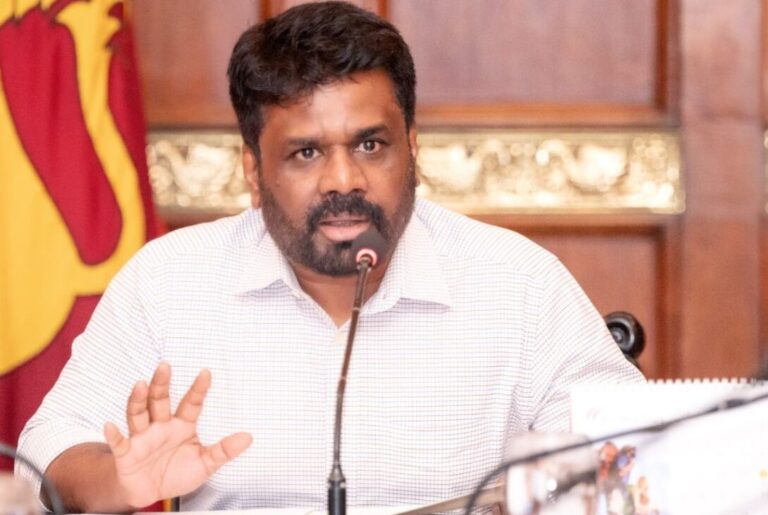
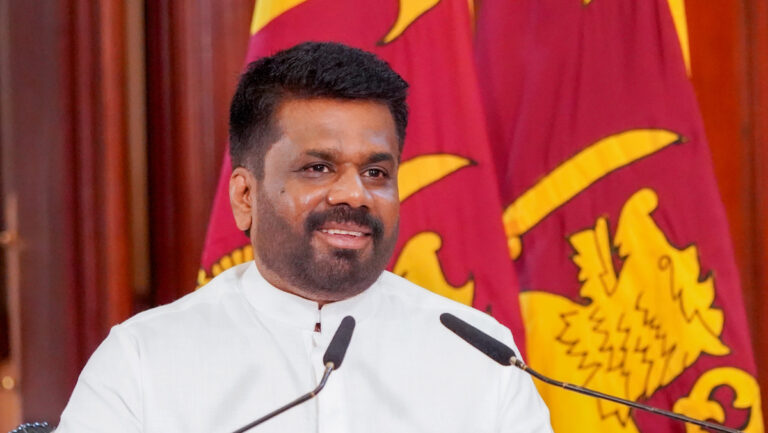
  1. President Anura Kumara Dissanayake says political stability in Sri Lanka has created a favourable environment for investment: He assured that investment opportunities would not be influenced by political affiliations and that the Board of Investment (BOI) would have full autonomy to attract beneficial, clean investments: During a meeting with BOI officials, he emphasised the need for both political and financial stability, announcing plans to enhance the BOI’s efficiency and establish five new investment zones in the coming year.
  2. Opposition Leader Sajith Premadasa stated that the current government will honour the agreement made by the Ranil Wickremesinghe administration with the International Monetary Fund (IMF), leading to an additional burden of 2.3 billion US dollars for Sri Lanka’s debt relief: He made these comments during a Samagi Jana Balawegaya party meeting in Negombo, held under his leadership.
  3. Minister Vijitha Herath says for the first time, Sri Lanka has combined foreign affairs and tourism under a single ministry, reflecting their interconnected nature: He made this statement during the International Bazaar and Cultural Extravaganza 2024 in Colombo, which featured international cuisine, cultural performances, a fashion show, and a charity raffle: Prime Minister Dr. Harini Amarasuriya highlighted the need for Sri Lanka’s Apparel and Textile sector to become globally competitive: Funds raised from the event will support the M. H. Omar Liver Care Facility.
  4. The Essential Food Commodities Importers & Traders Association says the first shipment of imported rice is expected to arrive in Sri Lanka next week: Rice has been ordered from India and Pakistan, following the government’s decision to allow rice imports without control permits until December 20, 2024, due to local shortages: President Anura Kumara Dissanayake has also set regulated prices for rice, which rice mill owners began supplying to the market at controlled rates from December 8.
  5. Starting today (09), Lak Sathosa will sell 200,000 coconuts daily at concessionary rates: Minister Wasantha Samarasinghe announced that coconuts will be available for 130 rupees each at Sathosa outlets in Colombo and other urban areas: This is an increase from the previous 100,000 coconuts sold daily: Coconuts from state-owned plantations will be distributed through Lak Sathosa.
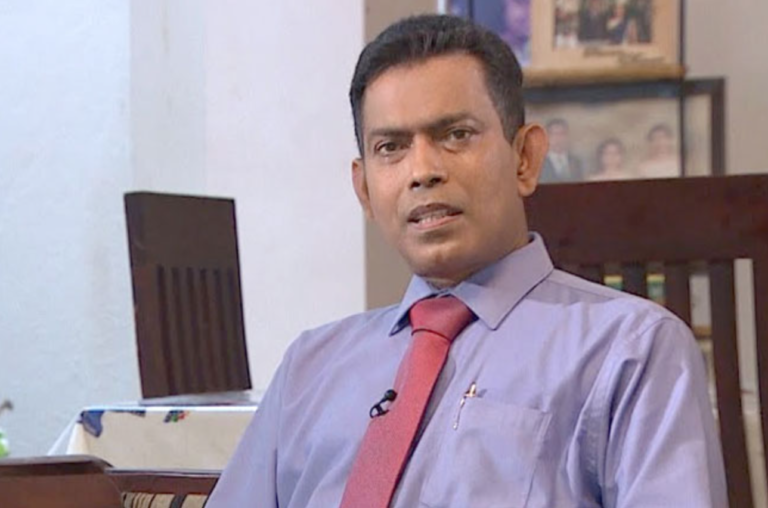
  6. Private companies have requested government permission to import salt due to challenges in domestic production: Minister Wasantha Samarasinghe confirmed the request, noting issues in local production: Lanka Salt Limited’s GM, R.M. Gunaratne, stated that while there is a 12-month supply, adverse weather has reduced production: Despite current reserves, some traders have raised prices amid concerns of a shortage: A final decision will follow consultations with the Ministry of Industry.
  7. The Department of Meteorology has issued an advisory for heavy rain, strong winds, and rough seas in the Southeast Bay of Bengal deep sea areas: A low-pressure area in the region is expected to move west-northwest and reach the southwest Bay of Bengal near Sri Lanka-Tamil Nadu coasts by December 11: Very strong winds of 60 km/h, heavy rainfall, and rough seas are forecasted: Fishing and naval communities are advised to monitor further updates.
  8. Japan has donated 300 million rupees in aid to Sri Lanka for disaster relief, including tents, mattresses, plastic sheets, and other essential supplies: The aid, delivered via a special cargo plane from Japan, was received at Bandaranaike International Airport by officials, including the Secretary of Defence and the Director General of the Disaster Management Centre: The Japan International Cooperation Agency (JICA) facilitated the donation.
  9. The 2024/25 Sripada pilgrimage season will begin on December 14, with a procession carrying sacred relics, the deity’s image, and royal regalia from Sripada Rajamaha Vihara to Sri Padasthanaya: The procession will follow multiple routes through Ratnapura, Hatton, and Nallathanniya: Authorities, under Ven. Bengamuwe Dhammadinna Thera’s guidance, have arranged facilities for pilgrims and prohibited plastic bottles and tobacco along the route: Police will ensure safety and prevent intoxicants.
  10. Sri Lanka’s young innovators excelled at the Asia Pacific ICT Alliance Awards (APICTA) 2024 in Brunei, with three students earning accolades: Dasindu Sithmira Mahabodhi won second place in the Junior Category, while Sineth Daham Bandara Jayasundera and Ramiru Thehan Wijayasiriwardhane received merit awards in the Senior Category: The competition, with 17 participating countries, highlighted their exceptional creativity and technological skills.

U.S. Reaffirms Support for Sri Lanka’s Anti-Corruption Efforts

0

By: Staff Writer

December 08, Colombo (LNW): The U.S. Assistant Secretary of State for South and Central Asian Affairs, Donald Lu, pledged unwavering support for Sri Lanka’s anti-corruption initiatives during a meeting with President Anura Kumara Dissanayake on December 7.

 Mr. Lu emphasized the United States’ commitment to providing financial and technical assistance to bolster Sri Lanka’s economy, security, and corruption eradication programs, according to the President’s Media Division.

Among the key areas of collaboration discussed was the recovery of funds illegally moved out of Sri Lanka? Mr. Lu also commended the Sri Lankan administration’s focus on addressing political, economic, and social challenges, reiterating U.S. support for preserving the country’s sovereignty and territorial integrity.

President Dissanayake acknowledged the deep-rooted influence of political culture on corruption and waste in Sri Lanka. He outlined his government’s initiatives aimed at fostering a new political culture, improving rural living standards, and reforming public services to enhance governance.

The Scope of Corruption in Sri Lanka

Sri Lanka ranked 115th out of 180 countries on the 2023 Corruption Perceptions Index (CPI) with a score of 34, reflecting widespread corruption in the public sector.

Transparency International describes corruption as the misuse of entrusted power for personal gain, which erodes trust, undermines democracy, hinders economic progress, and exacerbates social inequalities.

Corruption distorts democratic institutions by compromising electoral processes, weakening the rule of law, and encouraging bribery in bureaucratic systems.

The causes of corruption range from greed and political monopolization to weak democratic frameworks and lack of press freedom.

Inefficient bureaucracies and inadequate governance systems often perpetuate corruption, creating barriers to public service delivery. Although some scholars argue that corruption may occasionally “grease the wheels” of economic development, research consistently demonstrates that corruption-free institutions improve governance and overall human well-being.

Corruption in public services and state-owned enterprises (SOEs) further aggravates governance challenges. Ineffective institutions result in substandard delivery of essential services like healthcare, education, and law enforcement.

Meanwhile, SOEs—vital players in sectors like transportation, electricity, and telecommunications—are often exposed to corruption due to their proximity to governments, weak corporate governance, and involvement in politically sensitive processes.

 Global Lessons and Sri Lanka’s Path Forward

Governance reforms are crucial to addressing systemic corruption, but they require a delicate balance between expertise and democratic participation. Checks and balances, transparency, and an informed citizenry are essential for effective policy making and public accountability. While some reform efforts have succeeded in curbing corruption, others have failed, squandering resources and opportunities.

 The Organisation for Economic Co-operation and Development (OECD) has highlighted the disproportionate vulnerability of SOEs to bribery and corruption. Between 1999 and 2013, 81% of foreign bribery cases involved SOEs, underscoring their role in political financing and rent-seeking. Addressing these issues necessitates strengthening corporate governance and insulating SOEs from political interference.

 As Sri Lanka collaborates with international partners like the United States to combat corruption, the nation has an opportunity to lay the groundwork for a more transparent and accountable system. Governance reforms, alongside anti-corruption measures, can help restore public trust, attract foreign investment, and enhance the quality of life for all Sri Lankans.

SL Vehicle Verification System gets underway amid Luxury Car Fraud

0

By: Staff Writer

December 08, Colombo (LNW): Sri Lanka Customs is set to launch a motor vehicle verification system to combat fraudulent vehicle imports and safeguard the country from revenue loss.

By accessing the Customs website and entering a vehicle’s chassis number, users can verify if the vehicle was legally imported.

This initiative aims to restore public confidence in vehicle transactions and address a significant tax evasion scandal.

The system’s introduction follows the discovery of a major fraud involving over 200 luxury vehicles.

These vehicles were falsely registered in the Motor Traffic Department (MTD) database as having been imported before 2005 to evade customs duties.

The scam, which involved high-end models like Jeeps, Land Cruisers, and Monteros, has caused the government an estimated loss of Rs. 3 billion in unpaid taxes.

The Commission to Investigate Allegations of Bribery or Corruption (CIABOC) initiated an investigation after receiving a tip-off about 400 vehicles registered without paying duties. Customs records for 51 of these vehicles were missing, prompting immediate legal action.

 On April 5, 2024, Colombo Chief Magistrate Prasanna de Alwis issued an interim order suspending ownership changes of the 51 vehicles in question.

At a press conference, Customs Media Spokesman Additional Director General Seevali Arukgoda highlighted the benefits of the new system.

 Users will be able to verify vehicle import details from anywhere in the world, ensuring transparency and reducing fear among buyers about unknowingly purchasing illegally imported or assembled vehicles.

Additionally, Customs has implemented a new data and tracking system to facilitate smoother import-export processes. The system enables importers to track the location of containers worldwide, addressing congestion and inefficiencies in customs clearance.

Legal action has been swift, with the Colombo Chief Magistrate’s Court issuing summons to six individuals, including a Deputy Commissioner of the Motor Traffic Department, a software developer, clerks involved in vehicle registration, and two importers.

They face charges under the Anti-Corruption Act of 2023, the Bribery Act of 1994, and the Customs Ordinance. Twenty seized vehicles have been handed over to Customs for further investigation.

The fraudulent activity reportedly stems from a loophole exploited during the pre-2021 period, before the government imposed a vehicle import ban due to the economic crisis. With restrictions on imports set to be lifted in February 2025, concerns about systemic vulnerabilities persist.

 CIABOC has pledged to take strict legal action to address the financial losses and ensure accountability.

Investigations into the remaining 349 vehicles continue, with the Bribery Commission working to bring all perpetrators to justice. Sri Lanka Customs hopes that the new verification system and stricter monitoring will prevent future incidents of corruption and bolster the integrity of the import-export process.

New Government Plans Relief Measures for SMEs tackling Debt Crisis

0

By: Staff Writer

December 08, Colombo (LNW): The Sri Lankan government is preparing a comprehensive relief scheme targeting small and medium enterprises (SMEs) as a suspension of parate executions (foreclosures) ends on December 15.

Deputy Finance Minister Harshana Suriyapperuma revealed that the government, in collaboration with the Central Bank, is devising mechanisms to support SMEs in financial distress.

Speaking in Parliament, Suriyapperuma noted that the administration has analyzed debt data to assess the scale and nature of SME challenges. “We are finalizing a system to deliver maximum benefits to the largest number of SMEs, which will soon be submitted to the Cabinet for approval,” he said.

The analysis revealed that many bad loans date back over five years, including those incurred before the 2019 Easter Sunday bombings and during subsequent economic crises.

The country has provided multiple debt moratoria in the past, starting after the Easter Sunday attacks, followed by relief during the pandemic and the economic fallout from the currency collapse.

However, SMEs have continued to face difficulties due to reduced consumer demand, inflation, high production costs, and elevated interest rates.

The government is prioritizing SME relief through high-level discussions involving the Finance Ministry, Central Bank, and commercial banks.

The President’s Media Division (PMD) reported that a meeting chaired by Senior Additional Secretary for Finance and Economic Affairs G.N.R.D. Aponsu explored ways to support SMEs as the temporary suspension of debt recovery nears expiration.

The meeting also considered preparing a comprehensive report on SME loans to guide future relief measures.

Central Bank and commercial banks are reviewing options for extending the temporary suspension of parate executions.

This comes as SMEs, which account for 70% of Sri Lanka’s 1.3 million businesses and over 50% of GDP, struggle for survival. Many are burdened with unprecedented levels of debt, leading to operational shutdowns and financial crises.

According to former State Finance Minister Shehan Semasinghe, the 2024 budget proposal has allocated Rs. 50 billion for SME rehabilitation, emphasizing their importance to the national economy.

Of this, Rs. 30 billion will support SME recovery, while Rs. 50 million will be used to establish a facilitating institution under the Ministry of Finance in January. Another Rs. 50 million is earmarked for subsidized financial facilities to alleviate high borrowing costs.

However, Mahendra Perera, President of the National Trade Protection Council, cautioned that many SMEs are trapped in debt from earlier low-interest loans. He stressed the need for clear criteria in selecting eligible SMEs for the new relief scheme, noting past misuse of financial facilities. Perera also highlighted the impact of debt moratoria, which accrued interest on interest, leaving many SMEs vulnerable to parate executions.

The government’s new measures aim to balance SME recovery with prudent financial management, providing much-needed relief to stabilize Sri Lanka’s economy.

Sri Lanka to Introduce Key Bills to Strengthen Financial Crime Laws

0

By: Staff Writer

December 08, Colombo (LNW): Sri Lanka’s government plans to introduce new legislation aimed at combating financial crimes and modernizing its legal framework. Recognizing the need for updated laws in a rapidly evolving financial system, the government is taking proactive measures to align with global regulatory standards.

Justice and National Integration Minister Harshana Nanayakkara announced the government’s intent to present three significant Bills in Parliament early next quarter. These include the Proceeds of Crime Bill, the Rescue, Rehabilitation, and Insolvency Bill, and amendments to the Audit Act.

“These laws are critical for reinforcing the integrity of our financial systems, ensuring economic stability, and promoting fairness for both creditors and debtors,” Nanayakkara stated during an adjournment debate on the President’s policy statement.

The Proceeds of Crime Bill is a key component of this legislative effort, targeting financial and criminal misconduct. It aims to trace and recover stolen assets, deter money laundering, and curb proceeds from drug trafficking and other crimes.

The Rescue, Rehabilitation, and Insolvency Bill seeks to modernize insolvency laws, boost creditor confidence, and protect debtor rights by establishing a framework for financial recovery and business stability.

Meanwhile, amendments to the Audit Act focus on promoting transparency and trust in Sri Lanka’s financial ecosystem.

“These reforms are not only about recovering stolen assets but also about creating deterrents for future financial crimes,” Nanayakkara emphasized, adding that they would bolster economic stability and align the country with global best practices.

The government has long prioritized combating financial crimes, particularly in light of the country’s history of addressing terrorist financing. Over the years, Sri Lanka has implemented measures to strengthen its financial regulations and is now collaborating with the Financial Action Task Force (FATF) to enhance laws and prevent such crimes further.

While significant progress has been made, challenges remain. Ensuring robust financial inclusion at the grassroots level while maintaining global compliance standards is a delicate balance. The government acknowledges the importance of integrating with the global financial architecture to provide accessible finance to all sectors of society.

The proposed Bills are expected to enhance Sri Lanka’s legal arsenal for tackling financial crimes and securing economic justice.

 As the government continues to amend existing regulations, it remains focused on building a resilient financial system capable of withstanding evolving challenges. Nanayakkara highlighted that staying ahead of financial crime trends is essential but demanding, requiring ongoing adaptation and vigilance.

 By implementing these legislative reforms, Sri Lanka aims to strengthen its legal and economic framework, ensuring a fair and transparent financial system while fostering global trust and economic stability.

SL faces growing health crisis with rising thalassemia and renal cases, failed to implement WHO food quality standards: Gammanpila

0

December 08, Colombo (LNW): Sri Lanka has yet to implement essential tests outlined by the World Health Organisation (WHO) to ensure the safety and quality of its food supply, Bio-Medical Scientist Dr. Kamal Gammanpila disclosed.

Speaking at a recent briefing, Dr. Gammanpila raised alarm about the country’s escalating health issues, particularly the surge in thalassemia and kidney disease cases, which are placing increasing strain on the healthcare system.

Dr. Gammanpila shared concerning data from a recent survey conducted in the Anuradhapura district, which involved 100 schoolchildren aged between 15 and 17.

The results revealed a startling Thalassemia prevalence rate of 23.9 per cent, highlighting the widespread nature of the condition among the younger population.

Similar findings were reported in the Kurunegala district, where the Thalassemia prevalence rate stood at 20.6 per cent, further stressing the gravity of the situation.

The rise in Thalassemia cases is not the only cause for concern. Kidney diseases are also on the rise, contributing to an overall public health crisis that demands immediate attention.

Dr. Gammanpila emphasised that these statistics underscore the urgent need for both preventative measures and effective treatment strategies.

He called for a national response to address these issues, which he argued could be exacerbated by the lack of proper food safety regulations.

The alarming prevalence of Thalassemia in particular points to deeper systemic issues, including inadequate screening, genetic counselling, and public awareness about the condition.

Dr. Gammanpila emphasised that there is a critical gap in the nation’s healthcare infrastructure, with the necessary interventions and testing measures to monitor and prevent such diseases yet to be fully implemented.

US expresses support for SL’s anti-corruption efforts in key meeting with President

0

By: Isuru Parakrama

December 08, Colombo (LNW): Donald Lu, the U.S. Assistant Secretary of State for South and Central Asian Affairs, reiterated the United States’ commitment to assisting Sri Lanka with its ongoing anti-corruption initiatives.

The above assurance was made during a special meeting held at the Presidential Secretariat yesterday (07), according to a statement by the President’s Media Division (PMD).

The discussion with President Anura Kumara Dissanayake focused on areas of financial and technical cooperation aimed at strengthening the nation’s security and economy.

Lu expressed the US government’s readiness to offer both financial aid and technical expertise to support Sri Lanka’s efforts in securing the nation’s future.

He particularly highlighted the willingness of the United States to assist in recovering funds that had been illicitly taken out of the country, an essential component of Sri Lanka’s broader anti-corruption strategy.

The talks also underscored the appreciation of the United States for the new administration’s approach to addressing Sri Lanka’s pressing political, economic, and social challenges.

Lu reaffirmed his country’s steadfast support for preserving Sri Lanka’s sovereignty and territorial integrity, emphasising that the US stands by Sri Lanka as it navigates these critical issues.

In his remarks, President Dissanayake discussed how the political culture in Sri Lanka plays a significant role in perpetuating corruption and waste within the system.

He shared that efforts are currently underway to foster a more transparent and effective political environment that would address these concerns.

The President also highlighted ongoing initiatives to improve living standards in rural areas by boosting the rural economy and modernising the civil service, with a particular focus on enhancing public service quality.

The meeting, which included several key figures from both governments, also served as a platform for further collaboration on issues of mutual interest.

Sri Lanka’s Minister of Labour and Deputy Minister of Economic Development, Anil Jayantha Fernando, along with senior officials such as Secretary to the President Dr. Nandika Sanath Kumanayake and U.S. Ambassador to Sri Lanka, Ms. Julie Chung, were also present.

The US delegation included notable figures such as Ms. Anjali Kaur, Deputy Assistant Administrator for Asia at USAID, and Mr. Robert Kaproth, Deputy Assistant Secretary for Asia and the Pacific at the U.S. Department of Treasury, among others.

No need for concern over population and housing census 2024, Dept assures

0

December 08, Colombo (LNW): The Department of Census and Statistics has reassured the public that there is no reason to be apprehensive about providing information to the enumerators conducting the ongoing Population and Housing Census 2024.

Director General Anoja Seneviratne underscored the importance of full cooperation from the public to ensure the success of this critical national exercise.

In a statement to the media, Mrs. Seneviratne addressed concerns regarding some households reportedly refusing to share information with census enumerators.

She reassured citizens that the data collected will be kept strictly confidential and used solely for statistical purposes.

She emphasised that the information will not be used for any personal or individual decision-making but will serve as an essential tool for shaping national policies, development strategies, and future planning over the next decade.

The census, which began its data collection phase on October 07, 2024, follows an earlier preparatory phase that began in October 2023.

During this phase, red labels were placed on buildings to identify households for enumeration. Enumerators are now in the process of collecting detailed data about residents and their living conditions based on these identifiers.

This census is being conducted under the legal authority of the Census Ordinance, and we aim to complete the enumeration by 23rd December,” Seneviratne explained.

She also highlighted that the President had declared December 19 as the official census date, as per a gazette notification.

In her message to the public, the Director General reminded citizens that if an enumerator had not yet visited their household, they could contact the dedicated hotline, 1901, for assistance.

Mrs. Seneviratne further stressed the significance of the census, stating, “The data we gather during this process will play a vital role in shaping the future of our nation. It is crucial that every household participates fully to ensure accurate and comprehensive representation in the census.

She urged everyone to contribute, reinforcing that this data is crucial for informed planning and the overall progress of the country.

India offers relief to flood victims in Northern Sri Lanka in act of solidarity

0

By: Isuru Parakrama

December 08, Colombo (LNW): The High Commission of India in Colombo has extended critical relief to those affected by the recent devastating floods in Sri Lanka’s Northern Province.

Responding swiftly to the displacement and suffering caused by the severe flooding, the Indian government has ensured that much-needed aid reaches the affected communities in a timely manner.

The distribution of aid was led by Shri Sai Murali, the Consul General of India in Jaffna, in collaboration with MP Kader Masthan.

The relief was provided to families in several flood-hit areas, including Pesalai and Vellankulam in Mannar District, as well as Thunukkai and Manthai East in Mullaitivu District.

Around 2,100 families received essential supplies to help them cope with the aftermath of the disaster.

The relief packages included mats and blankets, offering comfort and some respite to the affected families during a difficult period.

These items were part of a broader relief effort aimed at addressing the immediate needs of those who have lost their homes and belongings.

The Indian High Commission in Colombo expressed that this gesture of assistance was in line with Prime Minister Narendra Modi’s “Neighborhood First” policy, which underscores India’s commitment to supporting its neighbours during times of crisis.

The High Commission further emphasised that India is determined to stand by Sri Lanka, providing timely and effective relief to ensure the well-being of those impacted by the floods.

Fishermen in Rameswaram stage strike over arrest of fishermen by SL Navy

0

By: Isuru Parakrama

December 08, Colombo (LNW): Fishermen associations in Rameswaram, Tamil Nadu, have announced a two-day strike, from Saturday (08) to Sunday (08) in protest over the recent arrest of 14 fishermen by the Sri Lankan Navy on charges of poaching.

The strike is part of a much bigger call to the Indian government to take immediate action for the release of the detained men.

At a gathering of major fishermen associations on Friday, a resolution was passed urging the community to suspend all fishing activities for the duration of the protest.

The decision comes in response to growing frustration within the community, as they face increasing difficulties and uncertainty about their livelihoods.

Fishermen leader Sesu Raja, speaking to The Hindu, expressed his concerns about the lack of government intervention and the ongoing hardships faced by the fishing community.

For months, Union Ministers in New Delhi assured us that we should be patient, citing the elections in Sri Lanka. Now that the elections are over and a new President and Prime Minister are in power, the Union government has failed to take any decisive action,” Raja said.

He stressed that the future of Tamil Nadu’s fishermen appears increasingly bleak without substantial governmental support.

Raja pointed out that the Tamil Nadu fishermen community has been engaged in traditional fishing in the Palk Bay for decades, and their troubles began only after the onset of the civil war in Sri Lanka, which had a significant impact on their activities.

Despite the end of the conflict, the problems faced by these fishermen seem to persist.

Raja questioned why the Indian government has not initiated a high-level dialogue with Sri Lankan authorities, a promise made by the late External Affairs Minister Sushma Swaraj during a visit to the region almost a decade ago.

He also criticised the Union government for praising the fishing industry’s rising exports while neglecting the issues that local fishermen face.

We cannot tolerate this double standard. If the government truly values the fishing sector, it must address the ongoing challenges that are threatening our livelihood and safety,” he asserted.

During the meeting, the fishermen associations passed three resolutions:

  • The first called for the immediate release of the 14 fishermen and their trawlers, which had been seized by the Sri Lankan Navy.
  • The second resolution demanded that the Sri Lankan courts stop imposing long prison sentences under the pretext of ‘repeat offences’ on fishermen.
  • The third resolution urged the Tamil Nadu State government to provide compensation to the families of those detained in Sri Lanka.

*With inputs from The Hindu