Home Blog Page 720

New Vehicle Taxes Crush Hopes for Affordable Imports

0

By: Staff Writer

January 15, Colombo (LNW): Despite the easing of vehicle import restrictions in Sri Lanka, high taxes have dashed public hopes for affordable car prices, creating significant barriers to imports, MP Dayasiri Jayasekara said.

Speaking to the media, he criticized the government for raising expectations during elections only to impose stringent regulations that make importing vehicles nearly impossible.

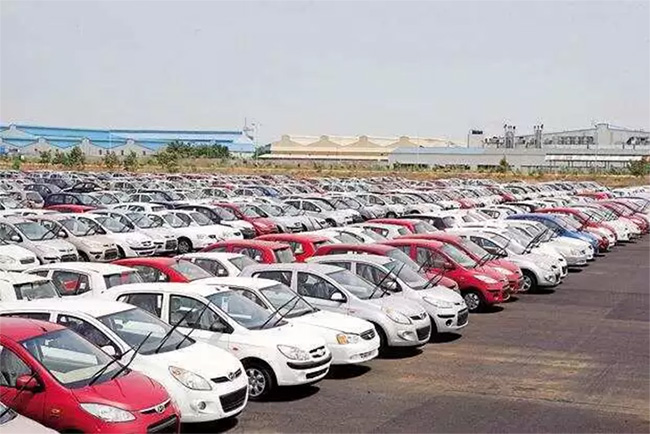
Jayasekara highlighted that four key taxes now apply to vehicle imports: taxes based on engine capacity, valuation tax, luxury tax, and an 18% VAT. Together, these taxes have caused vehicle prices to skyrocket, with importers predicting a price hike of up to 500%.

He added that the Central Bank’s insistence on maintaining “artificial vehicle prices” in the local market has further exacerbated the issue, as the government prioritized increasing tax revenue over addressing inflated prices.

Prasad Manage, President of the Vehicle Importers Association of Sri Lanka (VIASL), echoed these concerns, explaining that vehicle import taxes range between 200% and 500% depending on the vehicle.

 He outlined that beyond excise duties, other levies, including luxury taxes, customs duties, and the 18% VAT, are calculated based on the vehicle’s value, insurance, and freight (CIF) costs. For some vehicles, cumulative taxes could reach 600%, he said, cautioning buyers against making advance payments before import processes resume.

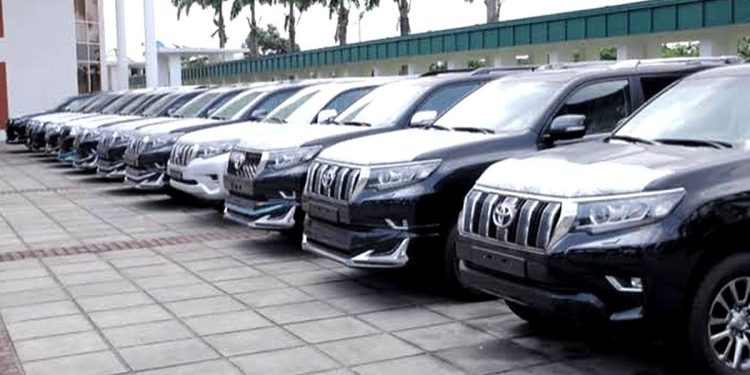
Initial pricing estimates reveal steep costs. Popular petrol vehicles, such as the Suzuki Every, Toyota Corolla, and Nissan Dayz, are priced at Rs. 1.3 million, Rs. 6.6 million, and Rs. 1.9 million, respectively.

Hybrid vehicles, including the Suzuki Wagon R and Honda Fit, start at Rs. 1.8 million and Rs. 3.5 million, with premium models like the Toyota Prius reaching Rs. 11.3 million. These figures exclude the full impact of layered taxes.

Meanwhile, Sampath Merenchige, President of the Vehicle Importers Association of Lanka (VIAL), called for policy changes to allow the import of vehicles over five years old. Noting Japan’s tendency to phase out older vehicles, he argued that this could reduce costs and expand consumer choices.

Vehicle importers are urging the government to adopt a balanced approach that considers affordability, tax revenue, and market stability. They caution against premature panic as the final taxation structure remains uncertain.

Additionally, the government announced that fuel taxes, effective since January 2024, will remain unchanged. Petrol is taxed at Rs. 72 per liter, super diesel at Rs. 57, and auto diesel at Rs. 50.

With vehicle imports set to resume on February 1, 2025, all eyes are on the government’s final tax policies and their impact on the automobile industry. Importers hope for measures that promote affordability while ensuring market sustainability.

Sri Lanka revives Council of Ministers for EDB after 28 years

0

January 16, Colombo (LNW): The Sri Lanka Export Development Board (SLEDB) has officially announced the reinstatement of the Council of Ministers for Export Development, a significant move after an absence of 28 years.

This marks a pivotal moment in the nation’s efforts to revitalise its export sector and enhance economic growth.

Chairman of the Export Development Board, Mangala Wijesinghe, shared the news, revealing that President Anura Kumara Dissanayake will assume the role of chairperson of the newly reformed council.

Whilst there have been previous attempts to establish such a council in the past, these initiatives lacked proper implementation, leading to limited success.

However, Wijesinghe expressed confidence that the current council would be more systematically structured, with clear objectives and a strategic focus on expanding Sri Lanka’s export capabilities.

The primary goal of the newly formed council is ambitious yet essential: to elevate Sri Lanka’s export income of goods and services to an impressive 18 billion dollars by the end of the current year.

This target reflects the government’s determination to boost the country’s international trade and secure a more prominent position in global markets.

The re-establishment of the Council of Ministers for Export Development is expected to provide a much-needed coordinated approach to export growth, addressing key challenges and seizing new opportunities across various sectors.

Two dead and two injured in shooting outside Mannar Magistrate’s Court

0

January 16, Colombo (LNW): A shooting incident outside the Mannar Magistrate’s Court this morning has resulted in the deaths of two individuals and left two others injured.

The incident occurred at approximately 09:20 am, sending shockwaves through the local community.

Two assailants, riding a scooter, approached the victims and opened fire using a pistol. The gunmen fled the scene immediately after the attack, according to Police Spokesman SSP Buddhika Manatunga.

Emergency services quickly responded, and the wounded individuals were rushed to the hospital for treatment.

Despite efforts to save them, hospital sources confirmed that two of the victims succumbed to their injuries.

Initial investigations suggest that the victims were scheduled to testify in a case being heard at the court. It is believed they were on their way to the hearing when the gunmen targeted them.

The motive behind the attack remains unclear, but the police are focusing on the possibility that the shooting may be linked to the victims’ involvement as witnesses in a case.

The Mannar Police have launched an extensive investigation into the incident, with officers working to gather more information and identify the perpetrators.

Authorities are exploring all potential leads, including examining the nature of the case the victims were associated with and whether the shooting was an act of intimidation or a targeted assault.

President’s state visit to China: Update

0

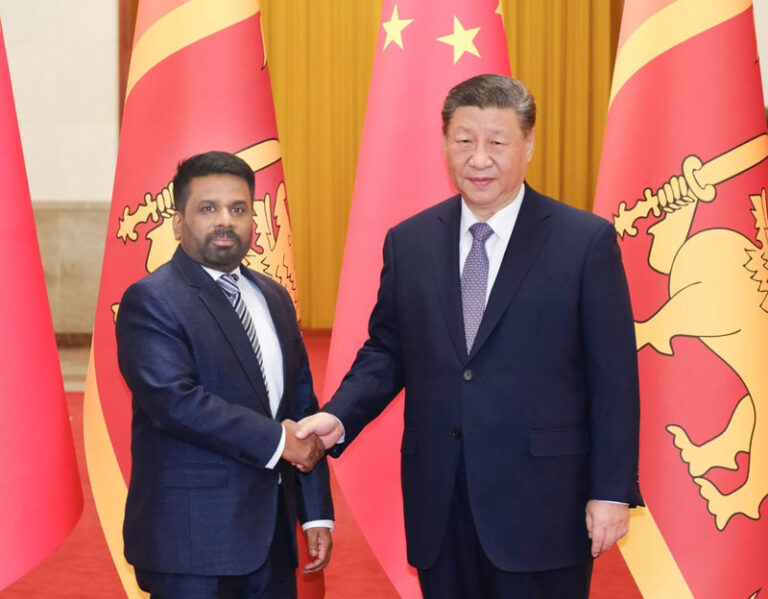
January 16, Colombo (LNW): President Anura Kumara Dissanayake is currently in the midst of a pivotal four-day state visit to China, with his third day marked by participation in a significant “Investment Session” this (16) morning.

Organised by both public and private sector bodies, the event is seen as one of the central components of the President’s visit and underscores Sri Lanka’s focus on enhancing economic ties with China.

Following the investment discussions, President Dissanayake will pay his respects at the Monument to the People’s Heroes in Beijing, where he is expected to lay a floral tribute in recognition of the Chinese people’s struggles and sacrifices in the pursuit of national unity and progress.

Later in the day, President Dissanayake is set to hold high-level talks with Chinese Premier Li Qiang and Zhao Leji, the Chairman of the Standing Committee of the National People’s Congress of China.

These meetings are anticipated to focus on deepening the robust bilateral relationship between the two nations, with a particular emphasis on trade, investment, and cultural exchanges.

On the previous day, Sri Lanka and China took a significant step in strengthening their bilateral cooperation by signing 15 agreements across a range of sectors.

The agreements were formalised in an official ceremony attended by President Dissanayake and Chinese President Xi Jinping at the prestigious Great Hall of the People in Beijing.

These agreements encompass a broad spectrum of collaboration, spanning the fields of economics, culture, education, and media.

Minister of Foreign Affairs Vijitha Herath, who was present during the discussions, elaborated on the scope of the agreements.

He highlighted that the two heads of state engaged in detailed conversations regarding the future of the Sri Lankan economy, the exchange of cultural values, and the political dynamics between the two nations.

Minister Herath further noted that the newly signed agreements would greatly benefit Sri Lanka, particularly in terms of economic support and development.

He shared that President Xi Jinping had reiterated China’s ongoing commitment to Sri Lanka, with assurances of continued assistance in various forms, including financial aid and investment projects.

This support is expected to bolster Sri Lanka’s economic recovery and further enhance the strategic partnership between the two countries.

Court imposes record fine and confiscates assets in major drug trafficking case

0

January 16, Colombo (LNW): The Colombo High Court has levied a hefty fine of Rs. 220 million on three individuals, including notorious drug dealer Gampola Vidanage Samantha Kumara, alias ‘Wele Suda’, and his wife, Gayani Priyadashani, alias ‘Suji’.

This penalty is considered one of the largest ever imposed in Sri Lanka under the Money Laundering Act for crimes associated with illicit drug trafficking.

The case, which has attracted significant attention, saw the court find the first accused, Gayani Priyadashani, guilty of 18 charges out of a total of 55.

Her husband, Wele Suda, was convicted on four counts, whilst the third defendant, Kambare Arachchige Wasundara, faced conviction on two charges related to the laundering of illicit proceeds.

Alongside the monumental fine, the court also issued a series of asset confiscations linked to the accused individuals.

Judge Adithya Patabendige, delivering the ruling, ordered the forfeiture of several high-value assets that had been registered under Gayani Priyadashani’s name.

These assets were identified as proceeds of the couple’s illegal drug trafficking activities. Amongst the confiscated items were luxury vehicles, including a BMW worth Rs. 4.45 million, a Prado Jeep valued at Rs. 6.6 million, and a Discovery Jeep valued at Rs. 4.5 million.

Furthermore, the authorities seized four properties, including a house situated on Bagatelle Road, Rs. 18 million held in a safe locker, 2,601 grams of gold, and furniture valued at Rs. 3.6 million.

In addition to the fines and asset seizures, the three accused were sentenced to eight years of rigorous imprisonment.

This prison term is expected to send a strong message to those involved in organised crime and the illicit drug trade.

The verdict underscores the government’s commitment to cracking down on money laundering and drug trafficking in the country, signalling a decisive shift towards greater accountability for individuals profiting from criminal activities.

Wele Suda, who has long been suspected of operating a vast drug trafficking network, has faced multiple legal challenges in recent years.

Delays in container clearance lead to departure of cargo ships from ports

0

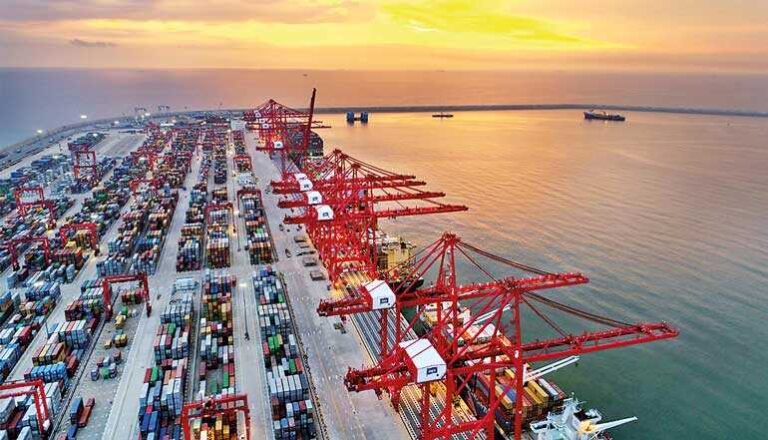
January 16, Colombo (LNW): A significant number of cargo ships—approximately 25 to 30—have had to abandon their docking at Sri Lanka’s ports due to ongoing delays in the container clearance process, Deputy Minister of Ports and Civil Aviation Janith Ruwan Kodithuwakku disclosed.

The vessels, unable to offload their cargo promptly, turned back to their ports of origin. Kodithuwakku made this comment during a site visit to the Rank Container Terminals (RCT) in Orugodawatta yesterday (15).

The issue of clearance delays at Sri Lanka’s ports was addressed in a meeting convened by President Anura Kumara Dissanayake on Sunday (12). The meeting brought together key stakeholders from customs, the Ports Authority, and other relevant parties to discuss solutions to the problem.

Following the discussions, customs officers committed to working around the clock—operating 24 hours a day, seven days a week—to expedite the clearance process and minimise delays.

The Container Transport Owners’ Association has since reported a noticeable improvement in the clearance speed, thanks to the collaborative efforts of the authorities.

However, despite these positive developments, long queues of container trucks continue to form outside the Orugodawatta customs yard, suggesting that the situation has not been fully resolved.

The congestion is still causing significant disruption to the smooth flow of goods at the port.

Additionally, the Association of Clearing & Forwarding Agents (ACFA) has raised concerns, emphasising that for further improvements, it is crucial for all involved institutions to extend their operational hours to 24/7.

This would ensure that the clearance process remains efficient and uninterrupted, particularly during peak periods when port traffic is heavy.

The ongoing delays have raised alarm among the business community, particularly importers and exporters, who are grappling with the uncertainty caused by the backlog of containers.

The government’s efforts to address the issue are still in motion, with a promise to further streamline operations in the coming weeks, aiming to restore Sri Lanka’s ports to their full operational capacity.

Rear Admiral Damian Fernando appointed Chief of Staff of SL Navy

0

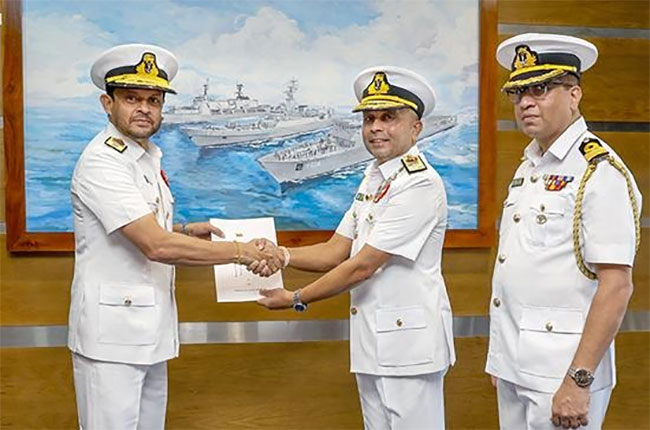
January 16, Colombo (LNW): President and Commander-in-Chief of the Armed Forces Anura Kumara Dissanayake has officially appointed Rear Admiral Damian Fernando as the new Chief of Staff.

This appointment is seen as a key moment in the Navy’s leadership transition.

The formal handover of the appointment letter was conducted by the Commander of the Navy, Vice Admiral Kanchana Banagoda, on January 15, at the Navy Headquarters in Colombo.

Rear Admiral Fernando, a distinguished officer with a remarkable career in the Sri Lanka Navy, takes up the prestigious position after decades of service. A proud alumnus of St. Joseph Vaz College in Vennappuwa, he began his naval journey in 1991, joining the Navy’s Executive Branch as an Officer Cadet in the 21st intake.

He successfully completed his initial training at the Naval and Maritime Academy in Trincomalee, and was commissioned as a Sub Lieutenant in 1993.

Over the years, Rear Admiral Fernando has accumulated a wealth of experience and expertise in various domains of naval operations.

His professional development has seen him specialise in areas such as Gunnery and Missiles, having received advanced training at INS Dronacharya in India in 2003. His expertise further expanded with a 2010 Engineer course focused on Naval Gun Maintenance in China.

In addition to his technical prowess, Rear Admiral Fernando has honed his strategic knowledge, completing courses at prestigious institutions, including the Royal College of Defence Studies in the United Kingdom and earning advanced degrees, such as a Master of Science in Management (Defence Studies) from General Sir John Kotelawala Defence University and a Master of Arts in International Security and Strategy from King’s College London.

Over the course of his esteemed career, Rear Admiral Fernando has earned numerous accolades in recognition of his exemplary service. He was awarded the Rana Sura Padakkama (RSP) for his bravery and gallantry in the line of duty and the Uththama Sewa Padakkama (USP) for his unwavering dedication and commitment to his responsibilities.

His exceptional leadership has also been recognised by the Navy, with six Letters of Commendation from Navy Commanders for his outstanding contributions to naval operations.

Rear Admiral Fernando has held a series of significant commands throughout his career, including roles such as Naval Armament Officer, Deputy Director of Naval Weapons, Commander of the 4th Fast Attack Craft Flotilla, and Captain of the Operations Department (West).

His leadership acumen was further demonstrated when he served as Commandant of the Naval and Maritime Academy, Director General of Personnel, and Commander of the North Central Naval Area. Prior to his elevation to Chief of Staff, he served as the Deputy Chief of Staff and Commander of the Eastern Naval Area.

In addition to his naval achievements, Rear Admiral Fernando is well-regarded for his contributions to the sport of cricket, both as a player and captain. He currently chairs the Sri Lanka Navy Cricket Pool, fostering talent and promoting the sport within the naval community.

Meanwhile, the Sri Lanka Navy also announced the appointment of Rear Admiral Chinthaka Kumarasinghe as the Deputy Chief of Staff, effective from December 31, 2024.

Sri Lanka and Saudi Arabia formalise agreement for Hajj 2025

0

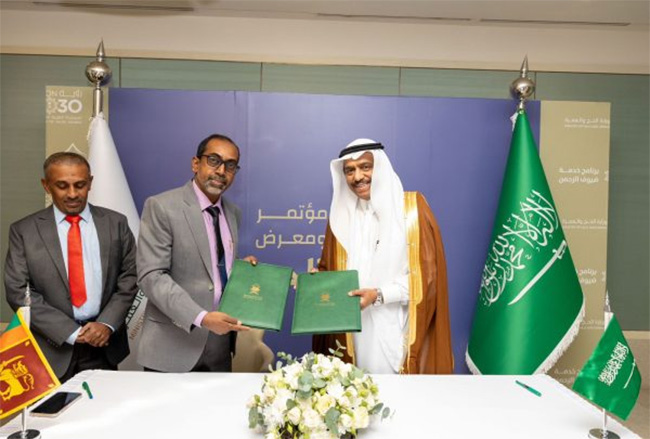
January 16, Colombo (LNW): Sri Lanka has recently signed a significant agreement concerning the Hajj pilgrimage for the year 2025, marking a new chapter in the bilateral relations between Sri Lanka and Saudi Arabia.

The agreement was finalised in Jeddah, with the Sri Lankan delegation led by the Minister of Buddhasasana, Religious and Cultural Affairs, Dr. Sunil Senevi.

On the Saudi side, Dr. Abdulfattah Bin Sulaiman Mashat, the Deputy Minister of Hajj and Umrah, represented the Kingdom.

The agreement underscores the shared commitment of both nations to enhancing the Hajj pilgrimage experience for Sri Lankan Muslims.

Minister Senevi’s visit to Saudi Arabia was arranged at the invitation of Dr. Tawfiq Fawzan Alrabiah, the Saudi Minister of Hajj and Umrah, and is seen as a crucial step towards streamlining Hajj operations in the future.

In discussions preceding the signing, Minister Senevi highlighted the Sri Lankan government’s dedication to improving the Hajj journey for its citizens.

He outlined plans for making the pilgrimage process more efficient and seamless, a sentiment that reflects the broader ambitions of the Sri Lankan administration to enhance its international partnerships and ensure a smooth experience for pilgrims.

As part of his official visit, Minister Senevi is scheduled to meet with Dr. Tawfiq Fawzan Alrabiah and various Hajj service providers to discuss future developments in Hajj arrangements.

The delegation will also make visits to key religious and cultural sites, including Madinah, the holy city of the Prophet, and significant landmarks in Jeddah. Furthermore, Minister Senevi took time to engage with the Sri Lankan expatriate community in Jeddah, strengthening ties between the two nations.

The Sri Lankan delegation accompanying Minister Senevi includes a range of senior officials, such as Deputy Minister of National Integration Muneer Mulaffar, Sri Lanka’s Ambassador to Saudi Arabia Ameer Ajwad, Director of the Department of Muslim Religious and Cultural Affairs M.R.M. Nawas, Acting Consul General Mafusa Lafir, and Hajj Coordinator Dr. M.N.M. Ahsraff.

Heavy showers, strong winds expected across island (Jan 16)

0

January 16, Colombo (LNW): Showers or thundershowers will occur at times in North-central, Eastern, Uva and Central provinces and in Hambantota district, and fairly heavy showers above 50 mm are likely at some places in Eastern province and in Matale, Nuwara-Eliya and Polonnaruwa districts.

Showers or thundershowers will occur at several places in Western and Sabaragamuwa provinces and in Galle and Matara districts during the afternoon or night.

Fairly strong winds of (30-40) kmph can be expected at times over Eastern slope of the central hills and Northern, North-central, Eastern, North-western and Uva provinces and in Hambantota district.

Misty conditions can be expected at some places in Western, Sabaragamuwa, Central, province in Galle and Matara districts during the morning.

The general public is kindly requested to take adequate precautions to minimise damages caused by temporary localised strong winds and lightning during thundershowers.

Marine Weather:

Condition of Rain:
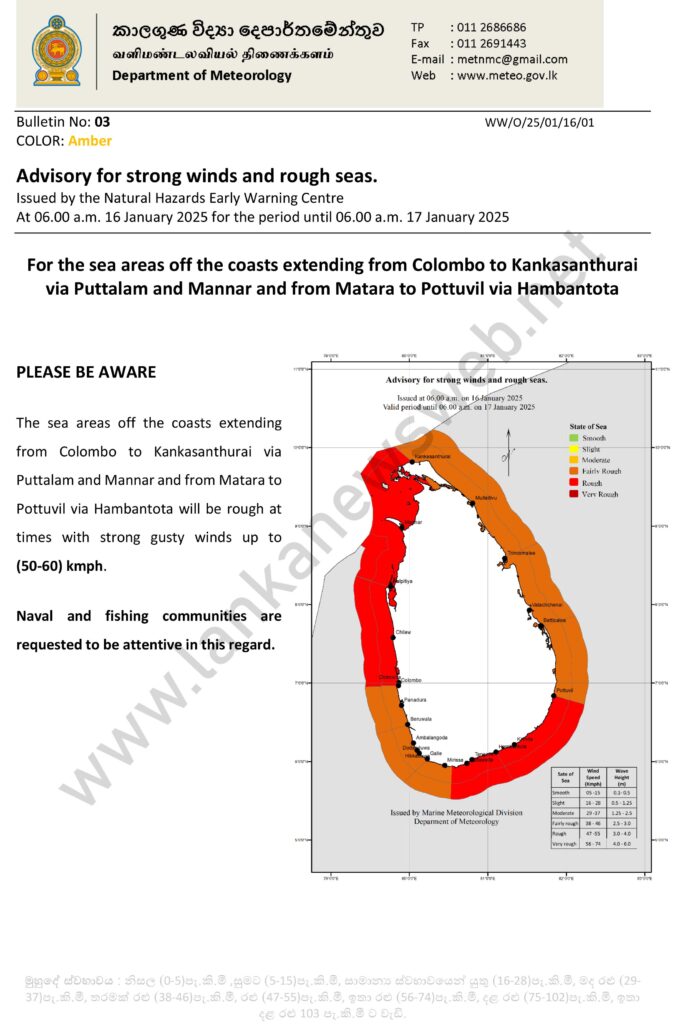
Showers or thundershowers will occur at several places in the sea areas extending from Kankasanthurai to Matara via Trincomalee and Pottuvil. Showers or thundershowers will occur at several places in the other sea areas around the island during the afternoon or Night.
Winds:
Winds will be north-easterly and speed will be (30-40) kmph. Wind speed can increase up to (50-60) kmph at times in the sea areas off the coast extending from Colombo to Kankasanthurai via Puttalam and Mannar and from Matara to Pottuvil via Hambantota. Wind speed can increase up to 50 kmph at times in the other sea areas around the island.
State of Sea:
The sea areas off the coasts extending from Colombo to Kankasanthurai via Puttalam and Mannar and from Matara to Pottuvil via Hambantota will be rough at times. Other sea areas around the island may be fairly rough at times. Temporarily strong gusty winds and very rough seas can be expected during thundershowers.

Missing Vehicles and Management Issues in Sri Lanka’s Local Governments

0

The primary role of Local Governments in Sri Lanka is to offer essential services that improve the quality of life for citizens, including regulatory functions, public health promotion, and providing infrastructure to enhance the comfort and well-being of communities. However, these bodies often face challenges in service delivery, resulting in public criticism.

A key issue has been the misuse and mismanagement of state resources, highlighted by a government initiative to track down official vehicles misappropriated by former politicians and officials. 

The investigation uncovered that hundreds of vehicles, including 201 motorcycles, were unaccounted for under the Southern Provincial Council. An audit report confirmed the disappearance of 201 vehicles registered to the Southern Provincial Council, while sources indicated that over 2,000 vehicles from provincial councils are missing across the country.

The missing vehicles, many of which are luxury cars and jeeps, raise concerns about the improper use of state property. An investigation is ongoing to determine the whereabouts of these vehicles. 

Minister of Public Administration, Provincial Councils, and Local Government, Professor Chandana Abeyratne, has directed officials to locate the missing vehicles and has acknowledged past misuse of these resources, particularly by lower-ranking officials with political connections.

Further audit findings show that 31 vehicles from the Central Provincial Council remain unaccounted for, and the physical existence of 201 vehicles from the Southern Provincial Council remains unverified. 

These developments highlight the need for stricter measures to ensure accountability and prevent future mismanagement of public resources.

Local Governments in Sri Lanka also face broader issues, including lack of resources, political interference, outdated regulations, human resource management problems, and inefficiencies in procurement processes. 

The effectiveness of service delivery is influenced by factors such as employee commitment, leadership, the use of technology, citizen participation, and performance evaluations. Policy measures are needed to address these challenges and improve public service delivery across the country.