August 31, Colombo (LNW):Showers or thundershowers will occur at times in Western, Sabaragamuwa and North-western provinces and in Galle, Matara, Kandy and Nuwara-Eliya districts. Fairly heavy showers above 50 mm are likely at some places in Western and Sabaragamuwa provinces and in Galle, Matara, Nuwara-Eliya and Puttalam districts.
Showers or thundershowers may occur at a few places in Northern, Eastern and Uva provinces during the evening or night.
Strong winds about (40-50) kmph can be expected at times over Western slopes of the central hills, Northern, North-central and North-western provinces and in Hambantota and Trincomalee districts.
The general public is kindly requested to take adequate precautions to minimize damages caused by temporary localized strong winds and lightning during thundershowers.
The sun is going to be directly over the latitudes of Sri Lanka during 28th of August to 06th of September due to its apparent southward relative motion. The nearest places of Sri Lanka over which the sun is overhead today (31) are Rambewa, Thoppur and Mahawilachchiya about 12.10 noon.
August 30, Colombo (LNW): The trio of Chinese People’s Liberation Army Navy warships — “HE FEI,” “WUZHISHAN,” and “QILIANSHAN” — which arrived in Sri Lanka on August 26, 2024, departed the island today (August 29) after successfully completing their formal visit. The Sri Lanka Navy bade them a customary farewell at the Colombo port, in accordance with naval traditions.
As they departed, the Chinese warships conducted a Passage Exercise (PASSEX) with SLNS Vijayabahu, which included training in communication and tactical maneuvers, and concluded with the traditional cheer ship salute.
During their visit, the Commanding Officers of the three warships met with the Commander of the Western Naval Area, Rear Admiral Chinthaka Kumarasinghe, at the Western Naval Command Headquarters on August 26. The crew took the opportunity to explore Sri Lanka’s tourist attractions and participated in various programs designed to foster camaraderie between the two navies. Additionally, Sri Lankan Navy personnel attended briefings on the operational functions of the visiting ships.
Port calls by foreign naval ships are vital for fostering collaboration among naval forces and strengthening diplomatic ties. These visits enable joint naval exercises, training, and the exchange of knowledge and information on unique maritime environments, helping to address shared maritime challenges.
August 30, Colombo (LNW): Steps are being taken to change the current system of providing ration allowances to armed forces personnel starting in January, Defence State Minister Pramitha Bandara Tennakoon announced at a press conference held at the State Ministry yesterday (29).
Under the new system, the ration allowance for Tri-Force personnel will be incorporated into their monthly salary from next January. This move aims to enhance the financial status of the personnel and increase financial transparency and accountability, he said.
August 30, Colombo (LNW):To commemorate the ‘International Day of Missing Persons’ declared by the United Nations, a ceremony was held at the Hector Kobbekaduwa Agricultural Research Institute in Colombo 07 on Wednesday, August 28, under the patronage of Justice, Prison Affairs, and Constitutional Reforms Minister Ali Sabri, PC.
Organized by the Office for the Missing Persons, the event featured a keynote speech by Minister Sabri, who reaffirmed the government’s commitment to providing justice and a dignified end for the families of the missing and their loved ones. “The Office for the Missing Persons, established to address the issues faced by those affected by the civil war, has earned the trust of the people through its efforts to determine the status of missing persons and provide solutions,” he said.
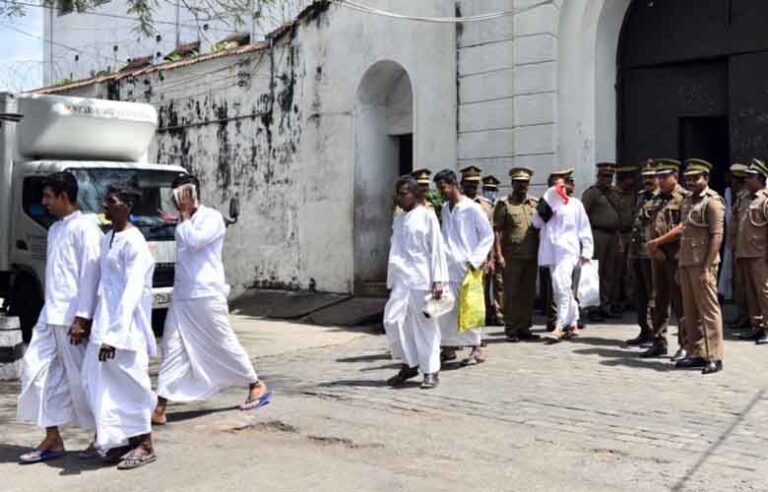
Minister Sabri highlighted that since 1980, approximately 14,500 people have disappeared in Sri Lanka, and justice must be sought for these individuals through the existing mechanisms. He emphasized that some have exploited the issue for political purposes, stressing the need to address the concerns of all Sri Lankans, regardless of their location. He also mentioned the government’s release of 12,900 rehabilitated LTTE members who have not re-engaged in terrorist activities.
He underscored the importance of listening to those affected by the disappearance of relatives, noting the significant role of the Office for the Missing Persons. Additionally, he pointed out that the Office for Truth and Reconciliation offers further opportunities for justice. While acknowledging international support, he insisted that foreign entities should not interfere in Sri Lanka’s internal affairs.
The event was attended by Attorney-at-Law Mahesh Katulanda, Chairman of the Office for the Missing Persons, Nihal Ranasinghe, Secretary of the Ministry of Justice, Prison Affairs and Constitutional Reform, Attorney General President’s Counsel Parinda Ranasinghe, South African High Commissioner to Sri Lanka Sandile Edwin Schalk, Swiss Ambassador to Sri Lanka Dr. Siri Walt, Executive Director of the Office for Missing Persons J. Tatparan, other government officials, and relatives of missing persons.
Indian National Security Advisor Ajit Doval emphasized the immense potential for India and Sri Lanka to enhance economic cooperation, highlighting the mutual benefits stemming from their complementary bilateral ties. He made these remarks during a meeting with Sri Lankan Prime Minister Dinesh Gunawardena at the Prime Minister’s office in Colombo yesterday (29).
Doval expressed India’s desire to further expand cooperation with Sri Lanka and sought the Prime Minister’s perspective on priority areas. Prime Minister Gunawardena identified the energy sector as a key area and thanked India for its support in both large and small-scale alternative energy projects. He noted that the Sri Lankan government is amending Ceylon Electricity Board regulations to facilitate private sector participation in electricity generation and distribution, which could lead to increased Indian investments in solar and wind power projects.
Doval suggested that Sri Lanka could potentially generate more power than its domestic needs in the future and sell excess power to India, resulting in significant financial benefits. He cited Bhutan’s example, where the sale of hydroelectric power to India is the country’s largest revenue source.
Prime Minister Gunawardena also mentioned that Sri Lanka’s Theravada economic policy is inspired by economic practices from India, dating back 25 centuries to the time of the Buddha, which he believes will complement economic growth. He further expressed gratitude to India for providing training to Sri Lankan armed forces and public servants to enhance their skills and efficiency.
The high-level Indian delegation led by Ajit Doval included High Commissioner Santosh Jha, Additional Secretary Puneet Agrawal, and senior officials Akshay Joshi, Gaurav Aluwhalia, and Teja Chandan. From Sri Lanka, Secretary to the Prime Minister Anura Dissanayake, Additional Secretary Harsha Wijewardene, and Advisor Sugeeswara Senadhira participated in the discussion.
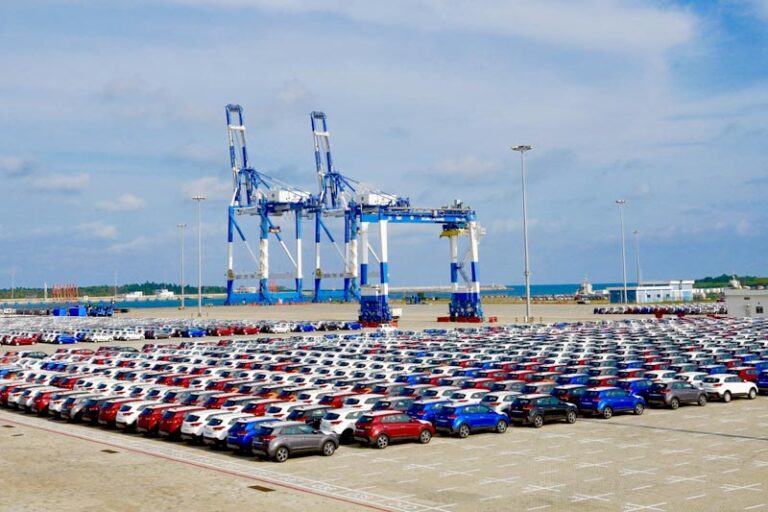
August 30, Colombo (LNW): The Port of Colombo (POC) experienced a notable 24% increase in container volumes, surpassing 2 million TEUs in the first quarter of 2024.
The Sri Lanka Ports Authority (SLPA) reported that alongside this growth, the port’s overall transshipment volume reached 1,729,314 TEUs in the first quarter, reflecting a substantial 24.20% increase compared to the same period last year.
SLPA terminals saw a significant year-on-year rise in container volume handling, with a 48% increase to 652,766 TEUs in the first quarter.
The surge in container volumes has been linked to several factors, including the ongoing Red Sea crisis and its broader effects. SLPA’s transshipment volume for the first three months of this year rose by 49.81% year-on-year to 582,403 TEUs.
SLPA Chairman Keith D. Bernard highlighted that the port is well-positioned to become a critical transshipment hub for the Middle East, as many shipping lines are rerouting vessels to avoid risks in the Red Sea and the Suez Canal.
In response to recent news reports suggesting that the Port of Colombo is losing business to Indian ports, the SLPA countered these claims, stating that they misrepresent the actual situation.
The SLPA clarified that seasonal variations and global economic conditions have temporarily reduced cargo handling at many ports worldwide, including Colombo, which is a normal occurrence in the shipping industry and not due to any immediate competition.
The recent discharge of new equipment for the East Container Terminal (ECT) at the Port of Colombo briefly affected normal container operations at the ECT.
Additionally, adverse weather conditions in Colombo disrupted some scheduled ship movements, though these factors did not significantly impact the overall volumes handled at the port.
In 2024, the Port of Colombo demonstrated strong growth in container handling, with operations increasing significantly.
The POC managed 5,023,632 TEUs in 2024, compared to 4,584,843 TEUs the previous year, marking a 9.6% increase. This consistent growth has solidified Colombo’s status as a major regional player.
The SLPA reaffirmed that the port is progressing well, driven by efficient operations and the global economic recovery. The Port of Colombo remains a crucial component of the global supply chain, playing an essential role in both regional and international trade.
August 30, Colombo (LNW): Regional Plantation Companies (RPCs) in Sri Lanka have significant opportunities to diversify their agricultural portfolios by venturing into spice cultivation, according to Senaka Alawattegama, Chairman of the Planters’ Association.
Speaking at the 40th Annual General Meeting of the Spices and Allied Products Producers’ and Traders’ Association (SAPPTA), Alawattegama highlighted that RPCs could leverage their existing resources and expertise to tap into the spice market, potentially boosting revenue streams and solidifying their market position.
Alawattegama emphasized the numerous advantages of diversifying into spice cultivation, noting that spices can be processed into value-added products, thereby increasing their market value and profitability.
He cited the example of Dilmah, a renowned tea brand that recently ventured into marketing Ceylon Cinnamon, illustrating how integrating spice cultivation can significantly enhance the agricultural output of Sri Lankan plantation companies.
Sri Lanka’s global standing in the spice industry was also a key focus of Alawattegama’s address. He noted that the country is the ninth-largest exporter of spices worldwide, a testament to its reputation for producing high-quality spices.
He praised Sri Lanka’s rich spice heritage, with products such as cinnamon, pepper, cloves, cardamom, nutmeg, mace, and vanilla being recognized globally for their exceptional quality.
Specifically, he highlighted the global renown of Ceylon Cinnamon and Ceylon Pepper, both of which have distinct flavors and superior quality that mirror the global acclaim of Ceylon Tea.
Alawattegama urged the Sri Lankan government to provide robust support to the spice industry to help achieve its ambitious target of $1 billion in export income.
He suggested that such support could include favorable and consistent policies, investments in research and development, and infrastructure improvements to enhance the sector’s competitiveness.
He acknowledged the challenges facing the international spice market, including climate change, market fluctuations, and evolving consumer preferences. However, he viewed these challenges as opportunities for growth and innovation within the industry.
Looking ahead, Alawattegama stressed the importance of prioritizing sustainable practices, innovation, quality assurance, and market expansion for the long-term success of the spice sector.
He advocated for the adoption of environmentally-friendly cultivation methods, minimizing the carbon footprint, and supporting fair trade practices.
Incorporating technology into spice cultivation and processing, he argued, could enhance efficiency and product quality.
Additionally, he underscored the importance of investment in research and development to keep Sri Lanka ahead of global trends and meet the changing demands of consumers.
In conclusion, Alawattegama highlighted the need for rigorous quality control and certification processes to maintain Sri Lanka’s reputation for excellence in the international spice market.
By exploring new markets and expanding the product range, he believes Sri Lanka can unlock further growth opportunities and continue to thrive in a competitive global spice market.
August 30, Colombo (LNW): Sri Lanka’s small and medium-sized enterprises (SMEs) are poised for a significant transformation as the government partners with the International Finance Corporation (IFC) to harness their export potential.
SMEs represent about 70% of the 1.3 million enterprises in the country, employing 2.2 million people and contributing over 50% of the national GDP. However, these enterprises are currently facing unprecedented financial challenges, with many deeply in debt.
The Cabinet of Ministers recently approved a cooperation agreement between the Export Development Board of Sri Lanka (EDB) and the IFC. This agreement, initiated by President Ranil Wickremesinghe in his role as Investment Promotion Minister, has received legal and diplomatic clearances, setting the stage for its implementation.
The business environment for 89% of SMEs has deteriorated, largely due to stringent legal measures taken by banks to recover loans. Official data reveals that, over the past eleven months, 1,183 SME assets have been seized and auctioned off under parate execution.
This legal process, governed by Sri Lanka’s Banking Act, has forced many entrepreneurs to close their businesses as they are unable to meet loan repayments after the expiry of a moratorium provided by the Central Bank.
The cooperation agreement with the IFC aims to reverse this trend by transforming SMEs into active exporters. As part of the EDB’s broader initiative to foster new exporters and expand the export sector, this partnership will provide targeted support to SMEs.
The focus is on helping these businesses scale up, enhance competitiveness, and successfully enter international markets.
Cabinet Spokesman Minister Bandula Gunawardena highlighted that this strategic partnership will bring significant benefits to SMEs, including access to valuable knowledge, training, and financial support.
It aligns with the government’s broader goals of diversifying the export base, reducing economic vulnerabilities, and promoting sustainable development.
In response to the current SME crisis, State Finance Minister Shehan Semasinghe announced that the government has allocated Rs. 50 billion in the 2024 budget to support these enterprises.
Of this, Rs. 30 billion is earmarked for rehabilitation efforts, which will be divided into two segments.
A new facilitating institution will be established under the Ministry of Finance in January, with Rs. 50 million allocated for issuing guarantees and an additional Rs. 50 million for providing financial facilities at subsidized interest rates.
This initiative reflects the government’s commitment to revitalizing the SME sector, which plays a crucial role in the country’s economy.
Through targeted support and international cooperation, Sri Lanka aims to turn its struggling SMEs into competitive players in the global market
August 30, Colombo (LNW):Hayleys Fabric PLC has achieved a significant milestone in its sustainability journey by becoming the first Sri Lankan company featured in a case study on the Global Organic Textile Standard (GOTS) website.
This recognition highlights the company’s leadership in sustainable textile production and follows its recent win at the International Quality Awards 2024, where it was honored with the ‘Sustainability Impact’ award.
Managing Director and CEO Rohan Goonetilleke expressed pride in this achievement, emphasizing that the global push towards sustainability in textiles is crucial for all resource-intensive industries.
He underscored Hayleys Fabric’s commitment to eco-friendly innovations and responsible production methods, which set new industry benchmarks and contribute to a sustainable future.
GOTS is the premier global standard for organic textiles, requiring manufacturers to use at least 70% certified organic fibers for general products, and 95% for those labeled ‘organic’.
The certification involves strict regulations on the use of harmful chemicals, ensuring that all chemical inputs meet high environmental and toxicological standards.
Additionally, wastewater from production must be treated in functional treatment plants, and packaging materials must be PVC-free and adhere to FSC or PEFC standards.
Transparency and traceability are key components of the certification, involving regular independent inspections and certifications.
Since obtaining GOTS certification in 2014, Hayleys Fabric has maintained a strong commitment to the standard’s environmental and social criteria.
The company’s innovative sustainability practices include producing sustainable dyes from waste materials, such as mahogany dye from furniture waste and black dye from biomass.
The Innovation Centre at Hayleys Fabric also plays a role in developing their own fabric brands.
The company supports environmental sustainability beyond its production processes. Adjacent to its facility is a green belt and biodiversity wetland park, home to nearly 300 species of flora and fauna.
This park also serves as an educational resource for local schools and universities.
In maintaining a sustainable supply chain, Hayleys Fabric rigorously screens raw material suppliers for environmental and social compliance.
This ensures that the company’s products adhere to high environmental standards from raw material extraction through to disposal.
Social responsibility is also a priority for Hayleys Fabric. The GOTS certification’s labor standards are strictly followed, including prohibiting forced labor, supporting collective bargaining, and ensuring safe and hygienic working conditions.
The company operates a 100% women-only knitting plant at Wagawatta, providing a supportive work environment with medical and sanitary facilities.
Since December 2020, it has been certified to ISO 45001 for occupational health and safety.
Beyond its certifications, Hayleys Fabric is actively involved in various environmental and social CSR projects, reinforcing its role as a leader in sustainable textile manufacturing.
August 30, Colombo (LNW): State Minister of Finance Shehan Semasinghe issued a stark warning that implementing promises made by opposition candidates could result in the immediate termination of the country’s International Monetary Fund (IMF) programs. He cautioned that such actions could jeopardize agreements with foreign debt holders and private bondholders, potentially leading to a severe economic crisis.
Speaking at a press conference at President Ranil Wickremesinghe’s political office in Colombo, Semasinghe emphasized the need to adhere to the IMF agreements. He noted that discussions with the IMF are ongoing regarding amendments to Pay As You Earn (PAYE) taxes, aiming to provide public relief with tax reductions expected by April 2025.
He also highlighted President Wickremesinghe’s newly launched presidential election manifesto, “Five Triumphant Years for Sri Lanka With Ranil,” crediting the President with transforming the country from the brink of economic collapse to a more stable state.
The State Minister stressed that the economy is the most pressing issue facing the country and pointed out that while various parties have proposed different economic strategies, there is little understanding of their feasibility. He emphasized that the benefits of the economic stability achieved are gradually being passed on to the people, with a portion reinvested to bolster economic resilience and mitigate the impact of the reform program on the public.