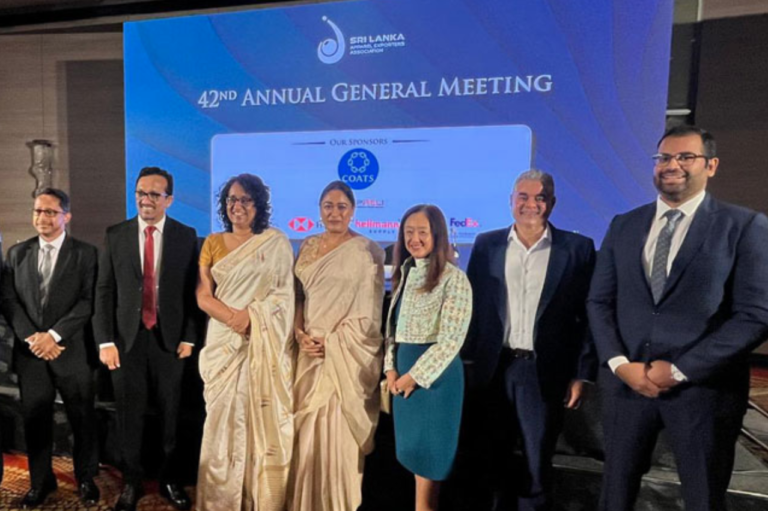
U.S. Ambassador to Sri Lanka, Julie Chung, stated that the U.S. apparel manufacturing sector is projected to generate USD 365 billion in revenue in 2025, highlighting potential benefits for Sri Lankan businesses looking to expand operations in the U.S.
Speaking at the Sri Lanka Apparel Exporters’ Association’s annual general meeting, she emphasized that Sri Lankan companies could take advantage of reduced shipping times, lower tariffs, and quicker market response by setting up operations in the United States.
Ambassador Chung also pointed out that with the new U.S. administration, the country remains open for business, expecting a rise in investments and trade opportunities. She encouraged Sri Lankan companies to view U.S. expansion as a strategic move to build a resilient and competitive future in the global market.
She further acknowledged the Sri Lankan government’s commitment to good governance and stressed that foreign investors prioritize transparent procurement processes, fair competition, and the enforcement of contracts.
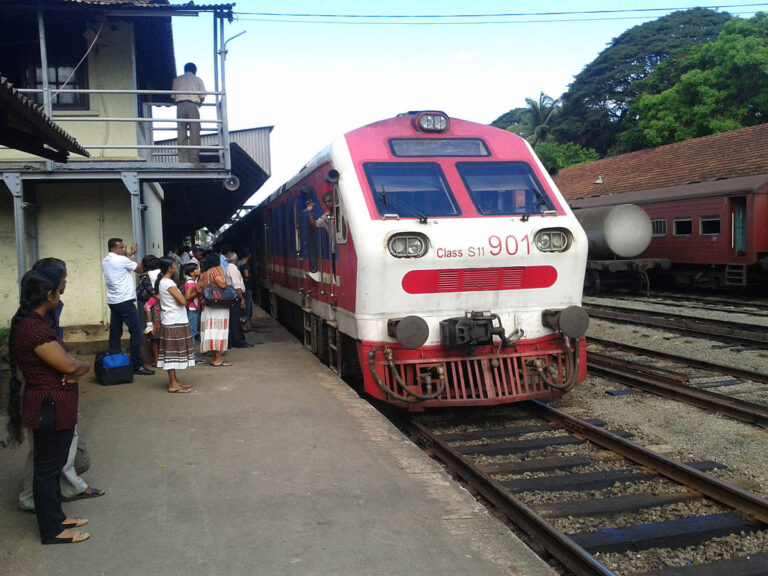
The night mail train service between Colombo Fort and Kankesanthurai has resumed operations after a nearly two-year suspension due to the modernization of the Northern Railway Line.
Railways Department General Manager Dhammika Jayasundara confirmed that the service restarted yesterday, marking a significant step in restoring long-distance rail connectivity.
Train Schedule:
Departure:8:00 PM from Colombo Fort
Arrival:4:35 AM at Kankesanthurai
The resumption of this express mail train is expected to provide convenient and efficient transport for passengers traveling between the North and the capital.
Power and Energy Minister Kumara Jayakody reaffirmed that the Government will not sell state-owned institutions, emphasizing its commitment to retaining full state ownership in the energy and financial sectors.
During an inspection tour at the Lakvijaya Power Plant in Norochcholai yesterday (31), the Minister assured that restructuring efforts would involve only the separation of electricity generation, transmission, and distribution—without any transfer of shares to private ownership.
Key Highlights:
State Ownership Guaranteed: The government remains firm in its stance against privatization.
Restructuring for Efficiency: Electricity generation, transmission, and distribution will be separated, but all entities will remain 100% state-owned.
Energy Security Commitment: Lakvijaya Power Plant contributes 40% of Sri Lanka’s daily electricity demand, making its efficient management critical.
Workforce Protection: Employees’ job security remains assured under government policies.
The Minister praised the Lakvijaya Power Plant’s management and stressed the need to maintain high operational standards.
The event was attended by:
Nalaka Wijekoon – CEB Additional General Manager (Generation)
G.W. Bamunusinghe – Power Plant Manager
Other senior officials and plant employees.
The government remains focused on improving energy infrastructure while ensuring that state control over key sectors is maintained.
Asian Development Bank (ADB) officials have acknowledged the remarkable progress of Sri Lanka’s tourism industry, attributing its success to the policies implemented by the new government.
During a meeting with Secretary to the President, Dr. Nandika Sanath Kumanayake, at the Presidential Secretariat on Thursday, ADB representatives highlighted the rapid expansion of the country’s tourism sector and discussed future development initiatives.
The meeting was attended by:
ADB Representatives
Country Operations Head, Cholpon Mambetova
Water and Urban Development Sector Office Director, Srinivas Sampath
Urban Development Specialist, Elma Morsheda
Senior Project Officer, Panchali Ellepola
Sri Lanka Officials
SLTDA Deputy Director General, Upali Ratnayake
SLTPB Managing Director, P.A.D. Damayanthi
The discussion reinforced the commitment of both parties to further strengthen Sri Lanka’s tourism industry through strategic development and international collaboration.
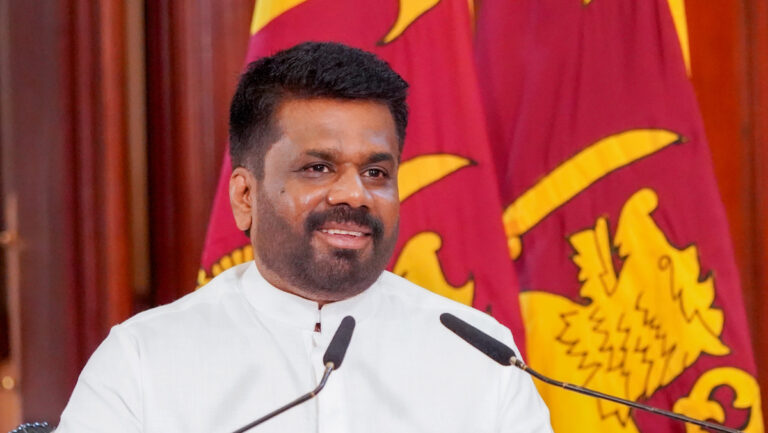
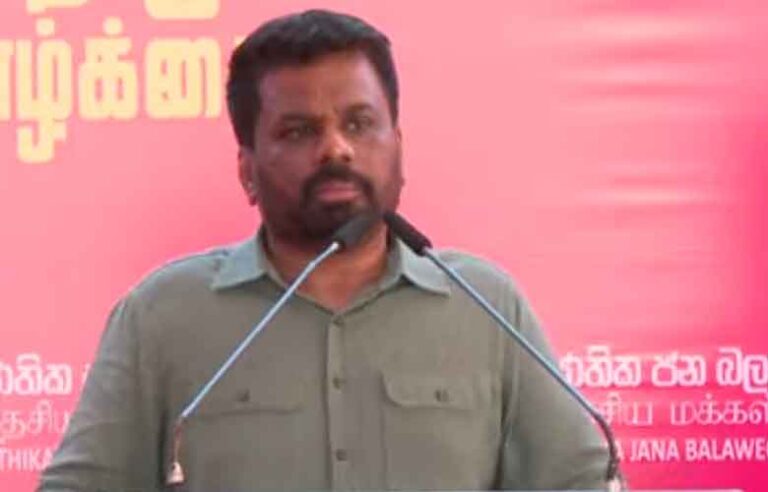
President Anura Kumara Dissanayake reaffirmed the government’s commitment to ensuring that land rightfully belongs to the people, emphasizing that land disputes in the Northern Province are under review, with steps being taken to expedite their resolution.
Speaking at the Jaffna District Coordination Committee (DCC) meeting at the Jaffna District Secretariat yesterday (31), the President stated that while the government has the authority to acquire land for development or security purposes, affected individuals must be provided with alternative land.
Key Announcements & Development Initiatives
Repurposing Jaffna President’s House – The government will transform the Jaffna President’s House into a project of significance for the local community. Officials have been asked to submit proposals for its new use.
Addressing War Displacement – The President directed officials to take swift action regarding families still displaced due to the war.
State Employment Opportunities – A committee led by the Secretary to the Prime Minister has identified 30,000 vacancies in state institutions, which will be filled through a fair recruitment process. Tamil-speaking youth will be given increased opportunities in the Police Department.
Transport Sector Overhaul – A joint bus operation between the Sri Lanka Transport Board (SLTB) and private operators will be launched, along with an increase in train services to improve mobility in the region.
Industrial Development & Investment – Three new industrial zones will be established in Paranthan, Mankulam, and Kankesanthurai to boost employment and economic growth. Sri Lankans who emigrated due to the war are invited to invest in these projects.
Tourism Expansion – With Sri Lanka expecting 2.5 million tourists next year, the government will identify and promote new attractions in the Northern Province to enhance regional tourism.
Water Supply & Infrastructure – The Northern Province has the lowest piped drinking water consumption in the country. The government will accelerate existing water projects and allocate new funds in the upcoming budget to expand access to clean drinking water.
Diplomatic Efforts on Fisheries Issues – The government will engage in diplomatic discussions to resolve the ongoing fisheries-related concerns in the region.
President Dissanayake assured that all new public sector recruitments in the Northern Province will be carried out without political interference. He emphasized the government’s unwavering commitment to improving education, healthcare, transportation, agriculture, and public services in the region, stating that political and state mechanisms must work together to uplift living standards.
The meeting was attended by key figures, including Minister of Fisheries Ramalijngam Chandrasekar, Minister of Transport Bimal Rathnayake, MPs from NPP, ITAK, and AITC, Northern Province Governor Nagalingam Vedanayagam, Chief Secretary Lilangovan, Jaffna District Secretary M. Pradeepan, Acting IGP Priyantha Weerasooriya, senior military officials, and other government representatives.
Prevailing showery condition over the island is expected to be reduced from tomorrow (02).
A few showers will occur in Uva province and in Batticaloa, Ampara, Matale, Nuwara-Eliya and Hambantota districts.
Showers or thundershowers will occur at several places in Western and Sabaragamuwa provinces and in Galle, Matara and Kandy districts in the evening or night.
Misty conditions can be expected at some places in Western, Sabaragamuwa, Central, North-western and Southern provinces during the morning.
The general public is kindly requested to take adequate precautions to minimize damages caused by temporary localized strong winds and lightning during thundershowers.
January 31, Colombo (LNW): President Anura Kumara Dissanayake has reaffirmed the government’s commitment to returning land to its rightful owners in the Northern Province, stressing that the land belonging to the people should remain with them.
During a meeting of the Jaffna District Coordination Committee (DCC) held today, the President highlighted that the issue of land disputes in the region is under active review, with steps being taken to expedite the process of restitution.
The President made it clear that while the government holds the authority to acquire land for development or security purposes, it is essential that those affected are provided with alternative land.
This assurance was made in line with the government’s broader objectives to ensure fairness and justice for the people of the Northern Province.
The President’s Media Division (PMD) reported that the government is working to resolve these matters swiftly.
At the meeting, President Dissanayake also revealed plans to repurpose the President’s House in Jaffna for a more meaningful project that would benefit the people of the region.
He called on officials to submit detailed proposals for this initiative to ensure its relevance and effectiveness.
Addressing the continuing challenges faced by displaced families from the war, the President directed authorities to investigate reports that many such families are still residing in the Northern Province.
Dissanayake urged swift action to address their needs and provide necessary support.
The meeting also touched on employment opportunities in the public sector. President Dissanayake noted that a committee led by the Secretary to the Prime Minister had identified approximately 30,000 vacancies in various state institutions.
He assured that these vacancies would be filled in accordance with established procedures, creating opportunities for university graduates and young professionals in the region.
Additionally, the President called for increased recruitment of Tamil-speaking youth into the Police Department, emphasising the importance of their involvement in national security.
In a further push to improve infrastructure, the government has laid out plans to enhance the transportation network in the Northern Province.
A new initiative will see the Sri Lanka Transport Board (SLTB) collaborate with private bus operators to launch joint bus services, while train services in the region will also be expanded to meet growing demand.
To bolster the local economy, President Dissanayake announced the creation of three new industrial zones in Paranthan, Mankulam, and Kankesanthurai, which are expected to improve the livelihoods of the people in these areas.
He also invited Sri Lankans who had left the country due to the war to consider investing in these projects, thus contributing to the region’s revitalisation.
Tourism is another sector set to benefit from government efforts, with the President revealing plans to promote the Northern Province as a tourist destination.
With an estimated 2.5 million visitors expected to arrive in Sri Lanka in the coming year, the government aims to identify and develop new attractions in the region to boost tourism and stimulate the local economy.
Furthermore, the President addressed the issue of water supply in the Northern Province, which currently has the lowest consumption of piped drinking water in the country.
He announced that funds had been allocated in the upcoming budget to accelerate ongoing water supply projects, as well as to implement new initiatives to improve access to clean drinking water for residents.
President Dissanayake also underscored the government’s focus on strengthening key sectors in the Northern Province, including education, healthcare, transportation, agriculture, and public service.
He emphasised the need for close collaboration between political authorities and state mechanisms to uplift the living standards of the people in the region.
The meeting was attended by a wide range of key figures, including Minister of Fisheries, Aquatic and Ocean Resources Ramalijngam Chandrasekar, Minister of Transport Bimal Rathnayake, and several Members of Parliament, as well as senior officials from the military and police.
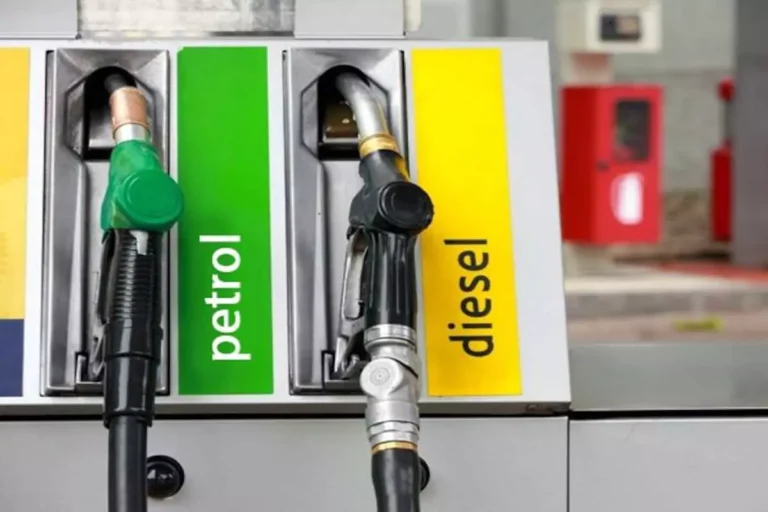
January 31, Colombo (LNW): The Ceylon Petroleum Corporation (CEYPETCO) has implemented a revision in fuel prices, effective from midnight today (31).
In the new pricing structure, the cost of Super Diesel has risen by Rs. 18, bringing the price per litre to Rs. 331.
Despite this increase in Super Diesel prices, the CEYPETCO has confirmed that the prices for all other fuel types, including petrol and regular diesel, will remain unchanged for the time being.
January 31, Colombo (LNW): The Sri Lanka Customs, in collaboration with joint trade unions, has initiated a four-day accelerated container clearance process to address the backlog of shipments at examination yards. This initiative, running until February 2, aims to streamline operations and ensure all pending containers are cleared efficiently, according to Customs Media Spokesman and Additional Director General Seevali Arukgoda.
To facilitate this process, all examination yards and the Valuation Directorate will function at full capacity. Consignees, clearing agents, and transporters are urged to promptly fulfill their responsibilities to support the initiative’s success. Additionally, all relevant government agencies have been notified to extend their cooperation.
Joint Chambers Advocate Immediate Action Plan
Amid ongoing congestion at the Colombo port, a coalition of 29 trade, maritime, and logistics associations has proposed urgent short- and medium-term solutions. These chambers and industry representatives emphasize the necessity of an immediate action plan to mitigate the economic impact of port congestion.
Among their key recommendations is the swift implementation of scanning and screening systems, operational round-the-clock to expedite container processing. They also suggest integrating regulatory agencies, such as the Sri Lanka Standards Institution (SLSI), Food Inspection, and Quarantine Services, to accelerate approval procedures.
The congestion has already caused significant disruptions, affecting exporters who rely on timely imports of raw materials. Delays have led to missed shipping opportunities, increased operational costs, and diminished confidence among foreign buyers.
Reports indicate that some shipping lines are bypassing Colombo in favor of more efficient neighboring ports. If this trend continues, Sri Lanka risks losing its status as a key transshipment hub, leading to higher freight rates and additional costs for importers, freight forwarders, and shipping companies.
The crisis has also impacted local businesses, with transporters, manufacturers, and importers facing revenue losses. As a result, higher costs for essential goods are exacerbating the cost of living for Sri Lankans. The manufacturing sector, in particular, is struggling with material shortages, further threatening economic stability.
Recommendations for Long-Term Efficiency
The chambers have urged the government to act promptly by adopting the following measures:
Expand the Green Channel: Utilizing Customs’ risk management data to identify low-risk cargo and expedite its clearance.
Fast-track Authorizations: Grant swift approvals for Authorized Economic Operators (AEO) and Customs Economic Operators (CEO) to allow trusted businesses to bypass unnecessary inspections.
Improve Risk Management Processes: Address inefficiencies, such as duplicating HS codes requiring repeated approvals, which cause unnecessary delays in customs processing.
Reinstate the Speedy Clearance Committee: A public-private sector task force could be reestablished to streamline customs clearance and improve efficiency.
Enhance Customs Examination Facilities: Temporarily expand the Out Panel Examination Facility or increase customs staff at the Rank Container Terminal (RCT) after office hours to accelerate clearance and reduce congestion.
These recommendations, if swiftly implemented, will help alleviate immediate congestion while setting the foundation for long-term trade facilitation. The chambers stress that failure to act promptly could have lasting repercussions on Sri Lanka’s economy, competitiveness, and reputation as a regional shipping hub.
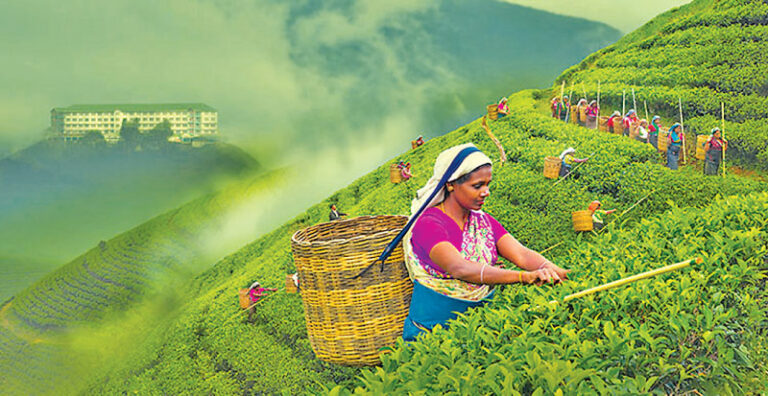
January 31, Colombo (LNW): The Tea Exporters Association (TEA) has raised serious concerns about the Sri Lankan government’s plan to abolish the Suspended VAT (SVAT) system in April 2025. The association warns that this move could have devastating consequences for the country’s tea exports and the livelihoods of nearly 500,000 smallholder farmers.
SVAT, which was introduced in April 2011, serves as a cashless VAT relief mechanism designed to address prolonged delays in VAT refunds. For over a decade, it has provided exporters with crucial cash flow benefits, ensuring smooth operations in an industry heavily reliant on international markets. The tea sector, which became subject to VAT in January 2024, now faces additional financial strain, making the proposed removal of SVAT particularly concerning.
Sri Lanka’s tea industry is overwhelmingly export-oriented, with approximately 90% of its total production sold to foreign markets. In 2024, the country produced 262 million kilograms of tea, exporting 245 million kilograms and generating $1.4 billion in revenue. Smallholder farmers play a significant role in this sector, contributing 75% of total production. More than 60% of these farmers own less than half an acre of land, making them highly vulnerable to financial instability.
The industry relies on a well-established auction system, where around 95% of tea is sold at weekly auctions. This ensures fair pricing, but also places financial pressure on exporters, who are required to pay producers within six days while offering international buyers credit terms of 30 to 180 days. The removal of SVAT is expected to worsen this situation, creating severe cash flow difficulties for exporters and, by extension, for smallholder farmers.
Without SVAT, exporters will have to depend more heavily on bank loans to manage their financial obligations, increasing borrowing costs and reducing Sri Lankan tea’s competitiveness in the global market. Competing nations such as India, Kenya, and Vietnam already provide longer credit periods—sometimes up to 365 days—giving them a distinct advantage. Additionally, since tea exports are exempt from VAT, exporters cannot offset input VAT against output VAT. As a result, some VAT costs may be incorporated into export prices, making Ceylon tea less attractive to international buyers.
The financial repercussions will be particularly severe for smallholder farmers. Lower auction prices, stemming from VAT refund delays, will directly impact the price they receive for green leaf tea. Given that over 60% of smallholders earn an average monthly income of just Rs. 23,000, an estimated 18% decline in earnings could push many into financial distress.
Beyond economic pressures, the potential loss of key international buyers poses a serious threat to the industry. Some global tea brands may reconsider sourcing from Sri Lanka if the tax environment becomes less favorable. Kenya, for instance, took proactive measures in 2023 by eliminating VAT on value-added tea exports to enhance its competitiveness, a strategy that could attract buyers away from Sri Lanka.
Another challenge arising from the removal of SVAT is the increased administrative burden on exporters. The Inland Revenue Department’s VAT refund process is widely regarded as inefficient and prone to delays. Navigating this bureaucratic system will require exporters to allocate additional resources, further complicating an already challenging business environment.
The association warns that without urgent intervention, the removal of SVAT could severely damage one of Sri Lanka’s most vital export sectors, with far-reaching consequences for the economy and thousands of livelihoods dependent on the tea trade.