August 27, Colombo (LNW): The Department of Immigration and Emigration has announced a temporary restriction on issuing passports due to a critical shortage of blank passport books.
The department has urged applicants to only seek passports for urgent needs until the situation stabilises.
In a statement, the department explained that the supply of blank passports is currently limited, primarily affecting those in need of travel documents.
To address this issue, authorities have placed an order for 750,000 passport books, which are expected to arrive by late October. Until then, the issuance of passports will remain restricted.
The department also noted that plans are underway to introduce new electronic passports, with an international firm already awarded the tender to supply these documents.
However, delays in finalising the tender have exacerbated the current shortages. Public Security Minister Tiran Alles recently acknowledged that bureaucratic delays have hindered the timely procurement of new passports.
He disclosed that while the daily demand is for around 3,000 passports, the department is only able to issue 900 at present due to the ongoing shortages.
The situation has highlighted gaps in Sri Lanka’s passport management system, which has struggled with inefficiencies and inadequate planning.
As the country anticipates the arrival of new supplies, many citizens remain in limbo, waiting for their travel documents in an increasingly strained environment.
August 27, Colombo (LNW): Former Minister A.H.M. Fowzie has been handed a two-year rigorous imprisonment sentence, suspended for 10 years, by the Colombo High Court for the misuse of a state vehicle in 2010.
The sentence was delivered after Fowzie admitted guilt in connection with the charges.
The case revolved around allegations that the former minister used a luxury vehicle, valued at Rs. 20 million, which was donated by the Netherlands to the Disaster Management Centre for his personal benefit.
Additionally, Rs. 1 million from ministry funds was reportedly spent on the vehicle’s maintenance.
The court’s ruling included not only the suspended prison term but also a fine of Rs. 400,000. The judgment underscores growing scrutiny of former officials and their use of public resources for private purposes.
Whilst the prison sentence is suspended, it serves as a warning about the consequences of such conduct, highlighting accountability in the use of state assets.
This decision could signal a stronger stance by the judiciary against misuse of public resources, with a view to promoting transparency and restoring public trust in governance.
August 27, Colombo (LNW): The Inland Revenue Department (IRD) has clarified that as of 31 December 2023, tax arrears totalled 1,066 billion rupees.
However, due to ongoing taxpayer appeals amounting to 878 billion rupees, only 188 billion rupees can be actively pursued.
The department emphasised that, while some claim disputed taxes could be swiftly recovered, it remains committed to legally mandated procedures.
Between January and June 2024, 47 billion rupees were recovered through methods like asset seizures and legal actions.
Additionally, 57 billion rupees were settled through refunds and appeals.
The IRD highlighted its 2024 target of reducing tax arrears by 104 billion rupees, while stressing that fully eliminating arrears is unrealistic given continuous assessments and legal complexities.
Full Statement:
This announcement is issued to provide accurate information to the public about the outstanding tax amount at the Inland Revenue Department as of December 31, 2023
Under the Inland Revenue Department’s self-assessment system, taxpayers are responsible for submitting their Tax Returns and paying the corresponding taxes. If a taxpayer fails to pay the tax amount indicated on the Return, it is considered as tax arrears.
Additionally, the department may issue additional or estimated assessments if the submitted reports are not accepted or if the taxpayer neglects to file a Return. If a taxpayer disagrees with an assessment issued by the department, they may file an appeal within one month.
If the appeal cannot be resolved internally, the taxpayer has the option to refer the matter to the Tax Appeals Commission. If no agreement is reached at the Commission, the case can be further escalated to the Court of Appeal, and ultimately to the Supreme Court.
During the tax appeal process, the Inland Revenue Department cannot take collection action until the appeal is finalized and a decision is rendered by the relevant institution (Tax Appeals Commission, Court of Appeal, or Supreme Court). Collection efforts will be based on the outcome of the final ruling.
As of December 31, 2023, balance of 1,066 billion rupees has reported as taxes in default as per the assessments made by the Inland Revenue Department. However, due to pending tax appeals from taxpayers, a portion of this amount, totaling 878 billion rupees, is currently held over. Consequently, it is inaccurate to assume that the entire 1,066 billion rupees can be collected in full by the department. The actual amount of tax the department could reasonably expect to collect on December 31, 2023, was 188 billion rupees.
From January 1st to June 30th, 2024, the department collected 47 billion rupees in tax arrears from the outstanding balance as of December 31, 2023. This was achieved through various methods, including seizing bank accounts of 900 taxpayers, offering installment payment plans, and taking other legal actions. Additionally, another 57 billion rupees were recovered or reduced due to settled refunds and objections. Therefore, the total reduction in tax arrears for the year 2024 was 104 billion rupees.
It’s important to note that completely eliminating tax arrears through the department’s collection processes is practically impossible. This is primarily due to the ongoing issuance of new assessments, which can contribute to increasing the arrears balance.
Therefore, achieving a zero tax arrears balance is not a realistic goal for any tax administration. The department’s primary role should be to maintain efficient tax arrears collection processes within the existing legal framework. This commitment is demonstrated by the department’s efforts to reduce tax arrears by 104 billion rupees in the year 2024.
Arrears Tax Collection Performance for 2024
Description
Amount (Billion Rupees)
Outstanding taxes as per the IRD assessments as at 31 .12.2023
1,066
Held over Tax (Appeals Pending)
(878)
Arrears Collectible (as of December 31, 2023)
188
Amount Collected (January 1 -June 30, 2024)
(104)
Arrears Collectible as of June 30, 2024
84
Accordingly, out of the Rs. 188 billion as on 31.12.2023, Rs. 84 billion have to be collected.
IRD has taken all steps feasible within the country’s legal framework to recover disputed taxes. Any claims that the disputed taxes undergoing the due legal process can be recovered instantly insinuates that measures outside the legal framework are to be adopted. A responsible government institution cannot associate itself with such measures, and accordingly, due legal process will always be followed by the IRD.
Chairman Media Committee inland Revenue Department
August 27, Colombo (LNW): Election authorities have issued a strict reminder that providing extravagant meals, drinks, or gifts during presidential campaigns constitutes a violation under the Presidential Elections Act.
Such activities fall under the category of “treating,” which is prohibited to prevent undue influence on voters.
In previous elections, candidates often hosted lavish gatherings for their supporters, with little scrutiny.
However, the issue has resurfaced in public discourse after election officials intervened to halt a party planned by a presidential candidate in Anuradhapura, intended for local professionals and academics.
Additional Election Commissioner (Legal) Chintaka Kularatne explained that according to Section 77 of the Act, treating is classified as an inducement, making it illegal.
Candidates are therefore prohibited from offering food, drinks, or any form of refreshment during campaign events.
As the presidential race heats up ahead of the September 21 election, candidates are now focusing on more direct methods, such as door-to-door visits, public meetings, media interviews, and distribution of leaflets.
The tightening of regulations aims to ensure a fair and transparent election, free from improper influence through lavish campaign spending.
August 27, Colombo (LNW): A 2019 survey conducted by the United Nations Fund for Population Activities (UNFPA) and the Department of Census and Statistics (DCS) has revealed that nearly 40 per cent of women in Sri Lanka have experienced physical, sexual, or emotional violence from an intimate partner at some point in their lives.
The survey, which spanned all 25 districts and included women aged 15 and above, focused primarily on intimate partner violence.
The findings highlight troubling statistics: nearly half (49.3 per cent) of women who suffered sexual violence did not seek formal assistance, with over 52 per cent citing concern for their children as the main reason for remaining in abusive environments.
Additionally, 21.4 per cent of women initially concealed their experiences of sexual exploitation due to feelings of shame.
Cultural attitudes also play a significant role in perpetuating these issues. The report found that nearly half (47.5 per cent) of the women agreed that “a man should be the boss,” while 46.5 per cent believed that “a good wife obeys her husband even if she disagrees.”
Disturbingly, over a third of the respondents accepted that men might have justifiable reasons to hit their wives.
The psychological toll of partner violence is severe, with a quarter of affected women reporting symptoms of depression, and 35.7 per cent admitting to having suicidal thoughts.
Furthermore, approximately 60 per cent of women who experienced physical violence had children who either witnessed or overheard these incidents, resulting in lasting trauma for the younger generation.
Personal testimonies included in the report reflect the despair many women feel, with one victim stating, “I didn’t think I’d survive… I didn’t see the light at the end of the tunnel,” while another pleaded, “Please relieve us from this hell we are living in.”
These statements underline the urgent need for societal change and increased support for survivors of domestic violence in Sri Lanka.
August 27, Colombo (LNW): President Ranil Wickremesinghe emphasised his success in stabilising Sri Lanka’s economy over the past two years by assembling a team of experts drawn from across political lines.
Speaking at an event titled “Lawyers for Economic Stability” at the Taj Samudra Hotel in Colombo, he stressed that no other political group could rival the economic team he had constructed, which transcends traditional party boundaries.
The President underscored that the current political landscape is not solely about leadership but is fundamentally about safeguarding the nation’s economic future.
He drew attention to the critical period when Sri Lanka was on the brink of crisis, recalling that even when others refused to take on leadership roles, he stepped in as Prime Minister to prevent further instability.
Wickremesinghe acknowledged that his appointment came at a time when opposition leaders hesitated, leaving him as the sole viable candidate for the position.
Wickremesinghe highlighted key appointments that played a central role in his economic recovery strategy. He specifically mentioned individuals such as Minister Ranjith Siyambalapitiya, State Minister Shehan Semasinghe, and Minister Ali Sabry, who were instrumental in negotiations with international bodies like the IMF.
Additionally, figures such as Minister Kanchana Wijesekera and Dr. Bandula Gunawardhana were credited for their contributions in tackling energy challenges and managing communications, respectively.
The President also addressed criticisms of past anti-corruption initiatives, pointing out the inefficiencies of previous efforts led by the JVP during the Good Governance Government in 2015.
He noted that these shortcomings had been rectified under his administration, with the introduction of new anti-corruption legislation supported by international bodies like the IMF and World Bank.
He assured that Sri Lanka now has some of the most robust anti-corruption laws in South Asia.
In closing, President Wickremesinghe warned of the dangers of compromising economic progress with populist promises and highlighted the need for fiscal discipline.
He reiterated the importance of securing foreign investment and urged for continued support to achieve the government’s ambitious targets for revenue generation and economic transformation.
The President’s remarks underscore his commitment to steering Sri Lanka toward long-term economic recovery while navigating the political challenges that lie ahead.
August 27, Colombo (LNW): Education authorities have raised concerns over the rising number of drowning incidents in Sri Lanka, reporting that 87 schoolchildren are among the 289 individuals who have died due to drowning so far this year.
Many of these fatalities occurred while individuals were swimming or bathing in unsafe natural waterways and village tanks across the country.
On Sunday alone, seven people drowned, including two mothers and three schoolchildren. Additionally, two Public Health Inspectors (PHIs) tragically lost their lives in separate drowning incidents.
Authorities have noted that some adults drowned while bathing under the influence of alcohol during trips.
In response to these alarming statistics, the Ministry of Education has issued a stern warning to school heads, parents, and senior students to exercise caution.
Schools have been advised to avoid unnecessary trips unless officially sanctioned by school authorities. Kurunegala District Senior Education Director W.M. Balasooriya highlighted these concerns during a recent meeting with school heads in the district, urging increased vigilance to prevent further tragedies.
The growing number of drowning incidents has prompted calls for more robust safety measures, awareness campaigns, and stricter supervision of outdoor activities involving children and vulnerable groups.
August 27, Colombo (LNW): The Commissioner General of the Excise Department, M.J. Gunasiri, has rejected allegations of substantial tax arrears within three major revenue-collecting agencies—Inland Revenue, Sri Lanka Customs, and the Excise Department—referring to such claims as exaggerated.
Addressing a media briefing at the Presidential Media Centre (PMC) on 26th August, Gunasiri clarified that the outstanding taxes amount to only Rs. 90 billion, which is consistent with the typical 3%-5% shortfall seen in most countries.
The Commissioner General underscored that these three institutions achieved record revenue in 2023, exceeding Rs. 3 trillion, and managed to create a primary budget surplus for the first time in 25 years.
He noted that much of the arrears involve payments from government entities and are already in the process of recovery through legal channels. He explained that the delayed collection is part of standard financial procedures and is not indicative of systemic failure.
Gunasiri also highlighted the significant growth in revenue generated by the Excise Department, which recorded Rs. 179 billion in 2023, with a target of Rs. 232 billion for 2024.
By August this year, the department had already amassed Rs. 132.7 billion, reflecting a 24.6% increase compared to the previous year.
Further elaborating on the tax situation, Deputy Commissioner General B.K.S. Shantha of the Inland Revenue Department outlined their ambitious revenue target of Rs. 2,024 billion for 2024.
The department has initiated robust measures to streamline tax collection, including establishing a Risk Management Unit and accelerating efforts to resolve pending legal cases.
He dispelled rumours circulating on social media regarding officials allegedly visiting institutions undercover to collect taxes, confirming that their visits are strictly for awareness purposes.
Anura Muthukude, Finance Officer at Sri Lanka Customs, explained that their department has already collected Rs. 963.7 billion by late August, with a target of Rs. 1,533 billion for the year.
He clarified that Rs. 57.6 billion of the reported arrears are owed by government entities and are unlikely to be recovered, while the remaining sums are being pursued through the courts.
He also mentioned the department’s introduction of a “Smart Unit” for public complaints, emphasising the commitment to transparency despite staffing shortages.
Meanwhile, in a press release issued by the Inland Revenue Department, the speculations involving tax arrears have been debunked, stating that the IRD has taken all steps feasible within the country’s legal framework to recover disputed taxes, and that any claims that the disputed taxes undergoing the due legal process can be recovered instantly insinuates that measures outside the legal framework are to be adopted.
“As of December 31, 2023, balance of 1,066 billion rupees has reported as taxes in default as per the assessments made by the Inland Revenue Department. However, due to pending tax appeals from taxpayers, a portion of this amount, totaling 878 billion rupees, is currently held over. Consequently, it is inaccurate to assume that the entire 1,066 billion rupees can be collected in full by the department. The actual amount of tax the department could reasonably expect to collect on December 31, 2023, was 188 billion rupees,” the IRD statement read.
It added: “From January 1st to June 30th, 2024, the department collected 47 billion rupees in tax arrears from the outstanding balance as of December 31, 2023. This was achieved through various methods, including seizing bank accounts of 900 taxpayers, offering instalment payment plans, and taking other legal actions. Additionally, another 57 billion rupees were recovered or reduced due to settled refunds and objections. Therefore, the total reduction in tax arrears for the year 2024 was 104 billion rupees.“
The Department emphasised that completely eliminating tax arrears through its collection processes is practically impossible. This is primarily due to the ongoing issuance of new assessments, which can contribute to increasing the arrears balance, the IRD pointed out.
Therefore, achieving a zero tax arrears balance is not a realistic goal for any tax administration, the Department went on, adding that its primary role should be to maintain efficient tax arrears collection processes within the existing legal framework.
This commitment is demonstrated by the department’s efforts to reduce tax arrears by 104 billion rupees in the year 2024.
It further clarified that a responsible government institution cannot associate itself with such measures, and accordingly, due legal process will always be followed by the IRD.
August 27, Colombo (LNW): Rear Admiral Kanchana Banagoda has officially assumed the role of Chief of Staff of the Sri Lanka Navy, effective from 16th August 2024, following his appointment by President Ranil Wickremesinghe, the Commander-in-Chief of the Armed Forces.
The appointment letter was ceremoniously handed over by Navy Commander Vice Admiral Priyantha Perera at Navy Headquarters on the 26th of August.
A seasoned naval officer, Rear Admiral Banagoda embarked on his military career in 1989 as an Officer Cadet in the Executive Branch of the 19th intake. He was commissioned as a Sub Lieutenant in 1991 after completing his basic training at the Naval and Maritime Academy in Trincomalee.
His professional development includes specialised training in Anti-Submarine Warfare in India and significant advancements, including a Staff Course in Bangladesh and multiple advanced degrees in Maritime Policy and Human Resource Management.
Rear Admiral Banagoda’s distinguished service includes commanding various Fast Attack Craft, naval ships, and key establishments. His leadership roles span appointments as Director of Naval Training and command positions in the Southeastern, North Central, and Northern Naval Areas.
Most recently, he served as Commander of the Eastern Naval Area prior to his current appointment.
In recognition of his service and commitment, he has been awarded the prestigious Rana Sura Padakkama for gallantry and the Uththama Sewa Padakkama (USP) for his exemplary conduct.
His extensive career reflects not only his strategic expertise but also his dedication to the nation’s maritime security.
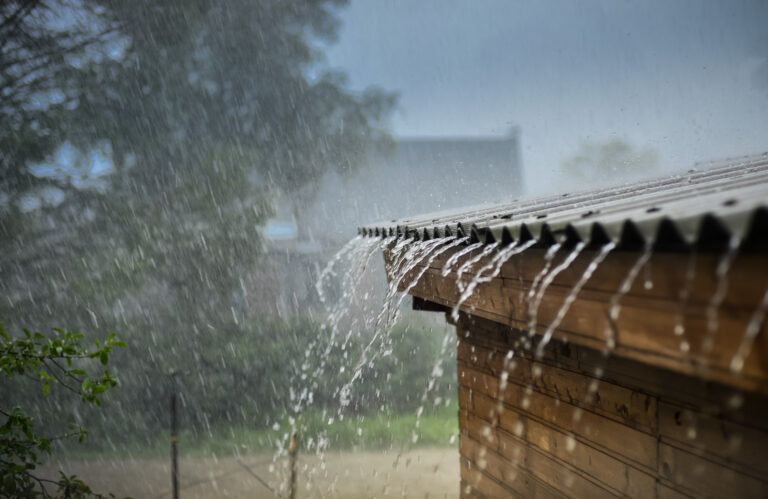
August 27, Colombo (LNW): A few showers may occur in Western, Sabaragamuwa and North-western provinces and in Galle and Matara districts, with showers or thundershowers being expected to occur at a few places in Badulla, Ampara and Batticaloa districts during the evening or night, the Department of Meteorology said in its daily weather forecast today (27).
Mainly fair weather prevail elsewhere.
Fairly strong winds about (30-40) kmph can be expected at times over Northern, North-central and North-western provinces and in Hambantota and Trincomalee districts.
The general public is kindly requested to take adequate precautions to minimise damages caused by temporary localised strong winds and lightning during thundershowers.
Marine Weather:
Condition of Rain:
Several spells of showers will occur in the sea areas off the coast extending from Puttalam to Galle via Colombo.
Winds:
Winds will be south-westerly in direction and wind speed will be (30-40) kmph. Wind speed can increase up to (55–60) kmph at times in the sea areas off the coasts extending from Trincomalee to Puttalam via Kankasanthurai and Mannar and from Hambantota to Pottuvil. Wind speed can increase up to 50 kmph at times in the sea areas off the coasts extending from Puttalam to Hambantota via Colombo and Galle.
State of Sea:
The sea areas off the coasts extending from Trincomalee to Puttalam via Kankasanthurai and Mannar and from Hambantota to Pottuvil will be rough at times. The sea areas off the coasts extending from Puttalam to Hambantota via Colombo and Galle may be fairly rough at times.