October 27, Colombo (LNW): Following a reported security threat, Sri Lanka has implemented enhanced safety measures around Arugam Bay, a top surfing destination frequented by international travelers.
Police heightened security in response to specific intelligence regarding Israeli tourists, with Sri Lankan authorities determined to protect visitors and maintain the area’s appeal as a tourism hotspot. “This area attracts many Israeli tourists, and we are fully committed to ensuring their safety,” stated Police Spokesperson Nihal Thalduwa.
The call for vigilance follows a warning from Israel’s national Security Council urging Israeli travelers to leave certain areas in southern Sri Lanka. Meanwhile, the U.S. embassy advised Americans to avoid Arugam Bay after receiving credible information regarding potential threats to popular tourist sites.
In parallel, the Sri Lanka Tourism Development Authority (SLTDA) has reaffirmed its commitment to regulating foreign-owned businesses in line with national legal standards. SLTDA Chairman Buddhika Hewawasam emphasized the importance of lawful operations and foreign investment to sustain tourism growth.
“If any tourist-run businesses are operating without authorization, law enforcement will act accordingly,” he noted. While expressing support for legally established businesses, Hewawasam also acknowledged that bureaucratic delays may affect some foreign enterprises and extended SLTDA’s assistance to help them operate within the law.
The security measures and regulatory initiatives underscore the government’s dedication to safeguarding tourists, ensuring both safety and legal compliance. Law enforcement agencies have begun compiling data on foreign-owned establishments, particularly in areas identified by foreign embassies as high-risk.
Acting Inspector General of Police Priyantha Weerasooriya confirmed that intelligence reports from a Western agency last month flagged certain locations popular with Jewish tourists as potential targets.
Local businesses along Sri Lanka’s Southern and Eastern coasts have voiced concerns over unlicensed foreign-owned establishments that allegedly harm local livelihoods by operating unauthorized shops and lodgings, especially in tourist-heavy locations such as Weligama, Galle, and Mirissa.
SJB Matara District candidate Rehan Jayawickrama emphasized that unaddressed issues within the tourism sector, combined with potential security threats, could disrupt Sri Lanka’s tourism recovery efforts.
These actions by the Sri Lankan government reflect its dedication to ensuring the safety and security of all visitors, reinforcing the integrity and hospitality of the country’s tourism industry.
October 27, Colombo (LNW): The Sri Lankan embassy in Riyadh, along with the Coconut Development Authority of Sri Lanka, facilitated the country’s inaugural participation in the 41st Saudi Agriculture Expo. This year’s event, held from October 21-24, 2024, saw ten Sri Lankan companies specializing in coconut-based products represented for the first time.
Ambassador Ameer Ajwad of Sri Lanka officially opened the Sri Lankan pavilion at the Riyadh International Convention and Exhibition Center, emphasizing the importance of this platform for Sri Lankan businesses.
He described the expo as a significant breakthrough for the country’s agriculture sector, urging other Sri Lankan agri-businesses to leverage this event to introduce their products to a global market. According to Ajwad, increased representation at international trade fairs can significantly boost Sri Lanka’s export offerings and contribute to economic growth.
The ambassador highlighted the relevance of Sri Lankan companies producing coco peat at the event, given Saudi Arabia’s ongoing ‘Green Initiative’—a key element of Vision 2030 that includes planting 10 million trees to support environmental goals. Coco peat, known for its effectiveness in arid climates, could play a substantial role in supporting this initiative as a preferred growth medium.
During the expo, high-profile guests including HH Prince Mutab bin Fahd bin Farhan, an advisor to the leadership of the King Abdulaziz Reserve and King Salman Reserve,
Assistant Permanent Secretary to the Saudi Ministry of Environment and Agriculture Dr. Ali Alshaikhi, and Fayez Al-Shaheeli, Vice President of the Federation of Chambers of Saudi Arabia and Chairman of Saudi NAF Group, visited the Sri Lankan pavilion upon Ambassador Ajwad’s invitation. They held meaningful discussions with the Sri Lankan delegation on potential collaborations and trade expansions.
Sri Lanka’s representatives also engaged with the Saudi Green Building Forum during a networking session on the sidelines of the expo. Ambassador Ajwad hosted a luncheon for the delegation to reflect on feedback and potential improvements for future events.
The Saudi Agriculture Expo, marking its 41st edition, welcomed over 370 exhibitors from 29 countries, displaying innovations and technological advancements in the agriculture sector. The expo provided numerous networking opportunities, along with expert-led conferences and discussions, facilitating trade connections and knowledge exchange among participants.
The participating Sri Lankan companies included Dew Cocos Lanka (Pvt) Ltd, Earthscape (Pvt) Ltd, Eco Soil Substrates (Pvt) Ltd, FNF Exports Ltd, Hardy Export Company (Pvt) Ltd, M.C. Enterprises (Pvt) Ltd, Thuselco Holdings (Pvt) Ltd, Tropical Green Exports (Pvt) Ltd, Eco Trends (Pvt) Ltd, and Hayleys PLC.
This landmark participation aims to strengthen Sri Lanka’s international trade presence in the Middle East and open doors for new export opportunities.
As Sri Lanka prepares for its parliamentary elections on November 14, familiar issues dominate the national discourse: tackling political corruption, addressing accountability for the Easter Sunday attacks, pursuing economic recovery, and combating corruption.
However, the country’s environmental crises receive little attention, despite the negative impacts associated with maintaining a floating flexible exchange rate.
As of October 18, 2024, the Sri Lankan rupee appreciated by 10.6% against the US dollar, with mixed economic effects following President Anura Kumara Dissanayake’s election.
This currency strengthening has led the Central Bank of Sri Lanka (CBSL) to take measures to balance economic impacts.
Analysts observe that while a stronger rupee brings some advantages, it poses challenges for several sectors, requiring the CBSL to carefully stabilize the currency. With the rupee’s appreciation, Sri Lanka has seen reduced inflation, lower import costs, and a lessened foreign debt burden.
These factors contribute to stabilizing the economy, making imported goods more affordable and reducing production costs for local industries.
This trend potentially lowers consumer prices, boosts purchasing power, and enhances overall economic stability.
Moreover, the rupee’s strength fosters investor confidence, signaling stability that could attract foreign investments into Sri Lanka’s stock market and other sectors, as investors see the nation as a favorable investment climate.
Additionally, the appreciation aids government finances by reducing foreign debt service costs, lessening pressure on public expenditure. Yet, the stronger rupee has created significant obstacles for exporters, the tourism industry, and households reliant on remittances.
The increased currency value has made Sri Lankan exports—like garments, tea, and rubber—costlier abroad, hurting their competitiveness. Exporters with narrow profit margins face reduced demand, which could diminish revenue and hinder growth in export-driven industries.
Tourism, another key sector, might also face repercussions. A stronger currency makes Sri Lanka a pricier destination for foreign visitors, potentially lowering tourist numbers and affecting small and medium-sized businesses, including hotels, villas, and local tourism services.
Analysts highlight that without a competitive exchange rate (ideally between Rs. 295 and Rs. 302 per dollar), businesses might struggle to maintain operations without raising prices, which could further reduce tourist arrivals.
The Central Bank is responsible for maintaining foreign exchange reserves to ensure a balanced exchange rate that prevents exporters and other stakeholders from experiencing significant losses.
Large export companies, notably in the garment industry, may face substantial financial stress if required to sell dollars at disadvantageous rates.
To mitigate these impacts, the Central Bank has been intervening to stabilize the rupee’s value and strengthen reserves through strategic dollar purchases.
However, travel advisories from multiple countries have dampened Sri Lanka’s tourism prospects.
Many advisories caution citizens against visiting Sri Lanka due to a high number of Israeli tourists, raising security concerns amidst the ongoing Israel-Palestine conflict. Some fear that Israelis in Sri Lanka might become potential targets, especially as tensions remain high.
Meanwhile, International Monetary Fund (IMF) officials provided updates on Sri Lanka’s economic situation in light of debt restructuring and the incoming government. Krishna Srinivasan, IMF’s Asia and Pacific Department Director, and Deputy Director Thomas Helbling discussed the country’s fiscal benchmarks, potential policy shifts, and economic outlook.
Srinivasan stated that following significant progress in debt restructuring, the focus has shifted to fiscal and structural benchmarks needed to access the IMF’s fourth funding tranche.
He noted productive discussions with Sri Lanka’s new government, emphasizing a shared commitment to continue reforms that have spurred growth over the past year and lowered inflation.
In response to inquiries about the new government’s intentions, Srinivasan confirmed that it seeks to sustain the IMF-driven gains. He underscored the importance of reform to address post-restructuring challenges, particularly with loan interest payments set to resume next year.
Questions arose about potential tax revisions, like the repeal of the imputed rental tax, and the continuation of the vehicle import suspension policy. Srinivasan said that these issues are still being negotiated with Sri Lankan authorities.
Additionally, the structure of Sri Lanka’s debt restructuring, including macro-linked bonds tied to economic performance, was discussed. Srinivasan acknowledged the appeal of these bonds among creditors but emphasized that their effectiveness depends on each country’s context and equitable treatment across creditors.
As the IMF prepares for its third program review in Sri Lanka, officials expressed cautious optimism about the country’s recovery trajectory. IMF support remains vital for Sri Lanka as it navigates economic complexities, particularly under the new administration.
In conclusion, while Sri Lanka has made significant progress, the road to sustained recovery demands careful management of fiscal policies and consistent reforms to secure economic growth.
October 27, Colombo (LNW): The Department of Railways has announced that train services between Colombo Fort and Kankasanturai, suspended for months due to essential maintenance and development activities, will resume tomorrow (28).
This marks the completion of a significant modernisation project on the Mahawa-Anuradhapura stretch, enhancing rail connectivity to Sri Lanka’s northern region and providing a faster, more comfortable option for long-distance travel.
This resumed service is part of a larger infrastructure improvement initiative aimed at boosting rail efficiency and convenience.
With the Northern Line now fully operational, the Department of Railways has also urged the public to exercise caution, especially at railway crossings, as increased train frequency is expected on this route.
Strict adherence to crossing regulations will be critical to ensuring the safety of both pedestrians and motorists in areas intersecting with railway lines.
October 27, Colombo (LNW): Aligned with its Indo-Pacific Cooperation Strategy and the Sustainable Development Goals (SDGs), the European Union has launched a Multiannual Indicative Programme for 2021-2027.
This initiative, focused on ‘Green Recovery’ and promoting an ‘Inclusive and Peaceful Society,’ directs €60 million in grants to support EU-Sri Lanka collaboration from 2021 to 2024.
Key efforts include the participation of EU Member States active in Sri Lanka—such as Germany, France, and the Netherlands—under the Team Europe approach. Additionally, the EU is exploring avenues to advance its Global Gateway Strategy within the country.
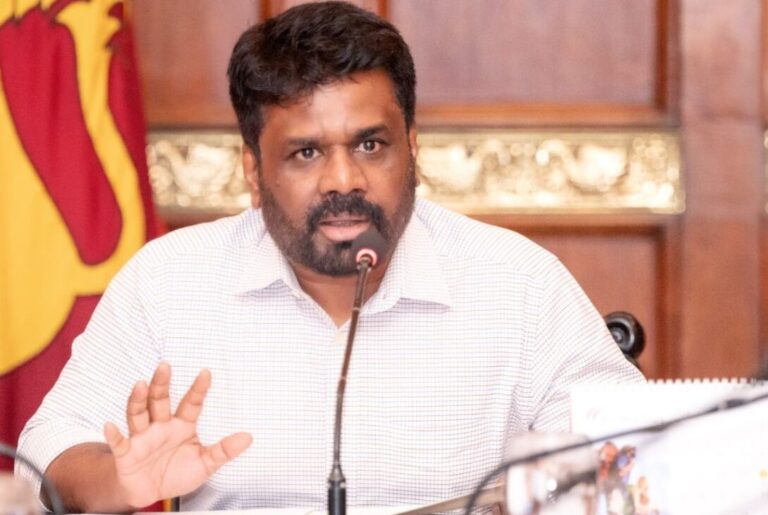
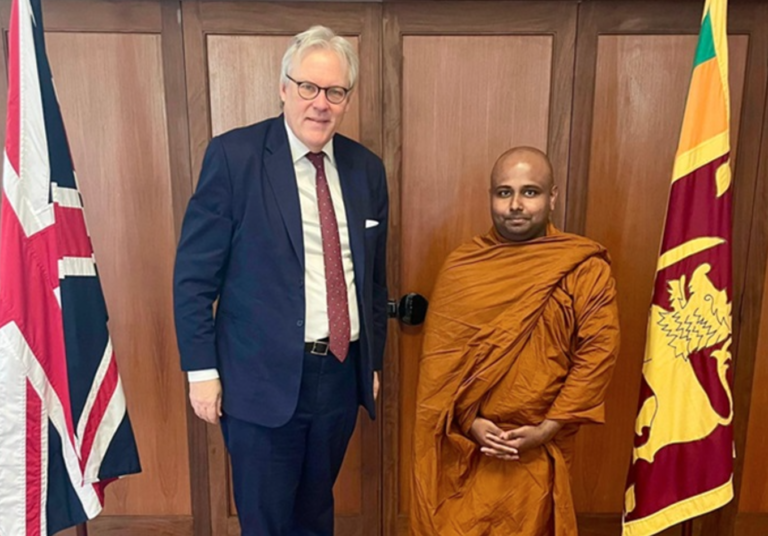
President Anura Kumara Dissanayake recently met with EU representatives led by Ambassador Carmen Moreno, discussing Sri Lanka’s current security measures aimed at ensuring safety for both tourists and residents, according to the President’s Media Division (PMD).
The President assured the delegation of strengthened security protocols in popular tourist zones through increased law enforcement and emergency response services.
The European Union is a significant partner to Sri Lanka, as the nation’s second-largest market for exports and tourism, and its third-largest source of imports.
During the discussions, the EU Delegation reaffirmed its support in expanding Sri Lanka’s market access within the EU, improving employment prospects, and increasing tourism.
The EU also pledged to bolster knowledge exchange and support reforms in education, social security, and anti-corruption measures.
The Delegation highlighted its commitment to strengthening critical sectors such as vocational training, maritime investment, and the peace and reconciliation process.
They expressed intentions to work closely with Sri Lanka to further these mutual goals. Commending the peaceful conduct of Sri Lanka’s recent Presidential Election,
The EU – Sri Lanka Trade-Related Assistance Project aims to increase the trade competitiveness of Small and Medium-Sized Enterprises (SMEs) in regional and European Union (EU) markets.
The 4 year EU-funded project, worth EUR 8 million, contributes to inclusive trade led growth and regional integration. It supports SME export competitiveness and value addition in sectors with high potential for economic growth and development.
The project helps Sri Lanka integrate the policies and regulatory reforms of the World Trade Organization (WTO), allowing SMEs to make the most of the potential opportunities resulting from the EU Generalised Scheme of Preferences (GSP) Plus.
It also enables greater regional integration within the South Asian Association for Regional Cooperation (SAARC).
The project addresses compliance standards and efficiencies in cross border procedures, which are key constraints to market access, especially for SMEs. Specific attention is given to enhancing value chains in the spice, food and InformationTechnology/Business Process Outsourcing (IT/BPO) sectors.
October 27, Colombo (LNW): The Ministry of Environment, Wildlife, Forest Resources, Water Supply, Plantation, and Community Infrastructure has announced an initiative to repurpose unused government vehicles to support wildlife offices in addressing the human-elephant conflict.
This move, proposed in a recent meeting led by Minister Vijitha Herath, aims to bolster wildlife teams on the ground with critical resources to mitigate elephant encroachment in rural areas.
A primary concern raised during discussions was the lack of proper communication facilities, notably the absence of wired telephone connections in certain regional offices of the Department of Wildlife Conservation.
To bridge this gap, the Ministry plans to collaborate with a private telecommunications company to ensure reliable communication between communities and wildlife officials, allowing quicker responses to incidents of elephant encroachment.
Further actions outlined by the Ministry include reinforcing electric fences, supplying essential equipment to areas frequently impacted by wild elephants, and deploying dedicated village security personnel to monitor and protect vulnerable zones.
Minister Herath emphasised the necessity of a sustainable, long-term strategy that addresses the root causes of human-elephant interactions, rather than relying solely on temporary measures.
Progress has already been noted in efforts to reduce such conflicts. The Department of Wildlife reported that elephant deaths have dropped by approximately 50 per cent compared to last year, alongside a 20 per cent decrease in human fatalities due to elephant attacks.
However, challenges remain, as around 90 elephants reportedly perished last year, largely due to power lines and other human-related hazards.
October 27, Colombo (LNW): The Human Rights Commission (HRC) of Sri Lanka is set to convene on 30 October to determine actions concerning the alleged leak of questions from the recent Grade 5 Scholarship Examination.
According to Commissioner Nimal Punchihewa, the Commission has received the investigative report prepared by the Criminal Investigation Department (CID), providing a basis for the upcoming deliberations.
In light of the allegations, the HRC has been approached by numerous parties, notably parents of Grade 5 students, expressing concerns over the fairness of the examination process.
In response to these grievances, the HRC promptly initiated its own investigation, seeking to uphold examination integrity and address any potential violations that might impact students’ educational opportunities.
October 27, Colombo (LNW): The Ceylon Electricity Board (CEB) has submitted a fresh proposal to the Public Utilities Commission of Sri Lanka (PUCSL), aiming to implement a reduction in electricity tariffs.
This marks the CEB’s third tariff reduction proposal to the PUCSL within the year, reflecting efforts to adjust costs in line with evolving economic factors.
Pending regulatory approval, the precise percentage of the reduction will be announced by the PUCSL.
The anticipated tariff decrease is expected to bring financial relief to households and businesses, aligning with government objectives to ease the economic burden on consumers amid rising living costs.
The timing and extent of the proposed reductions are yet to be confirmed, but the CEB has expressed a commitment to an affordable energy framework that supports both economic recovery and sustainable power generation across the country.
October 27, Colombo (LNW): The National People’s Power (NPP) has secured a decisive lead in the Elpitiya Pradeshiya Sabha Election, with results announced last night showing the party’s strong performance in the local council.
The NPP captured the most votes and seats, receiving 17,295 votes, which translated into 15 seats on the council.
In total, six parties and one independent group were successful in securing representation, with the Samagi Jana Balawegaya (SJB) coming in second place with 7,924 votes, securing 6 seats.
The Sri Lanka Podujana Peramuna (SLPP) followed with 3,597 votes, which provided them with 3 seats.
Other parties also gained ground, including the People’s Alliance, which received 2,612 votes, and the Independent Group with 2,568 votes, each of which was awarded 2 seats.
Additionally, the People’s United Freedom Alliance (PUFA) obtained 1,350 votes, earning 1 seat, while the People’s Party garnered 521 votes, also claiming 1 seat.
October 27, Colombo (LNW): Evin Lewis made a remarkable comeback to the ODI format, leading the West Indies to an emphatic eight-wicket win in the rain-interrupted third and final match against Sri Lanka.
After three years away from 50-over internationals, Lewis’s unbeaten century propelled the visitors to victory with six balls to spare, chasing a revised target of 195 at Pallekele Stadium.
The 32-year-old Trinidadian displayed resilience, shaking off an ankle injury to hit his fifth ODI century, which included nine boundaries and four sixes.
Lewis sealed the match in style, smashing a towering six off Asitha Fernando to finish with 102 runs off just 61 balls.
West Indies skipper Shai Hope praised his performance, remarking, “He’s an incredible player, and it’s fantastic to see him in top form again.”
Despite already losing the series 2-0, the West Indies salvaged pride with an explosive partnership between Lewis and Sherfane Rutherford, who scored his third successive half-century.
Together, they forged an unbroken 88-run stand, keeping calm under pressure even as the required rate climbed over 12 runs per over.
Sri Lanka, initially in control after setting a competitive 156-3 in their 23 overs, were let down by a series of fielding lapses, including dropped catches that could have shifted momentum back in their favour.
Captain Charith Asalanka expressed disappointment, saying, “We had a chance with 195 on the board, but we just didn’t execute well enough.”
Kusal Mendis gave the hosts a strong start, blasting his way to a rapid 19-ball fifty and taking advantage of loose deliveries from Roston Chase and Gudakesh Motie.
He struck nine boundaries and a six, ending on an impressive 56 not out, while opener Pathum Nissanka contributed a steady 56 off 62 balls before a run-out by Alzarri Joseph halted his innings.
The match also saw a historic debut as 17-year-old Jewel Andrew became the youngest player to represent the West Indies in ODI cricket.
The visitors’ fielding issues, with four dropped catches, were a clear weakness, but Lewis’s dominant innings ensured a memorable victory to wrap up the series.