September 23, Colombo (LNW): The All Share Price Index (ASPI) of the Colombo Stock Exchange (CSE) recorded a significant rise today (23), climbing by 130.3 points to close at 11,096.81.
This positive movement in the index reflects a renewed investor confidence following recent economic developments in Sri Lanka.
Market turnover for the day was recorded at Rs.994 million, indicating healthy trading activity.
The boost in the ASPI follows a series of market fluctuations seen in recent weeks, with investors responding to both local and global economic trends.
The sharp uptick in the index suggests that sectors across the board, including banking, telecommunications, and manufacturing, contributed to the gains.
Analysts have pointed out that the improved sentiment could be linked to ongoing stabilisation efforts within the country’s financial sector, as well as promising economic indicators that are gradually helping to restore investor confidence.
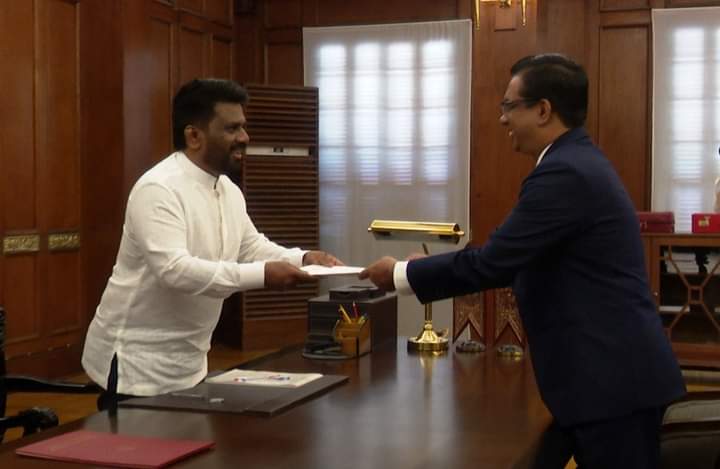
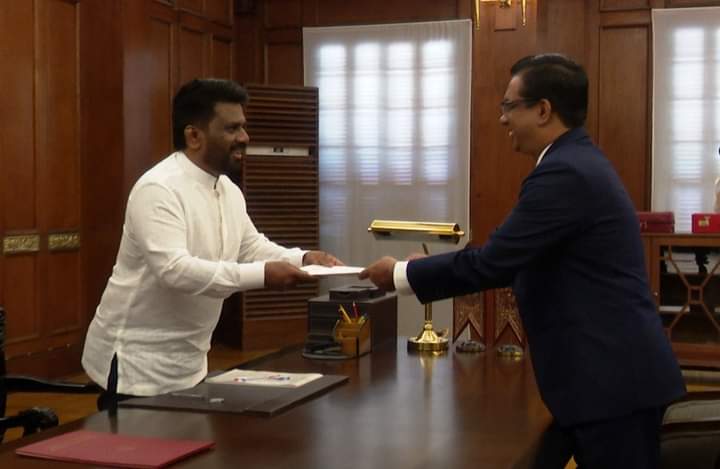
September 23, Colombo (LNW): Former Senor Deputy Inspector General (SDIG) Ravi Seneviratne has been appointed as the Secretary to the Ministry of Public Security.
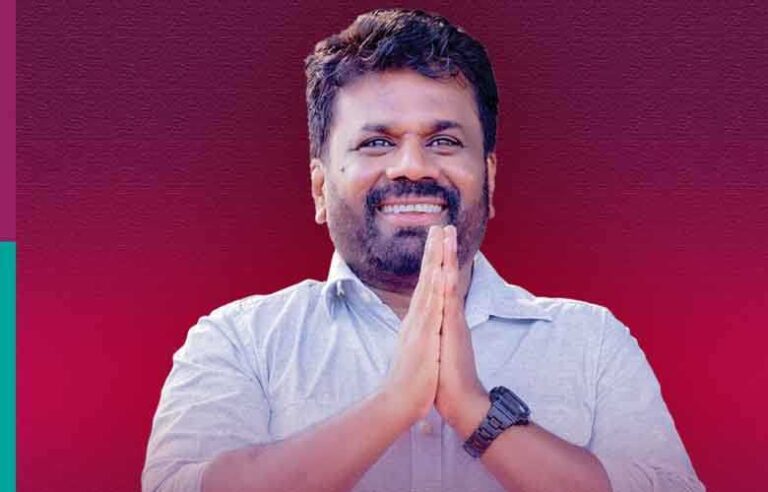
The appointment has been made by President Anura Kumara Dissanayake.
Seneviratne previously served as the SDIG in charge of the Criminal Investigation Department (CID).
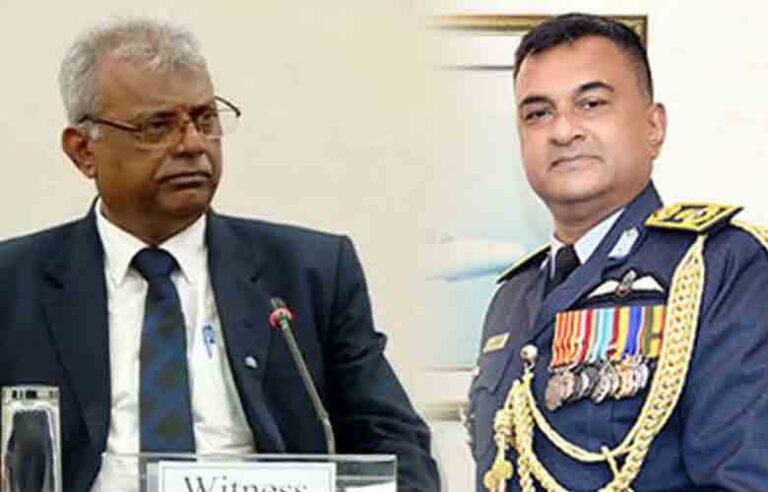
Meanwhile, President Dissanayake has appointed Air Vice Marshal (Retired) Sampath Thuyacontha as the new Secretary of Defence.
A decorated officer, Thuyacontha joined the Air Force in 1988, serving as an operational pilot and logging over 7,000 flying hours. He actively participated in major operations, including the Humanitarian War, and was honoured with multiple bravery awards. He also served as Defence Adviser in Pakistan.
September 23, Colombo (LNW): The Central Bank of Sri Lanka operates with a degree of independence, as the finance minister is unable to direct its actions, and even the president cannot arbitrarily remove the governor. However, the Treasury Secretary’s role as a voting member of the central bank’s monetary board gives the finance ministry a voice in monetary policy decisions.
Given Sri Lanka’s complex economic challenges, fiscal and financial policies must work in tandem. Complete separation of monetary policy from fiscal policy is not feasible, as monetary policies should not operate in isolation. The central bank’s primary goal should be to control inflation while avoiding harm to economic growth. Though inflation is primarily a monetary issue, it is closely tied to real-world economic factors.
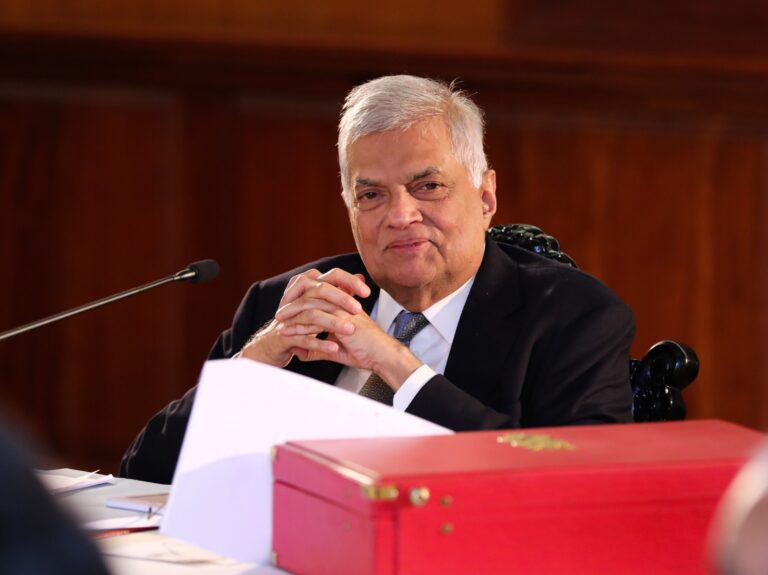
Governor Nandalal Weerasinghe, a key figure in implementing economic reforms under an IMF-led bailout package during Sri Lanka’s severe economic crisis, stated he has no intention of resigning despite President Ranil Wickremesinghe’s recent electoral defeat. The newly elected President, Anura Kumara Dissanayaka, has vowed to renegotiate the IMF deal.
Under Weerasinghe’s leadership, Sri Lanka’s currency has stabilized and appreciated, inflation has dropped from over 70% to single digits, and the central bank has enacted new legislation to secure its independence from the government. Additionally, money printing has ceased. Weerasinghe, a seasoned central banker, consistently advocates for continuing the IMF reforms to ensure long-term economic stability.
Appointed as the 17th governor of the Central Bank of Sri Lanka by former President Gotabaya Rajapaksa in April 2022, Weerasinghe was reappointed for another six-year term in July 2022. The appointment of a central bank governor requires the president’s approval along with the Constitutional Council, though the governor cannot be removed at the president’s discretion.
In compliance with the Central Bank of Sri Lanka Act of 2023, Weerasinghe recently briefed parliament members, highlighting key economic achievements. These include lowering inflation to 5% and reducing the policy interest rate. He also stressed the importance of strengthening reserves to stabilize the exchange rate and bolster the national currency.
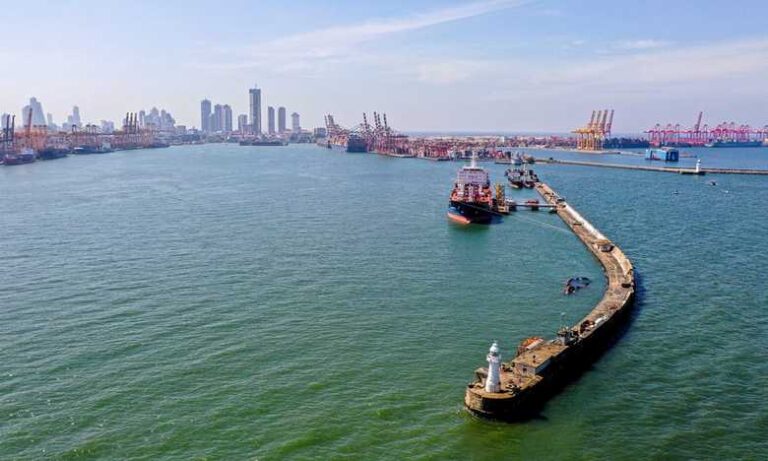
September 23, Colombo (LNW): The Sri Lanka Ports Authority (SLPA), a state-run entity, has invited expressions of interest (EOIs) to develop the Talaimannar North Pier in the Port of Mannar.
The project is planned on a build, operate, and transfer (BOT) model. This initiative aligns with India’s Adani Group’s plans to establish wind power projects in the Mannar and Northern Pooneryn areas, with a combined capacity of nearly 500 MW. Mannar’s project location spans 250 acres in an environmentally sensitive zone, facing legal hurdles.
The SLPA aims to transform the Port of Mannar into a regional hub, primarily focusing on passenger and cargo services.
A passenger ferry already operates between Sri Lanka’s northern region and southern India. Last November, the Sri Lankan government brought the Mannar port under the Sri Lanka Ports Authority Act, setting the stage for new ferry services between Mannar and India.
Mannar will join Sri Lanka’s list of major ports, which currently includes Colombo, Hambantota, Trincomalee, Galle, Kankesanthurai (KKS), and Oluvil.
According to the SLPA, this call for EOIs marks the initial phase of selecting an investor for the Talaimannar North Pier development. Documents for the EOI will be available from September 18 to October 28, with a pre-EOI meeting scheduled for October 2. The final date for submitting EOIs is October 30.
The Ministry of Ports, Shipping, and Aviation is planning to re-construct the Talaimannar pier to facilitate passenger vessels from Rameswaram, India.
The pier was destroyed and had been abandoned to deteriorate during the conflict era in the north., the Sri Lanka Ports Authority (SLPA) has been given the task to re-construct the pier at an estimated cost of Rs.1.8 billion.
Parallel to the re-construction of the pier, about 10 acres of government-owned land bordering the port will be acquired for port infrastructure development activities.
Under these new developments, a modern passenger terminal and warehouse facilities will be constructed. It has also been decided to call for RFPs for these investments to be carried out under PPP basis.
In the past, a passenger ferry service existed between Talaimannar and Dhanushkodi. However, the Dhanushkodi port was completely destroyed due to cyclones.
At present, India has completed developments at the Rameswaram Port, and the Indian government has declared clearance to commence a passenger ferry service between Mannar and Rameswaram.
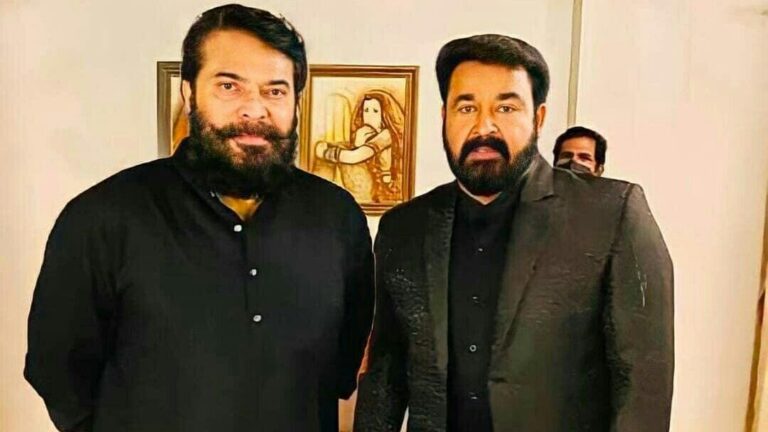
September 23, Colombo (LNW): Sri Lanka is set to become the backdrop for a high-profile Malayalam film featuring two of the industry’s biggest stars, Mammootty and Mohanlal.
The news broke after the makers of the film met former Sri Lanka’s Prime Minister Dinesh Gunawardena recently at the Temple Trees (PM’s office in Colombo).
The Malayalam Film Producers Association (MFPA) President Anto Joseph, along with directors Mahesh Narayanan and C.V. Sarathy, briefed the PM on their plans.
When contacted, filmmaker Mahesh Narayanan did confirm the project to ETV Bharat featuring the superstars, however, he remained tight-lipped about any other details of the film.
The film will see Mammootty and Mohanlal share the screen for the first time after 20 years. The shooting will take place in Sri Lanka for 30 days, with additional filming scheduled in Kerala, Delhi, and London.
Former Prime Minister Gunawardena expressed gratitude for choosing Sri Lanka as a filming location, highlighting the project’s potential to boost foreign exchange earnings and promote tourism.
This film marks a significant moment for Sri Lanka, recalling past successes such as The Elephant Walk, Tarzan the Apeman, and Bridge on the River Kwai, which were filmed in the country and achieved international acclaim. The new project is expected to further enhance Sri Lanka’s reputation as a desirable filming destination.
Mammootty and Mohanlal, two of Malayalam cinema’s most iconic actors, have shared the screen in over 50 films throughout their illustrious careers. Their collaboration has consistently captivated audiences, showcasing their incredible star power and acting prowess.
Mammootty, renowned for his versatile roles, was last seen in the film Turbo, directed by Vysakh. On the other hand, Mohanlal is gearing up for his directorial debut with the much-anticipated film Barroz, which will also feature him in a significant role.
September 23, Colombo (LNW): Anura Kumara Dissanayake was sworn in as the new President of Sri Lanka at a simple ceremony, signaling a shift in the nation’s political landscape. His election is seen as a “vote for change,” with his leftist and Marxist platform resonating with voters after the country’s economic crisis in 2022. Dissanayake won 5.6 million votes, or 42.3%, marking a significant improvement from his 2019 performance.
Sri Lanka faces a precarious economic situation, recovering slowly from a devastating crisis in 2022. Key fiscal challenges remain, such as deciding whether to adhere to the IMF’s Extended Fund Facility (EFF), adjust fiscal policies, or renegotiate the IMF program.
The nation continues to grapple with austerity measures like tax hikes, wage freezes, and subsidy cuts, which have stabilized the economy but also hurt the most vulnerable. Economic recovery has been slow, with jobs being created but the cost-of-living crisis leaving lasting damage on low- and middle-income households.
Dissanayake’s presidency will confront significant challenges, particularly in reducing unemployment and boosting economic growth. Unemployment, especially among youth, remains high at 20.2% in 2023, compared to the national average of 5.4%. Sri Lanka’s skills gap, lack of infrastructure, and energy shortages hamper growth. To facilitate recovery, the country needs a $12 billion investment in infrastructure over the next decade.
Gender inequality is another pressing issue. Although Sri Lanka scores high in gender equality indices, women face barriers in education, healthcare, and employment. Gender roles, entrenched in patriarchal norms, restrict women’s participation in public and private spheres.
Women make up about half of the workforce but often find themselves in low-paying, informal jobs. These challenges are even more pronounced for women from marginalized communities, especially in rural areas. The Global Gender Gap Report ranked Sri Lanka 108th out of 146 countries, reflecting ongoing inequalities in economic participation.
To address these challenges, Dissanayake is expected to pursue comprehensive reforms. His strategy will focus on fiscal reforms to manage public debt, foster foreign investment in tourism, renewable energy, and technology, and create targeted youth employment programs.
He also aims to bridge gender disparities by promoting equal pay, anti-discrimination laws, and gender-sensitive hiring practices. Key policies include improving education and vocational training for women and implementing family-friendly workplace policies like parental leave and childcare.
Dissanayake’s vision includes enhancing women’s political participation, empowering them economically through microfinance, and increasing their representation in governance. His presidency is expected to focus on long-term solutions to Sri Lanka’s deep-seated economic issues while promoting gender equality and sustainable development.
By prioritizing internal strategies alongside international cooperation, Dissanayake’s administration can help rebuild a more stable and inclusive Sri Lanka.
September 23, Colombo (LNW): This piece emphasizes the often-overlooked achievements of President Ranil Wickremesinghe despite his political unpopularity and perceived shortcomings.
It argues that while his political deftness may have been lacking and his image tarnished by unresolved scandals, his economic management laid a strong foundation for the country, one that future administrations, such as the NPP (National People’s Power), will benefit from.
Key contributions attributed to Ranil include:
– Rebuilding foreign reserves from a dire situation to USD 6 billion. – Stabilizing and strengthening the Sri Lankan Rupee. – Reducing interest rates significantly, helping businesses and households. – Successfully restructuring USD 17.5 billion of external debt, giving the country breathing space until 2028. – Rejuvenating key economic sectors such as tourism, agriculture, and exports, alongside consistent GDP growth. – Increasing government revenue and revamping social safety nets.
The analysis points out that Ranil’s economic work, while essential, was overshadowed by his political mishandlings, such as the visa scandal, conflicts with the judiciary, and his handling of the Easter Sunday investigations.
These factors may have contributed to his unpopularity, but the author suggests that his contributions to economic stabilization will be recognized, albeit privately, by future administrations.
In essence, it paints a picture of a leader who performed well on the economic front but was hindered by political missteps, which ultimately cost him wider public approval. Sri Lankan electorate is very short sighted and swayed by emotions.
September 23, Colombo (LNW): Lakshman Nipuna Arachchi will be appointed as a Member of Parliament to fill the vacancy left by Anura Kumara Dissanayake’s election the President of Sri Lanka, Commissioner General of Elections Saman Sri Ratnayake confirmed.
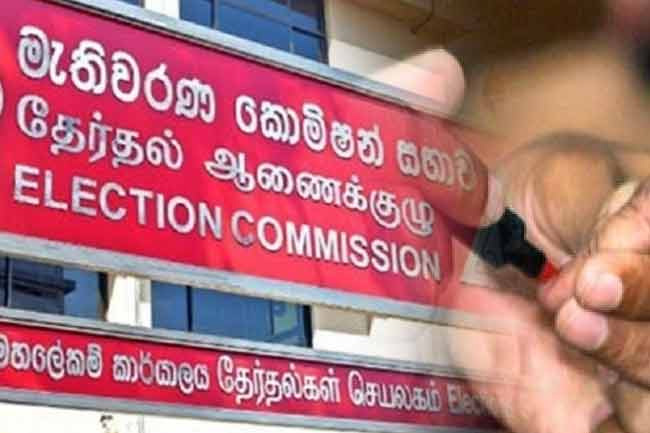
September 23, Colombo (LNW): The Commissioner General of Elections, Saman Sri Ratnayake, revealed that over 3.5 million eligible voters did not participate in Sri Lanka’s 2024 Presidential Election, marking a significant proportion of the electorate.
Speaking during the “Big Focus” current affairs programme today (23), Ratnayake stated that this represents 21.54 per cent of the eligible voting population.
Out of the 17,140,354 registered voters, only 13,619,916 cast their ballots, amounting to a turnout of 79.46 per cent.
This leaves 3,520,438 citizens who chose not to vote. Furthermore, Ratnayake noted that approximately 300,300 votes, representing 2.2 per cent of the total cast, were deemed invalid and subsequently rejected.
Reflecting on voter turnout, Ratnayake remarked, “Typically, voter participation in presidential elections exceeds 80 per cent. However, this time, fewer citizens exercised their voting rights. This issue requires attention not only from the Election Commission but also from political parties, which play a crucial role in mobilising voters.”
He further emphasised the necessity for political parties to develop initiatives aimed at encouraging greater voter engagement, stating that while the Election Commission provides the necessary infrastructure, it is up to the political leadership to ensure voters are motivated to participate in the democratic process.
The lower turnout has raised questions about the political climate and voter sentiment in the country, especially in a year that has seen major shifts in Sri Lanka’s political landscape.
September 23, Colombo (LNW): Dr. Nandika Sanath Kumanayake has been appointed as the new Secretary to the President, the Department of Government Information confirmed.
The appointment has been made by President Anura Kumara Dissanayake at the Presidential Secretariat.