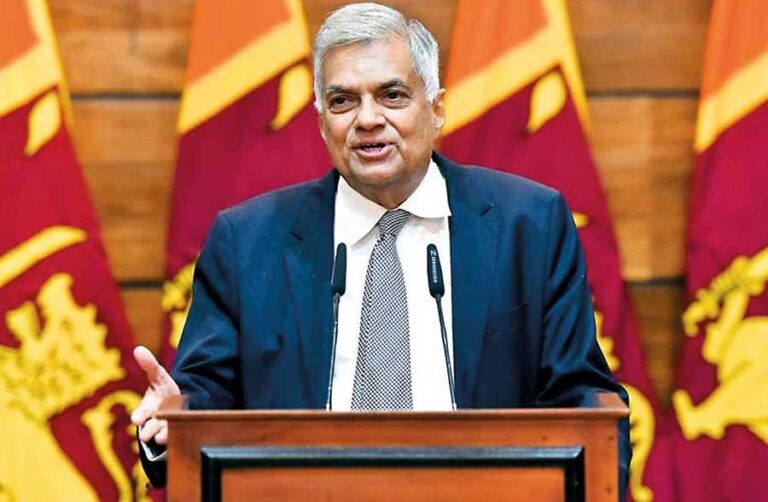
September 16, Colombo (LNW): President Ranil Wickremesinghe has announced plans to introduce legislation aimed at banning corporal punishment across Sri Lanka.
This move comes after decades of advocacy by child protection groups, marking a significant step towards safeguarding children’s rights in the country.
In a recent social media statement, President Wickremesinghe revealed that the Cabinet of Ministers has given its nod to a proposal seeking amendments to the Penal Code and the Criminal Procedure Code.
These amendments aim to prohibit corporal punishment in all forms, thereby offering a more robust legal framework to protect children from physical discipline.
“This milestone achievement comes after more than 20 years of efforts by child protection activists,” the President stated, highlighting the long-standing campaign to eliminate such practices.
The proposed legislation, once gazetted, will be brought before Parliament for final approval. This move is expected to generate widespread discussion, as it signals a fundamental shift in societal attitudes towards child discipline.
For years, child protection activists have argued that corporal punishment has no place in a modern, civilised society, advocating instead for alternative methods of discipline that do not involve physical force.
By addressing this issue through legislative reform, the government is taking a firm stance against practices that have been widely criticised for their potential long-term psychological and emotional impacts on children.
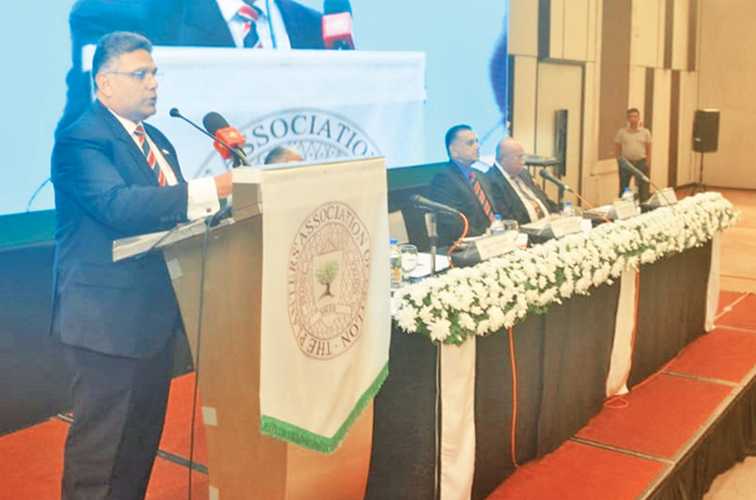
September 16, Colombo (LNW): The Planters’ Association of Ceylon (PA) announced a revised wage structure, marking the first such change since 1992.
Sunil Poholiyadde, the re-elected Chairman of the PA, addressed the 170th Annual General Meeting held in Colombo, emphasising the unanimous decision to set a basic wage of Rs. 1,350, complemented by a productivity component of Rs. 50 per kilo.
This new structure, which was officially gazetted on Friday, is set to remain unchanged for the next three years.
However, Poholiyadde expressed concerns about Sri Lanka’s tea production targets for the year, casting doubt on the likelihood of reaching the anticipated 300 million kilos, suggesting instead that 250 million kilos might be more realistic.
He underscored the urgent need for technological advancements and innovative approaches to meet production demands.
The PA, he noted, faces immediate challenges, chief among them being the stalled diversification efforts within the sector.
With climate change posing an increasing threat, Poholiyadde stressed that the sustainability of plantation businesses hinges on diversifying into other crops.
Outgoing PA Chairman Senaka Alawattegama echoed this sentiment, outlining the persistent challenges within the industry. He highlighted the prolonged and complex wage negotiations, emphasising the industry’s consistent advocacy for productivity-linked wages.
He pointed out that definitive reforms had been a long-standing necessity. “We have made strides towards this end,” Alawattegama said, “but the journey is far from over.”
Alawattegama also addressed the broader issues of crop diversification and oil palm cultivation. While significant progress has been made in navigating the political and environmental hurdles surrounding oil palm, the sector still faces obstacles due to ongoing resistance rooted in misinformation.
He noted that although they are close to overcoming these barriers, more decisive action is needed to fully harness the potential benefits of oil palm cultivation.
Additionally, he drew attention to the challenges faced by the rubber sector, which has been adversely affected by erratic weather patterns and diseases like Circular Spot Leaf Disease.
These difficulties have strained the capacity of Regional Plantation Companies (RPCs) to maintain wage payments, yet the PA remains committed to ensuring fair compensation for workers.
The PA emphasised that oil palm cultivation is a crucial avenue for diversification within the plantation industry, advocating for informed decision-making based on facts rather than misconceptions.
Alongside this, Alawattegama called for greater incentives to support crop diversification, as well as investment in research and development.
He emphasised that the integration of modern technology, such as mechanisation, precision agriculture, and agri-tech, is not merely an option but a necessity for the industry’s future sustainability.
He pointed out that many RPCs have already taken steps to introduce high-value crops like coffee, avocado, and spices, reflecting an evolving approach to plantation management.
Despite these efforts, he acknowledged that the plantation industry operates on long-term investment cycles, necessitating consistent and rational policy-making for sustainable growth.
Additionally, he recognised the growing global demand for sustainably produced goods, highlighting the need for the industry to align with these evolving market expectations.
As the PA navigates the complex landscape of plantation management in the face of climate change, market demands, and economic pressures, the call for strategic diversification and technological adoption is clear.
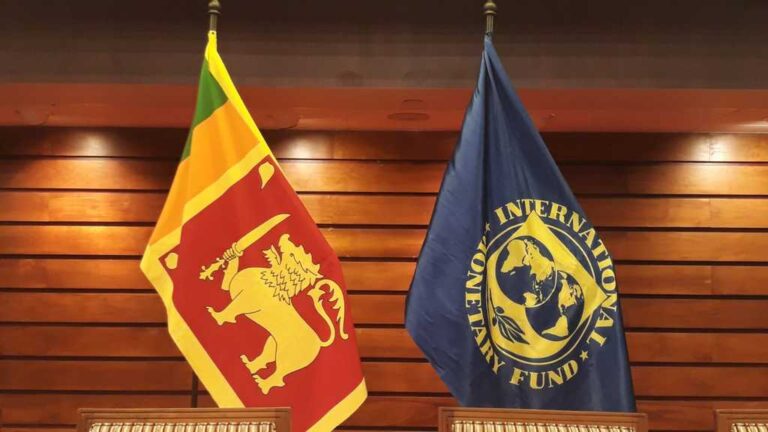
September 16, Colombo (LNW): The International Monetary Fund (IMF) has commended Sri Lanka’s efforts in its economic recovery while cautioning that the nation remains in a fragile state.
In a recent press briefing on 12th September, Julie Kozack, Director of the IMF Communications Department, stressed the need for continued vigilance and reform, especially in light of the impending Presidential Election.
Kozack highlighted the importance of sustained reforms to ensure the country emerges fully from one of its most severe economic crises in recent history.
She emphasised that while the election outcome lies in the hands of the Sri Lankan people, maintaining the progress achieved under the IMF programme is vital.
“The country is not out of the woods yet,” Kozack stated, urging for the protection of the gains made so far.
Under the IMF’s Extended Fund Facility (EFF) programme, Sri Lanka has reached significant milestones. In June, the IMF Executive Board completed the 2024 Article IV Consultation and the second review of the EFF, leading to the release of approximately USD 336 million in financial support.
These developments have contributed to a gradual recovery in economic growth, a reduction in inflation, improved revenue collection, and a steady increase in international reserves.
Despite these positive signs, Kozack underscored that Sri Lanka remains susceptible to considerable economic risks, making it crucial to maintain reform momentum.
On the topic of debt restructuring, she noted key achievements, including the execution of domestic debt restructuring and agreements with the official creditor committee and the Export-Import Bank of China.
However, Kozack clarified that the IMF does not participate directly in negotiations between Sri Lanka and its creditors, instead offering an overall assessment of debt sustainability.
Kozack also mentioned that the continuation of the IMF programme hinges on the political landscape post-election. The timing of the programme’s third review will depend on the formation of the new government.
“Programme discussions will resume after the elections, once a new government is in place,” she remarked.
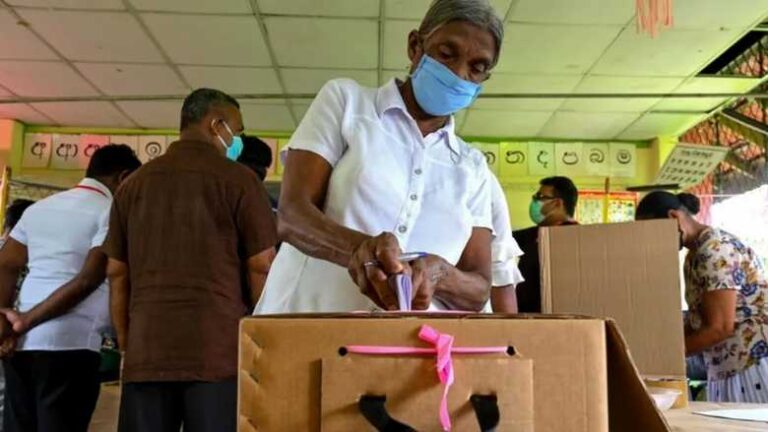
September 16, Colombo (LNW): The Public Security Ministry has confirmed that there are no current plans to impose a curfew on election day.
Comprehensive security arrangements have been established, with the police and the Special Task Force (STF) at the forefront. The tri-forces are also on standby to support these efforts if required.
Viyani Gunathilaka, the Secretary of the Public Security Ministry, elaborated on the security strategy, stating that both police and STF units are prepared to ensure a safe environment during the election period.
Although the armed forces are ready to assist, their involvement would only be activated if deemed necessary. When questioned about the possibility of a curfew following the voting process on 21st September, Gunathilaka emphasised that no such preparations are currently underway.
He clarified that the authority to impose a curfew lies solely with the President, and no instructions in this regard have been issued.
To date, more than 500 election rallies have been conducted across the country without any significant incidents, reflecting the effectiveness of the security measures in place.
Gunathilaka reassured the public that efforts to maintain a free and fair election would persist, with the police continuing their vigilant monitoring throughout the electoral process.
September 16, Colombo (LNW): The Sri Lanka Cricket Selection Committee has finalised a 16-member squad for the upcoming two-match Test series against New Zealand.
The squad received approval from the Ministry of Sports and Youth Affairs.
The first Test is scheduled to begin on 18th September at the Galle International Cricket Stadium (GICS).
Squad Details:
Dhananjaya De Silva (Captain)
Dimuth Karunaratne
Pathum Nissanka
Kusal Mendis
Angelo Mathews
Dinesh Chandimal
Kamindu Mendis
Sadeera Samarawickrama
Oshada Fernando
Asitha Fernando
Vishwa Fernando
Lahiru Kumara
Prabath Jayasuriya
Ramesh Mendis
Jeffrey Vandersay
Milan Rathnayake
This series promises to be an exciting contest, with a mix of experienced players and emerging talents forming the core of the Sri Lankan side.
September 16, Colombo (LNW): Voters who have not yet received their poll cards can visit the nearest post office to collect them this week, announced Post Master General Ruwan Sathkumara.
He specified that the cards would be available for collection from 18th to 21st September.
It has been noted that over 80 percent of the poll cards have already been distributed, with postal deliveries ceasing on 14th September 2024.
This initiative aims to ensure that all eligible voters have the necessary documentation in hand before election day.
In a related update, the Chairman of the Elections Commission, R.M.A.L. Ratnayake, reassured voters who might face discrepancies between the name on their poll card and that on their national identity card (NIC).
He clarified that the NIC remains the primary document for identification at polling stations. Voters encountering such mismatches are advised not to be concerned, as they also have the option of obtaining a certification from the Grama Niladhari, confirming their identity.
This effort by the postal service and the Elections Commission underscores the importance of ensuring that every eligible voter can exercise their right to vote without hindrance.
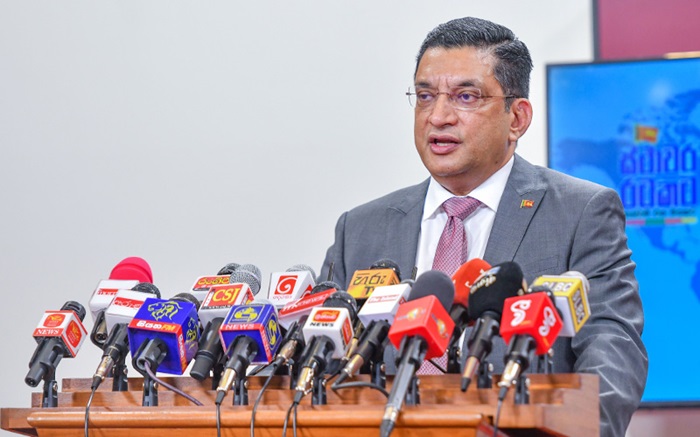
September 16, Colombo (LNW): Foreign Minister Ali Sabry has addressed recent public discussions regarding Sri Lanka’s diplomatic activities in Israel, offering detailed clarifications to dispel any misunderstandings.
Sri Lanka’s Embassy in Tel Aviv The Foreign Minister confirmed that Sri Lanka maintains its official embassy in Tel Aviv, which has served as the country’s sole diplomatic mission in Israel since its establishment in 2000. This embassy remains fully operational, acting as the main diplomatic liaison between the two nations.
Honorary Consul in Haifa To support the Sri Lankan community in Israel, an honorary consul was appointed in the Haifa region. This appointment, made prior to the events of 7th October 2023, aligns with standard international practices. Honorary consuls, who are usually citizens of the host country, voluntarily provide essential consular services. The honorary consul in Haifa continues these responsibilities, operating from their own office on a voluntary basis.
No New Consulates or Honorary Consul Appointments The Foreign Minister clarified that since the stated date, there have been no new consulate establishments or further honorary consul appointments in Israel. Any reports to the contrary are inaccurate and do not reflect the official stance of the Sri Lankan government.
Office Relocations It is typical for honorary consuls to move their offices within their area of jurisdiction for personal or business reasons. The Foreign Minister emphasised that such moves are administrative in nature and should not be misconstrued as the establishment of new consular offices.
Minister Sabry encouraged the public and media to consult official sources for accurate information about Sri Lanka’s diplomatic engagements.
He urged caution against misinformation, highlighting the importance of relying on verified reports to understand the country’s diplomatic initiatives correctly.
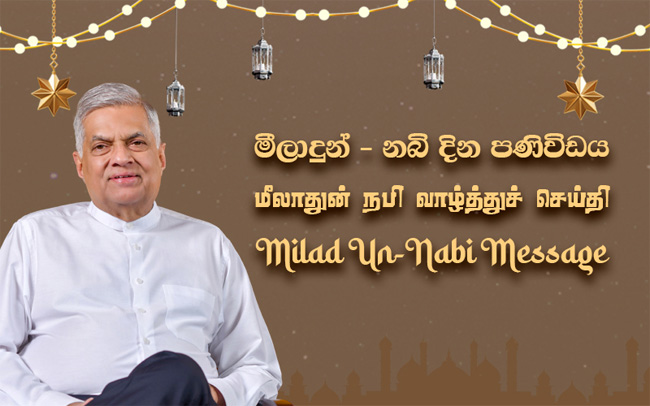
September 16, Colombo (LNW): President Ranil Wickremesinghe has remarked on the significance of Milad-un-Nabi, the celebration of the birth of Prophet Muhammad, highlighting how Sri Lankan Muslims join the global Islamic community in marking this occasion.
He emphasised that this celebration fosters a spirit of unity and brotherhood among followers.
Reflecting on the life of Prophet Muhammad, President Wickremesinghe pointed out that the Prophet was highly regarded for his unwavering integrity and moral character.
He stressed that the Prophet’s selfless efforts to champion justice, humanity, and righteousness left an indelible mark on those around him.
His sacrifices and commitment to upholding these principles serve as an enduring example for people of all faiths.
The President further noted that the core teachings of Prophet Muhammad revolve around mutual understanding, justice, and harmony.
He called attention to the Prophet’s message of rejecting hatred, advocating instead for a society built on mutual respect and compassion.
These values, according to the President, remain as relevant today as ever, offering a guiding light for societies striving for peace and prosperity.
In his Milad-un-Nabi message, President Wickremesinghe extended warm wishes to the Muslim community in Sri Lanka and beyond, urging them to draw inspiration from the Prophet’s values.
He expressed hope that this celebration would inspire efforts towards achieving unity, understanding, and a harmonious future.
Full Statement:
“Sri Lankan Muslims join their fellow believers worldwide in celebrating Milad-un-Nabi, commemorating the birth of Prophet Muhammad with a spirit of unity and brotherhood. The Prophet, renowned as Al-Amin (The Trustworthy), earned the unwavering trust of those around him through his integrity and character. His sacrifices for upholding justice, humanity, and righteousness are beyond measure.
The core teachings of Prophet Muhammad emphasize mutual understanding, justice, harmony, and the rejection of hatred. A closer study of his life and philosophy reveals that Allah elevates those who live with honesty and righteousness, granting them positions of honour and responsibility.
As we celebrate this blessed occasion, I believe that Muslims across the globe will stand united, committed to defeating all forms of extremism and striving for a more just and prosperous world by upholding the values exemplified by the Prophet.
I extend my heartfelt wishes to all Muslims for a blessed and meaningful Milad-un-Nabi.”
September 16, Colombo (LNW): The Tamil Nadu government has approved a fund of INR 300 million for constructing new houses for Sri Lankan Tamil refugees living in the Kottapattu camp along the Tiruchi-Pudukottai highway.
This initiative is aimed at improving the living conditions of the refugees, many of whom have been residing in these camps for nearly four decades.
Tamil Nadu hosts around 107 rehabilitation camps for Sri Lankan Tamils, with Kottapattu in Tiruchi district and Mandapam in Ramanathapuram district among the largest.
The Kottapattu camp, currently home to approximately 1,200 refugees, consists of 470 houses. However, many of these homes have fallen into disrepair due to age and lack of maintenance.
Despite previous efforts by the state to carry out repairs, the condition of the houses has worsened over the years.
In response to reports on the deteriorating state of these shelters and the appeals made by the camp residents, the Commissionerate of Rehabilitation and Welfare of Non-Resident Tamils has decided to construct new housing units at Kottapattu.
The initiative seeks to provide more durable and suitable living conditions for the camp’s residents.
A senior official from the Tamil Nadu government disclosed that the construction of over 500 new houses is planned, with the District Rural Development Agency (DRDA) overseeing the project.
The new houses will be built in close proximity to the current camp, with site identification already underway.
The official assured that the existing residents would not be displaced during the construction phase. They will continue to live in their current accommodations until the new houses are ready for occupation.
September 16, Colombo (LNW): Showers or thundershowers will occur at times in Western and Sabaragamuwa provinces and in Galle and Matara districts, with fairly heavy showers about 50 mm being likely to occur at some places in these areas, the Department of Meteorology said in its daily weather forecast today (16).
Several spells of showers will occur in North-western province and in Kandy and Nuwara-Eliya districts.
Showers or thundershowers may occur at a few places in Eastern and Uva province and in Polonnaruwa district during the evening or night.
Strong winds about (40-45)kmph can be expected at times over the western slopes of the central hills and in Northern, North-central, and North-western provinces and in Hambantota, Monaragala and Trincomalee districts.
The general public is kindly requested to take adequate precautions to minimise damages caused by temporary localised strong winds and lightning during thundershowers.
Marine Weather:
Condition of Rain:
Showers or thundershowers may occur at several places in the sea areas off the coast extending from Chilaw to Matara via Colombo and Galle.
Winds:
Winds will be Westerly or South-westerly in direction and wind speed will be (30-40) kmph. Wind speed can increase up to 60 kmph at times in the sea areas off the coasts extending from Matara to Pottuvil via Hambantota and from Kankasanthurai to Puttalam via Mannar. Wind speed can increase up toabout 50 kmph at times in the sea areas off the coasts extending from Trincomalee to Kankasanthurai and from Puttalam to Matara via Colombo and Galle.
State of Sea:
The sea areas off the coasts extending from Matara to Pottuvil via Hambantota and from Kankasanthurai to Puttalam via Mannar will be rough at times. The sea areas off the coasts extending from Trincomalee to Kankasanthurai and from Puttalam to Matara via Colombo and Galle will be fairly rough at times. Temporarily strong gusty winds and very rough seas can be expected during thundershowers.