September 08, Colombo (LNW): Several spells of showers will occur in Western, Sabaragamuwa and North-western provinces and in Kandy, Nuwara-Eliya, Galle and Matara districts, the Department of Meteorology said in its daily weather forecast today (08).
A few showers may occur in Northern province.
Strong winds about (40-50) kmph can be expected at times over Western slopes of the central hills, Northern, North-central and North-western provinces and in Hambantota, Monaragala and Trincomalee districts.
Marine Weather:
Condition of Rain:
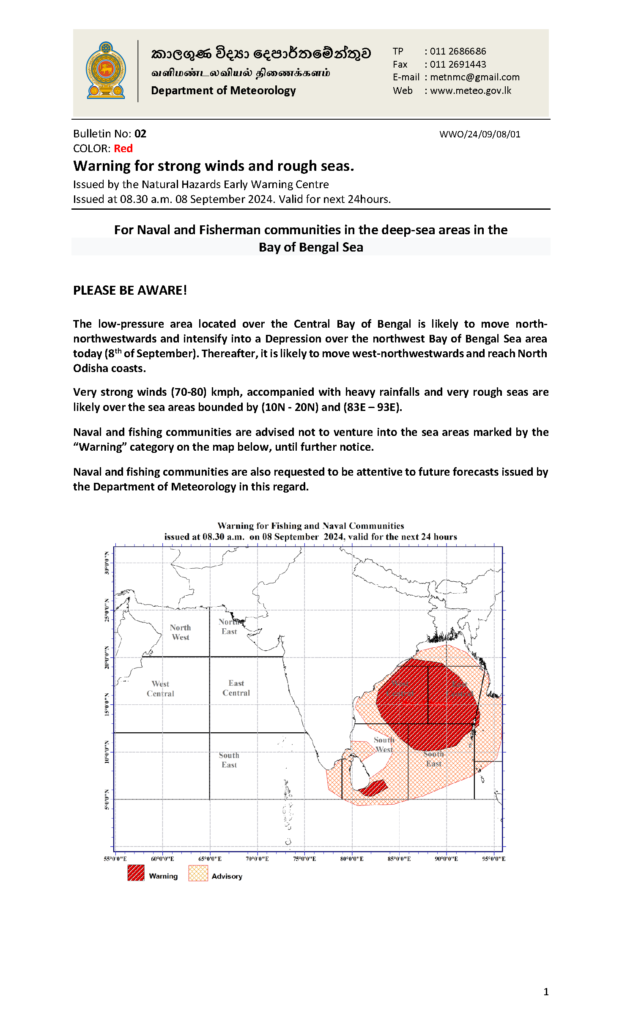
Showers may occur at Several places in the sea areas off the coast extending from Puttalam to Matara via Colombo and Galle.
Winds:
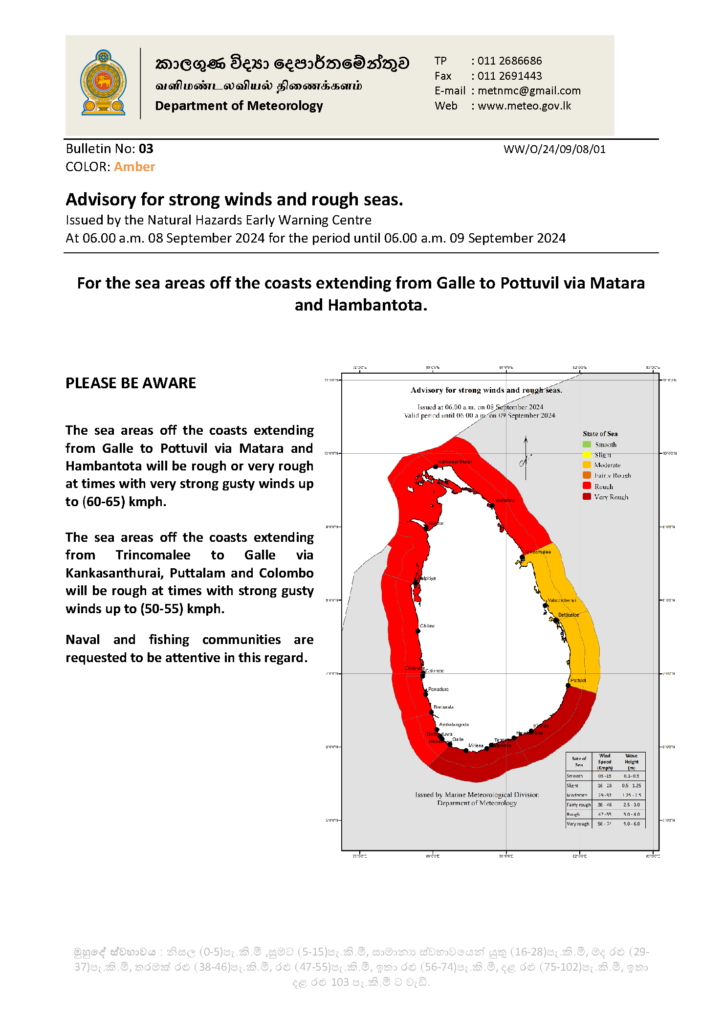
Winds will be south-westerly in direction and wind speed will be (30-40) kmph. Wind speed can increase up to (60-65) kmph at times in the sea areas off the coasts extending from Galle to Pottuvil via Matara and Hambantota. Wind speed can increase up to(50-55) kmph at times in the sea areas off the coasts extending from Trincomalee to Galle via Kankasanthurai, Puttalam and Colombo.
State of Sea:
The sea areas off the coasts extending from Galle to Pottuvil via Matara and Hambantota will be rough or very rough at times. The sea areas off the coasts extending from Trincomalee to Galle via Kankasanthurai, Puttalam and Colombo will be rough at times.
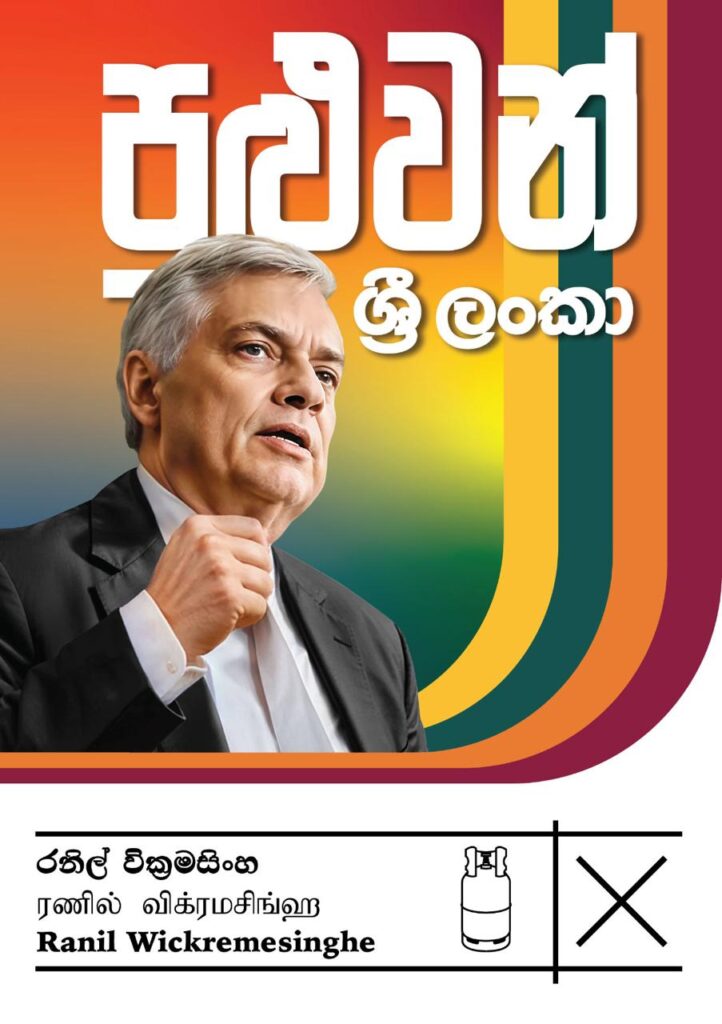
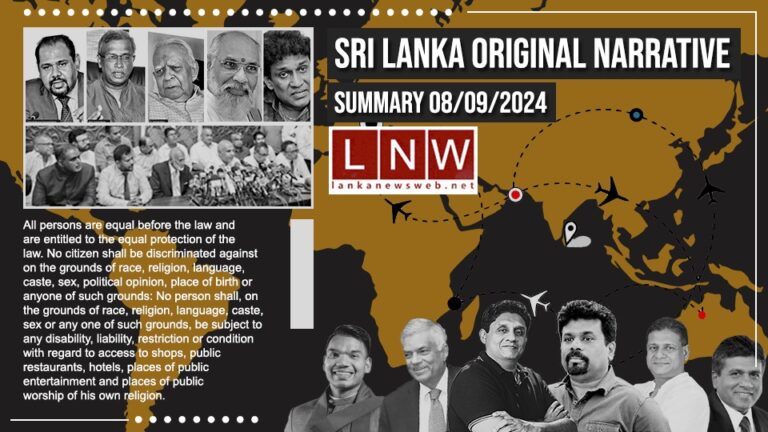
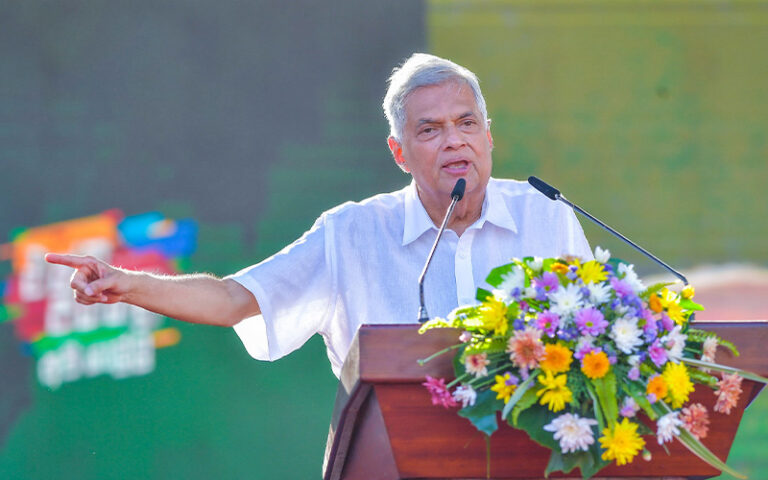
President Ranil Wickremesinghe meets ITAK leader Mavai Senathirajah in Jaffna, where Senathirajah expressed confidence in Wickremesinghe’s victory and the development of the North: Despite this, the Party had previously decided to support Sajith Premadasa in the 2024 presidential election: The party also agreed not to back Tamil candidate P. Ariyanenthiran, though Senathirajah claimed he was unaware of this decision.
The first public debate for the 2024 Presidential Election, organised by the ‘March 12 Movement’, saw only one confirmed candidate, Dilith Jayaweera of the ‘Sarvajana Balaya’ movement, participate: Other confirmed candidates, including Sajith Premadasa, Namal Rajapaksa, and Tamil candidate P. Ariyanethiran, were absent: Notably, other major candidates Anura Kumara Dissanayake and Ranil Wickramasinghe had not confirmed their participation in the debate, further reducing the expected lineup: Jayaweera criticises their no-shows, expressing disappointment in the lack of open dialogue.
National People’s Power (NPP) leader and Presidential Candidate Anura Kumara Dissanayake emphasises the party’s commitment to ensuring judicial supremacy and equality before the law under its government: criticises the current lack of respect for Supreme Court rulings and promised to re-establish judicial independence and equality, rejecting the need for political interference in the judiciary.
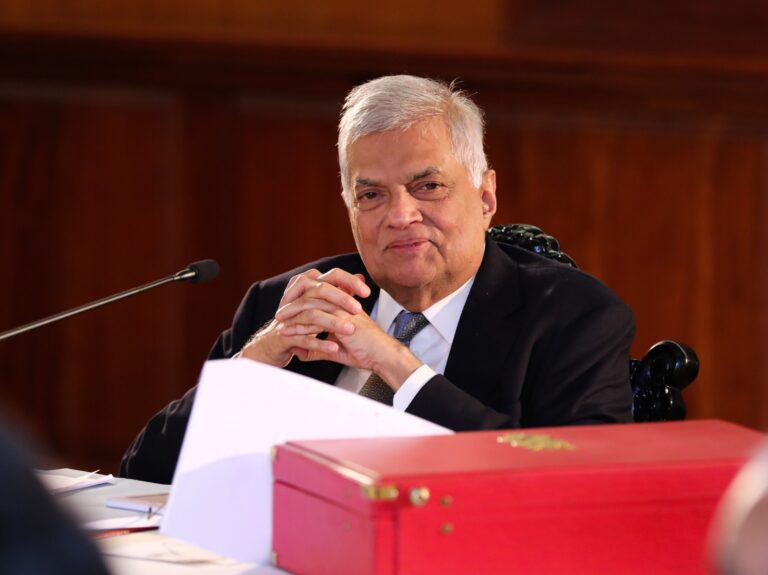
President Ranil Wickremesinghe swears in four new Court of Appeal judges at the Presidential Secretariat: The newly appointed judges are High Court Judges K.M.G.H. Kulatunga, D. Thotawatta, R.A. Ranaraja, and former Senior Deputy Solicitor General M.C.L.B. Gopallawa: These appointments are effective immediately under Article 107 of the Constitution.
Minister of Aviation and Shipping Nimal Siripala De Silva reveals India has granted $65 million to expand Sri Lanka’s Kankesanthurai (KKS) port: The expansion aims to accommodate cruise lines, boosting the region’s connectivity and tourism potential.
The Department of Posts has distributed approximately 3 million official polling cards for the 2024 presidential election: Distribution, which began on 3 September, will continue until 14 September: Deputy Postmaster General Rajitha Ranasinghe announces that Sunday, 8 September, is designated for door-to-door distribution from 8 a.m. to 6 p.m., urging residents to remain at home for collection.
The Transparency International Sri Lanka (TISL) expresses concerns over the misuse of public resources during the 2024 Presidential Election, with 580 complaints reported: highlights government vehicles and officers involved in election campaigns and called for decisive action from the Election Commission: urges citizens to remain vigilant, report violations, and ensure a free and fair electoral process without undue influence.
Sri Lanka’s plan to launch Elon Musk’s Starlink operations has been delayed until after the Presidential Election due to pending clearance with the Telecommunications Regulatory Commission: Although preliminary approval was granted and amendments to telecom laws were passed, the launch is postponed until after the 21 September election: Musk’s visit to Sri Lanka is expected post-launch, with planned discussions via Zoom.
SJB presidential candidate Sajith Premadasa pledges to ensure transparency in government spending and recover stolen resources for public welfare: promises that all details of government expenditures would be accessible to the public and emphasised his commitment to utilising recovered assets for the benefit of the people.
Sri Lankan Cricketers Dunith Wellalage and Harshitha Samarawickrama are shortlisted for the ICC Player of the Month awards for August: Wellalage is nominated for his all-round performance against India in the men’s category, while Samarawickrama is recognised for her standout batting during the Asia Cup and Ireland tour in the women’s category: They compete with South African, West Indian, and Irish players for the awards.
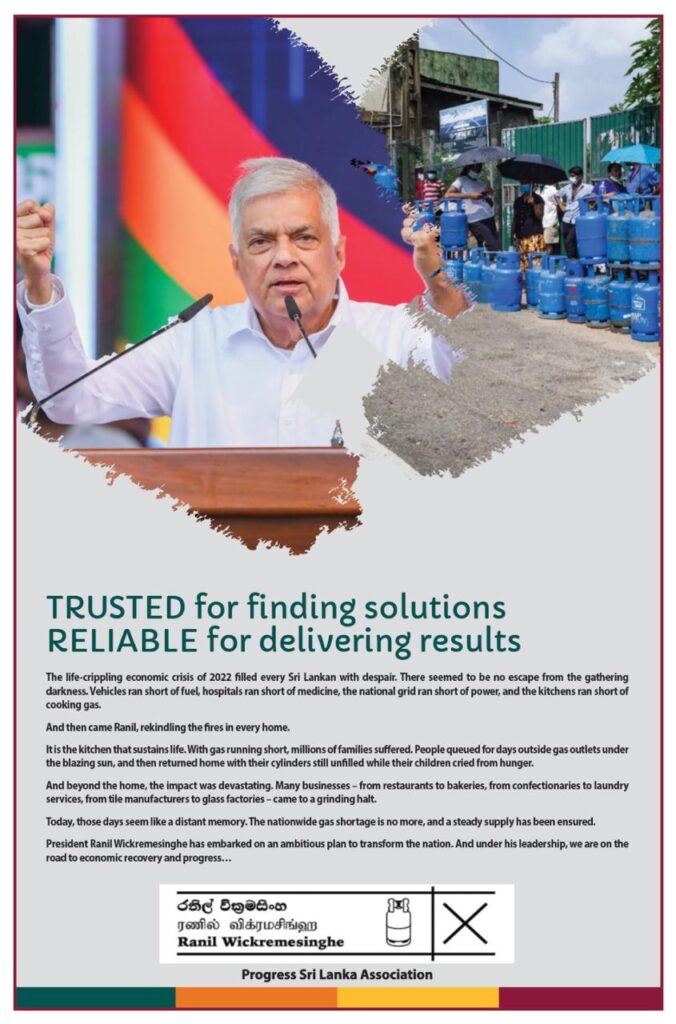
September 07, Colombo (LNW): The government has been called upon to “clean up and move forward” following a decisive directive from President Ranil Wickremesinghe. According to reports, the President has informed all ministers and Parliamentarians who are part of the government but do not support him in the upcoming Presidential Election to step down from their positions.
Political sources reveal that President Wickremesinghe’s decision was influenced by requests from several party organizations and ministers aligned with him. These supporters argued that it is counterproductive for those who do not back the President at this critical juncture to remain in the government, accusing them of political maneuvering by sharing their decisions with opposition factions.
As a result, the President’s supporters have asked for the removal of dissenting members, allowing him to conduct his election campaign without internal resistance. It has been reported that President Wickremesinghe has already dismissed four state ministers with immediate effect, following these appeals.
Furthermore, several other state ministers and members of parliament have been warned to make a clear decision regarding their stance, rather than remain in the government without genuine support. As the presidential election reaches a crucial phase, some of these state ministers have reportedly requested the chance to resign voluntarily rather than face dismissal.
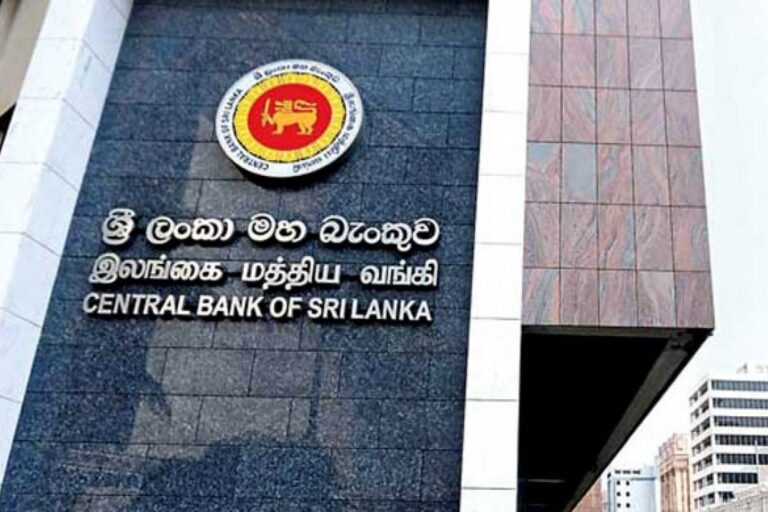
September 07, Colombo (LNW): Prof. Lee C. Buchheit, a renowned expert in Sovereign Debt Management with a distinguished 43-year career in private legal practice, praised Sri Lanka’s disciplined approach in emerging from its recent economic crisis. He made these remarks at the 74th Anniversary Oration of the Central Bank of Sri Lanka (CBSL), held yesterday at the Atrium of CBSL Head Office in Colombo.
In his oration titled “Sovereign Debt: The Myth of the Golden Age,” Prof. Buchheit reflected on the complexities of managing sovereign debt in the modern era. He pointed out that creditors are unlikely to demand complete debt forgiveness, but will instead favor restructuring. Drawing on his vast experience as a tax and economic expert who has helped many countries recover from financial crises, Prof. Buchheit emphasized that sovereign debt is an inevitable outcome of crises such as economic downturns, pandemics, or wars. He humorously remarked that some sovereign debt could endure indefinitely, much like “true love.”
Prof. Buchheit also expressed his view that it is justifiable for countries to borrow internationally for credible infrastructure development. However, he argued that borrowing to maintain a large public sector or to provide regular handouts is not sustainable. He cautioned against the common practice of increasing taxes to service debt, citing Kenya as an example where such measures led to widespread protests.
To illustrate the global challenge of sovereign debt, Prof. Buchheit referred to the United States, the world’s largest sovereign debtor. “The total U.S. government debt now stands at about $35 trillion,” he noted. “What is astonishing about that figure is not just its size, but the speed with which the debt has accumulated.” He highlighted that over the past 25 years, the U.S. national debt grew from $6 trillion to $35 trillion, while its debt-to-GDP ratio surged from about 60% to 125%.
Prof. Buchheit further warned that according to the nonpartisan Congressional Budget Office, U.S. public debt is expected to surpass 170% of GDP in the next 30 years. He added that the incoming U.S. administration will face the daunting task of borrowing not only to cover the existing debt but also to refinance the $35 trillion debt stock, which will have repercussions for other countries as well.
Concluding his address, Prof. Buchheit likened the burden of sovereign debt passed on to future generations to environmental pollution, which he described as a “major sin.” He remarked, “The next generation, which may come to protest the state of the planet, cannot yet do so since they are not born.”
September 07, Colombo (LNW): President Ranil Wickremesinghe has announced his intention to recognize Ayurveda as a medical science and is actively working to establish a National Council on Ayurveda to achieve this goal. The President emphasized that a comprehensive five-year plan will be implemented to enhance Ayurveda and traditional indigenous medicine practices across the country. He also highlighted plans to leverage Ayurveda as a key component in promoting tourism in Sri Lanka.
President Wickremesinghe made these remarks while addressing the Indigenous Medical Conference at the Waters Edge Hotel in Battaramulla yesterday (6). The conference was organized by practitioners and stakeholders from various disciplines, including traditional, Ayurvedic, Siddha, Unani, and Homeopathic medicine, along with indigenous medicine manufacturers, exporters, industrialists, shopkeepers, and others in the field. The event aimed to support President Wickremesinghe in the upcoming presidential election.
During the conference, a proposal for the advancement of the indigenous medical field was presented to the President. Addressing the gathering, President Wickremesinghe shared an anecdote about a patient he treated in 2022, who has now fully recovered. He cautioned against an “unqualified doctor” who might cause the patient to relapse, suggesting that taking the wrong medicine could prevent a full recovery.
President Wickremesinghe elaborated further: “In 2022, a patient was entrusted to me for treatment. Initially, we had to assess their condition, and then we managed to address the issue with a special remedy and a bitter decoction. Two years later, the patient has recovered and is now up and about.”
September 07, Colombo (LNW): Sri Lanka Customs has achieved a record revenue of Rs.1,000 billion (Rs. 1 trillion) in the first eight months of this year, benefiting from unprecedented operational independence, free from external interference for the first time in history.
With a revenue target of Rs.1,534 billion set by the International Monetary Fund (IMF) for 2024, Customs Director General Sarath Nonis is confident that the annual goal can be reached within the next four months. The department has already surpassed its previous highest revenue record of Rs.975 billion set in 2023. Traditionally, 25%-30% of customs revenue comes from car imports, but this figure has now dropped below 6% due to import restrictions in both years.
This achievement is attributed to the guidance and support of President Ranil Wickremesinghe, in his role as Minister of Financial Economic Stabilization and National Policy, as well as the leadership of State Ministers Ranjith Siyambalapitiya and Shehan Semasinghe. Director General Nonis also credits the success to the department’s operational independence and the implementation of new methods and advanced technical processes over the past two years.
Nonis emphasized that significant changes over the last two years have enabled officers to streamline operations, enhancing efficiency and effectiveness. He highlighted the dedication of the customs staff in combating fraud, corruption, and smuggling.
The Customs Department continues to advance its administrative activities through an annual action plan, focusing on regular transfers, updates to customs procedures, and ongoing quality improvements.
September 07, Colombo (LNW): Ceylon Energy, in collaboration with HJT China, has successfully completed the Maho and Ampara 33kV power distribution lines, marking a major milestone in the Supporting Electricity Supply Reliability Improvement Project (SESRIP).
SESRIP is a transformative project aimed at enhancing energy distribution across Sri Lanka, particularly in underserved regions. The project involves extending 2,372 kilometers of low-voltage lines and implementing 106 rural electrification schemes.
It aims to ensure reliable electricity access to over 35,000 households in the Northern and Eastern provinces, previously affected by conflict, and in the Uva and North Central provinces, where electrification has been slow.
A central goal of SESRIP is to upgrade the medium-voltage network to improve electricity quality and reliability for more than 493,000 consumers.
This initiative is about more than just infrastructure; it focuses on inclusivity, ensuring stable energy for all Sri Lankans.
SESRIP also integrates renewable energy into the national grid, reducing distribution losses and supporting sustainability goals. Funded by a USD 42 million investment from the Asian Development Bank (ADB), Ceylon Energy and HJT China have played pivotal roles in advancing this project.
The Maho power distribution line, a key element of SESRIP, extends 25 kilometers from Maho to MaEliya and is supported by 105 steel structures.
This 33kV line is crucial for the local community, providing reliable energy that boosts the efficiency of businesses, schools, and households.
In the Eastern Province, the completion of the Ampara Power Distribution Line, which spans 12 kilometers from Ampara to Uhana and is supported by 56 steel towers, is another significant achievement. Like the Maho line, this 33kV line will greatly benefit the region’s families and industries.
Madushanka Fernando, Chairman of Ceylon Energy, celebrated the completion of these lines, calling it “a new beginning of a brighter era.” His statement reflects the dedication and resilience of the SESRIP team, who overcame numerous challenges to realize this vision.
The successful completion of the Maho and Ampara power lines is a testament to the power of innovation, partnership, and a commitment to progress.
As Ceylon Energy and HJT China continue their work, the future of Sri Lanka’s energy landscape is set to become brighter, particularly for those in rural and underserved areas. This milestone represents a new era of opportunity and development for the nation.
September 07, Colombo (LNW): Sri Lanka is advancing its sustainable finance landscape, with the private sector playing a pivotal role in shaping the country’s business future.
The recent Sustainable Finance Week concluded with a strong emphasis on collaboration among the private sector, UN agencies, the UN Global Compact, and financial institutions.
This event underscored the importance of long-term engagement and knowledge sharing, urging businesses to adopt proactive sustainability measures.
Azusa Kubota, the Resident Representative of UNDP in Sri Lanka, highlighted the transformative potential of sustainable finance.
She stressed that in today’s evolving business environment, driven by climate change, resource scarcity, and changing societal values, integrating sustainability into business strategies is no longer a choice but a necessity.
Kubota emphasized that aligning economic prosperity with sustainability is crucial for future success.
The event showcased the benefits of embedding sustainability into daily business operations. Sri Lankan companies that adopt sustainable practices can attract ethical consumers, enhance brand reputation, comply with emerging regulations, and tap into sustainable investment opportunities.
The United Nations Development Programme (UNDP) in Sri Lanka, in collaboration with the Colombo Stock Exchange (CSE), Ceylon Chamber of Commerce (CCC), United Nations Global Compact Network Sri Lanka (CNSL), and UNESCAP, organized a two-day workshop during the Sustainable Finance Week in Colombo.
The workshop aimed to address the urgent need for businesses in Sri Lanka to integrate sustainability into their strategic frameworks.
Punyamali Saparamadu, Senior Vice President – Commercial at the Colombo Stock Exchange, emphasized the need for capacity building in Environmental, Social, and Governance (ESG) frameworks.
She pointed out that while there is significant interest in green bonds, many companies lack clarity on how to proceed. Saparamadu noted that strong ESG frameworks not only enhance a company’s reputation but also help mitigate risks and reduce capital costs in the long term.
Throughout the workshop, experts led interactive discussions to help the private sector better understand and implement sustainable practices.
Participants learned about aligning with the Sustainable Development Goals (SDGs) to unlock business opportunities, gained clarity on sustainable finance concepts, and received practical advice on integrating sustainability into their business models and investment portfolios.
Rathika de Silva, Executive Director of the United Nations Global Compact Network Sri Lanka, emphasized that sustainability is a business imperative, not just a buzzword.
The event also covered topics such as green bonds, corporate bond issuance, and sustainability disclosures. Participants gained technical expertise in ESG frameworks and Impact Measurement and Management (IMM), and the workshop fostered networking and partnerships for future collaboration.
Sanjaya Ariywansa, Chief Economist at the Ceylon Chamber of Commerce, remarked that Sri Lanka has significant potential for sustainable growth, but challenges remain. He highlighted the private sector’s crucial role in driving this growth by measuring and managing their environmental and social impacts while accessing sustainable finance
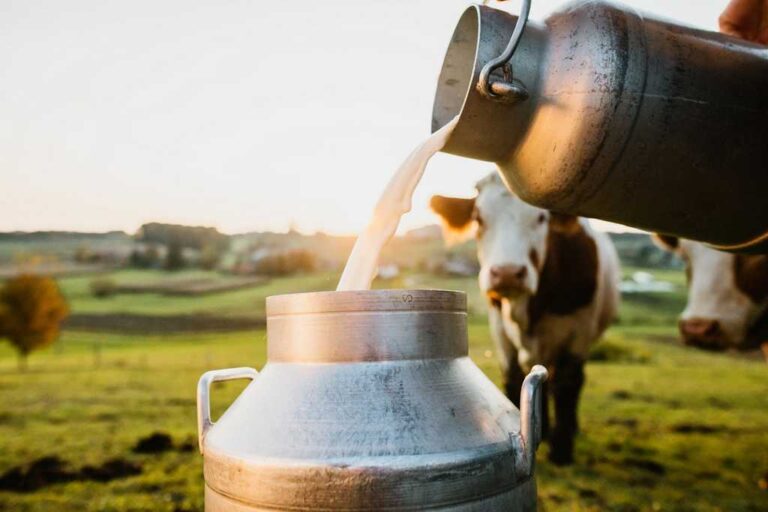
September 07, Colombo (LNW): In alignment with its mission to enhance Sri Lanka’s dairy sector, Browns Pharmaceuticals has partnered with DFCC Bank PLC and Market-Oriented Dairy (MOD) through the innovative ‘Kiri Wyawasabhiman’ Loyalty Program.
This tripartite collaboration is designed to support dairy entrepreneurs nationwide, especially during challenging periods, by ensuring easy access to essential products and services alongside various concessions and tailored financial products.
Through its Micro, Small, and Medium Enterprise (MSME) scheme, DFCC Bank offers dairy entrepreneurs a range of exclusive benefits, including special interest rates, flexible payment plans, and discounts on pharmaceuticals, medicines, and machinery from Browns Pharmaceuticals.
Additionally, the partnership will provide capacity-building programs, delivering comprehensive solutions to support business growth.
The Memorandum of Understanding (MoU) highlights a three-pronged approach, integrating Browns’ 150-year legacy of trust, its extensive island-wide network, and unparalleled after-sales service with DFCC Bank’s expertise in MSME financing within the agriculture sector and its diverse financial product portfolio.
Combined with MOD’s credibility and resources, this collaboration establishes a strong foundation for the success of dairy entrepreneurs.
Mangala Wijesinghe, the Browns Group Cluster Chief Operating Officer – Pharmaceuticals Consumer and Integrated Engineering Solutions, emphasized that this dynamic partnership aligns with Browns Pharmaceuticals’ vision to uplift the nation’s dairy sector through sustainable, long-lasting solutions.
He expressed confidence in the MoU’s potential to positively impact the market’s growth and sustainability.
While Sri Lanka is largely self-sufficient in most animal products, dairy remains an exception. The consumption of dairy products has surged since the 1970s when the government embraced open economic policies.
Currently, Sri Lanka meets about 15-20 percent of its milk product needs, relying heavily on imported milk powder.
The dairy industry holds significant potential to contribute to Sri Lanka’s economic development. As a traditional industry with a history spanning thousands of years, milk production plays a crucial role in combating nutritional poverty across all age groups and provides extensive employment opportunities.
The government has set an ambitious target to increase dairy production towards achieving 50 percent self-sufficiency in milk.
To reach this goal, the industry must grow by approximately 15 percent annually over the next eight years, a challenging feat given the current industry conditions that only supply about 20 percent of the nation’s dairy needs.
This is a stark contrast to two decades ago when domestic sources provided nearly 80 percent of the country’s milk consumption before the economic liberalization in 1977.
Given the current levels of malnutrition, particularly among pre-school children and pregnant mothers, increasing milk production is vital for improving the nation’s nutritional status.
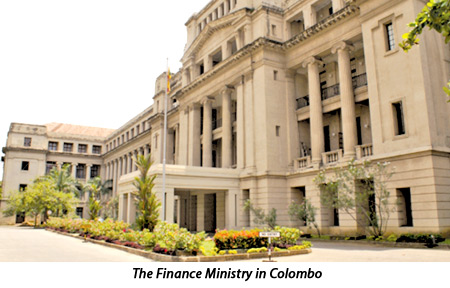
September 07, Colombo (LNW): Sri Lanka’s current economic reform program, supported by the International Monetary Fund (IMF), marks a significant departure from previous engagements.
A key distinction is that debt restructuring is now a major pillar of the reform program. This program represents a new chapter in Sri Lanka’s relationship with the IMF, where restructuring debt has become central to achieving macroeconomic stability. Finnace Ministry clarified.
The IMF’s lending rules prohibit support to countries with unsustainable debt. Consequently, Sri Lanka has had to undertake debt restructuring while simultaneously negotiating broader macroeconomic reforms with the IMF.
The country is committed to ensuring that any agreements made with creditors will restore public debt sustainability, as assessed by the IMF.
Unlike low-income countries, Sri Lanka falls under the IMF’s Market Access Sovereign Risk and Debt Sustainability Framework (MAC SRDSF), which applies to middle-income economies.
Once established, debt restructuring targets become fixed and can only be altered if there is substantial evidence that the targets are no longer viable.
These targets are based on Sri Lanka’s debt-carrying capacity and are not influenced by shifts in the macroeconomic framework.
The MAC SRDSF methodology, which is publicly available, uses a model that incorporates historical macroeconomic data and applies stress tests to determine near-, medium-, and long-term outcomes. , finance ministry emphasied
These outcomes are primarily mechanical, although IMF staff can apply judgment to introduce additional stress tests or variables. However, this judgment is thoroughly reviewed and ultimately requires approval from the IMF Executive Board.
In Sri Lanka’s case, the mechanical and staff-assessed projections indicate high risks to medium- and long-term debt sustainability, mainly due to vulnerabilities to economic shocks and structural challenges such as an aging population and climate risks.
These projections are updated regularly, particularly during IMF program reviews, which occur every six months.
While the MAC SRDSF model’s parameters are inflexible, the technical aspects of the Debt Sustainability Analysis (DSA) have been extensively negotiated between Sri Lankan authorities, their debt advisors, and the IMF.Itadded.
This includes discussions on the scope of public debt, refinancing assumptions, and the costs associated with recapitalizing the banking sector.
Since the beginning of its debt restructuring process in June 2022, Sri Lanka has developed its own DSA models to guide its negotiation strategy.
These models, created with the help of debt advisors, are regularly aligned with IMF assessments. Sri Lanka uses these models to design offers to creditors and evaluate proposals to ensure compatibility with IMF constraints. Creditors, in turn, often create their own DSA models to inform their negotiating positions.
The IMF’s DSA plays a unique role in the sovereign debt restructuring process. Whenever Sri Lanka reaches an agreement with a creditor, the IMF confirms that the terms comply with the necessary debt relief targets. The IMF may also apply its judgment in addition to the mechanical outcomes to make its assessments.
Although a country could reject the IMF’s DSA if it disagrees with the outcomes, doing so would delay any financing program, potentially prolonging the economic crisis.
For Sri Lanka, which faced severe challenges in mid-2022—such as depleted foreign reserves, soaring inflation, civil unrest, and a near-collapse of the socio-economic fabric—such delays would have been disastrous.