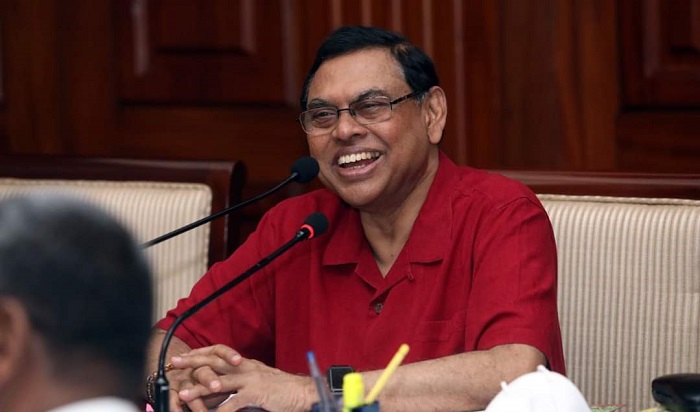
September 20, Colombo (LNW): Former Minister Basil Rajapaksa, founder of the Sri Lanka Podujana Peramuna (SLPP), reportedly left the country early this morning (20th), a day before the presidential election. According to sources, Rajapaksa boarded Emirates Airline flight EK 659, which departed from Katunayake Bandaranaike International Airport at 3:05 am, heading to Dubai, from where he is expected to continue his journey to the United States.
Rajapaksa used the Gold Route Special Entry of the airline and was traveling alone. Reports indicate that former State Minister DV Chanaka, along with MPs Sanjeeva Edhirimanna and Jayanatha Katagoda, also accompanied him to the airport to his departure.
Basil Rajapaksa has been a key figure in the election campaign of Namal Rajapaksa, the SLPP candidate in this year’s presidential election.
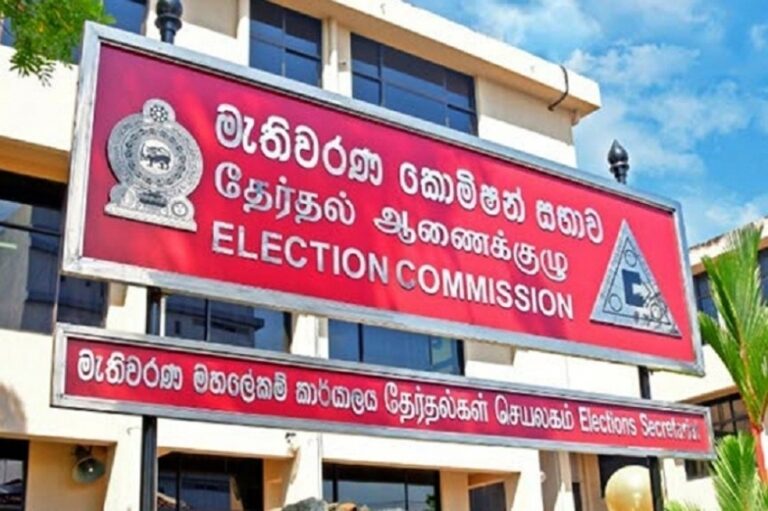
September 20, Colombo (LNW): Nine government officials in the Hambantota district have been barred from participating in election duties due to allegations of promoting political parties. The banned individuals include teachers, principals, and public health inspectors, according to Hambantota District Election Officer MP Sumanasekara.
Sumanasekara revealed that further complaints have been lodged against ten other government officials, and the Election Commission has been notified for further action.
The Election Commission reiterated the importance of neutrality among government officials engaged in election-related duties. In a statement, it emphasized that public officials must maintain respectful and professional relationships with voters, candidates, and their authorized representatives.
The Commission instructed all officials to act courteously and efficiently, ensuring a smooth and respectful voting process. It highlighted the need for officials to perform their duties with utmost diligence to allow voters to exercise their right to vote freely and fairly.
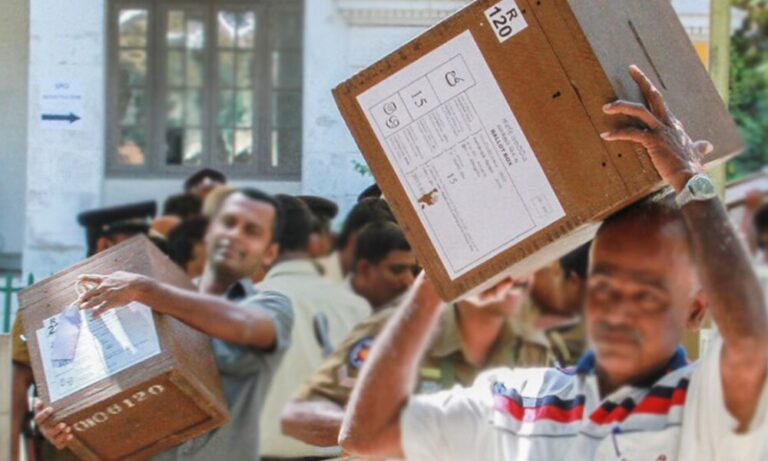
September 20, Colombo (LNW): The transportation of ballot boxes and officials to polling stations for the 2024 Presidential Election began this morning, according to Election Commissioner General Saman Sri Ratnayake. Over 150,000 government officials have been deployed to staff 13,421 polling stations nationwide.
To streamline the distribution, 1,234 issuing centers have been set up. Additionally, nearly 1,000 officials, including chief counting officers, have been dispatched to remote provinces from districts such as Colombo to ensure smooth election operations.
Police Media Spokesperson DIG & Attorney-at-Law Nihal Talduwa stated that special security measures have been implemented for the safe transportation of ballot boxes and officials. A special traffic plan has also been put in place around polling stations to maintain safety and order.
The 2024 Presidential Election will be held tomorrow from 7 am to 4 pm, with 17,140,354 eligible voters casting their ballots to choose from among 38 candidates.
The National Security Council of Sri Lanka has met and discussed ensuring security for the 2024 presidential election and maintaining law and order during the post-election period. They discussed ensuring security for the 2024 presidential election, supporting the Election Commission, securing candidates and polling stations and maintaining law and order post-election without disrupting daily life.
Sri Lanka Police has informed the voters regarding the items that are not permitted at polling stations when they visit to cast their votes. Police Media Spokesman DIG Nihal Talduwa explained the responsibility of voters when they go to cast their votes. He stated that they have observed some individuals consume alcohol from the morning and then struggle to enter the polling station where they are unable to make a proper decision.
Election Commission (EC) Chairman R. M. A. L. Rathnayake said that they hope to conclude the official releasing and announcing of the 2024 Presidential Election results declaring the winning candidate by September 22.
Sri Lanka said it’s reached an agreement in principle with bondholders to restructure its $114 billion debt load, just days before the country heads for presidential elections. The parties agreed to introduce “governance-linked bond features” as part of the revised bond treatment, it said, referring to clauses that would cut Sri Lanka’s repayments if it meets certain governance and anti-corruption-related targets.
Sri Lanka’s National Anti-Human Trafficking Task Force (NAHTTF) has issued a serious warning about a rising trend in forced criminality linked to cyber scam centers in Myanmar. Human traffickers are actively targeting young IT professionals through fraudulent job offers abroad, it said issuing a statement.
The Ministry of Education (MoE) has issued a special statement regarding the controversy over the incident of the Grade 5 Scholarship examination paper allegedly being leaked. The communiqué stated that the Department of Examinations and the Criminal Investigation Department (CID) are conducting an investigation regarding the issue with the first paper of the 2024 Grade 5 Scholarship Examination.
The Colombo High Court has issued an order preventing the use of two luxury apartments located in the Colpetty area which had been purchased by Ramith Rambukwella, the son of former Health Minister Keheliya Rambukwella. The two luxury apartments had allegedly been purchased for Rs. 80 million and Rs. 65 million.
The Sri Lanka Transport Board (SLTB) has announced the allocation of 1,360 buses for election duties in connection with this year’s presidential election. Deputy General Manager Panduka Swarnahansa confirmed that these buses will be provided based on requests from district election offices.
the Disaster Management Centre (DMC) and the Election Commission have planned to implement a special joint program to address any disruptions to the presidential election that could be cause by natural disasters. Accordingly, the Director of the Disaster Management Centre, Pradeep Kodippili mentioned that the program is planned to be implemented from 19th until September 22.
Cricket Australia (CA) has banned former Sri Lankan Test player Dulip Samaraweera for 20 years after he “committed a serious breach” of the organisation’s code of conduct. Samaraweera is banned from holding any position within CA or a state or territory association, including any WBBL or BBL teams.
September 19, Colombo (LNW): Several surveys have been floating around. The methodology can be challenged. The potential winner of the next Presidential election in Sri Lanka would depend on several factors, including the performance of the current administration, the state of the economy, and how effectively opposition parties present alternative solutions. Key considerations include:
1. Economic Performance: Given Sri Lanka’s severe economic crisis, a candidate who offers a clear plan for sustainable economic recovery, debt restructuring, and growth strategies will have an advantage. Voters will likely prioritize economic stability and job creation.
2. Public Sentiment on Governance: The performance of the current government under President Ranil Wickremesinghe, particularly in terms of addressing inflation, stabilizing foreign exchange reserves, and securing foreign investment, will significantly influence voter preferences. If the government can show tangible improvements in these areas, Wickremesinghe or a candidate from his camp could maintain an edge.
3. Youth and Urban Voters; Many young voters were pivotal in the recent political shifts, especially during the protests that led to former President Gotabaya Rajapaksa’s resignation. Candidates who can appeal to this demographic, with promises of modern governance, transparency, and anti-corruption measures, may win critical support.
4. Role of Regional Politics; Tamil and Muslim minority communities will also be influential in determining the outcome. A candidate able to foster inclusivity and address long-standing issues of minority rights and development may strengthen their chances.
If the current administration under Wickremesinghe has effectively demonstrated a robust recovery path, they may retain an advantage, but public sentiment around economic hardship, governance issues, and regional disparities will play decisive roles in shaping the outcome. Sri Lankans however needs to vote wisely.
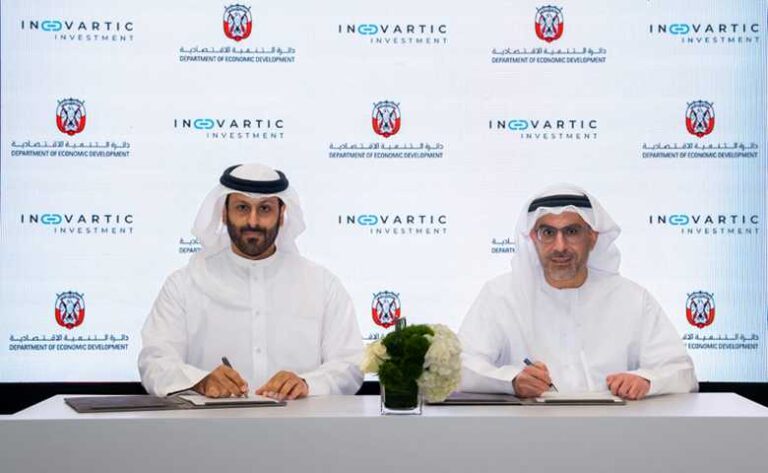
September 19, Colombo (LNW): Inovartic Investment Lanka Pvt Limited, a collaboration between Sri Lanka’s Apex Asia Holdings and UAE’s Inovartic Investment LLC, has launched a project to advance graphene manufacturing and graphene-based products in Sri Lanka and Abu Dhabi.
This joint venture, established with the backing of Abu Dhabi University (ADU), aims to drive innovation in key technology sectors. Partnering with the Sri Lanka Institute of Nanotechnology (SLINTEC), the initiative will leverage the expertise of both Inovartic Investment Lanka and ADU to promote graphene technology development in both regions.
Daham Arangalla, Founder and Director of Inovartic Investment Lanka Pvt Ltd and Regional Partner of Inovartic Investment LLC, emphasized the importance of this venture, stating that the consortium would create an ecosystem to promote technological advancements, enhance global synergies, and elevate Sri Lanka’s economic status.
Arangalla also highlighted the consortium’s role in fostering advancements in research, training, and knowledge-sharing, positioning Sri Lanka at the forefront of regional technological innovation.
Saif Aldarmaki, Chairman and Co-Founder of Inovartic Investment Lanka Pvt Ltd, described the joint venture as a key player in the future of advanced material manufacturing, creating new opportunities for innovation and economic growth for both Sri Lanka and Abu Dhabi.
The partnership aligns with Abu Dhabi’s vision to become a global hub for cutting-edge industries, focusing on the development of graphene, a vital material for sectors like electronics, healthcare, semiconductors, biotechnology, transportation, and environmental conservation.
Shawn Gajasinghe, Chairman of Apex Asia Pvt Ltd and Co-Founder of Inovartic Investment Lanka Pvt Ltd, also expressed confidence in the consortium’s ability to make significant strides in research and technological innovation.
In support of sustainable development, the venture has secured local vein graphite in Sri Lanka and plans to set up pre-processing facilities to produce graphene for export. This effort not only enhances local resources but also demonstrates the joint venture’s commitment to economic growth and technological progress.
Inovartic Investment Lanka is supported by the Abu Dhabi Department of Economic Development and the Abu Dhabi Investment Office (ADIO), both of which are instrumental in advancing research and development in graphene technology across the UAE and Sri Lanka.
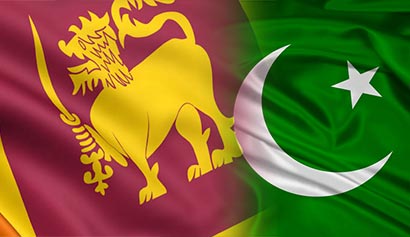
September 19, Colombo (LNW): Despite a bilateral trade agreement between Pakistan and Sri Lanka signed nearly two decades ago, the two countries have yet to operationalize a dispute resolution body, leaving trade issues unresolved. This delay has raised concerns that Pakistan’s exports to Sri Lanka may suffer due to unresolved commercial disputes, the Express Trinune reported.
Pakistan’s Ministry of Commerce recently updated the Senate Standing Committee on Commerce, stating that the Sri Lankan authorities have been uncooperative in activating the dispute resolution mechanism. The ministry emphasized that this issue may now need to be handled at the political level to make progress. Senator Anusha Rahman, chair of the meeting, led the discussion on the matter.
Initially, ministry officials implied that the dispute resolution forum was functioning effectively, but later admitted that Sri Lanka had been unresponsive. Pakistan’s Minister for Commerce, Jam Kamal, expressed a desire to resolve the trade disputes peacefully and maintain positive relations with Sri Lanka.
According to Dr. Adnan, Joint Secretary at the Ministry of Commerce, the Free Trade Agreement (FTA) between Pakistan and Sri Lanka, signed in 2005, includes provisions for resolving both government-to-government and business-to-business disputes. However, since 2013, Pakistan has raised concerns about the dispute resolution mechanisms. A joint working group was established to address these issues, but progress has been slow.
One of the key obstacles is Sri Lanka’s failure to establish a designated chamber or arbitration mechanism for dispute resolution. In 2022, Pakistan proposed an arbitration forum with nominations from both countries, but Sri Lanka claimed to have lost the meeting minutes, halting further negotiations. As a result, Pakistani exporters have been unable to claim disputed export payments.
To mitigate the situation, Pakistan’s Trade and Investment attaché suggested using letters of credit (LCs) instead of bills of engagement in trade transactions. However, the dispute remains unresolved, and the Ministry of Commerce has indicated that Pakistan’s Ministry of Foreign Affairs may need to get involved to address the issue at a higher diplomatic level.
In addition to the trade disputes, the committee also discussed issues regarding appointments to the board of the Trade Development Authority of Pakistan (TDAP). Senator Anusha Rahman expressed frustration over the Ministry of Commerce’s reluctance to include parliamentarians in the TDAP board, despite legal requirements.
Senator Faisal Saleem Rehman’s nomination to the TDAP board for the 2021-24 term was not acknowledged by the Ministry of Commerce or TDAP, prompting concerns over legal compliance. The ministry argued that the State-Owned Enterprises (SOE) Act prohibits parliamentarians from serving on the boards of such entities.
However, Senator Rahman countered that TDAP is not classified as an SOE and accused the commerce ministry of manipulating its status to avoid parliamentary oversight.
Commerce Minister Jam Kamal assured the committee that the legal issues surrounding TDAP appointments would be addressed, and the matter resolved promptly.The committee has requested a detailed report on the TDAP appointments and related legal interpretations.
September 19, Colombo (LNW): The Sri Lanka Export Development Board (EDB) has forged a strategic alliance with the Engineering Faculty of the University of Moratuwa, formalizing this partnership with a Memorandum of Understanding (MoU).
This initiative seeks to bridge the gap between academia and entrepreneurship in sectors like construction, power and energy, and engineering services within Sri Lanka.
The primary objective of this collaboration is to support entrepreneurs in Research and Development (R&D) projects aimed at improving service quality for international markets, thereby bolstering the global competitiveness of Sri Lankan engineering services.
The partnership will enable the country to attract a broader international clientele while simultaneously fostering innovation and economic growth.
The collective expertise of academia and the private sector will drive industry advancements and provide students with essential hands-on experience, which is crucial for national development.
This joint effort promises to enhance Sri Lanka’s global standing and stimulate further industry expansion.
On 4 September, the MoU was officially signed in a ceremony that marked a major milestone for the collaboration.
The initiative is set as a two-year program designed to encourage collaboration between selected companies to create innovative solutions, increasing global market competitiveness. The EDB aims to strengthen industry-academia partnerships by facilitating connections between businesses and university research teams to solve complex research challenges through practical applications.
Currently, two active projects have been launched under this collaboration. Venora Lanka Power Panels Ltd. and Sentinel Systems are spearheading these initiatives, focusing on IoT-enabled power distribution systems and Advanced Building Management Systems.
These cutting-edge technologies aim to reduce energy costs and lessen the financial burden on individuals and businesses by allowing users to track their daily electricity usage. By converting complex data into actionable insights, these systems will enable individuals and organizations to make informed energy decisions. Both the EDB and the University of Moratuwa are optimistic that this collaboration will lead to the creation of impactful business solutions for Sri Lanka’s construction, renewable energy, and engineering sectors. They also anticipate that the partnership will inspire new ideas and drive significant progress in renewable energy development.
September 18, The Pew Charitable Trusts: The ocean is the lifeblood of our planet, regulating climate, feeding billions of people and animals and teeming with biodiversity. Yet it faces unprecedented threats from overfishing, pollution, mining and climate change. As world leaders convene in New York City for the high-level portion of the 79th session of the United Nations General Assembly starting Monday, Sept. 23, there are five key opportunities for nations to advance toward a healthier, safer and more resilient ocean.
A school of silvery forage fish swim along an ocean coastline at sunset. A series of global agreements could help protect a wide range of marine species and habitats. Jordan Robins Ocean Image Bank
Landmark opportunity for marine conservation
In June 2023, the United Nations adopted the landmark agreement for the conservation and sustainable use of high seas marine biodiversity. The high seas treaty—formally known as the Biodiversity Beyond National Jurisdiction Agreement—provides a path to establishing marine protected areas and other tools to tackle the dual challenges of climate change and biodiversity loss.
The treaty requires ratification by 60 countries to be legally binding. To date, eight countries have formally consented to the new international law. Once implemented, the treaty could provide a powerful tool for achieving the global “30 by 30” target adopted by 196 countries in 2022 by advancing the establishment of protected areas in international waters, which account for two-thirds of the world’s ocean.
Tackling plastic pollution
Plastic pollution is a pressing global issue. Its rapid increase endangers human health, livelihoods and ecosystems while contributing to greenhouse gas emissions. In response, the United Nations Environment Assembly has established an intergovernmental negotiating committee to develop a legally binding international agreement on plastic pollution, known as the U.N. plastics treaty.
To meet its goals, this agreement must address environmental and human health impacts across the full life cycle of plastics, including its production, use and end-of-life management. The science is clear: Humans cannot recycle our way out of this problem. Instead, the solutions must span the entire plastic life cycle, with an emphasis on reducing plastic production and demand in the first place. Multiple assessments show that the world cannot achieve its goals of ending plastic pollution and limiting global average temperature rise to less than 1.5 degrees Celsius if the unsustainable production of primary plastic polymers is not addressed. Additionally, Pew’s 2020 “Breaking the Plastic Wave” report found that reducing plastic production and consumption would yield the biggest reduction in plastic pollution of any potential action.
The next – and final – round of negotiations are scheduled for November in South Korea, which could set the stage for the treaty to be adopted next year. Governments can collectively solve the plastic pollution problem but to do so will require an agreement that is comprehensive, legally binding and ambitious.
Moratorium on deep-seabed mining
The deep sea harbors an immense reservoir of biodiversity and helps to regulate the earth’s climate in ways scientists are only starting to understand. Due in part to limited knowledge of the deep sea’s intricacies, most of the scientific advice warns of the potential for deep-seabed mining to inflict irreversible damage on this sensitive ecosystem.
In the absence of effective, robust, science-based regulations, a growing chorus of countries, Indigenous groups, international organizations, companies, scientists and non-governmental organizations are calling for a moratorium on deep-seabed mining by the International Seabed Authority, the U.N.-mandated body tasked with overseeing deep-sea mining activities in international waters.
This pause would provide the scientific community with the time needed to better understand these unique ecosystems and the impacts of mining activities. It would allow for the development of an adequate regulatory framework and safeguards before any large-scale commercial operations begin, potentially preventing irreparable harm to these fragile environments.
Improving the sustainability of the world’s fish populations
For decades, harmful subsidies have fueled irresponsible fishing practices, depleting fish populations and hurting economies and ecosystems worldwide. Healthy fish populations are vital for thriving oceans, which in turn underpin strong economies and coastal communities globally.
In 2022, nations took a significant step toward addressing this issue with a historic World Trade Organization (WTO) agreement to curb harmful subsidies. As of August 2024, at least 83 of the required 110 countries had ratified the agreement. For it to be effective, countries must implement new laws, enforce regulations, monitor impact and support developing nations in compliance.
While the 2022 agreement will substantially reduce harmful subsidies once in force, it has limitations. It does not address subsidies encouraging fleets to fish in other countries’ waters, nor does it prevent overfishing and overcapacity within a nation’s own waters. WTO members have been negotiating for two years to create rules addressing these issues, aiming to incorporate them into the existing agreement, and there is growing pressure for countries to agree on those new rules this year.
Combating illegal fishing and saving lives
Worldwide, more than 100,000-fishings related deaths annually. But with the Cape Town Agreement – the only global agreement specifically designed to tackle the safety of the environment fishers work in – this situation could change. The agreement aims to provide fishers with the same safety measures and training that have been available to other seafarers, such as those on cargo ships or passenger vessels, for many years.
The agreement needs 22 countries with a combined 3,600 vessels to go into force. That threshold should have been met already: In 2019, 51 countries committed to ratify the agreement by October 2022. However, most countries haven’t followed through, despite the continuing number of fatalities each year.
Leveraging the power of international cooperation
Ocean health is inextricably linked to the future of the planet and the well-being of people. The challenges facing the ocean are transboundary in nature and require global solutions. Only by uniting and moving together from agreement in principle to concrete action can people and nature benefit from these solutions.
The upcoming U.N. General Assembly is more than just a meeting of world leaders; it’s a pivotal moment for the future of our planet. By taking decisive action on these five critical issues, countries can demonstrate their commitment to ocean health and set us on a path toward a more sustainable future.
Elizabeth Wilson leads The Pew Charitable Trusts’ environmental policy team.