
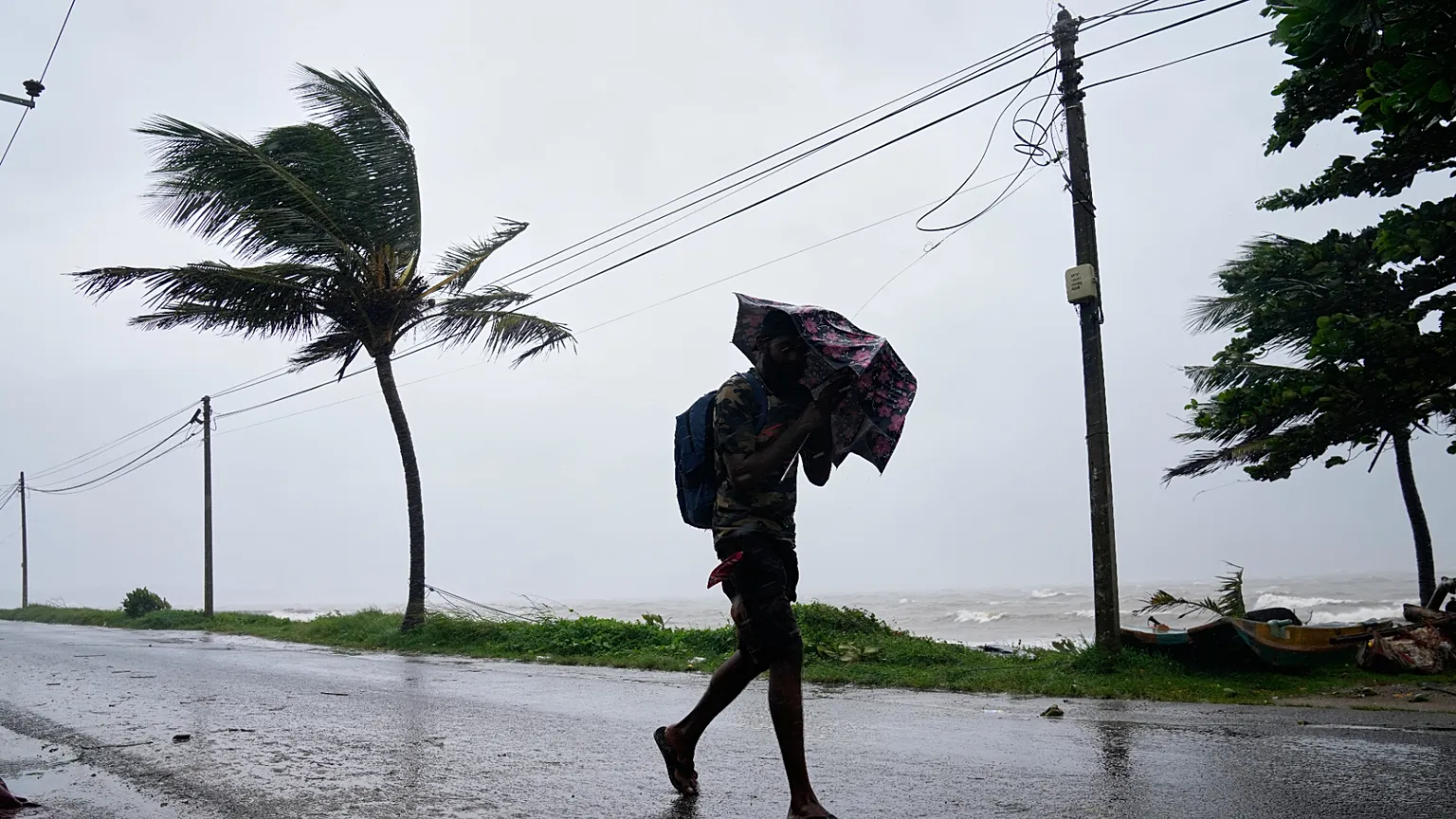
November 10, Colombo (LNW): The National Building Research Institute (NBRI) has called on people across the country to take extra precautions as persistent heavy rainfall continues to heighten the threat of landslides, flooding and other weather-related emergencies.
With adverse weather conditions posing risks to lives, homes and infrastructure, the authorities have stressed the importance of preparedness and urged the public not to disregard official safety announcements.
The NBRI has highlighted the need for households to have an emergency plan in place, particularly in areas vulnerable to landslides and sudden flooding. Residents have also been encouraged to prepare emergency kits containing essential medicines, first-aid materials, dry food supplies and important personal documents that may be needed during an evacuation.
Keeping family members informed about emergency procedures is equally important, while neighbours are encouraged to look out for one another, especially elderly people, children and those who may require assistance in reaching safer locations.
The public has also been advised to remain updated on weather developments through official announcements issued by the Department of Meteorology and the Disaster Management Centre, rather than relying on unverified information circulating on social media.
Particular attention should be paid to possible early indicators of landslides, which can emerge before a major incident occurs. These include newly developed cracks in the ground, unusual changes in the water levels of streams and wells, trees or utility poles beginning to tilt, and muddy water emerging from hillsides or the ground.
Such warning signs should not be taken lightly, as they may indicate instability in the surrounding terrain. Residents who notice these developments have been urged to move away from potentially dangerous areas and seek safer shelter without waiting for conditions to deteriorate.
The institute has reiterated that delaying evacuation in high-risk locations could have serious consequences, particularly when rainfall continues to saturate the ground.
It has also emphasised that disaster preparedness should not be left entirely to emergency response agencies, noting that individual awareness, timely decisions and cooperation within communities are essential to reducing casualties and property damage.
The NBRI has therefore appealed to the public to remain alert, follow official instructions and prioritise the safety of their families and neighbours until weather conditions improve.