Rashika Hennayake
November 10, Colombo (LNW):
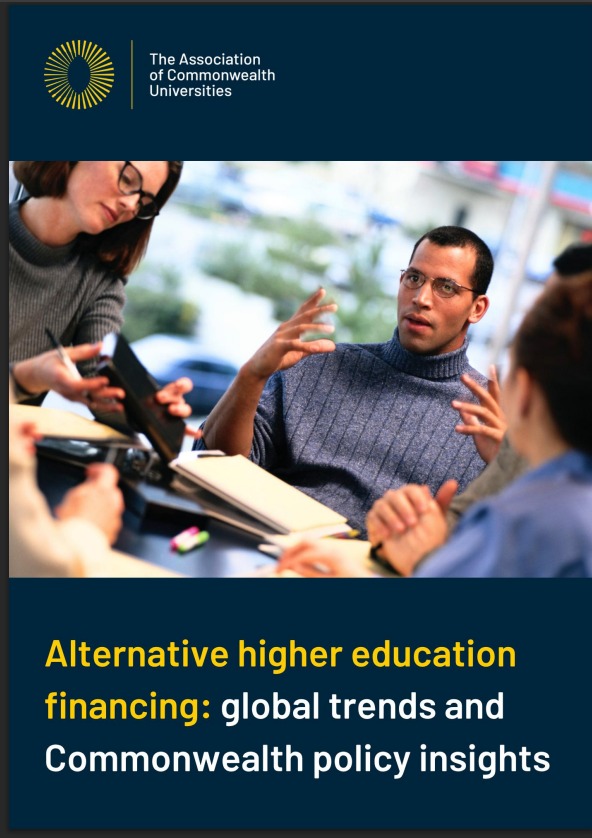
NSBM Green University has been featured as a successful model of higher education financing in a publication by the Association of Commonwealth Universities (ACU), titled Alternative Higher Education Financing: Global Trends and Commonwealth Policy Insights.
The publication examines sustainable approaches to financing higher education across the Commonwealth, highlighting NSBM as a case study of a successful self-financing higher education institution. It explores how the University’s self-financing model, coupled with international university partnerships, has contributed to institutional sustainability, expanded access to higher education and supported national development.
A key policy insight highlighted in the case study is the importance of providing internationally recognised qualifications locally, particularly in countries experiencing significant outbound student mobility. It notes that such approaches, when supported by effective quality assurance frameworks, can strengthen domestic higher education capacity, reduce educational outflows, retain talent within the country and contribute to economic development.
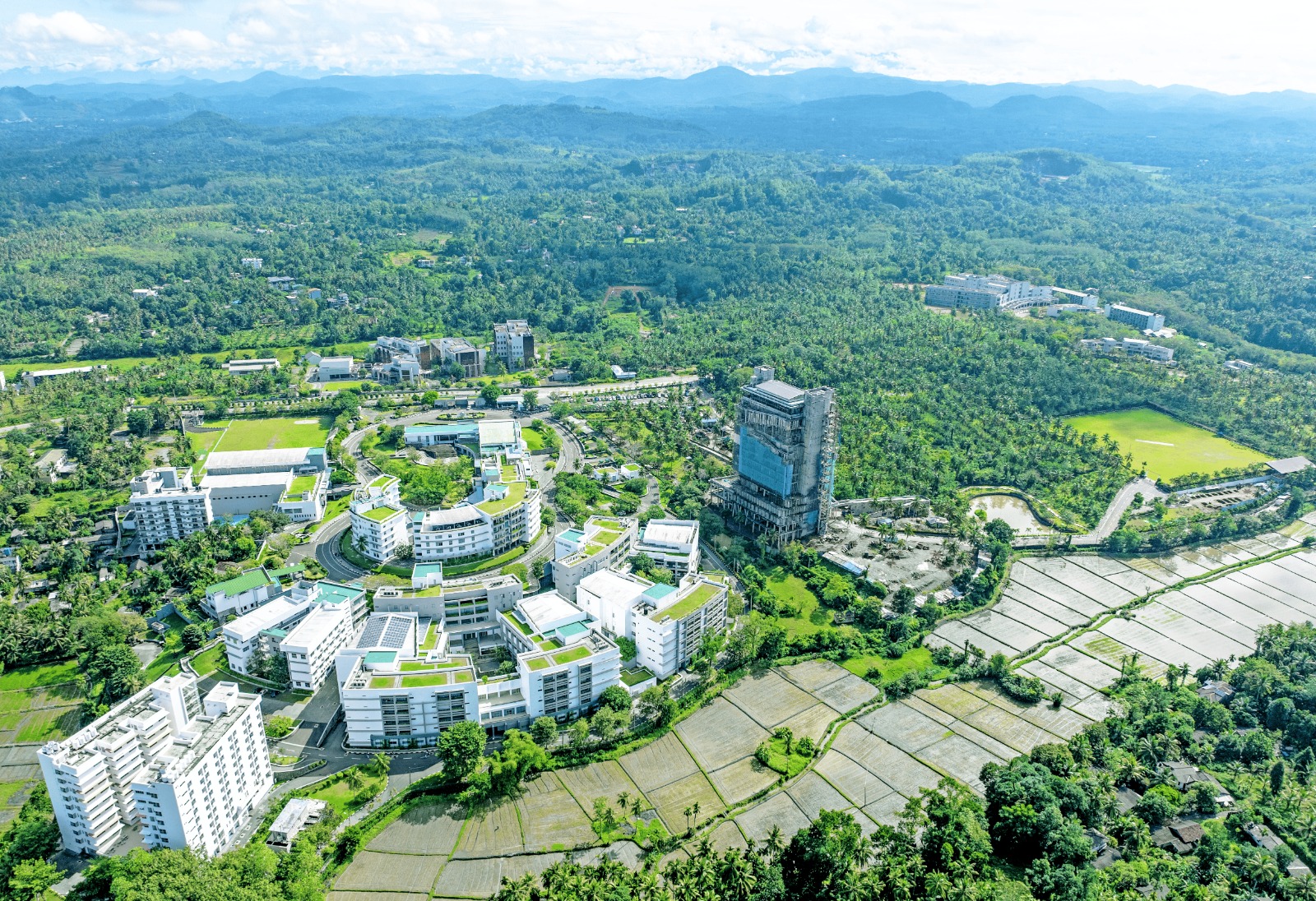
Established with the objective of broadening access to quality higher education in Sri Lanka, NSBM has developed into one of the country’s prominent higher education institutions over the past decade. Operating as a fully self-financing institution without reliance on public funds, it has continued to invest in educational infrastructure, academic development and international university partnerships while expanding opportunities for Sri Lankan students to access internationally recognised qualifications within the country.
The recognition comes at an important juncture, as NSBM marked its 10th anniversary on 26th October 2026. The inclusion of NSBM in this prominent publication brings international attention to Sri Lanka’s evolving higher education landscape and highlights the potential of locally established, self-financing institutions and international academic partnerships to contribute to the sustainable development of higher education across the world.