
November 10, Colombo (LNW): Inadequate drainage facilities, unauthorised buildings, settlements obstructing waterways and the careless disposal of rubbish have been identified as some of the major reasons behind the recent flooding in several parts of the Colombo Municipal Council area.
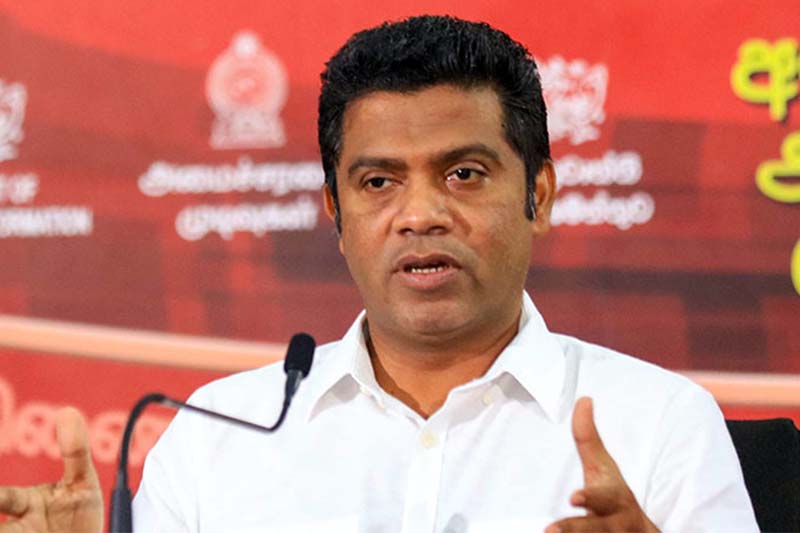
Cabinet Spokesman and Minister Nalinda Jayatissa, addressing the weekly Cabinet media briefing on Tuesday (10), said Colombo’s drainage network continued to face considerable pressure due to years of insufficient infrastructure development and growing urbanisation.
According to the Minister, the city has approximately 469 kilometres of drainage channels and canals within the municipal boundaries. However, only around 20 kilometres have undergone improvements through rehabilitation and maintenance initiatives since 2014, with the upgraded sections designed to cope with rainfall of up to 102 millimetres per hour.
He acknowledged that these improvements had helped reduce flooding in certain locations where stagnant water had previously remained for extended periods. Nevertheless, the limited scale of the upgrades meant that much of the city’s drainage infrastructure remained vulnerable during periods of exceptionally heavy rain.
Jayatissa stressed that a considerably larger investment programme would be necessary to modernise the network and improve its ability to discharge rainwater efficiently.
He also pointed to unauthorised constructions, settlements along drainage reservations and the dumping of household waste as factors worsening the situation. Such obstructions restrict the movement of water through canals and drains, increasing the likelihood of flooding when rainfall intensifies.
Drawing attention to the recent inundation at the Colombo National Hospital, the Minister said the Municipal Council had commenced efforts to clear the Norris Canal to improve water circulation.
However, the presence of eight houses along the affected section had complicated the work, with arrangements to relocate the residents yet to be finalised. A compensation package amounting to Rs. 11 million had reportedly been proposed in connection with the relocation process.
The Minister further highlighted the extraordinary intensity of the recent rainfall, revealing that approximately 129 millimetres had fallen within just two hours. He observed that rainfall measurements in the past had more commonly been recorded across a 24-hour period, illustrating the growing challenge posed by concentrated downpours.
Responding to criticism over the Municipal Council’s handling of the flooding, Jayatissa argued that the problem should not be viewed solely in the context of the current administration’s two-and-a-half to three years in office.
Instead, he maintained that Colombo’s flooding difficulties were rooted in longstanding shortcomings in infrastructure planning, maintenance and urban development.
He cautioned that rainfall reaching between 130 and 150 millimetres within a relatively short period could overwhelm existing drainage facilities, particularly when waterways were already restricted by accumulated garbage and other obstructions.
Meanwhile, the Government has initiated a coordinated effort involving several state institutions, with the Presidential Secretariat playing a role in bringing the relevant agencies together to address the city’s drainage-related problems.
Jayatissa called on responsible authorities to accelerate ongoing work and ensure that officials did not neglect their duties in resolving an issue that repeatedly affects residents, businesses and essential public services.
He also appealed to the public to act responsibly by avoiding the disposal of plastic, polythene and other non-biodegradable materials into roadside drains and canals.
The Minister emphasised that improving Colombo’s flood resilience would require more than government investment and infrastructure development, noting that public discipline, effective institutional coordination and sustained maintenance would all be essential to preventing similar disruptions in the future.