By Adolf
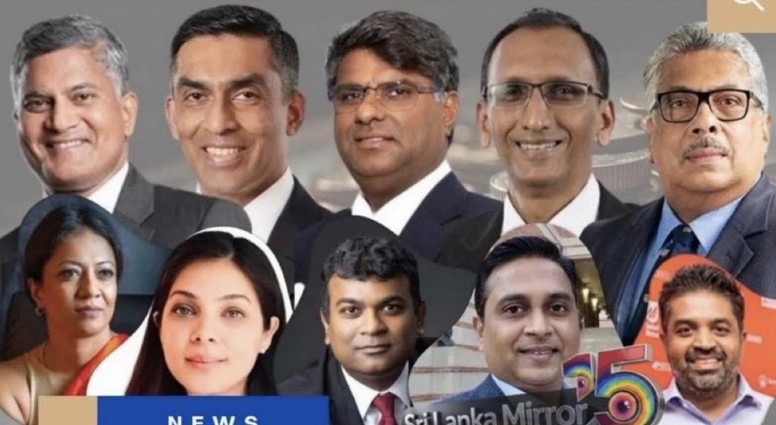
When the NDB daylight robbery of LKR 13.5 billion was disclosed, nobody could believe it. The board included names synonymous with corporate excellence: Kasturi Chellai, the so-called leadership reformer; Brandix’s “King of Transformation,” Hasitha Premarathne; BCG M&A expert Sanjay Mohottala; HSBC stalwarts in the Chairman and CEO roles; and Sujewa Mudelige, the Audit and Risk Guru. With such luminaries, nothing of this sort should ever have happened—because publicly, they preached nothing but their own competence. Duminda Hulungamuwa, E&Y Managing Partner who works for all governments, is also in hot water for failing to report on the NDB fraud. The once most respected audit firm’s reputation is now shattered for good. He continues regardless. This is well known. The question that haunts the public is: How did this happen with all the safeguards supposedly embedded in the banking system? The forensic report will disclose all this.
CBSL
The Central Bank of Sri Lanka (CBSL) has washed its hands of the matter altogether. This single act—or rather, this act of inaction—speaks volumes. It reveals a pathetic state of affairs in the country, where the very institutions and individuals entrusted with oversight become either complicit or willfully blind. Let us be clear: This is not merely a failure of process. It is a failure of character. When high-profile professionals adorn boards for status and stipends rather than stewardship, the entire system rots from the head down. The NDB robbery is not just a theft of money; it is a theft of public trust. And the fact that no one of stature has been held accountable suggests that the perpetrators feel untouchable.
Banking Sector
The banking sector, protected by layers of audit committees, risk officers, and regulatory oversight, should have caught this. But when the watchdogs are busy burnishing their personal brands—collecting non-executive directorships like trophies and lecturing others on governance while their own committees sleep—then the heist is not a surprise. It is an inevitability.
Conclusion
What we are witnessing is the great unravelling of Sri Lanka’s corporate elite. Washed publicly, not by their enemies, but by their own staggering hypocrisy. They stood on podiums and in newspaper interviews, speaking of transparency, ethics, and world-class standards. But when the money vanished, so did their accountability. Until the CBSL grows a spine, until audit committee chairs resign in disgrace, and until “leadership reformers” actually reform something, the message to the public is brutally simple: The big wigs will keep talking, and the billions will keep disappearing. The only thing being washed here is the nation’s future—down the drain of impunity. Restoring confidence requires more than public statements. It demands independent investigations where necessary, clear regulatory communication, and visible accountability outcomes. It also requires boards and executives to go beyond formal compliance and embrace substantive governance—where controls are not just documented, but meaningfully enforced. In an era where capital is mobile and trust is fragile, financial institutions cannot afford even the perception of weak governance. The cost is not only reputational—it is systemic.Finally, the derivative action filed in court will reset corporate governance and director accountability in Sri Lanka forever and expose all the incompetence of corporate Sri Lanka.
The Key Actors