
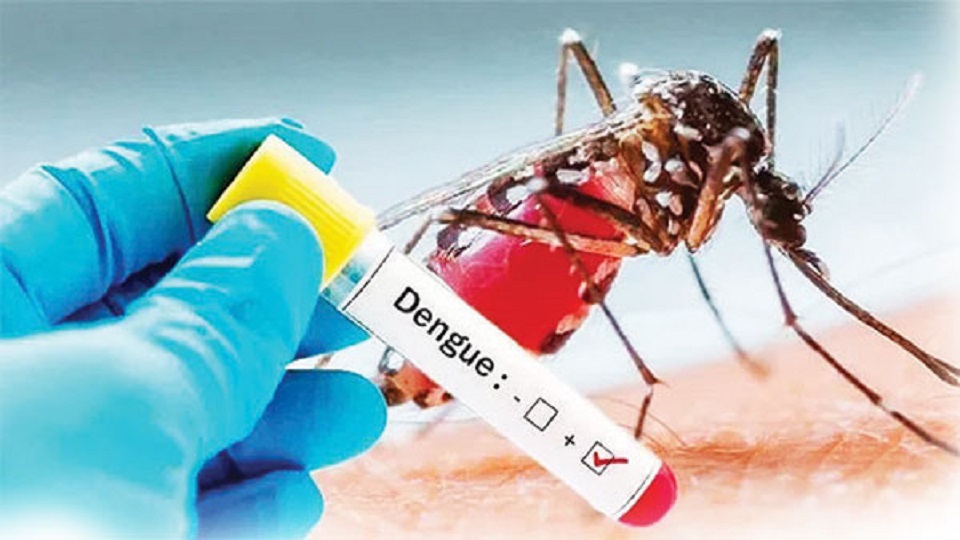
The Health Entomology Officers’ Association has warned of a significant increase in the Breteau Index, an internationally recognized indicator used to measure the density of dengue-carrying mosquito larvae.
The index primarily reflects the presence of Aedes aegypti mosquitoes, the main vector responsible for transmitting dengue fever.
According to World Health Organization (WHO) guidelines, the Breteau Index should remain below 3 to effectively control mosquito populations and minimize the risk of dengue outbreaks. However, health officials say recent surveillance data shows the index has risen well above recommended levels in several parts of the country.
President of the Health Entomology Officers’ Association, Najith Sumanasena, described the situation as a cause for concern.
“In many areas, the Breteau Index is currently above 20. This is not a good situation. The population of Aedes aegypti has increased compared to previous years,” he said.
The warning comes amid growing concerns over dengue transmission, with health authorities closely monitoring the situation and urging the public to take preventive action.
Officials have called on communities to eliminate stagnant water sources, regularly inspect homes and surroundings for potential mosquito breeding sites, and maintain clean environments to reduce the spread of dengue.
Public health authorities stress that community participation remains critical in preventing a further rise in mosquito populations and avoiding potential outbreaks in the coming months.