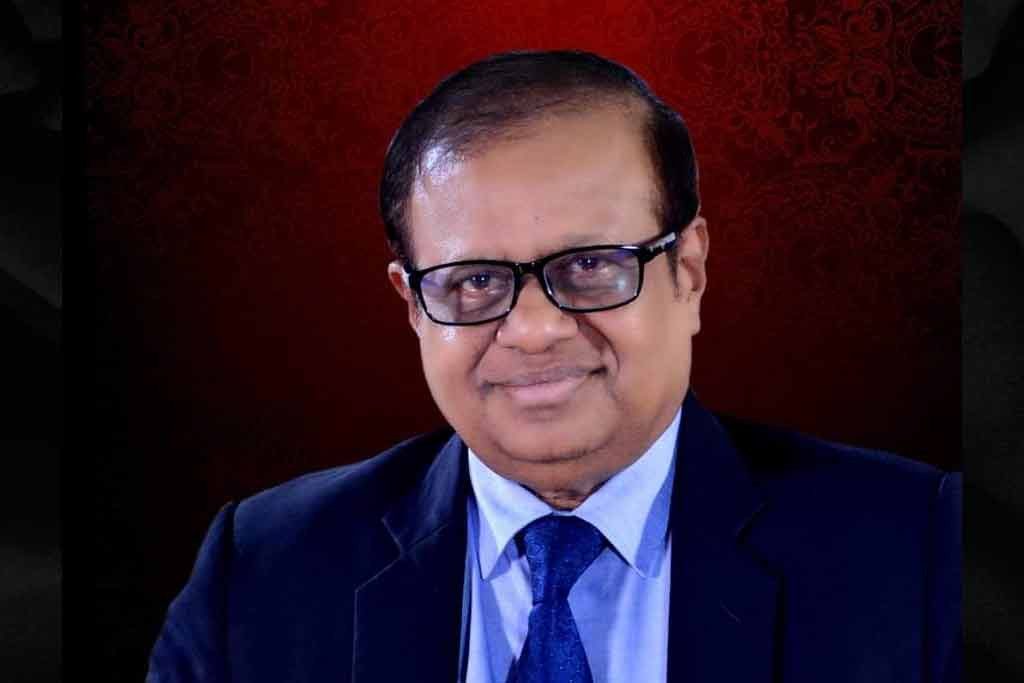
April 26, Colombo (LNW): The call for applications to the Colleges of Education has yielded an overwhelming response, with approximately 60,000 individuals expressing interest in joining the esteemed Sri Lanka Teacher Service. Education Minister Dr. Susil Premajayantha announced this significant milestone, indicating a robust demand for opportunities within the education sector. Plans are underway to commence admission procedures next week to accommodate the influx of applicants.
Notably, the Colleges of Education have undergone a transformation, shifting from offering Teacher Diplomas to awarding degrees to students—a progressive step aimed at enhancing the professional qualifications of future educators. With this transition, an impressive cohort of 4,160 individuals is poised to graduate from these institutions in the near future, equipped with advanced academic credentials.
In parallel, efforts are being made to address the pressing issue of teacher shortages, particularly in rural areas. A recruitment drive targeting 23,005 graduates is underway, aimed at bolstering the teaching workforce and ensuring equitable access to quality education across all regions. This strategic initiative underscores the government’s commitment to bridging educational gaps and fostering a conducive learning environment for all students, regardless of their geographical location.