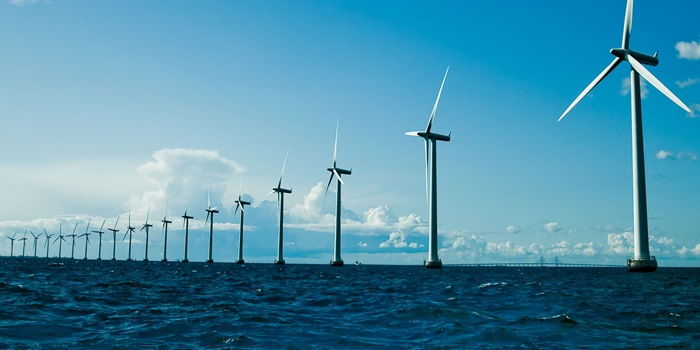
In line with the Government’s programme to achieve net zero carbon emissions by 2050, the 20-megawatt ‘Windscape Mannar’ wind power plant constructed by CEYLEX Renewables was officially connected to the national grid yesterday (15) under the patronage of President Anura Kumara Dissanayake.
According to the President’s Media Division (PMD), the project marks a milestone in Sri Lanka’s energy sector, with the commissioning of four of the country’s largest wind turbines, each with a capacity of 5 megawatts, for the first time in the nation’s energy history.
The PMD noted that the project was implemented entirely by a local company, enabling a significant amount of foreign exchange—otherwise payable to foreign contractors—to be retained within the country, thereby contributing to the strengthening of the domestic economy.
President Dissanayake unveiled the commemorative plaque to officially declare the wind power plant open and also participated in the turbine commissioning ceremony.
The event was attended by Minister of Energy Engineer Kumara Jayakody, Deputy Minister of Energy Arkham Ilyas, Mannar District Secretary K. Kanakeswaran, Ceylon Electricity Board General Manager Engineer Shirley Kumar, Sri Lanka Sustainable Energy Authority Chairman Professor Wijendra Bandara, CEYLEX Renewables Chief Executive Officer Engineer Sameera Ganegoda, along with company representatives and several other officials.
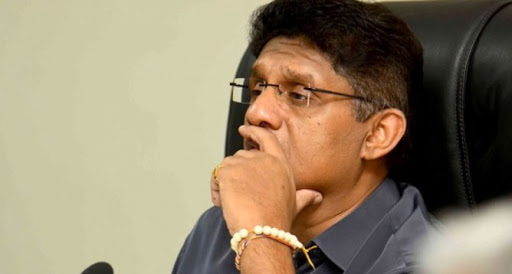
Opposition Leader Sajith Premadasa said Sri Lanka’s education system has fallen into a “tragic condition,” warning that the crisis extends far beyond the anticipated failure of the Grade 6 syllabus in 2026.
He made these remarks yesterday at the Opposition Leader’s Office during the launch of the “Common Platform to Protect Free Education.”
Premadasa said that while public debate has largely centred on the Grade 6 syllabus controversy, the challenges confronting the sector are far more deep-rooted and affect the entire education system, including schools, universities and other tertiary education institutions.
He noted that the current crisis did not arise overnight as a result of recent policy decisions, but has evolved over time due to reforms being introduced without adequate consultation, dialogue or a participatory process involving key stakeholders.
The Opposition Leader stressed the urgent need for a comprehensive and sincere focus on education, calling for political agendas to be set aside. He said the rights of more than 4.1 million schoolchildren must be protected, including their entitlement to free school and university education.
Premadasa warned that Sri Lanka must ensure education remains free, open and of high quality, cautioning that failure to do so would have long-term consequences for the country’s future.
Mainly fair weather will prevail in the most parts of the island.
Misty conditions can be expected at some places in Western, Sabaragamuwa, Central, Northwestern and Northcentral provinces and in Galle and Matara districts during the early hours of the morning.
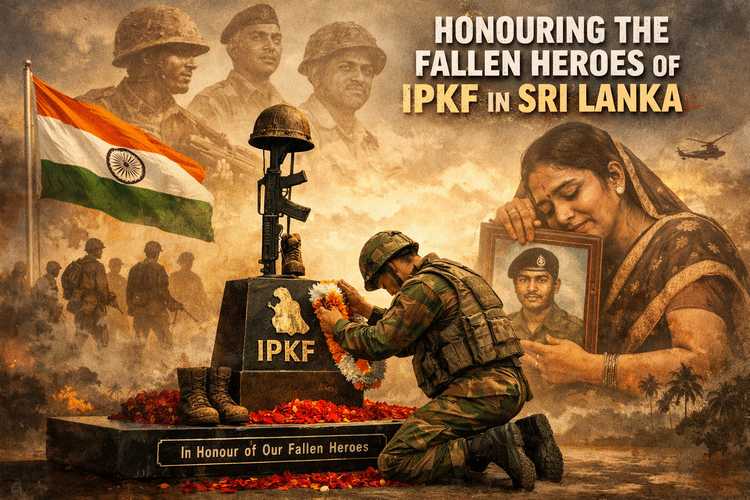
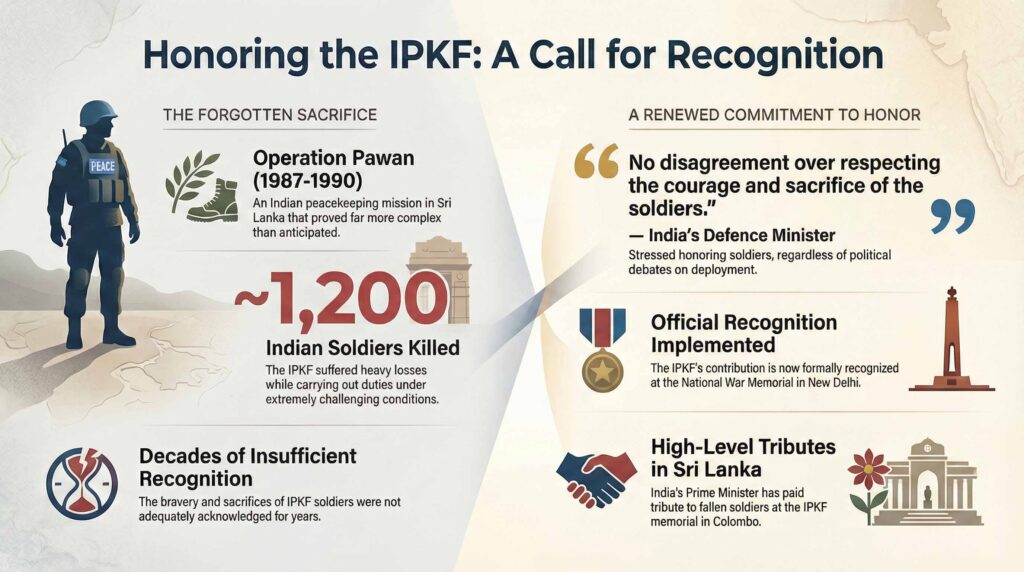
January 15, Colombo (LNW): India’s Defence Minister Rajnath Singh has said that the bravery and sacrifices of Indian soldiers deployed to Sri Lanka during Operation Pawan nearly forty years ago deserve far greater public recognition, suggesting that their contribution was insufficiently acknowledged in the decades that followed.
Speaking at an event marking Armed Forces Veterans’ Day, Singh said the current government is determined to honour those who served in the Indian Peace Keeping Force (IPKF) with openness and sincerity. He added that steps are being taken to ensure their role is recognised not only symbolically, but across official and institutional platforms.
As the country paused to remember its armed forces, the Defence Minister said it was important to also pay tribute to veterans who took part in India’s peacekeeping mission in Sri Lanka in the late 1980s. While noting that the political decision to deploy troops to the island could be debated, he stressed that there should be no disagreement over respecting the courage and sacrifice of the soldiers who carried out their duties under extremely challenging conditions.
Operation Pawan was launched after India and Sri Lanka signed a landmark peace accord in July 1987, following years of violence in the country’s Tamil-majority areas. Under the agreement, Indian troops were sent to help restore stability. However, the mission proved far more complex than anticipated, and lasting peace remained elusive. The IPKF was eventually withdrawn in 1990, after suffering heavy losses, with around 1,200 Indian soldiers killed during the deployment.
Singh praised the professionalism and valour shown by Indian forces during the operation, recalling that many paid the ultimate price while serving abroad. He said the government led by Prime Minister Narendra Modi has made it a point to formally honour the IPKF’s contribution, including recognition at the National War Memorial in New Delhi.
He also referred to Prime Minister Modi’s visits to Sri Lanka, during which tributes were paid to fallen IPKF soldiers at the memorial in Colombo, most recently during a visit last year. According to Singh, these gestures reflect a broader effort to ensure that the sacrifices made during Operation Pawan are remembered with dignity and respect, both in India and beyond.
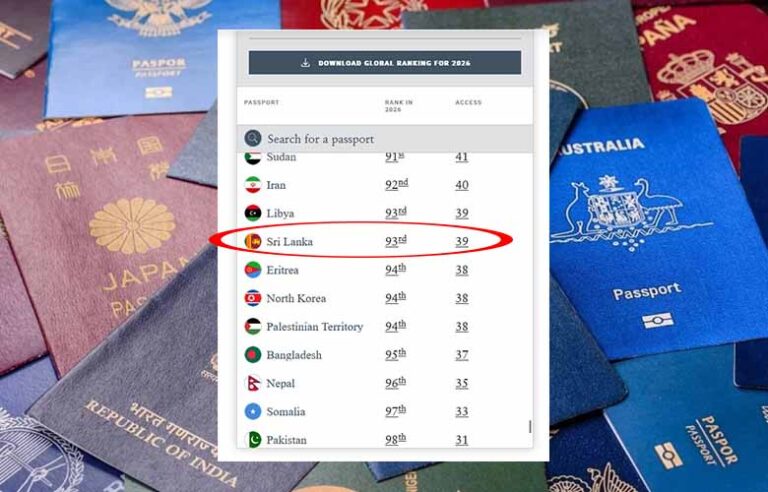
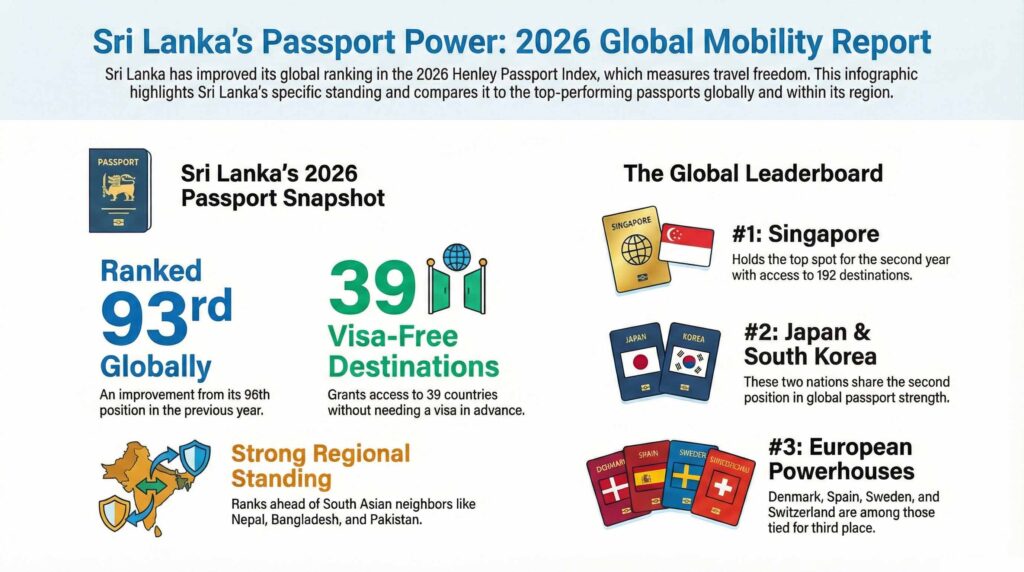
January 15, Colombo (LNW): Sri Lanka has recorded a modest rise in global travel freedom, moving up to 93rd place in the Henley Passport Index 2026, which assesses the relative strength of passports around the world.
According to the newly released rankings, Sri Lankan passport holders can now access 39 destinations without securing a visa in advance.
The Henley Passport Index is widely recognised as a leading benchmark of global mobility, ranking passports based on the number of countries their holders can enter visa-free or with a visa on arrival. The index is compiled using data from the International Air Transport Association, supplemented by independent analysis conducted by Henley & Partners.
At the top of the list, Singapore has once again claimed first place, maintaining its position for a second year with access to 192 destinations. Japan and South Korea follow closely in joint second place, while a group of European nations—including Denmark, Luxembourg, Spain, Sweden and Switzerland—share third position, each offering access to 186 destinations.
Although Sri Lanka’s current ranking reflects an improvement compared to its position last year, when it stood at 96th, the number of destinations accessible without a prior visa has slightly declined. Analysts note that such fluctuations are common, often influenced by bilateral agreements, regional stability and changes in immigration policies.
Despite these challenges, Sri Lanka continues to rank ahead of several other countries in the South Asian region, including Nepal, Bangladesh and Pakistan, underscoring its relatively stronger passport standing within the SAARC bloc.
January 15, Colombo (LNW): Electricity tariffs will remain unchanged during the first three months of 2026 after the Public Utilities Commission of Sri Lanka (PUCSL) decided not to proceed with a revision, citing delays and procedural shortcomings on the part of the Ceylon Electricity Board (CEB).
The Commission explained that the CEB failed to submit a complete and timely tariff proposal within the prescribed timeframe. It noted that even if a revised submission were to be received at this stage, introducing new rates late in the quarter could result in sharply inflated percentage changes over a very short period, creating unnecessary pressure on consumers and the wider economy.
According to PUCSL, the CEB had been formally notified in October 2025 to present its tariff proposal for the January to March 2026 period by mid-November. Instead, the initial submission was received only at the end of December and was found to contain several deficiencies.
The Commission subsequently requested a corrected proposal by early January, but the CEB indicated that it would need more time. No revised document has been submitted to date.
PUCSL pointed out that any tariff revision requires a detailed review process, including public consultation, which would inevitably delay implementation until the latter part of the quarter. Under such circumstances, applying a new tariff for a limited period could lead to disproportionate adjustments, with potential negative consequences for economic stability.
Taking these factors into account, the Commission confirmed that electricity prices will remain unchanged for the first quarter of 2026. It has also instructed the CEB to ensure that its tariff proposal for the second quarter is submitted no later than February 13, in order to allow sufficient time for review and decision-making.
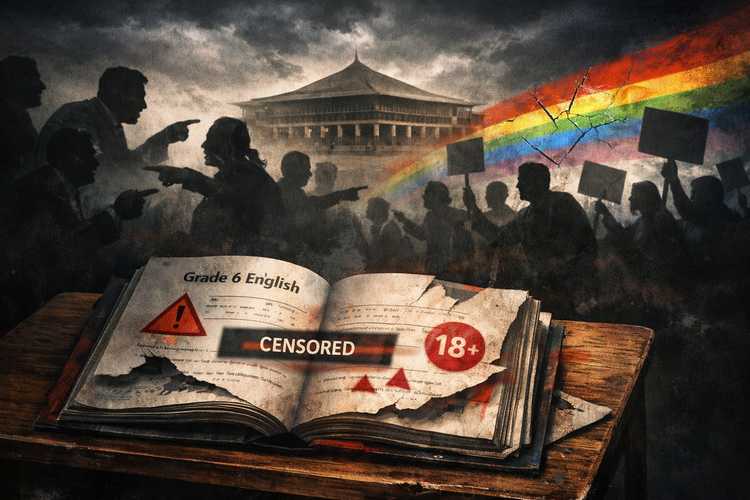
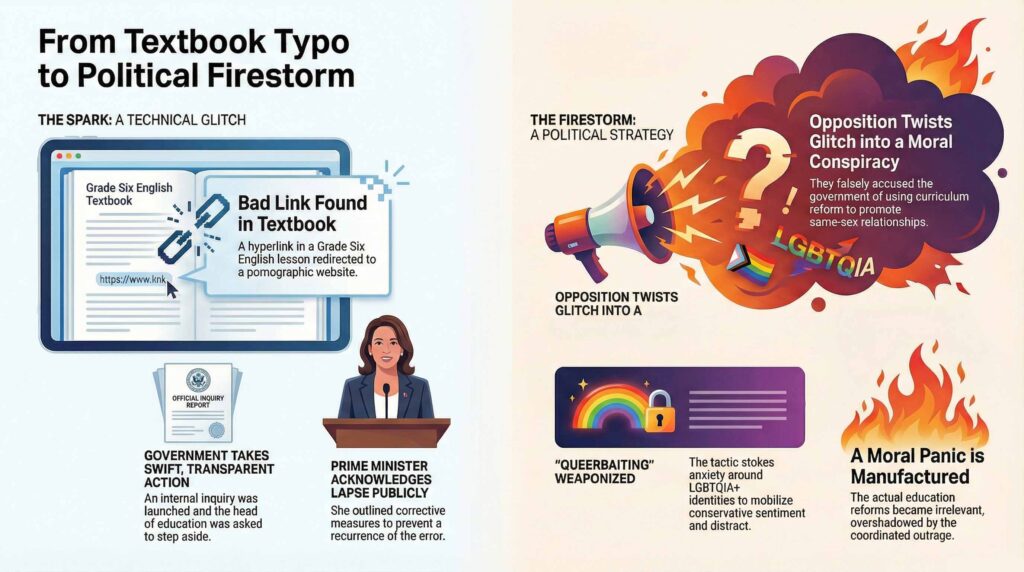
January 15, Colombo (LNW): What began as a textbook oversight has spiralled into a full-blown political spectacle, revealing how quickly education policy can be hijacked by fearmongering and how queerbaiting has become one of the sharpest tools in Sri Lanka’s oppositional arsenal.
The controversy erupted after a hyperlink embedded in a Grade Six English lesson on “finding friends” was found to redirect to a website, which, on all accounts, is highly pornographic. Although the textbook had been printed, it had not reached students.
The error, once uncovered, prompted swift institutional responses: the Ministry of Education initiated an internal inquiry, police began probing whether the incident was an act of deliberate sabotage, and the head of the National Institute of Education was asked to step aside pending investigations.
Prime Minister Harini Amarasuriya addressed the issue publicly soon after, acknowledging the lapse and outlining corrective measures. Flanked by Cabinet colleagues, she conceded that mistakes had occurred and stressed that mechanisms were already in motion to prevent a recurrence. From a governance standpoint, the response was measured and transparent.
Yet the political reaction that followed bore little resemblance to a good-faith debate on educational standards or administrative accountability. Instead, opposition parties rapidly reframed the issue as an alleged moral conspiracy, accusing the government of using curriculum reform as a covert means of “promoting same-sex relationships”.
In doing so, they shifted public attention away from a technical failure towards an emotive culture war, laced with personal attacks on the Prime Minister herself.
This tactic is neither accidental nor novel. Queerbaiting — the deliberate stoking of anxiety around LGBTQIA+ identities — has increasingly become a convenient political shortcut. By weaponising homophobia, opponents are able to mobilise conservative sentiment, distract from substantive policy discussions, and cast reformists as existential threats to “traditional values”.
In this instance, the reforms themselves were rendered almost irrelevant; what mattered was the creation of a moral panic.
The Samagi Jana Balawegaya (SJB) and the Sri Lanka Podujana Peramuna (SLPP) have both leaned into this narrative, amplifying claims that bear little relation to the actual content or intent of the proposed changes. Fringe groups soon followed, organising protests and public demonstrations that further personalised the attacks. Notably, the Ilankai Tamil Arasu Kachchi (ITAK) declined to join this chorus, instead offering support to the Prime Minister’s efforts to steady the reform process.
Observers of the media landscape have pointed to a striking pattern: the language used across television debates, newspaper columns and social media posts closely mirrors talking points advanced by certain politicians and religious figures. The tone has often been hostile and defamatory, suggesting coordination rather than spontaneous outrage. It is within this echo chamber that political homophobia thrives, presented as moral vigilance but deployed as electoral strategy.
Meanwhile, education specialists have largely endorsed the direction of the reforms, while also conceding that broader consultation should have preceded their rollout. The government has accepted this critique, deferring implementation for Grade Six until 2027. What experts reject, however, is the opposition’s fixation on sexuality. They argue that conflating curriculum reform with the “promotion of same-sex relationships” reflects either a profound misunderstanding or a cynical attempt to derail progress through prejudice.
The rationale against which the retaliatory parties pump hate to strengthen their political campaign is the National Peoples Power’s (NPP) policy proclamation before and after being elected that they are committed to decriminalising consensual same-sex sexual relationships between adults via the provision of amendments to the Penal Code of Sri Lanka, an archaic relic which requires immediate changes in adaptation to the modern world.
Against this backdrop, the Prime Minister has sought dialogue beyond Parliament, including meetings with senior Buddhist clergy in Kandy, where she reportedly provided a detailed briefing on the reforms and their current status. These engagements were said to have been positively received, undermining claims that the government is acting in defiance of social consensus.
The opposition’s next move — a proposed no-confidence motion against the Prime Minister — appears less about parliamentary arithmetic and more about optics. With the government indicating it is willing to allocate time for a full debate, the motion may instead offer a nationally televised platform to counter misinformation. The administration believes such exposure will ultimately expose the emptiness of the allegations and the opportunism behind them.
When queer identities are routinely invoked as scarecrows to discredit policy and demonise leaders, it is clear that homophobia is no longer merely a social prejudice; it has become a calculated political instrument. The real test for the public will be whether they see through the noise — and recognise that fear is being manufactured, not discovered.
January 15, Colombo (LNW): Consumers are set to see relief at the checkout as the price of imported milk powder is due to fall from tomorrow, following talks between importers and the Ministry of Trade, Commerce, Food Security and Co-operative Development.
Under the revised pricing structure, the cost of a one-kilogramme pack of imported milk powder will be reduced by Rs.125, while a 400-gramme packet will see a price cut of Rs.50.
The agreement was reached after discussions held at the Ministry earlier this week, with Trade, Commerce, Food Security and Co-operative Development Minister Wasantha Samarasinghe and Consumer Affairs Authority Chairman Hemantha Samarakoon among those present.
Officials said the decision was influenced by the downward trend in international milk powder prices. The Minister had urged importers to ensure that the benefit of lower global costs is reflected in local retail prices, a request to which importers agreed.
Ministry sources also indicated that this reduction may not be the last, with the possibility of further price cuts being considered if global market conditions remain favourable in the coming months.
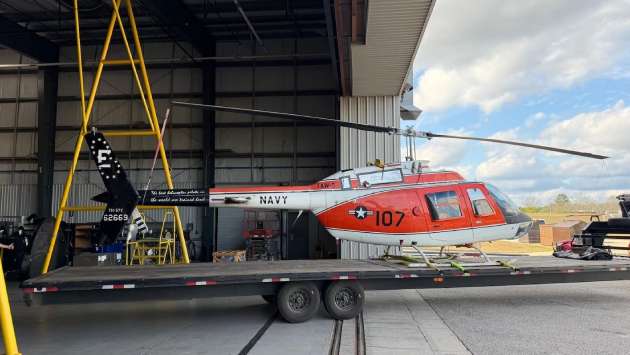
January 15, Colombo (LNW): The United States has delivered ten TH-57 helicopters to the Sri Lanka Air Force, marking a significant addition to the country’s air assets and enhancing its capacity for pilot training, disaster relief and emergency operations.
The transfer took place on January 07 under the US Government’s Excess Defense Articles programme, through which surplus military equipment is provided to partner nations. The aircraft were handed over at no cost, a move seen as reinforcing longstanding defence ties between Washington and Colombo.
The TH-57 Sea Ranger, derived from the Bell 206 Jet Ranger, previously served with the US Navy, where it was primarily used for training pilots, as well as for light utility and observation roles.
Once inducted into service, the helicopters are expected to play a central role in training new Sri Lankan Air Force pilots while also supporting operational tasks that require light, versatile aircraft.
US defence officials said the process was coordinated closely with the US Embassy in Colombo and the US Navy’s International Program Office to ensure the transition was completed efficiently and in line with operational requirements.
The addition of the helicopters is also expected to strengthen Sri Lanka’s ability to respond to natural disasters. During Cyclone Ditwah in November 2025, limited availability of serviceable aircraft posed challenges to evacuation and search-and-rescue efforts, highlighting the need for a more robust and flexible air fleet.
According to officials, the first group of helicopters is due to arrive in Sri Lanka by February, with the remaining aircraft to follow as logistical arrangements are completed.
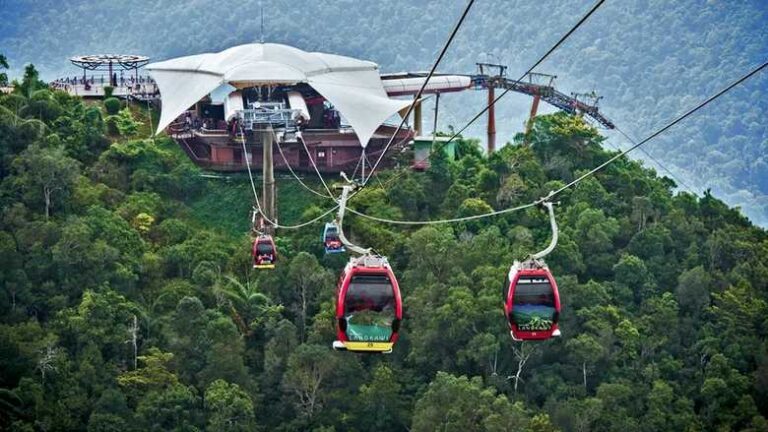
January 15, Colombo (LNW): Environment Minister Dammika Patabedi has said he was troubled by the decision of China-based Amber Adventures (Private) Limited to abandon the proposed Ambuluwawa cable car project, adding that he has directed officials to examine the circumstances, as the Government does not wish to see investors exit the country.
Speaking on the issue, the Minister explained that the Environment Ministry itself has no contractual arrangement with the company, as the project falls under the purview of the Board of Investment.
Nevertheless, he said the Government is keen to understand the factors that led to the company’s withdrawal, particularly given the importance of maintaining investor confidence.
According to the Minister, construction work within the Ambuluwawa Environmental Zone had been halted following objections raised by environmental groups after the impact of Cyclone Ditwah. He noted that, in the aftermath of the disaster, construction activities in areas considered vulnerable were suspended nationwide until safety and stability assessments could be completed.
He said that in the case of Ambuluwawa, complaints were received alleging that certain works had continued without the required clearance from the National Building Research Organisation. In response, the Ministry instructed the Central Environmental Authority to investigate the matter. Acting on these instructions, the CEA ordered an immediate stop to all construction in the zone, pending a comprehensive technical review by experts.
The Minister stressed that construction could resume if and when the relevant specialists give approval, underscoring that environmental protection and public safety remain paramount. At the same time, he acknowledged the need for clear and consistent regulatory processes to avoid misunderstandings with investors.
Following the suspension, Amber Adventures formally announced its withdrawal from what was to be Sri Lanka’s first cable car venture. The company cited regulatory hurdles and what it described as arbitrary actions by state authorities as the reasons for its decision, bringing the high-profile project at Ambuluwawa to an abrupt halt.