By: Staff Writer
January 04, Colombo (LNW): Sri Lanka’s banking and finance company sectors entered the final quarter of 2025 in their strongest financial position in years. Balance sheets expanded, profitability surged, and asset quality improved across both licensed commercial banks and non-bank finance companies. Yet this resurgence has coincided with one of the country’s worst climate-related disasters in recent years, raising difficult questions about responsibility, urgency, and fairness in post-disaster recovery.
According to Central Bank data, the banking sector’s total assets reached Rs. 24.5 trillion by end-September 2025, while profit after tax rose sharply to Rs. 279 billion. Credit growth accelerated, deposits expanded, and capital buffers remained well above regulatory minimums. The finance company sector recorded similarly strong momentum, with assets growing over 35 percent year-on-year and profits rising nearly 60 percent in the first half of the financial year.
Against this backdrop, the government has formally directed banks and finance companies to provide large-scale financial relief to households and businesses affected by the cyclone and widespread floods. These directives include loan moratoriums, restructuring facilities, and concessional credit for rebuilding damaged homes, vehicles, machinery, and livelihoods. On paper, the sector appears well-equipped to shoulder this burden.
However, affected communities report a stark gap between policy announcements and on-the-ground relief. While banks continue to report rising net interest income and declining impairment charges, disaster victims describe slow processing of relief applications, rigid eligibility criteria, and limited outreach in rural flood-hit areas. Finance companies, despite improved asset quality and declining non-performing loans, remain cautious in extending fresh credit to borrowers whose assets have been destroyed.
Meanwhile, government-led public relief and reconstruction spending has progressed at a noticeably slower pace. Budgetary allocations have been announced, but disbursement remains delayed, forcing banks and finance companies into the role of de facto first responders. At the same time, the state has intensified revenue collection efforts, tightening tax enforcement and fee recovery even as disaster-hit households struggle to rebuild.
This imbalance has created a perception that private financial institutions are being asked to move quickly, while public-sector relief mechanisms advance at a crawl. Industry insiders warn that without clear risk-sharing frameworks or partial government guarantees, forced relief lending could eventually strain balance sheets particularly among smaller finance companies with higher credit-to-deposit ratios.
As of late 2025, Sri Lanka’s financial system is stable, liquid, and profitable. The real test now lies beyond ratios and returns. Whether banks and finance companies can translate financial strength into timely, humane disaster relief while the state accelerates its own rebuilding commitments will define the sector’s credibility in a climate-vulnerable economy.
Profitable Banks and Finance Companies Face Moral Test Amid Flood Relief Crisis

Sri Lanka Billion-Dollar Coconut Boom Depicts long-Term Policy Inheritance
By: Staff Writer
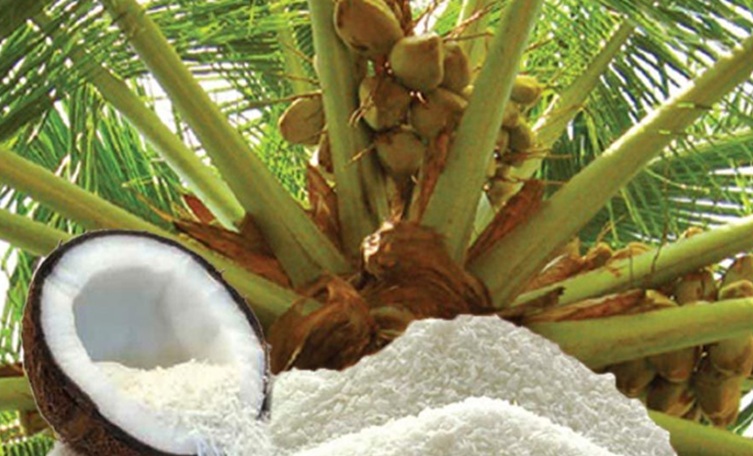
January 04, Colombo (LNW): Sri Lanka’s coconut export sector crossed the symbolic USD 1 billion mark during the first ten months of 2025, a milestone the government has been quick to celebrate. According to figures released by the Export Development Board (EDB), coconut and coconut-based exports earned USD 1,033.9 million from January to October 2025, reflecting a year-on-year growth of 43.83 percent.
While the Industries Ministry has framed this performance as evidence of its policy success, a closer examination suggests the surge owes much to groundwork laid years earlier rather than a sudden policy breakthrough.
The Ministry of Industry and Entrepreneurship Development highlights the shift from raw coconut exports to value-added products such as liquid coconut milk, virgin coconut oil, coconut cream, desiccated coconut, activated carbon, and coco peat.
Officials argue that this diversification strategy underpins the revenue growth and currently accounts for 7.2 percent of Sri Lanka’s total export earnings. However, industry analysts note that most large-scale processing facilities, export certifications, and market access agreements were established well before the current administration took office.
Global demand trends also played a decisive role. Rising health consciousness in North America, Europe, and East Asia has steadily increased demand for plant-based oils, dairy alternatives, and sustainable industrial inputs like activated carbon.
Sri Lanka, already positioned as a trusted supplier, benefited from this global shift rather than creating it. Exporters confirm that order volumes began expanding as early as 2022, driven by international market recovery and long-term branding of Sri Lankan coconut products.
On the cultivation side, however, the picture is less optimistic. Coconut productivity per hectare remains below potential due to aging plantations, erratic rainfall, and limited replanting. Farmers continue to face fertilizer access issues, fluctuating farmgate prices, and labor shortages. These structural weaknesses raise questions about the sustainability of export-led growth if upstream cultivation constraints are not addressed.
The government’s projection of reaching USD 2.5 billion in coconut export revenue by 2030 has also drawn skepticism. Without substantial new investment in replanting, irrigation, research, and smallholder support, exporters warn that processing capacity could soon outstrip raw nut availability. In that scenario, Sri Lanka risks importing coconuts to feed its own export industry undermining both margins and farmer livelihoods.
By end-2025, the coconut sector’s headline success is real but incomplete. The billion-dollar figure reflects favorable global markets and long-maturing investments rather than a single year’s policy performance. Whether this momentum can be sustained will depend less on press releases and more on long-overdue reforms in cultivation, productivity, and farmer resilience.
Prime Group Pledges Rs. 200 Million to National Recovery Effort After Cyclone Ditwah
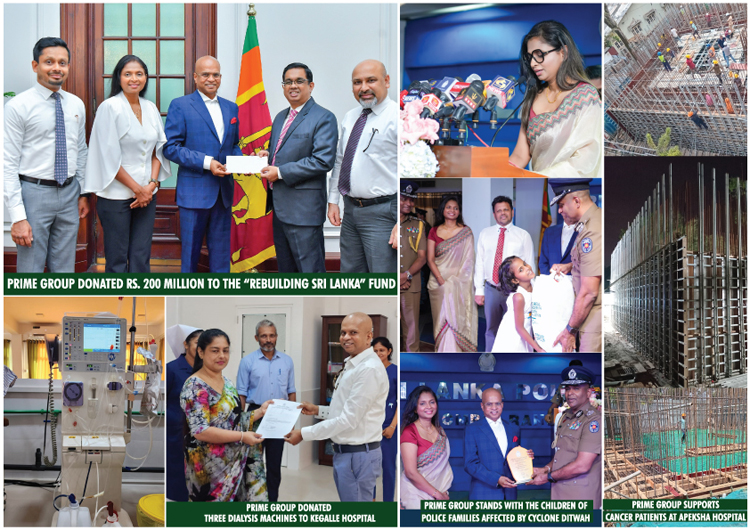
January 04, Colombo (LNW): Prime Group has made a significant contribution of Rs. 200 million to the Rebuilding Sri Lanka Fund, offering major corporate backing to the country’s recovery efforts following the devastation caused by Cyclone Ditwah.
The donation is widely regarded as one of the largest commitments made by a private sector entity towards post-disaster reconstruction.
The Group said the contribution reflects its belief that businesses have a responsibility that goes beyond commercial success, particularly during times of national hardship. Prime Group has long positioned itself as a corporate citizen with a strong focus on social responsibility, especially in the areas of education and healthcare.
Co-Chairperson of Prime Group, Sandamini Perera, reiterated this philosophy, noting that the company views investment in education as an investment in the nation’s future, while strengthening healthcare is seen as a moral obligation to society. She emphasised that these values continue to guide the Group’s long-term initiatives.
In the immediate aftermath of the cyclone, Prime Group also stepped in to support families directly affected by the disaster. Special assistance was extended to the children of police officers impacted by the cyclone, with full school supply kits provided for the new academic year to ensure their education continued without interruption. The Group highlighted its solidarity with frontline officers who serve communities under difficult and often dangerous conditions.
Prime Group’s contributions to healthcare have also had a lasting impact across the country. The donation of three dialysis machines to Kegalle Hospital has improved access to essential treatment for patients suffering from kidney disease. In addition, the Group is preparing to deliver a specialised radiation bunker with advanced chemical leak protection to the Apeksha Hospital, a critical facility required for the operation of Linear Accelerator machines used in cancer treatment. This development is expected to significantly reduce waiting times for radiotherapy and improve patient outcomes.
Further strengthening public healthcare services, Prime Group continues to support and maintain Ward 38 at the Kalubowila Teaching Hospital, enhancing the hospital’s ability to provide care to a growing number of patients.
Reflecting on the Group’s three decades in operation, Chairman Premalal Brahmanage said that true leadership is defined by the positive difference made in people’s lives. He added that Prime Group remains committed to contributing to the nation’s wellbeing, rebuilding communities and creating a more secure and hopeful future.
With a 30-year history marked by sustained social investment and nation-building efforts, Prime Group says it remains steadfast in its mission to support Sri Lanka’s recovery and long-term development.
Ex-Sathosa Transport Manager Detained in Probe Over Alleged Vehicle Misuse

January 04, Colombo (LNW): The Financial Crimes Investigation Division has taken into custody a former transport manager of Sathosa as part of an ongoing inquiry into the alleged improper use of a state-owned vehicle, police sources confirmed.
The suspect, identified as Indika Ratnamalala, was arrested in connection with accusations that a lorry belonging to Sathosa had been unlawfully utilised for private purposes.
Investigators are examining claims that the vehicle was used by Johan Fernando, the son of former minister Johnston Fernando.
State Drug Manufacturer Plans Major Expansion with New Products in 2026

January 04, Colombo (LNW): Sri Lanka’s State Pharmaceuticals Manufacturing Corporation (SPMC) has announced plans to roll out ten new medicines this year, signalling a further expansion of its domestic production capacity and product range.
In a statement, the state-owned manufacturer said it is aiming to produce around four billion tablets and capsules over the course of the year, building on steady growth achieved in recent times. At present, the corporation manufactures about 70 different pharmaceutical items that are supplied mainly to the public health sector.
Last year marked a record-breaking period for the SPMC, with output reaching an all-time high of more than 3.6 billion tablets and capsules. The corporation also reported its strongest monthly performance in March, when production peaked at approximately 385 million units.
During 2025, five new pharmaceutical products were added to the local market, while the corporation maintained an uninterrupted supply of medicines to meet all requirements issued by the Medical Supplies Division, despite ongoing challenges faced by the health sector.
Financially, the SPMC closed 2025 on a strong note, generating revenue of over Rs. 27 billion.
Minister Criticises Wildlife Authorities Over Elephant Intrusions in Villages

January 04, Colombo (LNW): Public Administration Minister Chandana Abeyratne has voiced strong criticism of wildlife officials, accusing them of neglecting their duties as wild elephants continue to wander into villages, placing rural communities at risk.
Speaking at a special District Disaster Management Committee meeting in Puttalam, the Minister said there had been repeated complaints from residents about elephants entering residential areas, yet timely action to chase the animals away was often lacking.
He alleged that officers attached to the Department of Wildlife Conservation frequently failed to respond, even when villagers attempted to contact them directly by telephone.
The discussion, held yesterday (03) with the participation of local community members, focused on the growing human-elephant conflict in the district and the urgent need for more responsive and coordinated interventions.
Abeyratne stressed that the safety of villagers must be treated as a priority and called for greater accountability from relevant authorities in addressing the ongoing problem.
Schools Nationwide to Reopen Tomorrow (Jan 05)
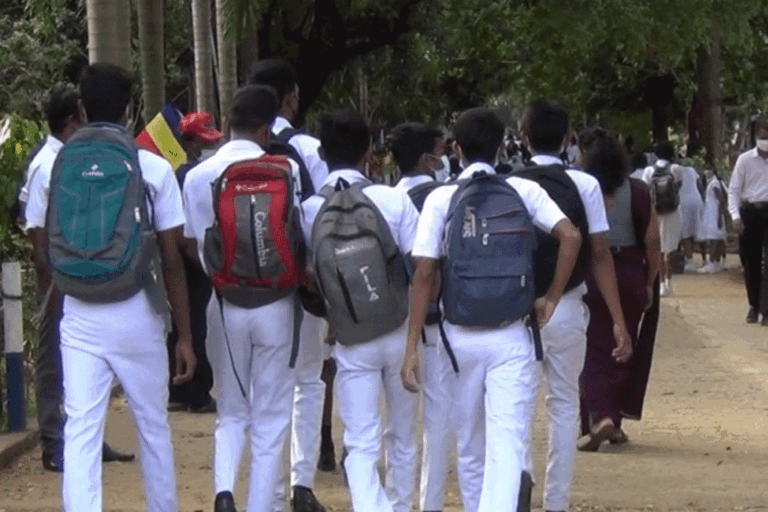
January 04, Colombo (LNW): Schools across the country are set to reopen tomorrow (04), marking the start of the first phase of the first term of the 2026 academic year, education authorities have confirmed.
The Ministry of Education said that all government schools, government-approved private institutions and pirivenas will resume classes in line with the new academic calendar. Teaching and related activities will recommence simultaneously, bringing students and staff back after the year-end recess.
Officials noted that the structure of the first school term for 2026 will follow the guidelines outlined in a circular issued on 9 December 2025, which sets out the timetable and key arrangements for the year ahead.
The Ministry also recalled that the previous academic year was formally concluded in late December, with Sinhala and Tamil medium schools closing on December 22 and Muslim schools ending their term on December 26.
Rs. 150 Billion Earmarked for Repair of Disaster-Hit Roads: Minister
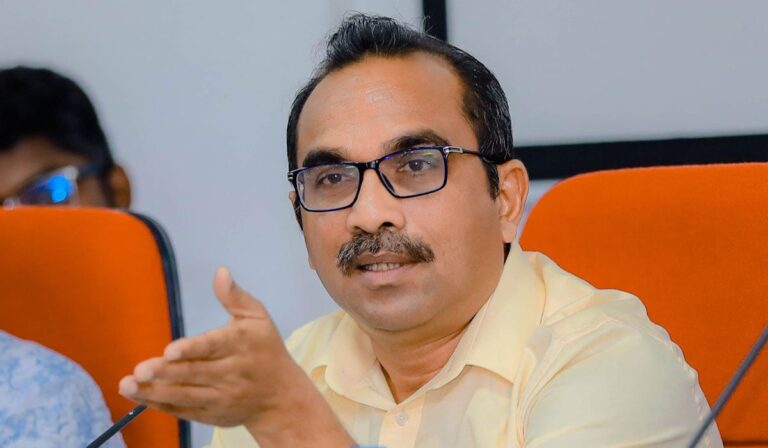
January 04, Colombo (LNW): The Government has set aside Rs. 150 billion to restore roads damaged by recent natural disasters, Minister of Transport, Highways and Urban Development Bimal Rathnayake announced, underscoring the priority being placed on rebuilding essential infrastructure.
Speaking on the issue, the Minister said several planned central government programmes aimed at upgrading rural road networks have been temporarily suspended. He explained that resources and manpower are being redirected towards urgent repairs and relief work in areas worst affected by disasters, where transport links are critical for daily life and economic activity.
Rathnayake assured the public that the administration is focused on a swift and effective recovery, with repair work expected to commence in phases to ensure connectivity is restored as quickly as possible across the country.
He also appealed for unity during what he described as a national emergency, noting that while citizens are entitled to support any political party during election periods, the present situation calls for cooperation beyond political differences.
The Minister urged political groups, civil society and the wider public to work collectively and extend their support to recovery efforts, emphasising that rebuilding the country’s infrastructure will require a shared commitment and a sense of national solidarity.
Grade 6 English Textbook Controversy: Preliminary Report Handed Over
January 04, Colombo (LNW): A preliminary report into the controversy surrounding the Grade 6 English learning module has been handed over to the Ministry of Education, as authorities intensify efforts to determine how an unsuitable website reference found its way into official teaching material.
According to Education Ministry Secretary Nalaka Kaluwewa, the initial inquiry examined the processes involved in preparing and approving the module, with particular attention paid to the source of the questionable content.
Alongside this, the National Institute of Education is conducting its own internal review to assess possible procedural lapses.
Kaluwewa said arrangements are underway to appoint an independent committee to pinpoint responsibility for the error and recommend corrective action. At the same time, subject specialists within the Ministry have been asked to propose urgent revisions to the module so that it can be safely issued to schools without further delay.
Officials indicated that the revised material will be released to students as soon as the recommended amendments are completed and approved, in order to minimise disruption to classroom teaching.
Separately, the Criminal Investigation Department has accelerated its own inquiry after a formal complaint was lodged by the Education Ministry. Investigators have already recorded statements from several individuals, including senior officers of the National Institute of Education. To ensure the investigation proceeds without interference, the Director General of the NIE has temporarily relinquished her duties, pending the outcome of the ongoing probes.
FACETS Sri Lanka 2026 Opens in Colombo, Drawing Global Spotlight to Island’s Gem Trade
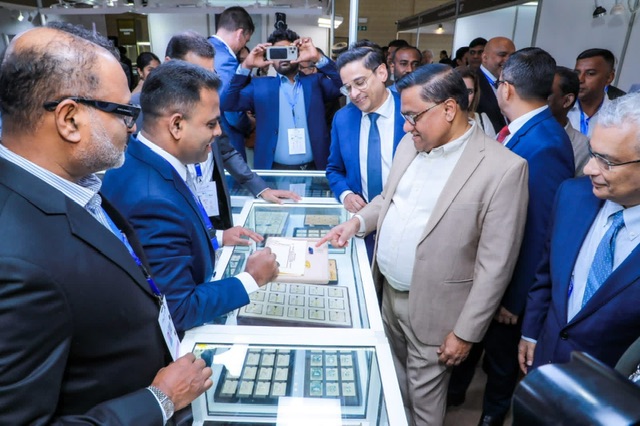
January 04, Colombo (LNW): Sri Lanka’s flagship international gem and jewellery exhibition, FACETS Sri Lanka 2026, was formally launched yesterday (03) at the Cinnamon Life Hotel in Colombo, marking the return of one of Asia’s most influential trade showcases for the industry.
The opening ceremony was held under the patronage of Minister of Industry and Enterprise Development Sunil Handunnetti and Minister of Foreign Affairs, Foreign Employment and Tourism Vijitha Herath. The three-day event, which continues until January 05, has been organised through a collaboration between the Sri Lanka Gem and Jewellery Association, the National Gem and Jewellery Authority and the Export Development Board.
Now in its 32nd year, FACETS Sri Lanka has established itself as a key meeting point for the global gem and jewellery trade, drawing buyers and industry professionals from markets such as China, India, the United States and across Europe. Organisers noted that this year’s edition is particularly significant, with representatives from several internationally recognised gem and jewellery houses taking part for the first time, alongside a strong presence of local traders and exporters.
The exhibition is designed to strengthen commercial links between Sri Lankan exporters and overseas buyers, while opening new avenues for investment and long-term partnerships. Visitors are being offered a broad view of the country’s gemstone wealth, finished jewellery and value-added products, reflecting both traditional craftsmanship and modern design trends.
FACETS Sri Lanka 2026 is also being promoted as a platform to highlight ethical sourcing, sustainability and the enduring reputation of Sri Lankan gems in the global marketplace. The inauguration was attended by senior government officials, Chairman of the National Gem and Jewellery Authority Dr S. P. Chaminda, members of the diplomatic community and leading figures from the industry, underscoring the sector’s importance to the national economy.