Home Blog Page 134

SPMC Records Highest-Ever Drug Production in 2025 – Health Ministry

0

The Ministry of Health and Mass Media announced that the State Pharmaceuticals Manufacturing Corporation (SPMC) recorded the highest drug production in its history during 2025.

According to the Ministry, the SPMC produced a total of 3,625 million tablets and capsules throughout the year. The corporation also achieved its highest-ever monthly production in March 2025, manufacturing 385 million tablets and capsules.

For the first time since its establishment, the SPMC was able to fully supply all orders placed by the Medical Supplies Division without any shortages.

In addition, five new pharmaceutical products were introduced to the market by the corporation in 2025.

The Ministry further said that the total income of the SPMC for the year amounted to Rs. 27.06 billion.

President Directs Timely Completion of 2026 Budget Housing Projects

0

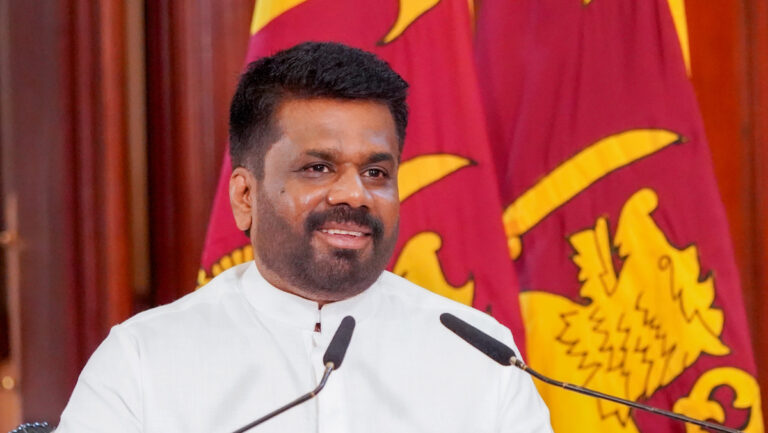
President Anura Kumara Dissanayake has instructed officials to ensure that all housing projects planned under the 2026 Budget allocations are completed within the stipulated timeframes and handed over to the public without delay, according to the President’s Media Division (PMD).

The President also stressed the importance of bringing the monitoring and supervision of these projects under a single coordinating institution to enhance efficiency and accountability.

These remarks were made during a discussion held this morning (02) at the Presidential Secretariat with officials of the National Housing Development Authority (NHDA). The meeting focused on the planning and current status of housing projects, including the national housing programme titled “A Place to Belong – A Beautiful Life,” which is to be implemented under the 2026 Budget.

During the discussion, the President reviewed the planning, progress and target completion timelines of a Rs. 10,200 million housing project for low-income families and a Rs. 5,000 million housing project for communities displaced due to the conflict, both funded through 2026 Budget provisions.

Attention was also drawn to housing projects initiated in previous years under the NHDA that remain incomplete, with the President emphasizing the need to expedite their completion.

The discussion was attended by Minister of Housing, Construction and Water Supply Dr. Susil Ranasinghe, Deputy Minister T.B. Sarath, Senior Additional Secretary to the President Russell Aponsu, Secretary to the Ministry of Housing, Construction and Water Supply Engineer L. Kumudu Lal Bogahawatta, Director General of the National Budget Department Jude Nilukshan, Chairman of the National Housing Development Authority J.K. Aravinda Srinath, along with senior officials from the NHDA and the Ministry of Finance.

Education Ministry Issues Guidelines on 2026 School Timetable and Staff Utilisation

0

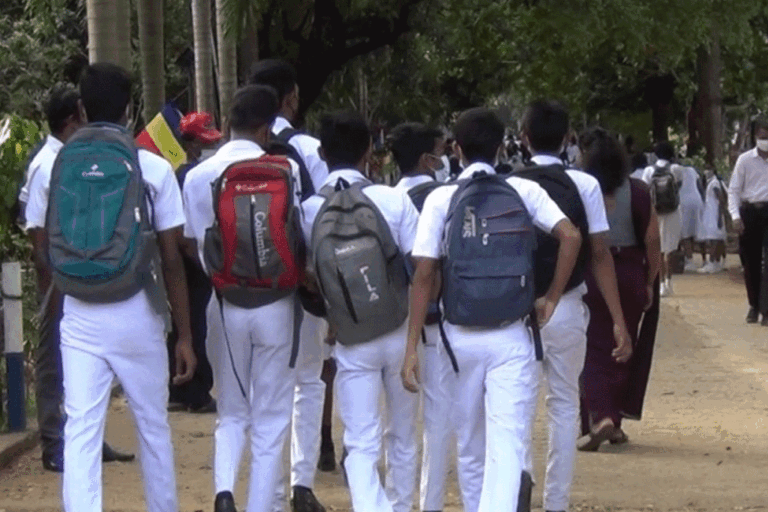
The Ministry of Education has issued a notice outlining guidelines for the revision of the school timetable for 2026, along with instructions on the utilisation of academic staff under the proposed new education reforms.

According to the notice, school hours in 2026 will remain unchanged, continuing from 7.30 a.m. to 1.30 p.m.

The Ministry also stated that the new education reform process will be implemented for Grades 1 and 6, beginning in 2026.

Chinese Ambassador Meets Foreign Minister to Discuss Post-Cyclone Support for Sri Lanka

0

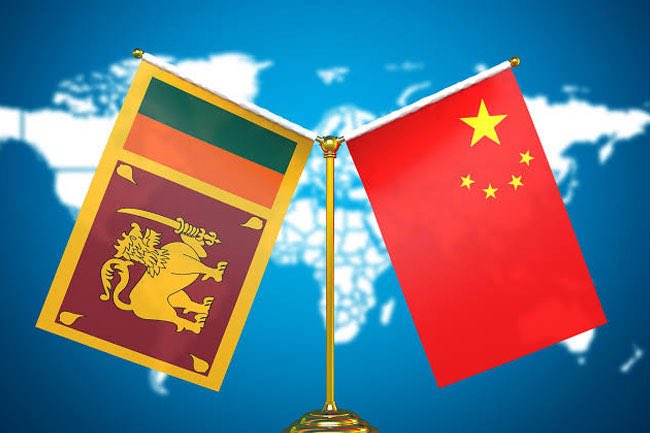
The Ambassador of the People’s Republic of China to Sri Lanka, Qi Zhenhong, has met with Minister of Foreign Affairs, Foreign Employment and Tourism Vijitha Herath to discuss multi-faceted assistance for Sri Lanka following Cyclone Ditwah, based on a needs assessment.

According to a statement issued by the Ministry of Foreign Affairs, Foreign Employment and Tourism, Minister Herath expressed deep appreciation for China’s continued support to Sri Lanka, including the assistance extended in the aftermath of the recent adverse weather conditions.

During the meeting, the Minister also reiterated Sri Lanka’s longstanding commitment to the One China Policy, in line with United Nations General Assembly Resolution 2758. He further reaffirmed that Sri Lanka continues to recognise the Government of the People’s Republic of China as the sole legal government representing the whole of China.

WEATHER FORECAST FOR 03 JANUARY 2026

0

Due to the low-level atmospheric disturbance to the East of Sri Lanka, prevailing showery condition is expected to continue in Eastern, Northern and Uva provinces during the coming days,

Showers will occur at times in Eastern, Central, North-central and Uva provinces and in Hambantota district. Fairly heavy falls about 75 mm are likely at some places in Eastern and Uva provinces and in Matale, Nuwara-Eliya and Polonnaruwa districts.

Several spells of showers will occur in Northern province.

Showers or thundershowers may occur at several places elsewhere after 2.00 p.m.

Fairly strong winds of about (30-40) kmph can be expected at times over Eastern slopes of the central hills, Northern, North-central and North-western provinces and in Trincomalee, Hambantota and Monaragala districts.

Misty conditions can be expected at some places in Sabaragamuwa and Central provinces and in Galle and Matara districts during the early hours of the morning.

The general public is kindly requested to take adequate precautions to minimize damages caused by temporary localized strong winds and lightning during thundershowers.

Gangaramaya Temple Project to Transform Colombo Into Cultural Hub

0

 Colombo’s iconic Gangaramaya Temple, a beacon of history, spirituality, and culture, is set to undergo a transformation that will elevate it into a world-class cultural and tourist destination. The ambitious Temple City Project aims to reposition this historic precinct at the heart of Colombo’s global tourism identity.

Located in Hunupitiya, Colombo 2, the temple is far more than a place of worship—it is a living museum of Sri Lanka’s heritage. Established by the revered scholar monk Most Venerable Dr. Hikkaduwe Sri Sumangala Thero, the precinct houses sacred relics, a rare Ola leaf manuscript library, and a museum showcasing antiques and vintage vehicles. Its architectural centerpiece, the Seema Malakaya, designed by the legendary Geoffrey Bawa, perfectly blends tradition with modern design.

The temple holds a unique place in history as the first site in the world to raise the Buddhist Flag, and it continues to attract devotees and tourists alike. Every year, the Navam Perahera festival draws participants from Sinhala, Tamil, and Muslim communities, celebrating Sri Lanka’s cultural diversity. In recent years, international troupes have added a global dimension to the festivities, further boosting Colombo’s cultural profile.

Currently ranked as Colombo’s top tourist attraction by TripAdvisor, the temple already welcomes thousands of visitors annually. The Temple City Project aims to enhance this experience, creating a destination of international significance. Initiated in late 2025, the Rs. 600 million project is scheduled for completion by 2027.

The initiative is part of the Colombo City Tourism Attraction Enhancement Program, implemented in collaboration with Western Province Governor Hanif Yusoof, the Urban Development Authority (UDA), and the Gangaramaya Temple / Sri Jinarathana Adyapana Ayathana Palaka Sabhawa.

Key features of the project include the Kaladupatha Cultural Events Centre—a 550-seat performance hall with exhibition spaces and outdoor recreational areas; eco-friendly infrastructure using solar energy, rainwater harvesting, and energy-efficient systems; a scenic Beira Lake pedestrian and jogging track; and landscaped gardens with shaded seating and family-friendly zones.

“This initiative represents a unique opportunity to showcase Sri Lanka’s heritage to the world,” said representatives from the Gangaramaya Temple and UDA. “It will preserve our cultural and religious legacy while establishing a landmark of global significance for future generations.”Under the leadership of Gangaramaya Temple Chief Incumbent Most Venerable Dr. Kirinde Assaji, Western Province Governor Hanif Yusoof, and Tourism and Cultural Task Force member Dr. Dulan Hettiarachchi, the Temple City Project promises a harmonious convergence of heritage, art, spirituality, and modern urban living. Once complete, the Gangaramaya Temple precinct will stand as a beacon of cultural harmony, leisure, and ecological consciousness, placing Colombo firmly on the international tourism map

Sri Lanka’s Electricity Overhaul: Cost-Reflective Tariffs Set for 2026

0

The Sri Lankan government has unveiled a transformative National Electricity Policy, opening it for public feedback until January 9, 2026. The policy outlines sweeping reforms in pricing, regulation, and renewable energy expansion while emphasizing financial sustainability and cost-reflective tariffs in the nation’s electricity sector.

Issued under the amended Sri Lanka Electricity Act by the Ministry of Energy, the policy signals a decisive shift from administratively controlled pricing. Electricity pricing will now consider long-term system costs, supply security, and regulatory oversight, moving away from arbitrary adjustments that have historically burdened taxpayers.

Key features include the formal unbundling of the Ceylon Electricity Board (CEB) into separate entities for generation, transmission, distribution, and system operations. The National System Operator will play a central role in security-constrained dispatch and long-term planning to minimize generation costs while ensuring grid stability.

Cost-reflective tariffs are at the heart of the reform. Future electricity rates are expected to reflect the full cost of generation, transmission, and distribution, with subsidies restricted to vulnerable consumers via transparent, targeted mechanisms. Limited lifeline support will continue, but the era of hidden cross-subsidization is drawing to a close.

The policy prioritizes renewable energy, including solar, wind, hydro, biomass, and waste-to-energy projects. However, integration will follow system limits, grid stability rules, and competitive procurement processes, signaling a departure from ad hoc project approvals. Digitalization is another central pillar, with smart metering, automated meter reading, and centralized data platforms aimed at loss reduction and demand-side management.

The policy also introduces a National Tariff Policy, tightening regulatory oversight of costs and enforcing efficiency benchmarks. Regulatory scrutiny, rather than arbitrary tariff hikes, will address inefficiencies. Phased implementation begins in 2026, encompassing competitive generation procurement, feed-in tariff reviews, and full operationalization of system operator functions.

The reform aligns with Sri Lanka’s International Monetary Fund Extended Fund Facility (EFF) program. IMF Mission Chief Evan Papageorgiou emphasized that cost-recovery pricing and CEB unbundling are critical structural benchmarks. “Cost-reflective pricing supports fiscal stability, ensures utilities operate commercially, and lays the foundation for long-term economic benefits,” he said.

Despite the policy framework, tariffs remain a contentious issue. The Public Utilities Commission of Sri Lanka (PUCSL) rejected a proposed 6.8% hike for late 2025, citing improved hydropower generation. Consumer groups have even called for reductions in early 2026, signaling potential adjustments but not confirming the widely discussed 11% increase.

As Sri Lanka embarks on this energy sector transformation, careful regulatory implementation and public scrutiny will be essential to balance affordability, sustainability, and financial viability in the nation’s electricity supply.

India Steps In as Housing Crisis Tests Regional Ties

0

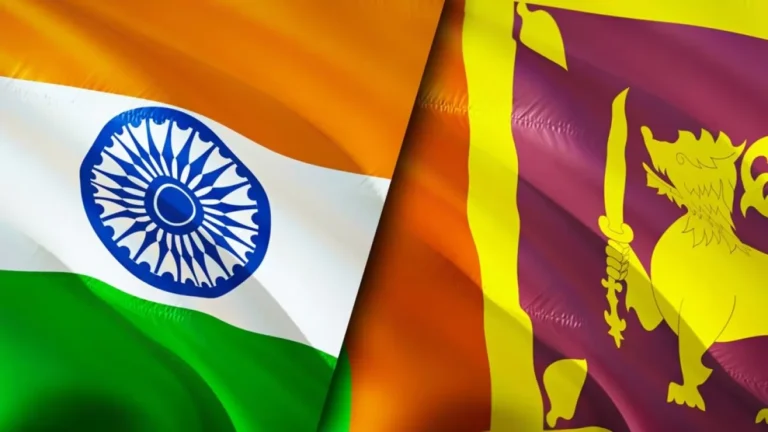
As Sri Lanka struggles to rebuild rural communities battered by Cyclone Ditwah and years of economic stress, India’s decision to double funding for housing projects in the Northern and Southern Provinces signals more than humanitarian concern. It highlights New Delhi’s broader regional strategy of combining disaster response with long-term people-centric development to maintain influence in its immediate neighbourhood.

In late December 2025, diplomatic exchanges formalised India’s revised financial commitment to three housing initiatives—Gram Shakthi Northern, Gram Shakthi Southern I, and Gram Shakthi Southern II. Under the revised terms, financial assistance per house was doubled to Rs. 1 million, benefiting over 1,550 low-income families. The adjustment followed Sri Lanka’s request, citing cost escalations caused by the COVID-19 pandemic, supply disruptions, and the country’s 2022 economic crisis, which left many beneficiaries unable to complete construction.

The projects operate under an owner-driven model, allowing families to build their own homes rather than depend on contractors. This approach, while slower, has been praised for promoting community ownership and reducing corruption. However, inflation and currency depreciation had eroded the original Rs. 500,000 allocation, threatening to stall progress until India stepped in.

Housing has become a cornerstone of India’s development diplomacy in Sri Lanka. Nearly 50,000 homes have already been completed under flagship Indian-funded housing programmes in the Northern, Eastern, and plantation regions, with another 10,000 currently under construction. Additional initiatives include island-wide model villages, pilgrim transit housing near the Madhu Shrine, and post-disaster reconstruction support.

Analysts note that India’s focus on the North and South carries strategic significance. These regions not only suffered severe cyclone damage but also represent areas where economic vulnerability could translate into political instability. By responding swiftly “as a friend in need,” India reinforces its image as a reliable first responder while countering growing competition from other regional actors.

The assistance also aligns with India’s wider $450 million reconstruction and recovery package announced after Cyclone Ditwah. Rather than one-off relief, the emphasis is on durable infrastructure that supports livelihoods, social stability, and goodwill at the grassroots level.

As Sri Lanka’s recovery remains fragile, India’s housing support demonstrates how humanitarian aid and geopolitical strategy increasingly overlap. The effectiveness of these projects in restoring dignity and stability to rural communities will shape public perception and regional alignmentsin the years ahead.

Colombo Port City Tests Economic Promise as 2026 Begins

0

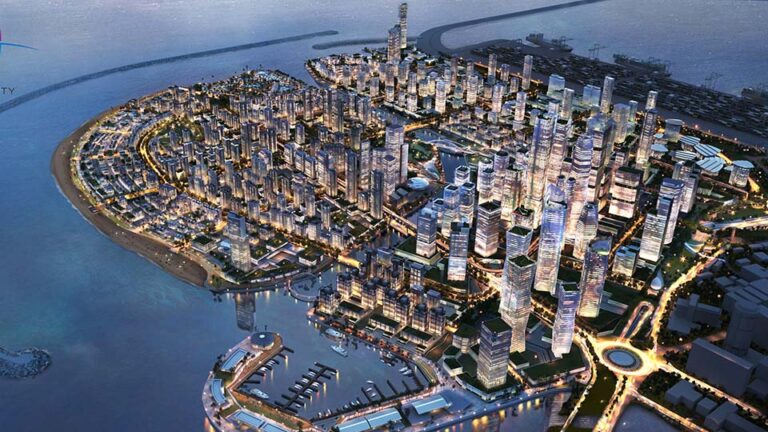
As Sri Lanka enters 2026 with cautious economic optimism, Colombo Port City stands at a critical juncture, transitioning from a long-term infrastructure ambition into an operational financial and commercial zone with measurable economic implications. More than a decade after construction began, the 269-hectare development is no longer defined by land reclamation and policy promises, but by its ability to generate investment flows, employment, and export-driven growth.

Developed by CHEC Port City Colombo (Pvt) Ltd., the project has endured a turbulent operating environment since its inception in 2014. Political transitions, the 2019 Easter Sunday attacks, the COVID-19 pandemic, and the 2022 sovereign debt crisis each tested investor confidence. Despite these disruptions, Port City progressed steadily, culminating in the completion of land reclamation in 2019 and the passage of the Colombo Port City Economic Commission Act in 2021.

That legislation established Sri Lanka’s first Special Economic Zone with an independent regulatory framework, offering tax incentives, simplified approvals, and foreign exchange flexibility. As of early 2026, 146 enterprises have registered within the zone, largely focused on financial services, IT, logistics, and professional services aimed at international markets. While many remain in early operational stages, officials argue this represents a shift toward modern service exports rather than traditional goods-based growth.

A key operational milestone was reached in October 2025 with the commissioning of water, electricity, and sewerage connections to Colombo’s main city grid. This step enabled large-scale commercial activity and vertical construction to proceed without reliance on interim infrastructure an issue previously flagged by analysts as a bottleneck to investor confidence.

Retail and lifestyle developments have also moved from concept to reality. The Mall at Port City Colombo, opened in September 2024, introduced South Asia’s first downtown duty-free retail model, drawing regional attention and contributing to tourism-linked consumption. Meanwhile, the Business Centre, positioned as an IT and business park, began tenant handovers in mid-2025, signaling the start of recurring commercial occupancy.

Private capital participation has further strengthened Port City’s outlook. The USD 120 million Luxury Marina Development by Browns Investment PLC broke ground in January 2025, adding a maritime leisure component expected to attract high-net-worth visitors and regional yacht traffic.Economists caution, however, that Port City’s long-term success will depend on integration with the wider economy. Job creation, skills transfer, and linkages with domestic firms will determine whether the project becomes an isolated enclave or a genuine growth engine. As 2026 unfolds, Port City’s performance will increasingly be judged not by infrastructure delivered, but by economic value created

Loan Scheme Introduced to Support Paddy Purchases for 2025/26 Maha Season

0

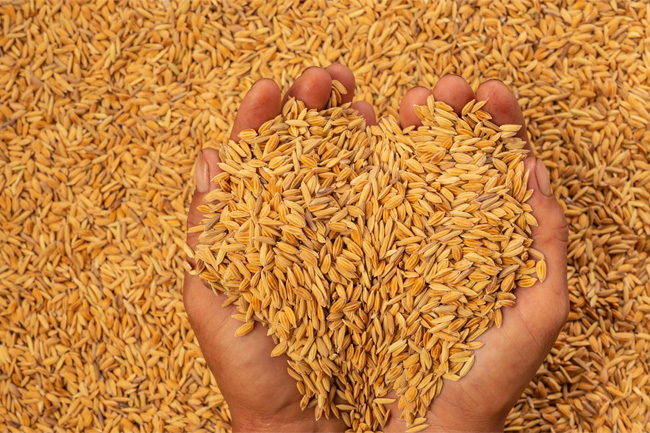
A loan scheme has been launched for small and medium-scale paddy mill owners and cooperative societies to facilitate the purchase of paddy harvest for the 2025/26 Maha season, effective from yesterday (01).

The Development Finance Department of the Ministry of Finance said the scheme aims to ensure a fair price for paddy farmers by providing financial support for the purchase of the Maha season harvest.

The scheme targets small and medium-scale paddy mill owners and cooperative societies with a maximum daily paddy threshing capacity of 25 metric tons. Applicants must possess a valid business registration certificate issued by a relevant government institution, along with a licence from the Paddy Marketing Board.

Under the loan facility, eligible applicants can obtain loans of up to Rs. 50 million at an annual interest rate of 7 per cent. The loan must be repaid within 180 days.

Government banks including the Bank of Ceylon, People’s Bank and the Regional Development Bank, as well as selected major private banks, will participate in the scheme.

The total loan amount expected to be disbursed for the Maha season under this programme is approximately Rs. 10,000 million. The Ministry said paddy will be purchased at a minimum price announced by the Department of Agriculture to ensure farmers receive a fair return for their harvest.