Home Blog Page 140

CBSL Tightens AML Net as Financial Sector Faces Scrutiny

0

Sri Lanka’s Central Bank has stepped up enforcement of anti-money laundering and counter-terrorism financing regulations in 2025, signaling a tougher regulatory posture aimed at safeguarding financial stability and restoring international confidence. The latest action imposing Rs. 9.5 million in penalties on seven institutions underscores a broader compliance drive that carries significant economic implications.

 The fines, imposed through the Financial Intelligence Unit (FIU), targeted banks, non-bank financial institutions, a casino, a jewellery firm, and a mobile payment operator. While the monetary penalties themselves are modest, the message is substantial: regulatory tolerance for weak AML/CFT controls is diminishing.

Sri Lanka’s economy remains in a fragile recovery phase following years of debt distress and external shocks. In this context, strengthening financial integrity has become a strategic priority. The country’s ability to maintain correspondent banking relationships, attract foreign investment, and integrate with global financial markets depends heavily on compliance with international AML standards, including Financial Action Task Force (FATF) benchmarks.

According to CBSL disclosures, several institutions failed to report high-value electronic fund transfers exceeding Rs. 1 million within stipulated timeframes. Others lacked adequate screening mechanisms against United Nations sanctions lists or had not implemented basic internal AML policies. While no direct links to designated individuals were uncovered, regulators emphasized that procedural weaknesses alone pose systemic risks.

From an economic standpoint, enhanced AML enforcement can deliver long-term gains despite short-term compliance costs. Stronger controls reduce illicit financial flows, protect tax revenue, and improve transparency factors that contribute to macroeconomic stability. In 2025, Sri Lanka has relied increasingly on digital payments and non-bank financial services to support consumption and small businesses, making robust oversight even more critical.

The inclusion of sectors such as casinos, jewellery trading, and mobile financial services highlights a shift toward risk-based supervision beyond traditional banking. These sectors are often cash-intensive and vulnerable to misuse, and their regulation plays a key role in protecting the wider financial ecosystem.

Importantly, the penalties collected were credited to the Consolidated Fund, reinforcing the principle that enforcement supports public finance as well as compliance. More broadly, CBSL’s actions send a signal to global lenders and development partners that Sri Lanka is serious about financial governance reforms.

While enforcement alone cannot transform the economy, it creates the trust framework necessary for sustainable growth. In that sense, the CBSL’s AML push in 2025 is not merely regulatory housekeepingit is an economic confidence-building measure with long-term implications.

India’s Neighbourhood Diplomacy Tested and Proven after Cyclone Ditwah

0

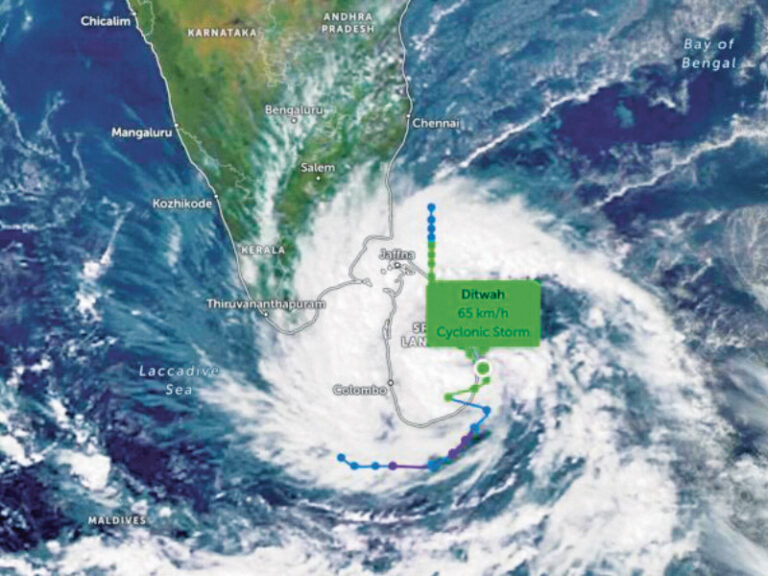
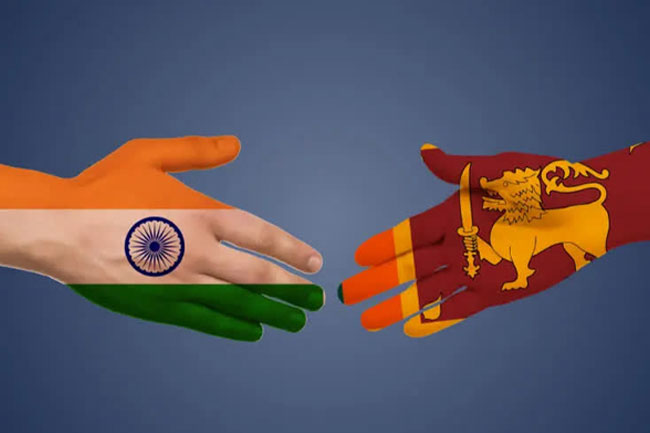
India’s response to Cyclone Ditwah has underscored how New Delhi’s Neighbourhood First policy now operates not merely as diplomatic rhetoric but as an institutionalised crisis-response framework, extending from the Prime Minister’s Office to ministerial, military, and diplomatic levels. 

The delivery of a special letter from Prime Minister Narendra Modi to President Anura Kumara Dissanayake, carried personally by External Affairs Minister Dr. S. Jaishankar, was a clear political signal that Sri Lanka’s recovery is viewed in India as both a humanitarian priority and a strategic responsibility.

As Sri Lanka now shifts its attention to the next phase, India has assured that India will extend all possible support as a trusted partner and a reliable friend. Prime Minister Modi stated in his letter  

As in the past, we will stand shoulder to shoulder with you in rebuilding lives and ensuring resilience in Sri Lanka. In this context,he added. 

The letter explicitly framed India’s intervention within its First Responder commitment, a doctrine that has steadily evolved since the Indian Ocean tsunami and gained operational maturity through recent regional disasters.

 Continuing the goodwill gesture , India has committed a comprehensive reconstruction assistance package worth $ 450 million to support Sri Lanka’s recovery from the devastation caused by Cyclone Ditwah, reaffirming its role as the country’s first responder and closest regional partner, during External Affairs Minister Dr. S. Jaishankar’ recent Sri Lanka visist this week 

Under ‘Operation Sagar Bandhu’, India deployed naval vessels, aircraft, and helicopters to transport relief supplies and emergency materials, while specialised teams supported search and rescue, medical response, and restoration of critical communications and connectivity. The speed and scale of this mobilisation reflected a preparedness that few regional actors can match.

Dr. Jaishankar’s visit elevated the assistance from emergency relief to structured rehabilitation planning. By arriving as the Prime Minister’s Special Envoy, the External Affairs Minister carried not only humanitarian goodwill but also a mandate to discuss the implementation of a comprehensive assistance package, signalling continuity beyond immediate disaster response. 

This shift from relief to resilience marks a critical distinction between ad hoc aid and strategic partnership.

India’s engagement also highlights an important governance dimension. Sri Lanka’s cyclone response has exposed institutional coordination gaps and fiscal constraints. India’s assistance, therefore, operates as a stabilising external input helping bridge immediate capacity shortfalls while allowing Colombo to focus domestic resources on long-term recovery.

 Unlike multilateral assistance, which often arrives with procedural delays, India’s bilateral support demonstrated operational flexibility and political decisiveness.

At the diplomatic level, the visit reaffirmed trust at a sensitive juncture in Sri Lanka’s economic recovery. The Prime Minister’s assurance that India will “stand shoulder to shoulder” in rebuilding efforts carries weight precisely because it echoes India’s past crisis interventions whether during fuel shortages, financial stress, or natural disasters.Ultimately, India’s response to Cyclone Ditwah reinforces a broader regional reality: in times of crisis, geography and proximity matter. By aligning humanitarian action with diplomatic engagement, New Delhi has reinforced its role not only as Sri Lanka’s closest neighbour, but as its most dependable partner in moments of national stress

New Cosmetics Bill  to Reshape Sri Lanka’s Consumer Economy

0

Sri Lanka’s proposed legislation to regulate cosmetics marks a significant but overdue policy intervention with far-reaching implications for public health, trade, and the wider economy. The draft Cosmetics Regulation Bill, expected to be opened for public consultation in January 2026, reflects growing concern over the unregulated influx of cosmetic products into the country, particularly through informal and illicit channels.

According to National Medicines Regulatory Authority (NMRA) Chairperson Dr. Ananda Wijewickrema, the Bill was prepared by a committee appointed by the Director General of Health Services and has already undergone stakeholder consultation. A formal review of submissions is currently underway, with the public expected to gain access to the draft early next year.

The economic relevance of the legislation extends beyond consumer safety. Sri Lanka’s cosmetics market has expanded rapidly, driven by social media marketing, rising imports, and informal cottage-level production. Yet regulatory oversight has lagged behind market growth. This regulatory gap has allowed substandard and potentially harmful products to circulate freely, undermining legitimate businesses and eroding consumer confidence.

At present, the NMRA relies on provisions of the Cosmetics, Devices and Drugs Act of 1980—legislation that predates modern supply chains, e-commerce, and digital marketing. While this framework offers limited enforcement capability, it was never designed to address the scale and complexity of today’s cosmetics trade. As a result, smuggled items arriving in passenger baggage and unregistered products promoted online have flourished.

From an economic standpoint, the absence of modern regulation distorts competition. Registered importers and compliant local manufacturers face higher costs, while informal sellers operate without accountability. A comprehensive cosmetics law could level the playing field, encouraging formalization, improving tax compliance, and supporting small and medium enterprises willing to meet safety standards.

However, concerns remain over implementation. Senior health sector sources have questioned whether the new Bill will regulate both imported cosmetics and locally produced cottage-industry goods. Failure to address domestic production could create loopholes that undermine the legislation’s effectiveness.

Stronger regulation also has trade implications. Aligning Sri Lanka’s cosmetics standards with international norms could improve export potential while strengthening border controls against illicit imports. In a context of foreign exchange pressures and fiscal consolidation, improved regulatory governance can deliver both health and economic dividends.

 Ultimately, the proposed Bill represents more than a regulatory update. It is a test of Sri Lanka’s ability to modernize oversight in fast-growing consumer markets, protect public welfare, and support sustainable economic activity through clear, enforceable rules.

New China Flights Could Boost Sri Lanka’s Post-Cyclone Recovery

0

 Sri Lanka’s aviation and tourism sectors received a timely boost with the announcement that Beijing Capital Airlines will launch direct passenger flights between Beijing and Colombo from January 31, 2026. While the development strengthens bilateral connectivity with China, its wider importance lies in how enhanced air services could support Sri Lanka’s fragile economic recovery following recent cyclone-related disruptions.

 The decision follows high-level discussions between Sri Lanka’s Ambassador to China, Majintha Jayesinghe, and Beijing Capital Airlines President Liu Jun, underscoring the role of economic diplomacy in reviving international travel links. For Sri Lanka, rebuilding air connectivity is not simply about tourism numbers—it is about restoring foreign exchange inflows, protecting jobs, and stimulating growth across multiple sectors.

 China remains Sri Lanka’s fourth-largest tourism source market. However, arrivals from China have yet to return to pre-pandemic and pre-crisis levels. Official data shows that Chinese tourist arrivals declined to around 121,671 in the first eleven months of 2025, compared to over 131,000 during the same period last year. This stagnation highlights the need for direct, reliable air links that reduce travel time, cost, and uncertainty for Chinese travellers.

 The cyclone crisis added pressure to an already strained economy by damaging infrastructure, disrupting transport networks, and affecting coastal tourism zones. In this context, increased passenger air services are critical. Direct Beijing–Colombo flights can accelerate the recovery of hotels, travel operators, retail businesses, and ground transport providers, particularly during peak travel seasons.

 Tourism remains one of Sri Lanka’s fastest avenues for foreign currency generation. Even in December 2025, Chinese travellers accounted for 6% of total arrivals in the first half of the month. While India continues to dominate tourist inflows, diversification of source markets is essential to reduce economic vulnerability. Strengthening links with China helps spread risk and stabilize revenue flows.

 Beyond tourism, enhanced air connectivity supports business travel, trade promotion, and cultural exchange. Faster passenger movement encourages investment exploration and deepens people-to-people ties, reinforcing broader bilateral relations.

 In economic terms, every additional long-haul flight carries multiplier effects—from aviation fuel sales to airport services and local employment. For a country navigating post-disaster recovery, such gains are significant. The Beijing–Colombo route represents more than a new flight; it is a strategic economic bridge at a moment when Sri Lanka needs resilient pathways to growth.

Suspect Arrested in Minuwangoda with Foreign-Made Firearm and T-56 Ammunition

0

A suspect was arrested in the Minuwangoda area after police recovered a foreign-made firearm, a magazine, and 25 rounds of T-56 ammunition in his possession.

The weapon and ammunition were seized during a raid conducted yesterday (27) following a tip-off received by officers of the Western Province North Crime Division.

Police said the suspect is a 43-year-old resident of Heenatiyana, Minuwangoda.

Further investigations into the incident are currently being carried out by the Western Province North Crime Division.

Gold Prices Surge in Sri Lanka as Global Rates Hit Record High

0

Gold prices in the local market continued their upward trend yesterday (27), in line with a sharp increase in global gold rates.

In the international market, gold prices climbed to a record level, exceeding US$ 4,553 as of today.

Reflecting this global surge, gold prices in Sri Lanka increased for the second time today, pushing the total price hike for the day to Rs. 12,000.

Accordingly, a 22-carat gold sovereign was priced at Rs. 340,400 this morning at the Colombo Pettah Gold Market.

Meanwhile, traders at the Pettah gold market said that the price of a pound of 24-carat gold, which stood at Rs. 356,000 yesterday, has risen to Rs. 368,000 today.

Market analysts attribute the continued rise in local prices to volatility in global markets and strong international demand for gold.

Colombo Mayor Explains Budget Process Ahead of Second Reading After Council Defeat

0

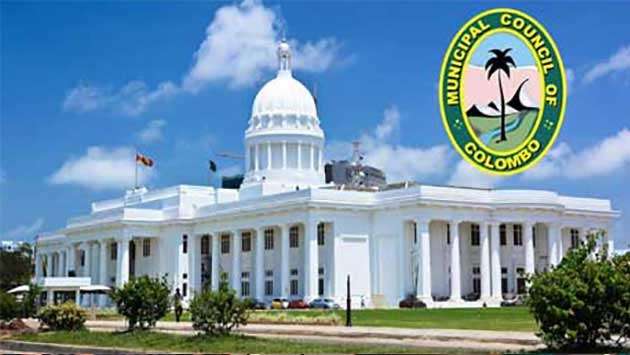
Colombo Mayor Vraie Cally Balthazar on Saturday outlined the process behind the preparation of the Colombo Municipal Council (CMC) 2025 budget, which is due to be resubmitted for a second reading on December 31, after it was defeated at a council vote on December 22.

In a statement issued following the setback, the mayor said the budget was not simply a collection of figures, but a reflection of the council’s performance and a roadmap for development in the year ahead. She noted that budget preparation was particularly challenging as there had been no elected council during the 2023/24 period, with municipal affairs managed under a commissioner system.

Despite the defeat at the December 22 meeting, the mayor emphasized that the administration remains committed to presenting a transparent, people-focused budget.

She explained that the budget formulation process began within weeks of the new council being appointed. In July, all 16 municipal institutions were requested to submit proposals, with submissions accepted until August. Councillors from both the ruling party and the opposition were also invited to submit proposals, all of which were reviewed without political bias and evaluated based on public interest.

For the first time, written proposals were sought from municipal employees as well — a move the mayor described as a step toward fostering a new political culture within the council.

According to the mayor, the most difficult phase involved assessing financial feasibility and reaching agreement on funding priorities. These discussions continued until November, followed by further reviews to address omissions and ensure accuracy.

The draft budget was then examined by 23 standing committees, with participation from both government and opposition councillors. It was also opened for public inspection for seven days, with notices published in all three official languages as required by law. Copies were made available at the public library and the municipal treasury.

Following additional scrutiny by two finance committees comprising members from all political parties, further revisions were introduced.

Although the budget failed to secure approval at the December 22 council meeting, it will now be resubmitted for consideration at the second reading scheduled for December 31.

Reaffirming her administration’s position, Mayor Balthazar said the objective of building “a prosperous city and a better quality of life” for the residents of Colombo remains unchanged despite the initial defeat.

DMC Activates Emergency Preparedness as Heavy Rains Forecast from December 29

0

The Disaster Management Centre (DMC) has activated nationwide preparedness measures in response to forecasts of increased rainfall issued by the Department of Meteorology.

DMC Director General Major General (Retired) Sampath Kotuwegoda stated that all relevant authorities have been placed on standby, including naval units, aircraft squadrons, and boat teams, to ensure rapid response if required.

According to meteorological forecasts, a wave-like wind pattern is expected to influence the country from December 29, bringing above-normal rainfall to the Northern, North Central, Central, Eastern, and Uva provinces.

Major General Kotuwegoda emphasized that these precautionary steps are intended to reduce potential disaster risks and safeguard public safety. In line with the northeast monsoon emergency response plan, the DMC has also alerted the Sri Lanka Armed Forces, Sri Lanka Police, and the Civil Security Department to prepare personnel, aircraft, naval resources, and boats for deployment if necessary.

The DMC has urged the public to remain vigilant and follow official advisories during this period of heightened weather activity.

WEATHER FORECAST FOR 28 DECEMBER 2025

0

Several spells of showers will occur in Northern, North-central, Eastern, Uva and Central provinces and in Hambantota district. 

Showers or thundershowers will occur at several places in Sabaragamuwa province and in Galle, Matara and Kaluthara districts after 2.00 p.m. Fairly heavy falls above 50 mm are likely at some places in these areas. 

Fairly strong winds of about 40 kmph can be expected at times over Eastern slopes of the central hills, Northern, North-central and North-western provinces and in Hambantota, Monaragala and Trincomalee districts. 

Misty conditions can be expected at some places in Western, Sabaragamuwa and Central provinces and in Galle and Matara districts during the early hours of the morning.

The general public is kindly requested to take adequate precautions to minimize damages caused by temporary localized strong winds and lightning during thundershowers.

Legendary Sri Lankan Singer Latha Walpola Passes Away at 92

0

The legendary Sri Lankan vocalist Latha Walpola passed away today (27) at the age of 92, marking the end of an era in the country’s musical and cinematic history.

Born in Mount Lavinia in 1934, Latha Walpola began her illustrious career at a remarkably young age. She made her debut on Radio Ceylon in 1946, when she was just 12 years old, quickly captivating listeners with her powerful and distinctive voice.

Over the course of her career, she recorded more than 6,000 songs, including performances in several foreign languages—an achievement unmatched by many. She is widely revered as the eternal “Queen of Songs” in Sri Lankan cinema.

Latha Walpola made her playback singing debut in 1953 with the film Eda Ra. In the same year, she sang for three films alongside Dharmadasa Walpola. Over the decades that followed, she lent her voice to more than 600 films, shaping generations of Sri Lankan film music.

Her passing is mourned by music lovers across the country, as Sri Lanka bids farewell to one of its most iconic and influential voices.