Home Blog Page 142

Talk Without Action Fuels Colombo Port Container Crisis

0

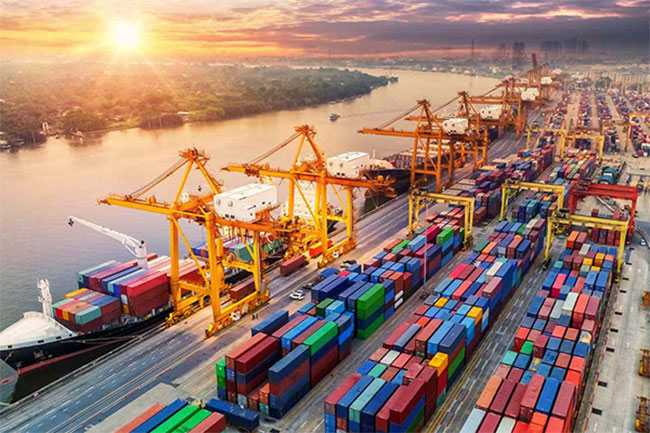
The continuing congestion of over 13,000 containers at the Port of Colombo exposes a deeper malaise within Sri Lanka’s trade and logistics governance policy paralysis disguised as consultation. Despite countless meetings, committees, and stakeholder engagements over the years, the core problem remains untouched.

At the latest high-level discussion involving political leaders, Customs officials, SLPA management, and industry representatives, the outcome mirrored previous encounters: proposals without execution, concerns without timelines. For traders, transporters, and shipping agents, the message is increasingly clear: talk has replaced action.

 Container congestion does not occur in isolation. It is the cumulative result of fragmented authority between Customs, OGAs, port operators, and political oversight mechanisms. Each entity exercises control over part of the process, yet no single authority bears responsibility for end-to-end clearance efficiency.

The suggestion to convert a new parking yard into a Customs examination bay underscores how reactive solutions dominate policy thinking. Instead of designing integrated clearance systems, authorities respond to crises with temporary spatial fixes moving containers from one bottleneck to another.

More damaging is the failure to modernise clearance protocols. Manual inspections, delayed delivery orders, outdated SMS notification systems, and limited operating hours continue to slow container movement. In an era where regional competitors deploy AI-based risk profiling and pre-arrival processing, Colombo remains burdened by procedural inertia.

The unresolved case of 323 containers stalled due to parliamentary-level objections highlights the blurred line between governance and operations. When political processes interfere with routine cargo clearance, uncertainty becomes systemic. For international shipping lines and transshipment clients, such unpredictability is reason enough to reconsider port choices.

Economically, the costs are substantial. Delays reduce port throughput, lower Customs revenue collection, and increase logistics expenses. Exporters already pressured by weak global demand—face shipment disruptions, while importers absorb higher costs that eventually filter into retail prices.

The CHA Traders Association’s call for outside-panel examinations at warehouses reflects a pragmatic, industry-tested solution. Yet its repeated rejection illustrates a reluctance to trust risk-based systems, even when safeguards exist.

Sri Lanka’s economic recovery strategy hinges on trade facilitation, export competitiveness, and logistics efficiency. A congested port directly contradicts these objectives. What is missing is not diagnosis, but decisive leadership empowered to override institutional resistance.

Until accountability replaces consultation, and execution replaces discussion, Colombo Port’s congestion will remain a recurring crisis quietly draining economic momentum when Sri Lanka needs efficiency the most.
Climate Shock Meets Institutional Failure in Post-Ditwah Sri Lanka

0

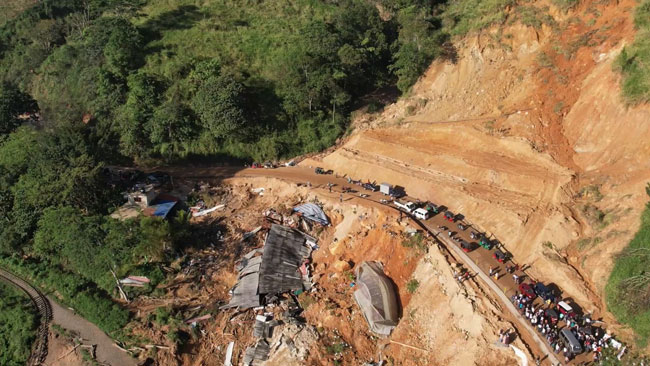
Cyclone Ditwah did not merely flood towns and uproot livelihoods—it exposed the fragile intersection between climate vulnerability and institutional weakness in Sri Lanka’s disaster response architecture. According to the International Labour Organisation (ILO), economic activity equivalent to $16 billion, or 16% of GDP, was placed at risk, revealing how deeply disasters now penetrate the country’s productive core.

Unlike conventional damage estimates, the ILO relied on remote sensing and night-time light intensity to assess economic exposure, capturing real-time disruption across districts. This contrasts sharply with the World Bank’s $4.1 billion estimate, which focuses narrowly on physical damage while excluding employment losses, informal sector disruptions, and long-term recovery costs. The divergence reflects not inconsistency, but the absence of a coordinated, multi-agency assessment framework.

The labour market consequences are particularly alarming. The ILO estimates that 374,000 workers were operating in directly affected areas, risking income losses of $48 million per month. Plantation workers, smallholder farmers, and fisheries communities face extended job insecurity due to delayed rehabilitation and weak access to formal safety nets.

UNDP assessments have long warned that Sri Lanka’s social protection systems lack shock-responsiveness, especially for informal and rural workers. Ditwah reinforced this vulnerability, as relief efforts struggled to align welfare delivery with employment recovery, leaving many households dependent on short-term aid rather than sustainable income restoration.

The IMF has repeatedly highlighted that climate disasters now represent a macro-critical risk for Sri Lanka, capable of derailing fiscal consolidation and growth targets. From this standpoint, weak coordination between disaster management agencies, line ministries, and provincial authorities magnifies economic losses and raises future borrowing needs.

Although the ILO recommends employment-intensive recovery programmes and MSME support, implementation remains the key challenge. Without institutional accountability, real-time data sharing, and decentralised execution, recovery risks becoming uneven and politically mediated.

Cyclone Ditwah’s aftermath is therefore not only a test of resilience, but of governance. Unless structural coordination failures are addressed, future climate shocks will continue to extract escalating economic and social costs.

From Relief to Resilience: India Redefines Regional First Response

0

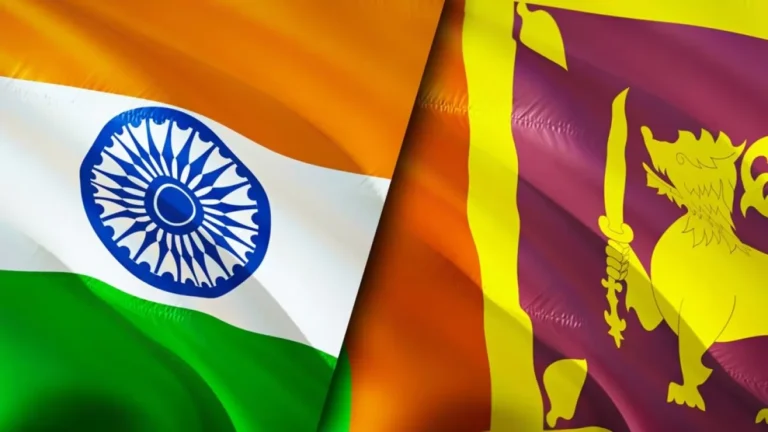
Cyclone Ditwah offered a real-world test of India’s evolving disaster diplomacy, and New Delhi’s actions suggest a deliberate move beyond symbolic assistance toward institutionalised regional crisis leadership.

The decision by Prime Minister Narendra Modi to send External Affairs Minister Dr. S. Jaishankar as a Special Envoy, rather than relying solely on diplomatic channels, reflected a calibrated political message: Sri Lanka’s recovery is directly tied to India’s regional stability calculus.

As Sri Lanka now shifts its attention to the next phase, India has assured that India will extend all possible support as a trusted partner and a reliable friend. Prime Minister Modi stated in his letter 

As in the past, we will stand shoulder to shoulder with you in rebuilding lives and ensuring resilience in Sri Lanka. In this context,he added.

The letter explicitly framed India’s intervention within its First Responder commitment, a doctrine that has steadily evolved since the Indian Ocean tsunami and gained operational maturity through recent regional disasters.

 Continuing the goodwill gesture, India has committed a comprehensive reconstruction assistance package worth $ 450 million to support Sri Lanka’s recovery from the devastation caused by Cyclone Ditwah,

‘Operation Sagar Bandhu’ demonstrated how India now integrates its naval, air, medical, and technical capacities into a single response mechanism.

Indian ships and aircraft ensured rapid delivery of relief supplies, while helicopters supported access to isolated areas. Medical teams and communication specialists addressed critical gaps in emergency healthcare and connectivity, often the weakest links in post-disaster environments.

What distinguishes this intervention is its continuity. The Prime Minister’s letter clearly signals that India’s role will not end with emergency relief.

The proposed comprehensive assistance package, now under discussion with Sri Lankan authorities, points to a medium-term recovery approach aligned with infrastructure restoration, livelihood support, and resilience-building.

From a diplomatic standpoint, Dr. Jaishankar’s engagement reinforced India’s preference for bilateral trust-based cooperation rather than transactional aid. This approach contrasts with multilateral assistance frameworks, which while essential often struggle with speed and ground-level coordination during acute crises.

The timing of the visit also carries economic significance. Sri Lanka remains vulnerable to external shocks, and disaster-related disruptions can quickly translate into fiscal stress. India’s rapid intervention indirectly cushions these pressures by stabilising essential services and reducing immediate recovery costs.

Equally important is the political symbolism. By addressing President Anura Kumara Dissanayake directly and publicly reaffirming India’s long-term commitment, New Delhi strengthened leadership-level rapport at a moment when policy alignment and confidence-building are crucial.

Cyclone Ditwah has thus become a case study in how regional powers can operationalise solidarity. India’s response illustrates a shift from episodic assistance to a structured, predictable support model one that may well define future crisis engagement in South Asia.

Remembering the Waves That Changed a Nation: 21 Years Since the Tsunami

0

By: Isuru Parakrama

December 26, Colombo (LNW): Sri Lanka stands on the cusp of December 26, 2025, and the nation pauses to remember one of the most devastating natural disasters in its history. Twenty-one years have passed since the Indian Ocean Tsunami struck with merciless force, leaving behind a trail of destruction, sorrow, and enduring memories.

For Sri Lankans, the tragedy is not just a historical event; it is a collective wound that continues to shape the way we view resilience, community, and the fragility of life.

The morning of 26 December 2004 began like any other, but by mid-morning, the country was engulfed by a calamity unlike anything witnessed in living memory. The tsunami, triggered by a massive undersea earthquake off the coast of Sumatra, swept across the eastern and southern coasts of the island with astonishing speed and ferocity.

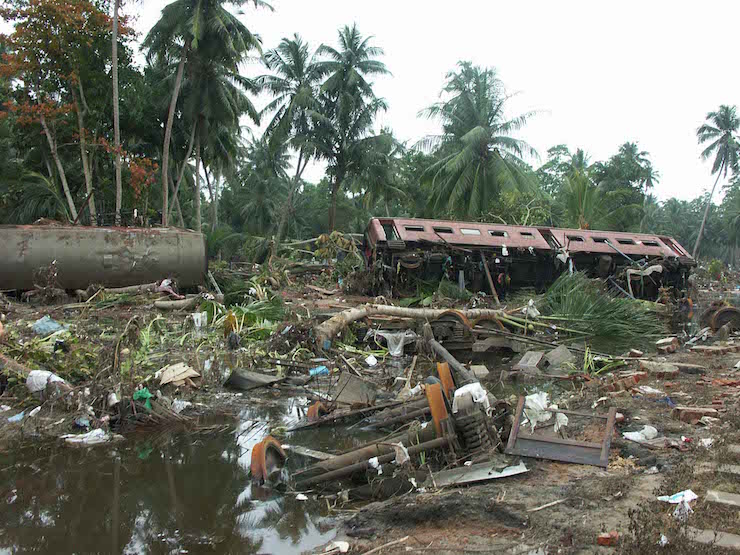
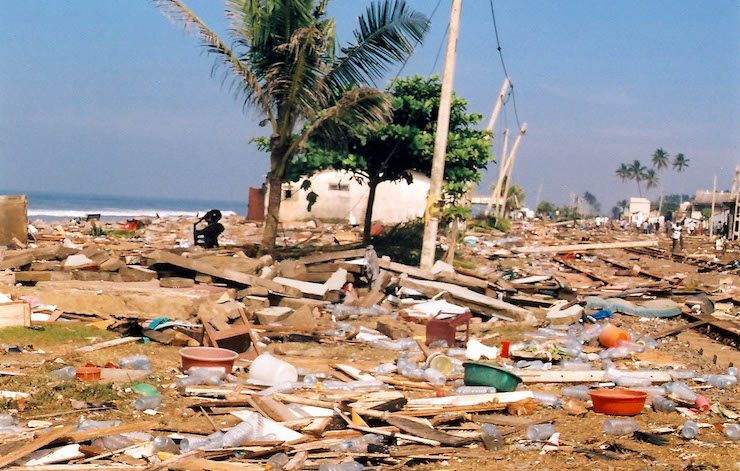
Entire villages were engulfed, roads vanished, homes were reduced to rubble, and thousands of lives were lost in moments. In Sri Lanka alone, over 35,000 people perished, and countless others were left injured, displaced, or traumatised.

For many, the tsunami was more than a natural disaster; it was a stark reminder of nature’s unpredictable power and the vulnerability of human existence. The emotional scars left on survivors are deep and enduring. Families were shattered, livelihoods destroyed, and communities scattered. Yet, amidst the horror, the spirit of Sri Lanka’s people shone through.

The immediate response from local communities, alongside national and international relief efforts, highlighted an unwavering resolve to save lives, rebuild, and heal. Strangers became neighbours overnight, and the nation came together in an unprecedented display of solidarity.

In the years following the tsunami, Sri Lanka has witnessed remarkable recovery and resilience. Coastal towns have been rebuilt, disaster warning systems strengthened, and awareness campaigns have educated communities about preparedness. Memorials across the island stand as solemn reminders of those we lost, and annual commemorations ensure that the memory of the tragedy remains etched in the nation’s consciousness. The lessons learned continue to inform policies and safeguard lives against future catastrophes, yet the human cost remains an indelible part of our collective history.

As we observe the 21st anniversary, there is a profound sense of reflection. We mourn not only the lives lost but also the innocence of a time before nature’s fury redefined our shores. We honour the courage of survivors and rescuers who faced insurmountable challenges with determination and compassion. Above all, we reaffirm the value of community, preparedness, and empathy in a world where disasters can strike without warning.

The tsunami may have reshaped the geography of Sri Lanka’s coastlines, but it also reshaped the hearts of its people. On this day of remembrance, we bow in respect for those who perished, extend our support to those who continue to live with loss, and celebrate the enduring resilience that defines the soul of Sri Lanka.

COPF Chairman Urges President to Appoint Auditor General Amid Cyclone Ditwah Recovery

0

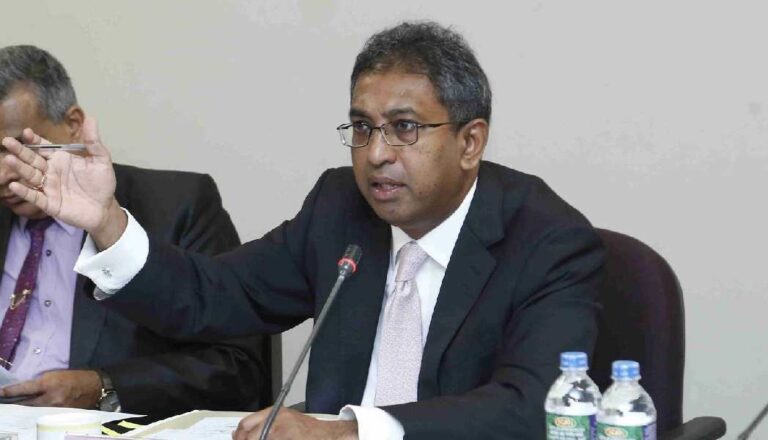
Committee on Public Finance (COPF) Chairman, MP Harsha de Silva, has appealed to President Anura Kumara Dissanayake, seeking to resolve the serious matter of Sri Lanka operating without the constitutionally mandated head of the National Audit Office. 

In a 06-point letter to the President, MP de Silva said an Auditor General must be appointed urgently in the backdrop of the current disaster situation in Sri Lanka. 

“Given the large number of transactions taking place now with Cyclone Ditwah reconstruction and the yet to be legally established Rebuilding SriLanka Fund, an Auditor General must be appointed urgently,” he pointed out in a statement on ‘X’.

Turkey Arrests Over 100 Suspected ISIS Members Ahead of Christmas and New Year

0

Turkish authorities have arrested more than 100 suspected members of the Islamic State (ISIS) who were believed to be planning attacks during the Christmas and New Year festive season, officials said on Thursday.

The Istanbul Chief Public Prosecutor’s Office stated that intelligence indicated ISIS operatives were preparing to target non-Muslim communities during Christian celebrations in Turkey. Acting on this information, police carried out coordinated raids across Istanbul, arresting 115 suspects out of 137 identified individuals. Firearms and ammunition were also seized during the operations.

Prosecutors said several of those detained were already wanted on terrorism-related charges at both national and international levels.

The arrests follow a recent intelligence-led operation near the Afghanistan–Pakistan border, where Turkish authorities captured a Turkish national accused of holding a senior position within ISIS. The suspect, identified as Mehmet Goren, is alleged to have been involved in planning suicide attacks against civilians in Turkey, Afghanistan, Pakistan and parts of Europe.

According to intelligence officials, Goren had travelled from Turkey to the border region, where he reportedly operated in ISIS camps and rose through the group’s ranks.

Turkey has been repeatedly targeted by ISIS in past years. In January 2024, a gun attack on a Catholic church in Istanbul during Sunday Mass left one person dead. Earlier, an ISIS gunman killed 39 people celebrating New Year’s Day at a nightclub in Istanbul in 2017.

Between 2015 and 2017, ISIS carried out several deadly attacks in Turkey, including bombings at Istanbul’s Ataturk Airport and in Diyarbakır, as well as a suicide attack on a peace rally in Ankara in October 2015 that killed at least 102 people, the deadliest terrorist attack in the country’s history.

Turkish authorities say intelligence gathering and counterterrorism operations against ISIS networks, both domestically and internationally, have been significantly intensified in recent years to prevent further attacks.

Sri Lanka Marks National Safety Day with Main Commemoration at Peraliya Tsunami Memorial

0

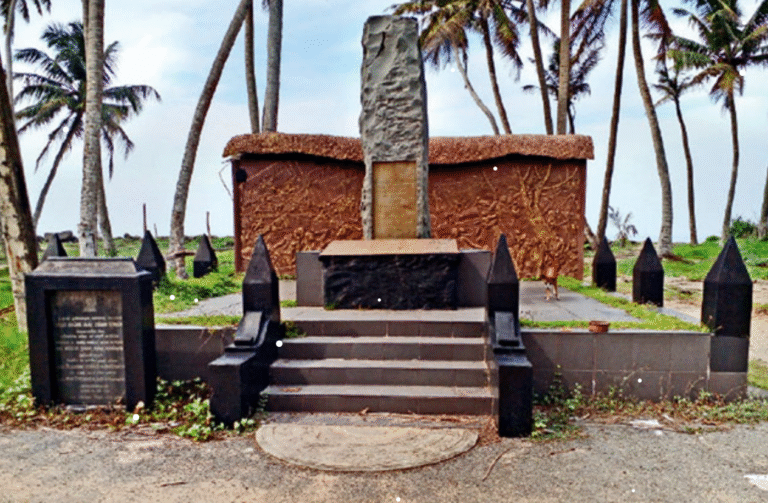
Sri Lanka is observing National Safety Day today (December 26) with the main national-level commemoration taking place from 8.30 a.m. to 11.00 a.m. at the Peraliya Tsunami Memorial in Galle.

As part of the observances, a two-minute silence will be held island-wide from 9.25 a.m. to 9.27 a.m. to honour the memory of those who lost their lives in the 2004 Boxing Day tsunami and other natural disasters.

The devastating tsunami of 2004 claimed the lives of more than 35,000 people in Sri Lanka, while over 5,000 individuals are still reported missing. The disaster also caused widespread destruction, with property losses amounting to billions of rupees.

Under Cabinet Paper No. 15/1975/715/001-1 of 2005, December 26 was officially declared National Safety Day, and it has been commemorated annually since 2005.

National Safety Day events were held continuously at national level from 2005 to 2014, with the participation of political leaders and the general public, in remembrance of those who perished in the tsunami and other disasters that have affected the country.

Sri Lanka Marks 21st Anniversary of 2004 Tsunami with Island-Wide Commemorations

0

Sri Lanka will mark the 21st anniversary of the 2004 Tsunami today (December 26) with an island-wide two-minute silence from 9.25 a.m. to 9.27 a.m., in observance of National Safety Day, the Disaster Management Centre (DMC) announced.

The national-level commemoration ceremony will be held in front of the Peraliya Tsunami Memorial Statue in Galle, while a series of multi-religious remembrance programmes will take place across districts island-wide.

According to the DMC, this year’s observances will honour not only those who perished in the 2004 tsunami, but also victims of other natural disasters that have affected Sri Lanka over the years.

On December 26, 2004, a powerful undersea megathrust earthquake measuring 9.1 on the Richter scale struck off the coast of Sumatra, Indonesia. Within minutes, massive waves—some reaching heights of nearly 100 feet—devastated coastal regions across the Indian Ocean.

The tsunami claimed more than 230,000 lives across over 10 countries, including Indonesia, Sri Lanka, India, Thailand, the Maldives, Myanmar, and the Andaman and Nicobar Islands. Indonesia’s Banda Aceh, closest to the epicentre, suffered the heaviest toll, with over 100,000 fatalities.

Sri Lanka was among the worst-affected nations, with more than 40,000 people killed and widespread destruction along its coastline. Thousands were left homeless as waves pushed debris several kilometres inland, reducing homes, infrastructure, and livelihoods to rubble.

Since 2005, December 26 has been designated as National Safety Day in Sri Lanka, with annual commemorations held to remember those lost to the tsunami and other natural disasters, while reinforcing awareness on disaster preparedness and resilience.

WEATHER FORECAST FOR 26 DECEMBER 2025

0

A few showers may occur in Northern, Eastern and Uva provinces and in Polonnaruwa, Matale and Nuwara-Eliya districts.

Showers or thundershowers will occur at several places in Sabaragamuwa province and in Galle, Matara and Kaluthara districts after 2.00 p.m. Fairly heavy falls above 50 mm are likely at some places.

Fairly strong winds of about 40 kmph can be expected at times over Eastern slopes of the central hills, Northern province and in Hambantota and Monaragala districts.

Misty conditions can be expected at some places in Western, Sabaragamuwa and Central provinces and in Badulla, Galle and Matara districts during the early hours of the morning.

The general public is kindly requested to take adequate precautions to minimize damages caused by temporary localized strong winds and lightning during thundershowers.

Hundreds Arrested in Nationwide Police Crackdown on Crime and Traffic Offences

0

December 25, Colombo (LNW): Police carried out a major island-wide operation yesterday (24), resulting in the arrest of 597 individuals suspected of involvement in criminal activities, illicit alcohol, and drug-related offences. Authorities said the initiative formed part of ongoing efforts to curb illegal activity and improve public safety.

During the operation, 29,727 people were stopped and checked, according to the Police Media Division. Among those detained, 25 were directly linked to serious criminal cases, while 354 had outstanding arrest warrants.

Traffic enforcement also featured prominently, with 136 drivers caught under the influence of alcohol, 36 charged for reckless driving, and an additional 4,795 individuals cited for a variety of other traffic violations.

Police officials stated that such nationwide operations are conducted regularly to target offenders involved in small, medium, and large-scale drug trafficking, criminal networks, and the illegal possession of firearms, reinforcing law and order across the country.