National Building Research Organization study concludes that around 13,000 sq kms of land (one-fifth of the country’s land-mass) spread in Badulla, Nuwara-Eliya, Kandy, Matale, Ratnapura, Kegalle, Kalutara, Galle, Matara & Hambantota, are landslide-prone: study also finds that incidences & frequency of landslides are growing.
National Movement for Consumer Rights Protection President Ranjith Vithanage says the people’s income has been stagnant, but the electricity tariff has increased exponentially: claims made that at least 100,000 electricity consumers have been unable to pay the electricity bills by the expected deadline.
Japan Maritime Self-Defense Force’s 150.5 metre Destroyer ‘Akebono’ (DD 108), manned by a crew of 272, docks at the Trincomalee harbour: ship welcomed by the SL Navy.
SJB MP Sarath Fonseka stresses the importance of public protests against waste, corruption, irregularities & mismanagement: alleges that those who had been entrusted with the task of governing the country have ruined it.
Police say only 4,000 liters of water was used in the “water-cannon” operation to quell the demonstration in Battaramulla where teachers & principals participated: claims this is much less than the water attacks carried out in the past: asserts that tear gas and water attacks on teachers and principals should not be an issue.
State Minister for Urban Development & Housing Arundhika Fernando says SL is ready to be “flexible” on the construction cost of the Grand Hyatt building if an investor is ready to complete the building, start operations, and repay a USD35 mn loan.
Sports Minister Roshan Ranasinghe denies allegations of political interference in Sri Lanka Cricket: claims the SLC is using the name of the sport’s world governing body as a shield for their wrongdoings.
Committee on Public Finance recommends the seeking of the Central Bank’s opinion on the Colombo Port City Commission’s decision to grant permission for the operation of 2 crypto-currency exchanges: also urges the Attorney General to provide his opinion as well.
Aviation Minister Nimal Siripala de Silva says President Ranil Wickremesinghe has departed from traditional methods and introduced a series of policies & programs tailored to the current needs: also says the President is taking appropriate action in accordance with these policies.
Athlete Maduranga Subasinha wins a Bronze medal at the Men’s 400m (T47) with a time of 50.38 sec at the Asian Para Games in China.
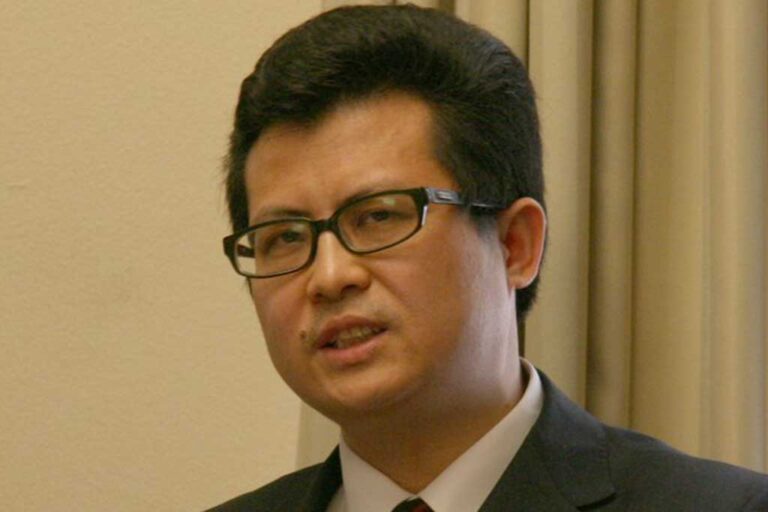
Reporters Without Borders (RSF) calls for the immediate release of political commentator Guo Feixiong. Detained in a Chinese prison since December 2021, he has been on a hunger strike for several months to protest against his detention conditions.
Chinese political commentator and human rights lawyer Yang Maodong – better known under the pen name Guo Feixiong – has spent almost three years in detention for publishing articles critical to the Chinese regime. He is now at serious risk of dying in prison, as he has been on a hunger strike for several months to protest against his detention conditions. Guo was secretly taken into custody on 5 December 2021 and he was officially arrested a month later. On 11 May 2023, he was sentenced to eight years in prison by a court in Guangzhou (southern China), on the charge of “incitement to subvert state power”.
“Guo made the difficult decision to go on hunger strike to protest the appalling conditions in the prison, and we fear that he may die in detention if he does not receive extensive medical treatment. We urge the international community to build up pressure on the Chinese regime to ensure that he is released before it is too late.”
Cédric Alviani RSF Asia-Pacific Bureau Director
Guo’s weight has almost dropped by half since he was sentenced and he even asked his family to make arrangements for his funeral in a letter from prison after his request to be transferred to another detention facility was refused. On 18 October, Mary Lawlor, UN Special Rapporteur on the situation of human rights defenders, also raised the alarm, declaring that Guo was in “critical state of health”.
Guo has previously been imprisoned from 2006 to 2011 for alleged “illegal business activity”, following the publication of his book titled Shenyang Political Earthquake in which he investigated government corruption, and from 2013 to 2019 for “gathering crowds to disturb social order”, after he gave a speech in support of press freedom at a local newspaper’s anti-censorship protest. During his detentions he was reportedly subjected to torture.
China’s appalling detention conditions give press freedom defenders serious reasons to fear for their lives. Since Chinese leader Xi Jinping took power in 2012, he has been conducting a large-scale crusade against journalism, as revealed in RSF’s report The Great Leap Backwards of Journalism in China published in December 2021, which details Beijing’s efforts to control information and media within and outside its borders.
China ranks 179th out of 180 in the 2023 RSF World Press Freedom Index and is the world’s largest captor of journalists and press freedom defenders with at least 123 detained. — REPORTERS SANS FRONTIÈRES / REPORTERS WITHOUT BORDERS (RSF)
In a bid to rejuvenate its domestic economy, the Sri Lankan government has unveiled a multifaceted growth strategy that emphasizes two pivotal elements: expanding supply capacity and broadening market access. This comprehensive approach is geared towards driving economic recovery and growth in the nation.
Key aspects of this economic strategy include strengthening ties with traditional export destinations, such as the USA and the EU/UK, and deepening integration with regions in South Asia, South East Asia, and East Asia. Bilateral trade agreements play a crucial role in this strategy, with existing agreements in place with South Asian partners like India and Pakistan. Furthermore, Sri Lanka benefits from regional trade pacts, such as the South Asian Free Trade Area (SAFTA) and the SAARC Preferential Trading Arrangement (SAPTA).
Sri Lanka is actively involved in Preferential Trade Agreement (PTA) negotiations with Bangladesh, focusing on trade in goods. These negotiations, initiated in June 2021, are progressing through multiple rounds of discussions and aim to boost bilateral trade.
The country is also set to enter the 12th round of negotiations for the Economic and Technology Cooperation Agreement (ETCA) with India, a comprehensive agreement with a broader scope than the current India Sri Lanka Free Trade Agreement (ISLFTA).
Sri Lanka is expanding its engagement with ASEAN countries through Free Trade Agreements. The Sri Lanka Singapore Free Trade Agreement (SLSFTA) with Singapore is already in effect, and negotiations with other ASEAN nations like Thailand and Indonesia are underway.
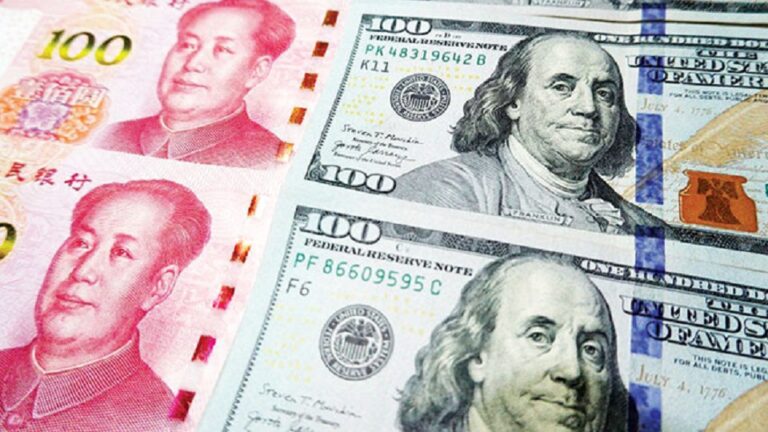
In addition, discussions with China to establish a Free Trade Agreement have seen six rounds of negotiations, with the goal of gaining market access for Sri Lankan products in China.
Sri Lanka is also progressing towards joining the Regional Comprehensive Economic Partnership (RCEP) Agreement, the world’s largest Free Trade Agreement, highlighting its commitment to global economic integration.
These trade agreement negotiations are overseen by the National Trade Negotiation Committee (NTNC), appointed by the Cabinet. The NTNC, led by the Chief Negotiator of the Office of International Trade, comprises senior-level officers from various government departments and institutions, supported by subcommittees representing relevant ministries and departments.
These comprehensive trade initiatives are aligned with Sri Lanka’s vision of becoming a developed economy by 2048, in line with the government’s overarching goals for economic growth and prosperity.
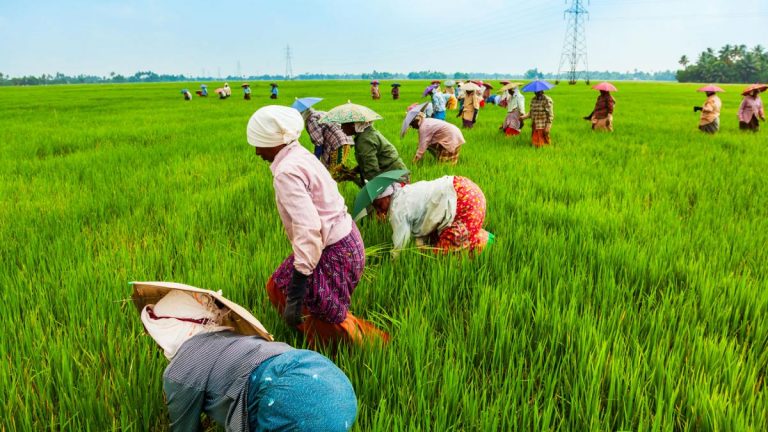
Agriculture and Plantation Industries Minister Mahinda Amaraweera faces criticism over a smart project initiated by the Agriculture Ministry that allocated Rs. 38 million to restore a tank, specifically for water supply to a relatively small 1.5-acre paddy field in the Kurunegala district. The district’s farmers’ organizations have raised concerns about this expenditure, highlighting the dilapidated state of larger tanks that provide water for hundreds of acres of paddy fields in the same region.
Farmers’ representatives have pointed out that no consultations were conducted with relevant officials from the Agriculture Ministry, Regional Development Committees, or local farmers’ organizations regarding the restoration of the tank. Moreover, influential political figures in the area, who are attuned to the needs of the farming community, have echoed these concerns to Minister Amaraweera. They argue that renovating the tank without addressing the broader water supply issues in the region is impractical and a misuse of funds.
In response to the outcry, Minister Amaraweera has instructed project officials to ensure that initiatives funded by foreign sources must benefit the local population and not merely be extravagant endeavors. He emphasized the need for a more consultative approach, involving the input of local farmers, officials, and experts in the field, in order to make informed decisions on future development projects. The Minister also stressed the importance of fiscal responsibility, given that public funds are being utilized, and the obligation to repay funds received from foreign countries.
During the inauguration of a new fish store of the Ceylon Fisheries Corporation in Dunagaha, Divulapitiya, State Minister of Fisheries Piyal Nishantha de Silva revealed that the truth about fish imports to Sri Lanka would not only implicate middlemen but also some officials within the Fisheries Corporation. This move is part of an effort to enhance customer service and establish modern fish stores across the country.
State Minister de Silva emphasized that certain individuals within the Fisheries Corporation had been involved in financial fraud related to fish imports for a considerable period. The irregularities specifically pertain to the importation of thalapath, temporarily undertaken by the Fisheries Corporation, with the support of intermediaries.
The State Minister stressed the importance of safeguarding the Fisheries Corporation, fishermen, and consumers from such misconduct. The newly opened modern fish store in Dunagaha will provide customers with access to a range of fish, including mackerel, in addition to high-quality dried fish and Maldive fish, thus improving service quality and transparency in the industry.
In a recent conference held at the Narahenpita National Blood Transfusion Centre, Health Minister Dr. Ramesh Pathirana announced the allocation of Rs. 5.6 billion from the Treasury to settle essential payments for the supply of medicines. During the event aimed at addressing issues within hospitals and health institutions under the Health Ministry’s jurisdiction, the Minister also pledged to secure additional provisions for medicine supply over the next two months through a Cabinet memorandum.
Minister Pathirana emphasized his commitment to collaborating with the Treasury to clear outstanding bills owed by government hospitals and advancing the quality of healthcare services. He urged the support of all officials to successfully implement these initiatives.
The conference centered on critical matters such as the shortage of medical staff, drugs, and funding amidst the economic crisis, the introduction of the ‘Swasta’ data system, strategies to combat dengue outbreaks, and plans for improving maternal and child nutrition, primary health services, and medical staff training for foreign assignments.
The participants, including Provincial Health Service Directors, Hospital Directors, District Health Service Directors, and Health Ministry officials, resolved to devise short-term and long-term solutions to these issues. They also agreed to monitor progress in future conferences, ensuring the effective implementation of the proposed solutions.
An unidentified body was found in the Bolgoda River in Moratuwa. The individual is reported to be approximately 5 feet in height.
After conducting a preliminary investigation, the body has been transported to Kalubowila Hospital by the authorities. The police have initiated an investigation into this matter, and further details are expected to emerge as the inquiry progresses.
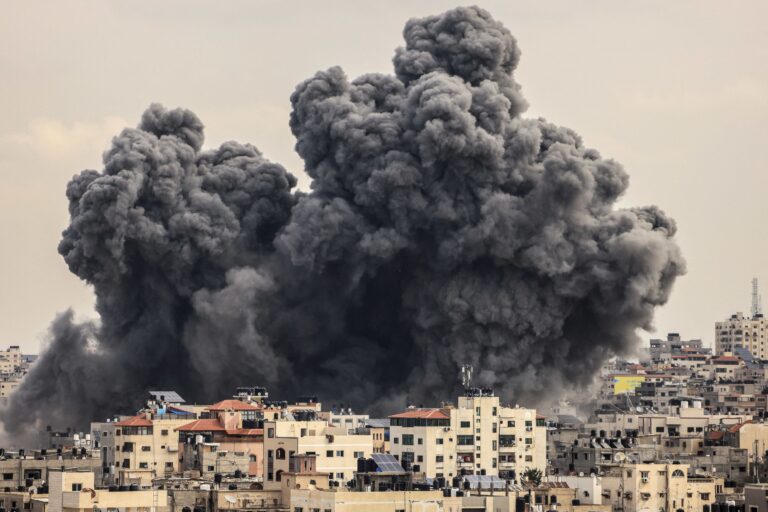
The Foreign Ministry of Sri Lanka has issued a travel advisory, urging Sri Lankan citizens to exercise extreme caution and refrain from traveling to areas affected by the ongoing conflict in the Middle East. In the wake of the current situation, the Ministry has recommended that Sri Lankans maintain constant communication with the Sri Lankan Missions in Tel Aviv (Israel) and Ramallah (Palestine) in case of any emergencies.
To provide immediate assistance and support, the Foreign Ministry has established two emergency hotline mobile numbers, which are administered by the Consular Affairs Division in Colombo. Sri Lankan nationals seeking assistance or guidance related to the Middle East conflict can reach out via these emergency hotline numbers: 0094711 757 536 or 0094711 466 585.
During regular office hours, the Consular Affairs Division of the Ministry of Foreign Affairs can also be reached via the following landline telephone number: +94 112 338 837, and inquiries can be sent through email to [email protected]. This advisory and the emergency contact information aim to ensure the safety and well-being of Sri Lankans affected by the conflict in the Middle East.
Colombo (LNW): The police arrested a 54-year-old individual for operating a financial institution without the approval of the Central Bank of Sri Lanka and defrauding a staggering sum of Rs. 9.9 billion.
The suspect, who served as both the Director and shareholder of the firm, was taken into custody by the Financial and Commercial Crimes investigation on Thursday in Kandy.
Police said he is accused of misuse and money laundering. The Police Financial and Commercial Crime Investigation Unit is conducting further investigations.
Despite multiple warnings and awareness initiatives of the Central Bank on such fraudulent companies, public continue to invest in them for higher return on investments.
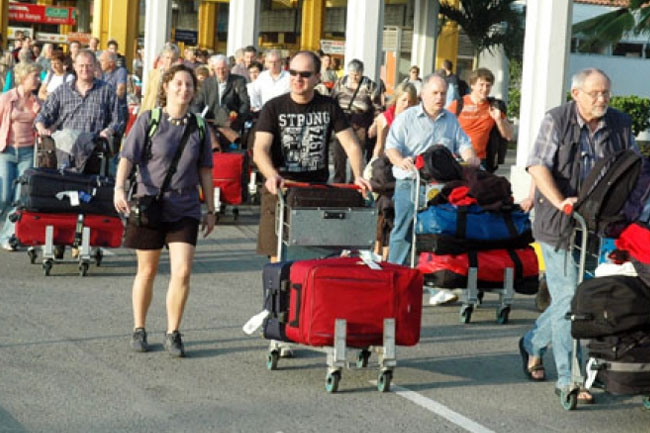
Colombo (LNW): In a significant leap towards recovery, Sri Lanka celebrated the arrival of over 1.1 million tourists, rekindling hopes of achieving the ambitious target of 1.55 million arrivals by the end of the year.
This remarkable milestone marks the highest number of visitors to the country since 2019, when Sri Lanka welcomed 1.9 million arrivals.
In first 25 days of October, Sri Lanka welcomed 87,926 tourists, propelling the cumulative arrivals over the 1.1 million mark.
Despite this commendable progress, industry experts are cautiously optimistic about reaching the ambitious monthly target of 147,789 arrivals, with just six days to go.
India, Russia, UK, Germany and China continue to lead the charts as the top five source markets for Sri Lanka in October so far.
The industry anticipates a bustling winter season, buoyed by the commencement of new charter flights operating into Colombo.
The Central Bank reveals that tourism earnings in the third quarter of 2023 were over $ 1.45 billion, reflecting a staggering 67% surge from the corresponding period of last year. September earnings stood at $ 152.2 million but witnessed a 28% dip from August. This dip is attributed to September falling short of its monthly arrivals target
Sri Lanka’s rich natural resources serve as a catalyst for both tourism and operational excellence in businesses.
With diverse wildlife reserves, stunning coastlines, and picturesque landscapes, the country attracts tourists from the UK, India, and Europe, creating opportunities for eco-tourism services and demand for accommodation, food, beverages, and unique offerings.
Additionally, Sri Lanka’s natural resources offer opportunities for investing in clean and cost-efficient renewable energy, such as solar power. Embracing renewable energy sources has already improved Coca-Cola’s operations, contributing to the local economy and global environmental preservation efforts.
Following the end of the ethnic conflict, Sri Lanka has experienced a significant infrastructure boom that has attracted investors worldwide.
Upgraded seaports, international airports, and better roads and highways have facilitated economic growth and made it more convenient for tourists and businesses to travel within the island. This improved infrastructure has made Sri Lanka an appealing destination for global brands looking to expand their operations in South Asia, with enhanced transportation networks making it easier to import and export goods.