Home Blog Page 1482

Who is Hamish Harding? British adventurer missing on Titanic sub

0

British adventurer Hamish Harding is among those missing on a submersible that was diving to the wreck of Titanic, his family have said.

Mr Harding, 58, chairman of aircraft firm Action Aviation, is a renowned explorer who has flown to space and holds three Guinness World Records.

His stepson Brian Szasz said in a now-deleted post on Facebook: He “has gone missing on (the) submarine.”

Submersible operator OceanGate said its “entire focus” is on the crew’s return.

It added that it was “exploring and mobilizing all options to bring the crew back safely”.

Over the weekend, Mr Harding said on social media that a ship had set off from the city of St John’s, in Newfoundland, Canada, for the destination of the Titanic wreck.

From there, he and the crew were planning to start diving operations in the submersible down to the wreck at around 04:00 local time (08:00 GMT) on Sunday morning.

He wrote on Facebook that he was “proud to finally announce” that he would be aboard the mission to the wreck of the Titanic.

Due to the “worst winter in Newfoundland in 40 years,” he said “this mission is likely to be the first and only manned mission to the Titanic in 2023”.

He continued: “A weather window has just opened up and we are going to attempt a dive tomorrow.”

Action Aviation said on Sunday that the sub had had a successful launch and Mr Harding was “currently diving“.

Boston’s coastguard said an operation to find five people on the submersible was under way, after contact was lost on Sunday morning – about one hour and 45 minutes into its dive.

A highly-sophisticated P-8 Poseidon aircraft with underwater detection capabilities has been deployed, said Rear Adm John W Mauger from the US Coast Guard.

He added that teams were conducting their searches 900 miles (1450km) east of Cape Cod, and that the Canadian armed forces and commercial vessels were in the area.

“It is a remote area and a challenge (…) but we are deploying all available assets to make sure we can locate the craft and rescue the people onboard,” he told a press conference.

He said planes had been dropping sonar buoys to listen for underwater noise and scan the ocean in case the submersible had surfaced.

A spokesperson from the UK’s Foreign Office said it was “in contact with the family of a British man following reports of a missing submarine off the coast of North America.”

The eight-day trip to the wreck of the Titanic – run by OceanGate Expeditions – costs $250,000 (£195,600) per person and starts in St John’s.

Participants travel some 370 miles (595km) on a larger ship to the area above the wreck site, then do an eight-hour dive to the Titanic on a truck-sized submersible known as Titan.

The Titan is designed to carry five people and has “life support” for 96 hours for the crew, according to the firm’s website.

For Mr Harding, a private jet dealer, the trip to Titanic’s wreckage was the latest in a string of adventures that has seen him visit the South Pole multiple times, fly into space in 2022 on board Blue Origin’s fifth human-crewed flight, and set three world records – including the longest time spent at full ocean depth during a dive to the deepest part of the Mariana Trench.

The Titanic sits 3,800m (12,500ft) beneath the surface at the bottom of the Atlantic. It is about 600km (370 miles) off the coast of Newfoundland.

The passenger liner, which was the largest ship of its time, hit an iceberg on its maiden voyage from Southampton to New York in 1912. Of the 2,200 passengers and crew onboard, more than 1,500 died.

Map shows the location of the Titanic wreck

BBC

Seeking the support of Parliament staff to overcome challenging times: Parliament Secretary General

0

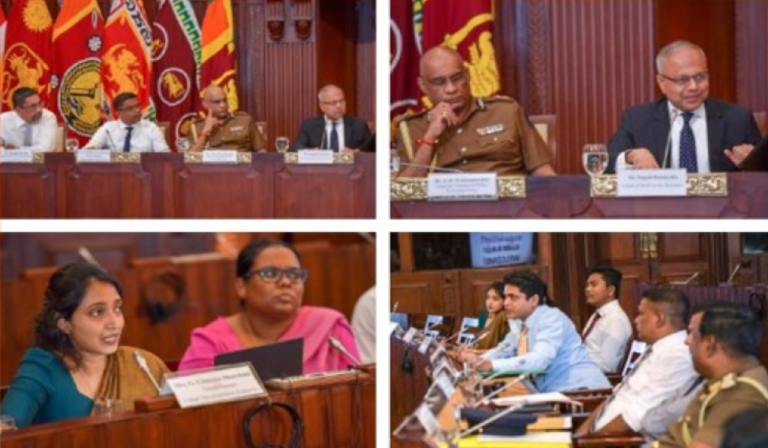
Secretary General of Parliament, Mrs. Kushani Rohanadeera, said recently that she expects the maximum support from all the staff to carry out the duties of Parliament, with maximum efficiency in the midst of various challenges.

She stated this recently (Jun. 13) while addressing the parliamentary staff for the first time after assuming office.

She pointed out the need to provide maximum service by managing the situations that arise, especially since a large number of experienced staff members are going to retire in the next few years.

Also, the Secretary General emphasized that there is no truth in the news that Administrative Service officers are being recruited for the parliamentary staff.


Sri Lanka chamber outlines alternative financing mechanisms

0

ECONOMYNEXT – Sri Lanka’s Ceylon Chambers of Commerce has suggested alternative finance options for the island nation that as it emerges from a currency crisis and default.

The report by the Ceylon Chamber’s Economic Intelligence Unit (EIU) is reproduced below:

Alternative Financing Options

The Government of Sri Lanka has currently embarked on capacity development programmes for the adoption of alternative financing mechanisms such as green bonds. The Securities and Exchange Commission (SEC) too has developed a policy and regulatory framework governing green bonds and in April 2023, the SEC approved rules for issuing green bonds for listed companies and statutory entities.

This was subsequent to the publication of the green finance taxonomy by the Central Bank of Sri Lanka (CBSL), which provided clarity on economic activities that are environmentally sustainable. Therefore, the landscape for adopting alternative financing mechanisms is being created, enabling a favorable environment for the use of alternative financing mechanisms in the future.

An array of solutions can be considered for Sri Lanka, some of which are more appropriate than others in the country context and government priorities. Debt-for-climate or debt-for-sustainability swaps have proven to be a successful debt alleviation tool globally while promoting investment in green and sustainable projects. Carbon credits too can be a feasible and innovative way to address debt overhang and climate change simultaneously but requires more research on the impacts and scalability.

Concessional and blended finance models too can provide favourable results while linking these to development objectives of Sri Lanka. In the long term, thematic bonds are also a tool that can be used to mobilise domestic and foreign capital. However, prior to a thematic bond issuance, access to the international finance markets should be established. This is expected to be facilitated by the completion of the IMF programme.

Debt-for-Climate or Debt-for-Sustainability Swaps

This is a financial instrument where the country would swap a promise (repayments on debt) with another promise (such as funding SDGs). Recently, in the aftermath of Sri Lanka’s default, a global financial firm too expressed interest in restructuring USD 1 billion of debt for environmental purposes.

Under a bilateral debt swap a debtor country and a creditor involve the cancellation or reduction of a portion of the debt in exchange for the debtor’s commitment to invest in sustainability projects. For example, Sri Lanka could look to negotiate with China (one of its largest bilateral creditors), to swap some of its debt for investments in protecting its forests, wetlands and coral reefs, which are rich in biodiversity and provide valuable ecosystem services. This would reduce Sri Lanka’s debt burden and free up fiscal space for other development priorities, while also enhancing its resilience. (Refer the full report for more details and tripartite agreements).

Other Country Experience
In 2021, Belize swapped USD 553 million (total external commercial debt) through a blue bond arranged by The Nature Conservancy (TNC) to the Belize government to finance a bond-for-cash exchange at 55 cents per dollar. This was in exchange for a 20-year commitment to expand and strengthen its marine protected area. The US Development Finance Corporation (DFC) provided political risk insurance for the blue bond.
In 2022, Barbados swapped USD 150 million of sovereign debt with guarantees from the Inter-American Development Bank (IDB) and TNC to protect 30 per cent of the waters surrounding the island following a similar model of Belize.
In 2023, Ecuador swapped USD 1.6 billion of the country’s debt for conservation in the Galápagos Islands. To date, this is the largest debt-for-nature swap completed in the world. It consisted of an USD 85 million IDB guarantee and an USD 656 million DFC political-risk insurance.

Carbon Credits

Carbon credits are certificates that represent a reduction or avoidance of greenhouse gas emissions. It allows countries or entities that reduce their emissions below a certain level to sell their surplus emission reductions (or carbon credits) to countries or entities that need to comply with their emission targets or voluntarily offset their emissions. This can lower the cost of compliance for buyers and generate additional income for sellers.

The Paris Agreement has introduced a new mechanism for international cooperation on climate action, known as Article 6. This mechanism allows countries to cooperate in achieving their Nationally Determined Contributions (NDCs) through various approaches, such as bilateral or multilateral agreements, or carbon pricing instruments.

Sri Lanka can also benefit from Article 6 by engaging in arrangements with other countries or entities that are interested in purchasing its emission reductions. For example, Sri Lanka can enter into bilateral agreements with countries that have higher emission targets than Sri Lanka, such as Norway, and sell its emission reductions from sectors that are not covered by NDCs, such as agriculture or tourism, or from forestry sequestration.

In current carbon markets, the price of one carbon credit can vary from USD 15 to 20 per metric ton of CO2 emissions (mtCO2e) for afforestation or reforestation projects (Refer the full report for more details).

However, there is a need for further analysis on the feasibility, viability and sustainability of carbon credits, as well as for more stakeholder engagement and participation in the design and implementation of carbon credit projects. If done properly, using carbon credits could be a game-changer for climate finance and a catalyst for a green recovery from the crisis.

Blended Financing

This is a financing mode that combines concessional public finance with non-concessional private finance and, expertise from both the public and private sectors is gathered for this process. For example, Sri Lanka could partner with multilateral development banks, or bilateral donors to co-finance projects that have high development impact but low commercial viability or high risks. The concessional funds could be used to provide guarantees, subsidies, grants or technical assistance to reduce the risks or costs for private investors. This would mobilise more resources for Sri Lanka’s development and catalyse private sector participation.

The Renewable Energy (RE) resource potential in Sri Lanka is substantial and estimated at 133 GW. This potential can be supported by blended financing mechanisms, which can help diversify the electricity generation mix in Sri Lanka by adding more RE such as solar and wind to the national grid. Thereby, minimising the vulnerability to vagaries in rainfall in electricity generation, the continuous strain on the import bill and global fossil fuel prices. The government is working on addressing the debt overhang in the RE sector. Fast tracking this, can allow more financing tools to be leveraged by the sector.

Thematic Bonds

Thematic bonds are debt instruments that are issued by a borrower (usually a government or a corporation) to raise funds for specific projects or activities that have a positive environmental or social impact. For example, Sri Lanka could issue green bonds to finance projects that support renewable energy, green transport, waste management, etc. Alternatively, it could issue social bonds to finance projects that support health care, education, social housing or gender equality. These bonds could attract investors who are looking for both financial returns and social or environmental benefits, such as impact investors, ethical funds or socially responsible individuals. This would diversify Sri Lanka’s investor base and lower its borrowing costs.

Other Country Experience
In 2017, Seychelles issued the world’s first sovereign blue bond, which raised USD 15 million to support marine sustainability. This was partially guaranteed by the World Bank and the Global Environment Facility, and offered a lower interest rate than conventional bonds. The proceeds of the bond were used to repay part of Seychelles’ debt to its Paris Club creditors, who agreed to cancel 20 per cent of the debt in exchange for the country’s commitment to protect 30 per cent of its marine areas.
Another example is Nigeria, which issued Africa’s first sovereign green bond in 2017, raising USD 26 million to fund renewable energy and afforestation projects. The green bond was certified by Climate Bonds Initiative, an international organisation that sets standards for green bonds, and was oversubscribed by local investors.

These examples show how thematic bonds can be a useful tool for countries to address their debt overhang while also pursuing their environmental or social goals. However, issuing thematic bonds also requires a high level of transparency and accountability from the issuers, as they need to demonstrate that the funds are used for the intended purposes and that they generate measurable impacts. To ensure this, issuers can follow internationally recognised frameworks and principles for thematic bonds.
Thematic bonds are not a panacea for solving the debt overhang problem, but they can be a valuable complement to other debt relief measures, such as debt restructuring, debt swaps, or debt cancellation.

By issuing thematic bonds, countries can not only reduce their debt burden, but also mobilise additional resources for sustainable development and signal their commitment to addressing global challenges.

Conclusion

By adopting these alternative financing mechanisms, Sri Lanka can not only address the debt overhang but also achieve its economic development goals while also building resilience to avert any future crises.

However, while adopting alternative financing mechanisms have risen in popularity, they lead to some limitations and challenges that need to be carefully considered and managed. The implementation of these mechanisms requires strong institutional and legal frameworks, governance systems, monitoring and evaluation mechanisms, and technical expertise to ensure transparency, accountability, effectiveness and efficiency. In Sri Lanka, some of these have already begun and are ongoing. It should also not create new forms of debt dependency or conditionality that could undermine its fiscal sustainability or development autonomy.

In conclusion, alternative financing mechanisms can offer tremendous opportunities for Sri Lanka to overcome its economic and debt crisis while also pursuing its environmental and social objectives. However, these mechanisms are not silver bullets that can solve all of Sri Lanka’s problems. They need to be carefully designed, implemented and monitored to ensure that they deliver the intended benefits.

Bakery owners slash prices of bakery products

0

By: Isuru Parakrama

Colombo (LNW): The Bakery Owners’ Association has decided to slash the price of a 450g loaf of bread and other bakery products by Rs. 10 each.

Accordingly, the price slash will come into effect at midnight today (20).

Trade Minister Nalin Fernando on a previous occasion had asserted that the prices of bakery products will be slashed consequent to the announcing of wheat flour as an ‘essential commodity’.

A kilo a wheat flour, which was sold for Rs. 430, is now sold at Rs. 160 – 170, and the prices of bakery products can also be slashed on the assurance that wheat flour prices will not soar again, he added.

President calls on Commonwealth Secretary-General Patricia Scotland

0

By: Isuru Parakrama

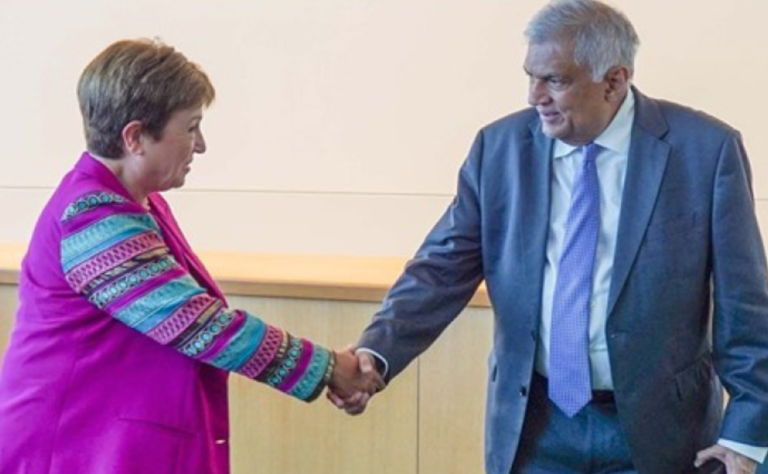
Colombo (LNW): President Ranil Wickremesinghe today (20) called on Patricia Scotland, Commonwealth Secretary General, during his official visit to the United Kingdom.

The two met at the Marlborough House – the headquarters of the Commonwealth of Nations and the seat of the Commonwealth Secretariat – in Westminster, London.

Their discussion focused on the digitisation of programmes, measures to broaden the Commonwealth’s partnerships, and the Commonwealth’s role in climate response.

Sri Lanka banks call for insolvency regime, discussions as bad loans rise

0

ECONOMYNEXT – Sri Lanka’s commercial banks have called an effective insolvency regime and discussions through the central bank before changing any existing debt recovery laws, as bad loans in the banking system go up.

Sri Lanka Banks’ Association (SLBA) representing all commercial banks said it is urging “policymakers to engage with commercial banks via the Central Bank of Sri Lanka (CBSL) to ensure a comprehensive and well-coordinated approach to alleviating the stress felt by the industrialists in loan default.”

Some troubled businesses with defaulted loans are lobbying to change debt recovery laws, called ‘parate execution’ where collateral is sold.

Recovery efforts (parate executions) have gone up in the first quarter of 2023 after over two trillion rupees worth moratoriums and loans restructures have taken place over the past few years, the SLBA said.

The banks sounded a warning on current bank capital and liquidity numbers.

“Complacency that capital and liquidity measures currently exceed regulatory minimum criteria is a false comfort,” the SLBA said.

“This has raised the level of non-performing debts and has subdued capital formation and ability to provide credit to the economy.”

Sri Lanka’s bad loans is going up due to currency crisis triggered by liquidity injected to mis-target rates on top of a Coronavirus crisis.

Some countries which were hit by currency crises after mis-targeted rates have set up asset management companies to resolve bad debt.

The full statement is reproduced below:

SLBA calls for government engagement to facilitate debt recovery process

The Sri Lanka Banks Association (SLBA) has urged policymakers to engage with commercial banks via the Central Bank of Sri Lanka (CBSL) to ensure a comprehensive and well-coordinated approach to alleviating the stress felt by the industrialists in loan default, following the COVID-19 pandemic and the economic crisis.

The Association, which represents all Licensed Banks in Sri Lanka, said in a statement that the unusually high number of debt recovery (parate execution) actions within the first four months of 2023 is due to an accumulation of legal actions that were suspended as per the general moratorium granted by CBSL since COVID in 1Q 2020 (3 years) and to the tourism industry since the April 2019 attacks, where banks had to desist from debt recovery action/‘parate execution.’

In this context, the SLBA said a worthy initiative for parliamentary attention would be to improve management of troubled debt / borrowers (SMEs in particular) to develop an effective insolvency regime, to save distressed firms, when possible, through robust restructuring frameworks or alternatively, to facilitate the exit of non-viable firms as efficiently as possible in order to reallocate productive assets.

“Of approximately Rs 10.8 trillion in gross loans extended by the banking sector as at March 31, 2023, relief by way of moratoriums, restructurings and other forms of payment relief offered over the last three years amounts to well over Rs 2 trillion,” the Association noted. “As per estimates, this has benefitted well over one million customers across both the retail and corporate segments in one form or another. This also includes approximately Rs 1.3 trillion in facilities with deemed elevated levels of risk, and we have not hit the bottom yet.”

“SLBA’s main aim is to help develop and maintain stability of the banking system within the Central Bank (CBSL) regulatory framework. Protecting the safety of customer deposits and investor/shareholder capital, is crucial to achieving this goal,” the statement said.

“Certain businesses and individuals who have borrowed from banks are unable to repay their debts. Debt repayment default has many origins, including disruption of the economy due to internal and external causes such as the global COVId-19 pandemic.”

“A segment of the borrowers in default have engaged lobbyists in the hope of initiating legislative intervention on a preferential basis without evaluation of the macro-economic impacts on the nation,” the SLBA noted, cautioning that “preserving the status quo of the failed borrowers at the expense of depositors who lent them the money is not sustainable. This approach threatens the stability of the banking sector and the entire economy that banks support.”

“It is therefore hoped that the lobbyists who appear to have been engaged by the troubled borrowers / businessmen will encourage a Central Bank led engagement with the commercial banks to ensure that the decision-making process is comprehensive and well-coordinated in alleviating the stress felt by the industrialists in default,” the Association statement said.

The SLBA noted that to ease the impacts of the April 2019 terror attacks, March 2020 Covid-19 pandemic, and the 2021 economic crisis that continues to stress the people who live in Sri Lanka, several debt repayment moratoriums (postponements) have been granted and renewed by banks and funded (mainly) from their own resources.

“This has raised the level of non-performing debts and has subdued capital formation and ability to provide credit to the economy. Complacency that capital and liquidity measures currently exceed regulatory minimum criteria is a false comfort,” the statement cautioned.

“When credit quality continues to deteriorate year on year and deposits continue to provide the main source of funding, the banking sector has no space to manage a suspension or delay of debt recovery.”

The SLBA pointed out that “Parate execution has been available to the state banks under their respective instruments of incorporation.

This option to mitigate loan default losses by facilitating efficient debt recovery and reducing cost of financial intermediation was thereafter extended to all of the Licensed Commercial Banks by the ‘Recovery of Loans by Banks (Special Provisions) Act No 04 of 1990.

Police reveal 20 killed in gun violence this year

0

Colombo (LNW): A total of 20 persons were killed and 13 persons were injured due to gun violence this year, revealed Police.

According to the Police Spokesperson, 34 shooting incidents have been reported during the first six months of 2023, and a total of 60 shooting incidents had been reported in this year.

These events include the involvement of organised criminals and other reasons, he added.

Meanwhile, 559 murders were reported in the previous year, and the Police were able to resolve 493 of them and apprehend the suspects, the Police Spokesperson noted.

This year, a total of 225 murders have been reported, and 34 of them are related to drug smuggling and organised crimes, he added. 223 of the reported incidents have been resolved and suspects and their associates have been arrested, he asserted.

SL to benefit from UK’s Preferential Trading

0

The British High Commission in Colombo yesterday (19) announced that Sri Lanka was among 65 countries that would greatly benefit from one of the most generous preferential trading schemes in the world. The UK’s Developing Countries Trading Scheme (DCTS) that provides tariff reductions and simpler terms of trade got underway on June 19. The scheme was announced last year, and legislation has now been finalised to bring it into force.

A BHC statement quoted British High Commissioner to Sri Lanka Sarah Hulton OBE as having said: “The UK is Sri Lanka’s second largest export market and the DCTS demonstrates the UK’s continued interest in strengthening this trade relationship.

We hope that Sri Lankan exporters will broaden their opportunities with the UK by making use of the wider number of products for which tariffs have been removed.

The DCTS is a tangible example of the UK’s commitment to growing free and fair trade with countries like Sri Lanka, boosting economies, and supporting jobs.”

Speaking at the launch of the scheme, UK Minister for International Trade Nigel Huddleston said:

“This scheme will create opportunities for businesses around the world, supporting livelihoods, creating jobs and diversifying local and international supply chains.”

The BHC statement: “The DCTS allows Sri Lanka to now trade with the UK tariff-free on 92% of goods, leading to increased competitiveness of Sri Lankan products in the UK market. Sri Lanka is well positioned to supply the UK due to increasing demand for sustainable, fair-trade, and healthier products. With more flexible rules of origin it is easier for least developed countries to trade with Sri Lanka without losing tariff-free status, increasing the potential for supply chain development.

To support business take-up of the DCTS, the UK Trade Partnerships programme (UKTP) has expanded and now covers Sri Lanka. UKTP provides technical assistance to almost-ready-to-export small and medium-sized enterprises (SMEs) and is delivered by the International Trade Centre (ITC). The programme will primarily provide trade promotion technical assistance to a selected number of Sri Lankan SMEs, preparing them to participate successfully in international trade fairs. This will improve the visibility of Sri Lankan producers, equip exporters with the necessary tools and knowledge, and facilitate their entry into new markets.

With a limited number of slots available, ITC will conduct a selection process for Sri Lankan SMEs who will receive support via the UK Trade Partnerships programme across identified sectors. This will be announced shortly.

The DCTS replaces the UK GSP and retains powers to suspend a country on the grounds of human rights and labour rights violations, and broadens these powers to include violations in relation to anti-corruption, climate change and environment conventions. It grounds all suspension decisions in the principles and obligations of international conventions.”

Sabry says he continues to bear responsibility for ‘debt default’

0

By: Isuru Parakrama

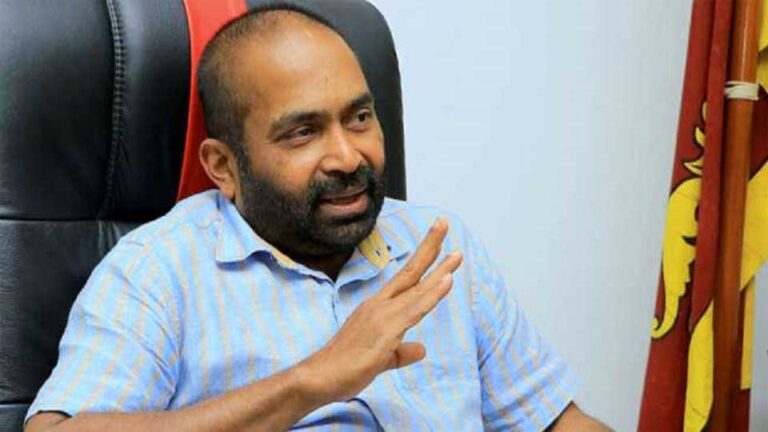
Colombo (LNW): Foreign Minister Mohammad Ali Sabry speaking to a political programme aired on Hiru TV said he continues to bear responsibility as the former Finance Minister for the sovereign ‘debt default’ announced last April.

Q: Do you still bear the responsibility for us announcing then that the debt won’t be repaid?

“Definitely. That was a collective decision we had made. The suggestion had primarily come from the Monetary Board. The Central Bank Governor is the Head of the Monetary Board. Then, the Central Bank Governor and the Treasury Secretary briefed me on the matter. After it was suggested to me – we had a specialist team comprised of Mr. Coomaraswamy, Mr. Shantha Devarajan and Mrs. Shamini Coorey – we understood that this was the best decision that can be taken as we reviewed the options we had and based on information I received.”

Q: Do you believe that decision to be still accurate?

“Definitely. That was what drove the country to make a comeback and gain economic recovery.”

Q: So you’re saying that you still stand by that decision?

“Definitely.”

Sri Lanka Original Narrative Summary: 20/06

0

  1. Political insiders say President Ranil Wickremasinghe has warned the SLPP leadership that he will be compelled to dissolve Parliament if the SLPP MPs do not give their cooperation to implement the Govt’s planned activities.
  2. Police spokesman says the 1,227 kg of cannabis seized from Embilipitiya where 3 suspects were arrested, is possibly the biggest haul of cannabis to be seized at a single instance in Sri Lanka.
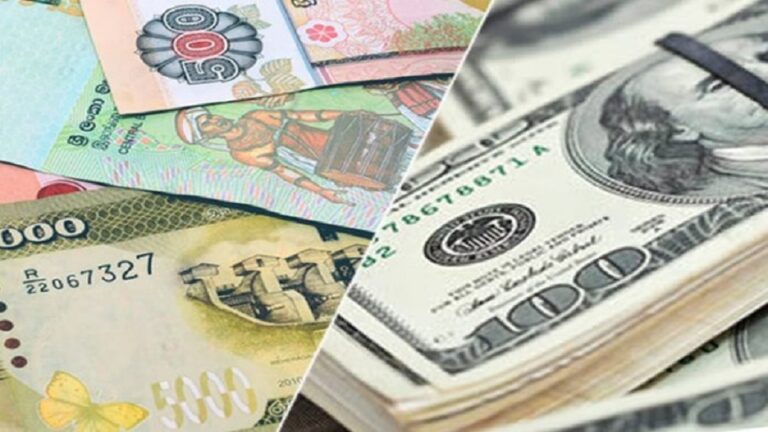
  3. LKR appreciates again against the USD at a few commercial banks in Sri Lanka: CB announces LKR selling rate as Rs.315.13 per USD: analysts say the LKR’s wildly fluctuating behaviour is providing lucrative opportunities to “hot-money” investors who are making huge profits while the Govt is incurring the corresponding loss.
  4. Reuters News says the World Bank is likely to approve USD 700 mn in budgetary & welfare support for SL on June 28: if received, it will be the biggest funding tranche for the crisis-hit nation since the IMF deal in March: analysts point out that no other funds from bi-lateral or commercial creditors seem to be forthcoming.
  5. Energy Minister Kanchana Wijesekara says the ruling SLPP is happy to continue to support President Ranil Wickremesinghe despite differences: explains that jeopordising his administration would mean a return to queues: CB data shows that since 1st April 2022, the country has suffered massive economic contractions of 8.4%, 11.8% and 12.4% in 2Q, 3Q, and 4Q of 2022, and a contraction of 11.5% in 1Q of 2023.
  6. SJB MP Harshana Rajakaruna says calling regular elections couldn’t be the prerogative of the President under any circumstances: also says the SLPP should be ashamed of its response to President Ranil Wickremesinghe putting off the LG polls indefinitely, as it is the still the party with the largest group in Parliament.
  7. Member of the Presidential Advisory Group on Debt Restructuring Dr. Sharmini Coorey says Sri Lanka should renegotiate past tax holidays given to corporates in order to get a much higher tax revenue while VAT exemptions too should also be removed: insists that when it comes to taxes, the rich Sri Lankans are not paying sufficient taxes and too many tax breaks have been given to corporates.
  8. Sri Lanka Banks Association (SLBA) urge policymakers to engage with commercial banks via the Central Bank to ensure a comprehensive and well-coordinated approach to alleviate the stress felt by the industrialists in loan default following the COVID-19 pandemic and the economic crisis.
  9. Cricketing minnows Oman, coached by former Sri Lanka captain Duleep Mendis, pull off a massive upset by beating Ireland in their opening World Cup qualifier in Zimbabwe: it is Oman’s 1st ever victory over a Test nation in an ODI: Ireland – 281/7 wickets (50): Oman 282/5 (49.1).
  10. Sri Lanka beat UAE by 175 runs in its 1st ICC Cricket World Cup 2023 Qualifier: Wanindu Hasaranga takes a career best 6/24 runs: Sri Lanka – 355/6 (50) Kusal Mendis – 78, Sadeera Samarawickrama – 73: UAE – 180 all out (39): Hasaranga – 24/6.