Home Blog Page 1614

President says govt will not heed advice from any other party except Parliament on DDO

0

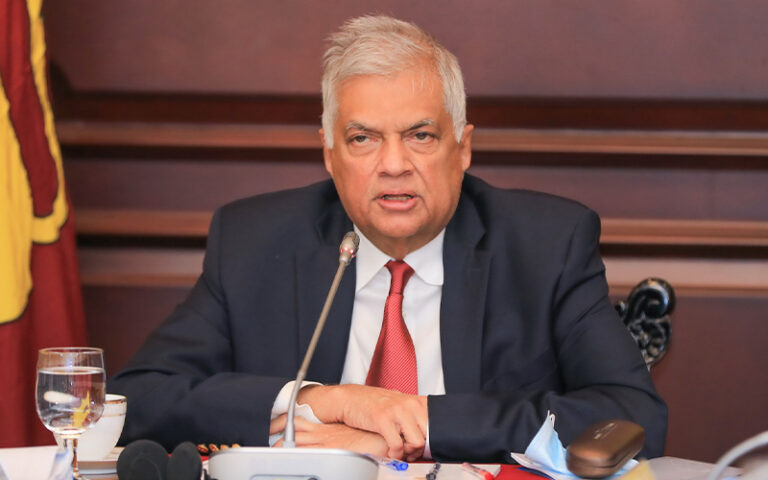
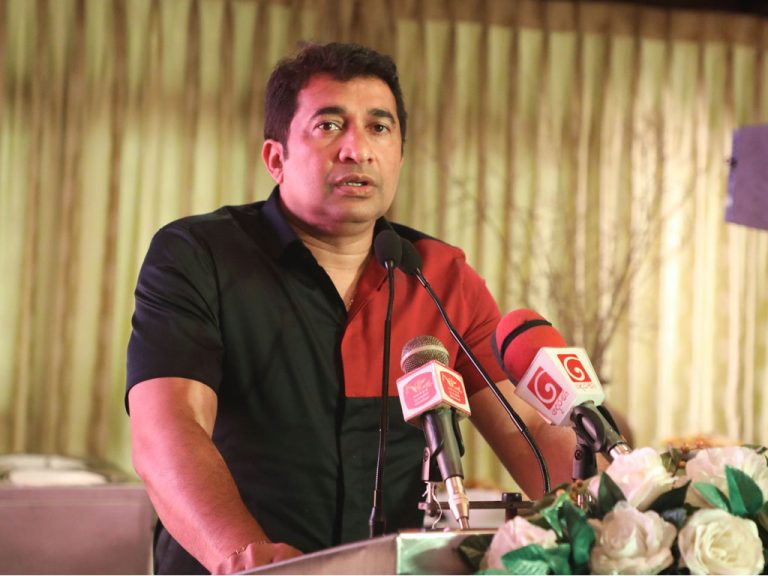
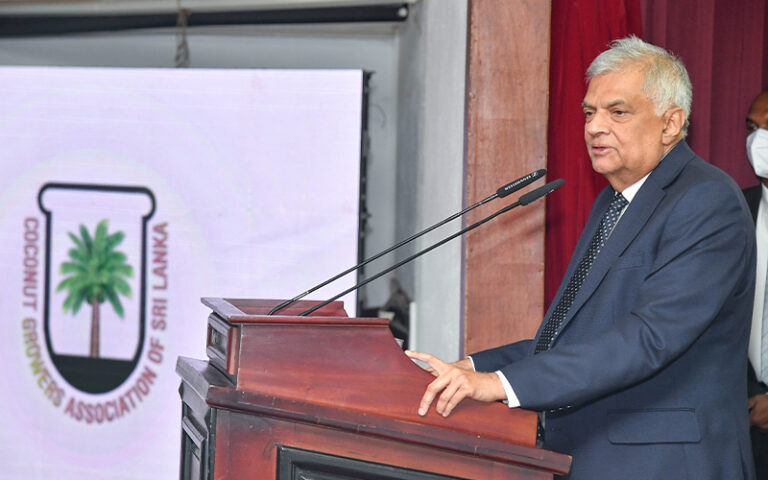
PMD: President Ranil Wickremesinghe stressed the government’s financial accountability to Parliament, making it clear that they will only adhere to the instructions and orders of the Parliament in the debt optimization program. He asserted that he is committed to preventing the country from descending into anarchy by avoiding out-dated political practices, and he remains devoted to developing Sri Lanka.

These statements were made during the 29th annual meeting of the Coconut Growers Association, held today (04) at the Sri Lanka Foundation Institute. At the event, President Ranil Wickremesinghe expressed gratitude for the invitation to attend and acknowledged the historical significance of coconut cultivation for Sri Lankan businesses. He highlighted that until 1970, the Sinhalese people held a significant amount of coconut land, but this changed with the land reform of 1972-73, leading to a decline in the capital of Sinhala businessmen.

He further mentioned that during the presidency of J.R. Jayawardena, efforts were made to develop the coconut industry with assistance from the Asian Development Bank. However, he acknowledged that the coconut industry’s progress over the last 50 years has not been satisfactory, contrasting it with other countries such as Brazil and Vietnam that have rapidly advanced in coconut cultivation.

President Ranil Wickremesinghe emphasized the current situation of coconut farmers in Sri Lanka, with 82% of them owning less than 20 acres of land, while only 18% are engaged in large-scale cultivation. Comparatively, India, which started coconut cultivation with approximately 20 million acres of land in 1950, now has around 45 million acres dedicated to coconuts.

He pointed out the significant difference in coconut yield between Sri Lanka and neighbouring regions like Tamil Nadu, Telangana, and West Bengal. While Sri Lanka’s coconut production stands at 7000 nuts per acre, these regions are achieving much higher yields, such as 11,400 coconuts per acre in Tamil Nadu and 10,000 coconuts per acre in Telangana.

President Ranil Wickremesinghe’s address at the event indicated his concern for the coconut industry’s development in Sri Lanka and his commitment to fostering progress in the sector to match the advancements seen in other countries.

In the Andhra region, coconut cultivation yields approximately 15,000 coconuts per acre, which is twice the output we achieve here.

A proposal has been put forth to merge three coconut-related institutions, and it seems appropriate to combine the Coconut Research Institute with the Agricultural University, thereby streamlining the process.

The government has already initiated an agriculture modernization program with the aim of creating a highly competitive economy through agriculture. To achieve this, we must also focus on advancing the coconut industry. Increasing coconut production and marketing it effectively are crucial. Relying solely on price control will not lead to successful business development. Instead, the key lies in boosting production and enhancing the value of coconuts.

Investments should be encouraged in the coconut industry. Currently, 55% of total coconut production comes from the Coconut Triangle, and the plan to establish a second coconut triangle in dry areas is a promising step forward.

Despite the country’s financial challenges, the current government possesses the capability to address these issues and move forward. Loan optimization activities are underway, and discussions have taken place with leaders from various countries. The goal is not to default on outstanding loans but to gain more time to repay them while finding ways to pay off debts incurred for necessary imports. This necessitates a shift towards a highly competitive export economy.

The loan optimization work is in progress, with proposals presented in the cabinet and discussions held with the International Monetary Fund and major creditor countries. After parliamentary discussions and amendments, the proposal has been submitted for acceptance. The State Finance Committee of the Parliament has actively participated in this process, working diligently regardless of party differences.

The President expresses gratitude to the State Finance Committee for their support and hopes that the opposition would also back the initiative. Regrettably, internal issues between opposition parties have hindered their support, but the President remains thankful for the backing received from everyone. The aim is to complete the loan optimization work by September or October this year.

Despite not receiving support from the opposition initially, many members from opposition parties later backed the continuation of this program without objection. However, some groups sought to disrupt the program, resorting to street protests, which were ultimately unsuccessful in garnering public support. Now, they are attempting to utilize the court for their political agenda, seeking prohibitory orders.

Halting this program could have negative consequences, as foreign countries might be less inclined to engage in business with us. The country is already facing issues such as fuel pollution and farmers losing access to necessary fertilizers.

The control of public finances lies with the Parliament, and this program has already been approved by it. The Parliament, being the custodian of the sovereign power of the people under Article 04 of the Constitution, exercises all the necessary powers. The government operates within the framework set by the laws of the Parliament, and decisions can only be changed or continued with the Parliament’s notification.

The President emphasizes the need for unity in moving the country forward and warns against the destructive influences of old politics. He is committed to the responsibility of developing the country and works in tandem with the Parliament, particularly in the loan optimization program, where their accountability lies.

Minister Ramesh Pathirana highlighted the significant increase in coconut export income in recent times, driven by the growing demand for various coconut products like milk, substrate, and activated carbon. This year, exports related to coconut products are expected to generate 700 million dollars, and the goal is to achieve a 2 billion dollar export income within the next decade. To support this, a second coconut triangle is planned to be established, covering areas in the Northern Province like Jaffna-Point Pedro, Mannar, and Mullaitivu.

Currently, two-thirds of coconut production is utilized locally, leaving only one-third for exports. The plan is to increase opportunities for exports by altering this situation.

The event was attended by the President of the Coconut Growers Association, Jayantha Samarakoon, Secretary Shakila Wijewardanayana, and many others.

Showers, thundershowers to reappear in several areas

0

By: Isuru Parakrama

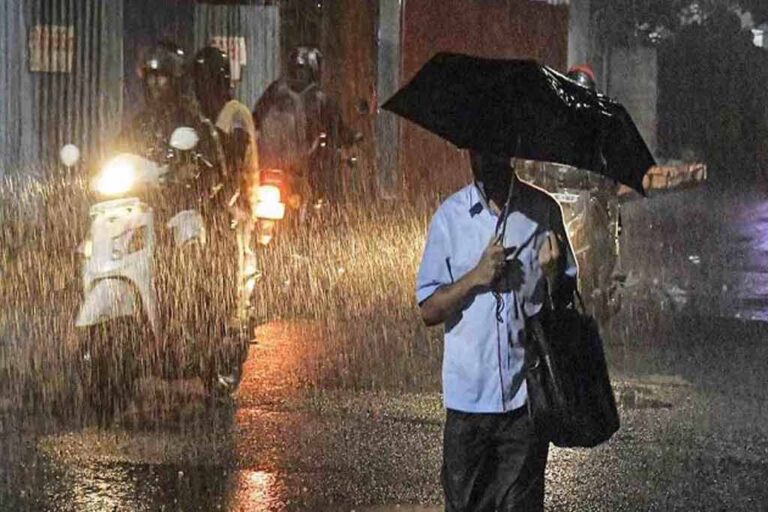
Colombo (LNW): Several spells of light showers will occur in Western and Sabaragamuwa provinces and in Galle and Matara districts, and showers or thundershowers may occur at a few places in Eastern province during the evening or night, the Department of Meteorology said in its daily weather forecast today (05).

Mainly fair weather will prevail elsewhere over the Island, the statement added.

General public is kindly requested to take adequate precautions to minimise damages caused by temporary localised strong winds and lightning during thundershowers.

Marine Weather:

Condition of Rain:
Showers may occur at a few places in the sea areas off the coast extending from Colombo to Matara via Galle.
Winds:
Winds will be south-westerly and speed will be (30-40) kmph. Wind speed may increase up to (50-60)kmph at times in the sea areas off the coast extending from Hambantota to Pottuvil and the sea area off the coast extending from Puttalam to Kankasanthurai. via Mannar. Wind speed may increase up to (45-50)kmph at times in the other sea areas around the island.
State of Sea:
The sea areas off the coast extending from Hambantota to Pottuvil and the sea area off the coast extending from Puttalam to Kankasanthurai via Mannar will be rough at times. The other sea areas around the island may fairly rough at times. Increase of swell wave heights (about 2.0 -2.5m) can be expected in the sea areas off the coast extending from Colombo to Pottuvil via, Galle and Hambantota.

DP Education IT Campus Program: Paving the Way for Sri Lanka’s Youth Amid Economic Crisis

0

In the 75 years since independence, Sri Lanka had to face three terrible and bloody armed struggles. That was the 1971 rebellion, the 88-89 rebellion and the war in the north. Lakhs of precious young lives were lost to the country and billions of US dollars that could have been used for the development of the country were also wasted.

The root cause of these armed struggles was youth unrest. A number of reasons, including unemployment, contributed to the discontent of the youth. As a society, our recent history bears witness to the fact that whenever that youthful discontent has been pushed beyond tolerance, it has erupted.

Higher education opportunities are extremely limited for children who come out of school after 13 years of schooling. The country’s university system, which has many non-job-oriented courses, is churning out thousands of unemployed graduates every year. Due to the current economic crisis, the factories established in the villages are also closing down one by one. Hardly any new factories are opening. Agriculture is also facing many problems. A difficult situation has been created for the young man who grinds the earth with the ugly hoe to fulfill his needs with the money he gets from it. The situation is more serious because those requirements are also becoming more complex day by day.

Facing the severe economic crisis of 2022 as a country, the country is showing a way to recover, but even today it is not clear through which sector we are trying to earn the amount of foreign exchange that our country needs. Young people are trying to leave the country in large numbers. Even that is not easy.

DP Education IT Campus

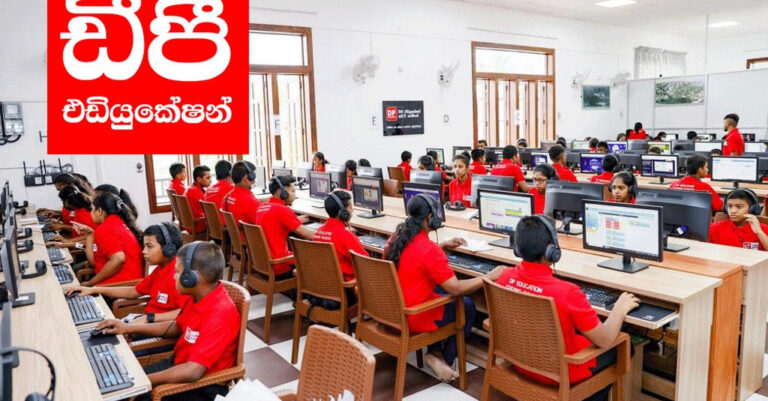
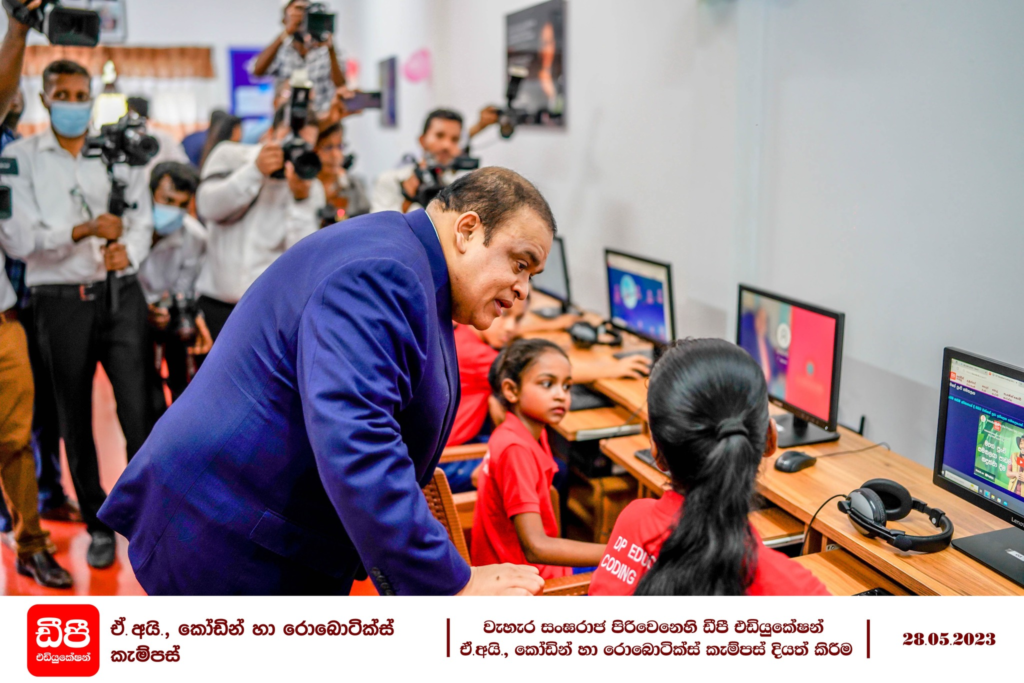
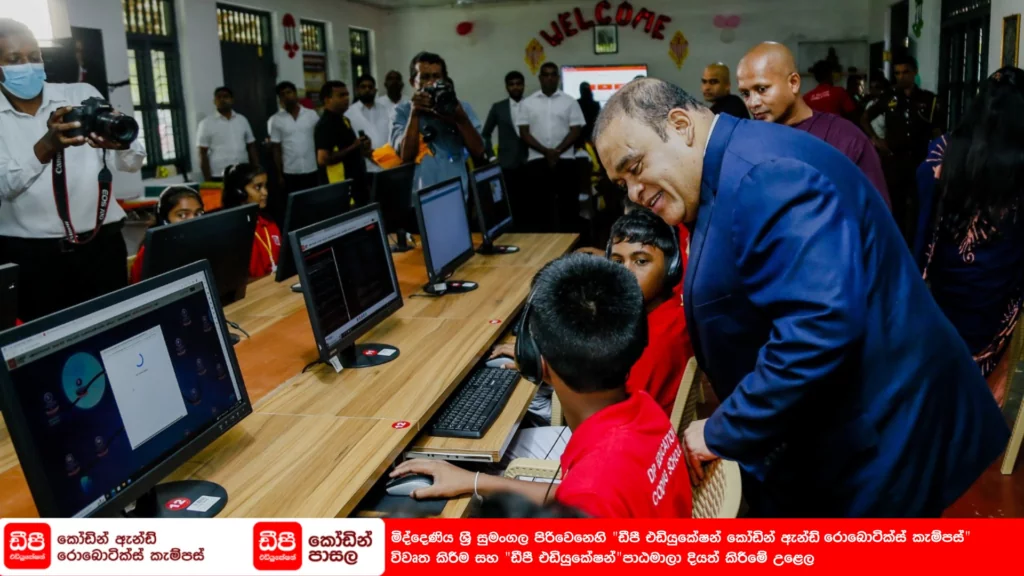
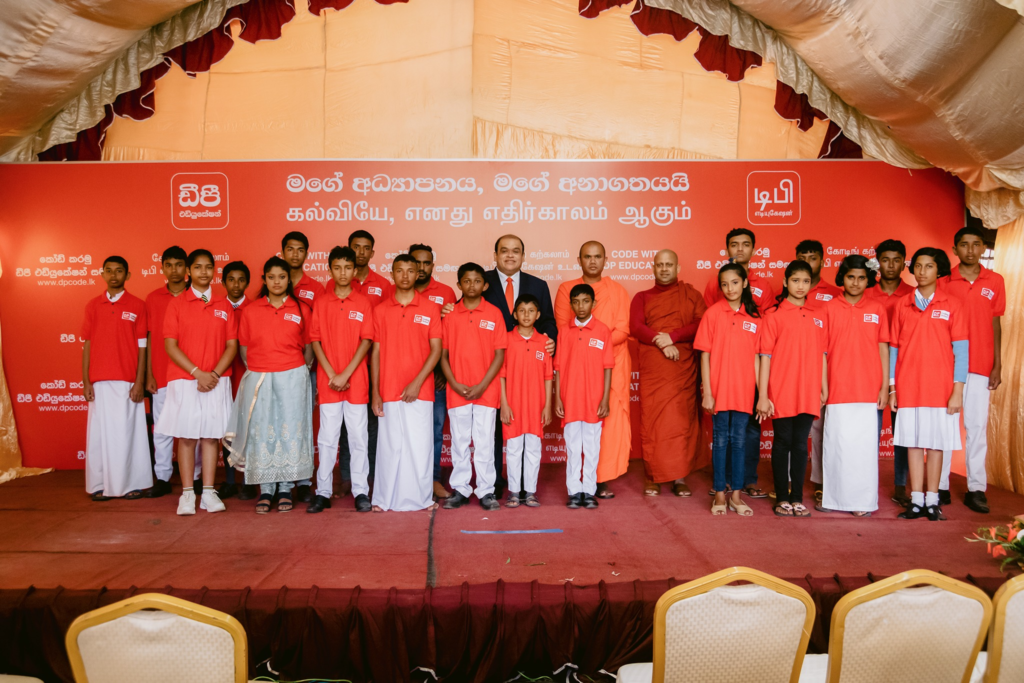
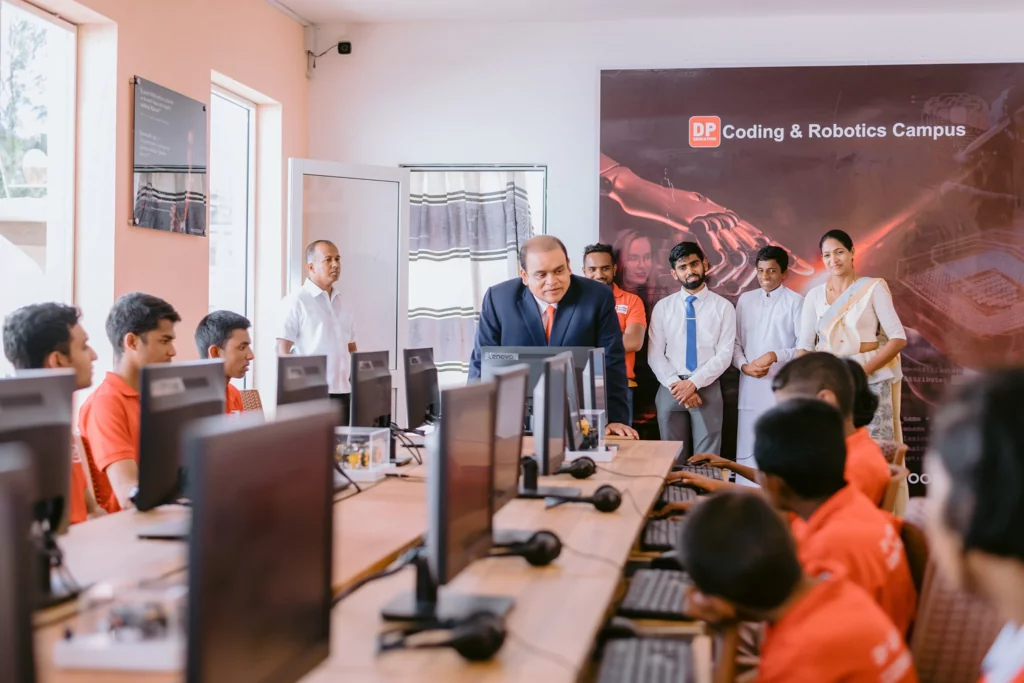
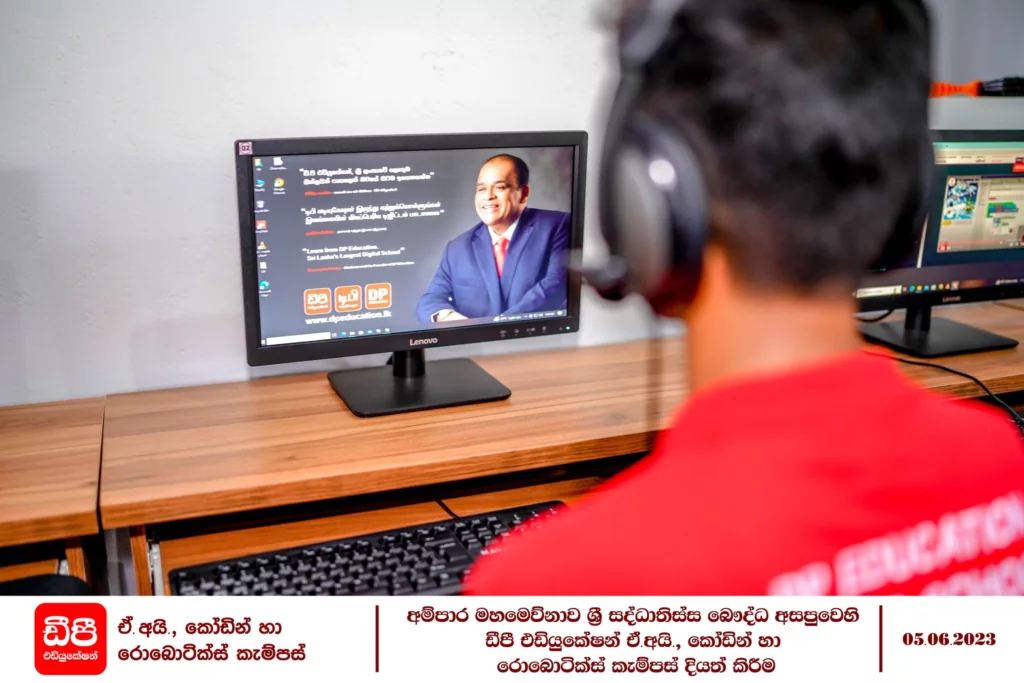
It is in such a context that the DP Education IT Campus program is extremely important for the country. The purpose of the DP Education IT Campus project, which is being implemented according to the concept of Mr. Dhammika Perera, is to open the way for 10 lakh jobs in the field of information technology for the country’s children in the future.

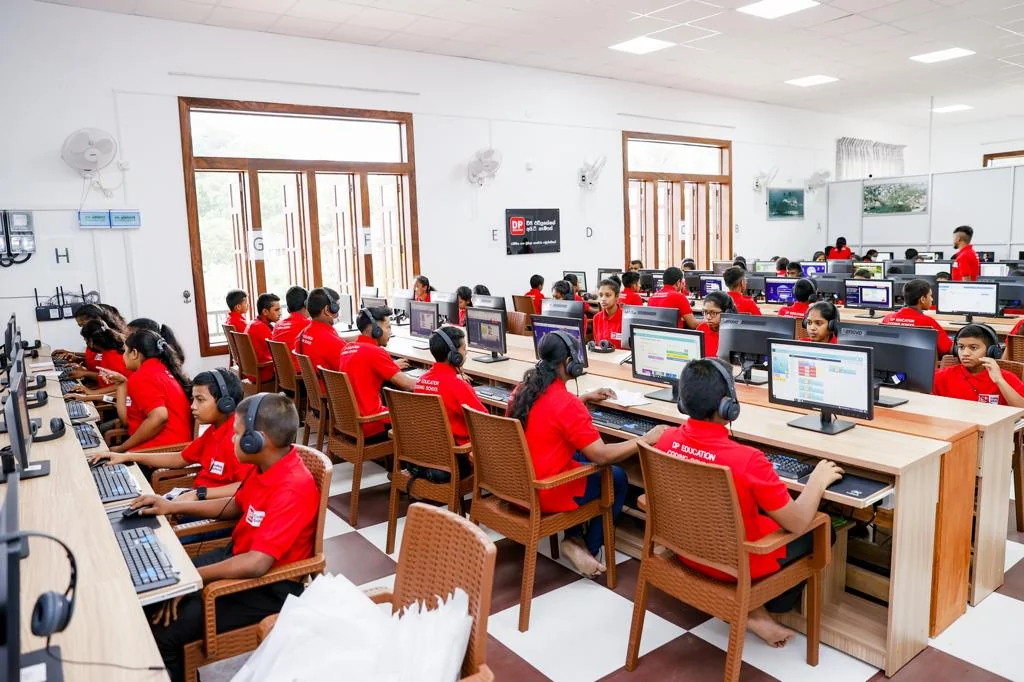
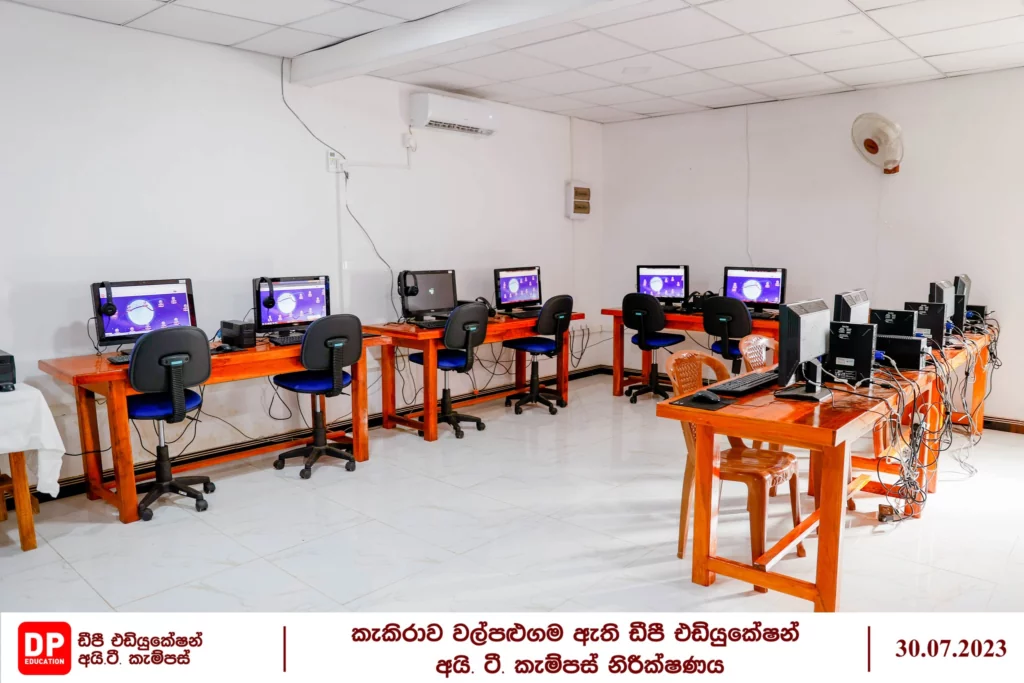
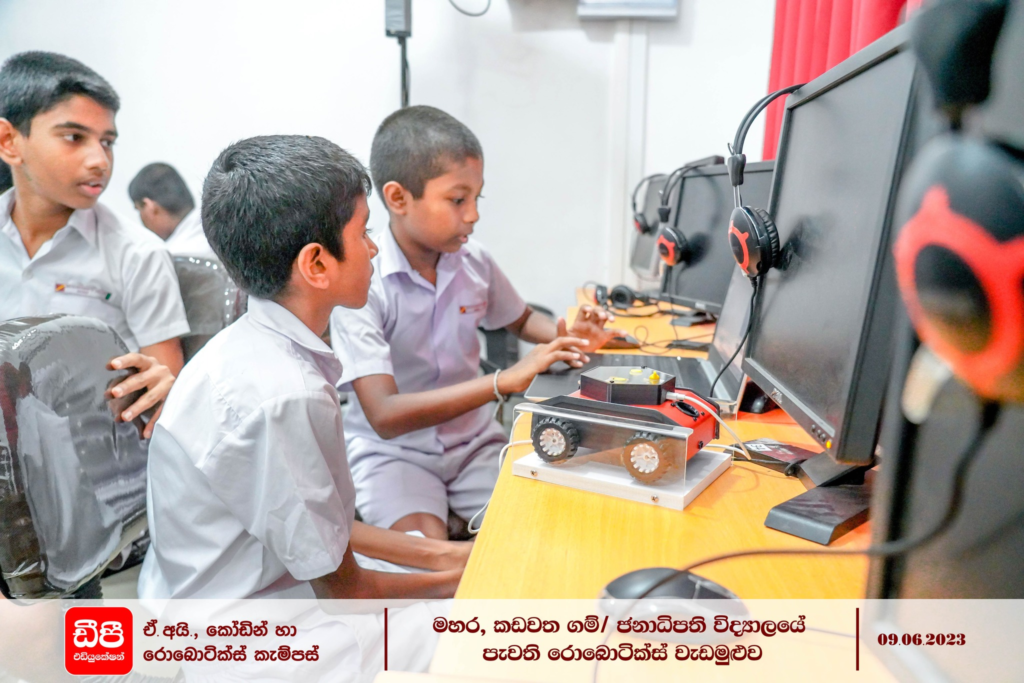
This program, which was started as DP Coding School by imparting computer programming language knowledge to children, has now been developed into an IT campus program that provides artificial intelligence and robotics education.

Education opportunities for 40,000 in six months

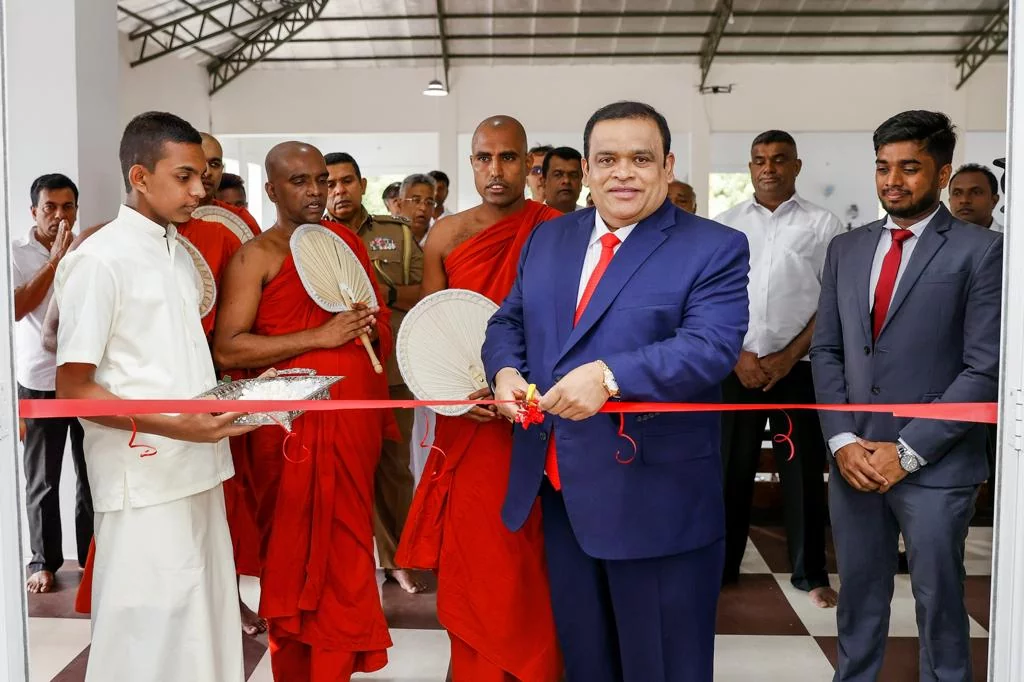
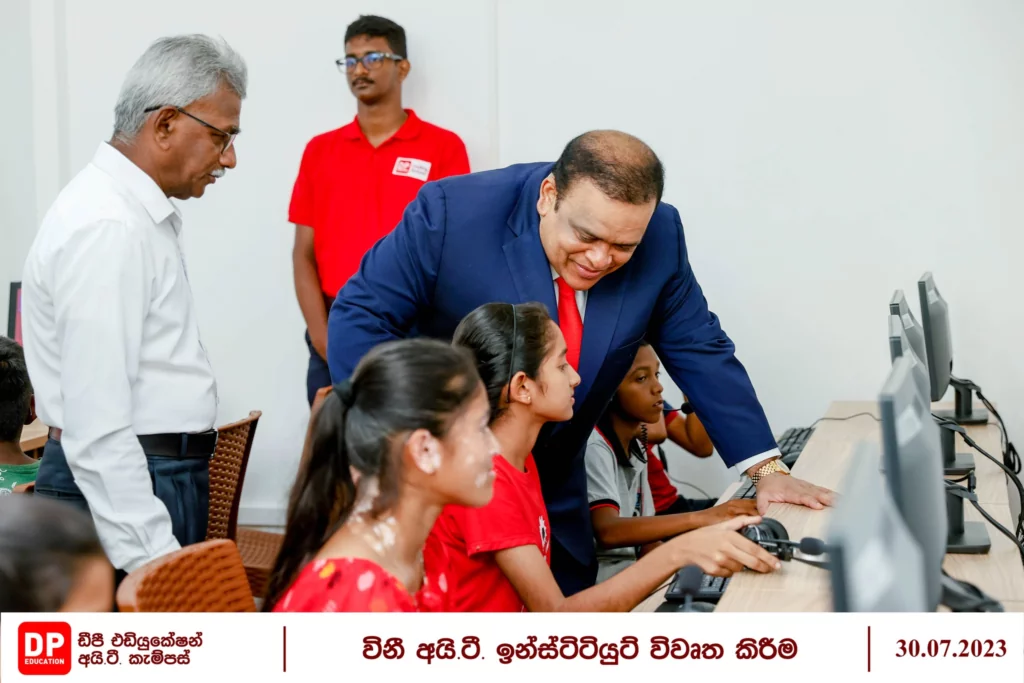
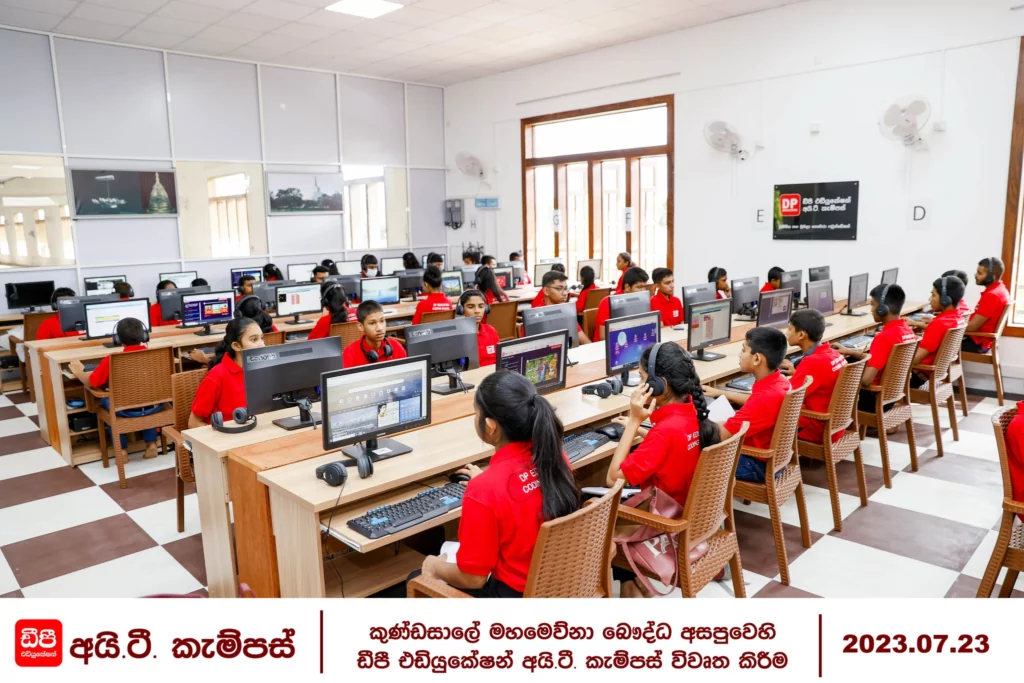
The DP Education IT Campus program completed six months on August 2. During those six months, 53 DP Education IT campus centers have been set up in various parts of the island, mainly around temples. Through that, the number of students receiving computer language education exceeds 40,000. Generally, only 40,000 students can receive higher education in all subjects including arts through the public university system of Sri Lanka. Accordingly, it goes without saying that the progress made by the DP Education program in six months is excellent.

On the other hand, the establishment of DP Education IT campus centers in connection with the ‘village temple’ is also useful for the country and the society in several ways. The people of the villages were distancing from the temple. But through the DP Education IT Campus program, a very strong relationship is now being established between the villagers and the village temple. It has a very positive effect on the spiritual development of the sons and daughters of the village as well as the harmony of the village.

The goal of the DP Education IT Campus Program is to establish DP Education IT Campus Centers in every divisional secretariat in the island by 2025. There, through the DP Education YouTube channel, school children will have the opportunity to show high results in their school education by taking courses in Mathematics, Science, English and other subjects.

Also, young people can already study a course for the English Language Proficiency IELTS exam as well as a Japanese language course on YouTube and an Italian language course is also going to be introduced in the future.

Through the DP Education program, efforts are being made to take this computer language knowledge to remote villages where there is no internet, no proper telephone signal, and no computer. After taking the basic course of the DP Coding School program, these children will be able to study the full stack developer course of the University of Moratuwa online remotely from their villages. Also, DP Education program has already created a course on Business Resource Management in collaboration with University of Kelaniya and a course in Data Science in collaboration with Ruhunu University. Lakhs of job opportunities are open to the students studying these courses in Sri Lanka as well as in different countries of the world.

A goal for a generation that had no goal

A generation that was supposed to grow up without a goal now has a goal. That is the goal of saving Sri Lanka from this economic crisis by developing the country through jobs in the computer sector.

The DP Education team led by Mr. Dhammika Perera has been able to make it not just a concept but already a reality. School-aged children do not want to enter their youth without knowing the way. A clear path is already being prepared for them.

Sri Lanka is back in business

0

Rising interest rates and falling export demand are blunting the post-COVID economic resurgence of many Asian economies.But for Sri Lanka, the only country in the region to default on its official debt amid the economic squeeze caused by the pandemic and the Ukraine war, these are sunny days” said co-fund manager of Asia Frontier Capital’s AFC Asia Frontier Fund. Ruchir Desai.

Tourism revenue and remittances from Sri Lankan workers overseas have come roaring back. Inflation, which reached 70% last September, was back down to 6.3% in July. As a result, the Central Bank of Sri Lanka has cut its benchmark interest rate by 4.5 percentage points since June.

Last year’s default was the result of a confluence of factors depleting Sri Lanka’s foreign exchange reserves. Receipts from tourism, an industry that previously brought in close to $5 billion a year in foreign exchange earnings, plunged after the 2019 Easter Sunday bombings of three churches and three luxury hotels; visitors did not return amid COVID-19. Heavy external borrowings, populist moves to cut taxes and political infighting took their toll on investor confidence and the country’s macroeconomic position.

The outbreak of the Ukraine war last year then delivered an unbearable blow. With foreign reserves running low, the country had to deal with soaring costs for imported food and fuel. The government could not turn to international capital markets to shore up its reserves given the lack of confidence in its ability to repay in addition to rising global interest rates.

The Central Bank of Sri Lanka was forced to print money to finance the government’s deficit. This led to a collapse in the value of the Sri Lankan rupee, accelerating inflation. With the government unable to provide or pay for the daily necessities and prices skyrocketing, then-President Gotabaya Rajapaksa was forced to flee the country in July 2022.

Ranil Wickremesinghe, his successor, quickly took measures to stabilize the situation by opening talks with the International Monetary Fund on a loan and getting interim support from regional neighbors like India. A new central bank governor raised benchmark interest rates by 8 percentage points over the course of 2022 to try to put a lid on inflation and bring a degree of macroeconomic stability.

In the first half of the year, tourism revenues reached almost $1 billion while inbound remittances reached $3 billion.

Companies, meanwhile, are benefiting from greater dollar availability and stable power supplies. The IMF, which approved support for Colombo in March, estimates Sri Lanka’s current-account deficit will be around 1.5% of gross domestic product from this year onward.

A government domestic debt restructuring program has removed a lot of uncertainty, especially within the Sri Lankan banking sector. Colombo is in discussions with external creditors on restructuring the country’s external debt. The government also continues to follow through on its reform program.

The rupee and the country’s stock market have reacted positively to recent macroeconomic developments; both have been among the world’s best performers so far this year. The decline in inflation and interest rates, the rebound in tourism and the commitment of the government to reform bode well for Sri Lanka’s outlook.

Execution has not been the strongest area for Sri Lankan policymakers. But with the support of the IMF, neighboring countries and investors, Sri Lanka cannot ask for a better platform to generate sustainable and all-around economic growth. (www.asia.nikkei.com)

Electricity Supply Cut Off to Mihintale Sacred Area Over Unpaid Bills, Chief Incumbent Seeks Government Assistance

0

The Mihintale sacred area, including the esteemed Rajamaha Viharaya, experienced a disconnection of its electricity supply yesterday morning due to outstanding arrears amounting to Rs 4.1 million in the electricity bill. The Ceylon Electricity Board (CEB), through its Chief Electrical Engineer for Anuradhapura district, S. Jayawardena, confirmed the disconnection, citing non-payment despite prior notice.

In response to the power disruption, the Chief Incumbent of Mihintale Rajamaha Viharaya, Ven. Walawahengunawewe Dhammarathana Thera, addressed the media and asserted that he believes he is being targeted by politicians due to his unwavering stance on issues faced by the people. He stated that his temple is currently engaged in a substantial development program at the sacred site, making it financially challenging to settle such a significant electricity bill. In light of this, he appealed to the authorities to consider providing solar panels as a possible alternative.

Moreover, Ven. Dhammarathana Thera emphasized the urgent need for the government’s protection and support for the area, as it hosts numerous sites of immense archaeological value. The preservation of this historically significant location is of paramount importance, and he called for immediate measures to safeguard its rich heritage.

“Seethawaka Odyssey” Expands Service to Saturdays Due to High Demand

0

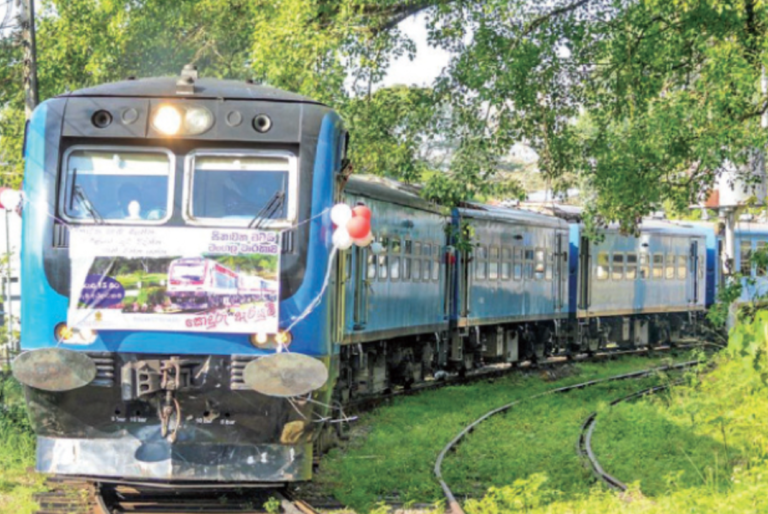
The popular “Seethawaka Odyssey” tourist train, jointly operated by the Western Province Tourism Board (WPTB) and the Sri Lanka Railway Department, is set to extend its service to Saturdays, starting tomorrow. The decision comes in response to overwhelming demand from tourists, who have flocked to experience the enchanting Seethawaka tourist zone during the train’s exclusive Sunday runs for the past six months.

Announcing the expansion as the “Shanida Seethawaka Odyssey,” WPTB Chairman Sugath Hewapathirana expressed excitement over the opportunities it presents. By running the train on both Saturdays and Sundays, local and foreign travelers can now turn a day trip into a captivating full tour, complete with a night’s stay in the picturesque Seethawaka Tourist Zone.

This move is not only expected to boost tourism and elevate the Western Province’s lesser-known attractions to international visitors, but it also promises to attract more local tourists to explore the area. The potential increase in visitor numbers is anticipated to positively impact foreign exchange earnings, further supporting Sri Lanka’s thriving tourism industry.

President charts path to strengthen nation’s healthcare system

0
  • Formulation of a new Medical Act within six months.
  • Proposal to be drafted for establishing WHO standard benchmark level 4 lab facility.
  • Additional allocation of Rs. 30 billion approved for medical supplies.

President Ranil Wickremesinghe led a follow-up meeting at the Presidential Secretariat to bolster the nation’s healthcare system. He directed the formulation of a new Medical Act within six months with the aim of addressing shortcomings in the present Medical Ordinance and thereby provide better healthcare and protect citizens’ well-being. A high-level Committee, consisting of the Secretary of Health, Legal Draftsman, and President of the SLMC, was assigned to examine the provisions of the Medical Ordinance and formulate a new Medical Act with appropriate provisions.

To address immediate medical needs, an additional allocation of Rs. 30 billion was approved for medical supplies under the Provision to Ministry of Health, sufficient for the next three months.

On President Wickremesinghe’s directions to the NMRA to expedite the approval process for FDA-approved drugs and reference drugs from other countries that collaborated with the Health Ministry, the NMRA sought to obtain Cabinet approval to make the necessary amendments to the NMRA Act that will ensure faster access to critical medications.

The meeting resolved the issue of staff shortage at the NMRA. The President called for a detailed report to strengthen the role of the National Medicines Regulatory Authority (NMRA) in regulating medical products and ensuring public health safety.

Efforts to improve medicine distribution and inventory management were discussed, with the President emphasizing the need for a web-based system to provide real-time information on available medicines and their distribution among hospitals with immediate effect as discussed during the meeting two weeks ago.

A five- member committee led by Mr. A. K. Seneviratne, Deputy Secretary to the Treasury was appointed to, among other tasks; devise a simple and transparent scheme for the procurement of quality drugs and medical devices.

The Ministry of Health requested the Department of Management Services to amend the Service Minute to align nurse recruitment qualifications with current healthcare requirements. The President urged health officials to consider recruiting and training individuals with Arts and Commerce Stream qualifications as nurses.

Additionally, the President instructed the Health Ministry and NMRA to draft a proposal for establishing WHO standard benchmark level 4 to assess the quality, safety and efficacy of medical products.

The Chief of Presidential Staff and Senior Adviser on National Security to the President Mr. Sagala Ratnayake emphasized to the health officials to immediately submit a list of unusable hospital equipment and equipment or related materials or goods that will expire or be removed within two years.

The meeting concluded with a commitment to promptly implement the proposed reforms, aiming to build a robust and accessible healthcare system for all citizens.

Prime Minister Dinesh Gunawardena, Health Minister Dr. Keheliya Rambukwella, Chief of Presidential Staff and Senior Adviser on National Security to the President Mr. Sagala Ratnayake, Secretary to the President Mr. E. M. S. B. Ekanayake, Secretary to the Prime Minister Mr. Anura Dissanayaka, Secretary to the Ministry of Health Mr. S. Janaka Sri Chandraguptha, Director General of Health Services, Ministry of Health Dr. Asela Gunawardena, Health officials and Finance Ministry officials attended the meeting.

Land ownership for 15,000 Mahaweli settlers

0
  • Land deeds already given to 20,000 families – Minister of Sports and Youth Affairs and Minister of Irrigation Roshan Ranasinghe.

The distribution of land deeds for 15,000 families in the Mahaweli region will commence from the second week of this month as per the instructions of President Ranil Wickremesinghe, Minister of Sports and Youth Affairs and Minister of Irrigation Roshan Ranasinghe stated.

Minister Roshan Ranasinghe also mentioned that steps have been taken to provide land deeds to 20,000 families who do not possess land deeds in the Mahaweli region.

He expressed these views Agu; (02) during a press conference themed ‘Collective Path to a Stable Country’ held at the Presidential Media Centre (PMC).

Minister Roshan Ranasinghe further commented;

On President Ranil Wickremesinghe’s instructions, 20,000 land deeds have been distributed to the citizens of the Mahaweli region under the first phase of the ‘Idam Aithiya Niwasatama’ (Land right to home) Program. Another 15,000 land deeds will be distributed starting in the second week of this month, according to plans.

Additionally, the dry weather has made it difficult to deliver water from the Walawe River. Paddy fields covering over 25,000 hectares are irrigated using water from the Walawe River. Additionally, 8000 hectares of intercrops are grown. Water supply for paddy fields is becoming a challenge in such a situation.

In this situation, the issue of maintaining a steady supply of electricity and water for farming has also come up. However, the Ministry is making an effort to safeguard crops. The Nation’s food security must also be taken into account.

The previous Cabinet meeting included a lengthy discussion on the present dry weather conditions. There, the opinion was also expressed that we should go for a program that does not cut off the electricity.

However, if ships with generators that provide electricity with the dry weather are expedited to get electricity, it is possible to solve the electricity crisis and provide water to the farmers. The Electricity Board has paid special attention in this regard as well.

PMD

Sri Lankan Rupee further Depreciates Against US Dollar at Commercial Banks

0

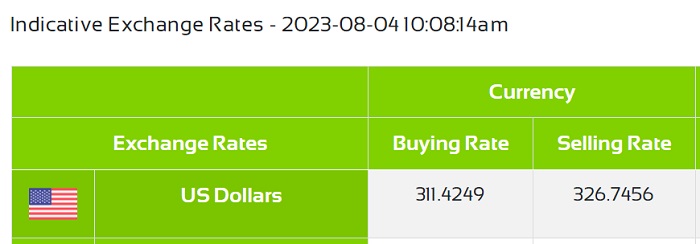
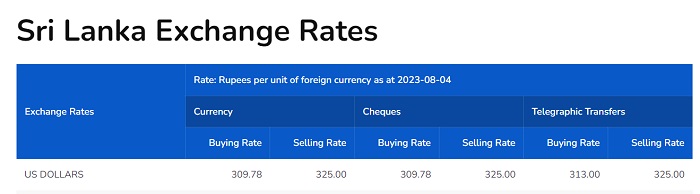
Today, August 04, the Sri Lankan Rupee witnessed a depreciation against the US Dollar at commercial banks in Sri Lanka when compared to yesterday’s rates.

At Peoples Bank, the buying rate of the US Dollar surged from Rs. 305.58 to Rs. 311.42, while the selling rate rose from Rs. 320.61 to Rs. 326.74.

Commercial Bank also reported an increase in the buying rate of the US Dollar, which rose from Rs. 307.58 to Rs. 309.78. Simultaneously, the selling rate climbed from Rs. 322 to Rs. 325.

Similarly, at Sampath Bank, the buying rate of the US Dollar went up from Rs. 310 to Rs. 313, and the selling rate increased from Rs. 322 to Rs. 325.

The fluctuations in exchange rates underscore the ongoing volatility in the currency market, impacting financial transactions and import costs for businesses and consumers in Sri Lanka.

Litro Gas Confirms No Increase in Domestic Gas Cylinder Prices Today

0

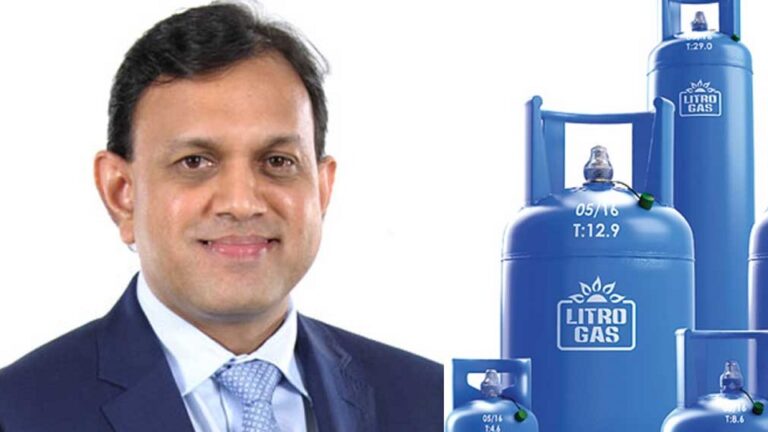
The Chairman of Litro Gas Company, Muditha Peiris, has reassured the public that domestic gas cylinder prices will not be increased today (August 04). However, the company was scheduled to announce the price revision for liquefied petroleum (LP) gas cylinders today, as part of its monthly price adjustment based on the pricing formula.

In a positive trend for consumers, Litro Gas has implemented four consecutive price reductions this year. Last month’s revision brought down the price of a 12.5kg cylinder to Rs. 2,892 and a 5kg cylinder to Rs. 1,198. As the company continues its pricing formula-based adjustments, consumers will be closely observing any changes to the gas cylinder prices in the market.