December 11, Colombo (LNW): The All Ceylon Egg Producers’ Association has rejected suggestions that the cost of eggs will surge during the forthcoming festive period, insisting that such forecasts are unfounded.
R.M. Sarath Ratnayake, President of the Association, criticised what he described as “misleading rumours” circulated by a small group seeking to push for increased egg imports.
He emphasised that domestic producers are fully equipped to meet demand and can continue supplying eggs at under Rs. 45, ensuring that consumers will not face inflated prices this season.
Egg Prices Set to Remain Stable, Producers Deny Price Hike Claims Over Festive Season

SL’s Main River Systems Flow Steadily, Show No Signs of Flood Risk

December 11, Colombo (LNW): Sri Lanka’s main river systems are flowing steadily and show no signs of posing a flood risk, according to a hydrological assessment released at 6.30 a.m. today (11).
The latest readings indicate that all major waterways remain comfortably within their safe limits, offering reassurance to communities still anxious after recent severe weather.
The Hydrology and Disaster Management Division reports that the Kelani, Kalu, Mahaweli, Gin, Nilwala and Walawe basins are all registering levels well below their respective alert thresholds.
Measurements taken between 5.00 and 6.00 a.m. reflected largely stable conditions, with only a few locations recording negligible rises amounting to mere millimetres.
On the Kelani Ganga, gauges at Nagalagam Street, Hanwella, Glencourse and Kithulgala continued to show normal flows. The Kalu Ganga, while displaying slight increases at Putupaula, Ellagawa and Ratnapura, remains safely beneath any warning markers. The Gin, Nilwala and Mahaweli rivers exhibited a similar pattern, with no stations reporting concerning behaviour.
Rainfall has been relatively subdued over the past 21 hours. The highest totals—29.4 mm at Maguru Ganga and 14.7 mm at Baddegama—were modest and unlikely to affect river levels significantly.
The update, compiled by Hydrology Assistants and validated by Eng L. S. Sooriyabandara, Director of Hydrology and Disaster Management, notes that routine monitoring will continue throughout the day.
Authorities, however, emphasise that current conditions present no immediate risk of flooding, allowing residents in vulnerable areas a brief but welcome respite.
Sri Lankan Insurers Fast-Track Payouts as Cyclone Ditwah’s Toll Becomes Clear
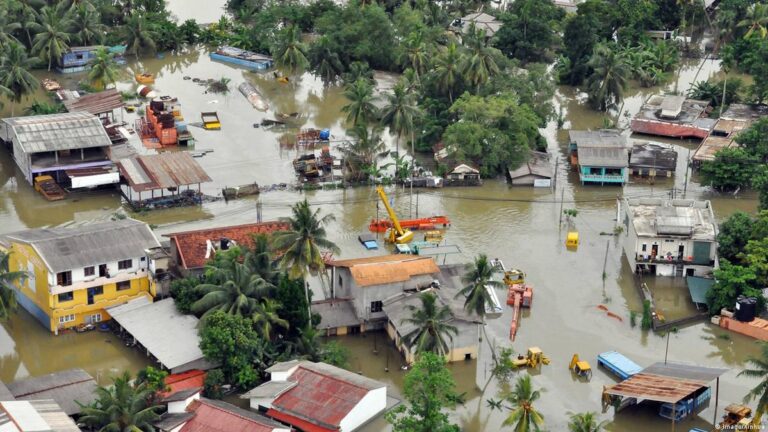
December 11, Colombo (LNW): Insurance firms across Sri Lanka have moved quickly to ease the financial strain on those hit by Cyclone Ditwah, with authorities confirming that initial payouts for minor damages are already under way.
According to Finance Ministry Secretary Dr Harshana Suriyapperuma, the Insurance Regulatory Commission summoned all companies to coordinate a unified approach to supporting affected households and businesses.
Under this collective effort, insurers have begun processing claims relating to property losses, business disruptions, and fatalities. Where assessments allow, partial settlements are being released to help families and enterprises regain some stability while full verifications continue. Officials say the aim is to avoid bureaucratic delays and ensure that compensation reaches those in need as swiftly as possible.
Meanwhile, the government’s wider Rebuilding Sri Lanka initiative has drawn considerable backing, with nearly Rs 1.9 billion raised from local donors, the diaspora, and philanthropic organisations. The funds, according to the Presidential Media Division, will bolster ongoing recovery work ranging from emergency aid to long-term reconstruction.
Early assessments from the Ministry of Industry suggest a far-reaching blow to the productive sector. More than 3,200 enterprises—spanning large factories to small workshops—have reported varying degrees of damage. Gampaha district has recorded the highest number of affected establishments, and officials caution that current figures only reflect data already entered into the system, meaning the real scale may be considerably higher.
A fresh geospatial analysis by the United Nations Development Programme paints an even starker picture. It estimates that over 1.1 million hectares—close to a fifth of Sri Lanka’s territory—were submerged during the cyclone, impacting roughly 720,000 buildings. Infrastructure losses are equally severe, with thousands of kilometres of roads, hundreds of bridges, and extensive stretches of rail line damaged or destroyed.
With more than 600 fatalities and economic losses projected to exceed US $1.6 billion, Cyclone Ditwah stands as the country’s most devastating natural disaster since the 2004 tsunami. The UNDP’s findings indicate that more than half of those living in the flooded regions were already in precarious economic situations, suggesting that the cyclone’s aftermath could deepen inequality and prolong recovery for many communities.
Officials warn that while emergency relief is progressing, the scale of destruction means the path to normalcy will be long, demanding both sustained assistance and careful planning to prevent further hardship.
Vatican Extends Support and Sympathy to Sri Lanka After Recent Disaster

December 11, Colombo (LNW): The Vatican has expressed its deep concern for Sri Lanka in the aftermath of the recent calamity, with Pope Leo XIV assuring the country of his heartfelt solidarity.
This was disclosed yesterday (10) by the Chargé d’Affaires of the Apostolic Nunciature in Colombo, Rev Monsignor Roberto Lucchini.
According to Rev Lucchini, the Pontiff instructed him to pass on his personal condolences to all those who have lost loved ones or livelihoods.
He said the Pope had been closely following developments and wished to make clear that the people of Sri Lanka remain in his prayers during this challenging period.
Rev Lucchini added that Pope Leo encouraged the nation to persevere with courage, guided by faith and hope, as communities work towards recovering and rebuilding. He noted that the Vatican stands ready to accompany Sri Lanka spiritually and morally as it navigates the long path to restoration.
Gihan Kulatunga Sworn In as Supreme Court Justice
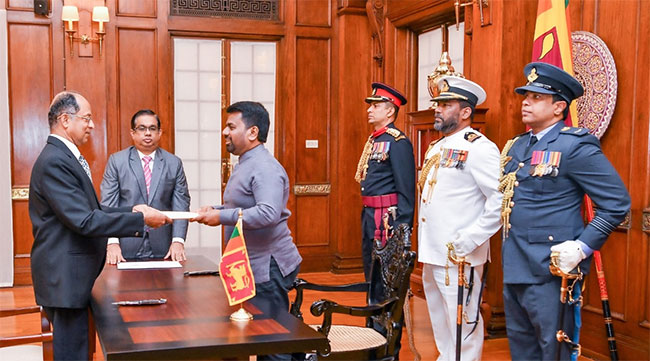
December 11, Colombo (LNW): Court of Appeal Justice K. M. Gihan Himanshu Kulatunga has formally taken his seat on the Supreme Court, following a swearing-in ceremony held yesterday morning at the Presidential Secretariat.
President Anura Kumara Dissanayake presided over the event, marking another key appointment to the nation’s apex judiciary.
The brief but dignified ceremony drew several senior officials, including the President’s Secretary, Dr Nandika Sanath Kumanayaka. Attendees noted that Justice Kulatunga’s elevation is expected to strengthen the Supreme Court’s capacity at a time when the judiciary faces a rising caseload and heightened public scrutiny.
Thousands Remain in Emergency Shelters After Widespread Landslides and Flooding
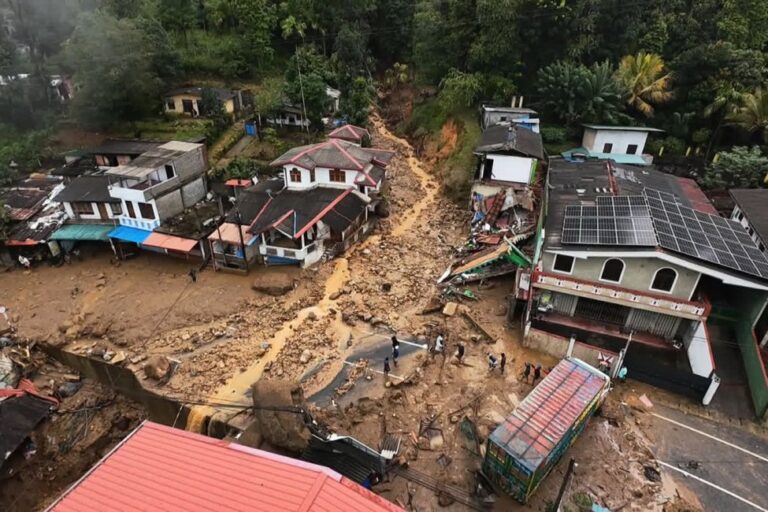
December 11, Colombo (LNW): The Disaster Management Centre (DMC) reports that tens of thousands of people displaced by the recent spell of landslides and severe flooding are still living in temporary accommodation.
According to the latest figures, more than 85,000 individuals from nearly 27,000 households have been moved to emergency shelters set up around the country.
In total, 873 refuge centres are now in use, many of them housed in schools, community halls, and religious institutions. Local authorities say conditions are stable but overcrowded in several districts, as continuous rain has slowed efforts to move families back to their homes or begin repairs.
Officials added that relief teams are working to ensure uninterrupted supplies of food, clean water, and essential medicines. Volunteers from civil society groups have also joined the effort, offering logistical support and helping to coordinate welfare services for vulnerable groups, including children, the elderly, and differently-abled people.
Sri Lanka Accelerates Post-Cyclone Damage Survey as Global Aid Rises
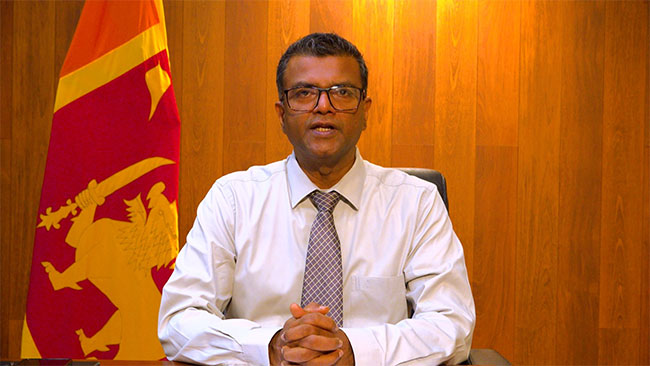
December 11, Colombo (LNW): The Ministry of Finance has begun an extensive effort to catalogue the destruction left in the wake of Cyclone Ditwah, with officials saying the initiative will help guide the country’s long-term recovery.
According to Dr Harshana Suriyapperuma, the Ministry’s Secretary, a nationwide data-gathering exercise is now under way to document losses suffered by businesses and properties. The work is being carried out in tandem with local administrative offices and a number of state bodies.
Teams have already been dispatched to the worst-hit communities to obtain detailed, on-site assessments. Dr Suriyapperuma noted that new digital tools would streamline the reporting process, allowing information to reach government planners far more swiftly than in past disaster responses.
An information platform created freely by MillenniumIT ESP—with technical backing from Microsoft—is being rolled out to support this accelerated approach. Officials said the system will form the backbone of the reconstruction strategy over the coming months.
Sri Lanka has also seen a steady inflow of support from abroad. Dr Suriyapperuma highlighted that both financial pledges and material assistance have arrived from a host of partner nations. Australia, New Zealand, the United Kingdom, the Maldives, the United States, Nepal, Switzerland, Canada, Ireland, and Korea, along with global institutions such as the World Bank, IMF, and Asian Development Bank, have reportedly signalled readiness to assist the country’s rebuilding efforts.
In the immediate aftermath of the cyclone, India and Pakistan were among the first to rush supplies, while additional relief—from food essentials to medical items—has since been delivered by the Maldives, Australia, Bangladesh, the UAE, Switzerland, and Qatar. Officials say more contributions are expected as Sri Lanka moves from emergency response to long-term rehabilitation.
Showers, thundershowers expected across Island: Public urged to exercise caution (Dec 11)

December 11, Colombo (LNW): Showers or thundershowers will occur at times in Northern, North-Central, Eastern, Central, and Uva provinces, the Department of Meteorology said in its daily weather forecast today (11).
Fairly heavy falls about 50 mm are likely at some places in Northern province.
Showers or thundershowers may occur at several places in the Western and Sabaragamuwa provinces and in Galle and Matara districts after 1.00 p.m.
Misty conditions can be expected at some places in Sabaragamuwa, Central and Southern provinces during the early hours of the morning.
The general public is kindly requested to take adequate precautions to minimise damages caused by temporary localised strong winds and lightning during thundershowers.
Marine Weather:
Condition of Rain:
Showers will occur at times in the sea areas off the coast extending from to Puttalam to Pottuvil via Mannar, Kankasanthurai and Trincomalee.
Showers or thundershowers may occur at several places in the other sea areas around the island during the evening or night.
Winds:
Winds will be north-easterly. Wind speed will be (30-40) kmph.
Wind speed can increase up to (50-55) kmph at times in the sea areas off the coast extending from Kalutara to Trincomalee via Puttalam and Kankasanthurai.
State of Sea:
The sea areas off the coast extending from Kalutara to Trincomalee via Puttalam and Kankasanthurai will be rough at times.
The other sea areas around the island will be moderate.
Temporarily strong gusty winds and very rough seas can be expected during thundershowers.
High Court Dismisses Bribery Case Against Ajith Nivard Cabraal and Three Others
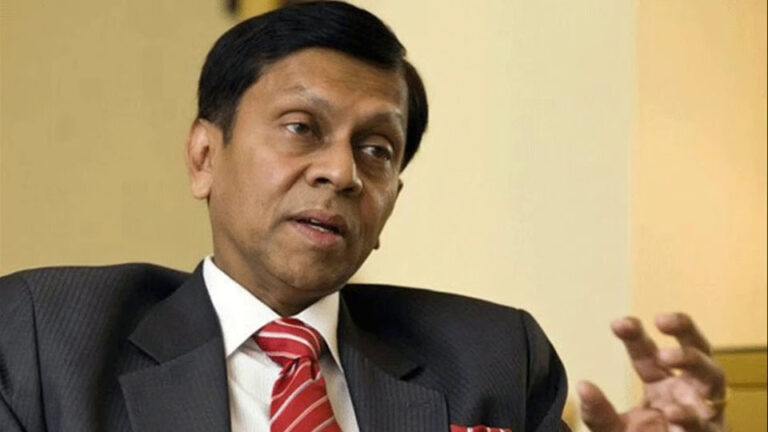
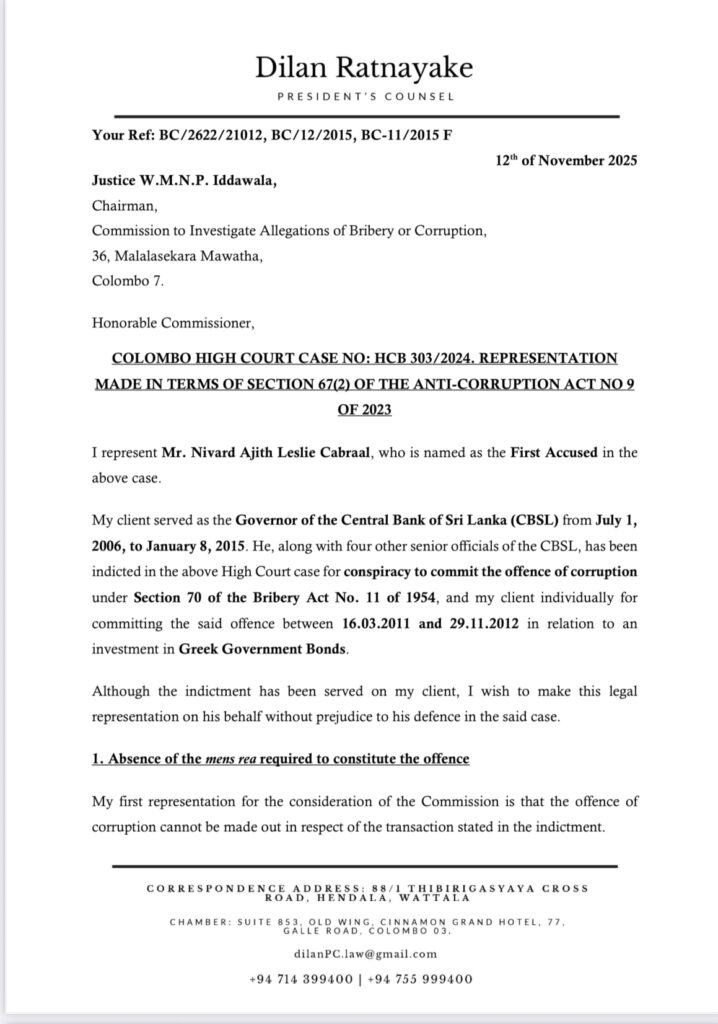
December 10, Colombo (LNW): Former Governor of the Central Bank, Ajith Nivard Cabraal, has been granted conditional release in connection with the contentious Greek bond affair, while three co-accused were freed unconditionally by Colombo High Court Judge Mohammed Mihal yesterday.
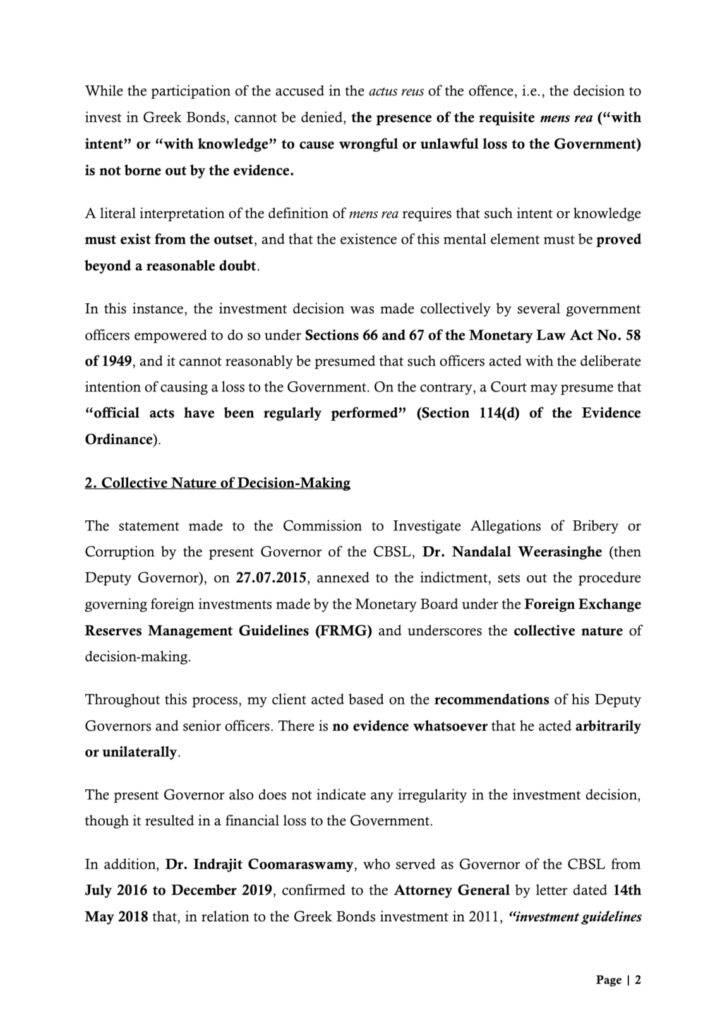
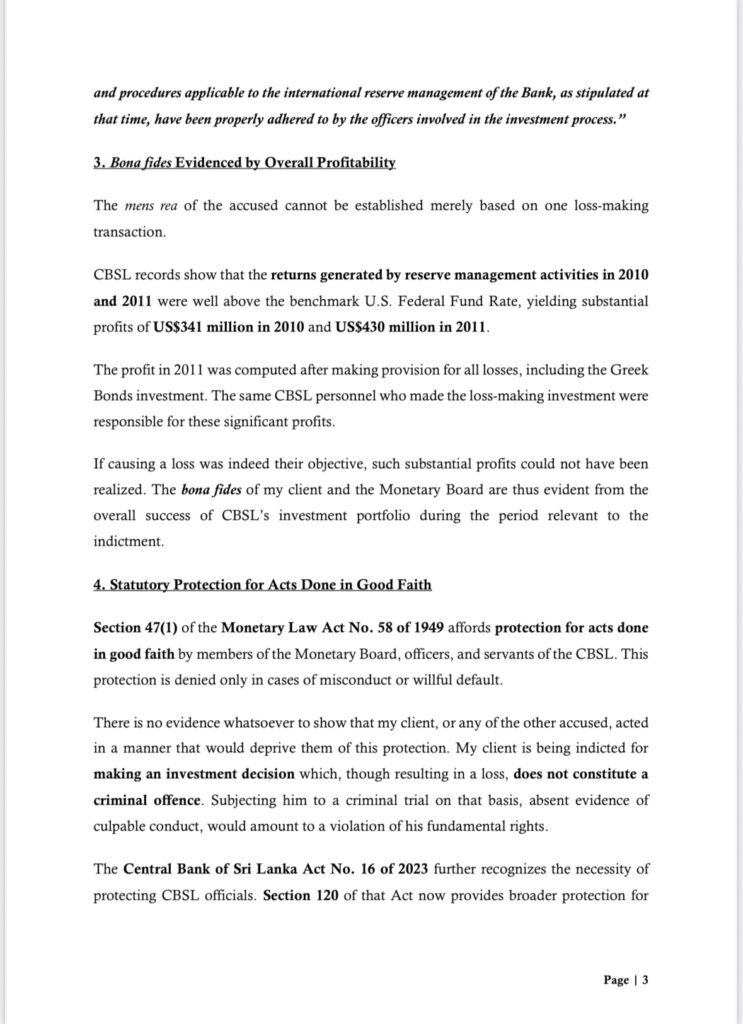
The case revolves around allegations that, at a time when Greece was grappling with a severe economic crisis, senior officials at the Central Bank allegedly went ahead with the purchase of government treasury bills, reportedly resulting in losses exceeding Rs. 1.84 billion to the state. The Commission to Investigate Allegations of Bribery or Corruption (CIABOC) had originally charged Cabraal along with former Deputy Governor Dharmasena Dheerasinghe and Assistant Governors Don Vasantha Ananda Silva and M.A. Karunaratne.
In proceedings before the Colombo High Court, the indictments against Cabraal were formally considered for withdrawal under Section 67(1) of the Bribery Act. Following a request by Cabraal and a subsequent review by the Director General with CIABOC approval under Section 67(2), the court officially withdrew the charges against him under Section 67(3).
After evaluating submissions, Judge Mihal stipulated that Cabraal could be released under specific conditions, while the remaining three defendants—Dheerasinghe, Silva, and Karunaratne—were freed without any conditions under Section 194(3) of the Code of Criminal Procedure.
The court also directed that Cabraal must pay Rs. 1,843,267,595.65 to an account designated by the Central Bank of Sri Lanka within three months. Should he fail to meet this deadline, the previously withdrawn charges will be reinstated under Section 67(5) of the Bribery Act.
The CIABOC initially filed charges in 2024, but a technical issue concerning the date of the indictments led the High Court to release the accused without formally serving the charges on May 31, 2024. The commission subsequently re-submitted the case on 21 August 2024, leading to the latest developments.
Is Sri Lanka’s national survival truly threatened?
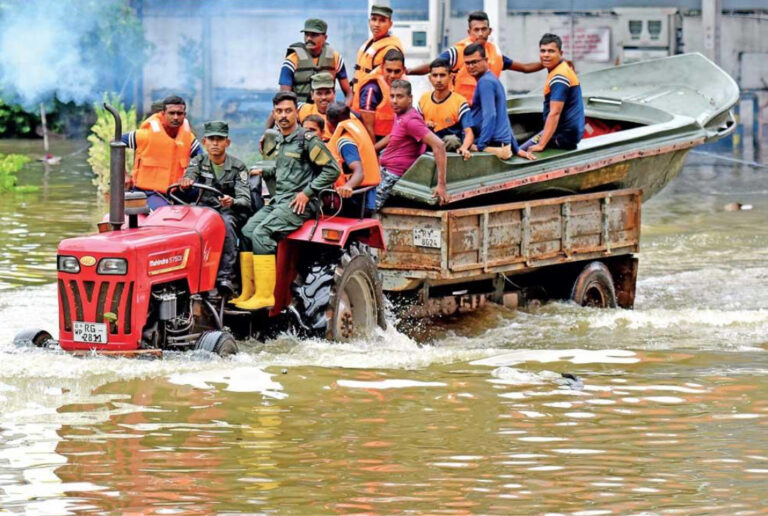
The recent catastrophes must not be viewed as mere unfortunate incidents but as stark teaching provides evidence that the current trajectory is unsustainable
pix by Kushan Pathiraja
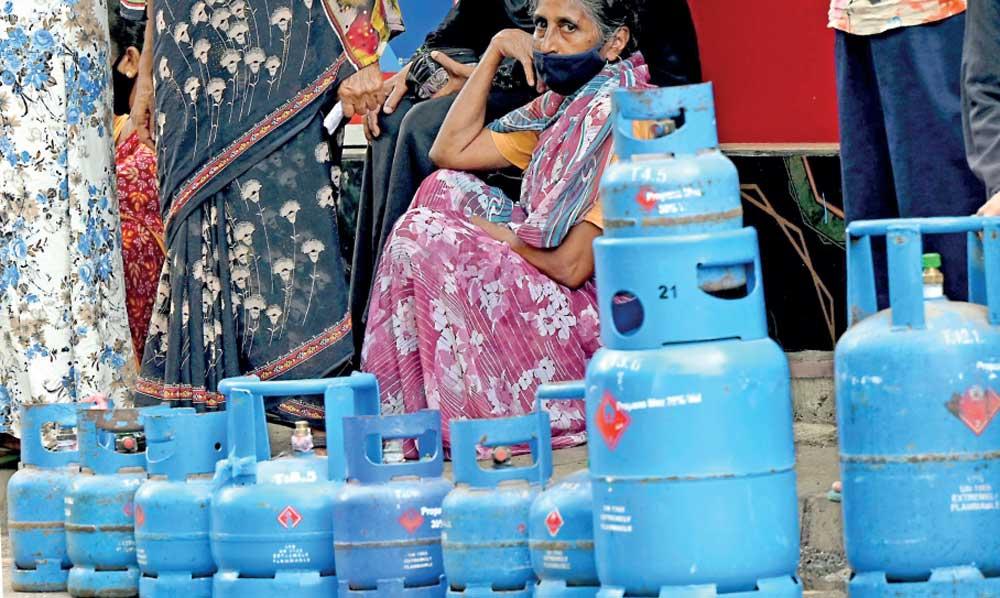
The 2022 economic recession, the worst since independence, serves as a stark example. The crisis was not solely a function of global shocks, but a direct consequence of ill-conceived and politically motivated policies
- The recent severe climatic disasters, leading to hundreds of casualties and an estimated economic cost of $6-7 billion
- Clear, early warnings of adverse weather were reportedly received, yet preemptive action and timely evacuation were largely absent
- Negligence of authorities to act on available data highlights a deficit in the intersection of National Security and Political Capability
- Studies show alarming migration rates among science-based graduates, turning a national strength into a foreign subsidy
Sri Lanka, the Pearl of the Indian Ocean, boasts of a history stretching back over 2,500 years, rich with cultural heritage and resilience forged through centuries, including foreign rule from 1505 to 1948. Yet, as the nation moves further from independence, a disquieting question looms: Is the national survival of Sri Lanka fundamentally threatened?
The premise that national survival rests on seven crucial pillars National Economy, National Security, National Culture, National Diplomacy, National Science & Technology, National Intelligence, Data & Innovation, and National Political Capability offers a robust framework for assessment. A careful analysis of recent decades, particularly since 1977, overwhelmingly suggests a systemic decline across these pillars, largely driven by chronic political mismanagement and a destructive prioritization of personal and party interests over the national good.
The deterioration of the seven pillars: Examples of Political Mismanagement
The erosion of the nation’s foundation is evident in a recurring cycle of preventable disasters and crises, all pointing back to failures in governance:
1. National Economy and Political Incompetence
The 2022 economic recession, the worst since independence, serves as a stark example. The crisis was not solely a function of global shocks, but a direct consequence of ill-conceived and politically motivated policies.
Ill-Timed Tax Cuts: The drastic tax reductions in 2019, aimed at political favour, severely depleted government revenue, worsening the structural budget deficit. This contributed directly to the unsustainable debt burden.
The Organic Fertiliser Ban: The sudden, poorly planned shift to a nationwide ban on chemical fertilisers in 2021, despite warnings from experts, devastated the agricultural sector. Rice production plummeted by over 39%, turning the country from self-sufficiency to a need for costly imports, severely impacting National Economy and National Security (food security).
“White Elephant” Projects and Corruption: Decades of dependency on high-interest debt for non-essential or unprofitable infrastructure projects often alleged to benefit political cronies exacerbated the foreign exchange crisis. Allegations of massive corruption surrounding International Sovereign Bond payments and tax revenue manipulation further highlight a breakdown in economic governance.
2. National Security &
Intelligence Failure
The notion that National Security encompasses more than just military defence extending to education, health, and disaster management is tragically validated by recent events.
The Easter Sunday Disaster (2019): This catastrophic event, which claimed over 250 lives, was a monumental failure of National Intelligence and National Security. Multiple foreign intelligence warnings were received, but were allegedly ignored or not disseminated due to political rivalry and a breakdown of communication channels between the President and Prime Minister. This political polarisation and negligence directly enabled a terrorist attack.
The Human Cost of Climate Catastrophe: The recent severe climatic disasters, leading to hundreds of casualties and an estimated economic cost of $6-7 billion, tragically parallel the Easter Sunday failure. Clear, early warnings were reportedly received, yet preemptive action and timely evacuation were largely absent. The negligence of authorities to act on available data highlights a severe deficit in the intersection of National Security (disaster management) and National Political Capability.
3. Brain Drain and the Death
of Meritocracy
The most insidious threat to long-term national survival is the systematic degradation of the public service. Since 1977, a culture of political patronage has meant that critical public sector appointments from heads of state-owned enterprises to key regulatory bodies have been consistently awarded to incompetent political party supporters, relatives, and friends, often bypassing honest, qualified, and experienced officers.
The Impact of Incompetence: This policy of political clientelism cripples the National Science and Technology and National Intelligence, Data and Innovation pillars. When unqualified individuals head technical institutions or manage disaster response, the inevitable result is incompetence that manifests as a national crisis.
The Brain Drain Catastrophe: As a direct consequence, the brain drain, the mass exodus of highly educated and skilled professionals (doctors, engineers, finance experts, university lecturers) has reached historic levels. This loss of human capital is, as suggested, a disaster worse than any natural catastrophe, draining the intellectual engine required for innovation, recovery, and effective governance. Studies show alarming migration rates among science-based graduates, turning a national strength (free, high-quality education) into a foreign subsidy.
A Crisis of National Political Capability
The core of Sri Lanka’s struggle lies in the near total failure of its National Political Capability. The pervasive issue is that the government’s priority has consistently been the protection and consolidation of its political party and cadre, rather than the sincere safeguarding of the country. This can be seen in:
1. Protecting Cadres over Competence: The continued appointment of party loyalists to high positions, even in the face of proven incompetence and corruption allegations, demonstrates a profound failure of accountability.
2. Lack of Sincere Correction: The refusal to correct these fundamental errors sincerely to root out corruption, establish true meritocracy, and enforce the rule of law without political interference ensures that the nation is destined to repeat the cycle of human and resource disasters.
The very survival of the nation is indeed endangered when the political establishment views the state apparatus as a tool for personal and party enrichment, rather than a sacred trust to be managed with expertise and integrity.
Recommendations for the Correct Path: A Teaching Point from Catastrophe
The recent catastrophes must not be viewed as mere unfortunate incidents but as stark teaching provides evidence that the current trajectory is unsustainable. The path to correct this course requires radical, sincere, and systemic reforms across all seven pillars.
Reforming National Political Capability and Governance (The Foundation)
1. Enforce Strict Meritocracy in Public Appointments: Legislate and enforce a robust, non-political, and transparent mechanism for all senior public sector appointments (e.g., via an independent, professional Public Services Commission with mandated criteria). Political influence must be legally criminalised in the appointment process.
2. Strengthen Accountability and Anti-Corruption: Fully implement new anti-corruption laws with independence for investigative bodies. Introduce robust Campaign Finance regulations to enhance transparency and reduce the influence of ‘selected businessmen’ on political decision-making.
3. Restore the Rule of Law and Judicial Independence: Ensure the swift and non-discriminatory prosecution of public officials involved in corruption and negligence, regardless of political affiliation.
Revitalising National Economy and Science & Technology (The Engine)
1. Prioritise Export-Oriented Growth: Shift the focus from import substitution to a productive, outward-looking economy. This requires streamlining the trade and investment environment, reducing unnecessary tariffs, and attracting high-quality Foreign Direct Investment (FDI).
2. Invest in Science, Data, and Innovation: Create a compelling ecosystem to reverse the brain drain. This involves offering competitive remuneration for technical professionals in the public sector, providing R&D grants, and fostering collaborations between universities and industry. The focus must be on leveraging national data and innovation to solve structural problems, not just on generating reports.
3. Implement Responsible Fiscal Management: Establish an independent Parliamentary Budget Office and enact comprehensive Public Financial Management and Debt Management Laws to ensure non-partisan oversight of national finances, preventing a recurrence of the 2022 crisis.
Strengthening National Security (Beyond the Military)
1. Institutionalise Disaster Preparedness and Climate Resilience: Move beyond reactive disaster management. Establish a fully empowered, data-driven, and expert-led national agency responsible for climate change adaptation and disaster mitigation. This agency must have the authority and resources to mandate pre-emptive evacuations and resource allocation based on scientific warnings.
2. Ensure Intelligence and Security Coordination: De-politicise the national intelligence apparatus. Implement structural reforms that mandate clear, non-negotiable protocols for sharing critical security information across all levels of government, ensuring no future security failure is due to political infighting or negligence.
Environmental Protection and Stern Enforcement
The link between political negligence and human cost disasters is clearly visible in the area of environmental management. The increasing severity of floods, landslides, and droughts is often exacerbated by unchecked environmental degradation.
The catastrophic human and economic costs of recent natural disasters make it imperative to treat environmental crimes as a serious threat to National Security. This requires a fundamental shift in the legal and enforcement framework.
Strengthening Laws and imposing severe penalties
While Sri Lanka possesses a legal framework (e.g., the National Environmental Act (NEA), Forest Ordinance, Fauna and Flora Protection Ordinance), the enforcement is widely considered weak and often undermined by political interference.
The Principle of deterrence: Current penalties (often nominal fines) are simply viewed as a small cost of doing business by large-scale offenders. The recommended strict laws must introduce financial investigations into environmental crimes to trace the proceeds and target the financial beneficiaries, ensuring that environmental crimes are treated with the same severity as other high-level economic crimes.
By sincerely implementing genuine meritocracy, enforcing the new anti-corruption laws without fear or favour, and prosecuting environmental offenders with zero tolerance, Sri Lanka can begin to correct the fundamental flaws that continue to endanger its national survival.
Duty over self- interest
Unless the current political class makes a sincere and radical departure from the path of self-interest and party-first politics, no external power, divine or otherwise, will be able to prevent the repetition of disasters that threaten the 2,500 year legacy and, indeed, the very survival of the Sri Lankan nation. The time for genuine, national-interest-driven leadership is not tomorrow, but now.
(The writer is a battle hardened Infantry Officer who served the Sri Lanka Army for over 36 years, dedicating 20 of those to active combat. In addition to his military service, Dr Perera is a respected International Researcher and Writer, having authored more than 200 research articles and 16 books. He holds a PhD in economics and is an entrepreneur and International Analyst specialising in National Security, economics and politics. He can be reached at [email protected],