Home Blog Page 167

Rebuilding Sri Lanka: Integrity Must Lead Our Recovery

0

By Nalinda Indatissa PC

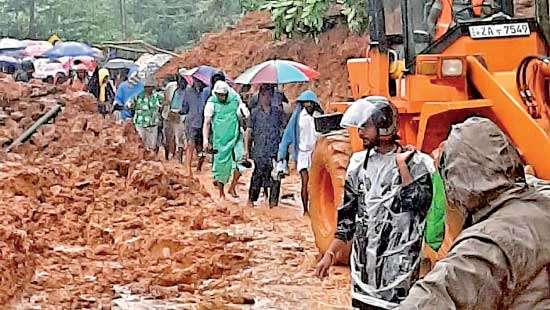
As Sri Lanka struggles to rebuild homes, livelihoods and public infrastructure after the devastating cyclone, another equally urgent task lies before us: rebuilding the economy. Physical reconstruction and economic recovery must proceed together. One without the other would leave the nation vulnerable to repeated cycles of crisis.

At the heart of economic recovery lies one essential element—trust. Whether between citizens, institutions or international investors, trust is the foundation of all business relationships. Corruption destroys this foundation. When decisions are driven not by merit but by hidden payments, approvals become unpredictable, costs are inflated, and competition is distorted. That is why individuals, companies and public bodies must never accept or offer bribes, including facilitation payments.

Global investors are acutely aware of corruption risk. They study governance standards, delays in approvals, and the hidden costs of doing business. When they observe inflated fees, opaque decisions and a system dependent on “connections,” they label the country high-risk and look elsewhere. Sri Lanka’s situation is no exception.

To restore confidence, Sri Lanka must reform its business environment boldly and urgently. Efficiency, transparency and predictability must guide every approval and every investment pathway. The country must revisit its grossly inflated BOI company incorporation charges, which deter investors long before they begin operations. Our long delays in obtaining approvals—whether for construction, investment, or trade—are crippling. A modern economy cannot function when even basic permissions require months of waiting and multiple personal interventions.

The solution lies in strong digitisation. One-stop shops for approvals, digital workflows, and online case-tracking will eliminate unnecessary human contact and vastly reduce opportunities for corruption. A comprehensive digital payment system for government transactions is also essential. Once payments are traceable, corrupt politicians and officials will find it far more difficult to move or conceal ill-gotten black money. Digitisation protects not just the investor, but the integrity of the entire public service.

Our professionals also bear responsibility. Accountants, attorneys-at-law, bankers, real estate agents and company secretaries act as gatekeepers of the financial system. They must demonstrate integrity, refuse complicity, and report suspicious transactions. When professionals turn a blind eye, the entire nation pays the price.

Government institutions, too, must lead by example. Strengthening the Bribery Commission and restoring its independence was an important first step. But institutions alone cannot cleanse a country. The baton must now pass to public sector officials, private businesses, and the general public. Every citizen must recognise that corruption is not a victimless crime—it steals from our future, our children, and our ability to rebuild after disaster.

The younger generation must be taught to reject corruption entirely. Schools should integrate ethics, civic duty and real-world lessons on the costs of corruption into their curriculum. Children must grow up understanding that the shortcuts of today become the national suffering of tomorrow.

Sri Lanka must regularly and honestly evaluate its corruption landscape. Using global indices, investor feedback, audit findings and enforcement data, the nation must measure progress—and be prepared to confront uncomfortable truths. Transparency is essential for real reform.

Today, Sri Lanka stands at a defining moment. The cyclone forced us to rebuild our physical world. Now, the challenge is to rebuild our economic and moral foundations. Our choice is clear: continue with the old path of inefficiency, inflated costs and corruption, or embrace a future grounded in integrity, efficiency and fairness.

If we choose the latter—and commit to it wholeheartedly—Sri Lanka can rise stronger, cleaner and more resilient than ever before.
Rebuild Fund Committee Faces Conflict-of-Interest Firestorm

0

Sri Lanka’s newly established Rebuilding Sri Lanka Fund created to channel donations and reconstruction financing in the aftermath of nationwide devastation has become embroiled in a governance and ethics controversy within days of its formation.

 Civil society organisations, including the Law and Society Trust, say the 11-member Management Committee raises serious questions about inclusivity, transparency, legality, oversight structures and potential conflicts of interest.

The committee is entirely male, dominated by leading figures from Sri Lanka’s top blue-chip companies, alongside a handful of government officials.

 Four of the six non-corporate seats are direct presidential appointments, prompting accusations that the process lacked transparency and violated the administration’s own pledge of gender balance, citizen involvement and political diversity.

Critics argue the appointment structure effectively outsources national reconstruction to a Colombo-centred corporate elite at a moment when the country requires broad community consultation, technical expertise and humanitarian representation.

With no women, no regional voices and no disaster-response specialists at the table, activists warn that the Fund’s direction risks being shaped by commercial interests rather than national priorities.

Concerns intensify when examining the Fund’s powers and governance model. The Management Committee is authorised not just to mobilise donations, but to prioritise projects, allocate money, and disburse funds for relief and long-term reconstruction.

This broad mandate places billions of rupees in the hands of business leaders who simultaneously head for-profit entities likely to compete for reconstruction contracts. No legal safeguards or conflict-of-interest declarations have been publicly disclosed.

The government has not clarified whether the Fund is established under a dedicated Act, Gazette, trust deed or emergency regulation leaving the legal structure and accountability mechanisms opaque. Nor has it released financial projections, though senior officials have indicated the Fund is expected to reach tens of billions of rupees in donations and foreign contributions.

 Oversight responsibilities rest nominally with the National Disaster Management Council, but its supervisory power remains undefined. There is no publicly-available framework outlining reporting requirements, procurement rules, auditing procedures or parliamentary oversight. Civil society groups warn that without such checks and balances, awarding tenders to companies represented on the committee becomes a real risk.

This controversy comes on the heels of several recent all-male task force appointments, including the Clean Sri Lanka Presidential Task Force and the Archaeological Advisory Committee, raising broader fears of institutional regression at a time when public trust is fragile.

Analysts note that disaster-reconstruction governance is “deeply political,” requiring gender balance, minority representation, humanitarian experience and environmental expertise. By contrast, critics say the current committee risks steering reconstruction towards the interests of “Sri Lanka Inc.” rather than the affected communities.

Civil society groups are now calling on the government to reconstitute the committee, create a legally-grounded mandate, and establish strong transparency measures to ensure recovery spending is fair, equitable, and free from political or corporate interference.

Port City Struggles and Strengths Shape Sri Lanka’s FDI Future

0

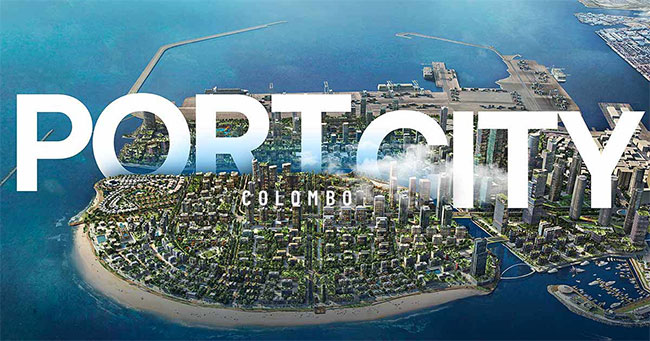
Colombo Port City’s long-promised transformation into Sri Lanka’s first purpose-built services export zone is beginning to take measurable shape, with project officials reporting US$1.3 billion in foreign direct investment (FDI) already secured and a sizeable pipeline under negotiation.

However , behind the upbeat messaging lies a complex mix of fiscal incentives, risk-management mechanisms and early-stage operational challenges that will determine how far the project can influence the wider economy.

Speaking at the Sri Lanka Economic Summit organised by the Ceylon Chamber of Commerce, CHEC Port City Colombo Deputy Managing Director Thulci Aluwihare outlined how China Harbour

Engineering Company’s three-decade presence has evolved from traditional infrastructure contracting into long-term urban development.

The project, originally envisioned as a reclaimed waterfront real-estate venture, was re-cast midway into a strategic services export zone, addressing a major policy gap given that services represent nearly 60% of Sri Lanka’s GDP but previously lacked a dedicated hub.

CHEC has invested US$1.3 billion in land reclamation and infrastructure, with another US$250 million earmarked for Phase Two.

 The project has already secured investors for six plots of landalso totalling around US$1.3 billion in commitments while negotiations with another six potential investors could yield a further US$600–850 million over the next three to four years.

The final outcome, however, depends heavily on macroeconomic stability and investor sentiment toward Sri Lanka’s risk profile.

To secure investment flows, Port City Colombo pushed for a fiscal package acceptable to both the Government and the IMF, eventually winning key concessions such as 10–15-year corporate income tax holidays, duty-free imports for construction, exemptions from border taxes, and cost reductions estimated at 20–25% for developers.

 These incentives have sparked debate, especially under an IMF programme typically discouraging tax holidays, but Aluwihare argues they are essential to offset Sri Lanka’s weak competitiveness indicators.

Beyond tax measures, the project’s most transformative provisions are non-fiscal incentives designed to shield investors from currency risk and restrictive capital controls—two longstanding obstacles to FDI inflows.

 Port City transactions can be carried out in 16 designated foreign currencies, with the Sri Lankan rupee not recognised as legal tender within the zone, effectively providing a hedge against exchange-rate volatility.

The zone also guarantees full capital mobility, 100% foreign employment options and long-term visas.

Despite this progress, implementation difficulties persist. Infrastructure completion has lagged, forcing 155 licensed companies to operate outside the Port City premises using interim arrangements. Even so, nearly 500,000 square feet of commercial space has already been utilised, signalling rising market confidence.

Notably, the project has revived momentum in Colombo’s broader real-estate sector, which had been weakened by the economic crisis.

As Port City approaches operational readiness, its ability to convert its investment pipeline into sustained FDI inflows will be crucial not only for its success but for Sri Lanka’s wider economic recovery strategy.

Moody’s Highlights Sri Lanka’s Weak Climate Resilience and Fiscal Limits

0

Sri Lanka’s vulnerability to climate-driven economic shocks has been cast into sharp focus as Moody’s Investors

Service warns that the island is likely to absorb the region’s heaviest credit impact from the destructive cyclones and torrential rains that have swept across South and Southeast Asia since mid-November.

The agency said that despite several countries sharing similar physical exposure to climate risks, Sri Lanka’s weak fiscal space and limited resilience mechanisms leave it uniquely exposed.

Moody’s underscores the growing structural challenge facing the region: the absence of adequate natural catastrophe insurance coverage.

With climate disasters intensifying, countries without protection mechanisms face higher reconstruction costs, heavier debt burdens and prolonged economic dislocation. Sri Lanka, already grappling with a debt crisis and fragile public finances, is among the least equipped to absorb these shocks.

Unlike Indonesia, the Philippines or Vietnam all of which Moody’s categorises as having stronger fiscal positions and greater policy flexibility Sri Lanka’s constrained budget leaves little room for emergency response or long-term climate adaptation.

The agency warns that this combination of high exposure and low capacity significantly magnifies the current disaster’s credit implications.

Governance strength, another factor Moody’s uses to assess resilience, also plays a key role. Sri Lanka and Vietnam both carry governance issuer profile scores of 4, signalling heightened vulnerability to institutional weaknesses that can slow recovery and worsen fiscal outcomes. Effective governance, Moody’s notes, is often associated with better climate-risk mitigation and faster disaster response.

Sri Lanka’s recent climate crisis comes on the heels of what Moody’s previously described as a “fragile but progressing” macroeconomic recovery. Tourism inflows, remittances and expectations of a current account surplus through 2025 had supported cautious optimism.

Yet the country’s persistent structural weaknesses  including its narrow tax base and heavy reliance on external financing   mean that any shock can rapidly erode stability.

Cyclone Ditwah has already added new fiscal pressures, leading the Government to request around US$200 million in emergency support under the IMF’s Rapid Financing Instrument. The Fifth Review of the IMF’s Extended Fund Facility, expected to unlock an additional US$347 million in December, has now been postponed to early 2026 as both sides reassess the post-disaster fiscal landscape.

Moody’s latest warning reinforces a broader message: Sri Lanka must accelerate efforts to strengthen climate resilience, expand disaster insurance coverage and deepen institutional reforms. Without these measures, each new climate event risks pushing the country back into instability, undermining both its economic recovery and its long-term creditworthiness.

Audit Surge Signals Governance Stress as 2026 Review Deepens

0

Sri Lanka’s public accountability system is preparing for one of its most demanding years yet, with the National Audit Office (NAO) planning an unprecedented 3,508 audits in 2026. 

The scale of this workload revealed during the latest meeting of the Committee on Public Finance (COPF) has raised fresh questions about the country’s governance environment, institutional capacity, and financial discipline at a time of economic fragility.

According to the NAO’s 2026 Annual Work Programme, the audit lineup includes 3,484 financial audits, 12 special audits, 11 performance audits, and a single environmental audit. 

Although the volume signals increased oversight, it also points to a growing complexity in managing public funds and evaluating the performance of ministries, state entities, and development schemes.

A major new addition is the responsibility of auditing Samurdhi Community-Based Banks and Samurdhi Bank Societies, which will fall under the Auditor General from 2026.

 During the COPF session chaired by Dr. Harsha de Silva, concerns were raised over whether the Audit Office has the capacity to take on this expanded portfolio.

Acting Auditor General officials confirmed that 10%–15% more staff will be required beyond the current cadre, and that pilot audits now under way will determine whether recruitment or outsourcing is necessary.

The committee signaled its support for outsourcing certain components of the Samurdhi-related audits, acknowledging that the Auditor General alone cannot shoulder the full nationwide workload in the given timeframe. 

A directive has been issued for the NAO to complete its pilot study and report back by February 2026.

Governance analysts note that the increased audit volume reflects both heightened parliamentary scrutiny and serious underlying risks across public finance systems. 

The COPF also reviewed the Final Report on the 2026 Appropriation Bill, which contains its assessment of ministry-level budget allocations. 

Although details remain confidential, committee members emphasised the need for transparent spending frameworks as fiscal consolidation continues under the IMF programme.

Meanwhile, COPF examined the new regulations under the National Medicines Regulatory Authority Act, urging greater transparency in pharmaceutical registrations a sector long criticised for opaque approval processes and pricing concerns. The regulations were approved following review.For the NAO, 2026 will test whether Sri Lanka’s audit infrastructure can match the rising expectations of Parliament and the public. 

The ultimate impact of these audits will extend far beyond the audit office itself: uncovering mismanagement, strengthening financial discipline, and enhancing confidence in state institutions. 

With the economy still vulnerable, effective auditing will be essential to safeguarding taxpayer funds and ensuring that welfare programmes and development budgets deliver real value

143 km of Sri Lanka’s Coastline Polluted Following Cyclone Ditwah – MEPA Launches Major Cleanup

0

A total of 143.03 kilometers of Sri Lanka’s coastline have been heavily polluted as a result of the severe flooding triggered by Cyclone Ditwah, the Marine Environment Protection Authority (MEPA) announced.

MEPA Chairman Samantha Gunasekara said the intense rainfall and widespread flooding have caused significant contamination across both the coastal belt and surrounding sea areas. According to initial assessments, an estimated 5,280 man-hours will be required to fully restore the affected zones.

The most severely impacted coastal stretches include Colombo, Negombo, Chilaw, Puttalam, Kalpitiya, and parts of the Eastern Province.

Gunasekara explained that floodwaters and landslides across the country had swept household belongings, debris, and waste through river basins, ultimately depositing them along the coastline. In addition, prevailing monsoon winds have pushed waste drifting from the Indian coast onto Sri Lankan shores.

To address the accumulated debris, MEPA is assembling a hired workforce, with the cleanup expected to take a minimum of three weeks. Once collected, the waste will be sorted and recycled with the support of local government bodies.

MEPA’s network of 13 regional offices will also assist in the cleanup operations.

Meanwhile, the Authority is preparing an observation report on potential waste deposits on the seabed, following concerns that underwater areas may also have been affected by the cyclone-induced flooding.

Russia Sends 35 Tonnes of Humanitarian Aid to Sri Lanka After Cyclone Ditwah

0

Russia has dispatched a planeload of humanitarian assistance to Sri Lanka as the country continues to recover from the devastation caused by Cyclone Ditwah in late November, Russia’s RIA news agency reported.

Sri Lanka’s Ambassador to Moscow, Shobini Gunasekera, told the agency that a flight carrying 35 tonnes of relief supplies has already departed and is expected to arrive later today.

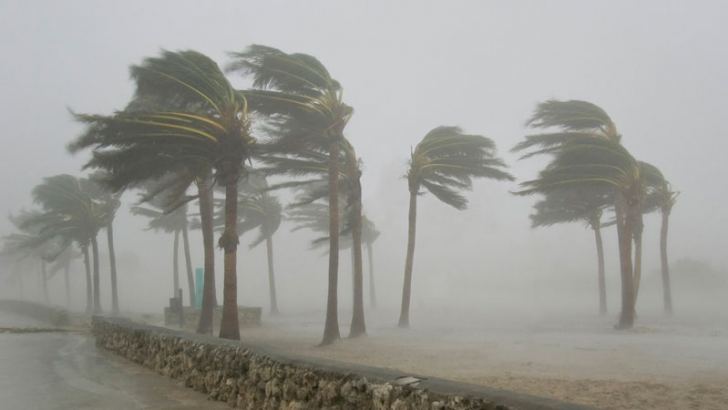
Cyclone Ditwah has been recorded as Sri Lanka’s deadliest natural disaster since the 2004 tsunami, claiming 635 lives and impacting nearly 10% of the population. The cyclone caused severe damage to vital infrastructure and key agricultural sectors, including rice and tea cultivation.

Authorities estimate that total recovery and reconstruction costs could reach as high as US$ 7 billion.

PM Amarasuriya Stresses Urgent Need for Coordinated Flood Control Measures in Colombo

0

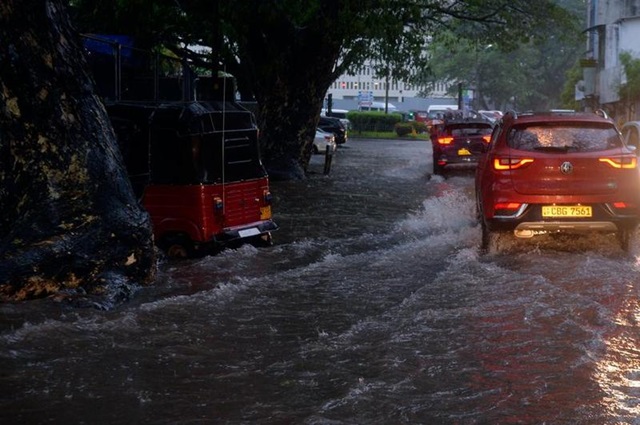
Prime Minister Dr. Harini Amarasuriya says that floods cannot be allowed to continue disrupting the lives of residents in the Colombo District.

Speaking to the media following the Colombo District Disaster Management Committee meeting held at the Colombo District Secretariat, the Prime Minister stressed that development cannot be used as an excuse for allowing settlements that expose communities to disaster risks.

She emphasized the need for a district-level flood control plan, prepared with the participation of all relevant agencies and implemented in a fully coordinated manner.

“We are currently discussing solutions to address the safety concerns of communities living in vulnerable areas of the Colombo District,” the Prime Minister stated, reaffirming the government’s commitment to ensuring long-term, sustainable flood mitigation.

Sri Lanka Secures US$ 30 Million World Bank Loan for Renewable Energy Integration Project

0

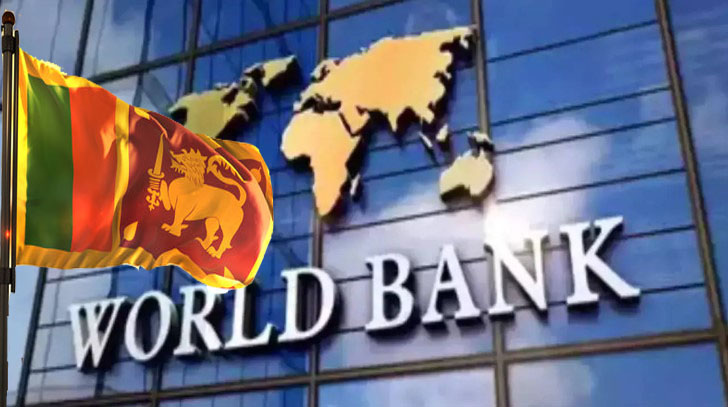
Sri Lanka has secured a loan of US$ 30 million from the International Development Association (IDA) of the World Bank Group to support the implementation of the “Secure, Affordable and Sustainable Energy for Sri Lanka Project,” aimed at enhancing the nation’s renewable energy capacity.

The Financing Agreement was signed by Dr. Harshana Suriyapperuma, Secretary to the Treasury, and David N. Sislen, Division Director for Maldives, Nepal, and Sri Lanka at the World Bank Group.

According to the Ministry of Finance, the project has been designed to address current grid limitations that hinder the effective use of renewable energy. Upgrading infrastructure will be central to enabling greater integration of renewable power sources, in line with the government’s policy target of generating 70% of electricity from renewables by 2030.

The investment will also be supported by a World Bank–backed payment guarantee facility to encourage private sector participation in renewable energy development. This initiative aims to expand renewable energy use, strengthen grid infrastructure, ensure a secure and affordable power supply, attract private investment, and build institutional capacity for long-term sector reforms.

The total cost of the project is estimated at US$ 60 million, with the World Bank providing US$ 30 million in the first phase. The remaining US$ 30 million is expected to be allocated in a second phase.

The Ceylon Electricity Board (CEB) will implement the project in coordination with the Ministry of Energy and the Ministry of Finance.

Let us build a Sri Lanka that stands not on charity, but on confidence

0

By Nalinda Indatissa – President Counsel

Over the past days, our nation has faced a difficult and heartbreaking challenge. The cyclone that struck our island left behind destruction, loss, and deep sorrow. Yet, as always, the strength of the Sri Lankan people has shone through. Our citizens, our first responders, our neighbours, and our international friends all came together with compassion and courage.

Today, as we begin the journey of rebuilding, we are reminded of an important lesson from our past. After the 2004 tsunami, Sri Lanka received unprecedented global support. But we must honestly admit that shortcomings in management and coordination reduced the full benefit that our people could have received. This time, we must not repeat those mistakes.

This disaster gives us an opportunity—not only to repair what was damaged, but to rebuild stronger systems, stronger partnerships, and stronger trust.

We must use this moment to show the world that Sri Lanka is capable of managing aid with the highest levels of transparency, efficiency, and accountability. Every rupee, every dollar, and every donation must reach the people who truly need it. Aid must not be slowed by bureaucracy. Help must not be diverted. Trust must not be broken.

Let me also recognise with deep gratitude the neighbouring nations who rushed to our help within hours of the cyclone. Their ships, aircraft, and relief teams arrived even before the winds had settled. In moments of crisis, true friendship becomes visible. Sri Lanka will never forget this.

But this assistance is more than emergency support. If we manage it well, it can become a foundation for long-term economic recovery. By acting transparently, by coordinating openly with our partners, and by ensuring that every project is monitored and audited, we can rebuild our economy with renewed strength. Effective management of aid can also open new doors—doors to trade, investment, technology, and regional cooperation.

This is not only a moment of rebuilding. It is a moment of rethinking. A moment to reform. A moment to show the world the integrity and discipline of our institutions.

Let us transform this tragedy into a turning point.
Let us build a Sri Lanka that stands not on charity, but on confidence.
A Sri Lanka respected for its honesty, its efficiency, and its resilience.

Together, with unity and determination, we can rise—not just from the cyclone, but from the challenges that have held us back for too long. The path ahead is difficult, but with transparency, good governance, and trusted partnerships, a stronger Sri Lanka is not only possible—it is within our reach.