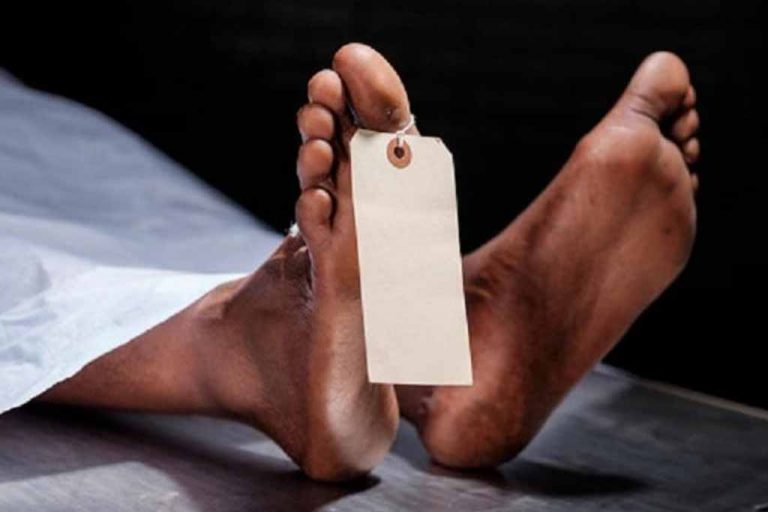
The police said that the bodies of three people who had died suspiciously were found in three places.
A dead body of a man was found in a field in Uhana, Herodurua area last night (27th) and it was later revealed that he was a 37-year-old resident of the same area.
Also, a dead body of a 64-year-old man was found in a well in Ilukkanuwa area of Peradeniya.
Also, a dead body of a male person was found in a canal in Karadibokku area of Kilinochchi and his identity has not yet been identified. The police say that the person is between 40-50 years old.
Uhana, Peradeniya and Kilinochchi police stations are conducting further investigations.
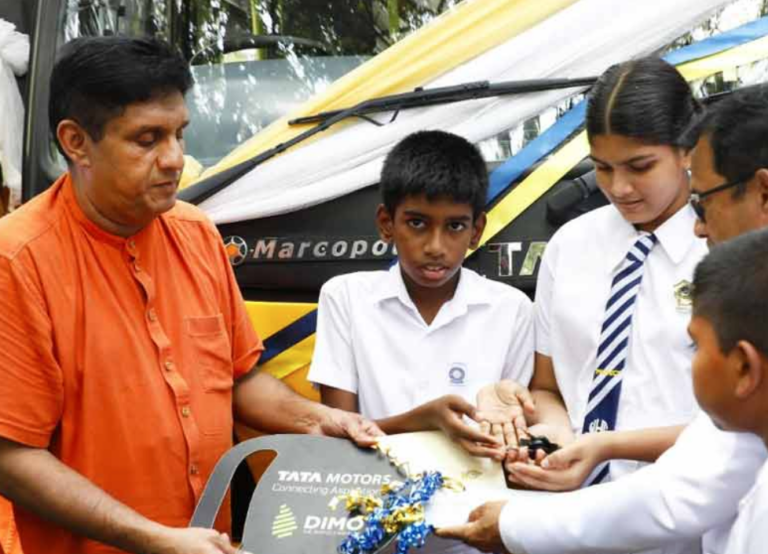
A program of providing buses to schools in various parts of the island is being implemented under the “Sakwala” program which is being implemented based on the concept of the opposition leader Sajith Premadasa. Buses have been provided to 51 schools under this program.
When doing any good work in our country, it is inevitable to be criticized. Those could be meaningful criticisms, pointless criticisms, things that come out of your mouth as well as deliberate political attacks, or even insults and slanders.
These days, Sajith Premadasa is constantly being attacked by political opponents for providing buses to these schools. They have even given him the name called “Busman”.
What these people often tell people is, “Why does schools need buses?” or “Is it necessary to provide buses to schools at this time?”
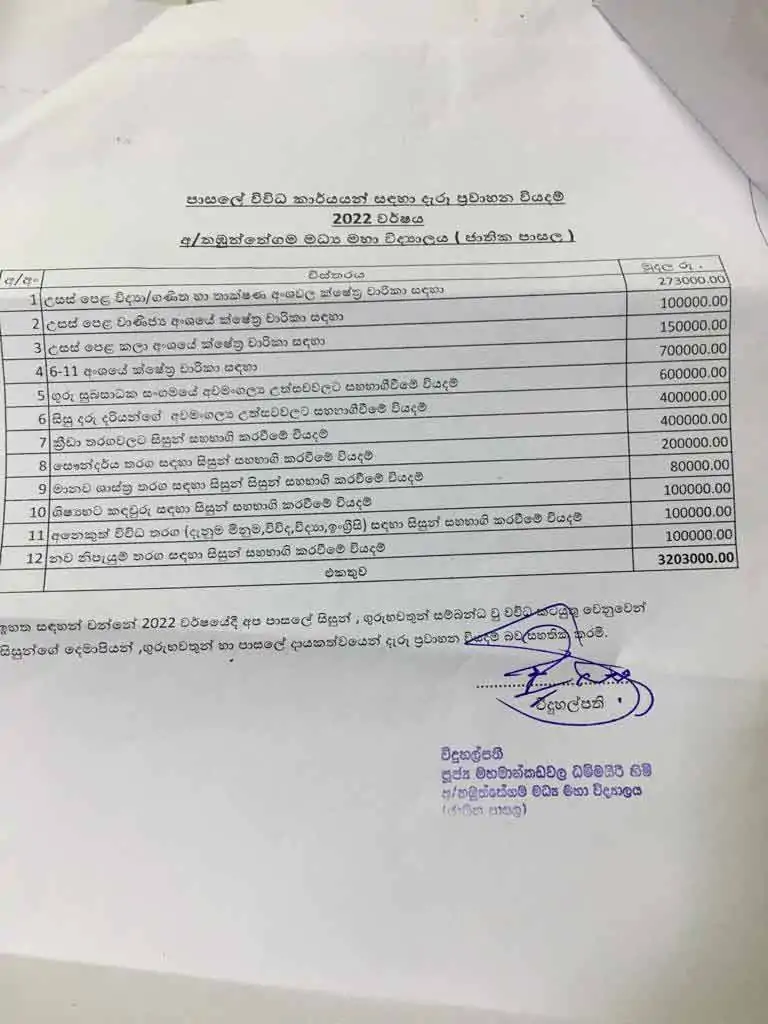
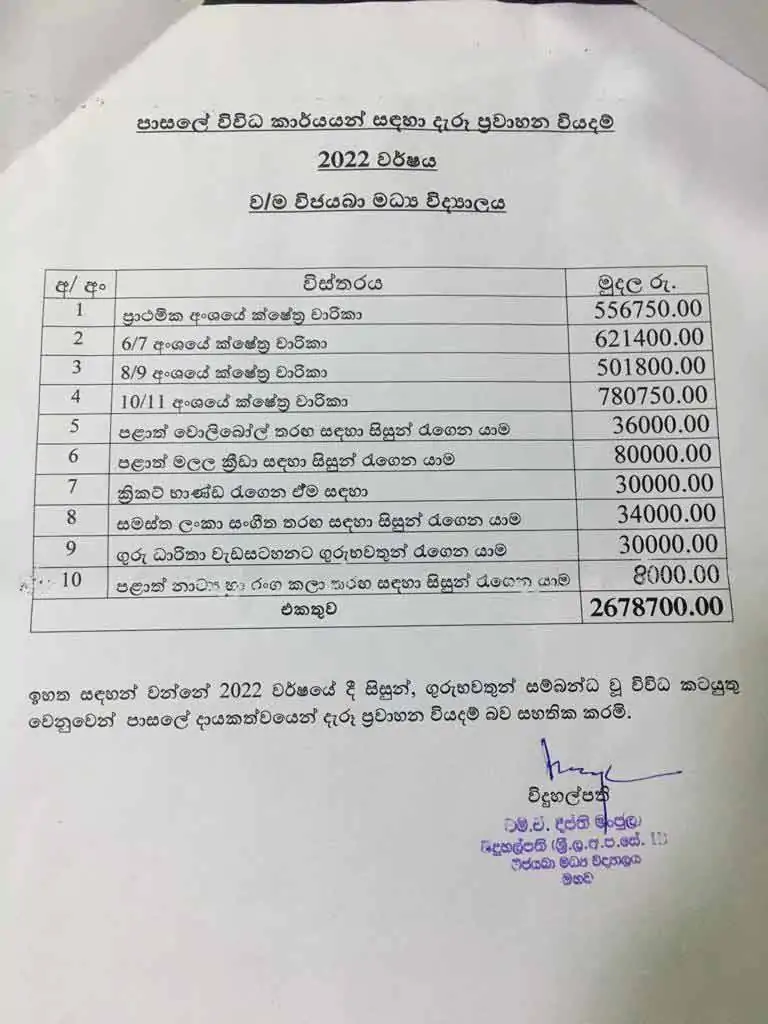
As a very simple answer to this question, the transportation costs between two schools in two distant areas in 2022 are posted below. These expenses are for various educational activities involving students and teachers. These are paid for by students’ parents, teachers and school funds.
Out of which, the transport cost of Tambuttegama Madhya Maha Vidyalaya, Anuradhapura in the year 2022 is 32 lakh rupees. The transport cost of Mahawa Vijayaba Middle School in the year 2022 is close to 27 lakh rupees. The value of a bus given to a school through Sakwala program is 50 lakh rupees. If the school had a bus like that, how much would the parents of these school students have reduced for the work of these school children? How much relief will it be for those parents? If that happened, the teachers could have used the school’s funds for another educational purpose.
It is easy to pretend to be education experts and berate opponents. But it is a difficult task to go around the country to find out about the practical problems in the country’s education sector and find solutions to them in the best possible way even if there is no government power. The opposition leader is currently doing that difficult task.
On the other hand, if someone does something good, no matter what the politics is, one should be able to appreciate that good thing as a human being. A politics without that “humanity” will not be good for anyone.
*Adapted from original article “පාසල්වලට බස් රථ ඕනෑ ඇයි ?” published on 28.12.2022
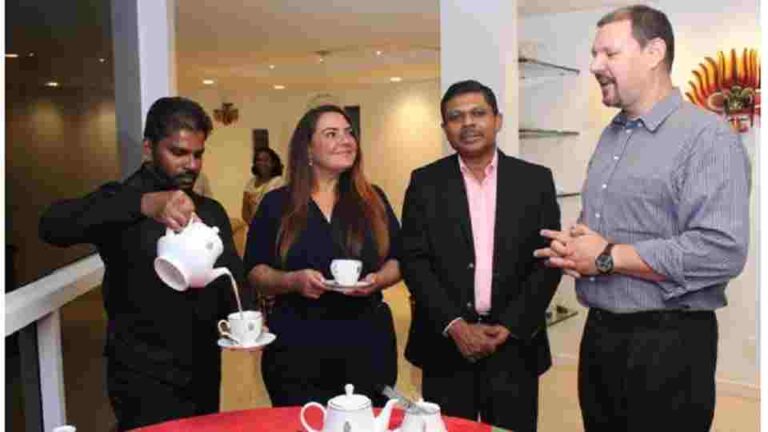
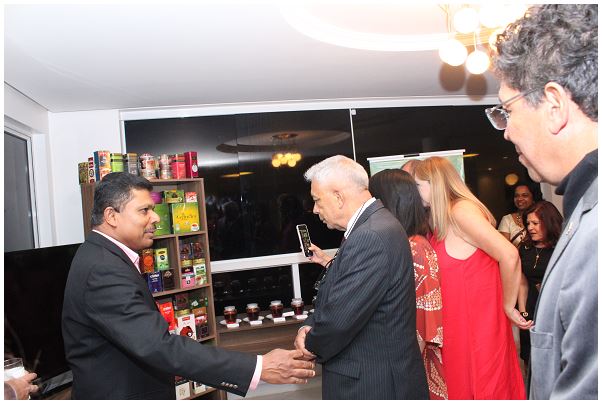
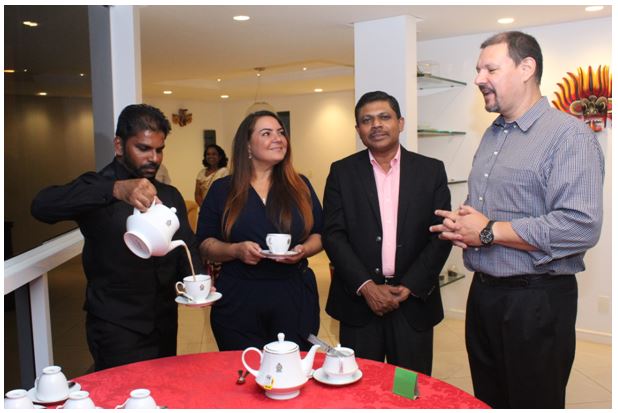
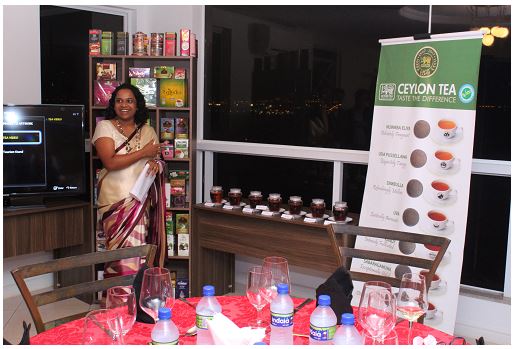
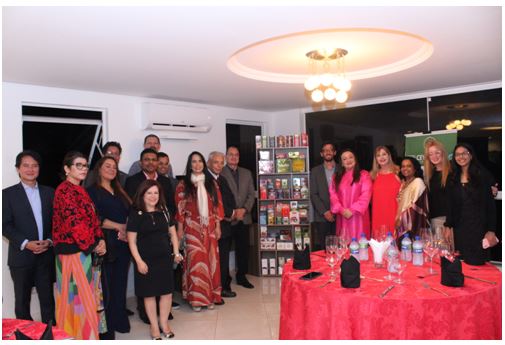
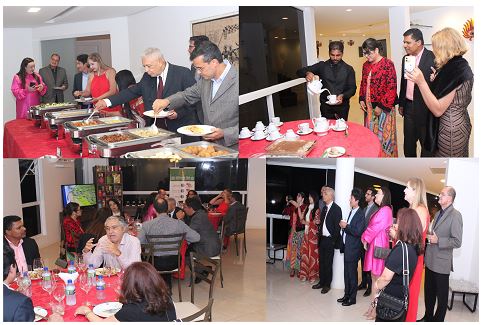
The Embassy of Sri Lanka in Brazil had a networking session with Brasilia based Printed and Electronic Media Journalists to promote Sri Lankan Tourism, Food and Ceylon Tea as part of the Trade and Tourism promotion initiatives of the Embassy, at its premises on 21 December, 2022.
In his address to the journalists, Ambassador of Sri Lanka to Brazil, Sumith Dassanayake stated that currently Sri Lanka has reached the stability level of the pre-pandemic era and the country is ready to receive large number of tourists from across the world. He invited the gathering to promote Sri Lanka as a Trade and Tourist destination amongst other in the country. Responding to journalists at the Q & A session, Ambassador Sumith Dassanayake spoke of the possibility of arranging a familiarization tour to a group of Brazilian journalists to visit Sri Lanka, in due course.
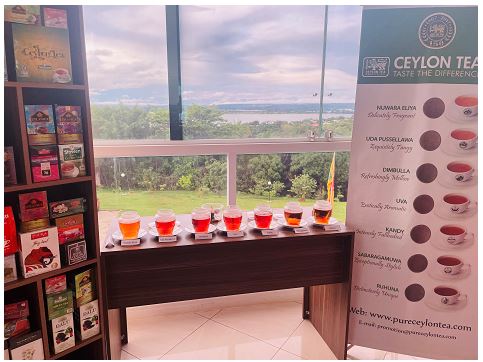
The Minister Counsellor (Commercial) of the Embassy conducted a workshop on Ceylon Tea, highlighting the history, the process of bringing tea leaves to the cup and unique characteristics of Ceylon Teas. The event concluded with a Sri Lankan Dinner and tea tasting which allowed invitees to sample different varieties of Ceylon teas. The guests shared live updates of the event on their social media platforms, reaching out to their large number of subscribers and followers.
President appoints new secretaries to 08 ministries, extends the term of three
President Ranil Wickremesinghe has reshuffled the secretaries of eight ministries with effect from January 01st 2023 and extended the tenure of the secretaries of three ministries for a further year.
Accordingly, the Secretary to the Ministry of Public Administration, Home Affairs, Provincial Councils &Local Government Mr M.M.P.K. Mayadunne has been transferred to the Minister of Transport and Highways while Mr H.K.D.W.M.N.B. Hapuhinne who served as the Secretary to the Ministry of Women Child Affairs & Social Empowerment has been transferred to the Ministry of Public Administration, Home Affairs, Provincial Councils & Local Government with effect from 01-01-2023.
Meanwhile, the Additional Secretary to the Ministry of Labour and Foreign Employment Mrs M. Yamuna Perera has been appointed to the post of Secretary to the Ministry of Women Child Affairs & Social Empowerment, Additional Secretary to the Ministry of Public Administration, Home Affairs, Provincial Councils & Local Government Mr M.M. Naimuddin has been appointed as the Secretary to the Ministry of Investment Promotion and Mr R.M.W.S. Samaradivakara, Additional Secretary to the Ministry of Agriculture has been appointed as the Secretary to the Ministry of Tourism and Lands.
Mr A.M.P.M. B. Atapattu, Senior Secretary to the President has been appointed as the Secretary to the Ministry of Trade, Commerce and Food Security, the Commissioner General of the Department for Registration of Persons Mr. P.V. Gunatillake has been appointed to the Ministry of Public Security and Jaffna District Secretary Mr K. Mahesan has been appointed as the Secretary to the Ministry of Sports and Youth Affairs.
Further, the tenure of the Secretary to the Ministry of Justice, Prison Affairs and Constitutional Reform Mrs Wasantha Perera, the Secretary to the Ministry of Education Mr M.N. Ranasinghe and the Secretary to the Ministry of Irrigation Mr U.D.C. Jayalal was extended for one year.
These new appointments will be effective from 01st January 2023.
Ceylon Institute of Builders President Rohan Karunaratne says over 500,000 construction workers laid off and 70% of the industry is on hold: also says turnover is down 65%: laments private developers are reluctant to start projects now: asserts Rs.209bn is due to the contractors from Govt, but only Rs.25 bn is to be released by the year-end.
Govt revenue for the first 9 months this year rises, compared to last year’s levels as a result of the hike in the indirect taxes including VAT: however, data shows the Govt’s interest cost increase has been much higher than the revenue generated by such tax increase: entire tax increase fully negated, as a result.
Ceylon Petroleum Corporation says current reduction in daily fuel consumption by half is due to fuel rationing and end of hoarding of fuel: data shows Sri Lanka spent an average of USD 467mn per month on fuel between January and March 2022, but less than USD 250mn per month, thereafter.
CID interrogates murdered Janashakthi Director Dinesh Schaffter’s mother-in-law: also question his wife for the 4th time: investigations into the murder continue.
Thilini Priyamali, who was in remand prison for alleged financial fraud, released from prison after receiving bail: says the media has already made her the culprit, done her a huge injustice and crucified her.
Number of dual citizenship applications in 2021 to the Immigration Department was 5,401: from Australia – 1,621: from UK – 885: from US – 795: from Canada – 371:. applications also submitted from Sri Lankans living in Italy, Switzerland, Sweden, New Zealand, France and Denmark.
Two members involved in the “Aragalaya”, Dhanish Ali and Anuruddha Bandara interrogated by the CID for about 6 hours in connection with the arson attack on President Ranil Wickremesinghe’s private residence at 5th Lane, Kollupitiya.
Energy Minister Kanchana Wijesekara says all religious places of worship will be provided with a 5KW solar power unit, free of charge, under an Indian credit facility within 3 months.
Former President of the Peradeniya Students Union Anuradha Widanage and current President Chamod Sathsara suspended from the University over the assault on former Vice Chancellor Professor Athula Senaratna.
Tourism Minister Harin Fernando says number of tourist arrivals to Sri Lanka from 1st to 31st December has increased to 73,314: total arrivals so far this year increased to 701,331.
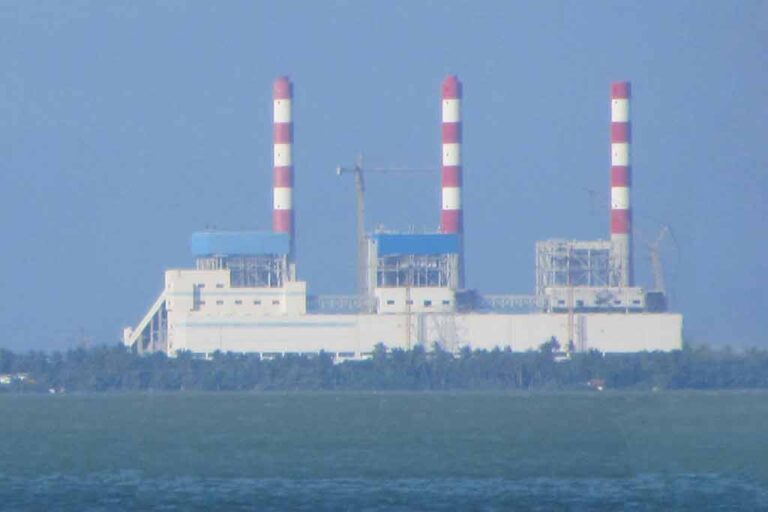
Chairman of Ceylon Coal Company Shehan Sumanasekara says that the tender for supplying coal to Norochchole Power Plant has been given to Arista Mitra, an Indonesian company.
He also mentioned that this tender was given to that company as the lowest bidder.
He said that these coal orders will be received with a credit period and said that 720000 metric tons of coal will be delivered to Puttalam Port in 12 occasions starting next February with 60000 metric tons at a time.
Coal tenders were called three times since last September, but all three tenders were canceled due to various reasons.
The Ministry of Foreign Affairs conducted an orientation programme from 16 – 23 December, for fourteen (14) newly designated Heads of Sri Lanka Missions abroad and two (02) Heads of Post who were recently appointed by President Ranil Wickremesinghe. Those appointed are due to assume duties shortly.
The Foreign Ministry welcomes the appointment of a large number of career diplomats as Heads of Mission. Twelve (12) of the new Heads of Mission designate and one (01) Head of Post are members of the Sri Lanka Foreign Service.
The orientation programme was inaugurated by the Minister of Foreign Affairs Ali Sabry who highlighted the current priorities for Sri Lanka Missions and foreign policy challenges. Foreign Secretary Aruni Wijewardane emphasized on the leadership role of Heads of Mission in achieving the goals and objectives of the country. The orientation programme included discussions on economic, political, security, cultural and consular matters and field visits to the Northern Province as well as other government entities. The Ambassadors designate presented their strategies for their term of office at a panel discussion attended by Foreign Minister Ali Sabry, State Minister of Foreign Affairs Tharaka Balasuriya and Foreign Secretary Aruni Wijewardane. The Heads of Mission designate paid a courtesy call on Prime Minister Dinesh Gunawardena and will pay a courtesy call on President Ranil Wickremesinghe in due course.
The newly appointed Heads of Mission designate from the Foreign Service include, Permanent Representative designate to the UN in Geneva Himalee Arunathilaka, Ambassador designate to Bahrain Reethi Wijeratne, High Commissioner designate to Australia Chitranganee Wagiswara, Ambassador designate to Vietnam Dr. Saj Mendis, Ambassador designate to France Manisha Gunasekera, , Ambassador designate to Kuwait B. Kandeepan, Ambassador designate to Ethiopia & Africa Union Theshantha Kumarasiri, Ambassador designate to Germany Varuni Muthukumarana, Ambassador designate to Lebanon Kapila Jayaweera, , Ambassador designate to Jordan Priyangika Wijegunasekara, Ambassador designate to the Philippines Dr. Chanaka Talpahewa, Ambassador designate to Israel Nimal Bandara and Consul General designate to Milan Dilani Weerakoon .
In addition, Ambassador designate to Indonesia Admiral Jayanath Colombage, Ambassador designate to the UAE Udaya Indrarathna and, Consul General in Melbourne Sandith Samarasinghe have also been appointed.
Ministry of Foreign Affairs
Colombo
27 December 2022
Captions:-
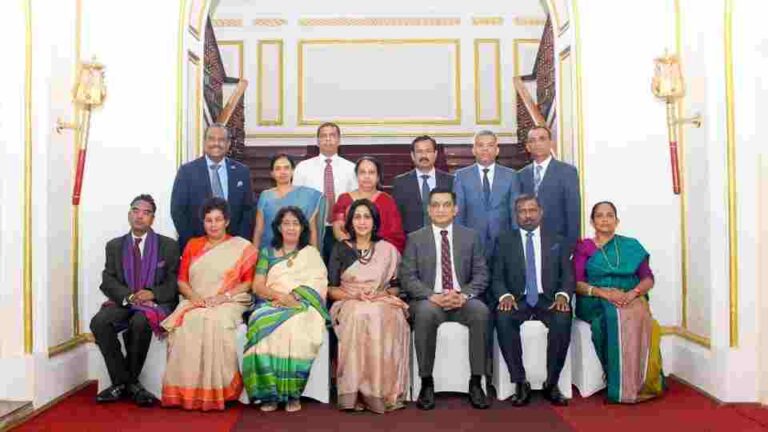
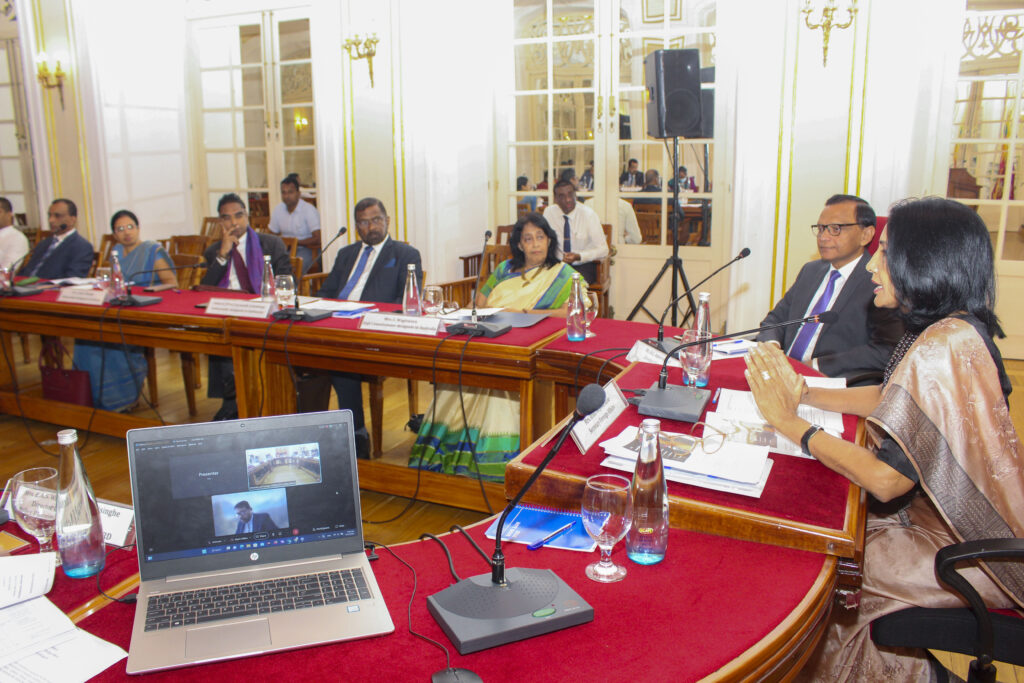
The group of newly appointed Heads of Mission/Post who completed the orientation programme appearing in a group photograph with Foreign Minister Ali Sabry and Foreign Secretary Aruni Wijewardane at the Ministry of Foreign Affairs.
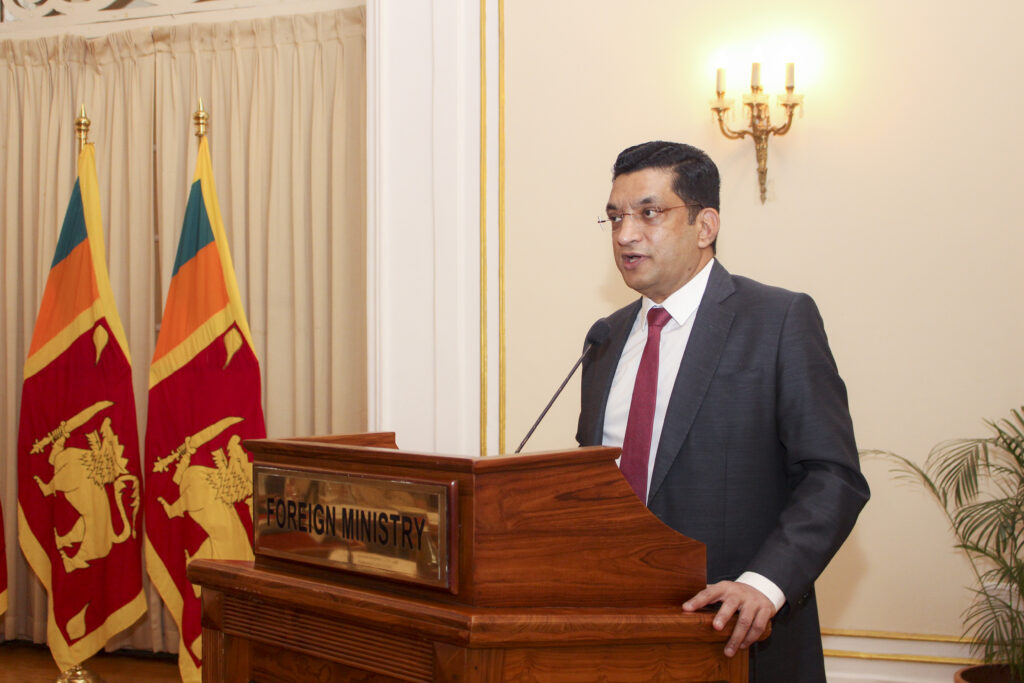
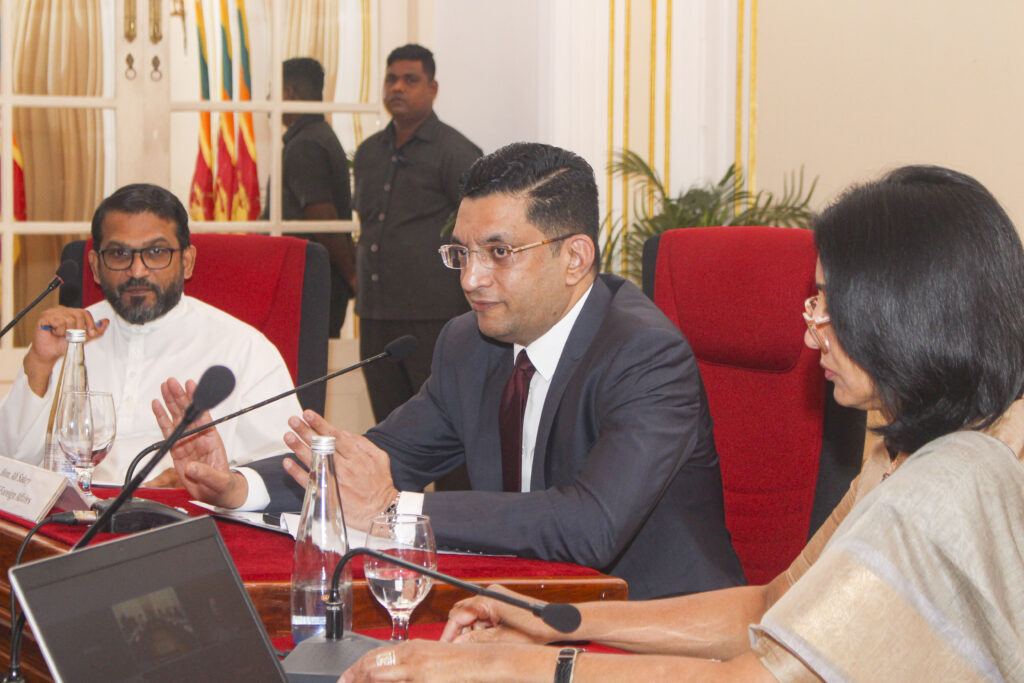
Foreign Minister Ali Sabry delivering the opening remarks at the inaugural session of the orientation programme at the Main Conference Hall of the Ministry on 16 December 2022.
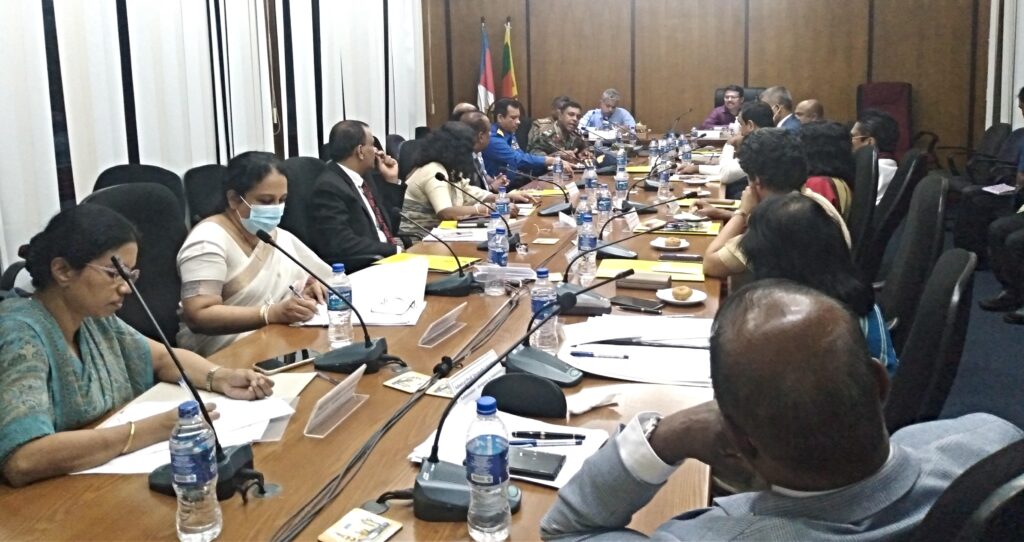
Foreign Secretary Aruni Wijewardane briefing on the role of Heads of Mission/Post as a Leader and a Manager during the briefing sessions of the orientation programme at the Main Conference Hall of the Ministry, on 19 December 2022.
The group of newly appointed Heads of Mission/Post presenting their strategic plans with respect to their individual assignments to the panel of Foreign Minister Ali Sabry, State Minister of Foreign Affairs Tharaka Balasuriya and Foreign Secretary Aruni Wijewardane, at the Main Conference Hall of the Ministry, on 23 December 2022.
Mrs. Krishanthi Weerakoon, Etiquette Expert delivering representational duties during the briefing sessions of the orientation programme at the Hilton, Colombo, on 16 December 2022.
The group of newly appointed Heads of Mission/Post participating at a briefing session conducted by the tri-forces at the Secretariat of the Governor of the Northern Province, on 17 December 2022.
Sir John Kotalawala Defense University is embroiled with issues relating to recovery of course fees in arrears of millions of rupees accumulated for several years and some land acquisition for its Southern Campus, recent auditor general’s report highlighted.
Course fees of Rs.45.97 million, which were in arrears for more than 04 years and Rs.10.82 million and US$ 118,107 for providing food and hostel facilities to foreign students had been remained in arrears for 1-4 years as at 31 December 2021, due to failure in collect course fees by the University on time the audit inspection observed.
76 university students, lecturers and other staff members who were in agreement with the bail bond conditions had to pay an amount of Rs. 75.03 million as of 31 December 2021 due to the violation of the said bail bond conditions.
Although legal action had been taken regarding the breach of these bail bond conditions, no satisfactory method or follow-up measures had been adopted to promptly recover the amount due as agreed upon, and the number of bail bond violations had grown four times in the year under review compared to the year 2020.
Even after 07 years have passed since the establishment of the Southern Campus affiliated to the University at the end of the year 2021/2022 under review, the 7.6883 hectares of land used by the campus had not been taken over.
Furthermore, the legal ownership of the 21.5815 hectares of land where the buildings of the University Teaching Hospital were built at a cost of Rs.32,318 million had not been transferred to the University by the end of the year under review.
As of the year under review, more than 5 years have passed since the completion of the construction, but the further work of acquiring the relevant land has not been completed.
Therefore, the value of this land was not reflected in the financial statements The Breast Health Center and the Nuclear Medicine Department have not been started for treatment services.
This was due to the failure to fill 31 vacancies including the positions of medical officer and radiographer in the approved staff of the radiology department of the teaching hospital.
Sir John Kotalawala Defense University Established by General Sir John Kotalawala State Defense Training Institutions Act No. 68 of 1981, to provide facilities and guidance for studies to cadet officers, officers, civil servants and any other person preparing for first degree.
The aim was , to promote brotherhood and goodwill between officers and cadets, to provide courses of study for obtaining postgraduate, diploma and other qualifications and the University
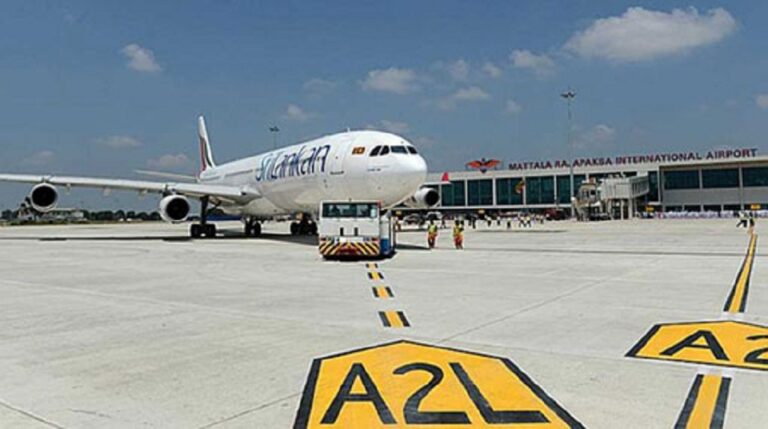
Sri Lanka has requested Indian air services to start flight operations to Mattala, according to a statement from the Port, Shipping and Aviation Ministry.
The aim is to facilitate Indian tourist arrivals as they became the second highest contributor to boost Sri Lanka tourism in the 2022 winter season as the Indian Ocean island is undergoing the worst currency crisis in the history of its soft-pegged central bank.
From November 1-24, Sri Lanka has welcomed 45,560 tourists led by 11,041 Russian holiday makers, followed by 8,075 Indians and 3,569 British.
Minister Nimal Siripala de Silva made this request during his meeting with the Indian Ocean Region Joint Secretary Puneeth Agrawal recently.
“In this discussion, the measures that can be taken to further develop the cooperation in the maritime sector in the Indian Ocean region were discussed.
The Minister pointed out that India and Sri Lanka have already reached an agreement on the preliminary work to start a passenger ferry service.
Accordingly, the Minister requested Mr. Agrawal to start the passenger services very soon and to provide the support of the Government of India for the same.
The Minister said that through the expansion of these passenger ferry services, people of the same class in both countries will be able to travel between the two countries at an affordable cost.
He also pointed out that through the transportation of goods, there will be opportunities to expand trade activities between India and Sri Lanka.
The Minister requested to increase the concessional loan amount given for the development of Kankesanthurai Port, and pointed out that the reason for this was the fluctuation in the price of the goods in the construction sector.
Here, the Indian Ocean Region Secretary said that it is appropriate to start passenger ferry services between Danushkodi and Rameswaram. The minister emphasized that he agrees with the proposal and that the Sri Lanka Railway service can also be connected with the passenger ferry services.
Expressing his happiness that more flights could be operated between Chennai and Jaffna with the start of international flight services at Palali Airport, the minister requested that Indian air services be operated up to Mattala Airport as well.
Agrawal said in this discussion that the expansion of these naval and air services between the two countries is very important and the Indian government will provide full support for that,” the statement said.
Sri Lanka will see visitors from the Russian Federation resume their travel to the island nation once again, with efforts underway to increase flights between Russia and Colombo.
President Vladimir Putin has ordered an increase in the number of flights between Moscow and “friendly states”which resulted in the resumption of flights by third Russian airlines, the Russian embassy in Sri Lanka said.
Russian travelers are leading Sri Lanka’s tourist arrivals in the 2022 winter season as the Indian Ocean Island undergoing the worst currency crisis in the history of its soft-pegged central bank.
From November 1-24, Sri Lanka has welcomed 45,560 tourists led by 11,041 Russian holiday makers, followed by 8,075 Indians and 3,569 British.
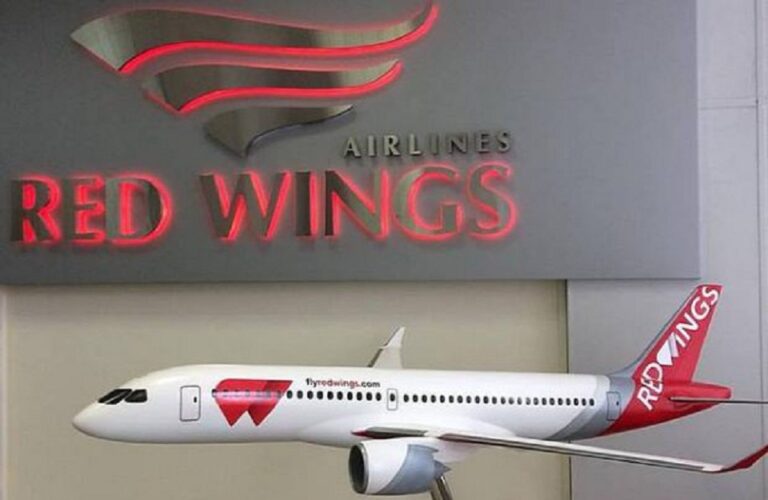
The Embassy of Sri Lanka in Moscow announced yesterday that Red Wings Airlines, a Russian regional leisure airline based in Moscow, will start charter flight operations to Sri Lanka’s Mattala Airport, twice per week with effect from December 28, 2022.
This is the third Russian Airline serving direct flights to Sri Lanka after the resumption of flights by Aeroflot and Azur Air recently, the embassy said in a statement.
According to the commercial director of the Airline, Mr. I. V. Tretiakov, the first few flights are fully booked and that it is supported as well by the Russian top tour operators working in partnership with the Red Wings Airline.
Red Wings Airline planes are expected to switch to the regular flights as soon as the accreditation is granted by the Sri Lanka Civil Aviation Authority and gradually increase the number of flights.
“Given that the Russian Federation could be regarded as an important tourist traffic source to Sri Lanka at this trying time, this Embassy is of the view that this flight resumption will be of vital importance to the Sri Lankan tourism industry.”
The flag carrier of Russia, Aeroflot, begins to operate two flights per week, starting Sunday, October 9.
As Russia’s largest charter airline resumed services to Colombo. An Azur Air flight arrived at the Bandaranaike International Airport here with 335 passengers onboard, according to media reports.
Permission has also been given by regional airline Azur Air to fly four charter flights per week, starting early November.
“We cordially solicit Russian tourists to choose to visit Sri Lanka while enjoying the convenience of direct flight experience,” the embassy further said.
A Russian airlines Aeroflot flight arrived at the Bandaranaike International Airport on October 10, resuming flights between Moscow and Colombo after a lapse of 4 months