Sri Lanka aims to attract more visitors from Qatar as it offers a wealth of tourism and a safe health environment, said Sri Lankan Ambassador to the State of Qatar Mafaz Mohideen.
Sri Lanka opened its borders in January 2021 and now welcomes vaccinated and unvaccinated travelers by strictly adhering to national health guidelines based on the pandemic situation, he added.
“We aim to attract more holidaymakers form Qatar with a wide range of offerings, from breathtaking scenery and pristine beaches to active adventure and wildlife safari in a safe environment,” he said.
“In the pre-pandemic times an average of 1,000 to 1,200 tourists used to travel to Sri Lanka from Qatar. However, we see a greater interest among many to travel to Sri Lanka and we would like to see them taking the opportunity and enjoy the hospitality, culture, tourist attractions and everything that an enthusiastic traveler will need,” E Mafaz said.
He said that Sri Lanka’s 90 percent eligible population is fully vaccinated against COVID-19 and the country is in the phase of administering booster doses.
“The high vaccination rate has protected the community from the severe COVID-19 situation and it gives a safe environment for the travelers,” he said.
Another area that is favourable for travelers from Qatar is increased air connectivity with Sri Lanka. Srilankan Airlines, the national carrier of Sri Lanka operates daily flights to Colombo and Qatar Airways operates an average of four flights daily.
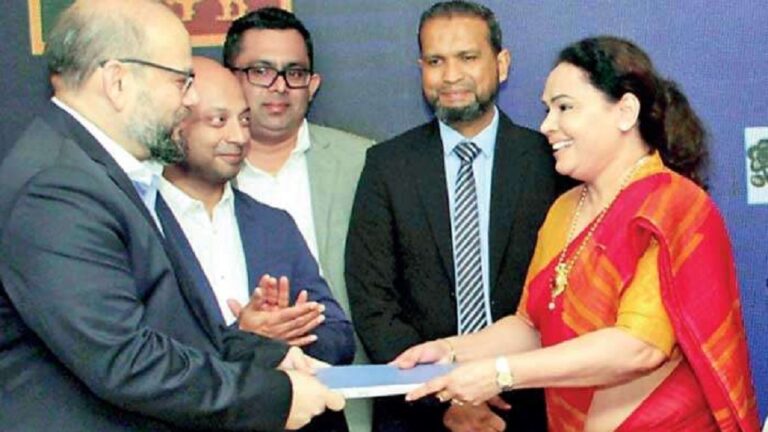
Another initiative of State Tourism Ministry to uplift the tourism sector in Sri Lanka, a MoU has been inked recently between the State Tourism Ministry of Sri Lanka and Tawfeeq Travel, one of the largest travel management and promotion corporate in Qatar to bring one million of high-end tourists from the Middle East region to Sri Lanka within next 24 months, during the year 2023 and 2024.
A grand ceremony was held amongst a large gathering from the industry, business community and media at the Cinnamon Grand Hotel with the State Minister of Tourism Diana Gamage as the Chief Guest.
Qatar Tawfeeq Travel CEO Syed Rehan Ali and State Tourism Ministry Coordinating Secretary Dr. Arosha Fernando signed the MoU representing both Qatar and Sri Lanka at an auspicious time.
Further, Tawfeeq Travel has pledged to invest in the tourism and hospitality sector in Sri Lanka in the future, and confirmed an investment of $ 3 million immediately to the sector to be invested through the State Tourism Ministry.
The ministry has highly appreciated the commendable work which has been undertaken by the State Minister of Tourism Diana Gamage up to date in reviving the tourism sector in Sri Lanka
Sri Lanka aims to attract more travelers from Qatar
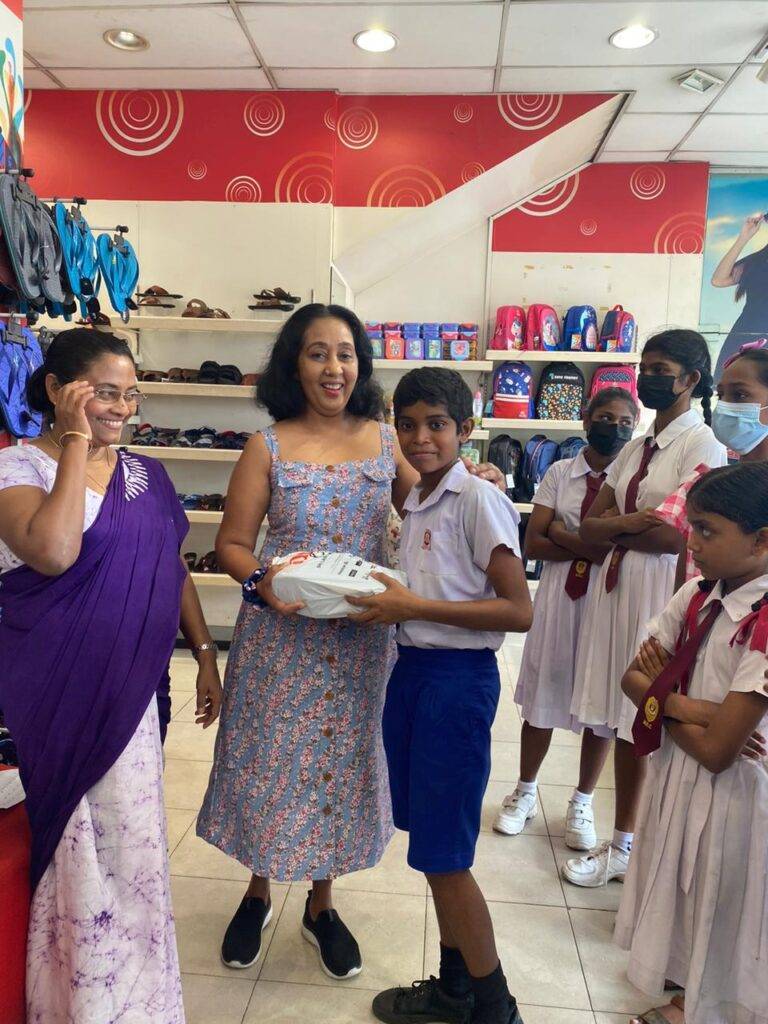
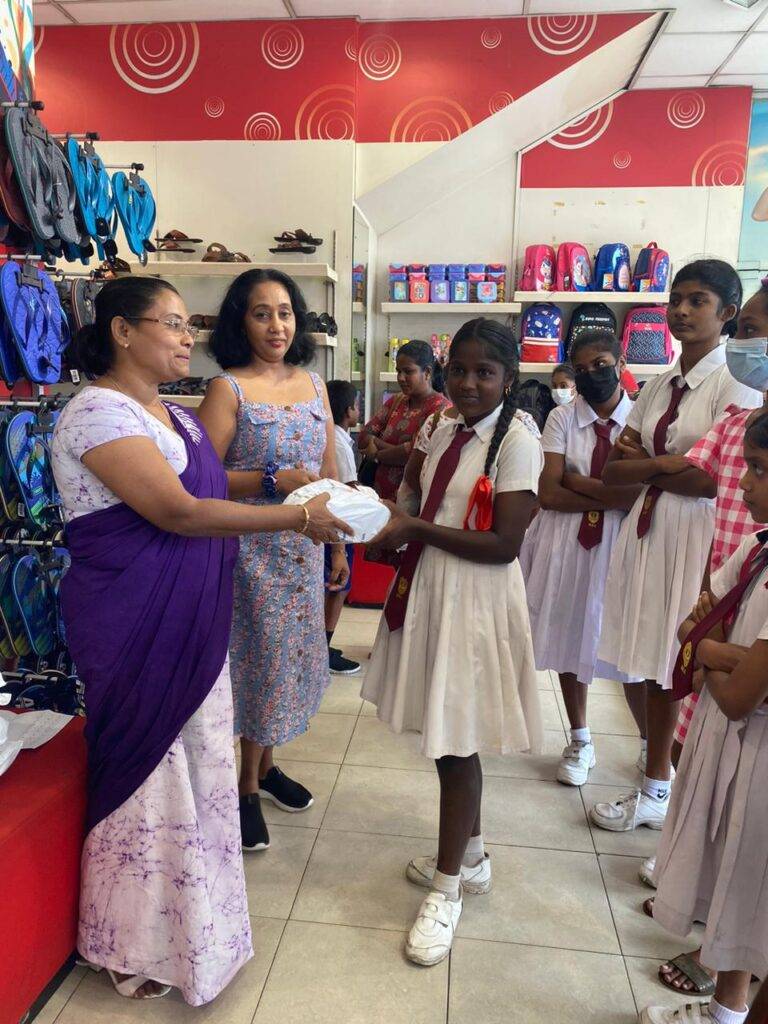
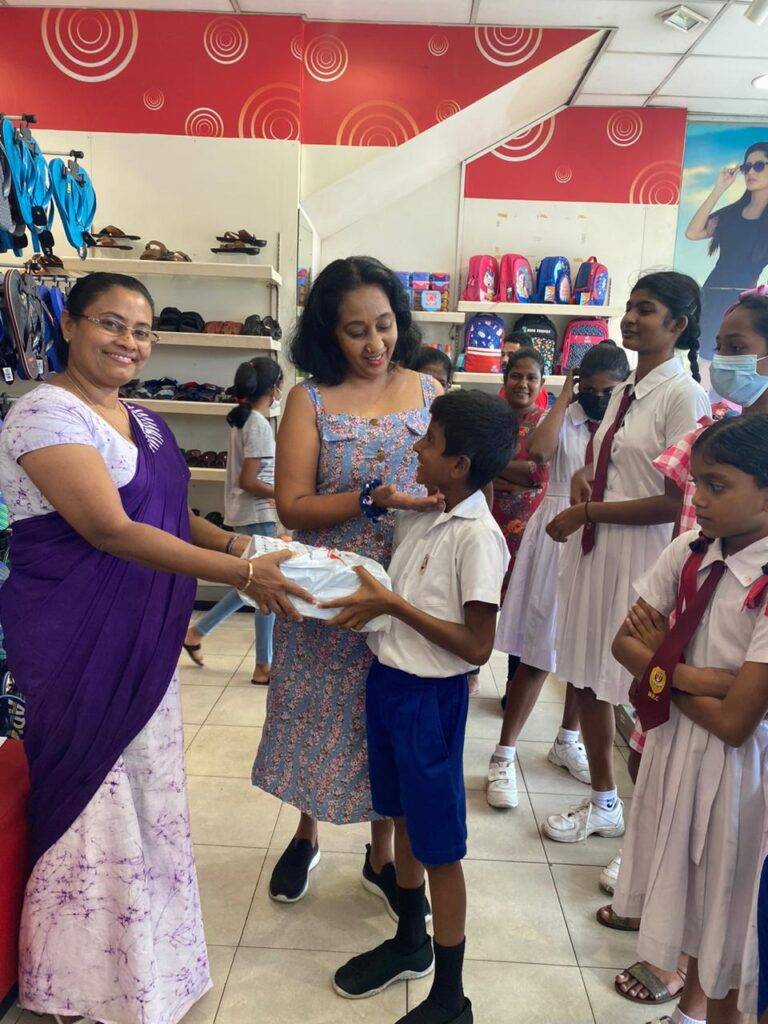
Nelum Yaya CSR: School shoes for students from Ragama Mathumagala Roman Catholic College
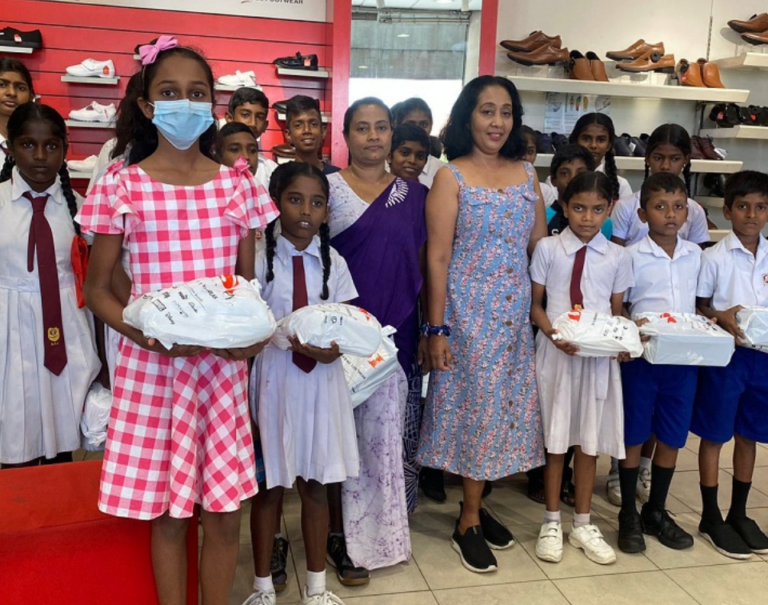
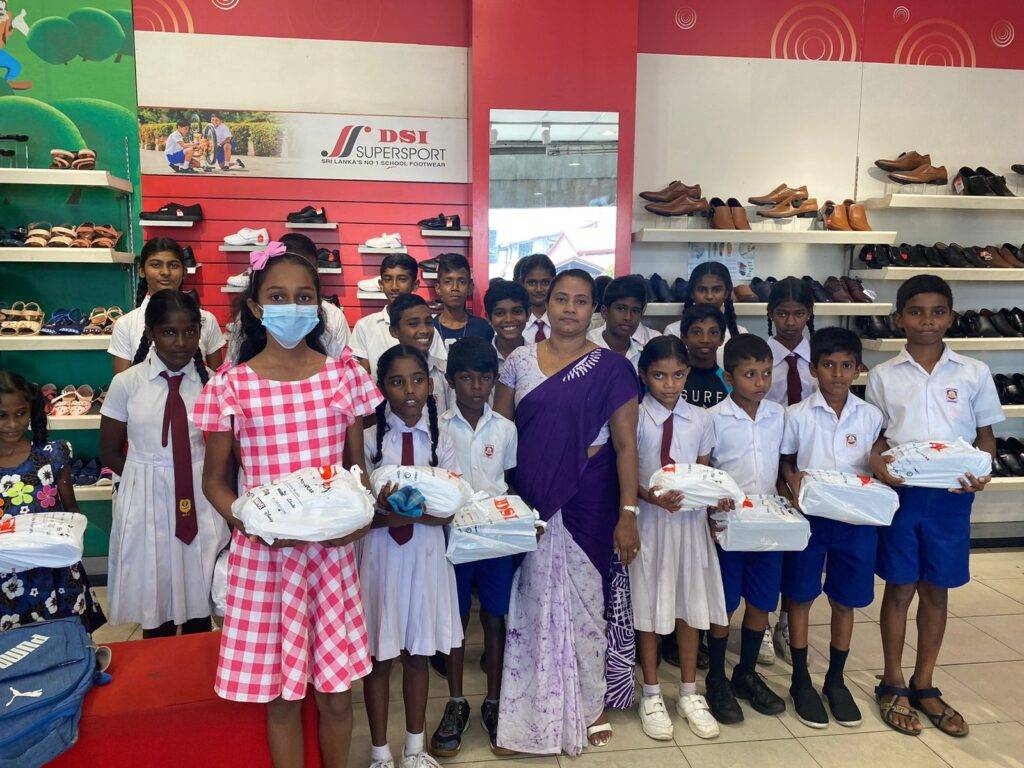
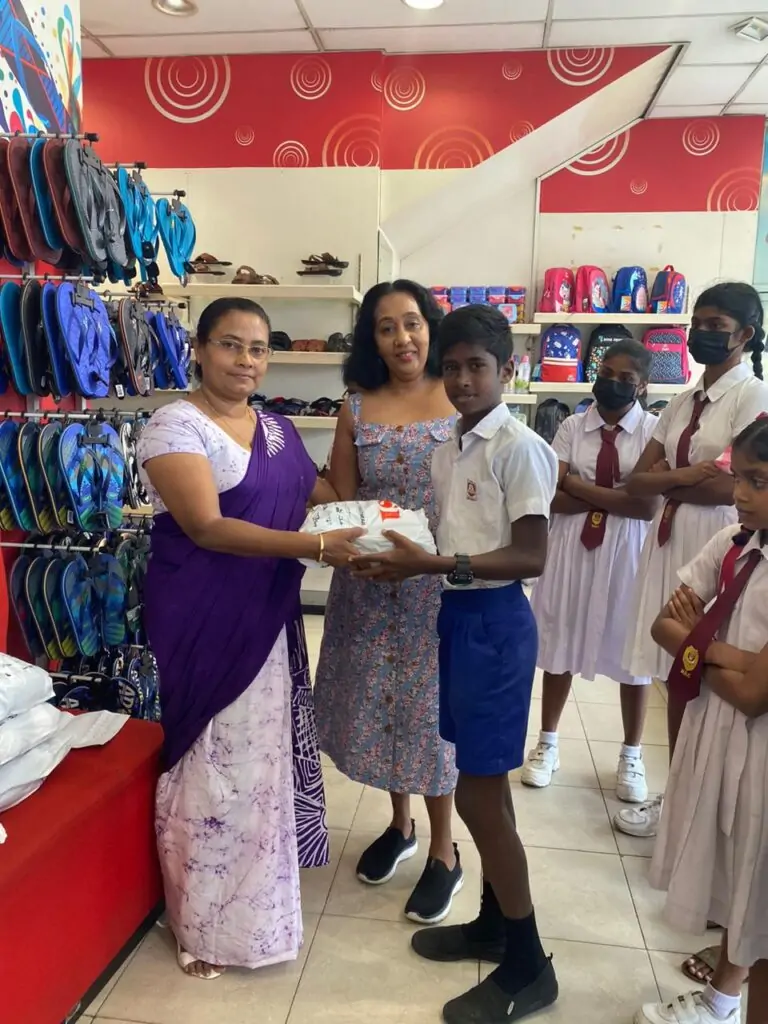
With the financial support of Dinesh Weerakkody Foundation and the organizational strength of the Nelum Yaya Project, we implemented a CSR program to provide school shoes for twenty-five identified children with economic difficulties at Ragama Mathumagala Roman Catholic College.
This year the Dinesh Weerakkody Foundation implemented this hosting program with an amount of nearly one hundred thousand rupees, and it is expected to continue this every month in the future.
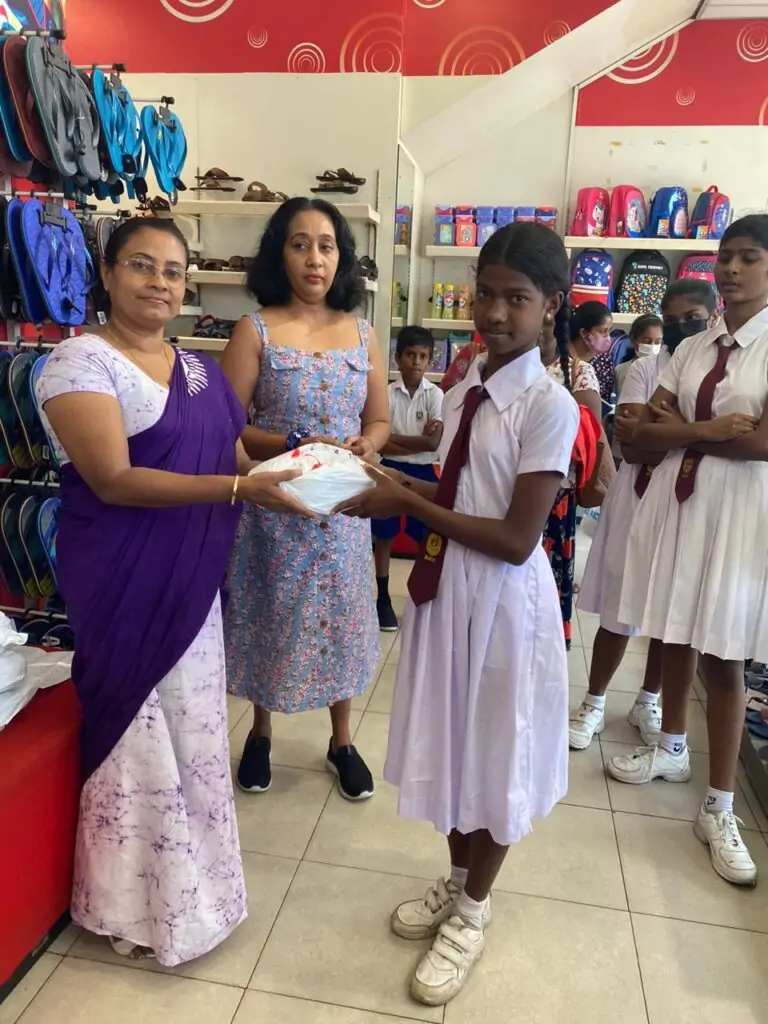
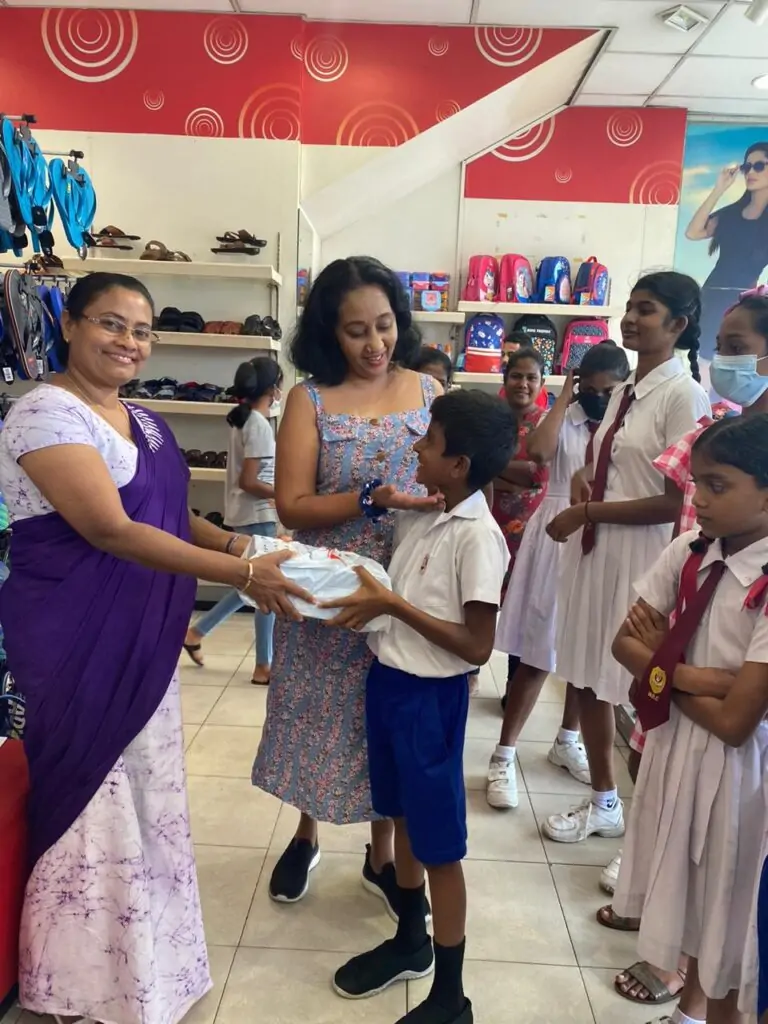
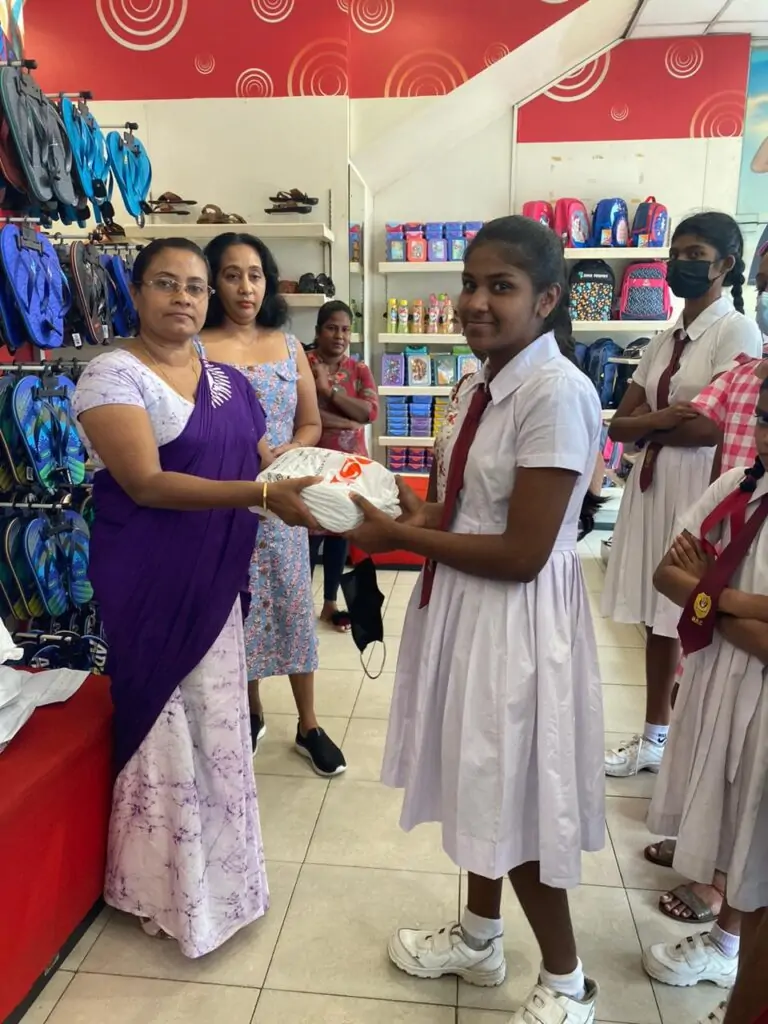
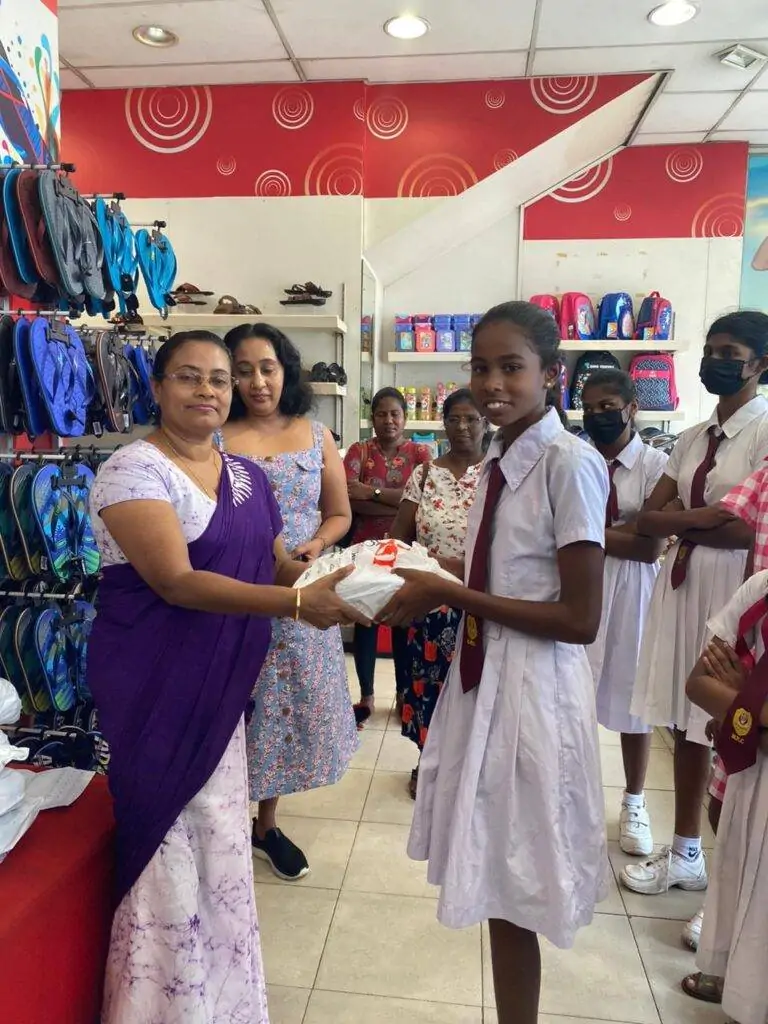
It is no secret that many children have stopped going to school due to the current economic difficulties and the rising prices of school materials.
In 2016, when there was no such economic inflation, at the request of the Department of Labor, the Census and Statistics Department conducted a survey called “Child Activity Survey 2016”, and according to that report, it was also revealed that there were 4.6 million children between the ages of 5-17 years and 452,661 of them do not go to school for various reasons.
Let us strengthen the school children by giving them what they need as much as we can.
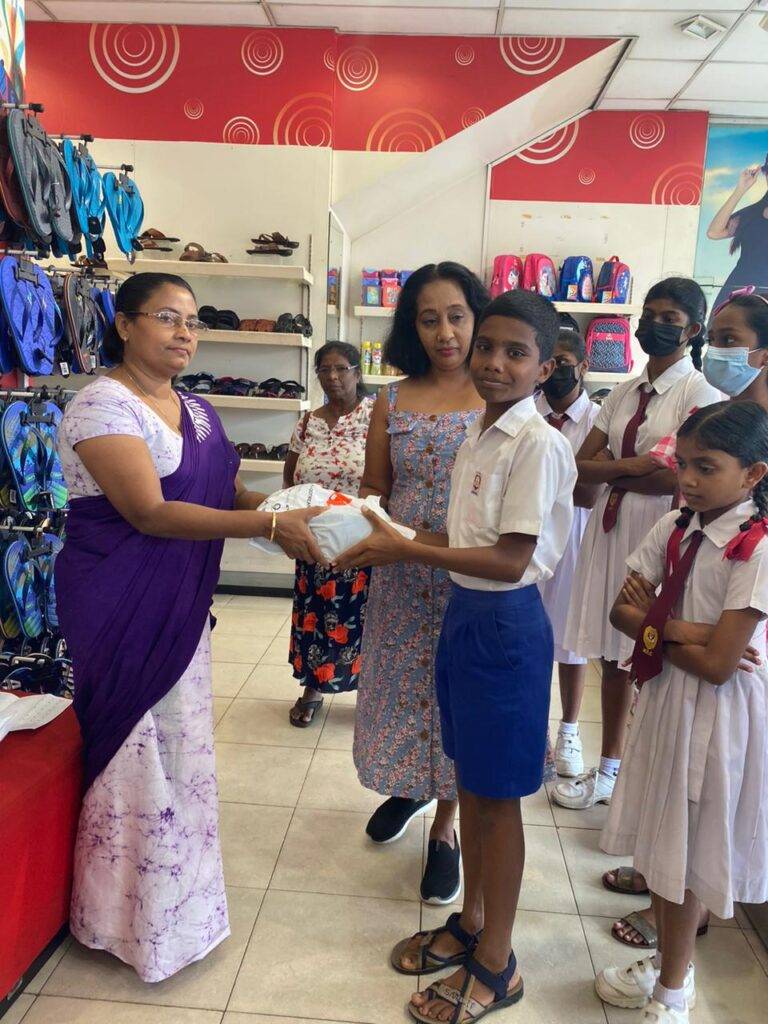
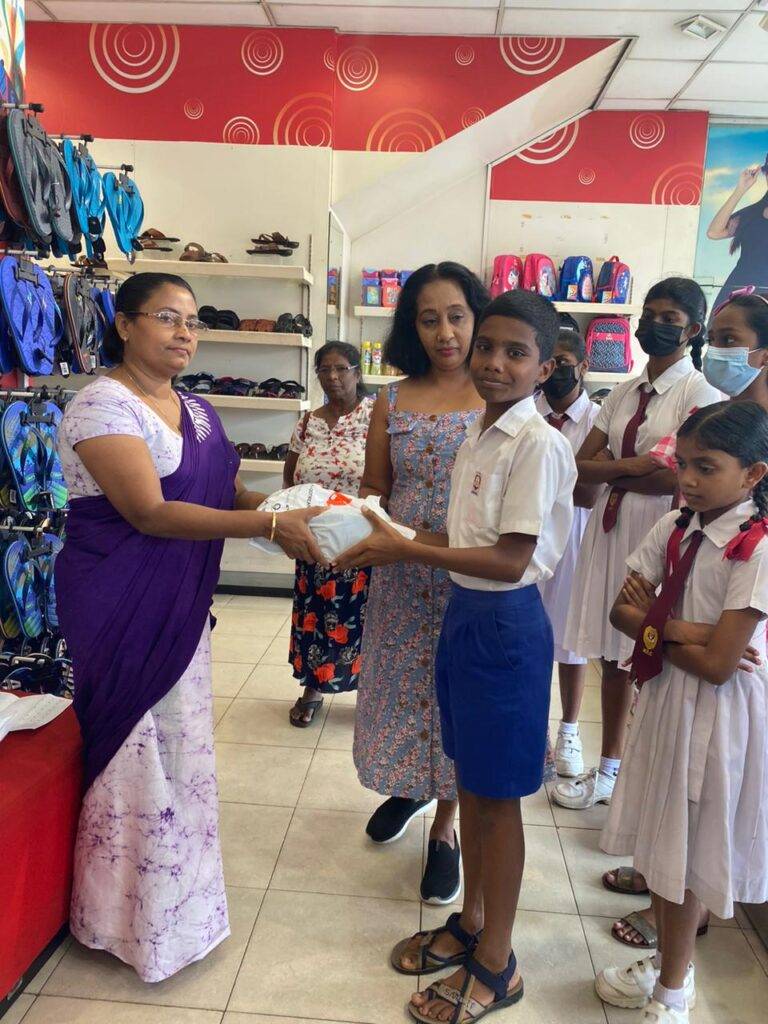
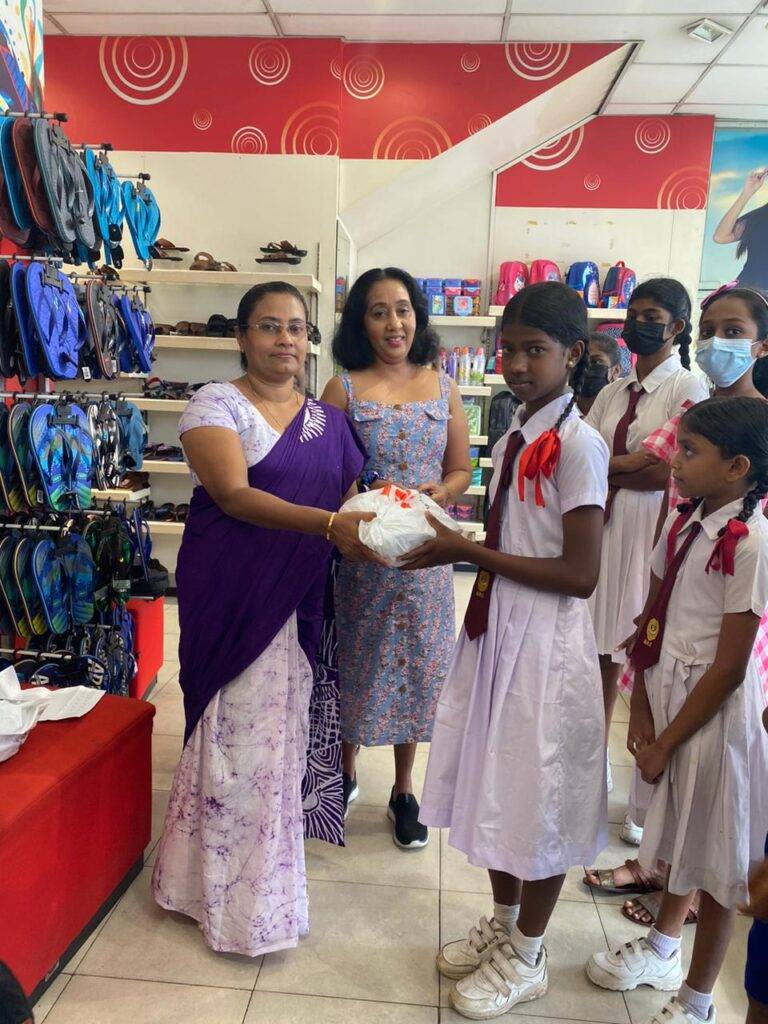
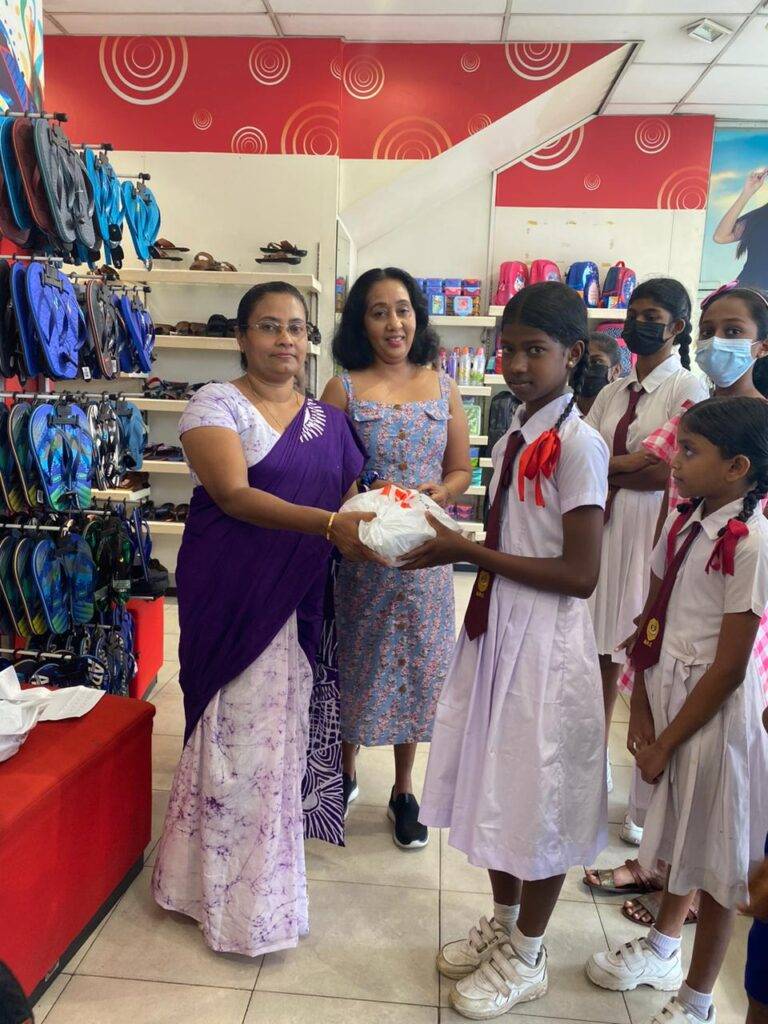
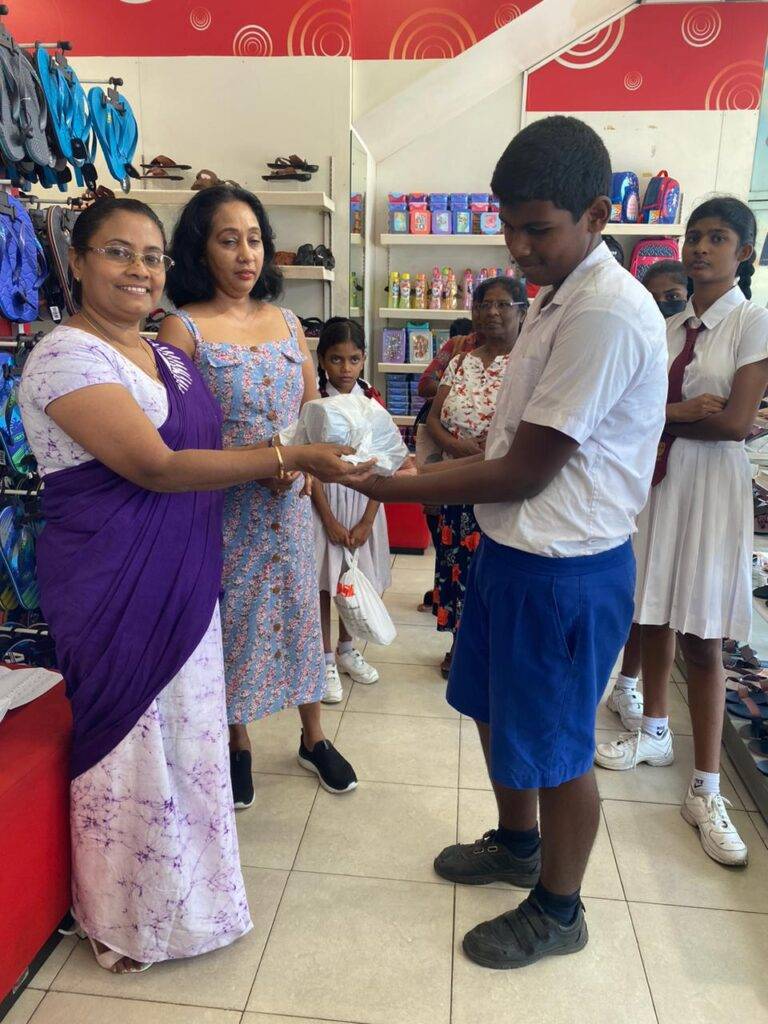
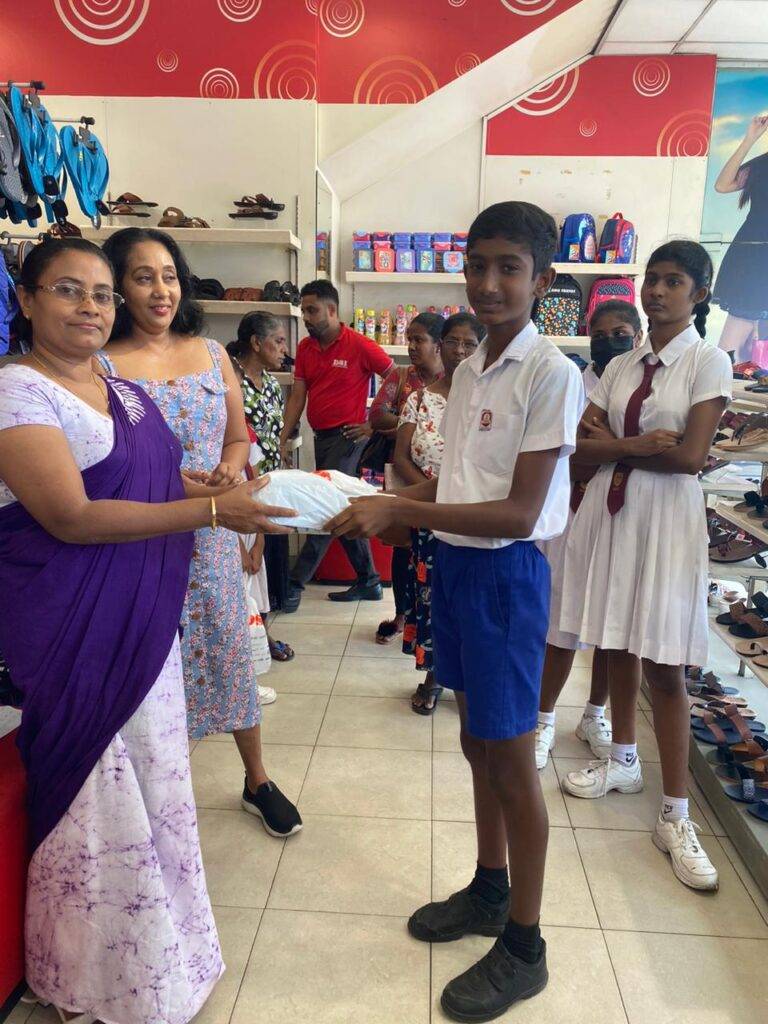
You can also participate through the Nelum Yaya CSR for this social work that is a source of strength for the children.
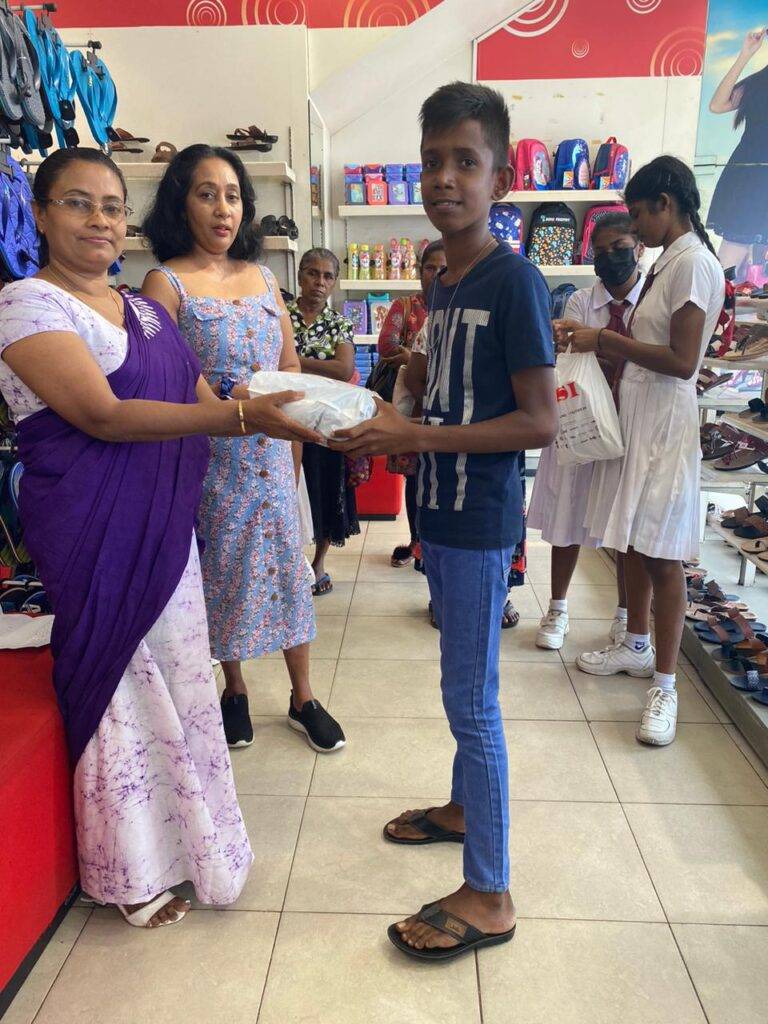
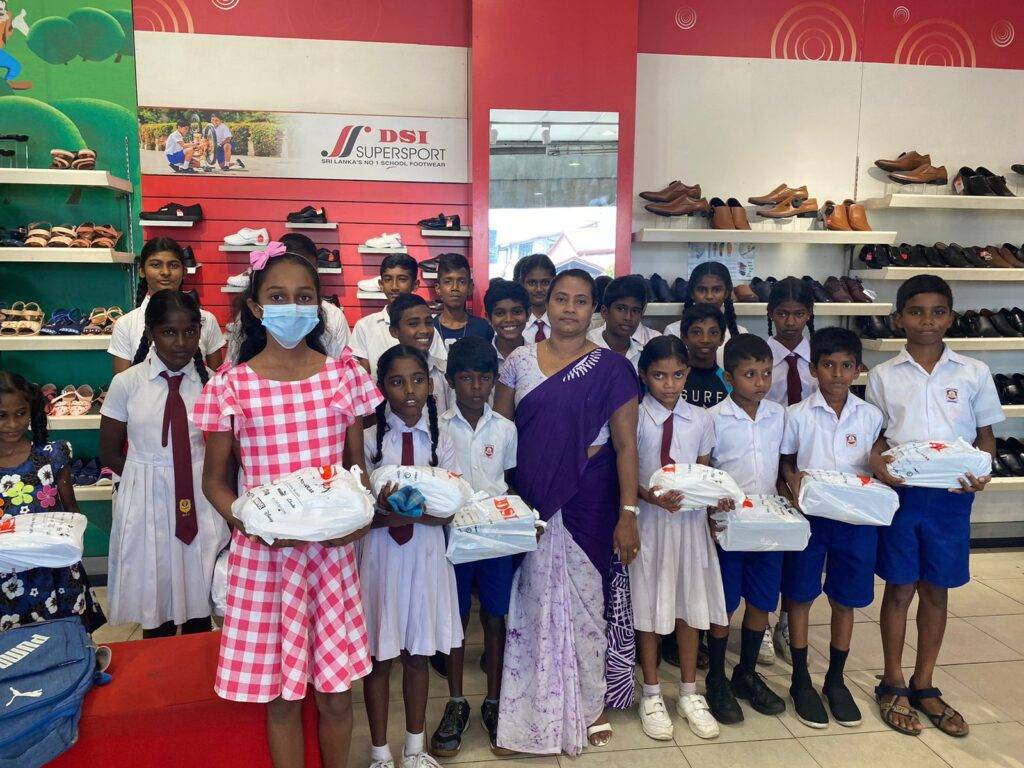
Nelum Yaya Foundation
SL Bondholders ready for debt restructuring talks with authorities
Sri Lanka’s bondholders have told the International Monetary Fund (IMF) that they are prepared to engage with the island nation’s authorities in debt restructuring talks consistent with the parameters of the global lender’s program.
The Ad Hoc Group of Sri Lanka Bondholders conveyed its stance in a letter directed to IMF Managing Director Kristalina Georgieva on Friday (Feb. 03).
The Bondholder Group through its Steering Committee stands ready to engage quickly and effectively with the Sri Lankan authorities to design and implement restructuring terms that would help Sri Lanka restore debt sustainability and allow the country to re-gain access to the international capital markets during the IMF Programme period.”
The Bondholder Group acknowledged the Sri Lankan authorities’ engagement with their official creditors towards a resolution of the current crisis and restoration of debt sustainability.
The Bondholder Group further acknowledged that such engagement has recently resulted in the Indian government delivering letters of financing assurances to the IMF.
It has been committing to support Sri Lanka and contribute to its efforts to restore debt sustainability by providing debt relief and financing consistent with the IMF Extended Fund Facility Arrangement and the IMF Programme targets indicated in the India’s letter to the global lender.
The IMF Programme’s debt sustainability targets are identified as (i) reducing the ratio of public debt to GDP to 95% by 2032, (ii) limiting the central government’s annual gross financing needs to GDP ratio to 13% in the period between 2027 and 2032, and central government annual foreign currency debt service at 4.5% of GDP in every year between 2027 and 2032 and (iii) closing of the external financing gap.
The central government’s domestic debt – defined as debt governed by local law – is reorganized in a manner that both ensures debt sustainability and safeguards financial stability.
Assuming that annual gross financing needs should not exceed 13% of GDP in the period between 2027 and 2032, whilst allowing for central government annual foreign currency debt service to reach 4.5% of GDP in every year between 2027 and 2032, domestic gross financing should therefore be limited at 8.5% of GDP for the period 2027-2032.
While the group of bond holders recognize that the determination of the economic assumptions underpinning the IMF Programme targets are ultimately the responsibility of the IMF and that the overall design of the IMF Programme is one that is negotiated between the IMF and Sri Lanka.
It is nevertheless important that the Bondholder Group has the opportunity to express its views on both the economic assumptions underpinning these IMF Programme Targets and the adequacy and feasibility of the adjustment efforts contemplated under the IMF Programme.
When considering any restructuring proposal that is made to the Bondholder Group, it is the Bondholder Group’s intention to take into consideration the extent to which the economic assumptions and the adjustment efforts are consistent with these views.
Appointment of Ambassador of Republic of Côte d’Ivoire to Sri Lanka
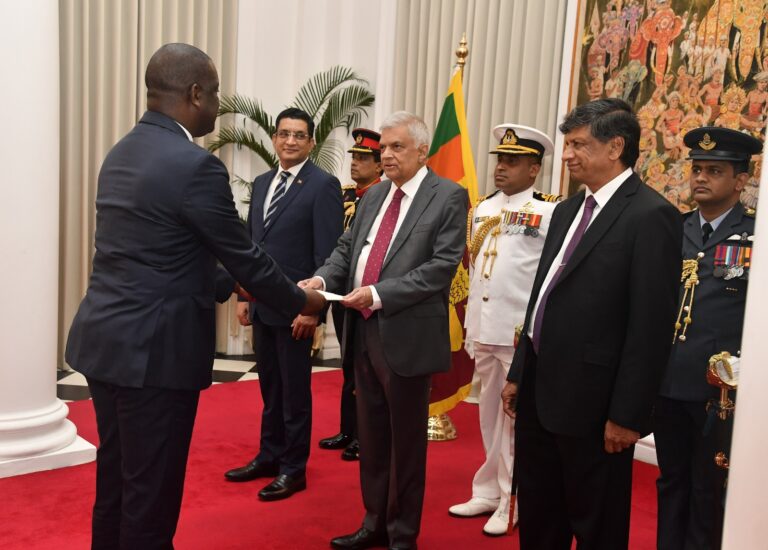
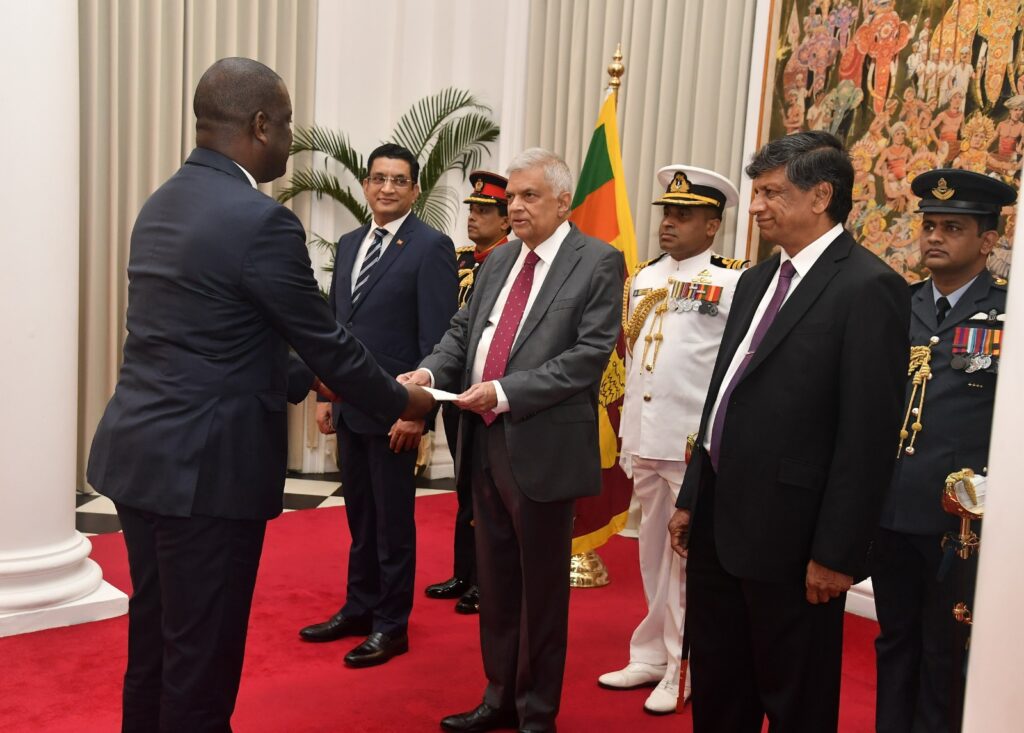
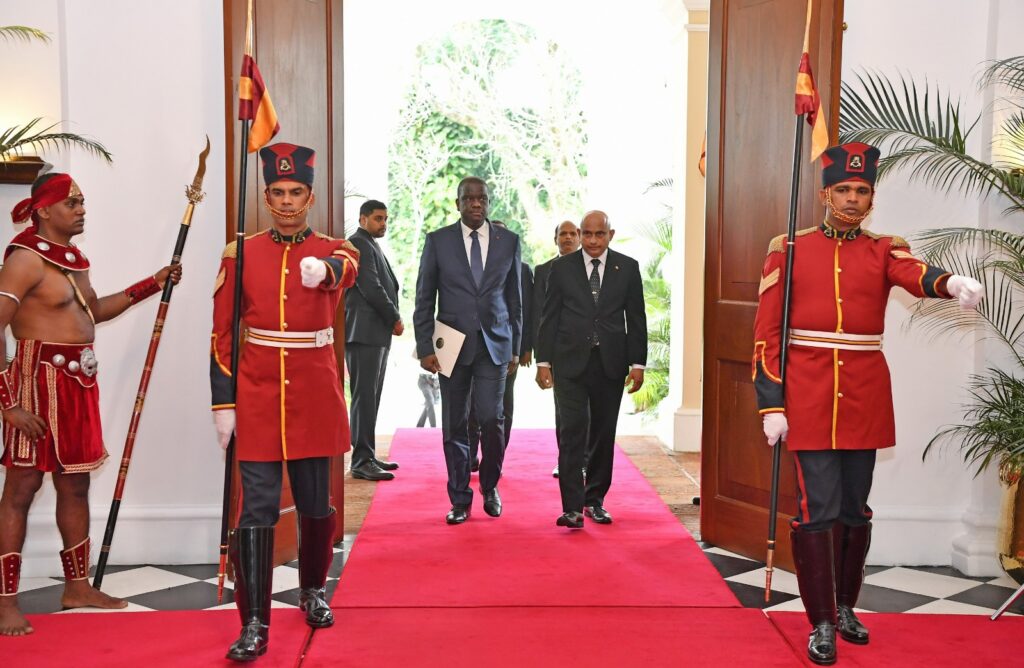
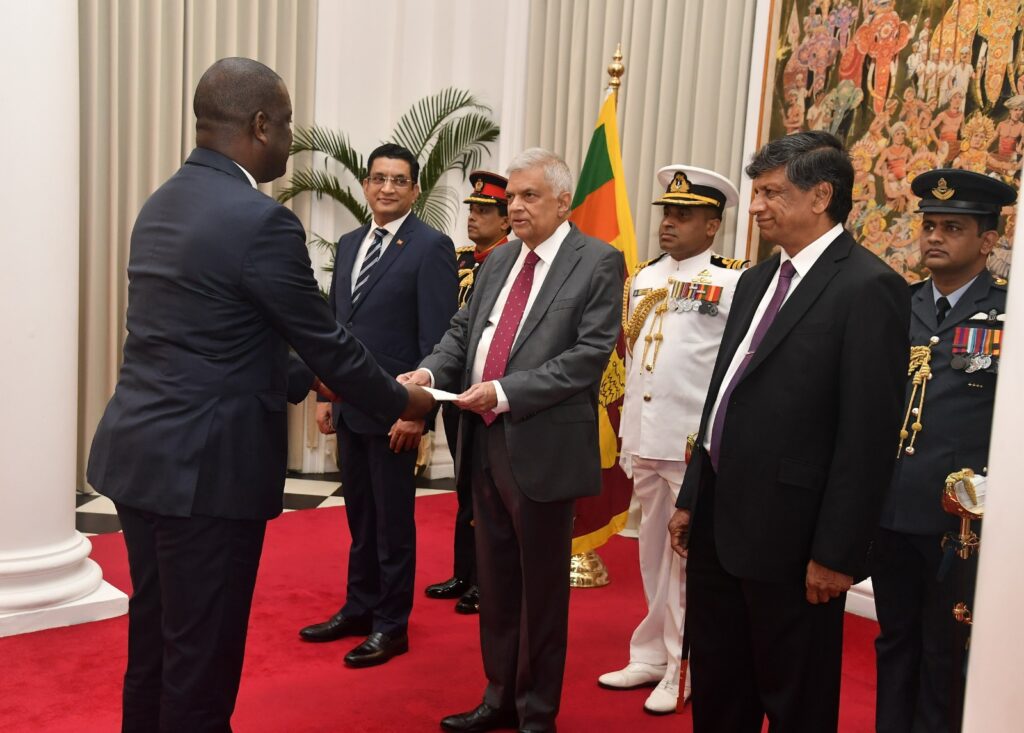
The Government of the Republic of Côte d’Ivoire with the concurrence of the Government of Sri Lanka has appointed Mr. N’dry Eric Camille as Ambassador Extraordinary and Plenipotentiary of the Republic of Côte d’Ivoire to Sri Lanka based in New Delhi. He presented credentials to H.E. Ranil Wickremesinghe, President of Sri Lanka on 02 February 2023 at 3.00 p.m. at the President’s House in Kandy.
Ministry of Foreign Affairs
Colombo
02 February, 2023
Sri Lanka Original Narrative Summary: 04/02
SRI LANKA CELEBRATES ITS 75TH ANNIVERSARY OF INDEPENDENCE TODAY
- China’s Foreign Ministry Spokesperson Mao Ning accuses US of “jabbing fingers at China’s close cooperation with Sri Lanka”: urges US to “show some sincerity and actually do something to help Sri Lanka”: asserts China has been providing assistance for Sri Lanka’s economic and social development to the best of China’s capabilities.
- SJB MP Tissa Attanayake says Opposition Leader Sajith Premadasa and the SJB will boycott Sri Lanka’s 75th Independence anniversary celebrations: asserts the engagement in such activities is a wastage of money at a time when the country is facing one of its worst economic crises.
- Mahaweli Authority informs Power & Energy Ministry that there is not enough water in reservoirs to be released for hydro-power generation: asserts only 50% can be used as expected rainfall has not been experienced and the available water is needed for agricultural purposes.
- Supreme Court rejects HRC request for an interim order preventing the CEB from imposing any power cuts during the GCE (A/L) exams: CEB requests permission from PUC to re-impose power cuts of 2 hours & 20 minutes: 2 members of the PUC resign.
- Elections Commission announces that postal voting for the LG Election will be on 22, 23 & 24 February.
- IUSF Convener Wasantha Mudalige alleges the Police had a plan to kill him while he was in police custody.
- Former Presidential Advisor Ashu Marasinghe who resigned from his post last month after a controversial video was leaked to the media by SJB Member Hirunika Premachandra involving the abuse of a pet dog, re-appointed to the position.
- Executive Director of People’s Action for Free & Fair Elections (PAFFREL) Rohana
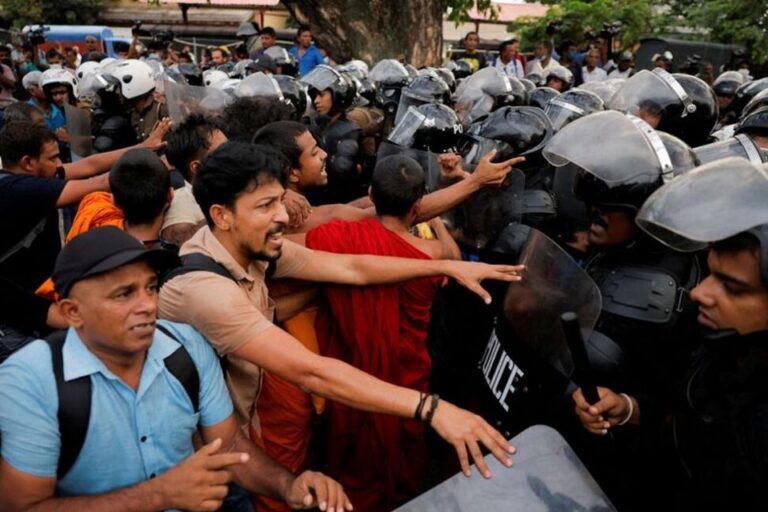
Hettiarachchi alleges that a sinister campaign is underway to undermine the Elections Commission: accuses the Govt of issuing media releases and carrying out activities that make people doubt whether the Commission is doing enough to hold the LG election in March. - Police fire tear gas and use water cannons to disperse protestors near the Elphinstone Theatre in Maradana.
- Senior CPC official says the price of petrol had been increased by Rs 30 recently to mainly cover the losses due to late payments for oil shipments: claims the CPC has to pay additional demurrage, late fees, port charges and shipping charges, as a result: explains that to meet these expenses, the CPC has been compelled to make the price increase.
President’s Independence Day Message
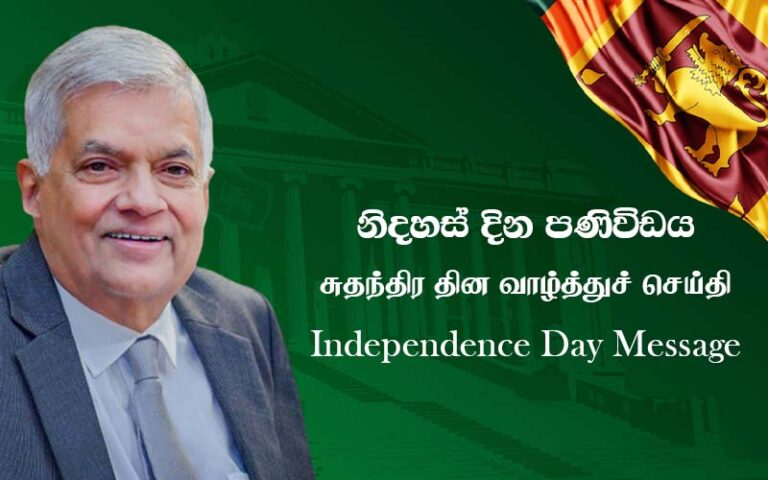
Our 75th Anniversary of Independence from colonial rule is being observed during an extremely critical and challenging time in the country. It is, indeed, a decisive moment. However it presents an opportunity for us not only to review our strengths and gains as a nation but also to rectify our errors and failures.
Since 1948, we have, as a nation, undergone many tests and travails – from riots, insurgencies and war to natural disasters. These experiences have left us with a sense of inculcated resilience that has made us revive better when faced with adversity. Therefore, I am confident that even at this juncture we will pool our energies as the daughters and sons of one mother to rise up from the current economic abyss and build back stronger.
There is a new economic and social reform agenda before the country with the objectives focusing first on recovery and then on renewed development. It is imperative for us to unite in its implementation so that we can emerge with a high level of economic prosperity. I pledge today to make the extremely difficult though vital decisions to achieve this goal with courage and determination. I anticipate the confidence and support of you, the people of our country, in this endeavour.
I also take the opportunity to thank you, the Sri Lankan expatriate community, for your contribution towards the development of our motherland despite your distance. I would like to invite you to join us in securing a bright future for the younger generation of Sri Lankans who are at the vanguard of economic and social development. Your faith and investment in the unique and creative ideas of our talented youth who lack capital could give considerable hope and be of immense benefit to our country in this crisis.
On this historic anniversary, let us all resolve to meet the challenges of this year with further patience and fortitude.
I extend warm felicitations to you, Sri Lankans, here and aboard.
Ranil Wickremesinghe
President
Democratic Socialist Republic of Sri Lanka
04th February 2023
Namo Namo Matha – A step towards a century: Sri Lanka celebrates 75th Independence Day
Sri Lanka’s 75th National Independence Day celebration is today (4).
Sri Lanka got its independence after being a British colony for four hundred and thirty-three years. It was on February 4, 1948.
All arrangements have been made to hold this year’s Independence Day celebrations this morning under the leadership of President Ranil Wickramasinghe at the area around Galle Face Green.
The National Ceremony to be held under the patronage of President Ranil Wickremesinghe and Prime Minister Dinesh Gunawardena will begin at 8.30 a.m.
The Armed Forces, the Police, the Civil Defense Force and the National Cadet Corps Sri Lanka will be joining this year’s Independence Day Parade and a number of cultural events will also be added to it.
The Army, Air Force, and Navy will display their military power and manpower as well as modern military equipment will be added to the celebrations.
Over 650 Indian delegates visit the island for Tata Steel conference soon
Prime Minister Dinesh Gunawardene will inaugurate the Tata Steel and Tata Tiscon annual dealer conference in Colombo on 7 February, along with the High Commissioner for India Gopal Baglay.
Over 650 delegates are expected from India for this conference. Tata Steel is one of the world’s most geographically diversified steel producers with operations that are fully integrated – from mining to the manufacturing and marketing of finished products.
They form part of the Tata Group which is India’s largest conglomerate operating in over 150 countries. Acknowledged as the founder of the Tata Group in 1868, Jamsetji Tata is sometimes referred to as the “father of Indian industry”.
Tata Steel, part of India’s giant Tata Group, is hosting over 650 dealers and other delegates for a dealers conference in Sri Lanka on February 7.
“Tata’s decision to hold the conference in Sri Lanka is a demonstration of Indian companies willing to support the rebuilding efforts in Sri Lanka. The conference and logistics is being handled by their main dealer and representative in South India the VNC Group,”company officails said.
Tata Steel will also make a substantial cash contribution to the ‘Lifeline Sri Lanka’ project jointly run by Rotary International and UNICEF to fund medicine supplies to Sri Lanka.
Tata Steel, together with its subsidiaries, associates, and joint ventures, is spread across five continents with an employee base of over 65,000. The group recorded a consolidated turnover of $ 32.83 billion in the financial year ending 31 March 2022.
Tata Tiscon plays a vital role in the nation building by building ecosystems, nurturing entrepreneurs and empowering consumers.
Tatas decision to hold the conference in Sri Lanka is a demonstration of Indian companies willing to support the rebuilding efforts in Sri Lanka.
The conference and logistics are being handled by their main dealer and representative in South India, the VNC Group.
Tata Steel will also make a substantial cash contribution to the ‘Lifeline Sri Lanka’ project jointly run by Rotary International and UNICEF to fund medicine supplies to Sri Lanka.
Tata Steel, is one of the world’s most geographically diversified steel producers with operations that are fully integrated – from mining to the manufacturing and marketing of finished products. They form part of the Tata Group which is India largest conglomerate operating in over 150 countries.
Tata Steel, together with its subsidiaries, associates and joint ventures, is spread across five continents with an employee base of over 65,000. The group recorded a consolidated turnover of US$32.83 billion in the financial year ending March 31, 2022.
Sri Lanka concludes Fourth UPR of the UN Human Rights Council, UPR Working Group
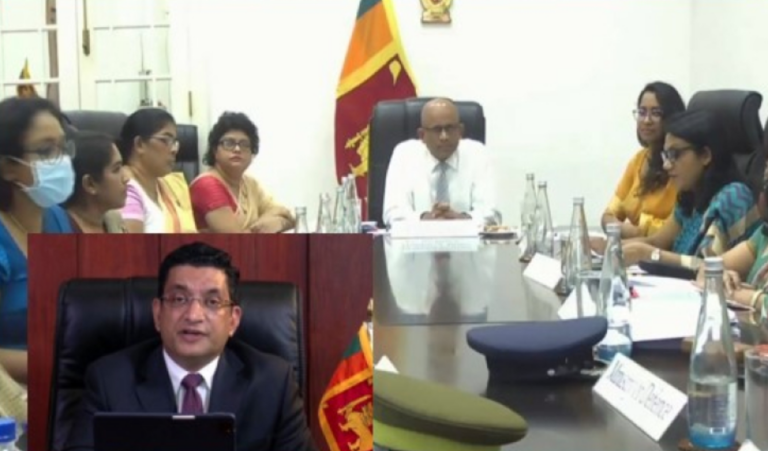
Sri Lanka concluded its 4th Cycle of the Universal Periodic Review (UPR) during the 42nd Session of the UPR Working Group on Wednesday, 1st February in Geneva. Sri Lanka’s National
Report was prepared by the Ministry of Foreign Affairs with input from government ministries and agencies through an inclusive and broad-based process where civil society organizations and the National Human Rights Commission of Sri Lanka were also consulted.
The UPR is conducted as a review mechanism by the UPR Working Group of the UN Human Rights Council in four year cycles. Sri Lanka’s last UPR review was in 2017.
Delivering the opening statement via a pre-recorded statement, the Head of Delegation, Foreign Minister Ali Sabry highlighted the progress and achievements made by Sri Lanka since its last review including the implementation of the recommendations accepted. Sri Lanka envisages 2023, the 75th anniversary of independence, to be a year of socio-economic stabilization, reconciliation, and recovery. The Minister also said that “it is important to learn from the past, and it is equally important to move on, to build better and stronger.”
The Permanent Representative to the UN in Geneva Ambassador Himalee Arunatilaka highlighted legislative and policy measures implemented by Sri Lanka during the reporting period including the 21st Amendment to the Constitution, strengthening efforts on the reconciliation processes and the national independent institutions.
The Sri Lanka delegation responded to the queries and comments from the floor ranging from issues relating to inter alia freedom of expression and assembly, the Prevention of Terrorism Act (PTA), migrant workers, rights of minorities, combating corruption, social protection, rights of women, persons with disabilities, children, food security and progress achieved on SDGs.
The Review was conducted in a constructive atmosphere with the participation of delegates from 106 countries providing their appreciation, comments and recommendations covering a broad range of issues on the floor. Appreciation was expressed for the implementation of recommendations accepted by Sri Lanka in the 3rd Cycle, despite the socio economic challenges posed by the COVID pandemic and global crises.
Serbia, Zambia and Cuba welcomed the implementation of recommendations accepted in the last Cycle.
Bangladesh welcomed efforts “to establish gender equality, and curb gender based violence”. Bhutan commended Sri Lanka for its “concerted efforts and progress in implementing its human rights obligations despite the enormous socio-economic challenges.” Nepal welcomed the adoption of the National Nutrition Policy. India “took note of the engagement by the Government of Sri Lanka with members of the international community and other organizations on various aspects of human rights situation and reconciliation issues in Sri Lanka.” Maldives congratulated the Government for “introducing a policy for Gender Mainstreaming in all sectoral Ministries that includes the establishment of gender focal points, gender-responsive budgeting and anti-sexual harassment committees.” Pakistan appreciated “Sri Lanka’s continued cooperation with UN human rights mechanisms” while also welcoming “legislative, administrative measures such as the enactment of the Prevention of Terrorism Act (Amendment) Act No 12 of 2022, 21st Amendment to the Constitution and measures under National Anti-Human Trafficking Task Force”.
Thailand commended Sri Lanka for achieving COVID vaccination coverage of its targeted population above WHO targets.
Japan appreciated “the positive steps taken by Sri Lanka since the previous review cycle, including the implementation of Amendments to the Prevention of Terrorism Act”. Japan said it “considers it important that the international community support Sri Lanka’s own efforts to foster reconciliation in the country”.
Chile, Egypt and Ireland also noted with appreciation the recent amendments to the PTA.
The UK welcomed “Sri Lanka’s commitments on respect for the rights of those from all religious and ethnic groups” and further said Sri Lanka’s “recent efforts to foster political inclusion and constitutional reform are particularly welcome.”
Qatar, noted with appreciation the adoption of the National Action Plan on Women, Peace and Security”. This was also welcomed by Spain. Algeria, welcomed the “constitutional amendment of 2022”.
Türkiye was “pleased to observe that Sri Lanka amended the Prevention of Terrorism Acts and held an All-Party Conference to revive reconciliation process.”
The Philippines welcomed the “recent approval of the establishment of the Office for Overseas Sri Lankans”.
Nigeria commended the Government for its “unwavering commitment to its international human rights obligations and continued cooperation with human rights mechanisms.”
Saudi Arabia commended Sri Lanka’s “tireless work to achieve the goals of sustainable development and combat human trafficking”.
Namibia appreciated the “specific legislative, policy and institutional measure adopted by Sri Lanka with the aim of fulfilling its obligations under international human rights law.”
Oman appreciated the National Action Plan to combat trafficking of persons.
China, Russia, Cuba, Venezuela and Malaysia made supportive statements on Sri Lanka’s efforts.
UAE appreciated “ongoing national reconciliation path in line with local priorities and policies”.
Several other countries commended Sri Lanka’s continuous efforts to promote human rights of its people, in particular the adoption of the 21st Amendment to the Constitution, work of the independent commissions and domestic reconciliation efforts including the work of the OMP, OR and ONUR. Countries also underlined the importance of the promotion and protection of the rights of children, women, persons with disabilities, older persons and migrants. Many countries appreciated the constructive engagement of Sri Lanka with the UPR process and the efforts taken in preparing the national Report.
Belgium appreciated “efforts by the government to tackle gender-based violence” while noting remaining challenges.
Azerbaijan, Ethiopia, Hungary and Vietnam commended Sri Lanka’s progress made on the SDGs. Several countries welcomed Sri Lanka’s efforts towards socio-economic stabilization, reconciliation and recovery despite challenges.
While thanking all Government and civil society partners who engaged in the UPR process and the delegations who spoke during the Review, Sri Lanka’s Permanent Representative in Geneva said that Sri Lanka will carefully consider the recommendations received.
In closing the Review, the President of the Council and Chair of the Session, PR of the Czech Republic thanked the Sri Lanka delegation for its engagement and readiness to answer all questions and comments, as well as the preparations which he said were done “in an excellent manner.”
The delegation of Sri Lanka was led by Foreign Minister Ali Sabry. The delegation in Geneva comprised the Permanent Representative of Sri Lanka to the UN in Geneva, senior officials from the Presidential Secretariat, the Attorney General’s Department, Ministry of Foreign Affairs and the Permanent Mission of Sri Lanka to the UN, as well as over 20 line Ministries joining virtually from Colombo.
US and China debate on SL debt restructure amid Paris Club word on cards
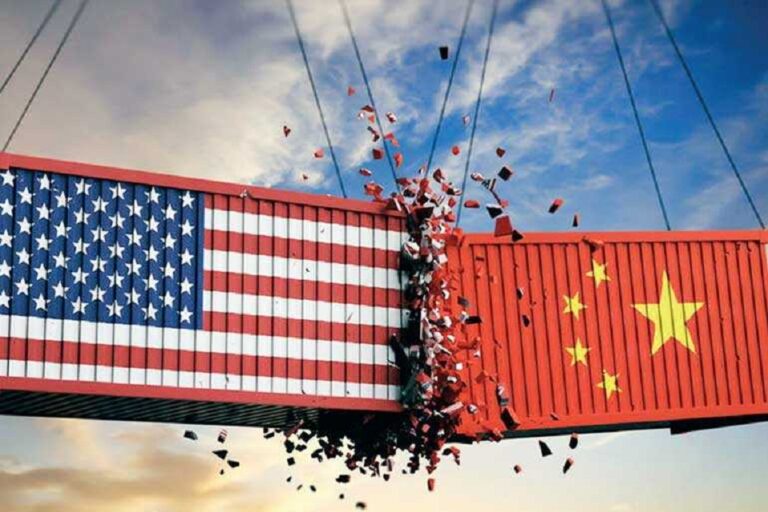
US and China are exchanging words on Sri Lanka’s ongoing debt restructuring process to gain IMF board approval for US$ 2.9 billion bail out loan,amidst speculations on the likelihood of Paris Club assurance for debt rescheduling.
India is the only creditor which has given its assurance in a letter to the IMF following proper procedure so far among all critors of Sri Lanka although Japan and China have indicated their willingness to support the debt restructuring process, official sources confirmed.
The Paris Club of creditor nations is ready to provide financing assurances to Sri Lanka, a key step needed to unlock a $2.9 billion bailout by the International Monetary Fund (IMF), two sources with direct knowledge of the matter told Reuters.
The informal group of bilateral lenders is set to “soon” announce its support to the crisis-hit nation on a debt overhaul, said one of the people, who asked not to be named because talks are private
Chinese Foreign Ministry Spokesperson Mao Ning has retaliated to comments made by US Under Secretary of State for Political Affairs Victoria Nuland during her visit to Sri Lanka that terms extended by China to Sri Lanka for getting IMF debt relief are not enough.
While the IMF has not yet provided any guidance on where the lender stands regarding China’s assurances to Sri Lanka, a U.S. official visiting Colombo said on Wednesday that Beijing has not done enough.
“What China has offered so far is not enough. We need to see credible and specific assurances that they will meet the IMF standard of debt relief,” U.S. Under Secretary of State for Political Affairs Victoria Nuland said .The U.S. is the largest IMF member.
“Rather than jabbing fingers at China’s close cooperation with Sri Lanka, the US might as well show some sincerity and actually do something to help Sri Lanka weather through the current difficulties,” Ning said responding to journalists at a regular press conference on Thursday (02).
“What was said by the US side does not reflect the truth. The Export-Import Bank of China has already provided Sri Lanka with the letter to express support for its debt sustainability. Sri Lanka has responded positively and thanked China for that,” she added.
“China stands ready to work with relevant countries and international financial institutions and continue to play a positive role in helping Sri Lanka navigate the situation, easing its debt burden, and helping it achieve sustainable development,” the Chinese Foreign Ministry Spokesperson assured.
Sri Lanka’s public debt stood at 122 percent of GDP, of which 70 per cent is denominated in foreign currency, according to data in a country presentation to investors in November.
China and India, both non-Paris Club members, are the top bilateral lenders. “Paris Club assurance is not reliant on China,” said the source.
Another source said the informal group is currently reaching out to other non-Paris Club besides China on financing assurances, but did not provide any further details.
India previously committed to help ease the debt burden of neighbour Sri Lanka as part of the IMF programme, and China’s Eximbank offered a two-year moratorium in a letter sent to the island nation in January.