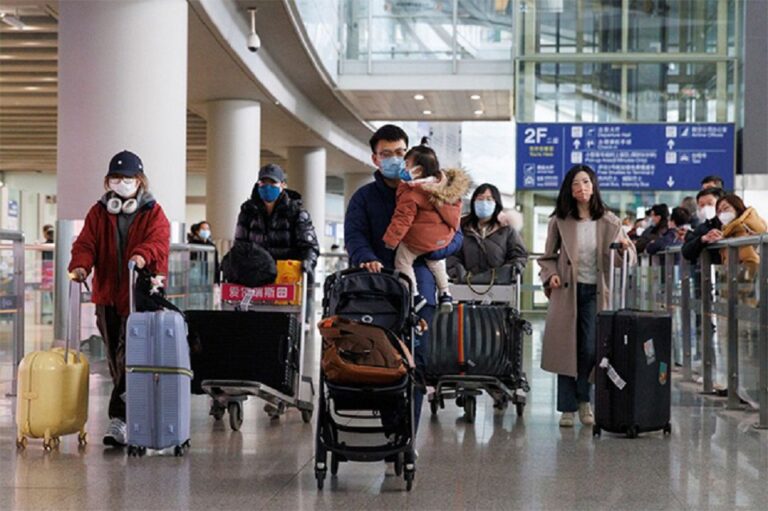
China will resume outbound group travel to a selected group of countries, including Sri Lanka, early next month, the Chinese Ministry of Culture and Tourism said.
The Ministry said in a notice on its website on Friday that a pilot program will take effect on Feb 6 to allow travel agencies to open outbound group travel for Chinese citizens to 20 countries – Thailand, Indonesia, Cambodia, the Maldives, Sri Lanka, the Philippines, Malaysia, Singapore, Laos, the United Arab Emirates, Egypt, Kenya, South Africa, Russia, Switzerland, Hungary, New Zealand, Fiji, Cuba and Argentina, China Daily reported.
Travel agencies will also be allowed to offer flight and hotel packages to tourists starting the same time, according to the notice.
The decision was made at the request of the foreign affairs panel of the State Council’s Joint Prevention and Control Mechanism, the country’s top COVID-19 response task force, and was based on considerations over COVID-19 control measures and socioeconomic development, the ministry said.
The notice stipulates that tour organizers strictly obey official COVID-19 measures at home and abroad.
Tourists will be urged to make sure they are not infected with the highly contagious disease before boarding flights, pay attention to their own safety and health and follow local COVID-19 rules during the journey, and comply with epidemic prevention requirements after returning to their hometown.
On social networking platform Sina Weibo, many micro-bloggers said in comments about the news that they were eager to travel overseas.
The National Health Commission announced on Dec 26 that China would scrap the quarantine requirement for international arrivals starting on Jan 8, as it downgraded management of COVID-19 from Class A to Class B.
Data from Trip.com, a major tourism platform in China, showed just half an hour after the release of the announcement, the search volume for outbound flight tickets and overseas hotels reached a three-year high on the company’s search engine, China Daily reported.
In 2019, Chinese people made 155 million outbound trips, according to data from the Ministry of Culture and Tourism.
China to recommence outbound group travel to Sri Lanka
Showers or thunder showers will occur at times in Uva, Southern and in Eastern provinces.

The prevailing dry weather condition in the Eastern and Uva Provinces is expected to change during the next few days.
Showers or thunder showers will occur at times in Uva, Southern and in Eastern provinces.
Fairly heavy showers above 75mm can be expected at some places in Uva province and in Ampara and Batticaloa districts.
Showers or thundershowers will occur at several places in Sabaragamuwa, Western, Central and North-Western provinces during the afternoon or night.
SL apparel sector up in arms against removal of protection from anti-competitive practices
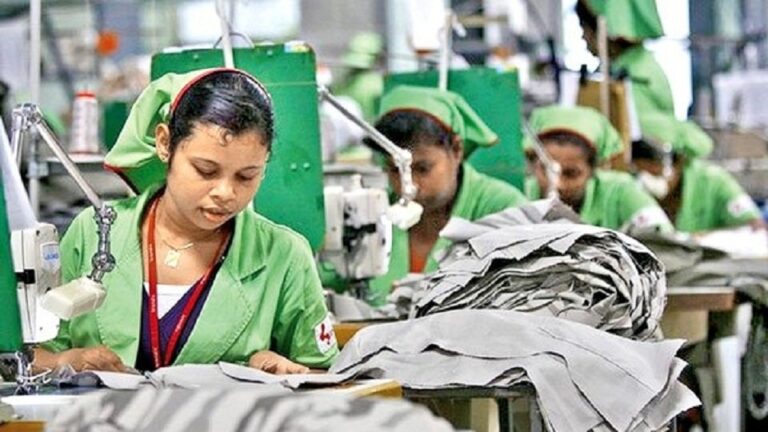
Sri Lanka’s apparel sector, a major much needed foreign exchange earner for the country has expressed concerns on the withdrawal of protection granted to importers and exporters from anti-competitive practices of service providers for many years.
The Government has taken action to withdraw a gazette which has been protecting importers and exporters from anti-competitive practices of service providers for many years.
Issuing a statement, the Joint Apparel Association Forum (JAAF) said it was perturbed to learn that the Government was planning to withdraw Gazette No 2041/10 dated 17th October 2017 of the Licensing of Shipping Agents, Freight Forwarders, Non-Vessel Operating Common Carriers and Container Operators Act, No 10 of 1972.
Gazette No 2041/10 which is the amended Gazette No 1842/16 of 27th October 2013 reconfirmed four cardinal principles to protect both importers and exporters from service providers who may charge exorbitant fees in addition to freight for the carriage of goods.
However all importers and exporters of the country, including the apparel industry represented by JAAF and the Sri Lanka Manufacturers and Exporters of Rubber Products (SLAMERP), have been dismayed by this move.
The Minister of Ports issued the new Gazette No 2302/24 of 20th October 2022 introducing a maximum delivery order fee and new additional charges of US$8/ Cubic Meter under a broader category of a “cost recovery charge”.
Thus, Iit will be ontravening the cardinal principles and protections guaranteed to Sri Lankan importers and exporters, curtailing economic activity and driving up the costs of all purchases.
The entire import and export industry, including JAAF, vehemently objected to the regulations introduced under Gazette No 2302/24.
The apparel sector forum says the Gazette violates the core principle of all-inclusive freight cost that requires the contracting party to bear the full cost of such freight.permitting freight forwarders and shipping agents to charge fees from third parties who are not party to the original contract.
New additional charges will undoubtedly increase the cost of freight, for both imports and exports, which will lead to higher costs of living for the public, and reduce the competitiveness of exports, at a time when export growth is crucial to the recovery of the economy, it added.
Moreover, to the further dismay of importers and exporters, on 5th January 2023, the Minister tabled a supplement in Parliament to amend the Licensing of Shipping Agents Act No 10 of 1972 to allow himself the authority to set Delivery Order and other fees, whereas the previous Gazette demanded the service providers to obtain the approval of DGMS to do so.
Sri Lanka universities to engage in national development for the first time
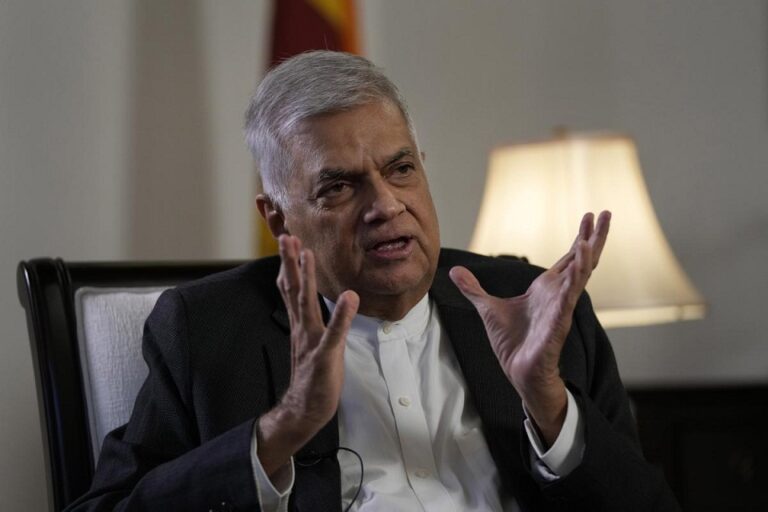
Sri Lankan universities are to be actively involved for the first time in the history of the island nation in an ambitious national youth programme targeting key sectors contributing to the Gross Domestic Project (GDP).
An initial national youth programme is set to launch in conjunction with the 75th Independence Day on February 04.
President Ranil Wickremesinghe has instructed to implement a youth-led development project covering the entire island to make Sri Lanka a developed country by the 100th Independence Celebration (2048) through youth ideas, skills and interventions under the theme, ‘National Youth Platform’.
Under this initiative, plans related to the development of the major cities in each district as tourism zones formulated by the lecturers and students of all the universities were presented to the President.
Therefore, the President also pointed out that the youth can present their vision, plans and creative skills to the government through the National Youth Platform for building the developed country that they desire.
The preliminary plan for engaging the university system in this project was presented by the Presidential Director of Youth Affairs and Sustainable Development Randula Abeweera.
Accordingly, it was proposed to implement these programs with the participation of the universities based in the districts of Colombo, Galle, Jaffna, Kandy and Batticaloa.
Tourism plans were presented by the Jaffna and Vavuniya University, focusing on the Jaffna district , the Kelaniya University and Rajarata University for the Anuradhapura district.
The Ruhuna University, Sabaragamuwa University and Sir John Kotelawala Defense University jointly submitted plans for the Galle districts and the Colombo University, Sri Jayewardenepura University, University of Fine Arts and the Moratuwa University for the Colombo district.
Peradeniya, Wayamba and Uva Wellassa Universities jointly presented the plans related to the Kandy district while the Eastern and South Eastern Universities presented the plans for the Batticaloa district.
The President said that private-sector financial assistance could also be sought to support this programme.
Pointing out that it is a very good trend for the university community to contribute to the development of the country, President Ranil Wickremesinghe appreciated the university community’s involvement in these projects and commended their contribution.
During a discussion on the special project to be introduced under the National Youth Platform, President Wickremesinghe said that the future development plans of the country should be prepared not for today but for the next 25 years.
He disclosed that the expectation is to maximize the contribution of the youth, adding that when the centenary of independence is celebrated in another 25 years, the youth of the country will be the leaders of Sri Lanka.
Therefore, the President also pointed out that the youth can present their vision, plans and creative skills to the government through the National Youth Platform for building the developed country that they desire.
The President also mentioned that new tourism policies would be introduced next year to promote the tourism industry. In addition, the President presented many plans to be implemented in the future to direct the university system of Sri Lanka on a new path.
The President also emphasized how the structure of the university system should be changed to create universal access to university education.
The President also emphasized the measures needed to be taken to make Sri Lanka a regional education hub, also pointing out the possibility of providing an opportunity to students from regional countries such as India, Bangladesh and Pakistan, to study in Sri Lankan universities.
In addition, the President also mentioned that another state university is planned to be established in the Kurunegala District.
India’s foreign minister meets opposition leader Sajith
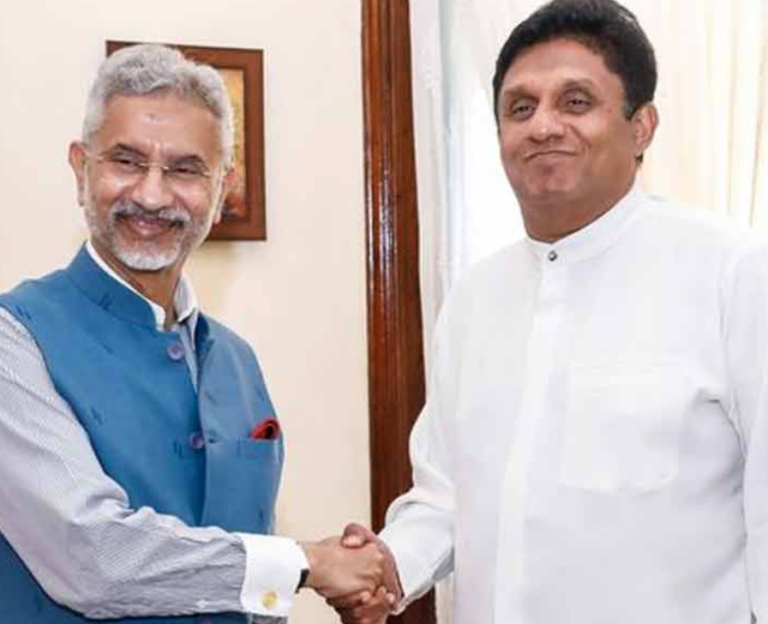
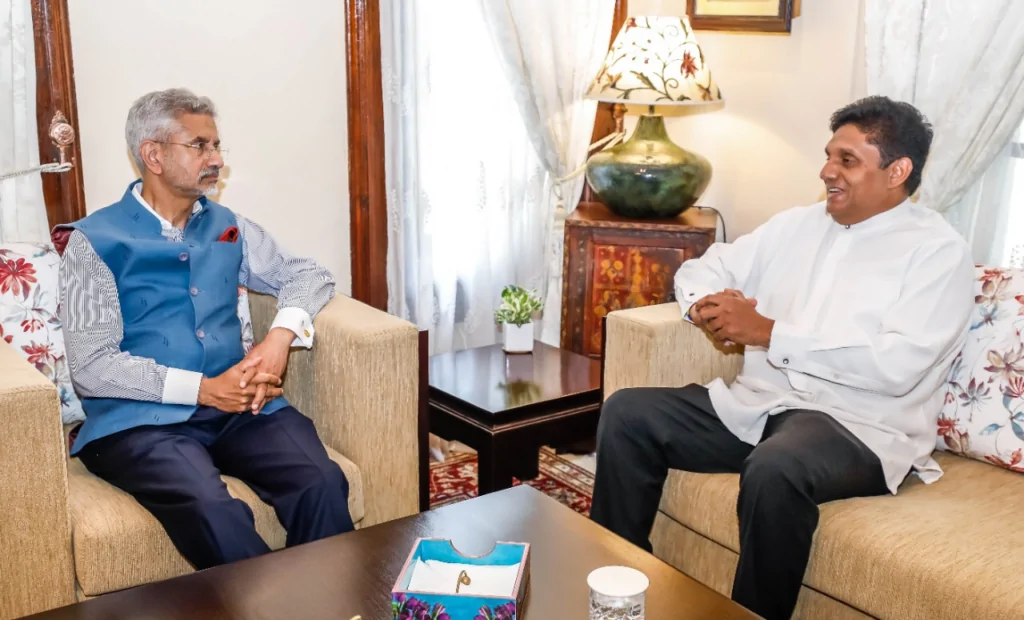
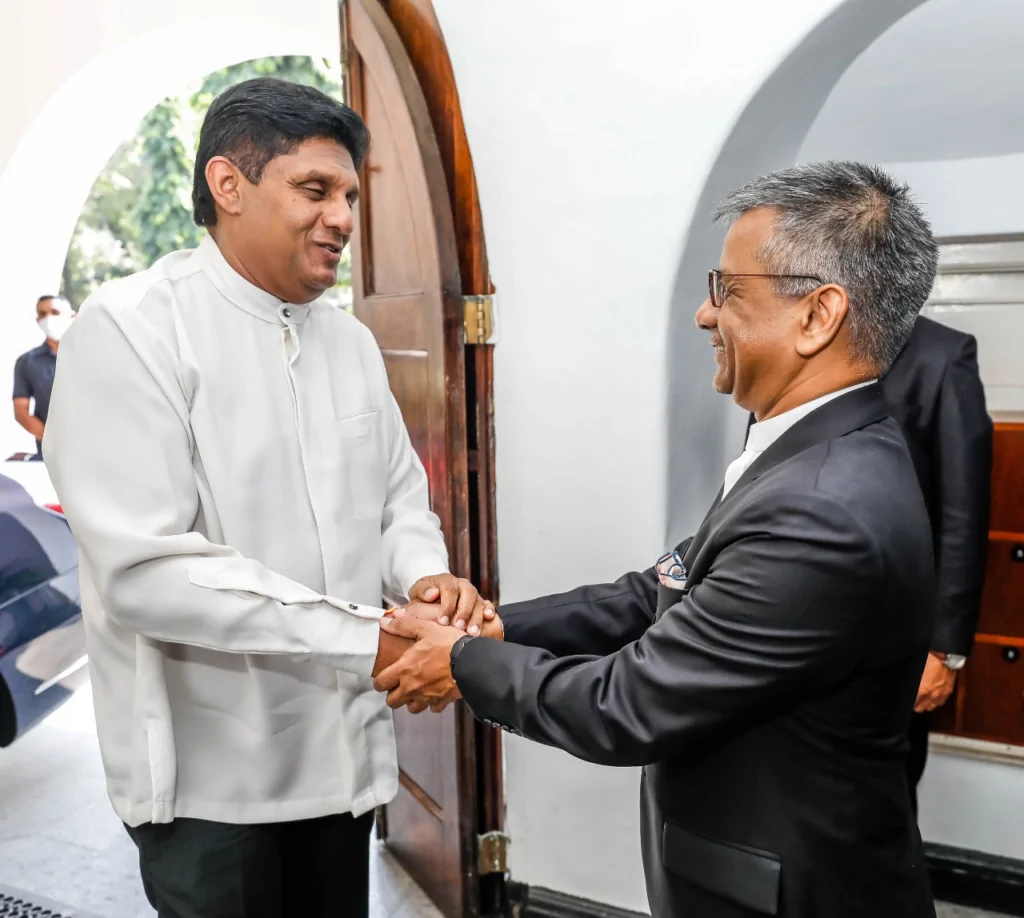
A meeting was held yesterday (20) between Indian Foreign Minister S. Jaishankar, who is on an official visit to Sri Lanka, and Sajith Premadasa, the leader of the opposition.
The opposition leader’s office says that many important issues were discussed there.
The opposition leader has requested the Indian Foreign Minister to continue providing the support of the Indian government for the welfare of the entire people of Sri Lanka.
Also, the leader of the opposition, who has been reminded of the bilateral and friendly existence between India and Sri Lanka for a long time, has stated that it should be strengthened day by day.
Acceptance of nominations for the local government election end today
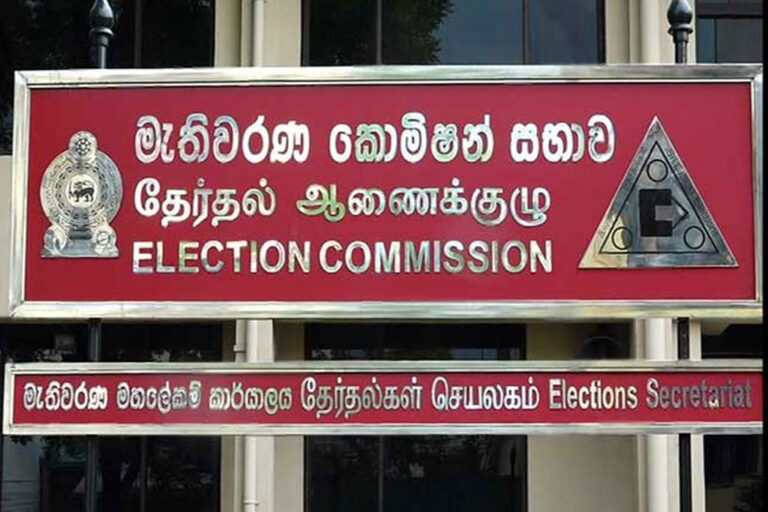
Acceptance of nominations for the local government election is scheduled to end today (21) at 12.00 noon.
After that, the Election Commission says that one and a half hours will be given till 01.30 pm to raise objections regarding the nominations.
After the end of that period, the election officials will announce the political parties and independent groups competing for this year’s local government elections.
Also, the date of the local government election is also scheduled to be announced by the Election Commission after the acceptance of nominations is over.
Sri Lanka Original Narrative Summary: 21/01
- Indian External Affairs Minister Dr S Jaishankar says the primary purpose of his visit is to express India’s solidarity with Sri Lanka during difficult times: also says India will extend financing assurances to IMF to clear the way for Sri Lanka to move forward.
- Indian External Affairs Minister Dr S Jaishankar says full implementation of the 13th Amendment and early conduct of Provincial Elections are critical for political devolution.
- An official for the Tibetan govt-in-exile says the Dalai Lama has no plans to visit Sri Lanka: previously, a top Chinese embassy official had met the powerful Buddhist prelates in Kandy to express opposition to such a possible visit.
- Ceylon Petroleum Corporation Chairman and Foreign Minister Ali Sabry’s brother Uvais Mohamed says the QR code fuel quota provided to candidates of the Local Govt election cannot be increased due to the prevailing situation.
- Chief Govt Whip Prasanna Ranatunga says the Cabinet Ministers had requested President Ranil Wickremesinghe to reveal the inquiry report on the 9th May attacks on Galle Face protesters and subsequent countrywide violence against Govt politicians.
- Indian External Affairs Minister Dr S Jaishankar says Trincomalee has the capacity to emerge as an “Energy Hub”: also says India is prepared to be a reliable partner for such initiatives.
- SJB MP Mujibur Rahuman informs Parliament that he will resign from his MP post in order to contest the post of Mayor of the Colombo Muncipal Council in the forthcoming Local Government Election.
- Jeevan Thondaman, 28, becomes Sri Lanka’s youngest ever Cabinet Minister after being sworn in before President Ranil Wickremesinghe: previously, Ranil Wickremasinghe was the youngest to hold a cabinet portfolio as Minister of Youth Affairs, when 29.
- National Building Research Organization says air pollution doubled due to the MV X-Press Pearl disaster.
- Analysts say many inconsistencies are observed in Treasury Secretary Mahinda Siriwardene’s affidavit on the “Election postponement case”: point out the Treasury raises hundreds of billions of Rupees weekly and therefore it can easily raise a further Rs.10 bn for the election: also say the Central Bank has advanced Rs.450 bn to banks on a long-term basis during the past 10 days alone, which confirms there are funds available.
03 representatives appointed to the Constitutional Council
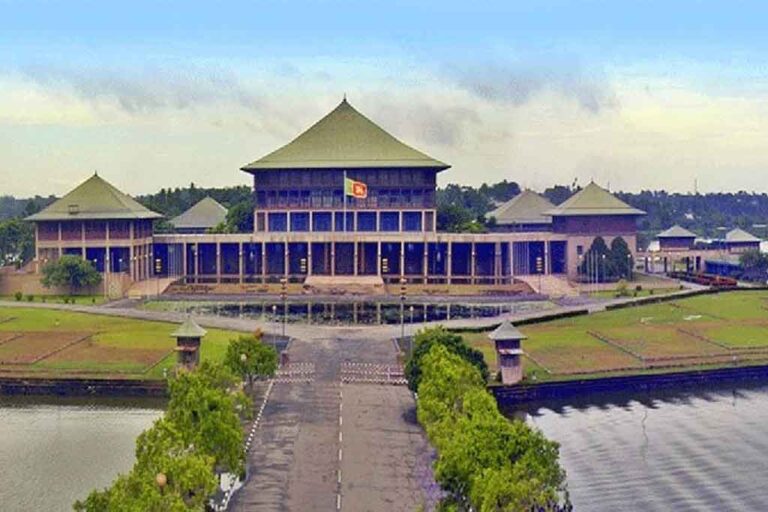
Dr. Pratap Ramanujam, Dr. Dilkushi Anula Wijesundara and Dr. Dinesha Samararatne have been appointed as civil society representatives in the Constitutional Council.
These appointments have been made by President Ranil Wickramasinghe.
That is for the next three years.
The names of these civil society representatives were submitted to the Parliament recently and it was approved by the Parliament.
Visit of External Affairs Minister Dr. S. Jaishankar promises prosperity for the people of Sri Lanka
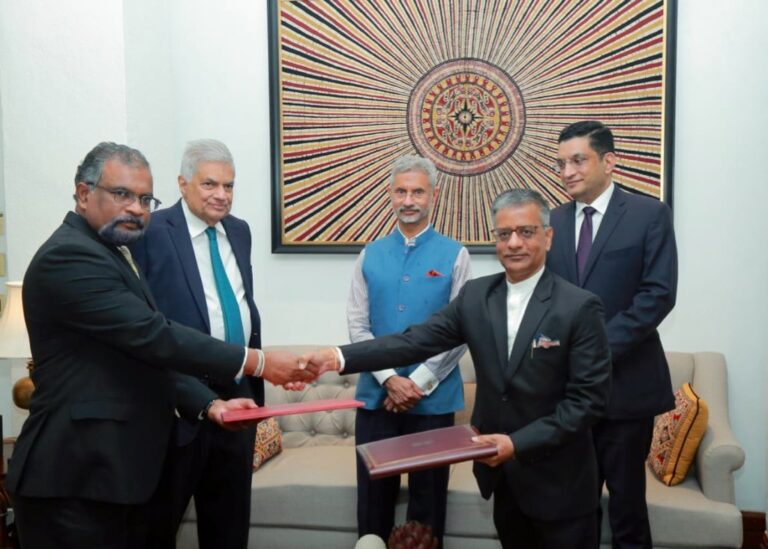
External Affairs Minister (EAM) of India Dr. S. Jaishankar paid an official visit to Sri Lanka on 19-20 January 2023. In his fourth bilateral visit to Sri Lanka as EAM, he was accompanied by a four-member official delegation from the Ministry of External Affairs, New Delhi. It may be recalled that EAM has visited Sri Lanka earlier in November 2019, January 2021 and March 2022.
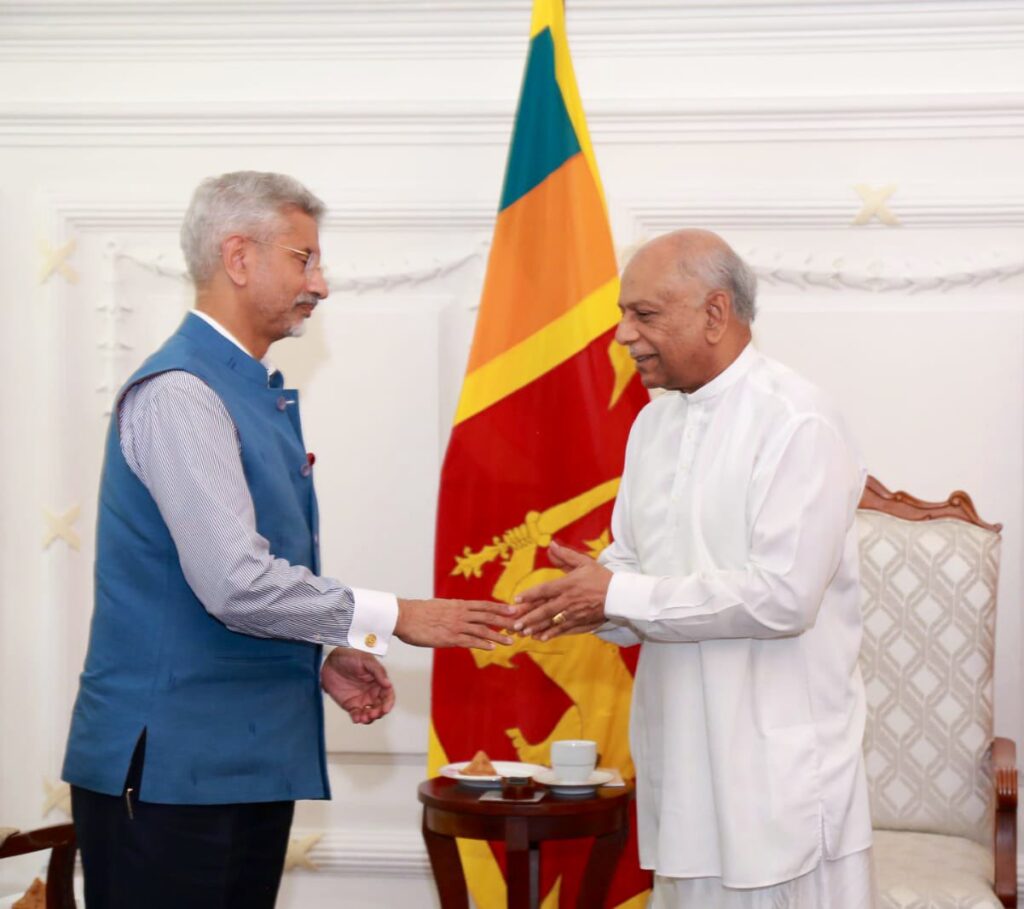
2. During the visit, EAM called on President H.E Ranil Wickremesinghe and Prime Minister H.E Dinesh Gunawardena and had detailed discussions with his counterpart, Foreign Minister Hon. M.U.M Ali Sabry. The delegation-level meeting hosted by the Foreign Minister of Sri Lanka included Minister of Ports, Shipping and Aviation Hon. Nimal Siripala de Silva; Hon. Keheliya Rambukwella, Minister of Health; Hon. Ramesh Pathirana, Minister of Industries, Hon. Dilum Amnugama, Minister of Investment Promotion; Hon. Kanchana Wijesekara, Minister of Power and Energy; and Hon. Tharaka Balasuriya, State Minister of Foreign Affairs, among others, and reflected the breadth and depth of the growing partnership between India and Sri Lanka in diverse spheres.
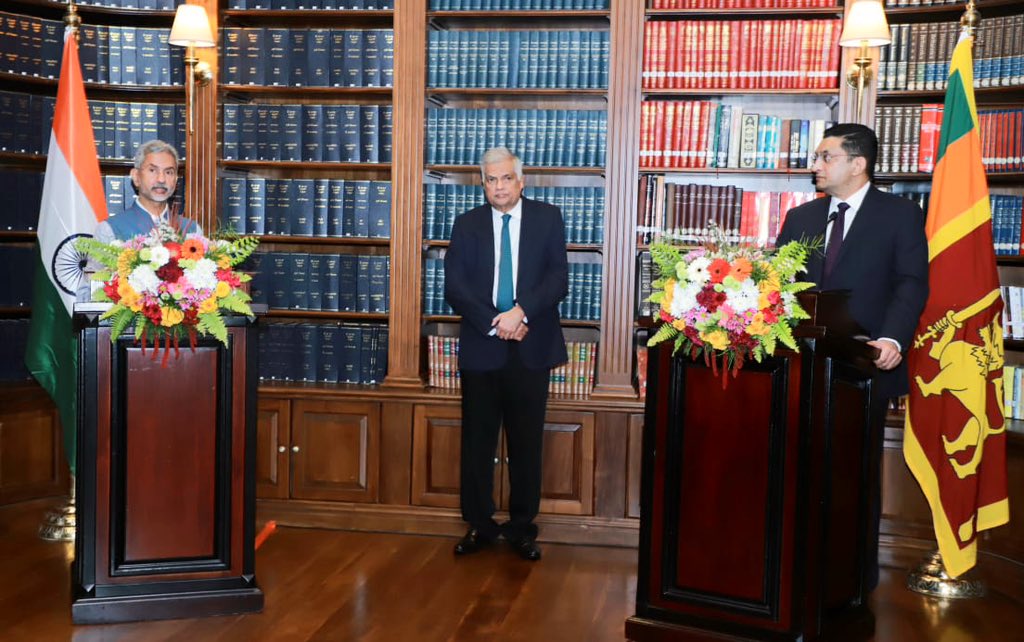
3. Interaction of EAM with the leadership of the Government of Sri Lanka provided an opportunity to review the whole gamut of bilateral relations between the two countries. He stressed that his presence in Sri Lanka at a time when the country was going through multiple challenges sends a clear and strong message of continued support from the Government and the people of India to the people of Sri Lanka.
4. EAM underscored that India’s unprecedented financial support of USD 4 billion last year was in line with the ‘Neighbourhood First’ Policy. He pointed out that India was the first creditor nation of Sri Lanka to support debt restructuring and convey financing assurances to IMF in order to clear the way forward for Sri Lanka and in securing the IMF programme. He added that India will encourage greater investments in the Sri Lankan economy, in several key sectors. He emphasized that India is prepared to go the extra mile when Sri Lanka feels the need. He welcomed the in-principle agreement on a renewable energy framework in the context of addressing Sri Lanka’s energy security challenges.
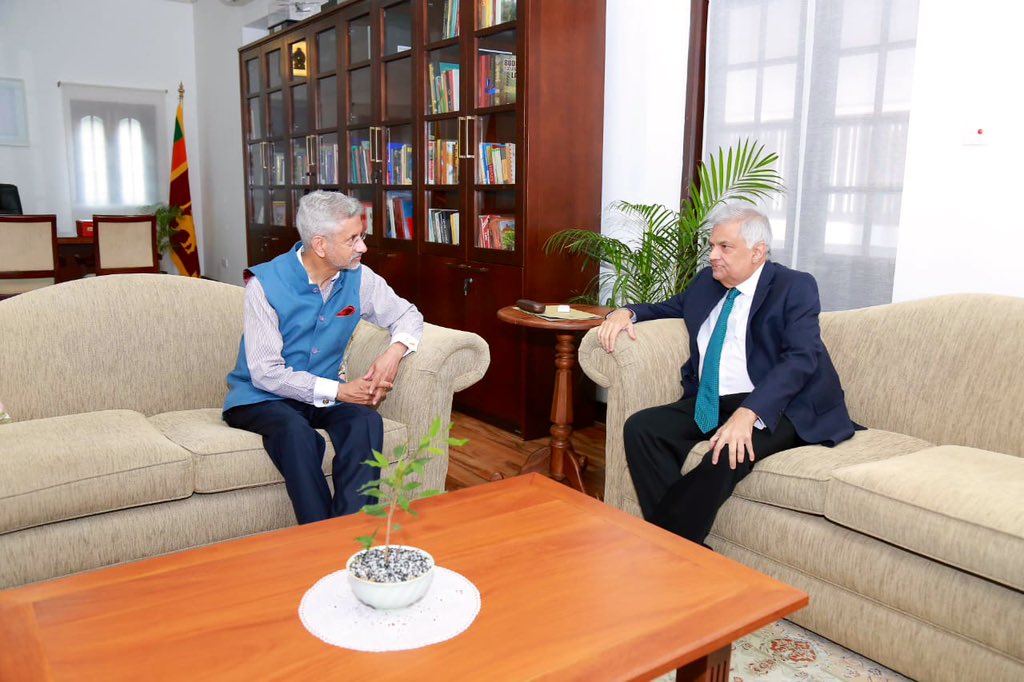
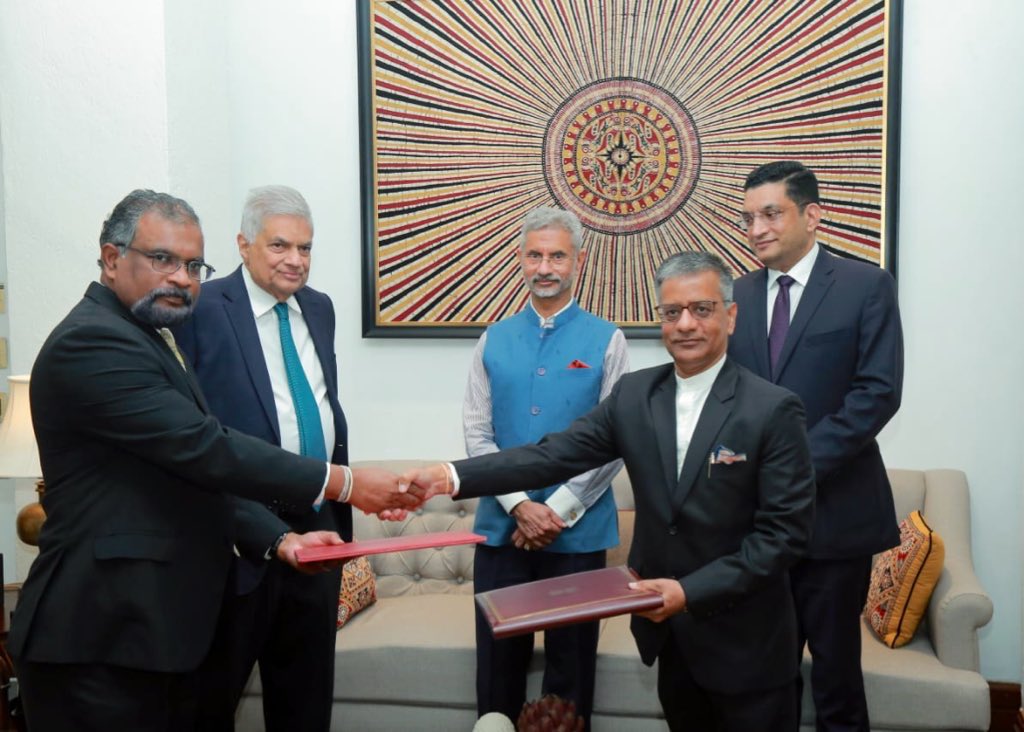
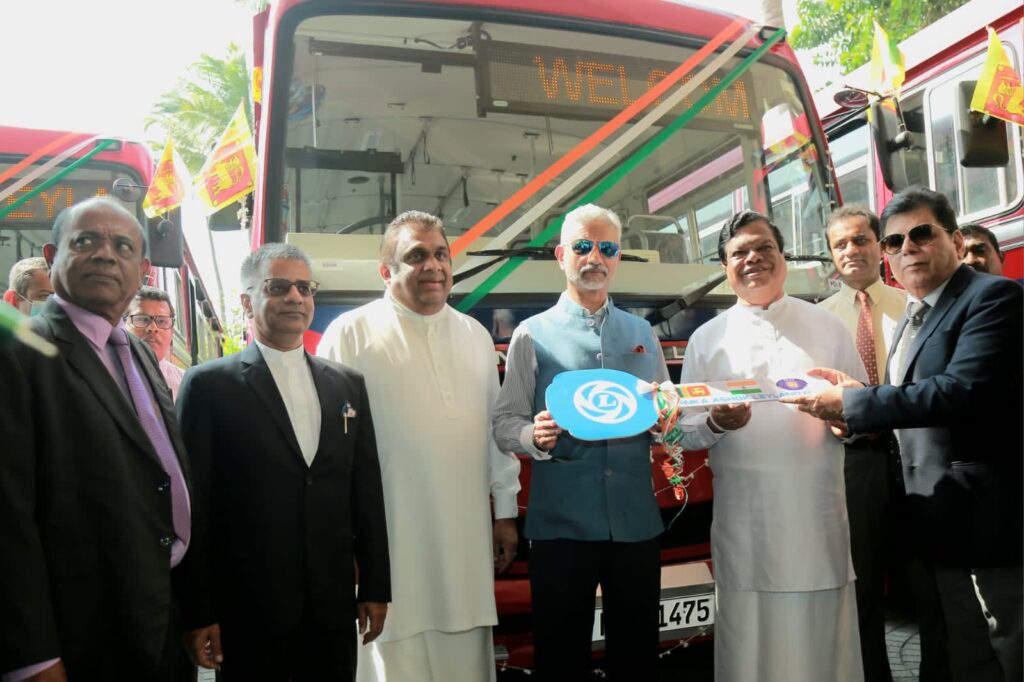
5. President H.E Ranil Wickremesinghe and EAM virtually inaugurated a building for the Kandyan Dancing Academy in Pallekele whose foundation stone was laid by Prime Minister Narendra Modi during his visit to Sri Lanka in May 2017. This grant project underlines Government of India’s commitment to preserve and promote Sri Lanka’s rich cultural heritage. Around 350 housing units built with Government of India grant assistance in Galle, Kandy, Nuwara Eliya, Anuradhapura and Badulla Districts were also handed over in a virtual format on the occasion. Governments of India and Sri Lanka exchanged letters to confirm doubling the ceiling of individual projects as well as overall financial capital for the implementation of grant initiatives carried out under High Impact Community Development Project (HICDP) framework of India. Testifying to the comprehensive and people-centric nature of development cooperation partnership, EAM ceremonially handed over 50 buses supplied under an ongoing credit line for the supply of 500 buses to Hon. Bandula Gunawardena, Minister of Transport and Highways of Sri Lanka towards strengthening the public transport infrastructure. Multi-pronged assistance to Sri Lanka in diverse spheres signify Government of India’s abiding commitment to stand with the people of Sri Lanka through various capacity building projects and other programmes towards economic stabilization and recovery of Sri Lanka.
6. EAM appreciated the steps undertaken for the resumption of Jaffna-Chennai flights and expressed hope that ferry services between India and Sri Lanka will resume at the earliest. He underscored that India continues to be the single largest source of tourists for Sri Lanka and discussed various measures for promoting religious tourism between the two countries. He noted that initiatives undertaken towards promotion of trade and tourism between the two countries could pave way for greater interaction between the people of the two countries as well as shared prosperity.
7. EAM conveyed that Government of India is positively considering the request from senior leadership of Sri Lanka for the exposition of the sacred Kapilavastu Relics of Buddha in Sri Lanka this year. He took note of various joint initiatives such as commemorative postage stamps and coins to mark the 75 years of establishment of diplomatic relations as well as 75 years of Independence of the two countries.
8. Dr. S. Jaishankar called on former President Mahinda Rajapaksa during the visit. He also met Hon. Sajith Premadasa. In addition, he held meetings with leaders of various political parties such as ITAK, TELO, PLOTE, EPRLF, TNP, TNPF, SLMC and ACMC.
9. Hon. Jeevan Thondaman, Minister of Water Supply and Estate Infrastructure Development-led Ceylon Workers’ Congress leaders and leaders of Tamil Progressive Alliance highlighted the socio-economic difficulties faced by people of plantation areas and sought India’s support in addressing their problems. Highlighting numerous initiatives undertaken by the Government of India for the upliftment of the region, EAM noted that 2023 marks 200 years of arrival of Indian-origin-Tamils to Sri Lanka. It bears mention that Assistant High Commission of India in Kandy which closely works with the community marks 100 years of its establishment this year.
10. EAM discussed fisheries and associated topics between the two countries separately with the President of Sri Lanka and Hon. Douglas Devananda, Minister of Fisheries. He emphasized the need to address these challenges in a humanitarian manner. The discussion also focused on the livelihood concerns which influence the decisions of fishermen to undertake such expeditions.
11. EAM conveyed to the President of Sri Lanka greetings from Prime Minister Narendra Modi and handed over an invitation from him to visit India at an early mutually convenient date.
12. The visit of the External Affairs Minister underscores the central place Sri Lanka occupies, as the closest maritime neighbour, in India’s ‘Neighbourhood First’ Policy. It also highlighted the commitment of Government of India to re-double the efforts for long-term investment in sectors of priority for Sri Lanka such as ports, shipping, renewable energy, hydrocarbons, manufacturing, health, IT, tourism, pharmaceuticals so as to accelerate economic recovery and bring prosperity to Sri Lanka.
***
Colombo
20 January 2023
India pledges its commitment to boost investment flows to Sri Lanka
The visiting External Affairs Minister S.Jaishankar has pledged to boost Indian investment flows when he held talks with his Sri Lankan counterpart Ali Sabry soon after his arrival in Colombo.
Their discussion has focused on the cooperation between India and Sri Lanka in the fields of infrastructure, connectivity, energy, industry and health.
The Indian Foreign Minister’s visit comes at a time when India informed the IMF of its assurance which the global lender wants from creditors for providing a much-needed bailout to the cash-strapped island nation.
Sri Lanka, which is trying to secure a US $2.9 billion bailout loan from the International Monetary Fund (IMF), was negotiating to get financial assurances from its major creditors – China, Japan and India – which is the requisite for Colombo to get the bailout package.
The IMF bailout has been put on a halt as Sri Lanka pursues talks with creditors to meet the global lender’s condition for the facility. Jaishankar, who arrived here from the Maldives on the second leg of his two-nation tour, met Sabry and discussed issues of mutual and regional interests, sources said.
He also called on President Ranil Wickremesinghe, who hosted a working dinner for the minister.
Sri Lanka’s unprecedented economic crisis had paradoxically brought the best out of India’s concerns for its southern neighbour given the island nations’ proximity in economic cooperation with China until then.
When the crisis started to hit the country a year ago, India came forward with assistance worth $4 billion.
On Tuesday, President Wickremesinghe told Parliament that his government has “successfully” completed its debt restructuring talks with India.
India’s Additional Secretary of the Finance Ministry Rajat Kumar Mishra on Tuesday informed IMF chief Kristalina Georgiva that New Delhi has confirmed its support to Sri Lanka on the issue of debt restructuring. Last week, Sri Lanka completed its debt restructuring talks with Japan.
Sri Lanka began debt restructuring talks with its creditors in September last year as warranted by its agreement with the IMF for the $2.9 billion facility over four years.
It began negotiating with the IMF for a bail-out after having announced its first-ever sovereign debt default in April last year.
The IMF facility would enable the island nation to obtain bridging finance from markets and other lending institutions such as the ADB and the World Bank.