January 04, Colombo (LNW): Motorists across Sri Lanka will soon be able to settle traffic spot fines online, with the GovPay digital payment system set to be rolled out islandwide by January 15, police officials have announced.
Deputy Inspector General of Police in charge of Traffic Control and Road Safety, W. P. J. Senadheera, said the groundwork for the initiative has already been completed. Speaking to the media in Colombo, he noted that police officers have been equipped with the necessary technology and training to ensure the system is fully operational by the target date.
The move is aimed at reducing delays and inconvenience for road users, allowing drivers to pay fines quickly and securely without the need for lengthy roadside procedures. Officials believe the new arrangement will also streamline traffic enforcement and improve overall efficiency.
DIG Senadheera stressed that under the revised process, motorists are not required to hand over cash to police officers under any circumstances. He reminded the public that both offering and accepting bribes are criminal offences and will be dealt with accordingly.
He further explained that strict adherence to the law would be maintained and that the digital payment system is expected to enhance transparency, while protecting police officers from allegations of financial impropriety in the course of their duties.
Online Payment of Traffic Fines to Go Nationwide from Mid-January

Navy Nets Massive Drug Haul as 2025 Crackdown Intensifies
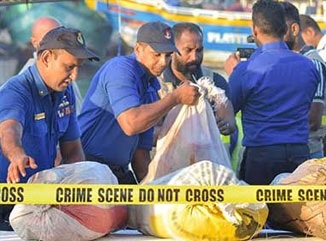
January 04, Colombo (LNW): Sri Lanka’s Navy has reported a sweeping series of anti-narcotics operations this year, uncovering illicit drugs and contraband worth more than Rs. 75 billion and detaining hundreds of suspects as part of an expanded national effort to curb organised crime at sea and on shore.
Operating under the government’s “A Nation United” drive to protect younger generations from the dangers of drugs, naval units stepped up patrols and intelligence-led raids across the island and its surrounding waters.
The campaign has relied heavily on cooperation with other law enforcement bodies and maritime partners, both domestic and international, reflecting what officials describe as a more coordinated and aggressive strategy.
Since the beginning of 2025, these operations have resulted in the interception of large consignments of heroin, crystal methamphetamine, hashish, cannabis sourced locally and overseas, as well as prescription medicines, foreign cigarettes and Kendu leaves. In total, 376 Sri Lankan nationals have been taken into custody in connection with these detections.
Among the most significant seizures were more than 1,050 kilogrammes of heroin, valued at over Rs. 25 billion, and close to 3,000 kilogrammes of crystal methamphetamine with an estimated street value exceeding Rs. 47 billion. These discoveries alone led to the arrest of 169 suspects and the seizure of 11 local fishing boats allegedly used for trafficking.
Naval teams also confiscated over 5,700 kilogrammes of foreign cannabis, detaining 73 suspects and impounding 19 vessels, while a separate series of raids resulted in the arrest of 11 individuals found with locally grown cannabis. Smaller but high-impact operations uncovered tens of kilogrammes of hashish and more than 1.6 million prescription tablets believed to have been diverted into illegal markets.
In addition to narcotics, the Navy intercepted large quantities of smuggled goods, including hundreds of thousands of foreign cigarettes and more than 67,000 kilogrammes of Kendu leaves, a commodity often linked to illicit trade networks. Dozens of suspects and vessels were detained in connection with these seizures.
Authorities say all suspects, boats and confiscated items have been handed over to the relevant agencies for further investigation and prosecution. Naval officials insist the intensified operations will continue throughout the year, signalling a sustained push to disrupt drug trafficking routes and weaken the criminal networks behind them.
Trump Claims US Has Captured Venezuela’s President as Strikes Hit Country
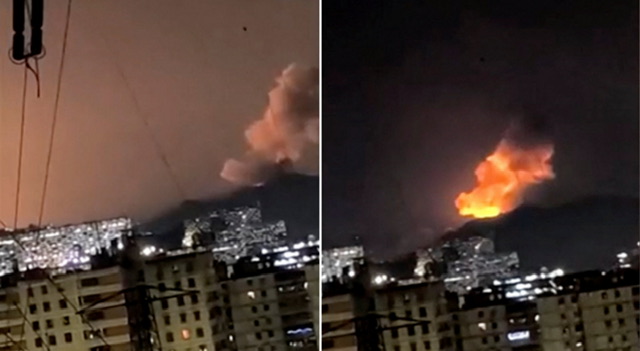
In a dramatic and unverified claim, former US President Donald Trump said the United States has captured Venezuelan President Nicolás Maduro and his wife following what he described as “large-scale” US military strikes against Venezuela.
In a statement released publicly, Trump claimed that Maduro had been flown out of the country after being taken into US custody. However, no official confirmation has been issued by US authorities, and details surrounding the alleged operation remain scarce.
Venezuela’s government strongly rejected the claims, condemning what it called “military aggression” by the United States. Officials announced a nationwide state of emergency and demanded “immediate proof of life” for President Maduro and his wife, warning that the claims could amount to disinformation and psychological warfare.
State media reported heightened security measures across the country, while senior Venezuelan officials accused Washington of violating international law and threatening regional stability. As of now, there has been no response from the US Department of Defense or the White House addressing Trump’s statement.
International observers have urged caution, stressing the absence of verified evidence and warning against escalating rhetoric. The situation remains highly fluid, with global attention focused on whether official confirmation or denial will emerge in the coming hours.
Sri Lankans are Hypocrites to the core?
By Adolf
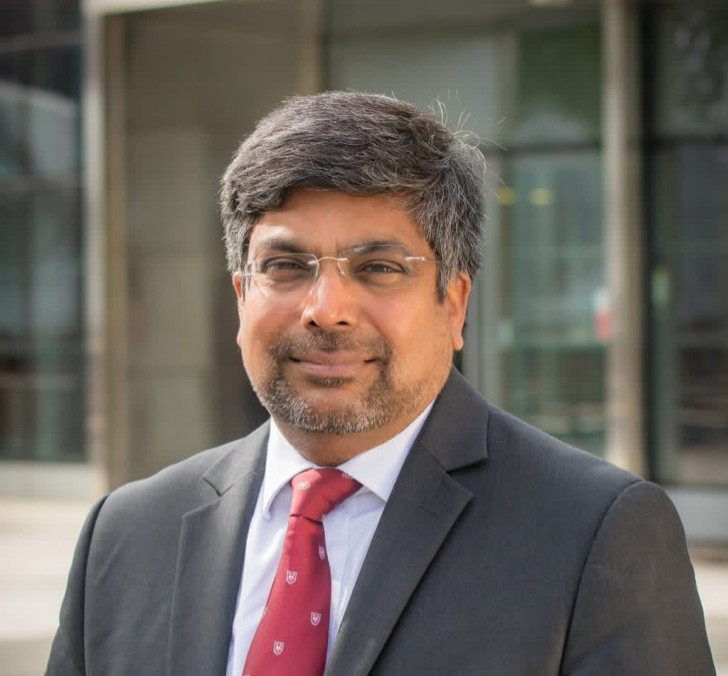
The knighthood of Professor Nishan Canagarajah, President and Vice-Chancellor of the University of Leicester, is a remarkable personal achievement and a moment worthy of celebration. Born in Jaffna, educated at St. John’s College, and later moving to the United Kingdom on a scholarship to Cambridge, his journey reflects decades of scholarship, leadership, and quiet perseverance. The honour recognises a 30-year career and a sustained commitment to making higher education more inclusive. Predictably, social media in Sri Lanka is now filled with congratulatory messages. “We Sri Lankans are proud of you,” many declare. Yet this moment also invites a more uncomfortable reflection: why does Sri Lanka so often discover its pride only after success has been validated elsewhere?
Srilankan Culture
There is a familiar national pattern at play. When individuals show early promise, question orthodoxy, or rise beyond prescribed social or ethnic boundaries, they are frequently met not with encouragement but with suspicion, hostility, and at times outright character assassination. A minor difference of opinion, a refusal to conform, or even quiet excellence can provoke disproportionate backlash. We are adept at cutting people down long before they have had the chance to fully rise. Yet once success is achieved abroad — under institutions that offer meritocracy, equal rights, and predictable systems — the narrative changes overnight. The same society that was indifferent, dismissive, or hostile becomes eager to claim association. Achievements are suddenly framed as “Sri Lankan successes,” as if the conditions that produced them existed at home all along.
Hypocrites
Professor Canagarajah’s story is not unique. It mirrors the experience of many academics, professionals, entrepreneurs, and artists who found space to flourish only after leaving the country. Their success was not the product of sudden brilliance upon migration, but of years of hard work and sacrifice — often after navigating constrained opportunities, systemic bias, and limited institutional support at home.
The hypocrisy lies not in celebrating success — celebration is deserved — but in the selective amnesia that accompanies it. We applaud outcomes while avoiding responsibility for the environments that failed to nurture potential in the first place. Pride becomes retrospective and cost-free, unburdened by the harder questions of reform, inclusion, and accountability. This tendency is also deeply corrosive. It sends a message to younger generations that excellence will not be protected locally, that resilience must be built elsewhere, and that recognition will come only after distance. Over time, this reinforces the very brain drain that Sri Lanka laments but has yet to seriously address.
National Pride
To be clear, this is not about diminishing achievement or questioning national pride. Professor Canagarajah’s knighthood is a singular honour, earned through merit and leadership. It is about asking whether Sri Lanka is prepared to move beyond symbolic celebration and confront uncomfortable truths about how talent is treated before it leaves. If we genuinely wish to honour such individuals, the real tribute lies not in hashtags or belated applause, but in building institutions and a culture that do not first “bury people alive” for showing promise, independence, or difference. Until then, our pride will remain conditional — loud after success, silent before it — and deeply hypocritical. True national confidence is measured not by how quickly we claim success, but by how consistently we enable it.
Sri Lankan Born Professor Nishan
Sri Lanka’s Current Account Surplus Masks Brewing External Crisis
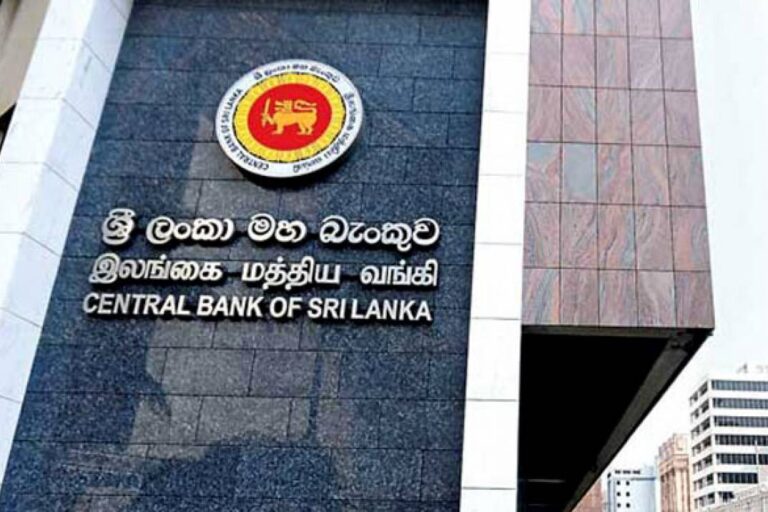
Sri Lanka’s external finances showed a glimmer of hope toward the end of 2025, but experts warn that the country’s balance of payments (BOP) could face renewed stress in 2026.
According to the Central Bank of Sri Lanka (CBSL), the current account returned to a small surplus of USD 81.7 million in November, reversing deficits in September and October. Yet beneath this headline figure, structural vulnerabilities rising import bills, cyclone-related expenses, and weak foreign investment—threaten long-term stability.
Year-to-date, the current account surplus narrowed to USD 1.67 billion by November, down 2.2% from a year ago. Imports, especially vehicles and machinery, surged faster than exports, pushing the trade deficit to USD 730.7 million in October, compared to USD 502 million the previous year.
Cumulative imports for the first eleven months rose 14.2% to USD 19.32 billion, while exports managed only a 6.4% increase to USD 12.4 billion. Analysts say this widening gap highlights Sri Lanka’s heavy reliance on imports, a challenge that will intensify with reconstruction needs following severe cyclone damage.
Cyclone-related spending in 2026 is expected to stretch the government’s finances further. Relief efforts, infrastructure repairs, and rebuilding projects will require importing large volumes of materials and fuel, putting additional pressure on the current account. Without significant inflows of foreign capital, this spending could reignite a BOP crisis, making the current surplus appear temporary.
Some bright spots remain. Workers’ remittances are the strongest stabilizer, posting a 20.7% increase in the first eleven months of 2025, with November recording the highest monthly inflow since 2020 at USD 673 million. Tourism earnings, while growing modestly overall, fell 7.8% in November compared to last year. Net inflows from services saw only a marginal increase, signaling that reliance on traditional revenue streams alone may not be enough to cover external obligations.
Foreign direct investment and donor support critical for long-term external financing—remain weak. Investment in government securities declined sharply, while the Colombo Stock Exchange experienced net outflows. This indicates that investor confidence is still fragile, limiting the country’s ability to fund recovery projects without drawing down reserves or taking on additional debt.
Gross official reserves were around USD 6 billion by November, supported in part by a swap arrangement with China, but debt service obligations and a 5.6% depreciation of the rupee this year underscore vulnerability. Economists warn that unless imports are controlled, exports diversified, and FDI and donor assistance revived, the current account surplus may be insufficient to absorb disaster-related and ongoing financial shocks.
In short, Sri Lanka enters 2026 at a crossroads. While the November surplus offers a momentary sigh of relief, rising cyclone-related expenditure and sluggish foreign inflows suggest that the country’s external sector could once again face pressure. Policymakers will need a careful mix of fiscal restraint, export promotion, and strategic foreign engagement to prevent a repeat of past BOP crises.
Colombo Port’s Record Year Signals Strategic Shift Ahead
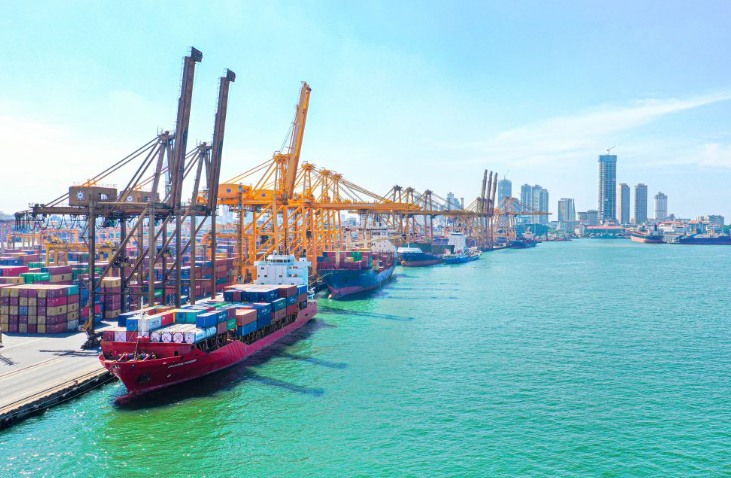
Sri Lanka’s Colombo Port delivered its strongest performance on record in 2025, underlining its role as the country’s most critical maritime and logistics gateway while raising important questions about sustainability, workforce pressures, and the government’s long-term port development strategy.
According to official figures, the port handled 829,000 containers in 2025, a 6 percent increase from the 770,000 containers processed in 2024. This growth came despite regional competition from emerging South Asian ports and ongoing global shipping uncertainties, marking a significant operational achievement for Sri Lanka’s maritime sector.
Industry analysts note that the performance was not driven by a single terminal but by the combined output of all container facilities at the port. These include the Sri Lanka Ports Authority (SLPA)-managed Jaya Container Terminal (JCT) and Eastern Container Terminal (ECT), alongside foreign-operated terminals such as South Asia Gateway Terminals (SAGT) and the Colombo International Container Terminal (CICT).
Together, these terminals form a complex public–private operational model that has become central to Colombo’s competitiveness as a transshipment hub.
Behind the numbers lies one of the largest port workforces in the region, with thousands of SLPA employees and private terminal workers sustaining round-the-clock operations. Union representatives and port economists point out that high labor availability has been both a strength and a challenge boosting operational resilience while increasing pressure on productivity, wage structures, and automation policies.
The government has framed the 2025 milestone as evidence that its port development policy focused on strategic foreign partnerships, state ownership of key assets, and phased capacity expansion is delivering results.
Speaking at a ceremony held at the Eastern Container Terminal, Ports and Civil Aviation Minister Anura Karunathilaka emphasized the port’s contribution to national revenue and acknowledged the role of port workers, management, and terminal operators in achieving the record throughput.
However, officials privately acknowledge that maintaining growth will depend on structural upgrades rather than labor intensity alone. The completion of the ECT and the SLPA-owned Western Container Terminal (WCT), scheduled for 2026, is expected to significantly expand capacity and improve vessel turnaround times. These developments are central to Colombo’s ambition to defend its position against rapidly expanding ports in India and Southeast Asia.
Global shipping lines have responded positively to Colombo’s operational performance, with several carriers reportedly planning to increase calls or commence new services. Yet analysts warn that long-term success will hinge on logistics integration, digitalization, and policy consistency areas where delays could erode recent gains.
As Sri Lanka looks toward 2026, the Colombo Port stands at a crossroads. Its record-breaking year demonstrates potential, but the next phase will test whether government policy, infrastructure investment, and workforce management can align to secure Colombo’s future as a premier regional maritime hub.
Aviation Revival or Policy Paradox under Sri Lanka’s New Regime

Sri Lanka’s aviation sector is being publicly celebrated as a recovery success story under the present administration, but a closer examination reveals a more complex and contradictory picture, one where growth numbers coexist with policy confusion, procedural conflicts, and unresolved structural weaknesses.
According to official data from the Ports and Civil Aviation Ministry, the first eleven months of 2025 delivered strong headline gains. International passenger movements climbed to 9.23 million, a year-on-year increase of over 15 percent.
Aircraft movements rose nearly 15 percent to more than 58,000, while tourist arrivals by air surged by almost 17 percent to approximately 2.1 million. On the surface, these figures suggest a sector regaining altitude after years of economic turbulence, pandemic fallout, and reputational damage.
However, aviation analysts and industry insiders caution that the rebound owes more to pent-up global travel demand and regional tourism recovery than to coherent domestic aviation policy.
Much of the growth mirrors wider Asia-Pacific trends rather than outcomes unique to Sri Lanka’s strategic planning. In fact, several policy decisions taken by the current regime appear misaligned with established international aviation procedures and best practices.
One key area of concern is regulatory inconsistency. While the government has spoken of reform and modernization, airport operations, airline approvals, and route allocations continue to be governed by outdated frameworks that conflict with International Civil Aviation Organization (ICAO) standards.
Industry sources point to overlapping authority between the Civil Aviation Authority, line ministries, and airport operators, resulting in delays, unclear accountability, and investor uncertainty.
There are also questions about policy priorities. Despite rising passenger volumes, Sri Lanka has made limited progress in attracting new long-haul carriers or positioning itself as a regional hub. Instead, growth has been concentrated on a narrow set of routes and airlines, increasing vulnerability to external shocks.
Meanwhile, promised reforms such as open skies expansion, private sector participation, and transparent concession frameworks remain either stalled or selectively applied.
Operational bottlenecks persist as well. Airport infrastructure upgrades have not kept pace with traffic growth, raising concerns over congestion, service quality, and safety oversight. Industry professionals warn that without procedural reforms, short-term gains could quickly erode, damaging Sri Lanka’s competitiveness against regional rivals like India, Thailand, and Vietnam.
The Ministry attributes recent improvements to renewed political attention and coordinated leadership, and while administrative stability has helped restore confidence, governance-by-announcement cannot substitute for systemic reform. Aviation is a rules-driven, compliance-heavy industry; policy rhetoric that clashes with operational reality risks undermining the very recovery being promoted.Sri Lanka’s aviation sector is indeed recovering but recovery should not be confused with resilience. Without aligning policy promises with internationally accepted procedures, institutional clarity, and long-term strategic planning, the current upswing may prove fragile. The real test for the present regime is not whether
Sri Lanka Power Tariff Hike Looms as IMF Rules Clash with CEB Split
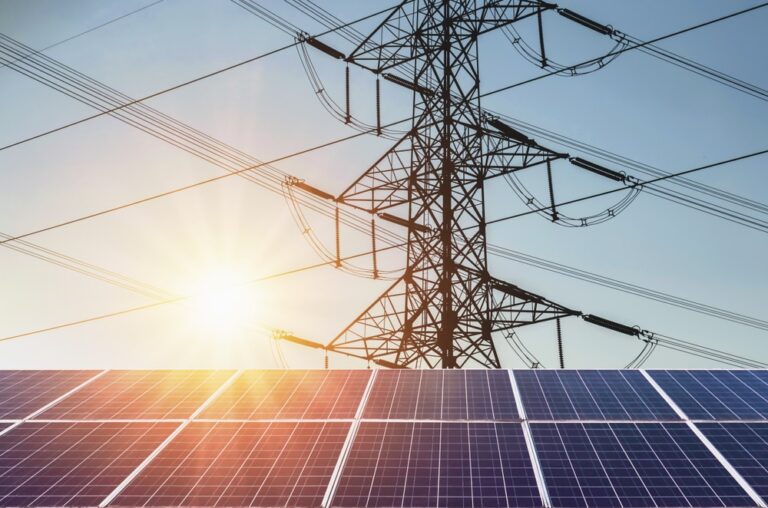
Amid Sri Lanka’s sweeping electricity sector restructuring, the Ceylon Electricity Board’s (CEB) recent tariff revision proposal has ignited fresh controversy over pricing fairness, regulatory integrity, and adherence to International Monetary Fund (IMF) commitments.
Coming at a moment when the state power utility is being unbundled into six separate entities, the proposal for an 11.57 % tariff increase for the January–March 2026 quarter has drawn sharp scrutiny from analysts, consumer groups, and the Public Utilities Commission of Sri Lanka (PUCSL).
CEB argues the hike is needed to bridge a projected Rs 13.1 billion revenue gap based on forecast generation costs, hydro conditions, and demand growth. However, data from 2025 reveals a more nuanced picture: while CEB reported a modest profit in the quarter ending June 2025, its larger half-year accounts showed significant cumulative losses.
Equally telling, PUCSL regulatory reviews found surplus revenues from prior periods that were adjusted against shortfalls, highlighting that over-recovery occurred in earlier tariff cycles.
Under the IMF-backed cost-reflective tariff framework, electricity prices must reflect efficient costs and any excess revenues must be passed back to consumers through tariff adjustments or Bulk Supply Tariff Adjustment (BSTA) mechanisms. In 2024-25, PUCSL’s calculations resulted in an effective 44 % reduction in tariffs from early 2024 levels, and on several occasions the regulator rejected CEB’s hike proposals entirely, citing affordability and prior surpluses.
These decisions stem from rigorous application of the tariff methodology, which scrutinises not only cost forecasts but actual revenue performance. The regulator’s actions suggest that at times CEB retained more revenue than allowed, requiring downward tariff pressure — a corrective measure aligned with IMF commitments. Yet, the proposed 2026 hike tests these principles.
Critics say the timing is problematic: it comes just as restructuring plans will split CEB into multiple companies, a move that will alter cost allocations and expose consumers to potentially higher costs if economies of scale are lost. They argue that instead of rate hikes, emphasis should be placed on improving operational efficiency, enforcing PUCSL cost discipline, and ensuring transparent power purchase agreements.
For the new National People’s Power (NPP) government, this tariff debate is a litmus test of its economic stewardship. Approving a substantial increase now could be seen as contravening the IMF’s cost-reflective tariff commitments and ignoring documented surpluses. Rejecting or tempering the hike, on the other hand, would reinforce regulatory autonomy and consumer protection but could intensify financial stress on the fledgling utilities post-unbundling.
In the end, whether tariffs rise, fall, or stay unchanged will indicate how seriously Sri Lanka’s energy governance reforms and IMF obligations are being implemented in practice, beyond theoretical frameworks and budget projections.
SPMC Records Highest-Ever Drug Production in 2025 – Health Ministry

The Ministry of Health and Mass Media announced that the State Pharmaceuticals Manufacturing Corporation (SPMC) recorded the highest drug production in its history during 2025.
According to the Ministry, the SPMC produced a total of 3,625 million tablets and capsules throughout the year. The corporation also achieved its highest-ever monthly production in March 2025, manufacturing 385 million tablets and capsules.
For the first time since its establishment, the SPMC was able to fully supply all orders placed by the Medical Supplies Division without any shortages.
In addition, five new pharmaceutical products were introduced to the market by the corporation in 2025.
The Ministry further said that the total income of the SPMC for the year amounted to Rs. 27.06 billion.
President Directs Timely Completion of 2026 Budget Housing Projects
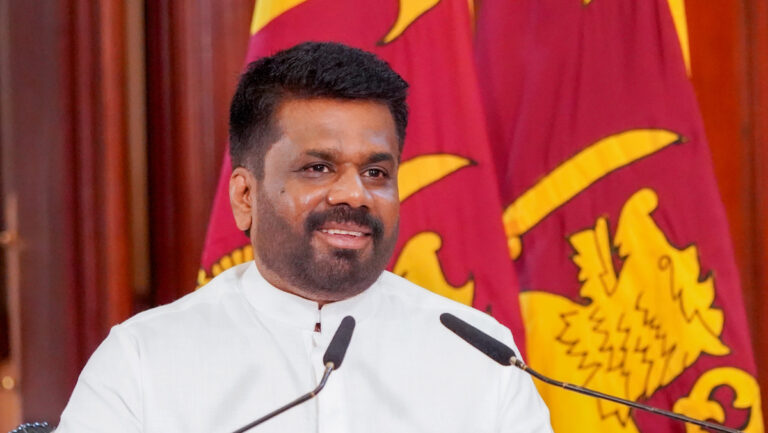
President Anura Kumara Dissanayake has instructed officials to ensure that all housing projects planned under the 2026 Budget allocations are completed within the stipulated timeframes and handed over to the public without delay, according to the President’s Media Division (PMD).
The President also stressed the importance of bringing the monitoring and supervision of these projects under a single coordinating institution to enhance efficiency and accountability.
These remarks were made during a discussion held this morning (02) at the Presidential Secretariat with officials of the National Housing Development Authority (NHDA). The meeting focused on the planning and current status of housing projects, including the national housing programme titled “A Place to Belong – A Beautiful Life,” which is to be implemented under the 2026 Budget.
During the discussion, the President reviewed the planning, progress and target completion timelines of a Rs. 10,200 million housing project for low-income families and a Rs. 5,000 million housing project for communities displaced due to the conflict, both funded through 2026 Budget provisions.
Attention was also drawn to housing projects initiated in previous years under the NHDA that remain incomplete, with the President emphasizing the need to expedite their completion.
The discussion was attended by Minister of Housing, Construction and Water Supply Dr. Susil Ranasinghe, Deputy Minister T.B. Sarath, Senior Additional Secretary to the President Russell Aponsu, Secretary to the Ministry of Housing, Construction and Water Supply Engineer L. Kumudu Lal Bogahawatta, Director General of the National Budget Department Jude Nilukshan, Chairman of the National Housing Development Authority J.K. Aravinda Srinath, along with senior officials from the NHDA and the Ministry of Finance.