Cash strapped government is to restructure some of the profit-making state-owned enterprises while taking over responsibility for US $ 1.7 billion owed to China by State enterprises as it seeks to sell them off and restructure its foreign debt to secure an IMF bailout.
Fiscal stability through revenue consolidation typically remains a key ingredient in the IMF’s formula for economic recovery.
Hence, Budget 2023 did not contain any major revenue proposals, to the surprise of some, as speculation was rife that the government may introduce a wealth tax, which is part of the programme with the IMF.
The government expects to collect Rs.3130 billion as tax revenue in 2023, as opposed to Rs.1298 in 2021.
The restructuring of state-owned enterprises (SOEs) is also a key reform Sri Lanka has to undertake under a prospective IMF programme to get government fiscal house in order
At present, the government iis bearing the cost of 420 government institutions and enterprises. The annual loss of these major 52 SOEs is Rs.86 billion
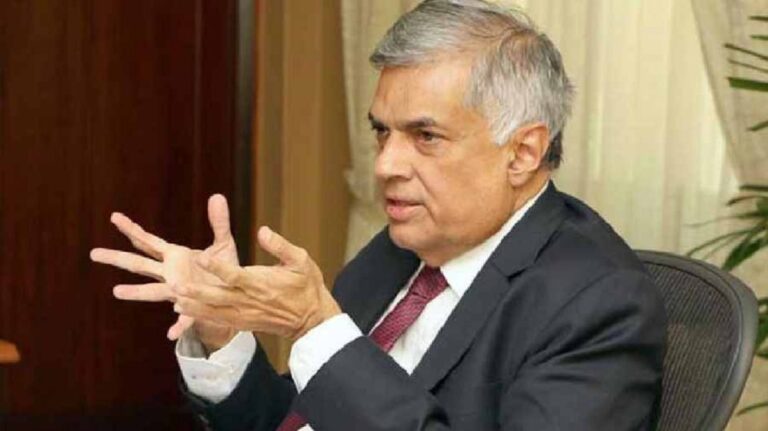
President Ranil Wickremesinghe said $ 1.7 billion in loans taken from China’s Export-Import Bank by three key loss-making state-owned enterprises (SOE) – the electricity utility Ceylon Electricty Board (CEB ) , Port Authority, and Airport and Aviation Services – would be considered government debt.
Taking the loans off their books will strengthen their balance sheets, which could make them more attractive to buyers or outside investors.
He also, revealed the selling-off of five state-owned companies, including the national carrier SriLankan Airlines, Sri Lanka Telecom, Insurance Corportaion, Colombo Hilton Hotel and Water Edge Hotel – which have debts of more than $ 1 billion – to reduce the strain on the national budget 2023.
Proceeds from the “restructure” of the companies will be used to boost the country’s depleted foreign reserves, he said, without giving estimates.
The Government is in talks with the IMF as it seeks funding 2.9 billion to enable the island to recover from its worst-ever financial crisis.
Sri Lanka defaulted on its foreign debt in April and the IMF has said its borrowings must be “sustainable” to unlock any new external funding.
That will require its creditors to take a haircut on their loans, but China is its biggest lender and Beijing has given no indication it is willing to do so.The government revised its external debt figure down from $ 51 billion to $ 46 billion.
Just over $ 14 billion of that is bilateral debt owed to foreign governments, of which China holds 52%.
US$ 1.7 billion in SOE debt owed to China entered Govt books
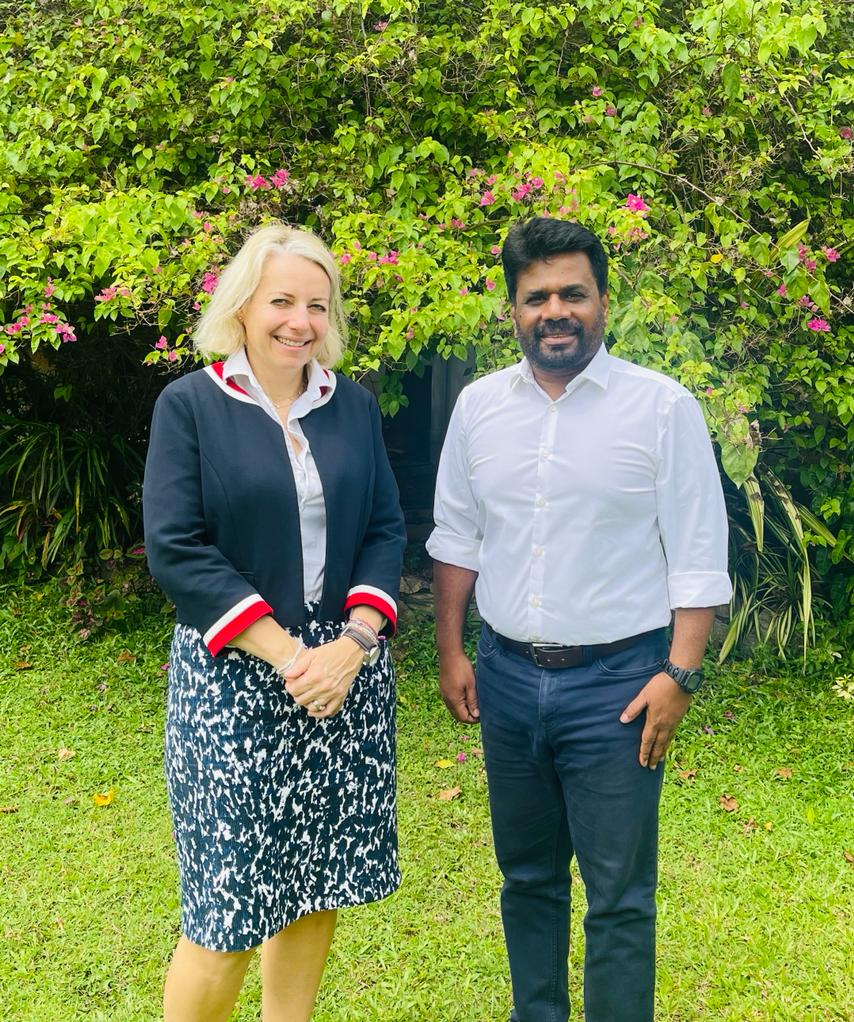
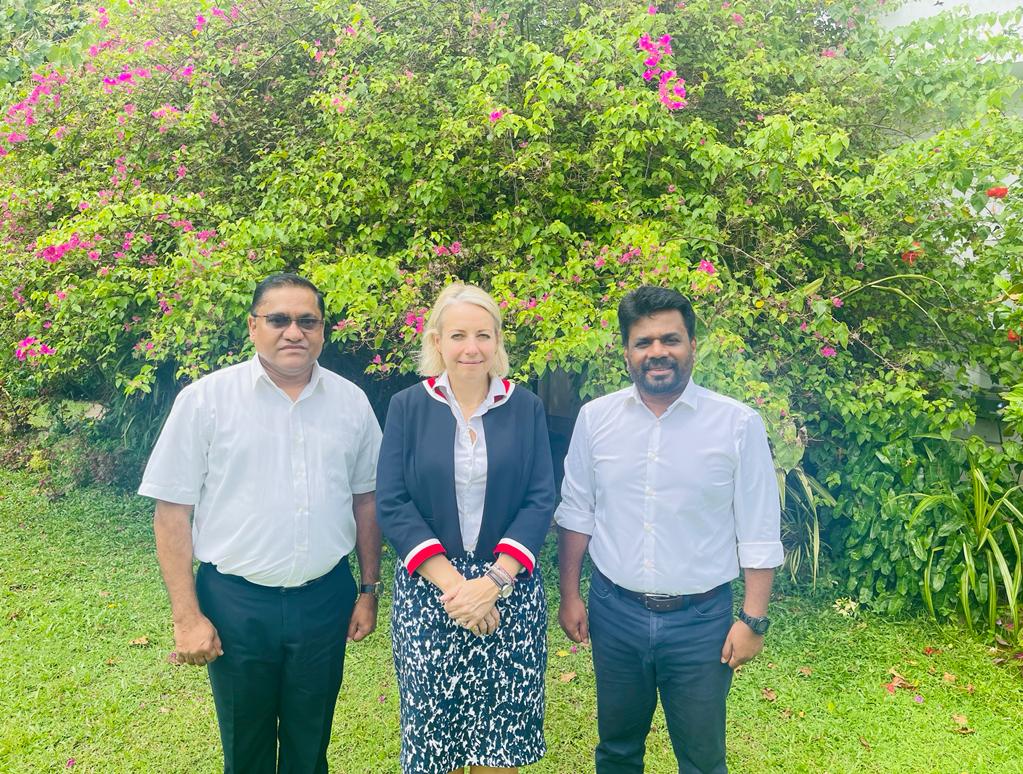
AKD meets with British HC Hulton
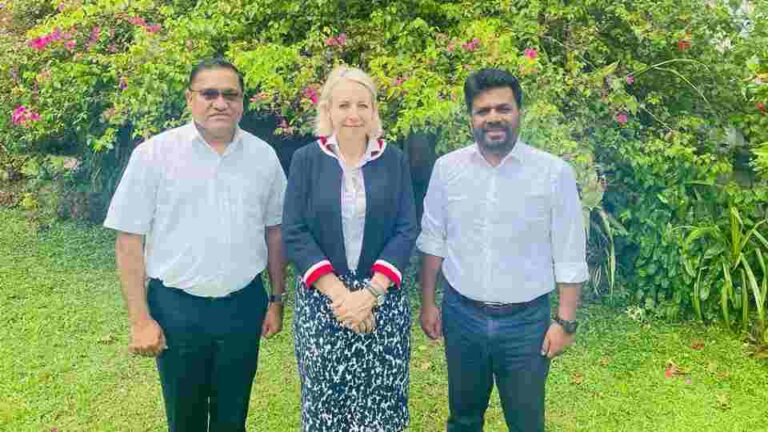
Leader of the National People’s Power (NPP) and the Janatha Vimukthi Peramuna (JVP) MP Anura Kumara Dissanayake together with other members of the Party today (16) met with British High Commissioner to Sri Lanka Sarah Hulton at Westminster House, the Official Residence of the British High Commissioner.
The two parties exchanged views on the current economic and social crisis in Sri Lanka, the political situation and the policies of the NPP.
NPP/JVP MP Vijitha Herath also attended the event.
MIAP
APPRECIATION: Egerton Cooray
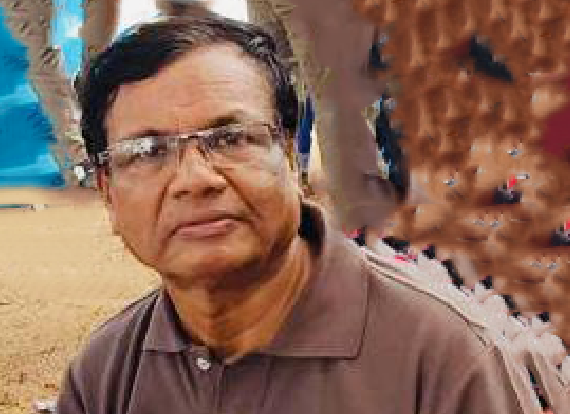
Siblings have common traits and but each is nevertheless unique. All my uncles were greatly loved, but loved differently for different reasons. It is the same with Egerton Cooray, my father’s younger brother. Unlike most of his siblings, Egerton Bappa never held powerful positions, was never ambitious and yet in my opinion he was the finest human being in the Cooray family and undoubtedly the most light-hearted of the lot.
He was fond of all his siblings and was very loyal to each of them, but had an extra warm and special bond with my father, which perhaps made him extra special to me. He had an exemplary life. He had a very simple lifestyle and was a truly humble human being. He never aspired the heights most of his brothers reached, but never grudged their success, always full of admiration and always content with what he had.
Egerton Bappa revelled in the circumstances he found himself in, never lost his sense of humour and was always ready to laugh at himself. In fact it was impossible to offend him. He took rebuke with a smile, often cutting in by saying ‘I did something wrong and you are going to blast me, aren’t you?’ How could one not find that endearing?
He loved to be among people, loved to sing, drink a little and have a good time. He was never more happy than when he made others happy, made them laugh and forget life’s trials and tribulations. And yet he could be dead serious when sobriety was necessary. He was a devout Catholic who was always at the side of anyone who was facing a crisis situation. He could be emotional at time for he was a sensitive person, but one and all recognised and respected him for expressing himself frankly and without an iota of malice.
Egerton Bappa was not one who could be trusted with a secret. The entire family knew this. When he slipped he would admit and apologise: ‘Aiyo sorry putha I did a mistake, I forgot that it’s meant to be a secret.’ And that was that — we knew, all of us did, that he was a very honest man with an extremely big heart.
After his father passed away when he was very young, he took it upon himself to take care of his mother. I recall how he used to frequently visit achchi and make sure she was comfortable. He made it his business to take care of people to the best of his ability, always concerned, always worrying.
A few months ago I was in Sri Lanka. I didn’t get to see him and now I can’t forgive myself. He was in the best of health. He wouldn’t have complained and from wherever he is now I’m sure he would respond to this with characteristic dismissal: ‘don’t be silly putha’.
He left behind memories that will be treasured by everyone who had the privilege of knowing him. I know he is in a good place and I pray that his wife Aunty Melanie and son Gihan Malli will have the courage and strength to contend with this terrible loss.
Two years since the death of Priyath Liyanage…
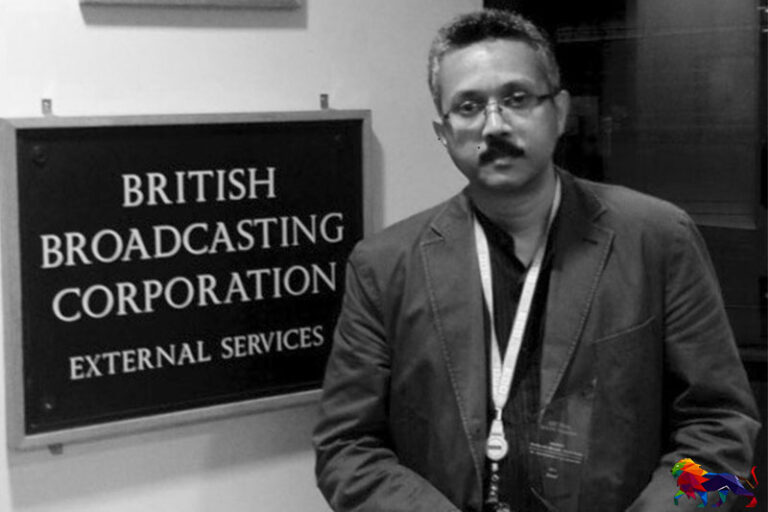
It has been two years since the death of Priyath Liyanage, the first Sri Lankan editor of BBC Sandeshaya, who left an indelible mark on the Sri Lankan media industry.
Priyath, who led the BBC Sinhala Service fearlessly facing racist movements in one of the most challenging chapters of Sri Lankan history, fulfilled his media mission despite threats to his life.
Although he was a close friend of President Premadasa’s, he was not even allowed to attend his father’s funeral during Premadasa’s regime, since Sri Lanka was “banned” for him during Rajapaksa’s regime due to his bold media mission.
“Sandeshaya”, which was once taken off the radio by the Chandrika regime, was re-entered the radio with the approval of the then Prime Minister Ranil.
Even though his colleague from Royal College, President Ranil Wickremesinghe, supported the Sandeshaya in those days – the current period of time has become an era in which not only peaceful fighters but also policewomen are being brutalised, hence the absence of the Sandeshaya and our beloved friend Priyath is being felt and missed more than ever today.
False promises at the cost of women and working people

Feminist Collective For Economic Justice Statement On Sri Lanka’s Proposed National Budget for 2023
The Government’s budget presented on 14th November, 2022 is incredibly callous. It fails to acknowledge the suffering Sri Lankans are enduring due to the economic crisis. The budget speech refers to ‘rapid economic growth’ and ‘economic modernization’ as the way forward, which are unrealistic in the current scenario. While many Sri Lankans are experiencing hunger, it received no mention in the budget speech. At a time when proposals ought to be overtly people centered to mitigate the humanitarian impact of the crisis, the budget reflects a serious disconnect from the realities of ordinary people of this country.
We are appalled that while admitting to the failure of economic policies since the late 1970s, there is a direct laying of blame with the people. Demonstrating a complete lack of awareness of people’s lives in the past and present, the budget speech says, “We got lazy day by day. People got used to getting everything from the government,” casting hardworking people as lazy and discrediting their contribution to the economy. It is timely to recall that the shift to the liberalisation model pushed Sri Lankans into employment under harrowing working conditions to be exploited as cheap labour. The Sri Lankan economy has and continues to survive upon the shoulders of the workers, primarily women, in these sectors of unfair labour – garments, migrant labour and plantations.
It is an abject failure of the government to take responsibility for the crisis that the working poor in Sri Lanka find themselves in today. The crisis is a direct result of ill-conceived economic policies over the years by the ruling class, including by investing foreign debt into projects that did not benefit the working people.
Women’s Labour
The proposed budget fails to acknowledge the burden of the crisis on women and only refers to the elusive category of ‘young women entrepreneurs’. Thousands of women are leaving as migrant workers to send hard earned remittances to the country. Where are they in this budget?
An entrepreneurship model based on microfinance loans is already established as deeply problematic. For years, this country has failed to provide solutions to the widespread and overwhelming household debt cycles that the poor have been thrown into, as a result of these loans. Those affected by microfinance loans, some of whom have taken their own lives, have made the horrors of these loans well known through long standing protests. The budget also fails to recognize the increase of violence against women this year. Women are bearing the brunt of this crisis and this budget attempts to transfer the burden of economic recovery squarely on to women as well.
Unemployment
Given the contraction of the economy by almost 10% of GDP is expected this year, widespread unemployment is inevitable. The solution to the looming unemployment cannot be resolved by entrepreneurship and foreign employment. Instead, in order to stimulate the local economy, the Government should be committing to investing in key sectors such as agriculture, fisheries and local industries and strengthening public services. No such commitment is reflected in the budget.
Dependence on attracting foreign investments amidst a rather bleak global economic scenario is risky. Furthermore, plans for more economic zones signals expansion of precarious, cheap labour that particularly targets women. We are well aware of the disregard for labour laws by employers in export processing zones. The budget proposes more labour reform which raises alarm bells for workers’ rights.
Food security
Food security has not been given priority in the budget, even though recent reports suggest one third of the population are food insecure, over 70% of households have changed food intake habits and harvests have reduced by 33.7% (a 50 year low). We are not going to emerge from the serious food crisis without a robust plan to recover the food production and distribution system.
An allocation for nutritional supplements for children in risk of malnutrition is a welcome aspect in the budget. However, we note that the amount is inadequate to address the severe malnutrition reported among children. Given the very real danger of starvation deaths, the budget should have prioritised a food distribution system and a universal school meal programme.
We are concerned that the language of ‘underutilised’ and ‘unproductive’ land has led to displacement and eviction of the poor and workers in the past. We are well aware, the fertiliser ban in 2021 and increased costs have led the farmers to abandon cultivation. There is an urgent need to revitalise farming by supporting small farmers as a way to build sustainable futures for themselves, their families and for the food needs of the entire country. On the contrary, the budget enables formalising and justifying land acquisition by multinational corporations. This will further deteriorate rural economies by turning farmers, especially women into daily wage earners and no progress will be made in finding sustainable solutions to fulfill Sri Lanka’s food needs.
No relief has been provided to fisherfolk who are hard hit by sharp increases in kerosene prices in the budget, leaving the main source for protein Sri Lankans rely on in a precarious state. The plantation sector workers, who have been deprived by the state for decades, are yet again ignored in the budget.
Social Security
The budget proposes a ‘social security and open economy’ approach which is nonsensical. Looking at the social security items of the proposed budget, it is clear that there is no expansion of social security. Analysis of the exponential increase in poverty and an acknowledgement of the impact of inflation on the cost of living is absent. Even the inadequate relief can only be viewed with skepticism, given that registered beneficiaries are yet to receive the relief promised in the interim budget of September.
The budget refers to the meager amounts of relief provided to specific categories identified as vulnerable groups. Such an extremely limited focus on social security is illogical when even conservative predictions are that almost half of the population are in danger of falling into poverty. The failure to consider universal social protection in these dire circumstances is a stark gap.
Education and Health
The budget has no mention of the major disruptions to schooling due to Covid-19 and thereafter, the economic crisis. It does not address learning loss or propose a plan for education to help an entire generation that has been impacted. The proposal to introduce paid wards to government hospitals is deeply concerning. Instead of addressing the frightful conditions of hospitals, such as lack of essential equipment, infrastructure, and trained staff in rural districts, the proposed paid wards will allocate the remaining limited resources to the people who can financially afford them, further marginalising the poorest. We are well aware that these are initial steps towards eventual privatisation of the health system in Sri Lanka, thus, ridding the country of its proud accolade of being the only nation in South Asia with a functional public health system.
The allocations made to vital sectors in comparison to the allocation for Defence is telling of the Government’s priorities. The budget allocation for Defence is Rs. 539 billion while Health is allocated Rs 322 billion and Education Rs 232 billion.
Revenues
The Government is relying heavily on indirect taxes (VAT) for revenue generation. We can expect the cost of living to continue to remain high in the coming year, given no wage increases are in sight. It is the ordinary people who have to bear the burden of the proposed tax scheme and be expected to shoulder economic recovery. Demands for a wealth tax have gone unheard. We, as FCEJ, have called for redistributive justice via a wealth tax to increase government revenue without making the lives of ordinary citizens even harder.
Economic recovery?
The budget does not address the immediate humanitarian concerns of preventing a food crisis. Nor does it put forward an economic recovery programme that is people centered. Instead, disjointed policy prescriptions that hark back to the failed policies of an earlier era have been regurgitated. The budget, no doubt, will deepen the impact of the crisis for ordinary people. It is time for people to rise and demand for economic justice.
The Feminist Collective for Economic Justice is a collective of feminist economists, scholars, activists, university students and lawyers from across the country that came together in April 2022 to understand, analyse and give voice to policy recommendations based on lived realities of communities they work with in the current economic crisis in Sri Lanka.
Please send your comments to – [email protected]
16 November 2022
Basil Rajapakse to arrive in the island this weekend
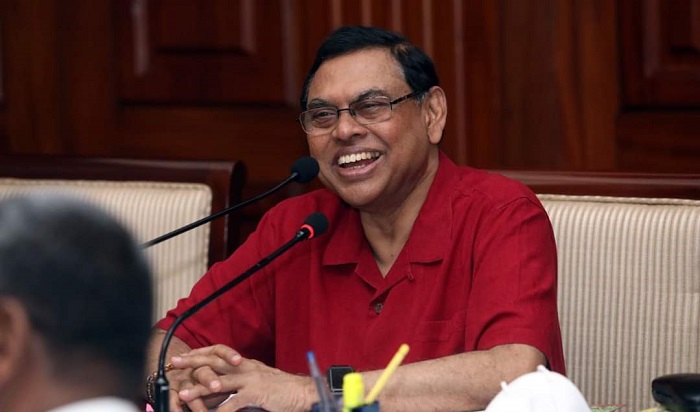
It is reported that Basil Rajapaksa, the national organizer of the Sri Lanka Podujana Peramuna, who has gone to America, is scheduled to return to this country this weekend.
Accordingly, it is stated that he will return to Sri Lanka on the 20th.
Sources said that he will soon come to the island to prepare the party for the upcoming local government elections by strengthening the reorganization activities of the party which is currently weakened.
Hirunika’s ‘Defender Case’ adjourned!

The Colombo High Court today (16) ordered the adjournment of the case filed against former Member of Parliament Hirunika Premachandra for abducting a young man by a Defender and torturing them, until January 30, 2023.
When this case was called before Colombo High Court Judge Amal Ranaraja today, the lawyer who appeared for Hirunika Premachandra stated before the court that the prosecution is ready to present two video evidences related to this case and that they need time to study the content of those evidences.
Accordingly, the lawyer asked the court to adjourn the trial.
Opposing the request, the Deputy Solicitor General who appeared for the prosecution said that this case has already been delayed for about 6 years.
However, allowing the defense’s request, the judge adjourned the case until January 30 and said that the case will be adjourned for the last time and that the case will definitely be heard on January 30.
Weather Alert: Rain showers to be expected by the afternoon today
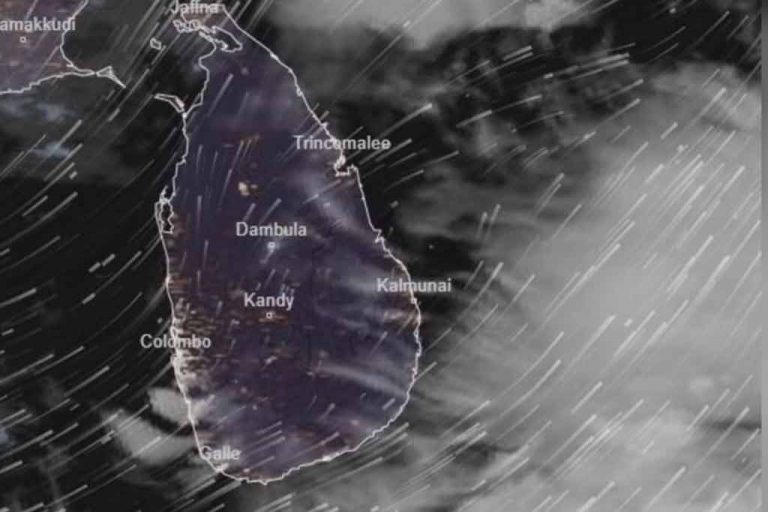
According to the Department of Meteorology, there will be rain or thundershowers after 2.00 pm at some places in Western, Sabaragamuwa, Central, Southern and Uva provinces.
There may be frosty conditions in the morning in Western, Sabaragamuwa, Uva and Central provinces and in Galle and Matara districts.
The department kindly requests the people to take necessary measures to reduce the dangers caused by temporary strong winds and lightning that may occur with thunderstorms.
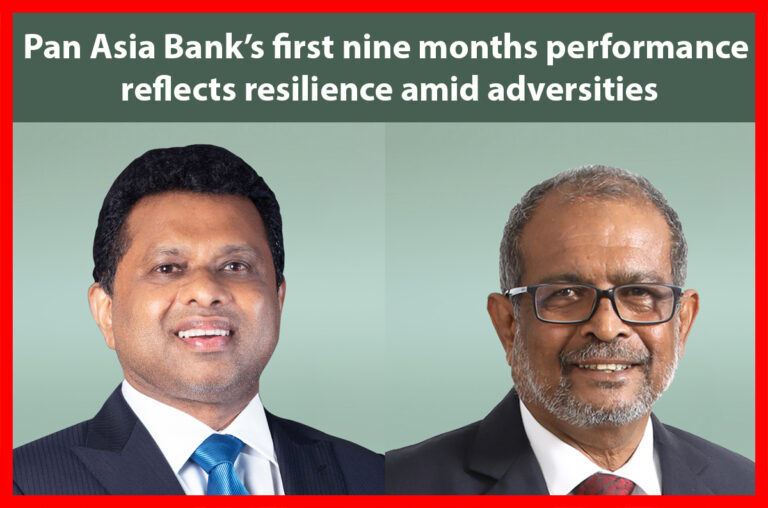
Pan Asia Bank’s first nine months performance reflects resilience amid adversities
Press Release
Pan Asia Banking Corporation PLC reflected resilience amidst a multitude of adversities emanating from challenging macro-economic conditions. The Bank’s financial performance for the period ended 30th September 2022 demonstrates judicious portfolio management and prudency exercised in dealing with possible fallout on its asset quality from the sharp increase in interest rates. During the period under review, the Bank increased its net interest income by 11% to Rs. 7,433.6 million as testament to the enhanced management of its asset and liability portfolio, making the most of the rising rates. For the nine-month period, the Bank reported a Pre-Tax Profit of Rs.626 million and a Post-Tax Profit of Rs.433 million.
“Our performance is a testament that we have put quality over quantity this year, when the circumstances dramatically changed from what we witnessed last year. This was achieved while managing the assets and liabilities to generate returns from our existing portfolio, along with keeping a closer tab on operational expenses amid runaway inflation,” noted Nimal Tillekeratne, the Bank’s Managing Director/Chief Executive Officer.
The Bank sensibly increased its provision buffers for loan losses during the period under review by introducing changes to impairment models, taking into consideration increased risks and uncertainties emerged due to the turbulent economic conditions in the country, including additional provisions on the Bank’s investments in foreign currency denominated financial instruments of Government of Sri Lanka. The impairment expense for the reporting period includes provisions made on foreign currency exposures to the Government of Sri Lanka and amounted to Rs.1.58 billion.
Meanwhile, the Bank’s Net Fee and Commission Income recorded a growth of 6% mainly due to increased volumes and rates of international trade activities, guarantees and remittances. The Net Gains from Trading increased by 264% mainly resulting from reporting high premiums in forex swap agreements due to the unconventional developments in the swap market, which was heavily discounted in the previous period.
The Bank strived for earnings maximization through portfolio re-alignment and cost management despite sector vulnerabilities that prevailed since last year. The Bank’s Cost-to-Income Ratio improved during the period under review, owing to excellence in core banking performance, which is reflected in growth across most key revenue lines and due to various strategies and measures taken to contain the increase in overhead costs. In fact, the Bank managed to contain the increase in Other Operating Expenses at 15% during the period under review compared to the previous period despite rising commodity prices.
The Bank’s Total Asset base stood at Rs. 205 billion as at 30th September 2022, after posting a growth of 8% during the nine-month period, supported mainly by the expansion in investments and loan book. The Gross Loans and Advances book recorded a growth of 4% to reach Rs. 157.04 billion, with major contributions from the Retail segment. The Customer Deposits recorded a growth of 8% to reach Rs.157.64 billion as at 30th September 2022.
The Bank maintains all its Capital and Liquidity Ratios well above the regulatory minimum standards. The Bank’s Tier 1 Capital Ratio and Total Capital Ratio as at 30th September 2022 stood at 13.44% and 15.41% respectively. The Bank’s Statutory Liquid Assets Ratio (SLAR) as at 30thSeptember 2022 stood at 23.50% and 83.93% for Domestic Banking Unit and Off-Shore Banking Unit respectively. Meanwhile, the Bank’s Liquidity Coverage Ratio (LCR) under BASEL III stood well above the statutory minimums. The Bank maintained LCR of 194.77%and207.16% for All Currencies and LKR respectively.
The commitment to technology adoption was demonstrated via many activities deployed during 2021/22 to ensure a seamless banking experience. Pan Asia Bank became the First Bank to integrate with the Lanka Clear, Common Interface of Lanka Pay Payment platform, through Internet Banking – enabling customers to carry out government payments digitally. Existing customers were also empowered to open savings accounts through Internet Banking and to check their credit card balance through a missed call facility without having to reach the contact centre. The implementation of the new leasing system during the period under consideration enhanced internal processes and the overall customer experience. Despite the external environment, the Bank continues to invest and focused on the core operation, product management, people development, and technology integrations.
Going from strength to strength, Pan Asia Bank secured the Runner-up Award – Banking sector, and the Merit Award – Corporate Governance category, at the annual National Business Excellence Awards (NBEA), organized by the National Chamber of Commerce of Sri Lanka. It was also selected by LMD as one of the top 15 ‘Most Awarded Entities’ and top ‘Most Respected’ Entities along with many other accolades and recognitions. The most recent addition to this list is Pan Asia Bank’s award as one of Business Today’s Top 40 business organizations for 2021-2022. This award is given to the largest organizations in the country based on a variety of criteria such as portfolio, profits and risks taken, resilience, passion, and how well challenges are met.
Recording consistent growth year after year, Pan Asia Bank is strongly positioned as the ‘Truly Sri Lankan Bank’, marking an illustrious journey that has promoted financial security and fulfilled the aspirations of its customers while supporting the prosperity of the nation. Pan Asia Bank’s journey of progress continues with renewed commitment as the most trusted Truly Sri Lankan Bank.
Photo caption: Jayantha S B Rangamuwa – Chairman of Pan Asia Bank and Nimal Tillekerathne – MD/CEO of Pan Asia Bank
SRI LANKA ORIGINAL NARRATIVE SUMMARY: 16/11
- Sri Lanka abstains in UN General Assembly vote on “resolution calling for Russia to be held accountable for violations of international law by its invasion of Ukraine”: resolution adopted with 94 for, 14 against, & 73 abstentions.
- West-funded Centre of Policy Alternatives’ Director Pakiasothy Saravanamuttu says China’s “unwillingness” to accept the “proposed debt restructuring” might deprive Sri Lanka of USD 2.9 bn facility from IMF: reports indicate Sri Lanka defaulted on its Forex debt even while China was about to grant a Cash loan of USD 1.0 bn and Trade loan of USD 1.5 bn.
- Delhi Court grants bail to Sri Lankan born Bollywood actress Jacqueline Fernandez in the INR 2 bn money laundering case involving Sukesh Chandrasekhar.
- CB Governor Dr Weerasinghe says economy avoided a “crash landing” under his watch: analysts disagree and say, under his watch, inflation at 66%: T-Bill rates over 33%: SMEs crashing: Rupee “fixed” for 6 months: Forex debts over USD 3 bn unpaid: over Rs.700 bn “printed”: growth -8.5%: IMF loan uncertain: reserves below March ’22 levels: banks can’t open LCs: local debt haircut, feared.
- University of Colombo Economics Professor Sirimal Abeyratne says Budget 2023 is one of the best he has seen for decades: asserts it addresses the current economic crisis and proposes the long standing reforms needed for the country.
- Ceylon Chamber of Commerce says Budget 2023 contains many laudable reform proposals which, if timely implemented, will complement the ongoing fiscal reforms outlined prior to the Budget.
- CB Governor Dr. Weerasinghe says Govt has granted preferential tax rates of 14% or 15% to exporters, but not seen any positive results: laments that has not stopped them from expanding their businesses abroad.
- Fitch Ratings says sharp electricity tariff revision in August ’22 wouldn’t cover Electricity Board’s operating costs: another electricity price hike imminent.
- Colombo Chief Magistrate Nandana Amarasinghe grants bail to former MP Hirunika Premachandra and 14 others, arrested for participating in demonstration near President’s House and interfering in police duties: warns bail will be revoked if they come before the Court on such charges again.
- Treasury Secretary Mahinda Siriwardene says Govt has unpaid bills of about Rs.200 bn to construction sector and others; also says Govt has come up with revenue policies because Govt is unable to pay those bills.