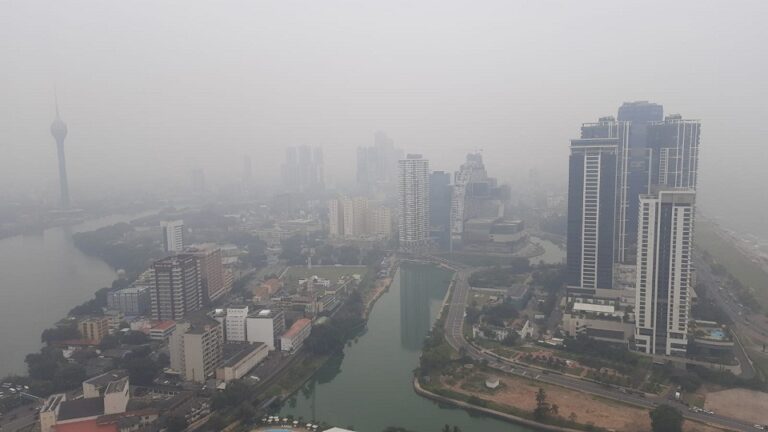
The fog and mist seen these days is not a natural occurrence as the air quality has reached very unhealthy levels in the Northern part of Sri Lanka.
The area is registering over 200 in the air quality index (AQI) due to winds from India carrying polluted air.
The public has been advised to wear masks to protect their health.
AQI index was 212 in Jaffna, 189 in Gampaha, 170 in Dambulla, 169 Colombo, 161 Kandy, 170 in Negombo, and 157 in Ambalantota.
As per WORLD HEALTH ORGANIZATION Air Quality Index should be at 25.
Bad air quality will result in having strokes, cancer, chest related diseases including breathing difficulties and even drop of intelligence quality of children which can create a health hazard of the country. Citizens should be aware of and need to take precautions.
Therefore, the drop of air quality index can be identified as a threat to national security and national survival.
General Dr Boniface perera
(International researcher and writer.)
“AIR QUALITY INDEX DROPPED – THREAT TO NATIONAL SECURITY AND HUMAN SURVIVAL.”
Colombo Port ranked as the highest performing port in South Asia
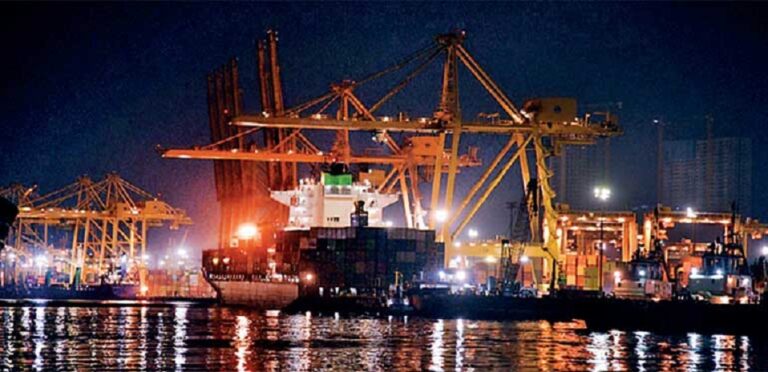
With the upgrading of the Colombo port as the best port in South Asia and 24th best in the world by UNCTAD, Sri Lankan Government is set to invite Japan once more to acquire the East Container Terminal (ECT) ignoring the mounting public protests, Sri Lanka Port Development Authority top official said.
The ECT is being offered to Japan at a time when Sri Lanka is requesting an IMF bailout. Whether Japan would agree or not, the negotiations to persuade the development partners to grant Sri Lanka a 10-year moratorium in exchange for the IMF facility are still ongoing.
The ECT is being offered to Japan at a time when Sri Lanka is requesting an IMF bailout. Whether Japan would agree or not, the negotiations to persuade the development partners to grant Sri Lanka a 10-year moratorium in exchange for the IMF facility are still ongoing.
The ECT is being offered to Japan at a time when Sri Lanka is requesting an IMF bailout. Whether Japan would agree or not, the negotiations to persuade the development partners to grant Sri Lanka a 10-year moratorium in exchange for the IMF facility are still ongoing.
Now that the ECT is heading to Japan, problems could arise because the powerful Trade Unions are already upset about the most recent plan to sell State assets to international partners.
The United Nations Conference on Trade and Development (UNCTAD) in its new Review of Maritime Transport 2022 has revealed that the Port of Colombo is the highest-performing port in South Asia.
The Review of Maritime Transport is a recurrent publication prepared by the UNCTAD secretariat since 1968 with the aim of fostering the transparency of maritime markets and analyzing relevant developments.
The data in the report suggested that despite the challenges of socio-political turbulence the country is struggling to overcome, the Colombo Port has remarkably improved its global rank.
According to the Container Port Performance Index 2022 initiated by the World Bank and S&P Global Port Performance Program quoted in the Review, Colombo Port, which was ranked 33rd last year, has been ranked 24th this year.
Saudi Arabia’s King Abdullah Port, which ranked second last year, has been ranked first this year, while Japan’s Yokohama Port, ranked first last year, has ranked 10th this year.
Meanwhile, the review finds that Asia remained the world’s leading maritime cargo handling centre in 2021, accounting for 42% of exports and 64% of imports.
The report further observed that in 2021, around 40% of total containerized trade was on the main East-West routes – between Asia, Europe and the United States. Non-main lane East-West routes such as South Asia-Mediterranean accounted for 12.9%.
World Bank VP suggests Sri Lanka to consider crisis as an opportunity for reforms
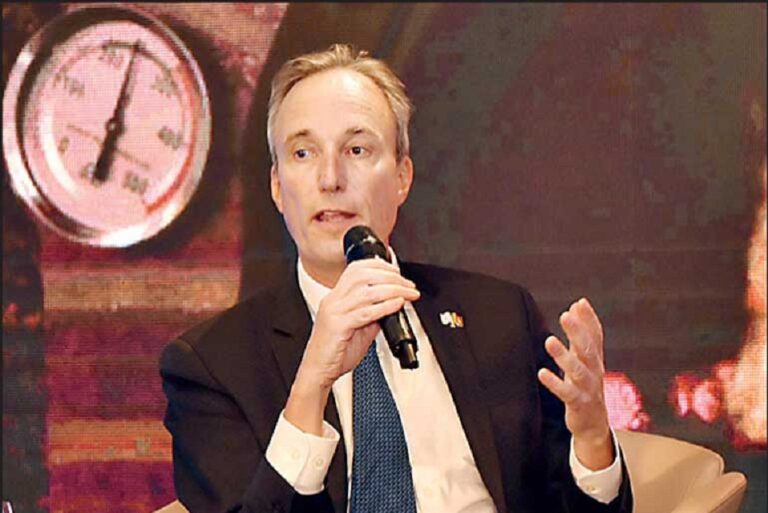
World Bank Vice President for South Asia Martin Raiser this week underscored the need for urgent action to reverse the deep crisis through long overdue reforms.
He prioritized debt relief, reform actions based on consensus and well-targeted measures to protect the poor.
During a three-day visit to Sri Lanka, Raiser met with Sri Lankan President and Finance Minister Ranil Wickremesinghe, Prime Minister Dinesh Gunawardena and other senior officials to discuss the Government’s priorities for Sri Lanka’s recovery and key areas for World Bank support.
“This deep crisis is an opportunity for fundamental reforms, and it should not be wasted. The international financial institutions can help but quick and decisive action is needed on debt relief,” said Raiser.
“While Government reform action is urgent, its success will depend on strong economic, social and political consensus as the reforms will require everyone to adjust – companies, workers, and taxpayers.
He said, we also must not forget about the people who will need help with the adjustment and protect the poor and vulnerable.”
A high-level roundtable discussion organised by the Office of the President, focusing on the Government’s reform agenda and sustainable and equitable economic growth for the country, was also part of the visit.
The discussion focused on key reform priorities to inform future collaboration and support from international partners, including the World Bank, International Monetary Fund, Asian Development Bank, Asian Infrastructure Investment Bank, and other development partners.
During his remarks at the Sri Lanka Economic Summit 2022 organised by the Ceylon Chamber of Commerce, Raiser emphasized improved economic governance, stronger private sector competition and better targeted social protection as three priorities for Sri Lanka to reset from turmoil to opportunity.
He highlighted private-sector job creation as an important driver of growth and stressed the importance to preserve human capital as the main asset of society.
Raiser also met with representatives of the civil society, private sector, and development partners and visited a World Bank-supported agriculture project in Divulapitiya.
To date, the $ 125 million Agriculture Sector Modernization Project has benefited close to 128,000 Sri Lankans and generated about $ 150 million in new export earnings and foreign exchange savings from import substitution for Sri Lanka.
The World Bank was one of the first to respond to Sri Lanka’s economic crisis. The Bank’s emergency response repurposed $ 325 million from existing projects to protect the poor and vulnerable.
Of these funds, $ 241.3 million have already been disbursed to support close to one million vulnerable Sri Lankans with cash transfers, six million Liquid Petroleum Gas (LPG) cylinders for households and small businesses, $ 22.3 million-worth medicines and medical supplies to sustain essential services and 132,500 metric tons of urea fertilizer to support smallholder paddy farmers in the Maha harvesting season.
Alliance Air to start direct flights to Jaffna from Monday
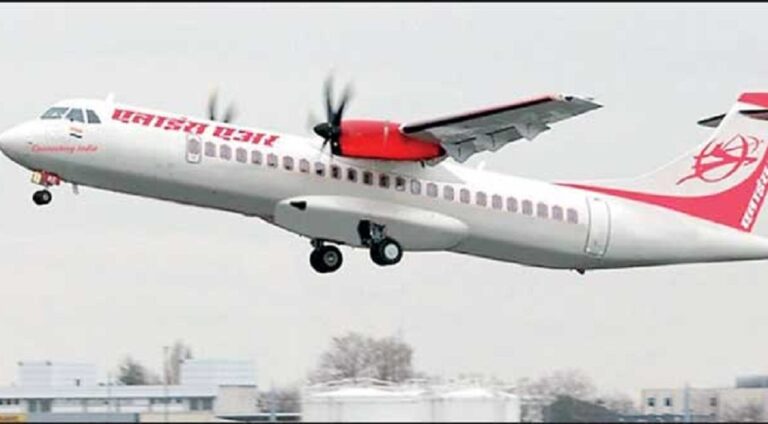
Alliance Air, the wholly-owned subsidiary of Air India has chalked out aggressive expansion plans which include launch of flights to newer destinations, a top official has said.
This Indian Airline recently will launched its maiden overseas flight from Chennai to Jaffna making it the 55th destination connected by the airline.
Alliance Air, a wholly owned subsidiary of AIAHL is all set to resume its services connecting Chennai and Jaffna from Monday, after a nearly three-year pandemic-caused break.
The airline is all set to expand globally and commence commercial flight operations from Jaffna International Airport to Chennai International Airport with direct flight operations on Monday, Tuesday, Thursday and Saturday.
“This direct flight will operate four days a week. With the vision to connect to our neighbouring countries, it is our endeavour to offer better air connectivity to all our neighbours with their closest city hubs.
Pre-COVID, Alliance Air operated this commercial international flight. With the support from Government of India, Alliance Air will again resume this flight operation,” the airline noted in a statement.
On the launch of direct flight to Jaffna from Chennai, Air India Chief Ashwani Lohani said it was a major thing for Alliance Airline since it is the first international flight.
“Beginning with this (Chennai-Jaffna route), Alliance Air can connect with nearby countries like SAARC nation,” he said.
An Alliance Air flight from Chennai landed at the Jaffna International Airport on October 17 2019 as Sri Lankan President Maithripala Sirisena inaugurated the its maiden flight.it was suspended due to Covid-19 pandemic.
It added that Jaffna is one of the most beautiful towns located right on the northern tip of Sri Lanka. Jaffna is known for its predominant Tamil population and recognized as the cultural capital for Tamilians in Sri Lanka.
“The hospitality of the locals will surely impress any tourist to this place. They are just not wonderful people but are friendly too. If you are looking for a destination which offers beauty and great hospitality to travellers, then Jaffna should be in your travel plan,” it noted.
This flight is special in many ways. Apart from being Alliance Air’s maiden international foray, it has connected Chennai to Jaffna after a gap of 41 years.
Flyers coming into Chennai from Delhi, Coimbatore, Ahmadabad, Hyderabad, Bangalore, Mumbai, Dubai, Trivandrum and Muscat have the option of connecting onwards to Jaffna over Chennai making air travel more convenient.
“It is the constant endeavour of Alliance Air to bolster its network and soar higher connecting India and beyond,” the statement added.
The airline was earlier a subsidiary of Air India, until the national carrier’s divestment and hand over to the Tata Group in January this year.
Another achievement of DP EDUCATION…

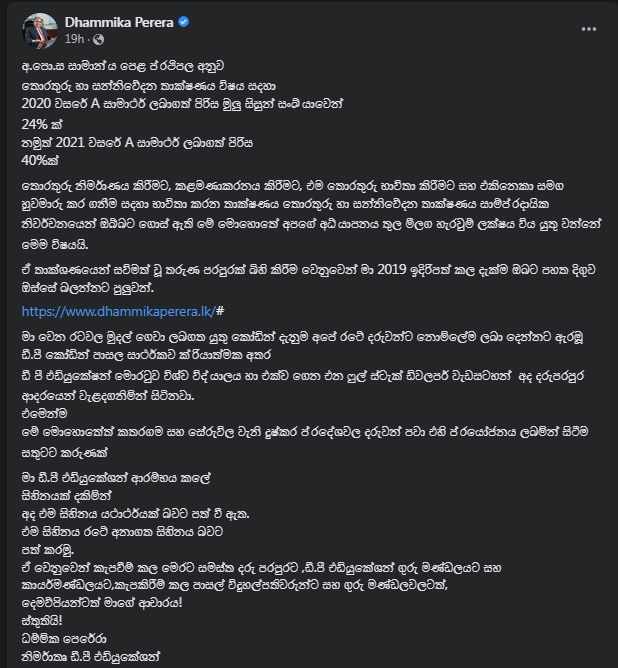
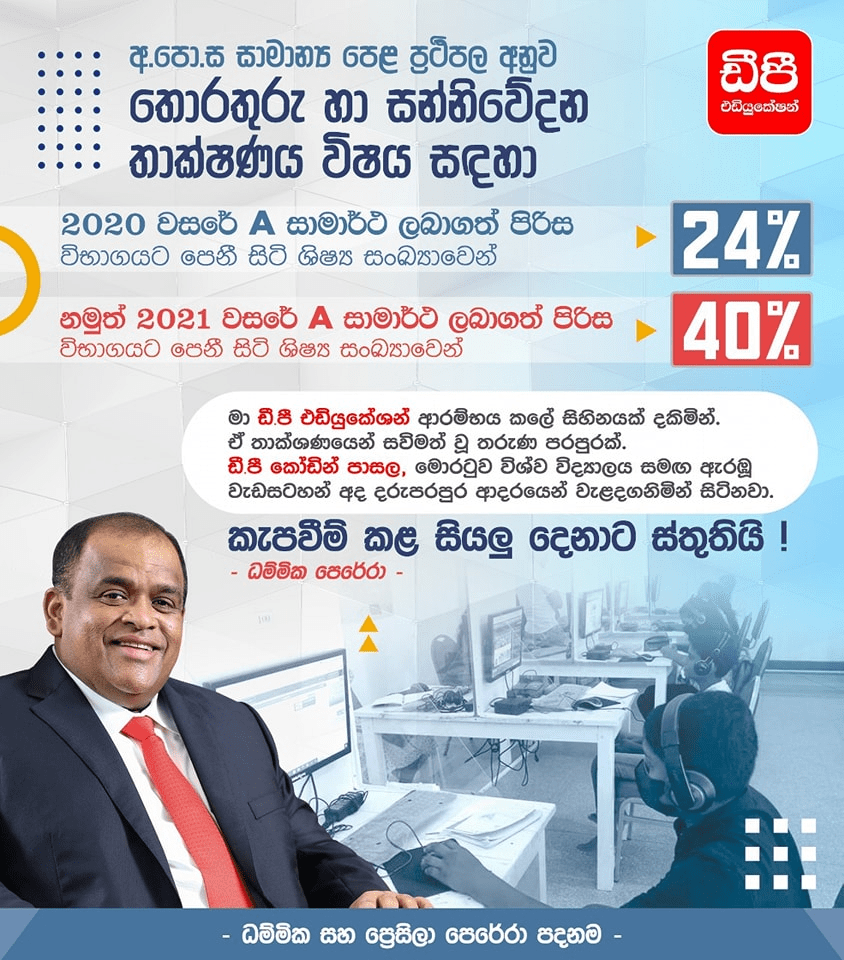
The number of students who obtained A passes for the subject of Information and Communication Technology in the GCE O/L Examination has increased by 16% in 2021 compared to 2020.
Among the students who appeared in the year 2020 for the subject of Information and Communication Technology, the percentage of A passes was 24%.
But in 2021, that percentage has reached as high as 40%.
It is an indisputable fact that the reason for this unique awakening in relation to the subject of Information and Communication Technology is the unique educational opportunity provided by the DP Education program to the children of the country for free.
According to Dhammika Perera’s concept, a large number of school children are currently enrolled in the DP Coding School, which is a social mission carried out by the Dhammika and Priscilla Perera Foundation, which is run in association with the DP Education program.
We feel that even at a time when the country’s economy is in a serious crisis, the country’s people’s life is in a state of confusion, and the country is losing many achievements, the DP Education program’s critical contribution to the exceptional achievements of the country’s children in the field of education should be appreciated by everyone.
Dhammika Perera has left a note in this regard, on his official Facebook page is shown below.
Court issues notice to Sajith and Ranjith following the case filed by Diana Gamage
According to a case filed by Minister Diana Gamage of the Colombo District Court, notices have been issued to Sajith Premadasa, the leader of the Samagi Jana Balawega, and to Ranjith Madduma Bandara, the General Secretary of the party, to appear in court on January 25.
This order was given after the case bearing number DSP 500/2022 was called today (09) according to the facts pointed out by lawyer Uditha Igalahewa, who appeared on behalf of the plaintiff, and according to the facts pointed out to the court by Range Bandara, who currently holds the position of General Secretary of the United National Party, through an affidavit petition.
The General Secretary of the United National Party had pointed out that Sajith Premadasa and Ranjith Maddumabandara are members of the United National Party. It was also stated in the affidavit of the General Secretary of the UNP that a case against them was still being heard in the court.
Lawyer Udiga Igalahewa pointed out to the administration based on those facts that according to the constitution of the People’s People’s Party, a member of it cannot be a member of another party.
A new chairman appointed to the SLTB
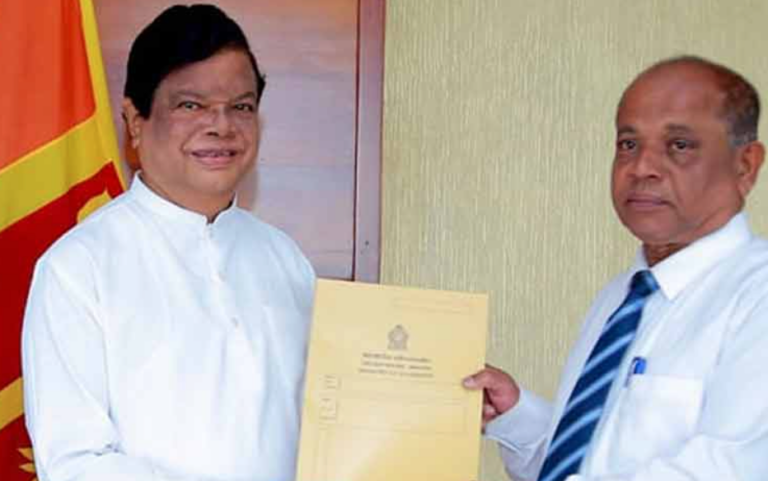
S. M. D. L. K. D. Alvis has been appointed as the new chairman of the Ceylon Transport Board.
This appointment has been made by the Minister of Transport
Bandula Gunawardena.
A few days ago, Minister Bandula Gunawardena had informed the former president of Langama, Kingsley Ranawaka, to resign from that position, accusing him of not implementing the decisions of the cabinet.
UDHR – a brief analysis on Sri Lanka
The Universal Declaration of Human Rights was adopted on 10th December 1948 by the United Nations at the Palais de Chaillot in Paris. Since then this day has been celebrated all over the world as “International Human Rights Day”. This year is the 74th anniversary.
The UDHR contains thirty articles. Articles 1 and 2 outline the philosophical claim of the UDHR and emphasise that human beings are born free in equal dignity and are entitled to all rights and freedoms without any kind of discrimination. Articles 3 to 21 deal with Civil and Political rights and articles 22 to 27 deal with Economic, social and cultural rights. Concluding articles 28 and 29 stress the duties and responsibility of the individual in a democratic society. Finally, article 30 gives cautionary notice that UDHR may not be interpreted as implying that a person or group has any right to do anything aimed at destroying the rights and freedoms set forth in the UDHR.
Considering the emphasis of articles in the UDHR, it is important to analyse how far the UDHR has been respected by the governments of Sri Lanka regarding the human rights of Tamils in the island of Sri Lanka (or earlier Ceylon).
1948 The Citizenship Act disenfranchising Indian Tamil Plantation workers was passed in Parliament. One million 3rd generation plantation workers had been living in the island for over 115 years. They were brought to the island by the British from South India to work in Tea and Rubber plantations in the hill country. 100,000 plantation Tamils were victimised. (Violation of UDHR article – 21)
1956 The “Sinhala Only” Act was passed in the Sri Lankan Parliament. This Act made Tamils as second class citizens in the island. Tamils staged peaceful protests in Colombo and Gal Oya. 150 Tamils were burnt or hacked to death; 20 Women were raped; 3000 were made refugees and their properties were looted by Sinhala mobs. (Violation of UDHR article – 2, 3, 5, 12, 17 )
1958 Anti Tamil riots in Sinhala areas. Massacre of Tamils, looting of their properties, setting fire to their houses. 25,000 Tamils were made refugees; 500 Tamils were burnt or hacked to death; 200 Women were raped and Tamil properties were looted or destroyed by Sinhala mobs. (Violation of UDHR articles – 2, 3, 5, 12, 17)
1961 Tamil non-violent (Satyagraha) civil disobedience campaign in the North and East was disrupted by the security forces, protesters were beaten and arrested. (Violation of UDHR articles – 5, 9, 20)
1964 The Pact (Srima-Shastri) to evacuate Tamil plantation workers of Indian origin was signed. They had been living in the island for over 131 years. 650,000 Plantation Tamils became stateless persons.
(Violation of UDHR articles – 4, 15, 23)
1972 Equal education opportunities for Tamil students were denied. Standardisation on University admission was introduced. There were similarities with Apartheid. (Violation of UDHR article – 26)
1974 The Fourth International Tamil research Conference held on 10/01/1974 in Jaffna was disrupted by the Sri Lankan Police. 9 Tamils were brutally killed. (Violation of UDHR articles – 2, 3, 20, 27)
1977 In July, Tamil United Liberation Front-TULF, contested and won overwhelmingly at the Parliamentary election mandating them to exercise the “Right to Self-determination” and establish Tamil Eelam in the North East.
In 1983 August 8, Sri Lankan government enacted the 6th amendment to the constitution and rejected the right to self-determination of the Tamil people, the mandate voted by the Tamils in 1977 general election. (Violation of UDHR articles – 8, 10, 21)
1979 July, Prevention of Terrorism Act (PTA) was introduced in Sri Lanka. This Act gives a free hand to the Security forces to arrest, detain, torture, rape, kill and dispose bodies with impunity. Arrested people could be detained for three months without being produced in courts. (Violations of UDHR articles – 2, 3, 5, 6, 7, 8, 9, 10, 11, 12)
1981 The Jaffna Public Library containing 95,000 volumes was completely destroyed in a fire set by a group of Police officers who went on a rampage in the Jaffna city on May 31, 1981. 95, 000 volumes of unrecoverable-invaluable books were burnt. (Violations of UDHR articles – 2, 21, 24, 27)
Since independence in 1948, more than 35 years of peaceful non-violent struggle by the Tamils protesting against Sinhala oppression, were suppressed by violent means by the Sri Lankan security forces, inflicting loss of many lives and much material damage to the Tamils. (Violations of UDHR articles – 3, 4, 5,9,13,20)
1983 The Government masterminded anti-Tamil riots in July 83. More than 6,000 Tamils were killed by the Sinhalese in the South. Tamil houses and businesses were looted and destroyed. Tamils living in the South were sent in ships to the North and East by the government. 250,000 Tamils were made refugees; 2,500 Tamils were burnt or hacked to death; 500 Women were raped; 53 Tamil political prisoners were brutally murdered in the maximum security Welikada prison on 25-27th July. Sinhala extremist groups and thugs abused the socio-economic and the political rights of the Tamil people. Anti-Tamil riots also in 1956, 1958, 1977, and 1981.
(Violation of UDHR articles – 3, 4, 6, 7, 8, 9, 12, 13, 14, 17, 23, 24, 25, 26)
1984 – To date Tamils living in the North-East were arrested, tortured and killed. Women were raped, many disappeared. Tamil properties were looted or destroyed by the Sri Lankan security forces. Air Force bombers dropping Cluster bombs in residential areas and near IDPs camps causing severe loss and damage to Tamil people and their property.
The Prevention of Terrorism Act (PTA) and the Emergency Regulations (ER) adopted by the government helped the security forces to carry out all sorts of human rights violations with impunity. (UDHR completely violated)
1990 – To 2002 Economic embargo in Tamil areas. Food, medicine, electricity and other important items are denied to the Tamils. (Violations of UDHR articles – 22, 25, 26)
1995 – On 15th November, an NGO Forum took place at Bentota Beach Hotel, in Bentota, in the South of Sri Lanka. Both foreign and local NGO representatives participated in this forum and this forum meeting was disrupted by anti-NGO demonstrators.
The organisers of the NGO forum decided to shift the venue to the capital, Colombo. On 16th November, the NGO Forum re-convened in the morning at a conference hall in Ratmalana, police officers arrived to “request” the Forum to suspend its proceedings, claiming that the meeting was illegal! The meeting was dissolved and all attendees dispersed. (Violations of UDHR articles – 8, 13, 18, 19, 20)
1997 – On 25th September, 38 NGOs serving in several parts of Batticaloa district, were ordered by Government of Sri Lanka to cease all their humanitarian operations. This immediately followed a government order banning NGOs from assisting people in the areas of Batticaloa. (Violations of UDHR articles – 8, 13, 18, 19, 20)
Sinhala colonisation – As a result of many years of State planned Sinhala colonisation in the Tamil homeland (North and East), the Sinhala governments and its destructive agents plundered and robbed 50% of the ancestral lands of the Tamils in the North East of Sri Lanka. (Violation of UDHR articles – 17)
Unilaterally abrogated pacts and agreements – Several agreements signed between the Tamil leaders and the Sinhala leaders to resolve the political turmoil in the country wereunilaterally abrogated by Sri Lanka.
In 1957, the “Banda Chelva” pact and in 1965 the “Dudley-Chelva” pact. These agreements were based on a quasi-federal system devolving certain powers to the Tamils in the North East province.
1998 – UN Working Group on Enforced or Involuntary Disappearances stated that, “Sri Lanka had the second highest number of disappearances in the world, ranking next to Iraq”. Also Sri Lanka is the only country that the UN Working Group on Enforced or Involuntary Disappearances has visited several times. So far no proper remedies have been found for these disappearances. (Violation of UDHR articles – 3,4,5,7,9,10,11)
2005, with the aim of ensuring equal distribution of Tsunami aid to the worst affected North East, an agreement known as the Post Tsunami Operational Management Structure – PTOMS was signed between the government of Sri Lanka and the LTTE. This was unilaterally abrogated by the government of Sri Lanka under the pretext of a Supreme Court judgement. (Violation of UDHR articles – 16, 25)
At this point over 85,000 Tamil people had been killed or “disappeared”; more than 12,500 Tamil women raped and killed; more than 2500 buildings of Tamils’ religious places of worship (Churches and Temples) had been destroyed in aerial bombings and artillery shelling and billions of rupees worth of material damage had been caused to the Tamils by the Sri Lankan government.
As a result of well planned ethnic cleansing by the Sinhala State, nearly 500,000 Tamil people were internally displaced and more than 500,000 Tamils sought political asylum in Europe and other countries. (Violation of UDHR articles – 3, 16, 16,17)
2005 7th January, the UN Secretary General made a humanitarian visit to Sri Lanka to see the Tsunami affected areas. When Kofi Annan requested to visit the North East, the areas in the island most affected by the tsunami, the Sri Lankan authorities deliberately prevented him from making a humanitarian visit there. (Violation of UDHR articles – 13,25 & a serious violation of the United Nations Charter, Chapter XV Article 100.
2006 – Sri Lankan citizens cannot seek remedy from the UN Human Rights Committee – Even though Sri Lanka is signatory to the ICCPR, on 15 September 2006, the Supreme Court effectively ruled that Sri Lankan citizens cannot seek remedy from the UN Human Rights Committee regarding human rights violations. It declared that the accession to the Optional Protocol to the International Covenant on Civil and Political Rights (ICCPR) in 1997 does not bind Sri Lanka and has no legal effect within the island. – Decision of the Supreme Court 15 September 2006 – SC Spl (LA) No 182/99. (Violation of UDHR articles – 8, 10,19)
2006 – Sri Lanka’s Air Force bombed a gathering of schoolgirls at Vallipunam on August 14, 2006, killing 56 schools girls and wounding 210 others. (Violation of UDHR articles – 3, 10,12,13,20,26)
2006 – In 1987 the India and Sri Lanka accord was signed under the guise of settling the Tamil ethnic conflict in Sri Lanka. Under this accord the merger of North Eastern province took place on 8 Sep.1988. But, after exactly 18 years, The Supreme Court delivered its political judgement on 16 October 2006, stating that the merger of these two provinces was invalid. (Violation of UDHR articles – 3,5,9,10,13,21)
2007 – Sri Lanka was ranked as the third most dangerous place for the media in the world, with many journalists being killed. (Violation of UDHR articles – 3,5,6,7,10,13,18,19)
2008 – January, Sri Lanka withdrew from the Ceasefire Agreement-CFA between the government of Sri Lanka and the LTTE that was signed in February 2002. (Violation of UDHR articles – 3,5,9,10,13,)
According to the UN Working Group on Enforced or Involuntary Disappearances, Sri Lanka ranked as the country with the highest number of disappearances.
The fate of 656 Tamils who ‘disappeared’ in 1996 is not yet known but Tamils continue to ‘disappear’ in North East.
Many Tamil journalists, academics, parliamentarians, human rights activists, children and others in the North East have been killed. (Violation of UDHR articles – 3,4,5,7,9,10,11)
IIGEP quit Sri Lanka – President Rajapaksa had invited the International Independent Group of Eminent Persons – IIGEP to ‘observe and ensure the transparency’ of investigations held by the Commission of Inquiries on the complaints of abductions, disappearances and other serious violations of human rights arising since 1st August 2005. Also, the IIGEP was to ensure that those inquiries are conducted in accordance with basic international norms and standards. On 22 April 2008, the IIGEP, quit Sri Lanka, citing government unwillingness to implement its recommendations to bring the probe up to international standards, lack of financial stability, government interference and slow process. (Violation of UDHR articles – 8,10)
2009 – Sri Lanka government and their security forces committed War crimes and Genocide against the Tamil people. This has been well recorded by all international human rights organisations and the United Nations. Furthermore these serious violations have been documented and screened by TV Channel 4, UK. (Violation of UDHR, other international conventions, including the Convention on the Prevention and Punishment of the Crime of genocide and the Geneva Conventions)
2010 – The UN Secretary-General’s appointed panel submitted a report on War Crimes in Sri Lanka on 12 April 2010. This was subsequently transferred to the UN High Commissioner for Human Rights and the President of the Human Rights Council on 13 September 2011. However no action was taken. (Violation of UDHR and other international conventions)
On 8 September 2010, 18th amendment to the Constitution was passed. This makes the way for the executive President allowing an incumbent to contest the Presidential elections any number of times he desires. It changed Sri Lanka into a de facto dictatorship. (Violation of UDHR)
On 8 December 2010 Sri Lankan Cabinet decided that national anthem will remain only in Sinhala. The move meant that the Tamil version is no longer played at any official or state functions. (Violation of UDHR articles – 7)
2011 – Soon after the armed struggle came to an end in May 2009 – the Sri Lankan government carried out fully fledged Colonisation, Sinhalasation, Buddhisation, and Militarisation – changing the demography of Tamil Eelam.
(Violation of UDHR and other international conventions)
2012 – Politically motivated impeachment motion against Sri Lanka’s first female Chief Justice took place. (Violation of UDHR 3, 6, 7, 8, 10, 11, 12, 13 and other international conventions)
On 8 November 2012, 16 inmates were killed and more than 45 injured in a clash between Sri Lankan Special Task Force and Sinhala prisoners in the Welikada prison in Colombo. (Violation of UDHR 3, 5,6, 19, 20 and other international conventions)
Hundreds of political detainees have spent decades in the prisons without any hope of justice; thousands have been ‘disappeared’ and arbitrary killed; women tortured, raped and hacked to death. There have been no independent hearings nor have the culprits been brought to justice. Impunity has prevailed for decades in Sri Lanka. (Violation of 3, 4, 5, 6, 7, 9, 10, 11, 12, 13, 16, 17, 19, 20, 26 and other international conventions)
Persistent violations of the UDHR and other international conventions continue unabated despite increasing international pressure on Sri Lanka.
Since 2009 – the number of countries out of forty seven countries in the UN HRC voted in favour of Sri Lanka is given below : 2009 2012 2013 2014 2015 2017 2019 2021 2022
22 15 13 12 (Consensus – No vote) 11 07
A few reports of the United Nations on Sri Lanka :
Report of the UN Sec General’s Panel of Experts on Accountability in Sri Lanka – 31 March 2011
Comprehensive report of the Office of the United Nations High Commissioner for Human Rights on Sri Lanka – UN HRC 30th session, 28 Sept. 2015 – A/HRC/30/61
Report of the Office of the United Nations High Commissioner for Human Rights on Sri Lanka- UN HRC 40th session, 10 Feb. 2017 – A/HRC/34/20
Promoting reconciliation, accountability and human rights in Sri Lanka – Report of the Office of the United Nations High Commissioner for Human Rights – UN HRC 34th session, 08 Feb. 2019 – A/HRC/40/23
Promoting reconciliation, accountability and human rights in Sri Lanka – Report of the Office of the United Nations High Commissioner for Human Rights – UN HRC 49th session, 11 April 2022 – A/HRC/49/9
Comprehensive report of the United Nations High Commissioner for Human Rights – A/HRC/51/5: Situation of human rights in Sri Lanka – UN HRC 51st session, 04 Oct 2022- A/HRC/51/5
In Sri Lanka the Prevention of Terrorism Act (PTA) was enacted in 1979 as a temporary measure and still continues even today. It allows the authorities (Police and other security forces) to carry out arrests of anyone, without warrant, for anything they consider as ‘unlawful activities’ and allows the Security forces to keep the arrested individual in detention for 18 months without producing the suspect before a court.
Under the PTA hundreds of individuals have been held in remand for decades awaiting trial. Not a single escaped tortured in custody, and confessions obtained under torture is used against the individual in the Sri Lankan courts.
The armed struggle started in 1983, came to a complete halt after Mullivaghzal in May 2009. Since Mullivaighzal, when we look at the situation in the North and East, the traditional homeland of the Tamils – all sorts of human rights violations are taking place on a daily basis. On the other hand, the North and East is being successfully subjugated to Buddhisation, Singhalisation, Militarisation and Colonisation.
Since the independence of Sri Lanka (Ceylon), the attitude of the rulers regarding the ethnic conflict is that: After listening to the Ramayana epic all-night long, in the morning, who will ask: “What is Rama’s relationship with Seetha?”
SRI LANKA ORIGINAL NARRATIVE: 09/12
- Indian External Affairs Minister Dr S Jaishankar says India has always extended support to the entirety of Sri Lanka which includes the Tamil, Sinhalese and all other communities.
- President Ranil Wickremesinghe says authority to revise electricity tariffs vests with Cabinet: also says Public Utilities Commission Chairman will be summoned before him: Energy Minister Kanchana Wijesekera says a proposal has been submitted to abolish the PUC: PUC Chairman Janaka Ratnayake says the PUC can’t be intimidated by the CEB to agree to price increases.
- SJB MP Champika Ranawaka says Govt’s plans to restructure CEB by dividing the CEB into 18 companies, would lead to disaster.
- CB Governor Weerasinghe urges businesses and public to desist from taking loans at high interest rates: says to negotiate at tates lower than current 30-35%: analysts say CB leading the way for high interest rates by issuing 3-month T-Bills at over 33%: thousands of businesses face closure and millions of jobs lost due to current interest rates prompted by CBSL actions.
- Elections Commission says notice will be issued in the last week of December 2022, calling nominations for Local Government Election.
- Budget 2023 presented to Parliament by President Ranil Wickremesinghe as the Minister of Finance passed with a majority of 43 votes: 123 vote in favour, and 80 against.
- President Ranil Wickremasinghe says Parliamentary Select Committee to be appointed by Parliament to look into those who led the economy to bankruptcy: former CB Governor Ajith Nivard Cabraal says he welcomes the move and had already requested the President on 5th Sept ’22 to appoint a high level Committee to look into the debt default.
- Chief Opposition Whip Lakshman Kiriella says those who contributed to the country’s bankruptcy will not be saved in the “after-life”: also says Govt is spending the left-over money since they are not paying any loans at the moment: adds giving aid from such money is not an economic victory.
- Bullish run at the CSE extends for 9th consecutive session: ASPI rises to a 2-month high to close at 8,892 points: day’s turnover at Rs 2.4 bn.
- National Building Research Organization warns the quality of air in the island has dropped to unhealthy levels: attributes reason as the influx of dust particles contaminating Sri Lanka’s air space through strong winds from India: air quality at 249 in Colombo: 291 in Kurunegala: 280 in Jaffna: and 214 in Kandy.
A minister who takes 50 million for a cabinet paper?
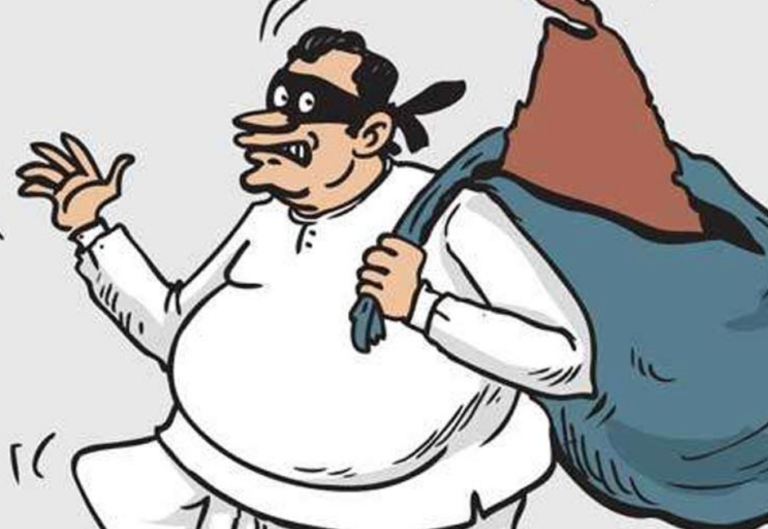
Currently, there is talk in the political field about a powerful cabinet minister who receives 50 million rupees each from the relevant suppliers to submit a cabinet paper in order to get cabinet approval for the tenders for emergency purchases of his ministry.
It is also said that 40 million rupees are being taken from the minister’s close friends to relieve the above mentioned amount.
Sources said that these money transactions are not done in Sri Lanka but through Australia.
Sources also added that the minister is going to lose his position soon due to this situation.