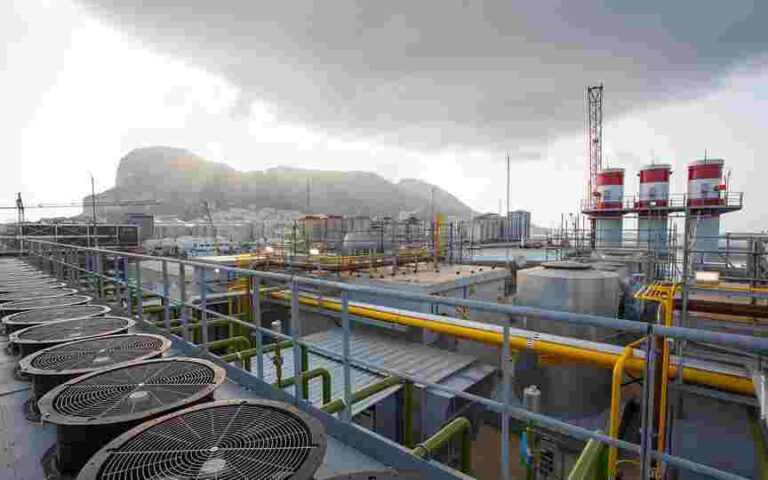
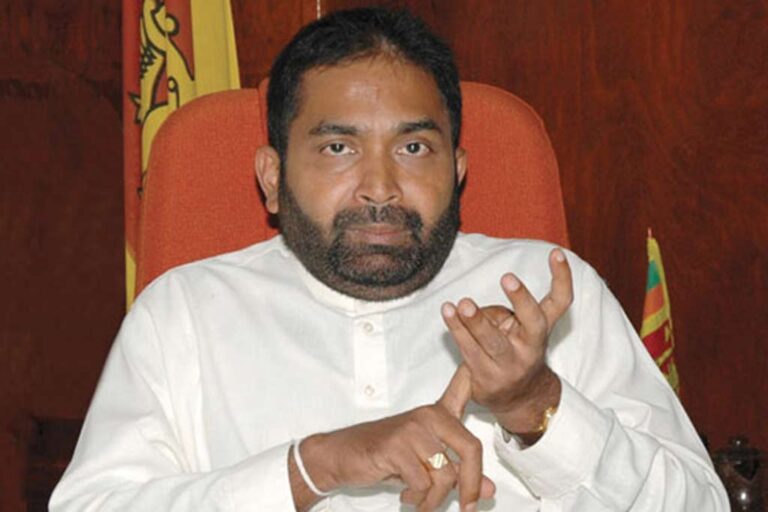
The Oil Refinery at Sapugaskanda must immediately be opened and necessary volumes of fuel must be distributed to the power plants in Sri Lanka, said the Ceylon Electricity Board Engineers Union (CEBEU), speaking to a briefing today (04).
Union Chief Nihal Weerasinghe told media that the power plants established by public funds and equipped with human work force not being used in the government’s move of purchasing emergency power only contributes to the further hiking of costs at the Ceylon Electricity Board (CEB).
In the backdrop, it would be a question as to how the costs at the CEB can be covered, he noted, stressing that the government, instead of resorting to actions contributing to the further hiking of costs, shall be dispensing fuel to the existing plants for power generation.
The government’s efforts towards the non-distribution of fuel for the existing power plants raise the suspicion whether a plot to sell them off is in the works, he added.
President’s Counsel Romesh de Silva says President Ranil Wickremesinghe has never worked for self-promotion but to strengthen the Parliament.
Dr. Haritha Aluthge, Secretary of the Govt Medical Officers asks Govt to recover as much as Rs. 773 bn in taxes, penalties and interest against the backdrop of unprecedented new tax hikes to bridge the record deficit.
Foreign Minister Ali Sabry meets US Secretary of State Antony Blinken: Blinken assures support towards Sri Lanka’s economic & political stability: Sabry thanks US for leading role in facilitating Sri Lanka’s loan from the IMF.
Computer Society President Damith Hettihewa says brain-drain amongst the Information & Communication Technology sector has affected their targets of achieving USD 3 bn in export revenues by 2024: also says 10,000 out of 100,000 professionals directly employed in the ICT sector have migrated overseas during the crisis period.
Former Minister and SLPP MP Rohitha Abeygunawardena says increasing the electricity bill at this juncture is another burden on the people.
Ministry of Finance, Economic Stabilization and National Policies prohibits the transfer of official vehicles to retiring officers of State owned enterprises with immediate effect.
Colombo High Court issues open warrant for the arrest of former Galle Magistrate D S Merinchiarachchi for not appearing in court after being found guilty of committing offences in 2000 while serving as Galle Magistrate: previously, the High Court had imposed 5 years rigorous imprisonment on the former Galle Magistrate.
Ceylon National Chamber of Industries President Canisius Fernando says the import duties, levies and VAT add to about 67% of consignment value: also says taxes compromise the profit margins of businesses: expresses concern about imposition of 30% tax on exporters: laments SMEs are facing closure which would lead to serious repercussions.
State Pharmaceuticals Corporation GM Dinusha Dasanayake says the SPC would not be able to sell imported pharmaceutical items at prices of 7 or 8 months ago: also says prices will be increased when new stocks arrive in the country.
Senior journalist Manoj Abayadeera says leaders must find answers to deal with problems without crying about problems: asserts a leader is not there to simply point out risks.
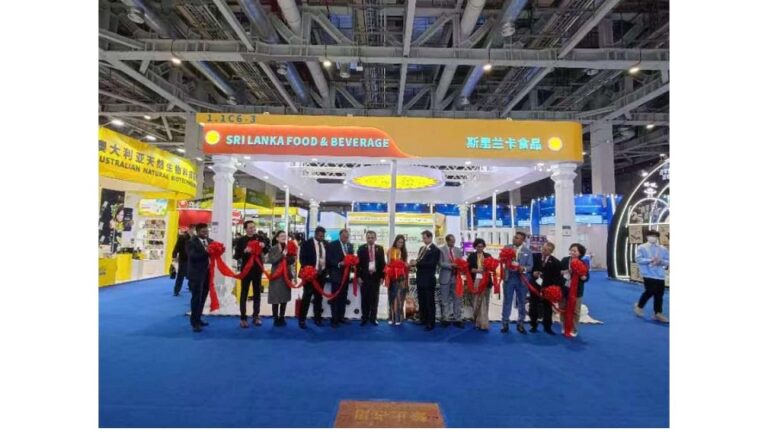
Sinopec, the giant oil company with over 27,000 service stations in China, has entered into an agreement with the Beijing Sri Road Connection Trade Company Ltd., during the Shanghai CIIE, to import and market Sri Lanka Food and Beverage products at their convenience stores. The contract is worth over $ 0.8 million.
The fifth China International Import Expo (CIIE) in Shanghai was held from 5 to 10 November. There were two Sri Lankan pavilions; Food and Beverage and the Gems and Jewelry section.
The China – Sri Lanka Association for Trade and Economic Cooperation voluntarily took charge and organized the Sri Lanka pavilion with the support of the Embassy of Sri Lanka and member companies of the Association and others.
This is the fifth time that Sri Lanka has participated, maintaining a presence at the event. This presence is considered essential since companies which participated in the CIIE were able to achieve remarkable success with daily sales at the pavilion topping RMB 500,000 and over 160 trade inquiries.
The agreement between Sinopec and Beijing Sri Road will facilitate further expansion of Sri Lanka F&B products in the lucrative Chinese market. Beijing Sri Road Connection Trade Company CEO Chiranjaya Udumullage, and Sinopec International Sales Deputy Manager Wang Qian signed the agreement.
The CIIE is the largest trade Fair in China for global companies to access the biggest consumer market in the world; the Chinese market.
This connect with Sinopec is indeed special, as this year is a significant landmark for both Sri Lanka and China. The year commemorates the 65th Anniversary of establishing bilateral diplomatic relations between the two countries and the 70th Anniversary of the Rubber – Rice Pact.
Sinopec is likely to enter Sri Lankan market for importing, distributing and selling petroleum products, as Sri Lankan Cabinet Ministers in the month of June approved a proposal to allow more companies from oil-producing nations to import oil and start retail operations in Sri Lanka.
This recent decision to let the Chinese enter in Sri Lanka’s fuel retail operations is prompted by a severe foreign exchange shortage.
At present, 90 per cent of Sri Lanka’s fuel supply is through the State-owned Ceylon Petroleum Corporation, and the remaining 10 per cent by Lanka Indian Oil Corporation (IOC).Sinopec is already present at the Port of Hambantota where it operates an oil depot.
The High Commissioner of Sri Lanka in Kenya, Velupillai Kananathan has joined a consular visit to the vessel M/T Heroic IDUN along with the High Commissioners/ Diplomats of India, Poland and the Philippines on 27 November, 2022.
Following the visit, High Commissioner confirmed the Sri Lankan crew members are in excellent health. The Nigerian Navy is providing adequate security and all assistance on board, including food, medical and recreational facilities.
The vessel is detained by the Nigerian authorities for entering the Nigerian Maritime Environment in August 2022. The next hearing of the trial is scheduled on 11 January, 2023.
The Ministry and the High Commission will continue to monitor the situation.
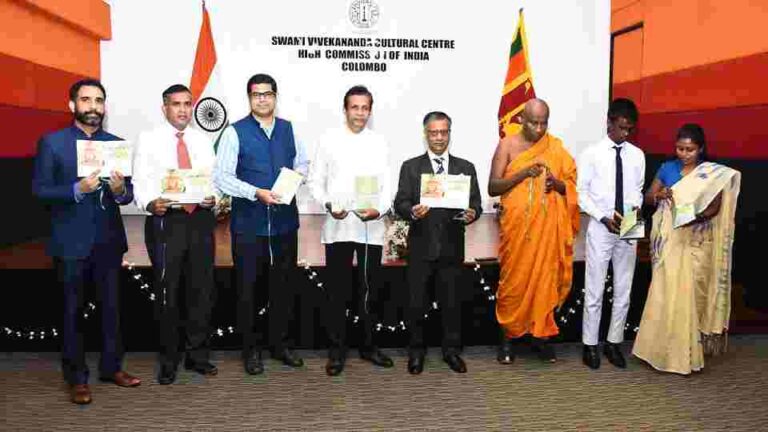
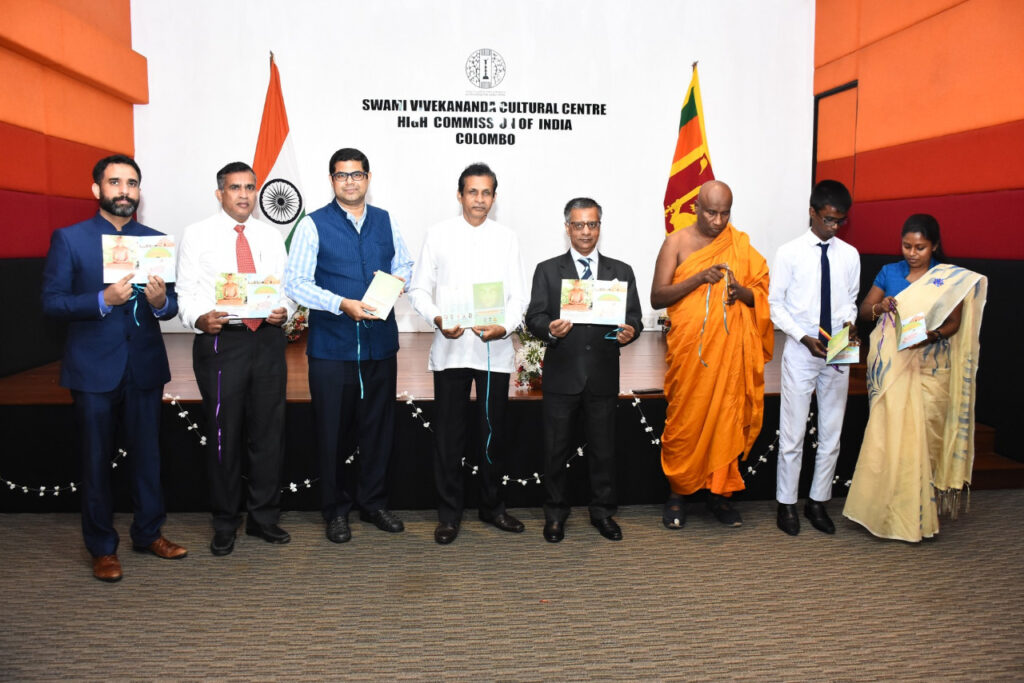
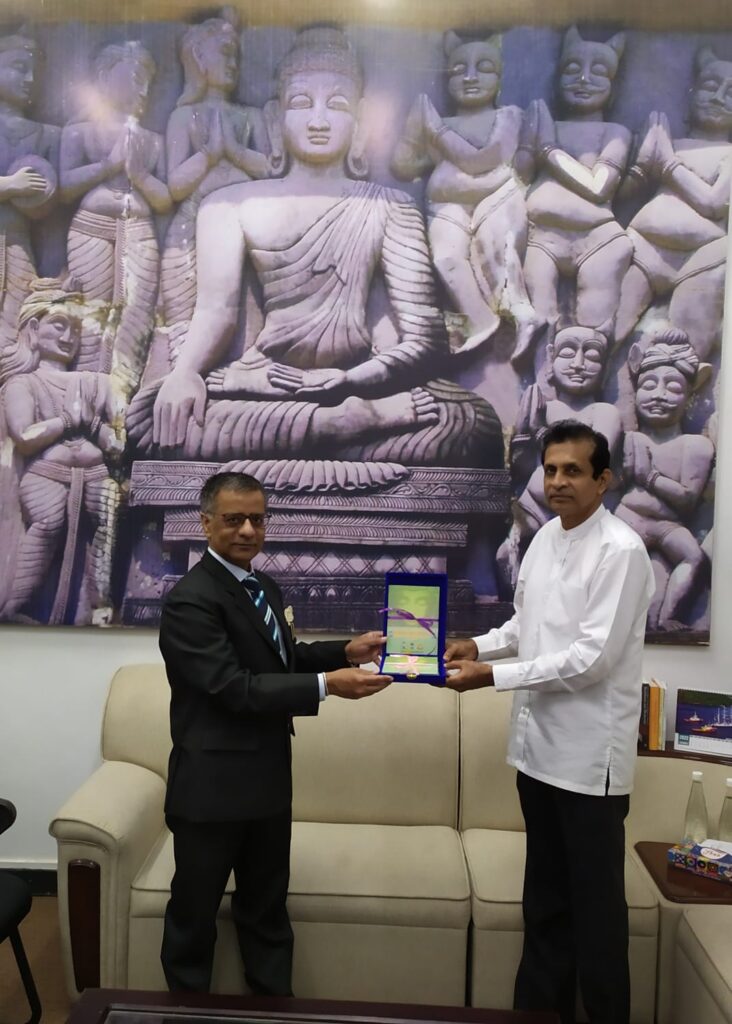
Commemorating the arrival of Most Venerable Sanghamitta Theri from India to Sri Lanka, second volume of the Jataka Tales Audio Book in Sinhala was released at Swami Vivekananda Cultural Centre (SVCC), cultural arm of the High Commission of India on 2 December 2022. The Audio Book contains 50 Jataka Tales, selected from Jatakattakatha under the theme of ‘Good Advice’ and is dedicated to the people of Sri Lanka, particularly the visually impaired. It may be recalled that that first volume was released at the sacred Ruwanweli Maha Seya premises in Anuradhapura on the auspicious Poson Poya on 14 June 2022 to mark 75th anniversary of India-Sri Lanka diplomatic relations.
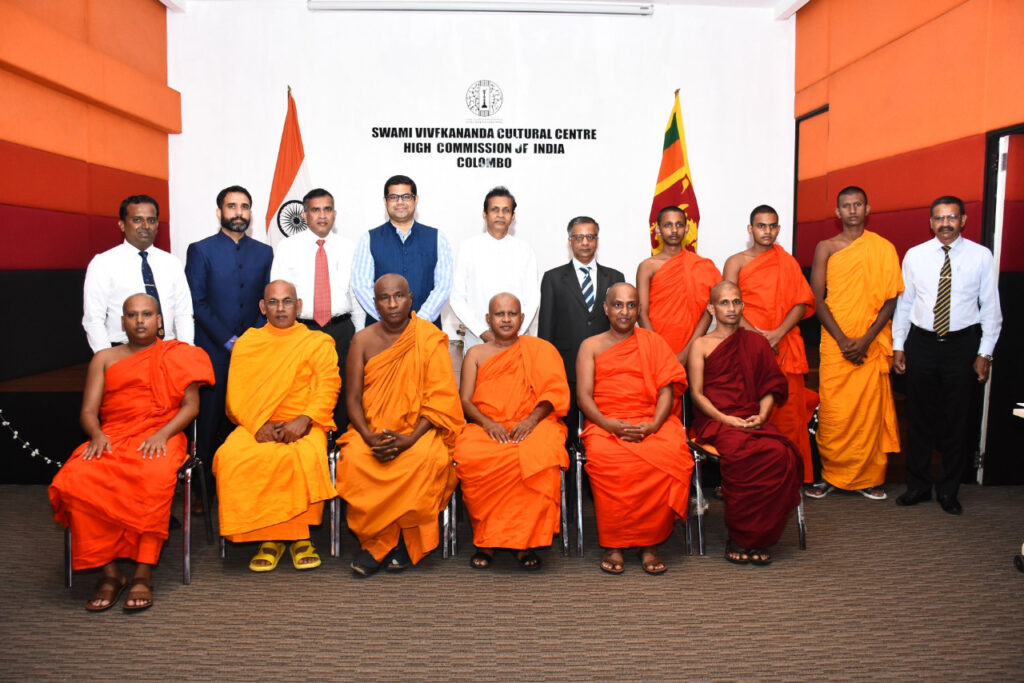
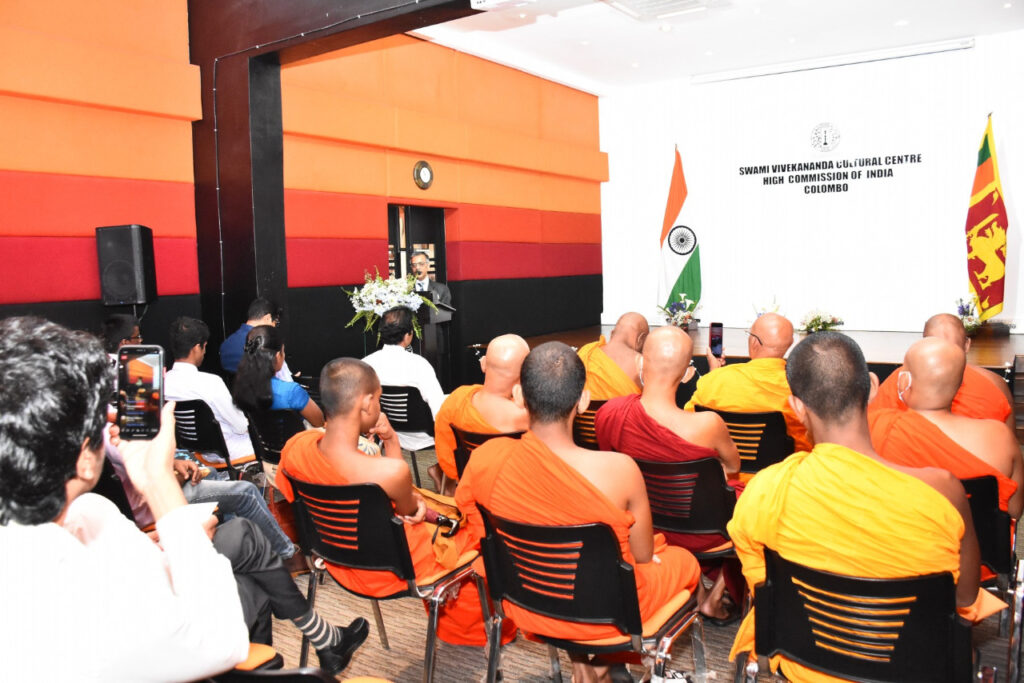
2. Most Venerable Mahasangha, High Commissioner of India Gopal Baglay, State Minister of Pirivena Education Hon’ble Vijitha Berugoda, Deputy High Commissioner Vinod K. Jacob, and several senior functionaries and representatives from various organizations including Ceylon School for the Deaf and Blind, Ratmalana and Centre for Contemporary Indian Studies (CCIS), University of Colombo, took part in the event.
3. The “Jataka Tales Audio Book” project is a joint collaboration between SVCC and CCIS, University of Colombo supervised by Most Ven. Rambukana Siddhartha Thero, several experts such as Prof. Upul Ranjith Hewawitanagamage, Chair Senior Professor of Hindi Studies, University of Kelaniya, Dr. W. A. Abeysinha and Ms. Wathsala Samarakoon, a popular TV and Radio presenter contributed towards the initiative.
4. High Commissioner Gopal Baglay interacted with the winners of the International quiz competition on Buddhism and Buddhist Heritage who returned after a successful and enriching 5-day multi-city tour to key Buddhist sites of India. The winners thanked the Government and people of India for the care and affection they received during their trip to India. Organized by the High Commission in collaboration with the State Ministry of Pirivena Education, the quiz competition had witnessed the participation of about 6000 Pirivena students.
5. Speaking on the occasion, the High Commissioner described the Audio Book as a dhamma daana from the people of India to the people of Sri Lanka. He also underlined that the Jataka Tales represents more than two millenia old close cultural ties between India and many countries, of which Sri Lanka has a very special place as one of the first countries to receive the gift of Buddhism from India. State Minister Hon’ble Vijitha Berugoda thanked the Government of India for supporting the Pirivenas and dhamma education in Sri Lanka.
6. Buddhism has been a key pillar binding the people of India and Sri Lanka. Government of India has committed to a USD 15 million grant for promotion of Buddhist ties between the two countries. Inaugural international flight to the sacred city of Kushinagar from Sri Lanka on the auspicious ‘Wap Poya’ day in October 2021; multi-city exposition of the sacred Kapilvastu Buddha relics from the Rajaguru Sri Subhuthi Maha Vihara of Waskaduwa, in India in October 2021 are among the notable milestones that underscore the abiding Buddhist linkages between the two neighbours in the recent past.
Fitch Ratings has further downgraded Sri Lanka’s Long-Term Local-Currency Issuer Default Rating (IDR) to ‘CC’, from ‘CCC’, and has affirmed the Long-Term Foreign-Currency IDR at ‘RD’ (Restricted Default). Fitch typically does not assign Outlooks to ratings of ‘CCC+’ or below.
Fitch has also removed the Long-Term Local-Currency IDR from Under Criteria Observation, on which it was placed on 14 July, following the publication of the updated Sovereign Rating Criteria.
Sri Lanka continues to service its local currency debt, but the downgrade of the Long-Term Local-Currency IDR reflects our view that a local-currency debt default is probable, in view of an untenably high domestic interest payment/revenue ratio, high interest costs, tight domestic financing conditions and rising local-currency debt/GDP in the context of high domestic fiscal financing requirements, which authorities forecast at about 8% of GDP in 2022.
According to authorities, domestic interest payments in 8M22 were Rs. 718.8 billion, taking the domestic interest/revenue ratio to an estimated 56% in 8M22; the highest among sovereigns rated ‘CCC+’ and below.
Reliance on Central Bank financing has increased, as domestic options are limited. Domestic debt rose to about 53% of Government debt by end-July 2022, according to official provisional data. Treasury bill issuance has been increasing.
Fitch expects a local debt restructuring would aim to maintain financial system stability, for example, by extending maturities or lowering coupon payments, rather than a reduction in face value. Sri Lanka continues to service its local-currency debt.
The sovereign remains in default on foreign-currency obligations and has initiated a debt restructuring arrangement with official and private external creditors.
The Ministry of Finance issued a statement on 12 April that it had suspended normal debt servicing of several categories of external debt, including bonds issued in international capital markets, foreign currency-denominated loan agreements and credit facilities with commercial banks and institutional lenders.
Fitch downgraded the Long-Term Foreign-Currency IDR to ‘RD’ following the expiry of the 30-day grace period on coupon payments that were due on 18 April 2022.
A Staff-Level Agreement with the IMF was reached on 1 September for $ 2.9 billion, for 48 months, under the Extended Fund Facility. The facility will not be approved until Sri Lanka has implemented agreed actions, financing assurances have been received from official creditors and good-faith efforts have been made to reach agreement with private creditors.
Banking Sector Faces Tight Liquidity: Sri Lankan banks’ access to foreign-currency funding is constrained by the sovereign default. Any local-currency debt restructuring would elevate funding and liquidity stress, given the predominance of local-currency funding, at 74% of the total, and large holdings of local currency-denominated Government securities.
A restructuring could necessitate recapitalization by the Government, though further regulatory forbearance measures could keep banks compliant with regulatory minimums on a reported basis, however, underlying capital positions could stay weak.
The restructuring of public institutions does not mean them being subjugated to privatisation, said State Minister of Finance Ranjith Siyambalapitiya, responding to reporters after attending a programme held in Ruwanwella yesterday (03).
Responding to journalists, the State Minister emphasised that the state-owned institutions will be subjected to a special analysis by an expert committee and necessary changes, accordingly, will be made for the sake of the people as well as their employees.
Suggesting that there are different parts in the restructuring process, Siyambalapitiaya noted that it can be implemented in different ways from one institution to another.
He added that almost every public body undergoing the restructuring process is suffering from lack of initial capital and working capital, the objective, therefore, should be the strengthening of these bodies.
Many goals including resolving problems of modern technology and providing better management are expected to be accomplished via the move and the cost of production, accordingly, can be slashed, the Minister further pointed out.
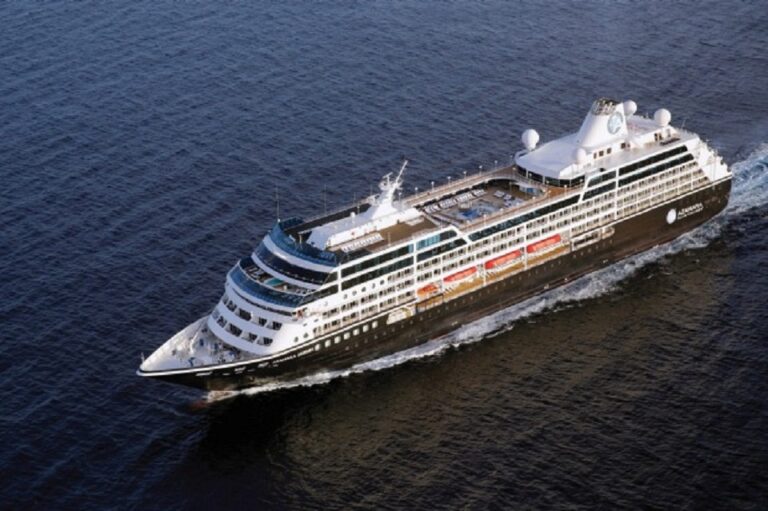
Another luxury cruise ship, Azamara Quest arrived at the Colombo Port yesterday carrying more than 600 passengers, mainly from the US the third luxury cruise with in 16 days from the arrival of the first such cruise liner signaling the revival of the country’s hospitality industry.
Tourism Ministry is planning to promote nautical tourism and the luxury passenger cruise ship arrivals harnessing the potential in the economic Development of Sri Lanka.
All ingredients already provided by nature, it is time, Sri Lanka is to take a special interest in emphasizing that Sri Lanka really concentrate on developing the Nautical Tourism as a special niche in its new phase of Tourism Development”.
Tourism Ministry also explores the possibility of partnering top blue-chip companies to enter the lucrative 40 billion dollar cruise line business that is estimated to carry 22.3 million passengers, with the market growing at 3.2% in volume.
Azamara Quest is an R-class cruise ship that entered service for Azamara Cruises on 24 October 2007. She was built in 2000 for Renaissance Cruises as R Seven.
The Azamara Quest carries about 710 passengers (double occupancy) plus 410 crew members (1:2 staff to guest ratio). The ship is in Colombo today and it will call at the Hambanthota port on Monday.
The previous luxury cruise ship carrying 2,000 visitors docked in Sri Lanka on Tuesday 29 November reviving tourism prospects on the island battered by the long-term effects of coronavirus lockdowns and months of political instability along with the economic crisis this year.
This Mein Schiff 5 arrived in Colombo five days ago after luxury cruise liner Viking Mars docked at the Colombo Port on on November 18, sparking hopes that the struggling tourism sector might finally be moving towards its pristine days.
Tourism Minister Harin Fernando said that it was “heart-warming” to see the luxury cruise in Colombo.
“Having a cruise ship in the country is similar to having 10 aircraft full of tourists,” the minister said.
Last week, the Norwegian luxury passenger cruise ship Viking Mars arrived on the island with some 1,000 people on board 16 days ago The minister said luxury cruise liners began to operate on the island after a six-month hiatus.
Sri Lanka suffered months of social unrest as deadly antigovernmental protests hit the island, with people angry over the alleged mismanagement of the economic crisis.
Minister Fernando said the country expected two to three more passenger ships in December. “The cruises will build a positive image of the country through word of mouth. That is what the country needs now,” he said.
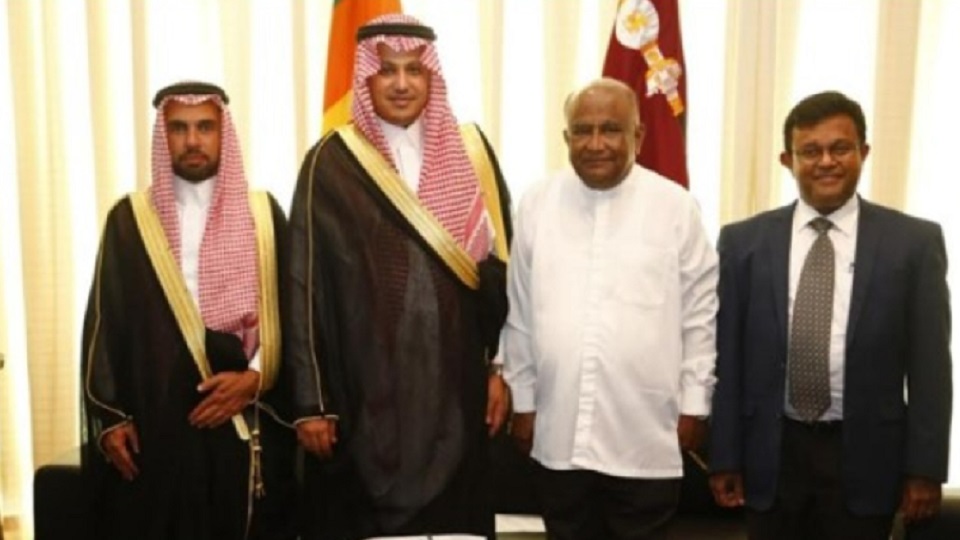
The Ambassador of Saudi Arabia to Sri Lanka His Excellency Khalid Hamoud Nasser Aldasam Alkahtani paid a courtesy call on Speaker of the Parliament of Sri Lanka Mahinda Yapa Abeywardana, recently (29).
The Ambassador of Saudi Arabia to Sri Lanka stated that migrant workers from Sri Lanka are the highest paid in Saudi Arabia. The Ambassador further stated that he had suggested Labour Minister Manusha Nanayakkara to establish a vocational training centre to train migrant workers from Sri Lanka as there are many opportunities for them in Saudi Arabia.
Cordial discussions were held regarding future investment and employment opportunities between Sri Lanka and Saudi Arabia.
Appreciating the constant assistance of Saudi Arabia to Sri Lanka, Abeywardena assured that Sri Lanka will always stand with Saudi Arabia in friendship.
The Secretary General of Parliament Dhammika Dasanayake was also present at the occasion.
The Sub Committee on Identifying the Priorities in Formulation of Short, Medium and Long-Term National Policies of the National Council held recently (01) under the chairmanship of Ruling Party MP Namal Rajapaksa decided to appoint a sub-committee under the chairmanship of Saman Ekanayake, Secretary to the President, to prepare a basic model for the establishment of a National Policy Commission for the proper implementation of national policies with regulation.
Furthermore, it was agreed to appoint Anura Dissanayake, Secretary to the Prime Minister, Priyantha Mayadunne, Secretary to the Ministry of Public Administration, as well as well as representatives of the Ministry of Finance, Ministry of Health, University Grants Commission, Attorney General’s Department, Legal Draftsman’s Department and other relevant institutions as members.
President’s Secretary Ekanayake, Prime Minister’s Secretary Dissanayake, Secretary to the Ministry of Public Administration Priyantha Mayadunne and officials were present at this Committee meeting held.
Rajapaksa the Committee Chief stated that commission is expected to be established as an independent body for policy formulation, implementation and monitoring by way of an Act and its basic plans are expected to be completed by the middle of January.
The officials pointed out that this commission should be given full legal power to implement policies as well as regulate and supervise. The need to prepare these plans by studying the models of other countries in the world that have succeeded in implementing policies through such an independent institution was also discussed here.
State Ministers Shehan Semasinghe, Janaka Wakkumbura, Ashoka Priyantha, and MPs Rauff Hakeem and A.L.M. Athaullah were present at the occasion.