Sri Lanka Government is to introduce a State Asset Management Act to evaluate and properly manage the non financial assets belonging to the state hitherto politically and purposely shut down from the radar of successive regimes during the past several decades, a cabinet memorandum revealed.
According to a global wealth report for countries each year , Sri Lanka’s net wealth or assets was around US$ 351 billion and $ 50 billion of debt and this was confirmed by several senior Finance Ministry officials adding that the proper assessment has not been made as yet.
In the absence of proper screening or constant inspection of state assets as well as material and cost management with constant checking as well as lack management supervision has led to corruption and misappropriation causing massive loss to the state coffers, Finance Ministry sources revealed.
Attempts made by several previous governments to implement a systematic process of developing, operating, maintaining, upgrading and disposing of assets in a cost effective manner worth foreign financial agency support have been disrupted due to protests of opposition and trade unions, senior official of the ministry claimed.
Maximum utilisation of government lands an estimated 85 percent of the country’s 6.6 million hectares of land for investment and development activities has so far not fruitful due to the same reason, he pointed out. ,
In the wake of ill effects of the current economic crises the Government has decided to introduce a new State Asset Management Act with the aim of taking up the leadership and custodianship role in the management of non financial assets belonging to the state, recent cabinet memorandum revealed.
It will enable the Comptroller General’s office of the Finance Ministry to prepare a national asset register and to introduce a central database related to State assets in accordance with new act.
The value and quality of the government assets have be deteriorated due to ignorance of respective institutions and failure to implement an effective system for the maintenance and improvement of these assets.
It has been observed that there was no proper records of the majority of over 400 State owned Enterprises .operating in several key sectors including power, energy, finance and insurance, water, aviation, health and education etc.
Of these, 52 SOEs have been identified as State Owned Business Enterprises (SOBEs) as they are regarded to be strategically important to the functioning and transformation of the economy , but some of them were also operating at a loss and have become a for the treasury, Finance Ministry official said.
The parliament has authorised the then Mahinda Rajapaksa regime to take over the assets of 37 firms, including two listed companies in 2011 but no official records on the outcome of this initiative were not available at present.
Following the enactment of a new State Asset Management Bill in the government is to set up a central agency for the management of the public assets with the aim of preventing misuse of multiple Government assets over decades.
The new administration has accorded the priority to the management of those assets as it could earn much needed revenue to the state with the introduction of this new Act, especially given the ongoing economic crisis, he added.
The new bill provides provisions to expand the duties of the Comptroller General Office, and establish a comprehensive and definitive legal framework to prepare a national assets register and introduce a central database for State assets.
Government now gives prominence to state asset management after decades
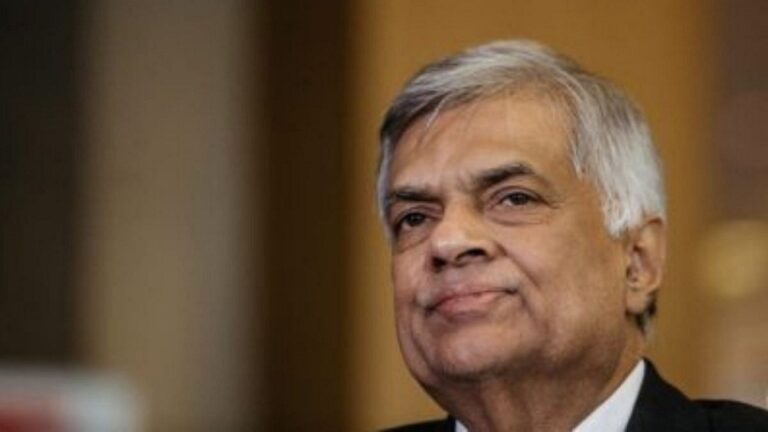
Sri Lanka Budget 2023 focuses on the welfare of 4 million families
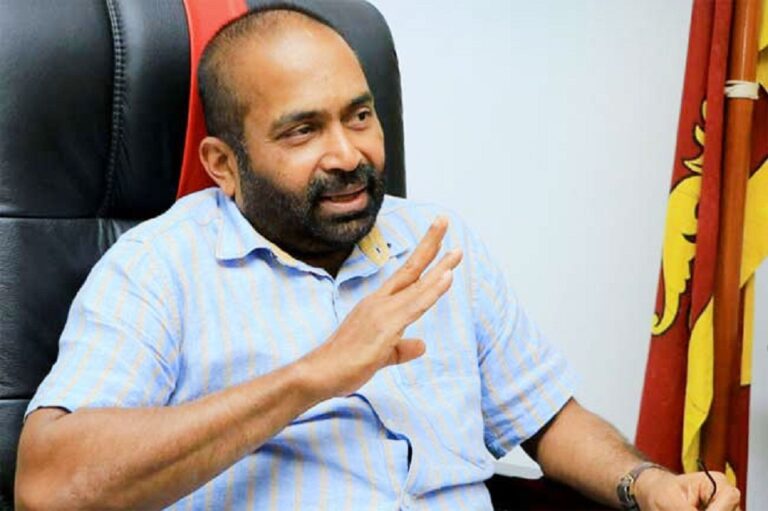
While making the case for tax hikes, State Minister of Finance Ranjith Siyambalapitiya revealed that nearly 4 million families, which make up nearly 58 percent of the country’s households are seeking financial assistance from the government under various social welfare schemes to survive from the on-going economic crisis.
Budget 2023 which is to be presented in parliament on November 14 is to focus on introducing welfare net for those families while providing maximum financial assistance and welfare facilities for them .
At the moment, there are 2,278,817 families who come under various social welfare schemes. In addition, there are 1,033,940 families who have applied for Samurdhi allowance. Altogether, 3,911,757 families accounting for 57.5 percent of the country’s households are seeking financial assistance to continue with their lives. It’s our responsibility to support them under the current strenuous environment,” Siyambalapitiya said, issuing a media statement
Finance Ministry’ is weighing up pros and cons of new revenue proposals at present in the perpetration to include higher taxes and more direct taxes prop posing wider reforms of State owned Enterprises (SOEs) in line with commitments made to the International Monetary Fund (IMF).in the Budget 2023.
The Ministry will kick start budgetary meetings for consultations on budget proposals and financial allocations with top ministry officials and stake holders soon.
President Ranil Wickremasighe who is also the Finance Minister of the country has issued relevant directions to officials of the s National Budget Department to accord priority in introducing safety nets to the vulnerable communities including the poor and the low income middle class hit by the economic crisis.
Some of the tax increases have already introduced with effect from April and or with immediate effect in accordance with Interim Budget 2023 which will also be extended in 2023 budget, informed sources asserted.
Government is set to present its budget for 2023 to parliament in mid-November and it is expected to include new direct taxes as one –off taxes proposed in budget 2022 may not be sustainable in bridging the budget deficits, a senior treasury ministry official said.
A key feature of the upcoming budget is the proposed new export tax on exporters including three main export crops, tea coconut and rubber hitherto exempted from tax.
Budget estimates for 2023 are based on Zero-Based Budging system and the proposed new taxes is not expected to impact overall business sentiment on a macro level, although certain industries will be affected he disclosed.
As per the Appropriation Bill for 2023, the total expenditure estimated for 2023 is a staggering Rs. 7.8 trillion as against Rs. 6.1 trillion for 2022.
Recurrent Expenditure has been estimated at Rs. 4.6 trillion, while total Capital Expenditure at Rs. 3.24 trillion. The gross borrowing requirement is estimated at Rs. 4.43 trillion.
Sri Lanka Government Revenues is projected to trend around Rs.2.77 trillion in 2023 compared, to estimated targeted revenue Rs.2.27 trillion in 2022, according to Finance Ministry econometric models and estimates.
The indirect tax proposals will be the extension of removal of various tax holidays granted under the Inland Revenue (Amendment) Act No.10 of 2021, Imposition of income tax on dividend payment by a resident company to a non-resident person, and removal of additional 100 percent deduction applicable for 2022/23 tax year granted for marketing and communication expenses
It is also planning to cut the budget deficit to 6.8 per cent of gross domestic product in 2023 from an expected 9.9 per cent in 2022.
The revenue proposals in budget 2023 are to be devised to increase government revenue to11.3 percent from 09 percent in 2022 and expenditure to 18.1 percent from 18.9 percent while reducing primary budget deficit to -01 percent from -04 percent
Ponzi scammers resorts to Crypto Fraud pilfering Rs billions from over 8,000 Sri Lankans

Ponzi scammers are exacerbating the existing economic misery of thousands of Sri Lankans by swindling their savings with fake crypto currency schemes; informed sources divulged
The Criminal Investigations Department (CID) has launched an investigation into a new financial fraud which so far has involved Rs.14 billion with 8,000 people being victims in a fake crypto currency scheme.
Police Spokesman SSP Nihal Thalduwa said that the alleged fraud was carried out by a Chinese couple and a Sri Lankan citizen and 8,000 people had fallen victim to it since 2020.
The spokesman said the suspects had invited selected individuals to five star hotels and influenced them that there would be high profits by investing in crypto currency.
He said the Chinese couple and the Sri Lankan were the masterminds behind the fraud and won the trust of their victims by inviting them to lavish dinners.
However, when the investors had tried to withdraw the profits they had earned through the investments, the suspects had not allowed them to withdraw the funds.
SSP Thalduwa said a number of complaints had been received at the Financial Fraud unit of the CID. After lengthy investigations, they had arrested the Chinese couple at the Bandaranaike International Airport when they had tried to flee the country. The Chinese couple is currently in remand custody.
The Sri Lankan involved in the fraud was arrested on October 11. He was later released on bail after being produced in court.
Meanwhile, the spokesman said several other suspects were also arrested over the fraud and were remanded.
Details of a latest Crypto currency Ponzi (Pyramid) scam have been revealed recently following a complaint filed in a civil lawsuit by a disgruntled investor Sudath Ranjan Silva at Colombo Chief Magistrate’s Court.
More than 1000 Sri Lankans in one district alone reported losing around Rs. 8 billion in investments made in Sports Chain crypto currency platform founded by Zhang Kai, a Chinese and Shamal Bandara, according to documents submitted to Sri Lankan authorities.
Colombo Additional Magistrate Manjula Rathnayake imposed a travel ban on five persons for allegedly defrauding an amount of Rs.8 billion of investors in the fake Crypto Ponzi scheme called Sports Chain.
A separate complaint was made by several disgruntled investors to the Inspector General of Police claimed that around 8000 persons countrywide including doctors engineers and teachers have joined in the Sports Chain Society Sri Lanka, an investor of the scheme said. .
They have informed the IGP these investors have been duped by a fake crypto currency investment scheme.
On its website, Sports Chain claimed this venture as a “highly profitable” and “anonymous” company with the goal of “becoming an ever-growing crypto currency used in the digital finance of the sports industry”.
However he noted that he has done a fact check in Internet website for tracking crypto assets, there was no “Sports Chain” crypto currency registered or trading in the market.
The Sports Chain mobile application is not available on Google Play or the App Store and has to be downloaded using a web link, he added.
To use the app, investors had to enter the transfer key of the partner who introduced the concept to them. Sports Chain called this a system of “building a partner network” and actually it was a Ponzi scheme, he explained
This company has conducted promotional campaigns several events and meetings for investors, sometimes at five-star hotels in Colombo motivating them to join the chain, he added.
X-Ray machines at Emergency Unit of Colombo National Hospital malfunctioned!
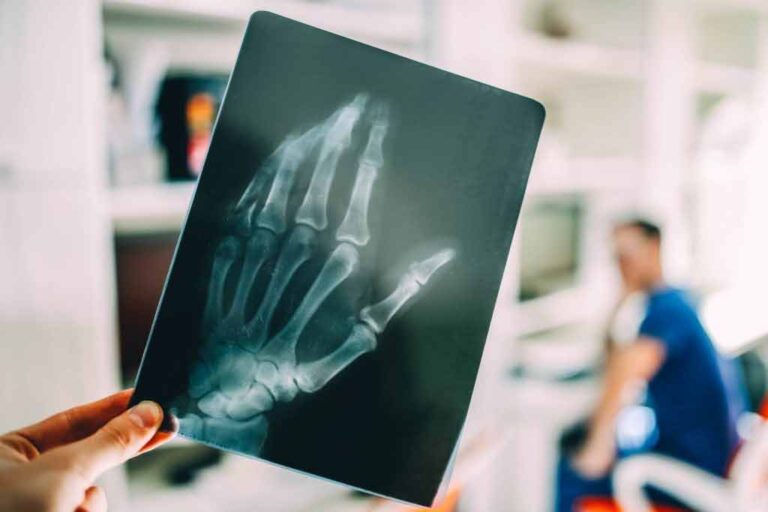
The x-ray machines at the emergency unit of the Colombo National Hospital have malfunctioned making it a heavy inconvenience to the patients, revealed the All Ceylon Nurses Association said.
These x-ray machines have been exhibiting maintenance issues for about three months, according to Union Secretary S.B. Mediwatta.
MIAP
State Literary Awards Ceremony under President’s patronage

The State Literary Awards Ceremony 2022, organized annually to give due accolades to the Sri Lankan literati, was held in grandeur at the Bandaranaike Memorial International Conference Hall (BMICH), Colombo two days ago (28) under the patronage of President Ranil Wickremesinghe.
Forty (40) State Literary Awards and 03 “Sahitya Ratna” Awards were presented at the 65th State Literary Awards Ceremony which was organized by the State Literary Advisory Council, the Sri Lanka Arts Council, the Department of Cultural Affairs and Ministry of Buddhasasana, Religious and Cultural Affairs.
Prof. Chandrasiri Palliaguru (Sinhala Medium), Senior Prof. Kamani Jayasekara (English Medium) and T. Gnanasekaran (Tamil Medium) were honoured by the President with the “Sahityaratna” Lifetime Award.
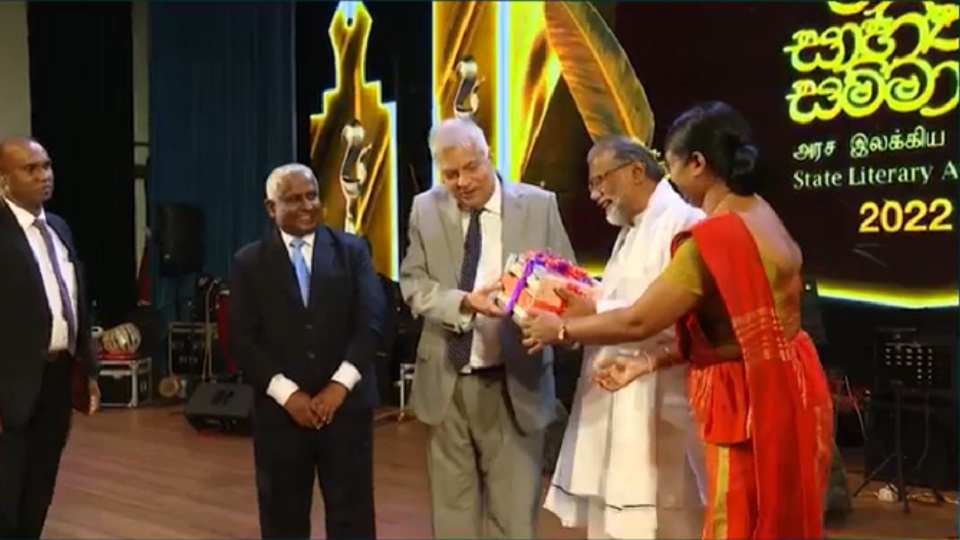
The award for the best independent Sinhala novel was received by Author Eric Ilayapparachchi for the ‘Nakula Muni’ novel, the award for the best independent English novel was received by Author Ms. Premani Amarasinghe for ‘Footprints’ while the award for the best independent Tamil novel was presented to Sivalingam Aruran for ‘Adurasalei’ novel.
The Souvenir released for the State Literary Awards Ceremony 2022 was presented to President Ranil Wickremesinghe.
State Literacy Board President Ven. Rambukana Siddartha Thera, Buddhasasana, Religious and Cultural Affairs Minister Vidura Wickramanayake, Secretary to the Buddhasasana, Religious and Cultural Affairs Ministry Somaratne Vidanapathirana, Cultural Affairs Director Tharani Anoja Gamage, Professor J. B. Dissanayake, Professor Sunil Ariyaratne, Professor Praneeth Abeysundara participated in the occasion.
PMD
Party responsible for burning down country now in attempt to rise again (VIDEO)
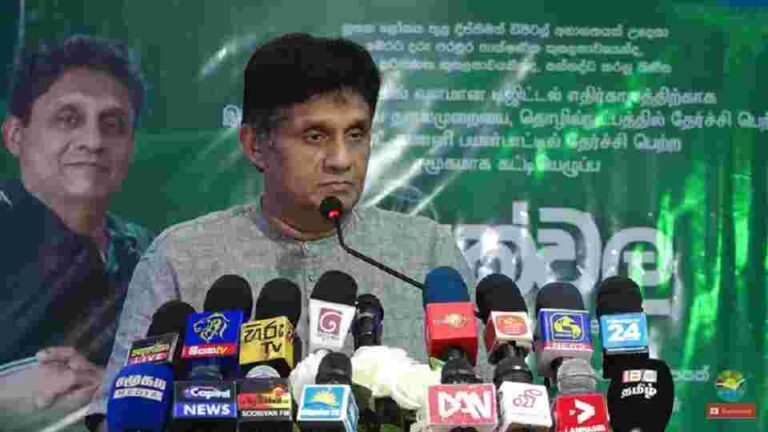
Wastelands being diverted into tea cultivation and those of the plantation sector, who were labourers all their lives, being made owners of small tea estates would be a realistic and practical process, but some groups mock this proposal, said Leader of the Opposition Sajith Premadasa, addressing the occasion of donating a bus to Hatton Cambridge College in Kotagala yesterday (29), the 38th donation of its kind, as part of the ‘Sakwala’ initiative introduced by the Samagi Jana Balawegaya (SJB) to accomplish the sustainable goal of providing comprehensive facilities for the education of the children of Sri Lanka.
The Opposition Leader pointed out that those who mocked the aforementioned suggestion of his gained power only to drive the people of this country into hell and burn it down by provoking racism. These groups, who are responsible for burning the country down to ashes, are now in an attempt to rise from those ashes, he added, warning that whether they should regain power will be decided by the people.
Beneath every tea plant are the suffering and tears of the plantation community, he went on, adding that the Rajapaksa regime should be held accountable for the sin of dragging the people into hell.
Premadasa promised that the SJB will initiate an education, health, economic and social revolution and formulate a programme to raise the standard of living of the plantation community.
MIAP
Sri Lanka Original Narrative Summary: 30/10

- German Ambassador Holger Seubert meets envoys from Canada, France, Germany, Italy, Japan, UK, and USA to discuss “restructuring Sri Lanka’s debt”: the Sri Lankan Government has failed to make payments to its development partners, including India, China and Japan.
- President’s Chief of Staff and Senior National Security Advisor Sagala Ratnayake meets IMF team including incoming IMF Resident Representative for Sri Lanka, Ms. Sarwat Jahan: discusses views on “debt restructuring” and prior-action measures: discussion of Sri Lanka’s creditors scheduled for 3rd November.
- Former Chamber of Construction Industry President Ranjith Gunatilleke says Sri Lanka faces an “unemployment crisis” with increasing layoffs being widely reported: warns most construction projects have stopped and only 10-15% of projects are still active.
- Sri Lankan Ambassador to Russia Professor Janitha Liyanage says Russia’s AzurAir will commence flights to Sri Lanka from 2nd November.
- President Ranil Wickremesinghe instructs UNP “top brass” to bring political activists of all major parties into the UNP fold: political activists in the main-stream and rural level of SLPP, SJB, JVP, NFF, TNA and SLMC to be targeted.
- Airports Authority Chairman G A Chandrasiri says the BIA Terminal 2 project contract with Japan’s Taisei Corporation would be reviewed to determine whether it should be terminated, if Sri Lanka cannot secure the required funding from JICA: presently, compensation of around Rs.2 bn per month is payable to the contractor due to the project suspension.
- Cycling race called “Race the Pearl” covering 600 kms from North to South over a time of 24 hours to be flagged off on 5th November from Point Pedro and end at Dondra Head: 6 renowned racing cyclists from USA, Britain and France to participate with 50 local riders.
- Motor Traders’ Assn Chairman Charaka Perera says current drop in vehicle prices is mainly due to increased interest rates and soaring inflation: also says disposable incomes have been affected, and lessees now find it difficult to continue their payments.
- General Secretary of the Electricity Consumers Union Sanjeewa Dhammika says star-class hotels and some institutions obtaining power from LECO have been exempted from Social Security Contribution Levy: laments that most people who pay the levy are the low-end consumers.
- New Zealand beat Sri Lanka comprehensively by 65 runs in the ICC Men’s T20 World Cup 2022: NZ 167/7 (20 overs): SL 102 all out (19.2 overs).
Wheat flour price drops. Bread price remains unchanged
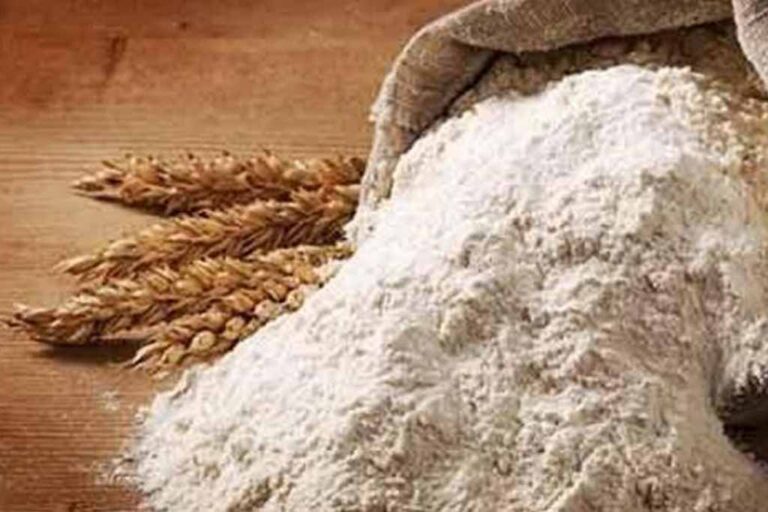
The price of a kilogram of wheat flour has dropped to Rs. 250 as effective from October 28, mainly due to the government’s approval on importation of wheat flour under the open account system until December 31 this year, reveled Spokesman for the Essential Commodity Importers Association Nihal Seneviratne.
Accordingly, the price of wheat flour can be maintained at the threshold of Rs. 250 per kilo until the end of the upcoming festive season, he added, urging all bakery owners to convey its benefit to the customers accordingly.
However, the prices of bakery products remain unchanged to date.
MIAP
Low-level atmospheric disturbances in vicinity of island: Met Dept
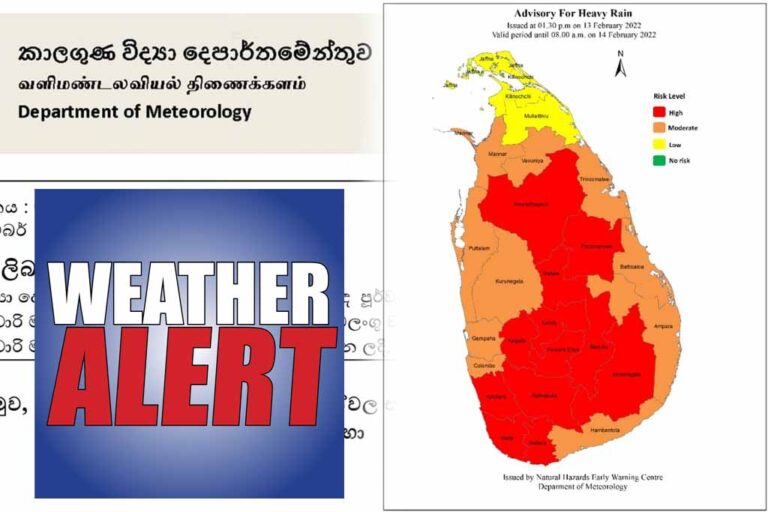
A low-level atmospheric disturbance is developing in the vicinity of Sri Lanka and therefore, showery condition over the island is expected to be enhanced for next few days from today, said the Department of Meteorology in a statement today (30).
Showers or thundershowers will occur at times in Northern, Eastern and North-central provinces. Showers or thundershowers will occur elsewhere during the afternoon or night.
Fairly heavy showers above 50mm are likely at some places in Northern, Eastern, Western, Sabaragamuwa and Central provinces.
General public is kindly requested to take adequate precautions to minimise damages caused by temporary localised strong winds and lightning during thundershowers.
Marine Weather:
| Condition of Rain: |
| Showers or thundershowers will occur at times in the sea areas off the coast extending from Mannar to Batticaloa via Kankasanturai, Mullaitivu and Trincomalee. Showers or thundershowers will occur at several places in the other sea areas during the evening or night. |
| Winds: |
| Winds will be north-easterly or variable in direction. Wind speed will be (20-30) kmph. Wind speed may increase up to 50 kmph at times in the sea areas off the coast extending from Puttalam to Trincomalee via Kankasanturai and Mullaitivu. |
| State of Sea: |
| The sea areas off the coast extending from Kankasanturai to Trincomalee via Mullaitivu will be fairly rough at times. The other sea areas around the island will be slight. There is a higher chance of the occurrence of thundershowers in the sea areas off the coast extending from Batticaloa to Colombo via Trincomalee, Kankasanturai, and Puttalam due to the development of low-level atmospheric disturbance in the vicinity of Sri Lanka. Therefore, naval and fishing communities are requested to be vigilant during the activities in the aforementioned sea areas since there can be temporarily strong gusty winds and very rough seas during thundershowers. |
New Authority for Sri Lanka small islands’ development
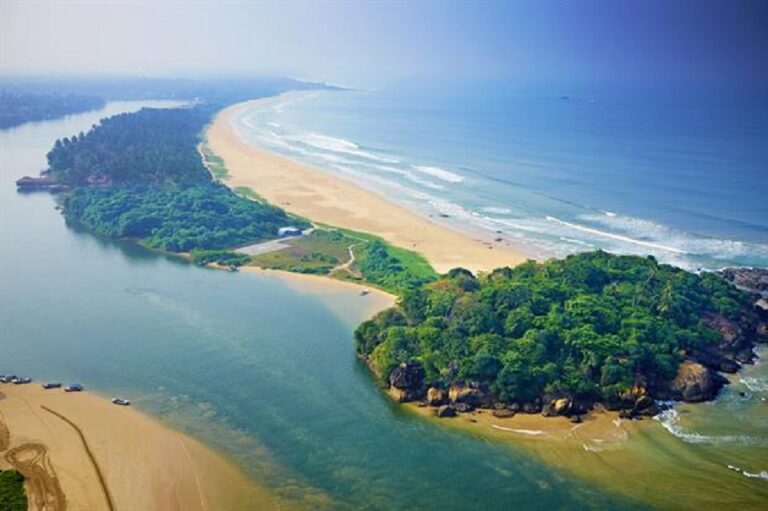
The Government will soon set up a Sri Lanka Islands Development Authority to harness maximum benefits of more than 60 small islands around the country developing these as tourist destinations to generate much needed foreign exchange, Urban Development Minister Prasanna Ranatunga said . A cabinet paper for this purpose will be submitted to the cabinet of ministers soon.
He noted that the country has missed opportunities on a number of occasions due to inappropriate economic policies, continuous political violence including insurgency, North East war, Easter Sunday bomb attacks and, the recent economic upheaval and wars. The present administration has to leapfrog from the present mismatch of development strategies in terms of tourism, although the country had potential to attract a record number of tourists, he said.
The construction of hotels such as water bungalows in island countries similar to the Maldives would increase the potential to attract local and foreign tourists, he added.
The Urban Development and Housing Ministry plans to develop physical and social infrastructure of those islands in accordance with a proper project plan under the purview of the new authority.
As an initial step measures will be taken to attract investors develop several selected islets forming public private partnership ventures or leasing out these islands under the strict guidance of the proposed Sri Lanka Islands Development Authority.
Proper official procedure including Environment Impact Assessment will be followed by the authority in vesting these lands with investors on long term lease basis without causing damage to sensitive ecosystem and environment, a senior official of the ministry said.
The Sri Lanka Tourism Development Authority (SLTDA) has already signed an agreement to lease out Uchchamunai island to a Swiss investor allowing him to obtain approval from the relevant authorities.
This US$417.5 million project will be implemented under the Kalpitiya Tourism Development Master Plan (KTDMP) of the SLTDA.
However leading environmentalists noted that the project’s overall environmental impact on the highly sensitive eco-system around the Kalpitiya peninsula was highly damaging.
However the new authority will look into such complaints before giving the green light for development projects.
When considering the northern islands locations like Pungudutivu, Iranativu, Kachchatheevu, Neduntheevu (Delft), etc have been identified for potential development, in addition to a number of islands in northwest Mannar and in Puttalam