The current price of dried fish in comparison of that of the last six months has dropped at a considerable rate, revealed the Association of Dried Fish Importers, speaking to a briefing in Colombo yesterday (16).
Union Vice President R.G. Wilson said the price of dried fish has dropped by about 30 – 35 per cent.
“Considering the last period, there is a change in the price of dried fish. There is a price drop of about 30 – 35 per cent. This is because local products are coming in. Also, the customer has difficulties. Those who purchased 01 kilo of dried fish now resort to a lesser mass. ‘Katta Karawala’ dried dish soared up to even Rs. 2100 – 2200. Now around Rs. 1600 – 1700. ‘Bala Karawala’ dried fish sold for Rs. 1200 – 1300, now the retail price Rs. 800,” he said.
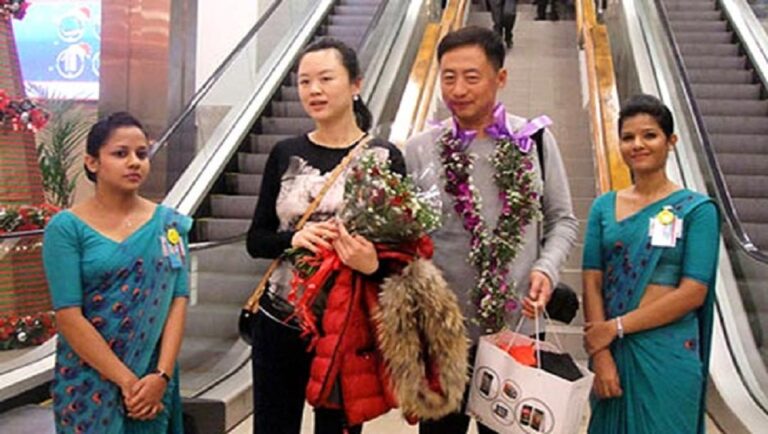
Sri Lanka hopes to attract over 900,000 tourists by the end of this year as the country works toward restoring normalcy following recent economic and political instability, the Sri Lanka Tourism Development Authority (SLTDA) said on Wednesday.
SLTDA Chairperson Priantha Fernando said in a statement that Sri Lanka aims to attract at least 972,475 tourists by the end of 2022.
“We are not happy with the arrival figures over the last nine months. It is a gradual build-up, fighting against the negativity,” Fernando said.
“However efforts are being taken to increase the influx of international visitors for the remaining months of the year,” he added.
Sri Lanka’s tourist arrivals faced a drastic drop in September, when only 29,802 visitors entered the country despite the relaxation of travel restrictions imposed by key source markets.
According to industry experts, the country is well behind its competitors in the region in its tourism sector recovery.
Competing nations such as the Maldives have been welcoming well over 100,000 tourists on a monthly basis for the past several months, while tourist arrivals to Sri Lanka have been ranging from 30,000 to 60,000, official statistics have shown.
Tourism, one of Sri Lanka’s leading foreign exchange earners, has suffered a setback due to the COVID-19 pandemic and its economic and political crises.
China’s Ambassador to Sri Lanka Qi Zhenhong today assured former President Mahinda Rajapaksa that Chinese tourists would begin to visit Sri Lanka soon as China’s COVID-19 common policy allows.
The Chinese envoy paid a courtesy call on Mahinda Rajapaksa where the two discussed a wide range of issues in relation to further strengthening the cordial relations between Sri Lanka and the People’s Republic of China.
During the discussions, Rajapaksa handed over a congratulatory letter addressed to President Xi Jinping, wishing him for the upcoming 20th National Congress of the Communist Party of China which will be a new milestone in China’s socialist construction.
Ambassador thanked Rajapaksa for his best wishes and said Sri Lanka and China had shared a long history of friendship, trust and mutual understanding which was evident in their relationship even to date.
Ambassador Qi also noted that Sri Lanka was presently facing difficulties but said he was confident the country would restore normalcy soon.He also assured of China’s assistance for Sri Lanka to overcome its challenges.
Rajapaksa also raised the issue of Sri Lankans travelling to China, and Chinese tourists to the island, to which Ambassador Qi responded saying Sri Lankan businessmen and students have already been given visas to return to China and the Chinese tourists will come back to the island as soon as China’s COVID-19 common policy allows.
The SLPP leader and the Chinese Envoy also discussed international relations at the current crucial moment, and both agreed that the SLPP and the CPC should further enhance exchanges and collaboration especially for the youth members.
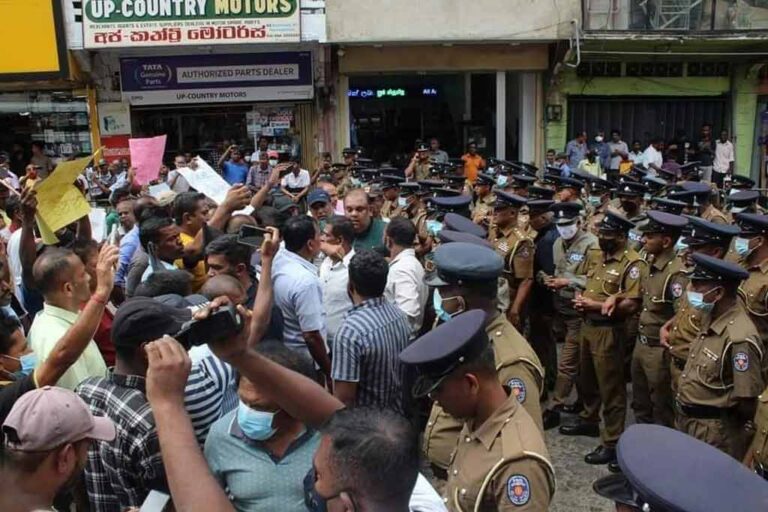
15 supporters of the Samagi Jana Balawegaya (SJB) including SJB Nawalapitiya Electoral Organiser Sasanka Sampath Sanjeewa who were arrested during the swarming of protests against the arrival of former Prime Minister Mahinda Rajapaksa in the area yesterday were released on bail.
The arrestees were granted bail as they were produced before Nawalapitiya Magistrate Nilantha Wimalaratne yesterday (16). The arrestees were taken to the Official Residence of the Magistrate and later produced before him.
The SJB supporters were released on a personal bail of Rs. 100,000 each and ordered to appear in Court on December 13.
Showers or thundershowers will occur at times in Western, Sabaragamuwa, Central and North-Western provinces and in Galle and Matara districts and fairly heavy showers above 75 mm can be expected at some places in Western, Sabaragamuwa and Centralprovinces and in Galle and Matara districts, the Department of Meteorology said in a statement.
Showers or thundershowers will occur elsewhere over the Island during the afternoon or night.
General public is kindly requested to take adequate precautions to minimise damages caused by temporary localised strong winds and lightning during thundershowers.
Marine Weather
Condition of Rain:
Showers or thundershowers will occur at times in the sea areas off the coast extending from Puttalam to Matara via Colombo. Showers or thundershowers may occur at several places in the other sea areas around the island during the afternoon or night.
Winds:
Winds will be south-westerly and wind speed will be (25-35) kmph. Wind speed may increase up to (40-45) kmph at timesin the sea areas off the coast extending from Puttalam to Kankasanturai via Mannar and up to (45-55) kmph at timesin the sea areas off the coast extending from Galle to Pottuvil via Matara and Hambantota.
State of Sea:
The sea areas off the coast extending from Galle to Pottuvil via Matara and Hambantota will be rough at times and sea areas off the coast extending from Puttalam to Kankasanturai via Mannar may be fairly rough at times. Temporarily strong gusty winds and very rough seas can be expected during thundershowers.
President optimistic that debt restructuring discussion will end successfully following talks with the Chinese Finance Minister.
President Ranil Wickremesinghe stated that he had recently discussed Sri Lanka’s debt restructuring with the Chinese Finance Minister and he is optimistic that the discussions in this regard would be concluded successfully.
The President further mentioned that the delegation headed by the State Minister of Finance, who is currently in Washington, held initial discussions yesterday (15) with the International Monetary Fund and the three main countries, China, India and Japan that have given loans to the country. He said that the government is giving priority to immediately solve the problem of the country’s bankruptcy and to ensure food security.
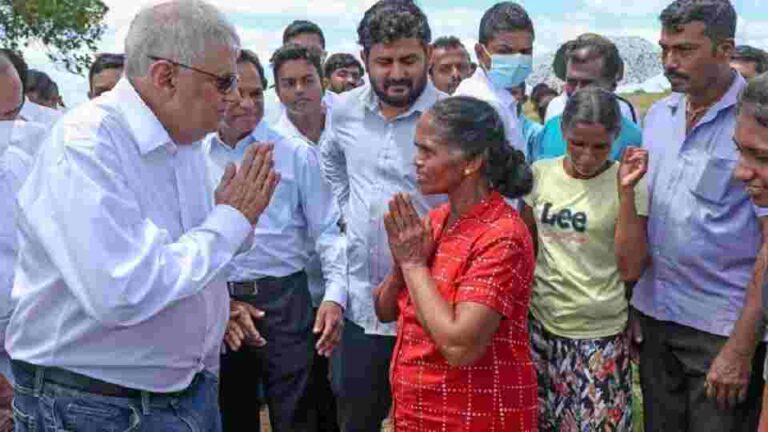
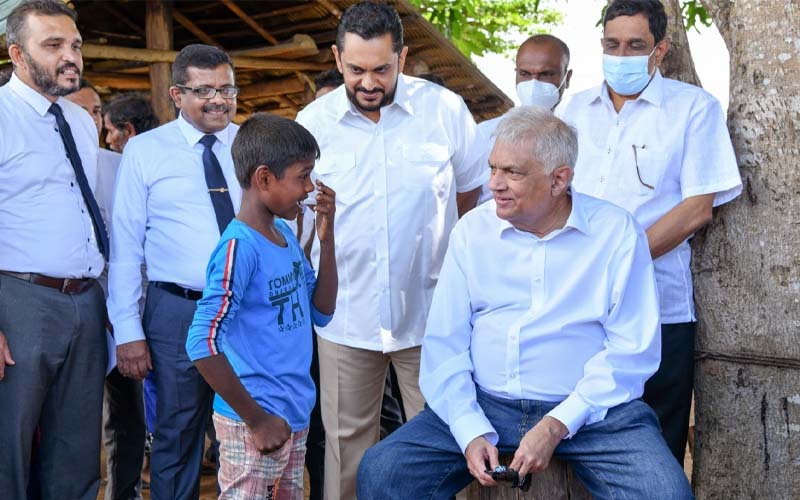
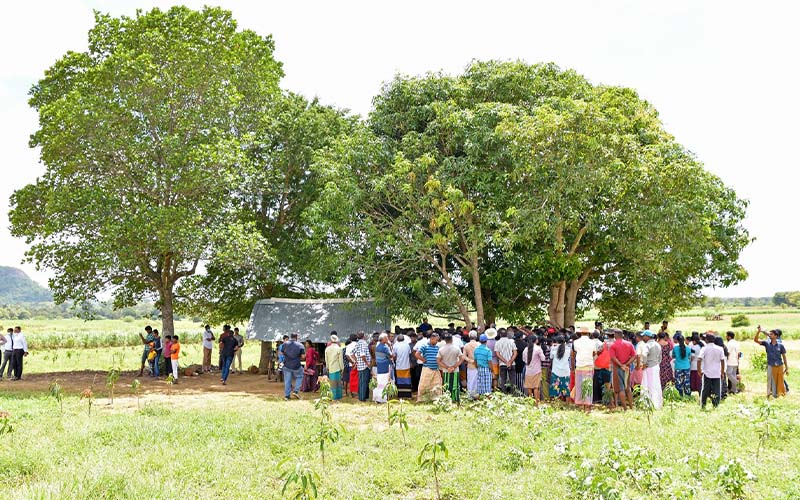
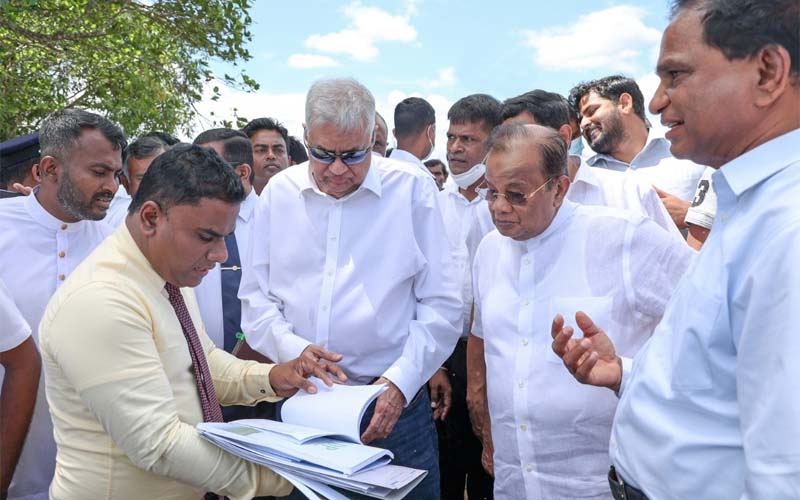
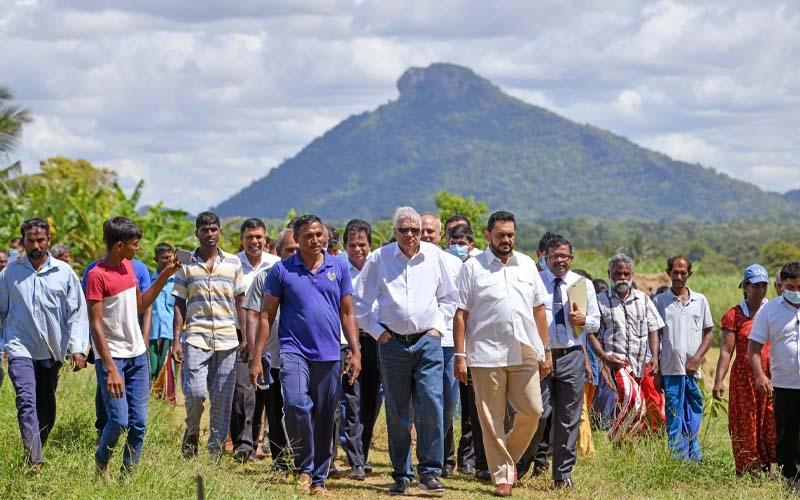
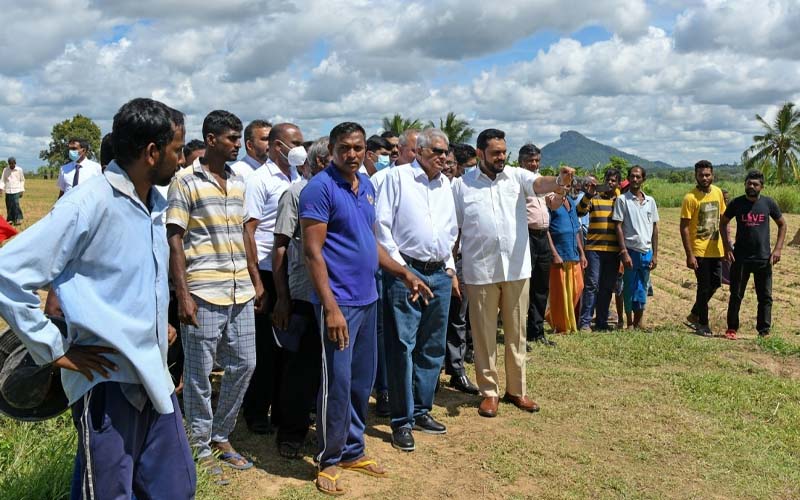
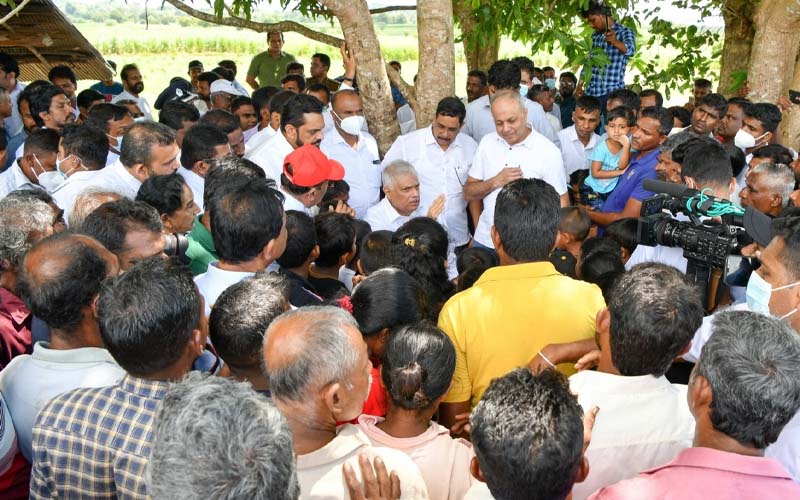
President Ranil Wickremesinghe made these remarks following an observation tour of the cultivated lands in Rathumada-Weerakandawala area in Siambalanduwa Divisional Secretariat this morning (16).
The President also discussed the progress of the implementation of the food security program in Monaragala district with government officials.
He said that there is no problem with having debates and also recalled the statements made by some people that they would come forward and shed blood and said that one should live before shedding blood.
The President mentioned that if a proper program is not implemented to provide food to the people, they will not have to shed blood but will starve to death. The President also stressed that politics should be discussed only in Parliament and that everyone should unite in the program to fulfil the needs of the people.
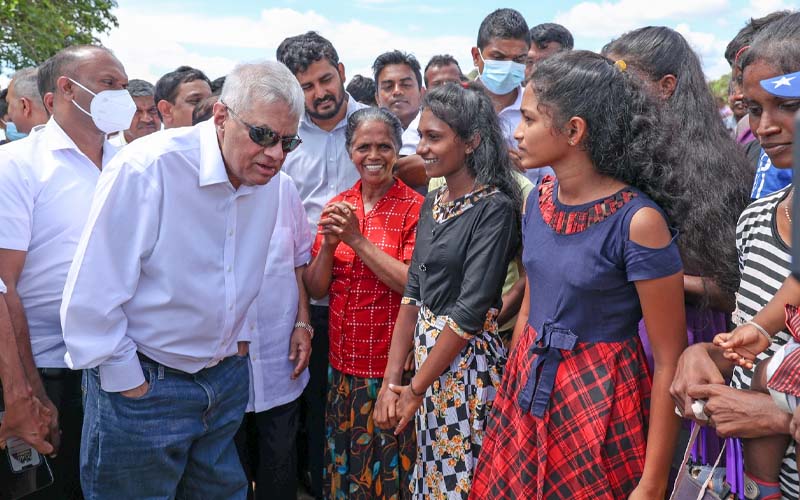
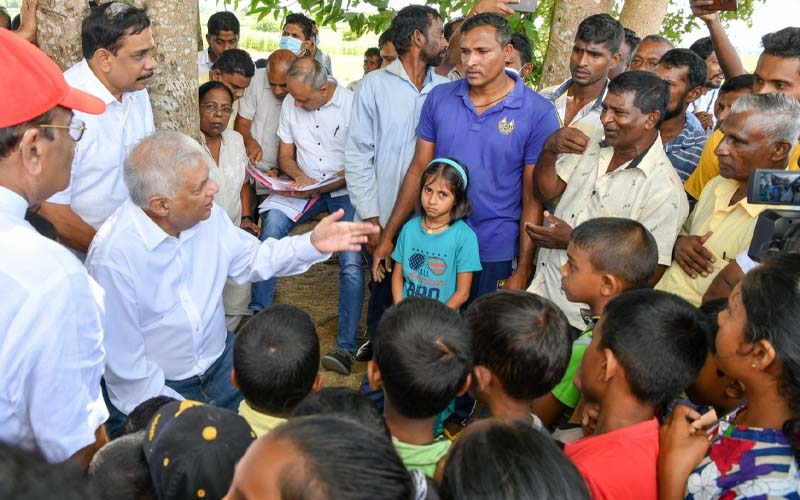
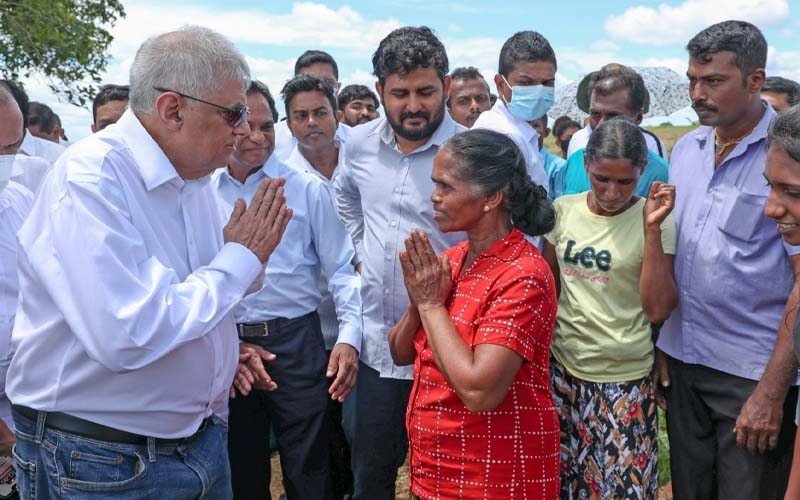
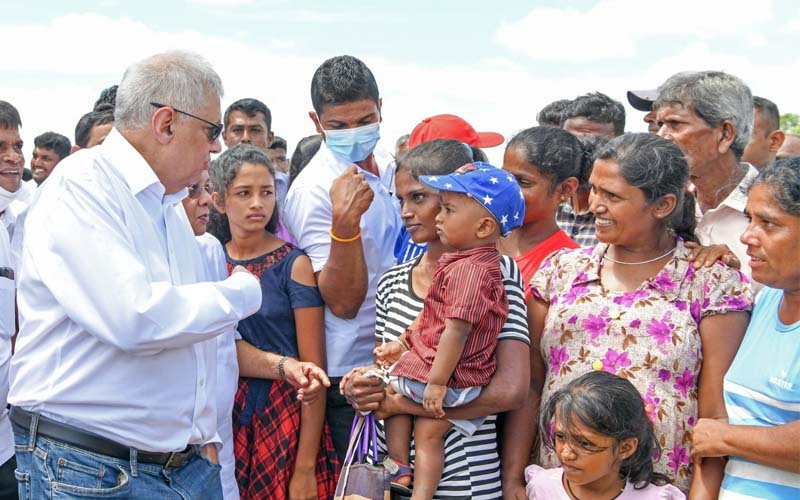
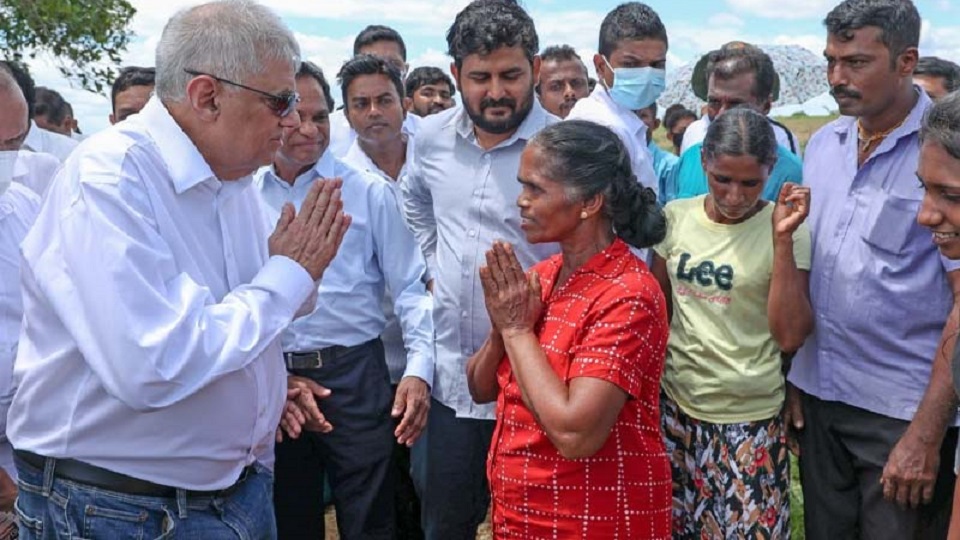
While visiting the cultivated lands in Rathumada-Weerakandawala area in Siambalanduwa Divisional Secretariat, the President also engaged in open discussions with the farmers.
The farmers had the opportunity to discuss the issues they were facing directly with the President and he was also informed by the farmers about the lack of fertilizer, insecticides and pesticides as well as land problems, water problems and the threat of wild elephants in the area.
The President immediately called the relevant officials to the agriculture lands and directed them to take steps to provide immediate solutions to the problems faced by these farmers. While thanking the President for visiting them and looking into their problems the farmers mentioned that this is the first time that a President had visited their areas.
The President noted all the issues presented here by the farmers through an officer of the President’s Office and stated that he will appoint a separate Additional Secretary in the President’s Office and take measures to provide immediate solutions to all these problems in coordination with the District political authority and District Government officials.
Also, many problems of the people of the area were presented to the President and among them were the problems of education, roads and housing.
The President, who listened to all those problems, said that he will provide the necessary facilities to ensure that the children of the area who are engaged in education activities in the midst of many difficulties are given the opportunity to receive university education.
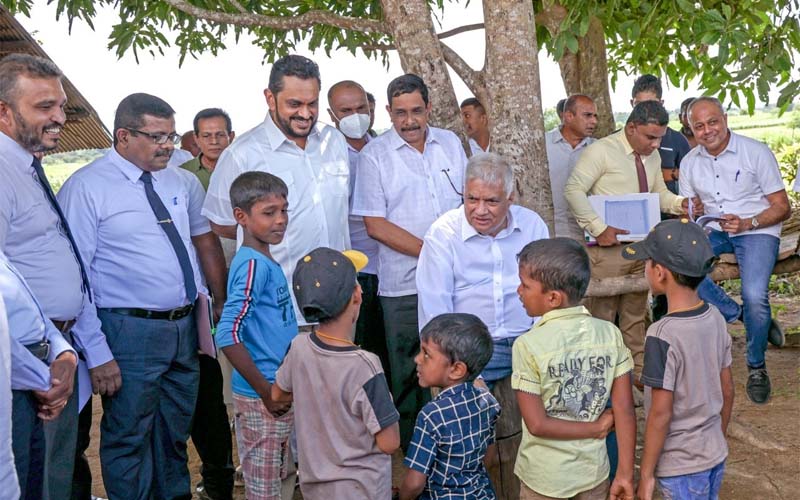
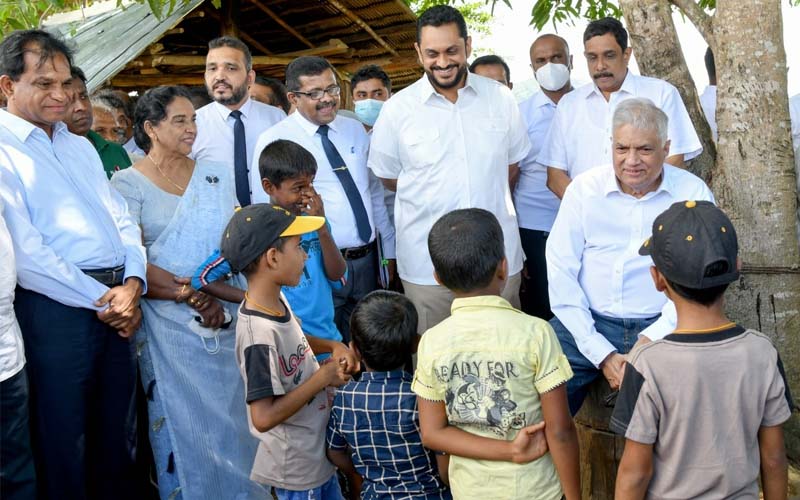
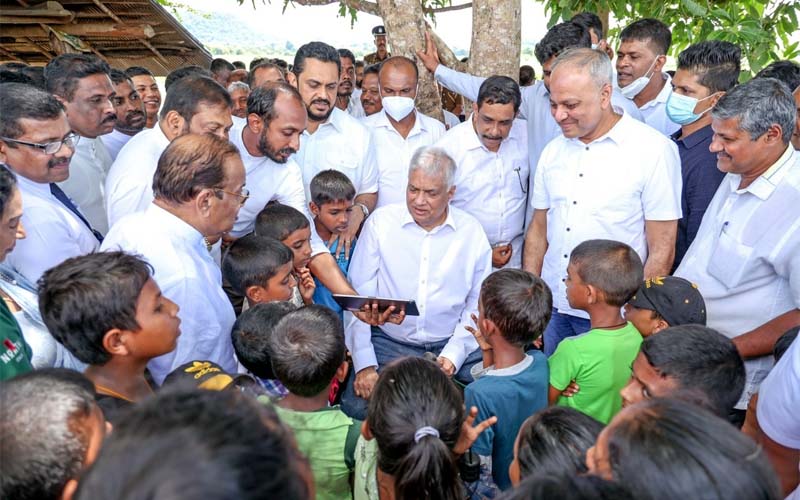
While returning from participating in this event, the President also visited a Daham Pasala held at Dharmashoka Pre-School, Siyambalanduwa Kaluobba, without prior notice, and inquired about the well-being of the students.
Even though he arrived at the place without prior notice, the students welcomed the President by singing Jayamangala Gatha.
Governor of the Uva Province A.J.M. Muzammil, State Ministers Shashendra Rajapakse, Vijitha Berugoda, Jagath Pushpakumara, Member of Parliament Dr. Gayashan Navanandana, President’s Senior Adviser on National Security and President’s Chief of Staff Sagala Ratnayake, former Member of Parliament Sumedha G. Jayasena, Former Deputy Speaker Ananda Kumarasiri, Secretary to the President Saman Ekanayake, Adviser to the President on National Food Security Dr. Suren Batagoda, Monaragala District Secretary Gunadasa Samarasinghe, Siambalanduwa Provincial Secretary Asanka Dayaratne and a group of District and Local Government officials participated at this occasion.
The Sri Lankan rupee, which shed nearly 80 percent of its value, has sent the rupee value of the foreign currency-denominated debt of the government spiralling by significant proportions, even with no fresh borrowings, as the rupee weakness is sending ripple effects across markets.
According to the outstanding public debt data available through April this year, the cumulative debt, comprising both domestic and foreign, surged to Rs.23,310.1 billion, from Rs.17,589.4 billion at the end of 2021.
While the domestic component of the total debt rose by Rs.1,345.1 billion in the four months to Rs.12,442.3 billion, the debt held by non-residents added the biggest jolt to the total outstanding debt.
The domestic debt component also consists of Sri Lanka Development Bonds and International Sovereign Bonds held by the resident Sri Lankans and the non-resident holdings of the two types of instruments are classified under foreign debt.
The total foreign debt stock added a massive Rs.4,375.6 billion in the four months through April, coming entirely from the translation effects of the foreign debt component at the weaker rupee
Sri Lanka has seen a resumption of interest on rupee denominated foreign bonds, as interest rates went up, and domestic credit slowed, reducing outflow of foreign exchange.
Foreign investor’s holdings of rupee bonds went up from 4.01 billion rupees on August 31, 2022 to 22.5 billion rupees on October 05.
The bonds were bought despite a threat of a second hair cut or restructuring of rupee bonds.
Rupee bonds have already been subjected to a high inflation and financial repression (IFR) haircut with their real value almost halving as the rupee’s soft-peg with the US dollar collapsed from 180 to 360 to the US dollar.
Domestic inflation has hit 70 percent in the 12-months to August.Foreign holdings of Sri Lanka’s rupee bonds are now at levels last seen in June 2020.
Foreign investors held large volumes of rupee bonds before the rupee started to collapse rapidly under ‘flexible inflation targeting’ perhaps the most deadly ‘impossible trinity’ style monetary regime ever cooked up by Washington-based Mercantilists.
Flexible inflation targeting involves applying aggressive open market operations to suppress interest rates with printed money to a reserve collecting peg, triggering currency crises.
Critics have said that such regimes, which are an extreme example of the impossible trinity of monetary policy objectives, are easily peddled to third world nations without a strong doctrinal foundation in either sound money or classical monetary theory.
A World Bank survey showed that there was no such doctrinal foundation in the entire South Asia region, and only 2 percent of ‘experts’ were aware that balance of payments deficits were caused by central banks, indicating that the region would continue to be dogged by monetary instability for year to come.
Washington based Mercantilists including Harry Dexter White and John H Williams first cooked up the Bretton Woods system promising ‘independent monetary policy’ to central banks that pegged the US dollar.
To be fair however Bretton Woods central banks were also pegged to gold independently and were free to pursue policies to maintain the gold peg, which was done by countries like Germany and Japan who successfully kept their pegs and Germany appreciated once.
United States Assistant Secretary of State for South and Central Asian Affairs Donald Lu is expected to visit Sri Lanka this week.
A high-ranking delegation from the US government is also scheduled to visit the island along with Assistant Secretary Donald Lu.
Secretary Lu is likely to meet several senior Government and Opposition officials including the President during his visit to Sri Lanka, according to sources.
The visit comes in the wake of two high-profile visits by US Agency for International Development (USAID) Administrator Samantha Power and US Permanent Representative to the UN Food and Agriculture Agencies in Rome Ambassador Cindy McCain to Colombo recently
Secretary Lu had led a delegation to India aimed at deepening the US-India Comprehensive Global Strategic Partnership last month, whilst the situation in Sri Lanka has also been taken up with the Indian authorities.
According to Lu he had seen tremendous opportunity in this South Asian region for American engagement. These countries can see the engagement of America’s adversaries, and they’re anxious to see what we bring to the table in terms of our economic, security, and climate engagement,” he said.
While he did not mention the focus areas during his visit to Sri Lanka, US officials said that human rights and bilateral trade will top the list.
During a discussion with the Tamil National Alliance and Global Tamil Forum in Washington, Donald Lu had underscored that human rights was central to US foreign policy on Sri Lanka.
The US has been supporting Sri Lanka with vaccines to fight Covid and has also partnered with the country to fight terrorism.
During the visit to Sri Lanka Donald Lu is also expected to emphasis on the US policy for a free and open Indo-Pacific.
The purpose of his meetings is to explore the most effective ways for the United States to support Sri Lankans in need, Sri Lankans working to resolve the current economic crisis, and Sri Lankans planning for a sustainable and inclusive economy for the future.
The US delegation also pressed upon the government the need to negotiate urgently with its creditors and the IMF to finalize an assistance package, in order to ease the suffering of the Sri Lankan people and get the economy back on track as quickly as possible.
This visit underscores US ongoing commitment to the security and prosperity of the Sri Lankan people. Our efforts to support economic growth and strengthen democratic institutions have never been more critical.
Now is the time to redouble US Sri Lankan joint efforts to get Sri Lanka back on the path to economic stability. Now more than ever the private sector can make a difference in creating a more inclusive and sustainable economy
First, the debt crisis must be resolved. The US welcomed the steps Sri Lanka has taken to go to the IMF, to hire debt and legal advisors, and begin debt restructuring talks.
The deepening economic crisis is forcing the government to make immediate choices between seeking short term funding at concessionary rates or as grants from international agencies and donor countries.
The International Federation of Red Cross and Red Crescent Societies (IFRC) has made an Emergency Appeal for urgent humanitarian assistance for 28 million Swiss francs in support of Sri Lanka Red Cross.
In line with the IFRC appeal, the International Committee of the Red Cross (ICRC) supports the Sri Lanka Red Cross to respond to the humanitarian issues arising from the economic crisis with a focus on providing medical equipment to the healthcare system and economic assistance to vulnerable people.
According to Foreign Minister Ali Sabri , the man-made economic crisis was ignored by the then cabinet of previous Gotabaya Rajapaksa regime due to their lack of knowledge.
Under this set up the country is compelled to extend its begging bowl for foreign funding with an urgent appeal to the World Bank to down grade Sri Lanka as low income country temporary.
The International Monetary Fund (IMF) and Sri Lanka had further discussions on the steps Sri Lanka must take to obtain approval for the proposed Extended Fund Facility (EFF) programme.
The Sri Lankan delegation to the IMF/World Bank Annual Meetings 2022 led by the State Minister of Finance Shehan Semasinghe, had a fruitful discussion with the Deputy Managing Director of the IMF, Kenji Okamura, IMF sources said.
The delegation extensively discussed with the IMF team Sri Lanka’s recent economic trends and the next steps required to obtain the IMF Executive Board approval for the proposed Extended Fund Facility (EFF) programme.
Dr. Chandranath Amarasekara, Alternate Executive Director of the IMF, Dr. Nandalal Weerasinghe, Governor of the Central Bank of Sri Lanka and Mahinda Siriwardana, Secretary to the Treasury also attended the talks.
The IMF had reiterated last week the prior actions Sri Lanka must take for the IMF board to approve the disbursement of funds.
Deputy Director, Asia and Pacific Department at the International Monetary Fund, Anne-Marie Gulde, had said that the conditions involve securing assurances from bilateral creditors and dealing with the private sector debt.
“Sri Lanka is facing a very severe economic crisis. And let me start by saying that we are very concerned about what’s going on in Sri Lanka.
And we all hope that we will be able to work very fast to end the suffering, especially the suffering of the poor and vulnerable. We have reached a staff level agreement on a four-year EFF program on September 1 of this year,” Anne-Marie Gulde said.
She said that the initial disbursement of the program will only come after the IMF board meeting.
UNP Chairman and MP Wajira Abeywardena says Articles 147, 148, 149, 150 & 151 of the Constitution have been violated by announcing the country as being “bankrupt”: also says the sole UNP MP Ranil Wickremesinghe opposed the declaration: bankruptcy was announced without prior approval of the AG, MB, Cabinet, or Parliament, when Sabry was the Finance Minister.
Foreign Minister Sabry says the previous Cabinet was “not aware” of the “dire” state of the economy: however, data shows then Finance Minister Basil Rajapaksa submitted a comprehensive Cabinet memo re. the “Economy and Way Forward” on 3rd Jan 2022 and briefed the Cabinet re. the economic challenges & risks, and received the unanimous approval of the Cabinet for the home-grown “way forward plan”.
Energy Minister Kanchana Wijesekera says term and spot tenders by CPC fail to attract bids: also says CPC has evaluated 301 unsolicited proposals to supply fuel since 1st January, but awarded orders to 60 only, of which a mere 11 have materialised.
Sri Lanka – 108 all out (19 overs) lose to Namibia 163/7 (20 overs) in the First Round Group A – ICC Men’s T20 World Cup Opener, in Australia.
Senior defence ministry official says over 35,000 private gun holders must renew their firearm licences before 31st December.
Authorities step up search for navy boat with 6 sailors that went missing a month ago: boat was on a regular patrol in the Indian Ocean off the Southern coast.
Energy Minister Kanchana Wijesekera says crude oil shipment of 99,000 MT from Russia awaits prior payment to discharge: also says payments not being made for 2 previous shipments of crude oil, resulted in the refinery being shut-down: laments another ship with 35,000MT of diesel is offshore, awaiting payment.
Ceylon Chamber of Commerce Vice Chairman Duminda Hulangamuwa says Government will have to opt for a “haircut” on domestic debt if taxes are not raised as per the requirements of the IMF.
Survey reveals that nearly 9834 undergrads gave up studies at state universities during the past 15 years due to brutal ragging by seniors: 9903 female undergrads had also been subject to sexual harassment by seniors.
Disaster Management Centre says 3 people have died while 55,435 people from 13,902 families have been affected by several days of heavy rains, strong winds and severe lightning.