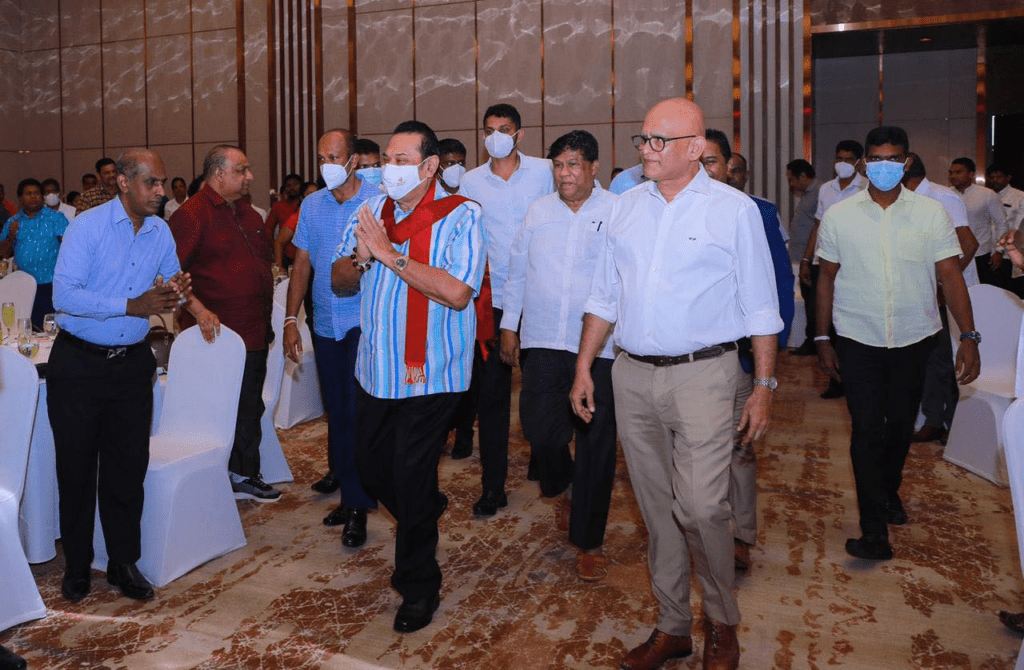
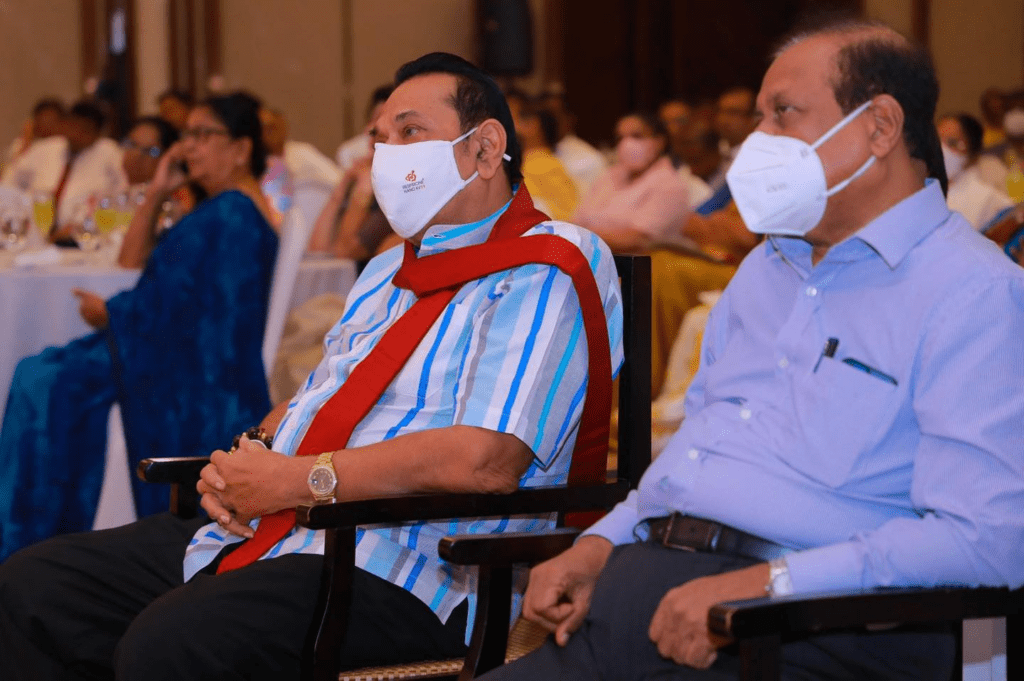
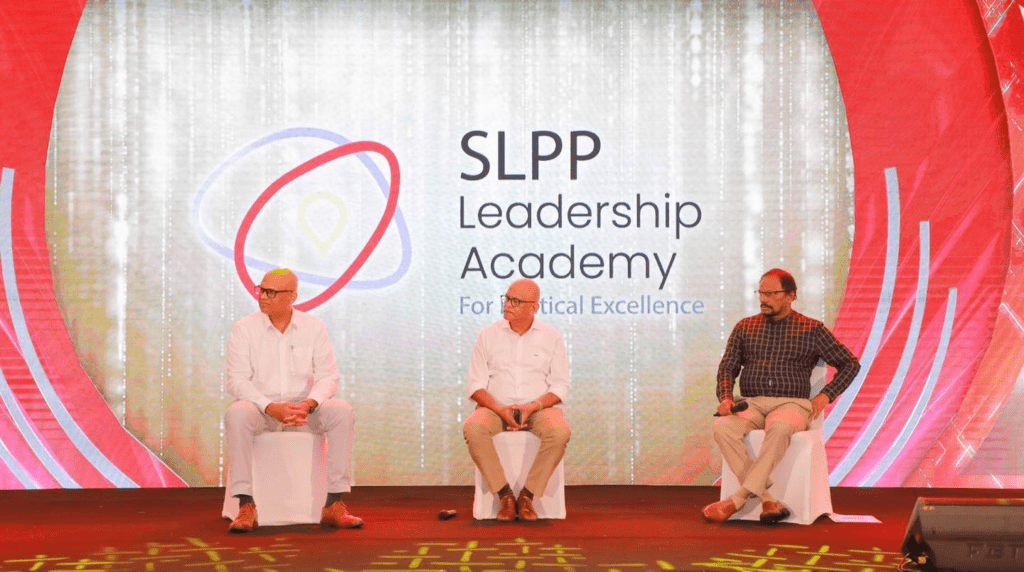
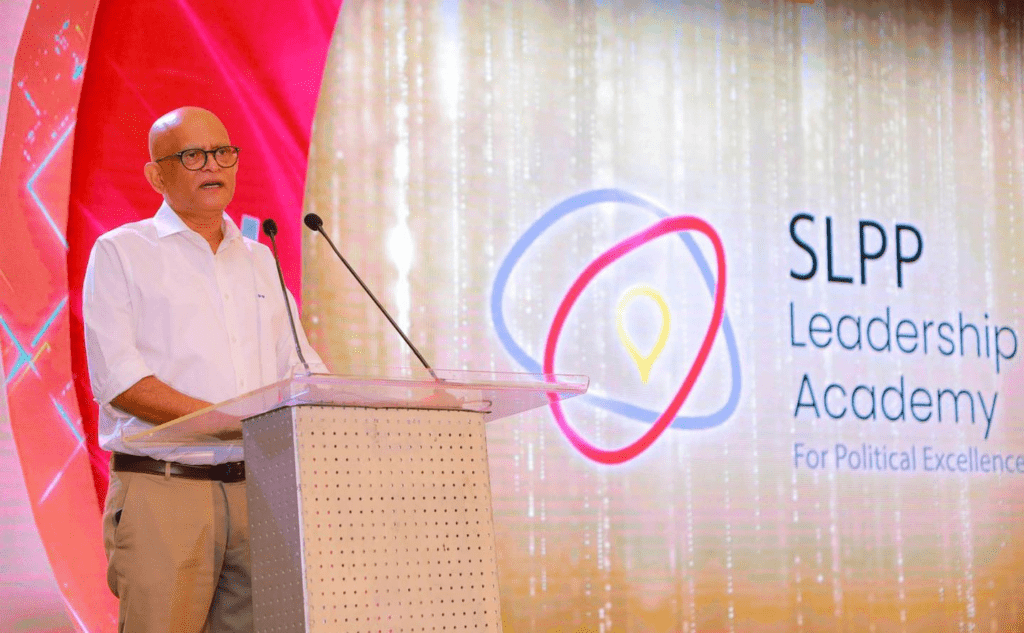
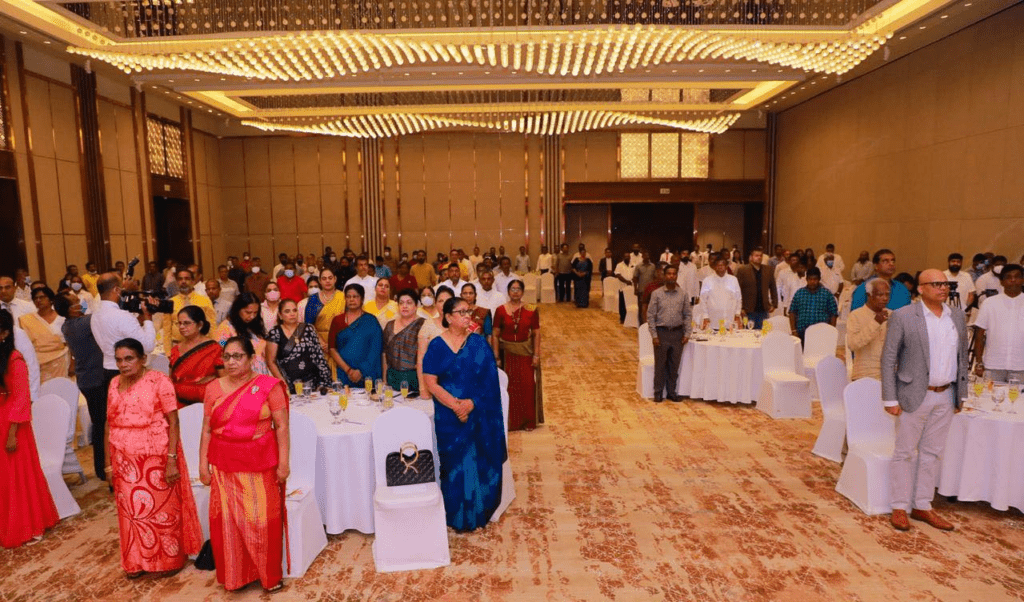
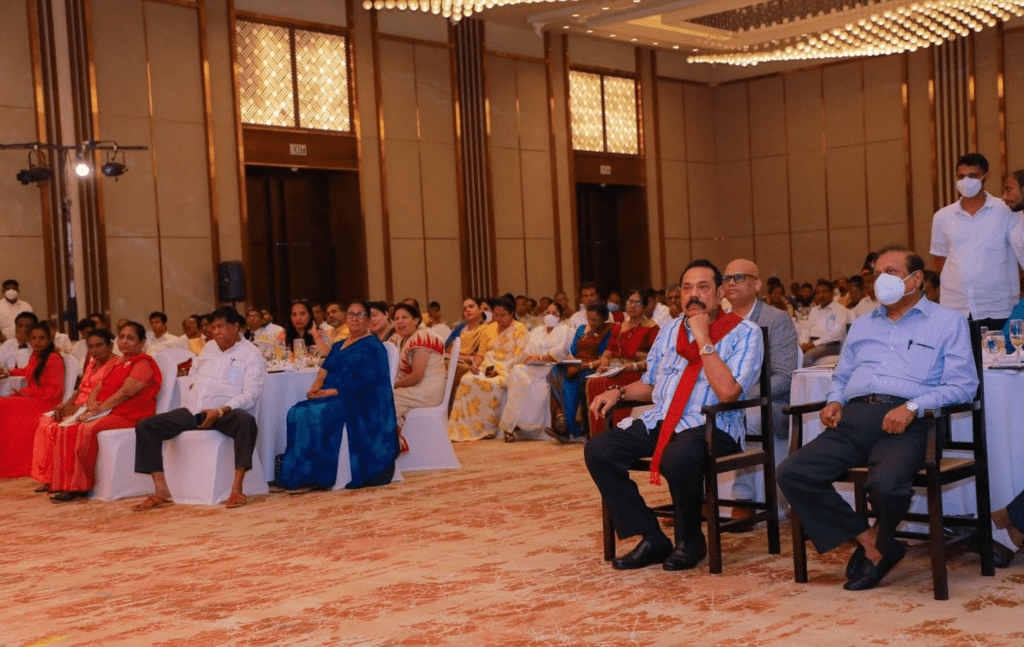
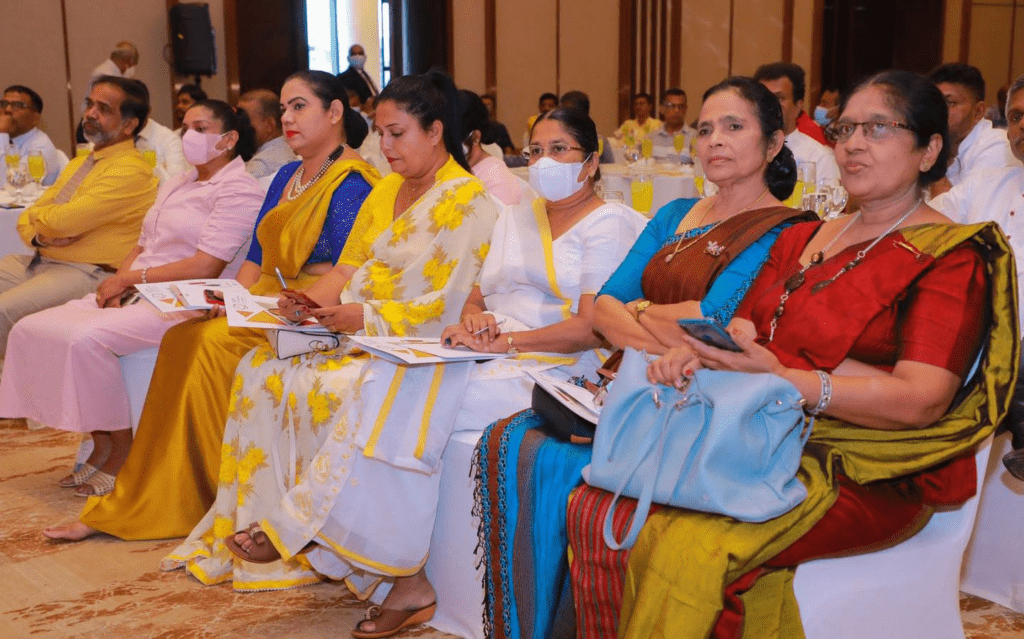
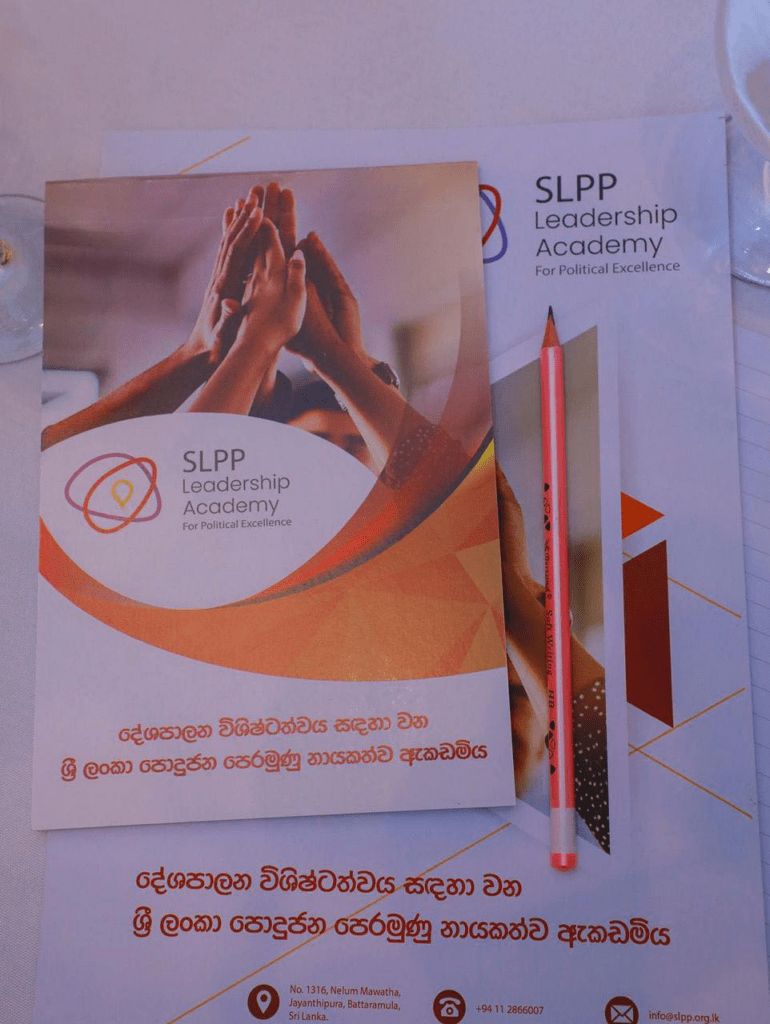
The Sri Lanka Podujana Peramuna (SLPP) yesterday (03) launched the ‘SLPP Leadership Academy’ in Colombo under the patronage of former Prime Minister Mahinda Rajapaksa.
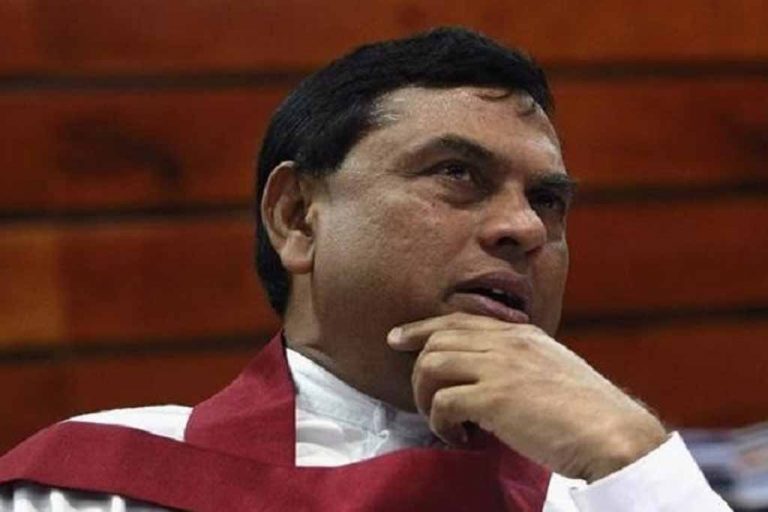
The new leadership academy for ‘political excellence’ was initiated based on a concept by Party National Organiser Basil Rajapaksa, who also serves as its Chairperson.
The body is operated by a group of intellectuals led by Prof. Ranjith Bandara.
The new leadership academy is operated under seven classes, including democracy, politics, entrepreneurship and etc. and will be considered in producing nominations for the upcoming elections.
A party spokesman claimed that the new leadership academy of the SLPP is a long-term programme for a change in the country’s politics and there are no short-term expectations.
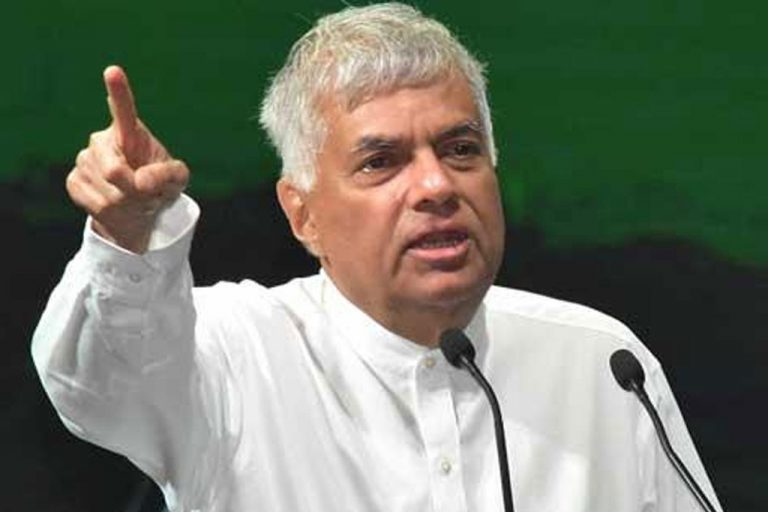
President Ranil Wickremesinghe attending the 156th Anniversary of the Sri Lanka Police yesterday (03) said Sri Lanka could have met the end of its democracy had the protesters of the ‘Aragalaya’ been allowed to seize Parliament.
“When the law is violated, there are two bodies that act on it. The Police have the job to first investigate it, find out who is responsible for it and keep them in remand custody if they want to prosecute them. An independent court will decide whether those people have broken the law or not. So, a country cannot run without these two bodies,” the President said.
Wickremesinghe added: “In March, the youth of this country initiated a movement called the ‘Aragalaya’ against a government. They carried out the protests peacefully and without violence. Unfortunately, this group was removed and violent people took over this movement in June. So, it could have been collapsed, melted in July. But instead, instead of the young men and women who started this, they brought groups from every corner of Sri Lanka to undermine and destroy the government. Then, they attempted to besiege Parliament too. Had the Parliament been seized, this country’s democracy in particular could have ended. If that was the case, it will be a violation of the rule of law; a deprivation of the people’s universal suffrage.”
The President further noted that had the Parliament been seized, who was going to rule the country will never be known, adding, “At that time, Parliament was protected because the Army and the Police acted on it. Some say that those who came in were not treated properly, that they were oppressed. What else should have been done? Treat them with tea from the Parliament Canteen? There is no point of whitewashing it now. These will be revealed through the Police investigations. I think Parliament too has to find out about this later.”
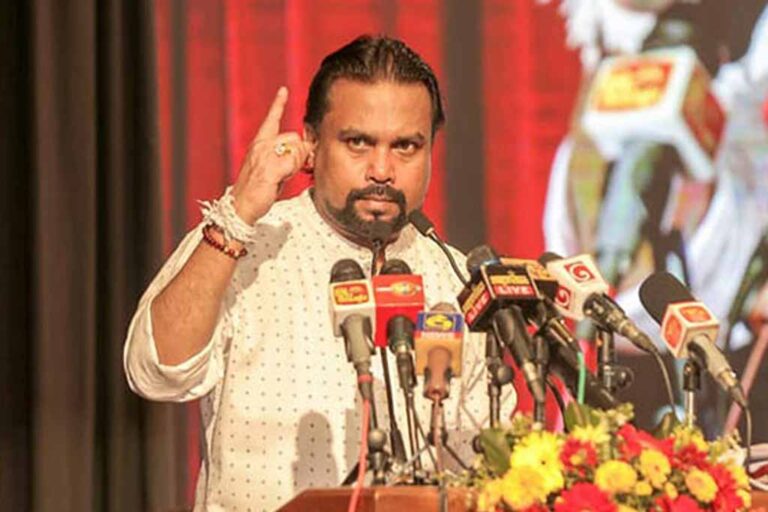
The new political alliance formed by Leader of the Jathika Nidahas Peramuna (National Freedom Front: NFF) Wimal Weerawansa is set to be launched this (04) afternoon at the National Youth Service Council premises, Maharagama, in the ex government minister’s latest move in his strategic journey of sitting on the throne which has been operational since way before 2019.
Nine political parties including Jathika Nidahas Peramuna led by Weerawansa, Pivithuru Hela Urumaya led by former Minister Udaya Gammanpila, Democratic Left Front led by former Minister Vasudeva Nanayakkara, Sri Lanka Communist Party, Lanka Samasamaja Party and Yuthukama National Movement have joined the new alliance.
The announcement of the name of this new alliance, its leadership board and the signing of its policy statement are set to be done today.
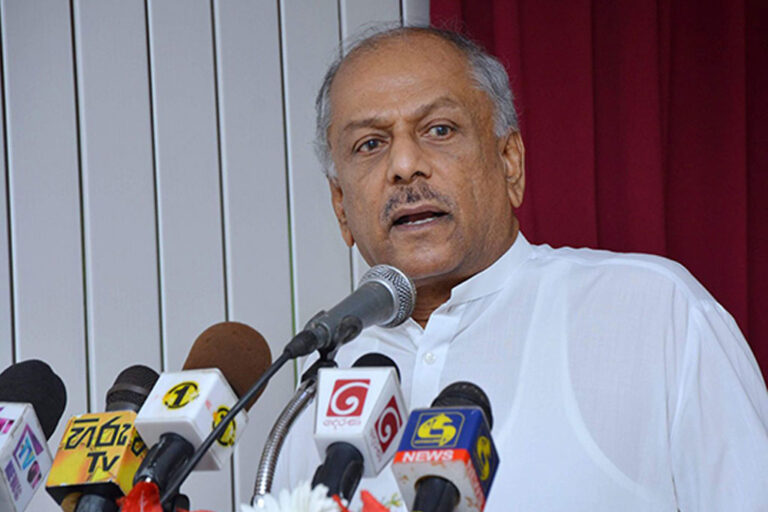
The Ministry of Women and Child Affairs should be given to a woman in the formation of the new Cabinet this time, said Prime Minister Dinesh Gunawardena, speaking to a meeting held with the Ruling Party MPs, sources said.
For two and a half years under the Gotabaya Rajapaksa regime there was no separate cabinet ministry for women and child affairs and the subject was entrusted to men ministers.
Therefore, the Prime Minister has pointed out that entrusting this ministry to men who have no practical understanding of the needs of women and children would be a meaningless action and that having women’s representation in the Cabinet would be important.
The Telecommunications Regulatory Commission of Sri Lanka (TRCSL) will approve an increase in tariff for mobile, fixed-line and internet broadband services, effective from Monday (05).
Accordingly, charges for mobile, fixed-line, broadband and other prepaid and postpaid services will soar by 20 per cent.
Charges for all pay televisions services, including satellite and cable will soar by 25 per cent.
Meanwhile, the value added tax (VAT) paid for all pay television services will increase from 12 per cent to 15 per cent.
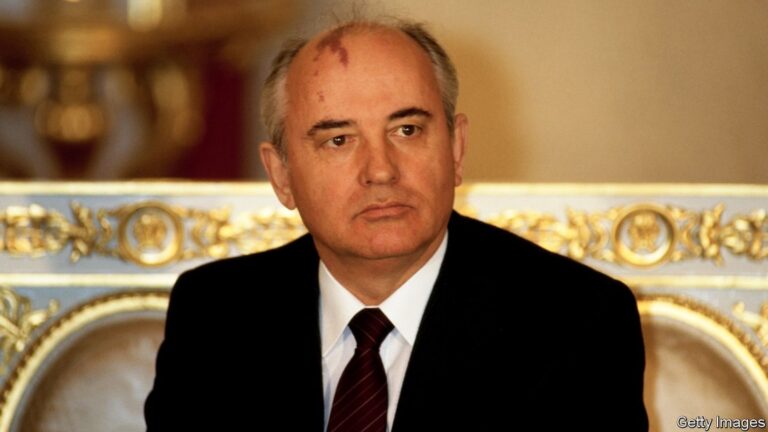
he great heroes in Mikhail Gorbachev’s pantheon were two 19th-century socialist thinkers, Alexander Herzen and Vissarion Belinsky, whose main concerns were the dignity of the individual, and whose books he knew almost by heart. When they appeared on the Russian stage, in Tom Stoppard’s trilogy “The Coast of Utopia”, he went to see them. At the end of the performance he was called on stage and given a standing ovation by an audience that, for the most part, had scarcely been born when, in 1985, he became the last general secretary of the Soviet Union.Listen to this story.
The perestroika(“restructuring” or “reformation”) which he started then never reached the destination he wanted, a democratic, humane socialism—perhaps because that destination was Utopia, rather than a real place. To the elite of modern Russia, he seems an oddity if not a traitor: a fool who brought about the collapse of the Soviet Union and made no money out of it. He had power, a comfortable life and the fate of hundreds of millions of people in his hands—and he let it all go when, on December 25th 1991, he resigned as president of the Soviet Union.
He had spent eight hours in a meeting with Boris Yeltsin, Russia’s president and his bitter rival, discussing the transfer of power. Afterwards, he went to lie down in his office—for the last time. When Alexander Yakovlev, his closest comrade, walked in, he saw tears in Mr Gorbachev’s eyes. “You see, Sasha,” said the president, “this is how it goes.”
He had not meant the Soviet Union to die like that. The man who ended the cold war, who changed the course of 20th-century history, was neither a dissident nor a revolutionary. He intended to reform the Soviet Union, not destroy it. But his aversion to violence and his belief in the Enlightenment were enough to finish a system held together by repression and lies.
He was born in 1931, soon after Stalin had seized complete power and launched the collectivisation which would eliminate the peasantry. He grew up in the south of Russia, a rich agricultural region inhabited by Cossacks who had never known serfdom, in a village called Privolnoe, which means “free-willed”. One of his grandfathers hung Orthodox icons; the other preferred portraits of Marx and Lenin. Like many of his generation, he preserved a peasant’s common sense and caution. He also had the physical strength of someone who had worked the land from an early age.
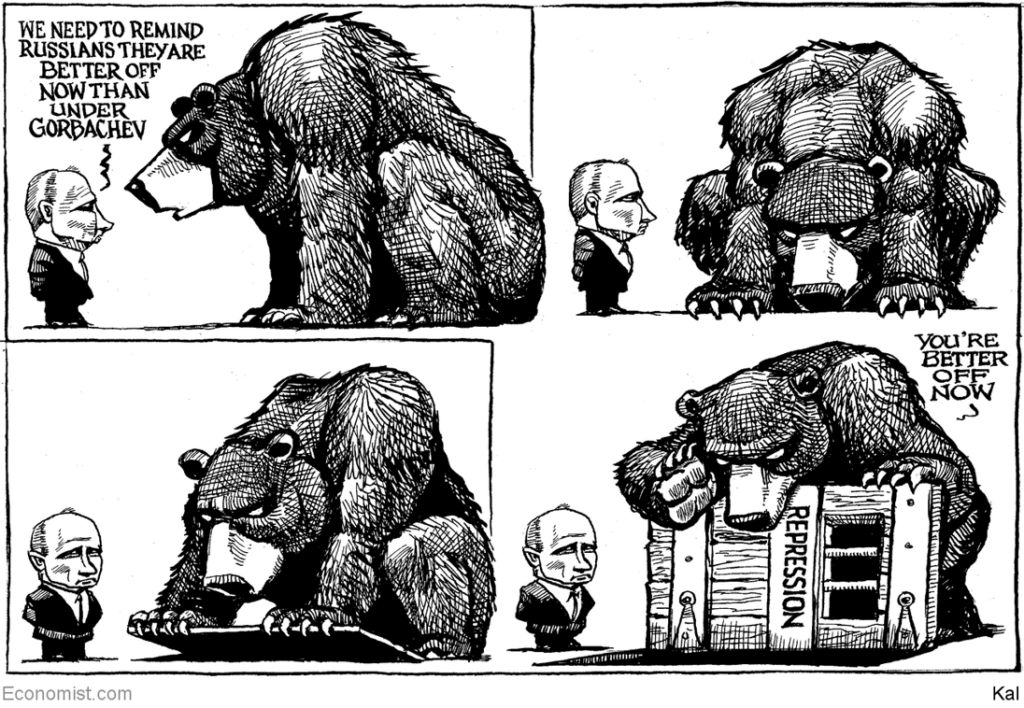
KAL’s cartoon
It was those sensibilities and human instincts that, years later, allowed Ronald Reagan to see in him not just a Marxist-Leninist, but someone with whom he had a lot in common. Both were self-made men who started in small farming communities, both believed in decency, both embodied the optimism and confidence of the post-war years. The end of the cold war was determined as much by his affinity with Reagan as it was by the inadequacy of the Soviet economy. Since he was more concerned with improving the living conditions of his countrymen than with the status of a superpower (which he took for granted), he saw no sense in continuing an arms race.
It was the logical conclusion of a journey that began with the death of Stalin. When Nikita Khrushchev denounced Stalin’s cult of personality in 1956, Mr Gorbachev was one of the young party leaders who had to spread the message among rank-and-file Communists. Clearing socialism of the distortions of Stalinism was to be his life’s work. He came to power with no plan or programme of reforms: only, after 18 years of stagnation, the simple conviction that “We can’t go on living like this.” Instead, he offered the Soviet Union youth, energy and—freshest of all—humanity.
Perestroika began with a bad omen: a nuclear explosion in Chernobyl. The accident, which the government tried to cover up, epitomised its dysfunction, arrogance and disregard for human life. Now, seizing his chance, he condemned a system “penetrated by servility, bootlicking, persecution of those who think differently, window-dressing, personal connections and clans”. In its place he offered glasnost, openness. This, he told colleagues, was the true socialism.
In that spirit, in 1989 he declared the first-ever competitive elections to the Supreme Soviet. He also agreed that its debates should be televised for the first time. Millions of people saw Andrei Sakharov, a dissident physicist whom he had recalled from exile, openly challenge him. In those few days the political monopoly of the Communist Party was broken, along with the mystery of its power.
This was also a signal to all its parts that the Soviet Union was dissolving. In early 1991, desperately trying to hang on to the country, he fatally aligned himself with the forces of repression, sending Soviet tanks into Lithuania. A few months later the same kgb-led forces mounted a coup and put him under house arrest in Crimea, where he was on holiday. When the putsch collapsed and he returned to Moscow, he chose to go home to care for his wife Raisa, who had suffered a stroke, rather than to play a public politician.
In his unconcealed affection for his wife, he violated the code that demanded of Russian rulers a complete abnegation of private life. But then again, putting private life above the ephemeral interests of the state was his main credo. Leaving office was not the end, as it had been for most of his predecessors. And unlike his successors he had nothing to fear, no wealth to hide. In the first years after his resignation he did commercials for Pizza Hut to make money. By the standards of today’s Russian elite, he was a poor man. The money from his 1990 Nobel peace prize was used to set up Novaya Gazeta, Russia’s liberal newspaper.
When Raisa was diagnosed with leukaemia, he accompanied her to a German clinic to hold her in his peasant’s arms. Soon after burying her, he appeared at a backstage party at the Moscow Art Theatre. An actor called on the ex-president to read or sing something. Everyone froze with embarrassment, except Mr Gorbachev. The crowd gave him space, and he sang Lermontov’s poem, “Alone I set out on the road. The flinty path is sparkling in the mist.”
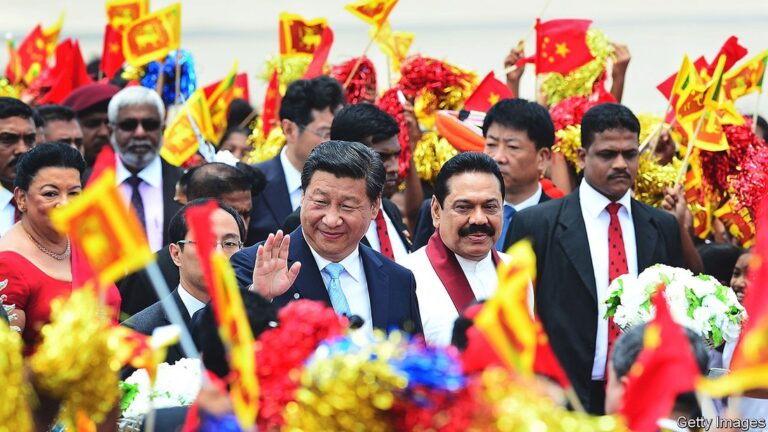
Flash forward to August 2022 and the future of Sri Lanka—let alone Colombo Port City—hangs in the balance. Crippled by fuel and food shortages, the country is seeking a bail-out from the International Monetary Fund after defaulting on its debt in May. Pakistan, another big borrower, is also in the midst of an imf bail-out and dozens more Belt and Road countries are facing debt distress. The extent to which China, the world’s biggest official creditor, bears responsibility is hotly debated. But what matters now is how it responds. Sri Lanka will be a critical test of Chinese willingness to co-ordinate with other lenders, potentially at the expense of Mr Xi’s original geostrategic goals.
Central to the issue is China’s relationship with the Paris Club of 22 mostly Western creditor countries. It is an “ad hoc participant” in the group but has refused invitations to join. One reason is the club’s close connection to the imf and World Bank, which America dominates. Another is its commitment to consensus, information-sharing (China likes to keep loan terms secret) and “comparable treatment” for all creditors. China wants to be prioritised and favours negotiating debt relief bilaterally: many of its loan contracts include clauses to that effect. Besides, adopting the group’s standards would undermine Mr Xi’s talk of a superior alternative to Western development finance.
Yet there are signs that China is slowly, if reluctantly, adjusting that position, as covid-19, inflation and the war in Ukraine amplify the debt problems many poorer countries faced before 2020. In May that year the g20, which includes China, established the Debt Service Suspension Initiative (dssi), under which official bilateral creditors temporarily suspended interest and principal payments from any of the world’s 73 poorest countries that requested such relief. China said in late 2020 that it had deferred at least $2.1bn in payments from dssi countries.
In November 2020 China also backed the “Common Framework” agreement between the g20 and the Paris Club to co-operate on debt treatments for poor countries. The first deal under that framework came in July 2022 when, after months of testy negotiations, official creditors agreed to provide relief to Zambia, unlocking a $1.4bn imf bail-out—although details are still to be finalised. China, Zambia’s biggest official creditor, initially resisted co-ordinating with other lenders but in May agreed to co-chair a creditor committee with France. The two countries also co-chair a creditor committee for Ethiopia.
China’s shift appears to be driven, in part, by the size of the problem and increasing international scrutiny of its lending. Chinese data are murky, but the World Bank provides debt statistics for 68 countries eligible for the dssi, some 60% of which are at high risk of, or already in, debt distress. In 2020 those countries owed $110bn to China—more than all other official bilateral creditors combined, according to researchers at Fudan University in Shanghai. They say that in 2022 China is due to receive 26% of debt-service payments from those 68 countries. Eight, such as Angola and Laos, will spend more than 2% of gross national income making those payments to China (see chart 1).
There may also be many more “hidden” problems linked to China. Economists at the World Bank, Harvard University and the Kiel Institute, a German think-tank, estimate that half of China’s lending abroad is unreported, and that between 2008 and 2021 the country quietly arranged 71 distressed-debt restructurings—more than the Paris Club—often following a long spell of default. Restructuring almost always involved lengthening maturities or grace periods, rather than reducing principal. Some countries, including Venezuela and Zimbabwe, restructured Chinese loans five times or more (see chart 2).
Some detect echoes of emerging-market debt crises in the 1980s and 1990s, when Paris Club members obscured lending details and repeatedly rescheduled loans, leading to a lost decade of low growth. The shift towards writing down debt came only after America’s Brady Plan in 1989 and the Heavily Indebted Poor Countries initiative in 1996. In a recent paper Ye Yu and Zhou Yuyuan of the Shanghai Institutes for International Studies (siis) called for a “new version” of the Brady Plan, urging China to be more transparent about its lending and to co-ordinate more with America and other Paris Club members to ensure “equitable and fair burden-sharing among all categories of creditors”.
China’s evolving position may also be linked to its recent efforts to provide emergency lending as some borrowers have struggled to service its infrastructure loans. State-owned Chinese banks made nearly $24bn in balance-of-payments loans to Pakistan and Sri Lanka in the past four years, according to AidData, a research lab at William and Mary, an American university. “China has dabbled with this idea that they could be an alternative to the imf,” says Bradley Parks of AidData. “What we’re watching now is a period of real-time learning and adaptation, where I think they’re having second thoughts.”
In Sri Lanka alarm over Chinese infrastructure loans first flared in 2017, when the government, struggling to service its debts, granted a Chinese state company a 99-year lease on a port that China helped to finance and build. As other Chinese projects faltered, China’s state banks pivoted towards emergency lending, providing $3.8bn between October 2018 and March 2022, according to AidData. Most observers agree that China’s lending did not cause the crisis: they blame Sri Lanka’s government for slashing taxes in 2019 and covid for crushing tourism in 2020. But Sri Lankan former officials say China’s liquidity injections persuaded them to reject advice to approach the imf much earlier.
The hope now for Sri Lanka is that Zambia’s deal has set a precedent for China to co-ordinate with other creditors, even though the island’s middle-income status excludes it from the Common Framework. Ranil Wickremesinghe, Sri Lanka’s new president, declined to discuss details in an interview with The Economist but appeared confident of a deal. One proposal under discussion is for China, as Sri Lanka’s biggest bilateral creditor, to co-chair a creditor committee with Japan, the second-biggest (and a Paris Club member). India could join, too. The aim, says one adviser, is “ad hoc” Common Framework treatment.
The geopolitical landscape, however, is even trickier than it was for Zambia. China’s relations with Japan and India are at a low: in August China fired missiles into waters near Japan during drills around Taiwan, and its forces have clashed with Indian troops over a disputed border since 2020. America continues to accuse China of “debt-trap diplomacy”, citing Sri Lanka as evidence. China denies that, noting (correctly) that most developing countries, including Sri Lanka, borrow more from multilateral and private lenders. It also points to its bilateral debt relief, including a pledge on August 18th to forgive 23 interest-free loans to African countries (it didn’t state their value, but China’s interest-free loans are typically small).
Sri Lanka is also confronting many of the same issues that delayed the Zambia deal. America and China both worry that restructuring will favour the other. The Paris Club wants more transparency from China, and more Chinese bank loans treated as official debt. China wants multilateral and Western commercial lenders to take a bigger haircut. It is also wary of setting a precedent for other borrowers—and stirring public anger at home. “China’s money doesn’t fall from the sky: it’s earned by the Chinese people’s hard work,” Liu Zongyi of siis told a nationalist Chinese news website on August 15th.
To avoid the delays that Zambia faced, some advisers are urging Sri Lanka to begin debt-restructuring talks with China at an earlier stage, and before the Paris Club. The imf has called for such talks, but it is unclear if they have started at a high enough level. Zambia is “a warning and a lesson”, says Shanta Devarajan, a former World Bank official advising Sri Lanka. “We’re still applying the same principles and trying to reach this intercreditor equity. But the sequence in which you discuss it might be important.” He predicts an imf bail-out by year’s end. Others expect a longer wait.
The imf says its staff are visiting Sri Lanka from August 24th to 31st to discuss reforms needed for the next step—a staff-level agreement on a bail-out. But the fund also stressed that final approval for the bail-out will require “adequate assurances” from creditors on restoring debt sustainability. Even the staff-level agreement will require painful reforms, possibly including adjustments to Colombo Port City, such as scrapping investor tax breaks. That may confound Mr Xi’s vision of a maritime Silk Road metropolis. But it would arguably offer more hope for Sri Lanka—and dozens more debt-ridden countries. ■
This article appeared in the China section of the print edition under the headline “Party’s over”
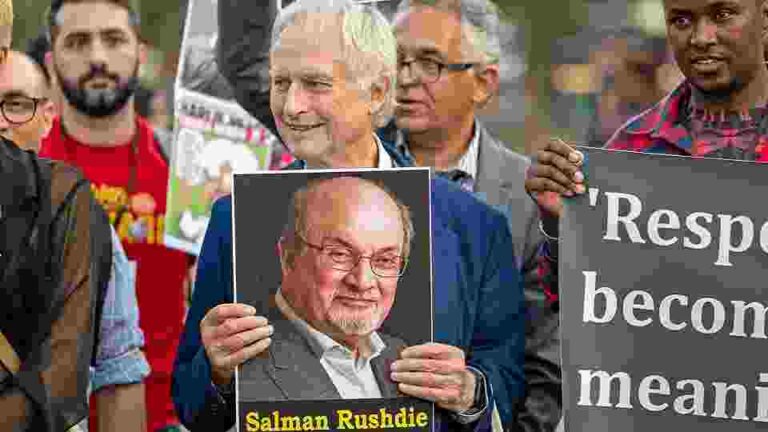
“We attended one of the largest gatherings of atheists and freethinkers in the world, Celebrating Dissent. An event with a very special tone – the aggression against Salman Rushdie on everyone’s minds. More than ever, these atheists wanted to show that they are more and more numerous and determined to win the battle against obscurantism.” – Charlie Hebdo, 24 August 2022
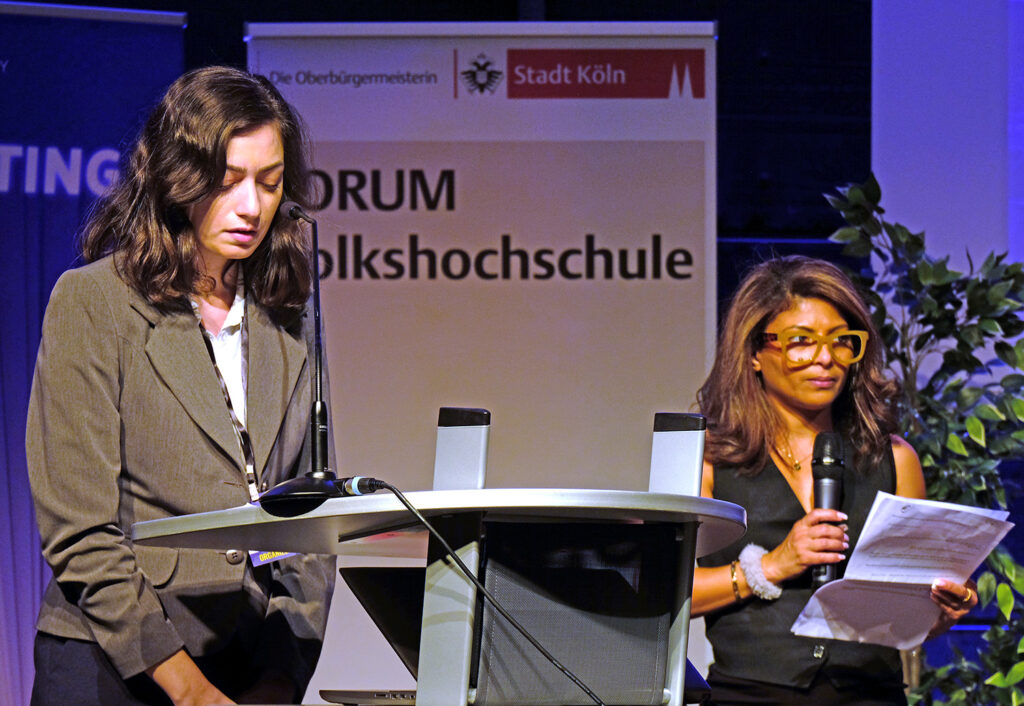
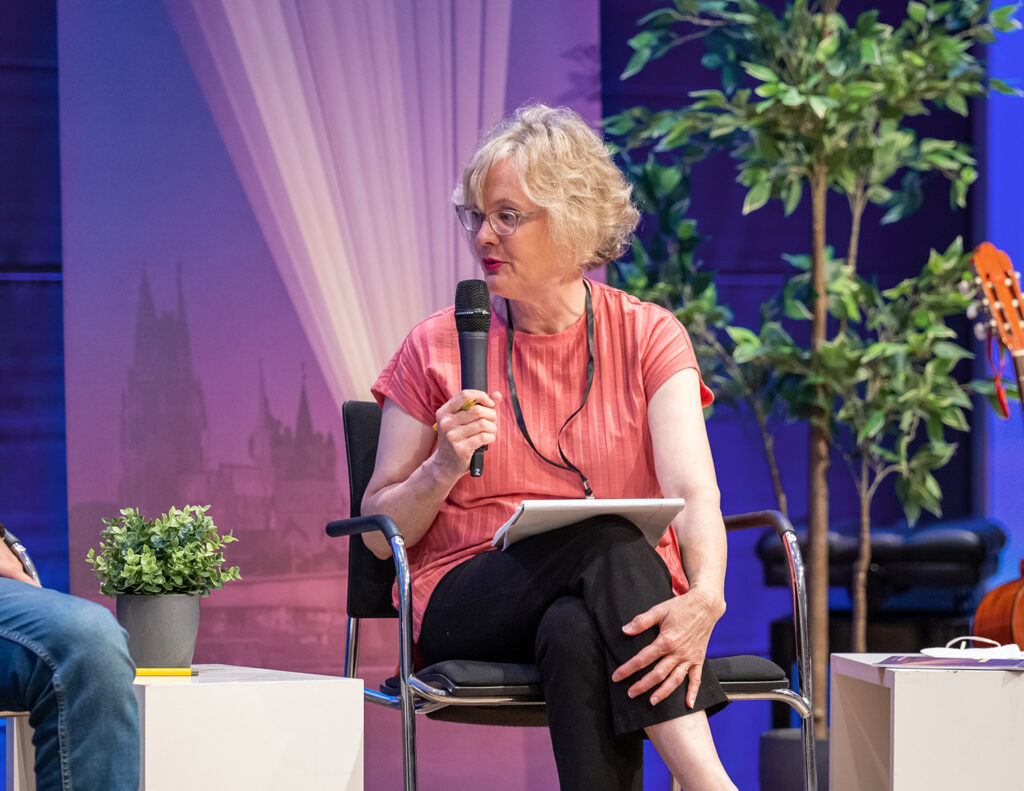
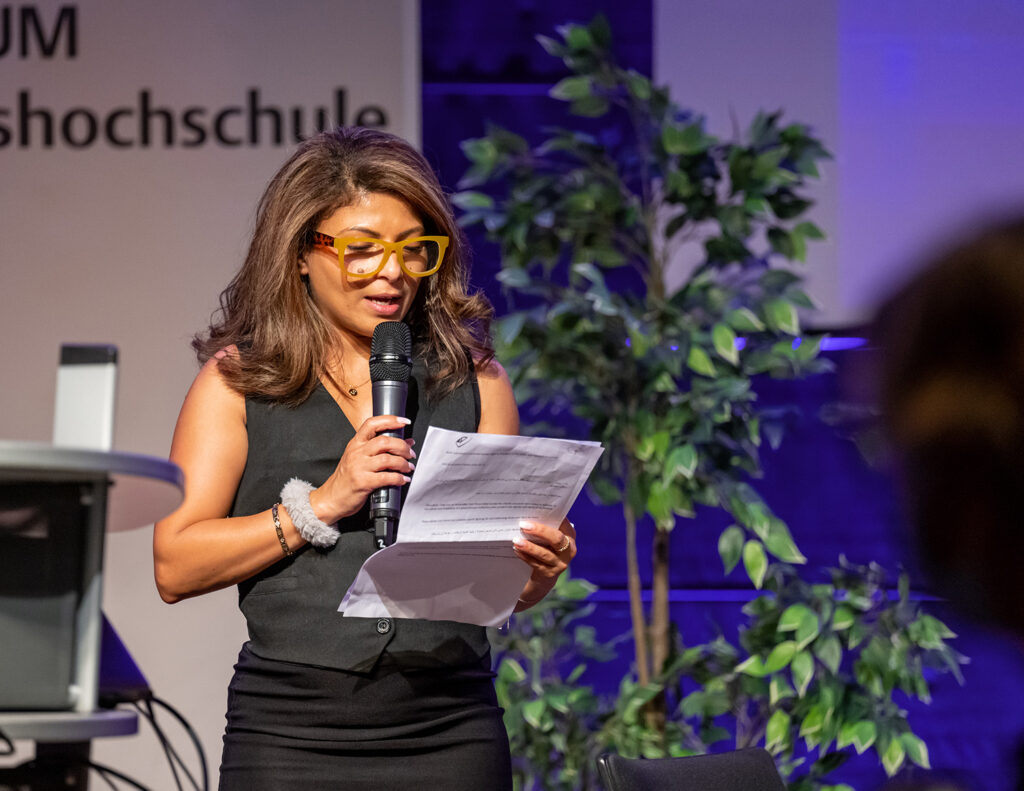
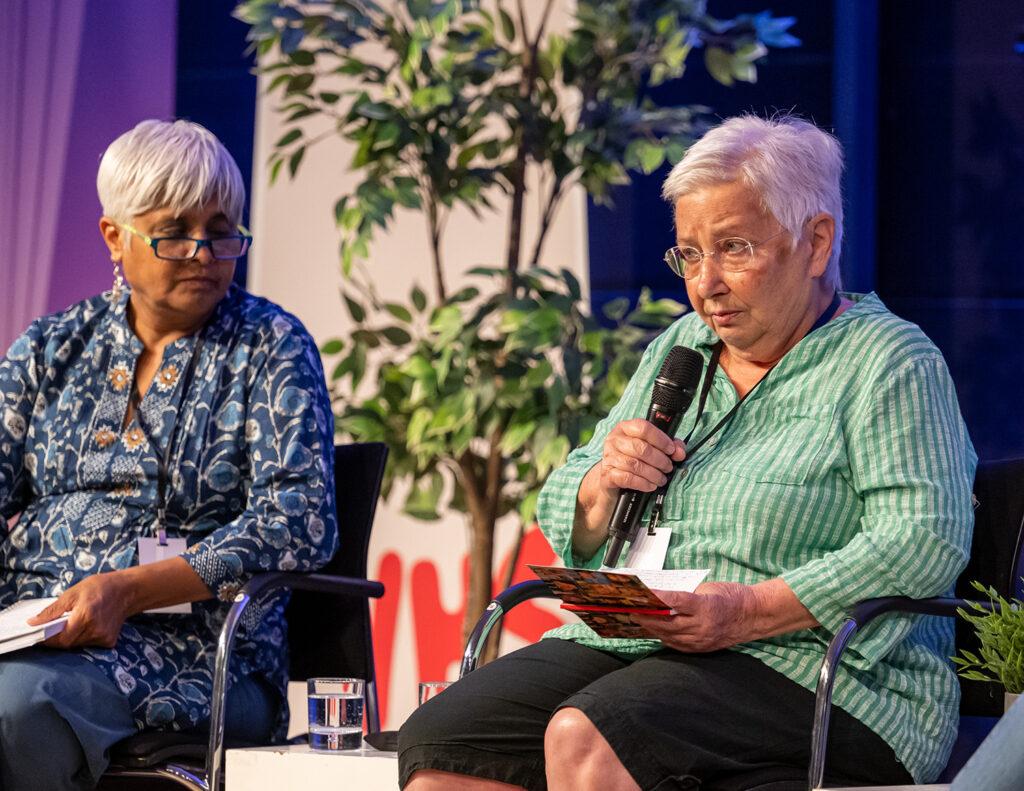
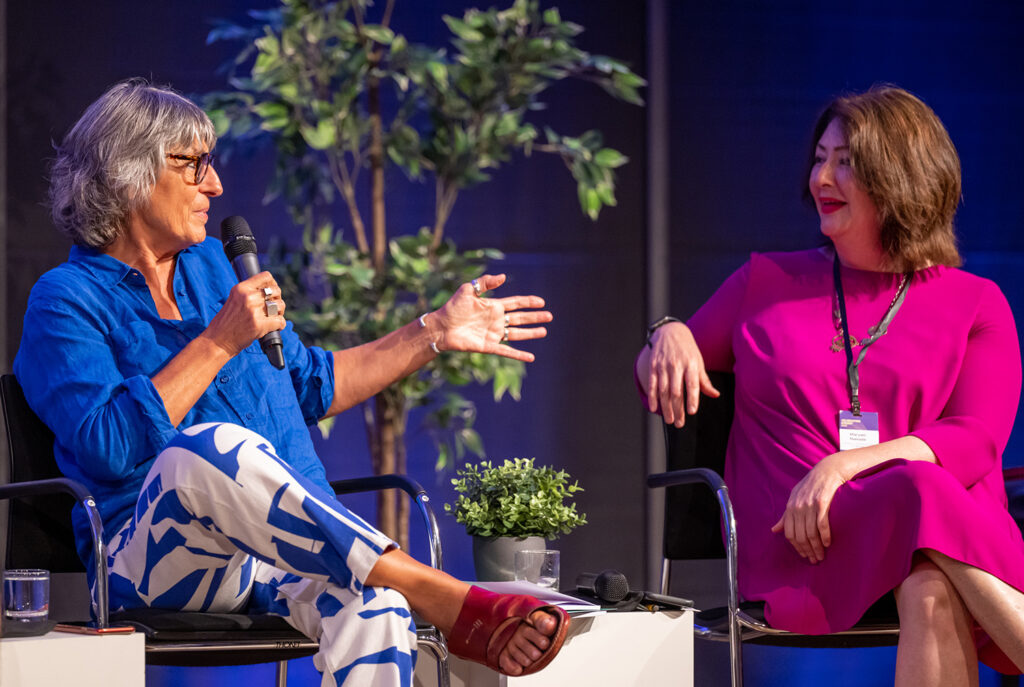
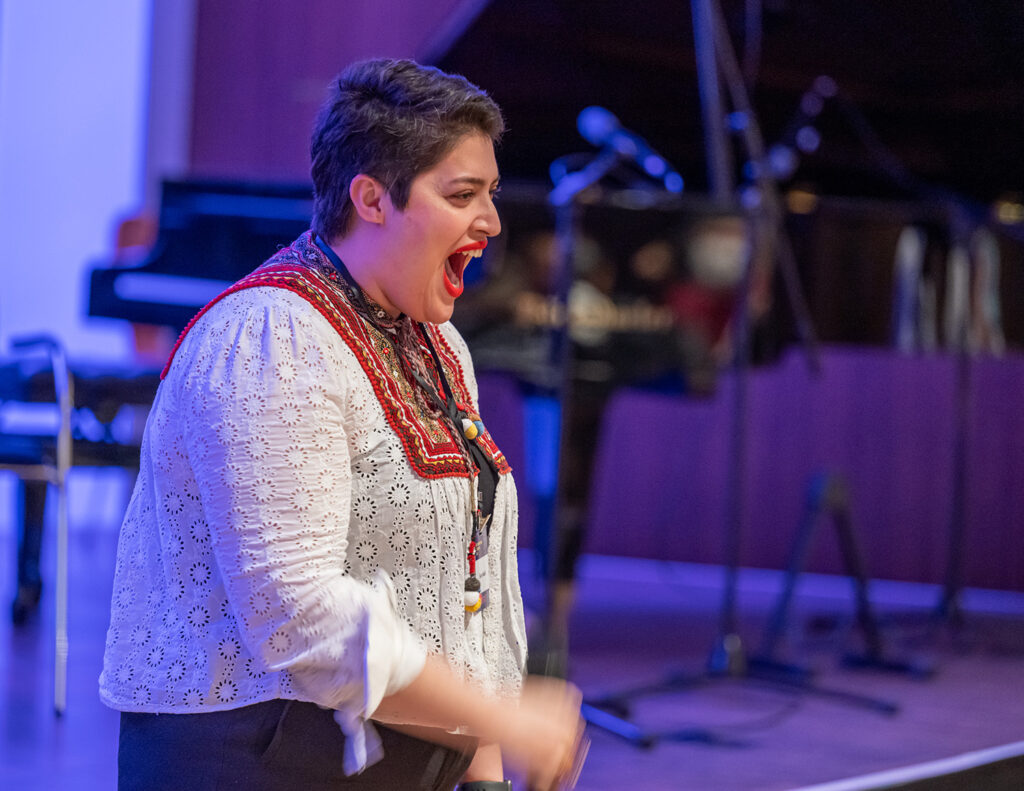
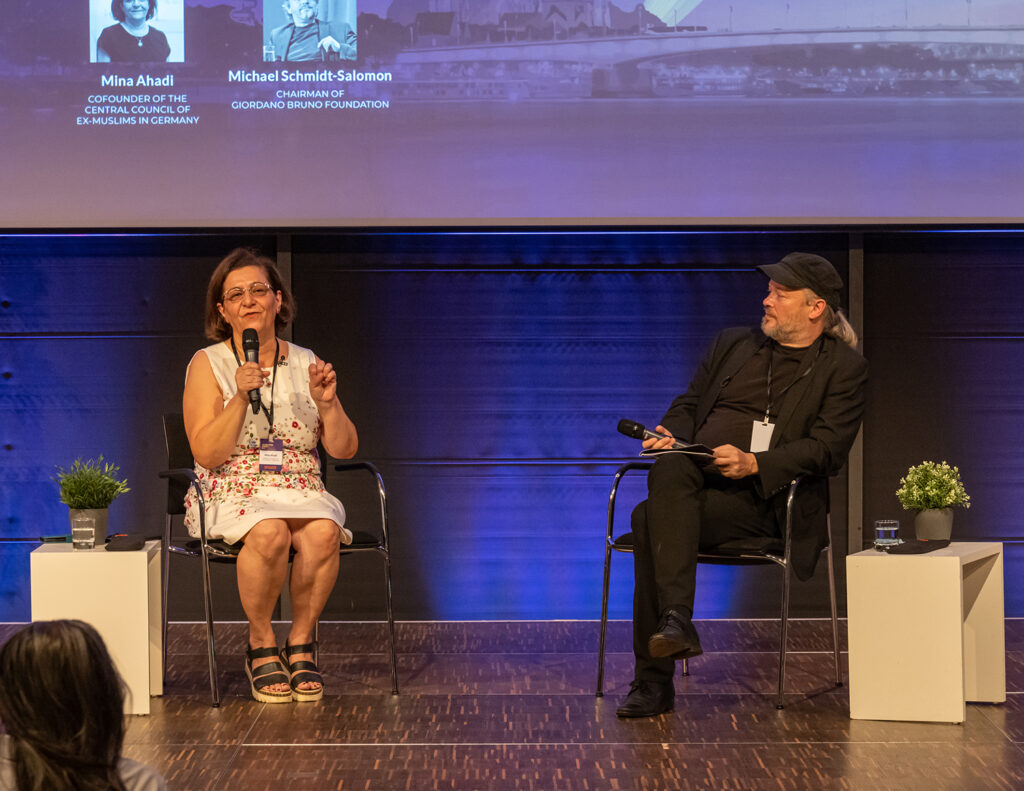
Celebrating Dissent 2022, held in Cologne, Germany on August 20-21 2022, to coincide with International Apostasy Day, was an extraordinary event with over 50 exceptional speakers from 30 countries worldwide.
The two-day event is the largest gathering of ex-Muslim and freethought organizations and activists celebrating dissent and freedom. It was organized by the Council of Ex-Muslims of Britain and Freethought Lebanon.
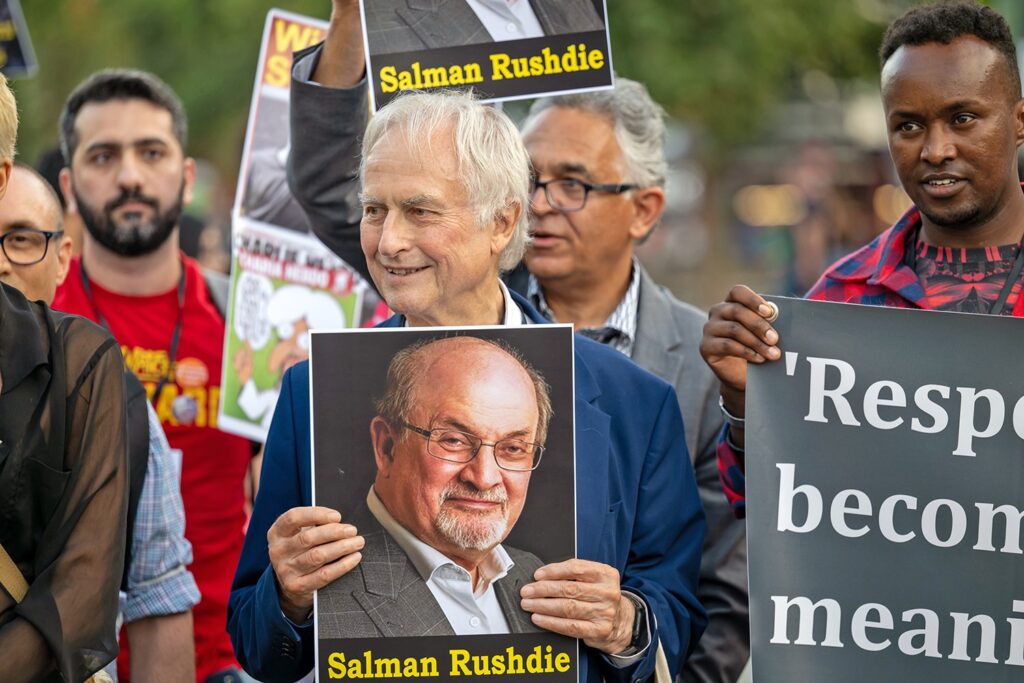
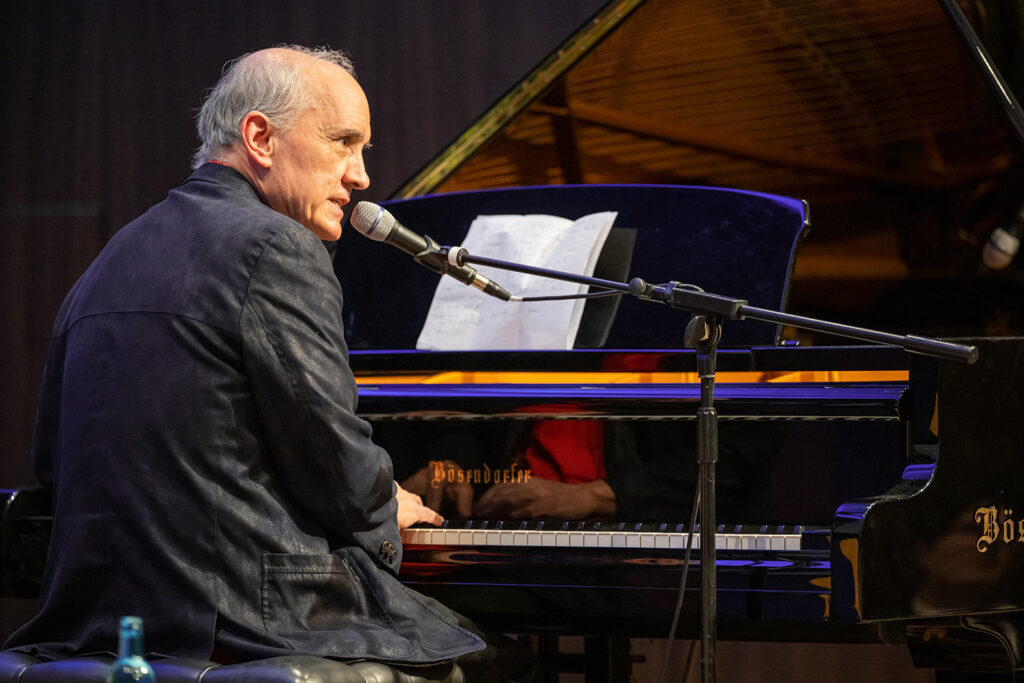
Celebrating Dissent 2022 included speeches, discussions, poetry, theatre, film, music and art and a march through Cologne City Centre in support of the courageous Salman Rushdie.
At the opening of the conference, Sami Abdallah, President of Freethought Lebanon, said: “we stand for ideas and words while they stand for daggers and guns; we stand for humour and satire while they stand for state sponsored incitement to murder… We are the future, and they are the past.”
Also at the opening, Maryam Namazie, Spokesperson of the Council of Ex-Muslims of Britain, called the ex-Muslim movement the “new civil rights movement of our times” and said: “[Salman Rushdie]is not the first nor will he be the last. The best of our best, cut down by the likes of the Iranian regime (directly responsible for Rushdie’s attack), by fundamentalists of all stripes and by, of course, inhuman ideologies… As Chilean poet Pablo Neruda said, however, ‘You can cut all the flowers but you cannot stop the Spring’.
Iranian atheist Soheil Arabi who was on death row for blasphemy and is currently in internal exile after 8 years in prison in Iran was awarded the Freethought Champions Award. In his acceptance video, he said: “I have no regrets that I have been in prison for 8 years, despite the fact that I have lost my health because I think we have paved the way collectively together for liberation. I am a drop in this sea and glad to be part of the society of enlightenment. Algerian secularist Marieme Helie Lucas also won the Freethought Champions Award.
Celebrating Dissent 2022 adopted resolutions in defence of Salman Rushdie, for an end to Germany’s Code 166, an International Day of Secularism or Laïcité and a Declaration on the Celebration of Dissent.
Media coverage included extensive reporting by Charlie Hebdo. Some coverage:
Sri Lanka’s tourism is set to get a new impetus with digital marketing –related inputs for the first time to leapfrog the present setback owing to economic crisis and youth protests for system change , says Tourism Development Authority Chief Priyantha Fernando.
The dollar starved country will be able to overcome the ill effects of the present economic downturn and unfavourable situation for the tourism industry as a result of short sighted and inconsistent policies taken in the past , he added.
The Digital Marketing Association of Sri Lanka (DMASL) has partnered with the Ministry of Tourism to provide consultation and insight on digital marketing to promote tourism in Sri Lanka, he disclosed.
The partnership aims to assist the Tourism Ministry to revitalise and enhance the tourism industry by maximizing its reach and results through digital marketing, which in turn is expected to help alleviate the prevailing forex crisis.
The partnership comes as part of the DMASL’s continuous efforts to drive and promote digital marketing in Sri Lanka’s Government organisations and related institutions.
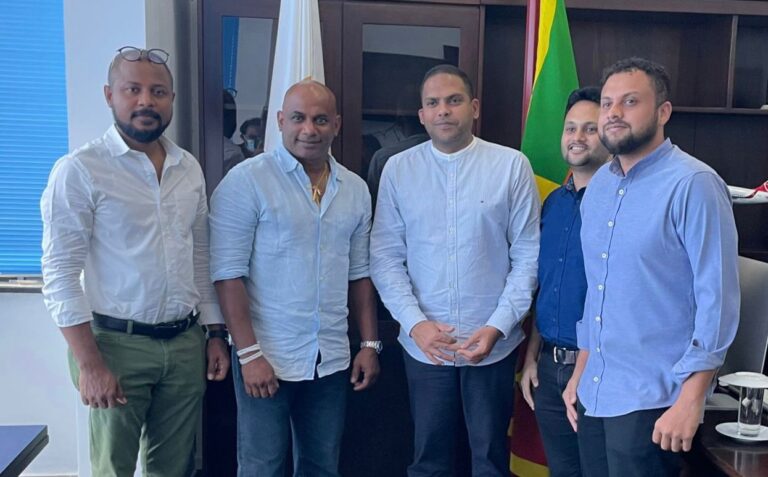
The Executive Committee of DMASL met with Tourism Minister Harin Fernando and newly appointed Sri Lanka Tourism Brand Ambassador Sanath Jayasuriya recently to strategies how best to implement digital marketing strategies that will help augment the tourism sector in Sri Lanka.
Digital Marketing Association of Sri Lanka President Umair Wolid said: “The DMASL, as Sri Lanka’s official association for digital marketers expects to help Sri Lanka tourism with digital marketing-related inputs via this partnership in a bid to revive the economy.
The Association is also looking at helping Sri Lanka recover from the prevailing forex crisis, and the entire industry is geared up to take on the challenge , he added.
” Meanwhile, Tourism Minister Harin Fernando said, “the tourism ministry is confident that digital marketing industry is lucrative and full of amazing talent, who are skilled and capable to help Sri Lanka turn the prevailing economic crisis around and revitalize the tourism industry in Sri Lanka
He said that he looks forward to working with DMASL to help revitalize tourism industry via digital marketing.”
Sri Lanka Tourism Development Authority (SLTDA) Chairman Priantha Fernando said they will revise the tourist arrival targets in line with the Government’s policy plans.
“We accept the challenging target of 2.5 million arrivals next year, though the target was set at 1.6 million after a thorough analysis of global trends,” he added.
He also said Sri Lanka Tourism has already stepped up its efforts to boost promotions, whilst expediting processes to resolve certain bottlenecks that are critical to wooing visitors.
“We will expand our offerings, especially the up-market products which have not been developed with the support of the industry stakeholders. There is a lot of scope for wellness and marine tourism,” he said.
Fernando said they have identified over 5,500 tourist attractions countrywide and have established Provincial Sustainable Tourism Units targeting all provinces to decentralize tourism development.
British Prime Minister Boris Johnson reiterates that the UK will continue to work with the people of Sri Lanka, especially during the current economic and social challenges.
The British PM said he anticipates that there are strong opportunities for UK support with green finance and renewable energy recalling the conversation the two leaders had in May about shared ambitions on climate change
He also highlighted the recently announced Developing Countries Trading Scheme which will offer Sri Lanka the opportunity to benefit from duty- free access for the vast majority of total goods exported to the UK.
He expressed the hope that the two countries can find more opportunities to enhance trade and investment.
He also expressed the belief that PM Ranil Wickremasinghe will be able to make quick and positive progress with the International Monetary Fund.
The UK stands ready to engage with its international partners to support Sri Lanka on this issue, he added.
The British Prime Minister also expressed confidence that the two governments can work together to achieve long-lasting and substantive progress on reconciliation and accountability in Sri Lanka.
He has urged President Ranil Wickremesinghe to change Sri Lanka’s approach on the human rights issue.
He said the upcoming 51st Session of the UN Human Rights Council will be a moment for the Sri Lankan Government to demonstrate its human rights credentials with a change of approach.
Johnson commended the efforts of President Ranil Wickremesinghe for establishing an inclusive government which will bring the stability needed to address issues for the Sri Lankan people.
In a congratulatory message to President Wickremesinghe on his appointment as the Head of State, the British Prime Minister said that upholding democratic principles and seeking democratic consensus will be vital to President Ranil Wickremesinghe’s success, the President’s Office said.
“The 51st UN Human Rights Council in September will be a moment for your government to demonstrate your human rights credentials with a change of approach. We and others in the international community want to work with Sri Lanka to make real and tangible progress on these issues.”
British Prime Minister Boris Johnson concluded his message by expressing confidence that with Sri Lanka due to celebrate its 75th Anniversary of Independence, UK and Sri Lanka would continue to build an even deeper and stronger partnership.
He also appreciated Sri Lanka’s efforts to prioritize UK-Sri Lanka relations and wished President Wickremesinghe the very best in his efforts to restore stability and prosperity in Sri Lanka.