By: Staff Writer
December 16, Colombo (LNW): Sri Lanka’s record-breaking remittance inflows have emerged as a crucial stabiliser for its external sector, even as they expose the economy’s growing dependence on overseas labour. With US$7.2 billion received in the first 11 months of 2025, migrant workers have once again become the country’s financial lifeline, cushioning pressure on reserves and supporting currency stability.
The rebound reflects both policy correction and social reality. After the Central Bank normalised exchange rate policy and tightened monetary conditions from April 2022, the incentive to remit through informal channels faded. As interest rates rose sharply, credit demand slowed and money printing declined, restoring confidence in formal banking channels. This shift alone redirected a significant share of remittances back into the official system.
At the same time, outward migration accelerated. Thousands left the country amid inflation, tax hikes, and limited job prospects following the crisis. While this expanded the remittance base, it also entrenched a pattern where domestic consumption and external payments are increasingly funded by incomes earned abroad rather than productivity at home.
The government’s strategy now focuses on institutionalising this inflow. Proposals in the 2026 Budget to offer housing finance and pension benefits to migrant workers aim to lock in remittance loyalty. However, critics argue that incentives cannot offset deeper concerns such as weak growth, slow private investment, and skills erosion.
Looking ahead, remittance inflows are expected to remain resilient in the near term, particularly during festive periods and as more professionals migrate. But the longer-term outlook depends on global labour demand and Sri Lanka’s ability to retain talent. A sudden slowdown in remittances would quickly expose structural weaknesses, underscoring the need to convert this temporary cushion into a bridge toward sustainable, export-led growth
Record Remittances Strengthen Reserves but Expose Economic Dependence

Emergency Aid vs Reform Reality: IMF Weighs Sri Lanka’s Resolve

By: Staff Writer
December 16, Colombo (LNW): Sri Lanka’s latest request for rapid IMF financing has reopened an uncomfortable debate over whether the country is relying too heavily on crisis-driven bailouts while struggling to honour reform commitments tied to long-term recovery. As the IMF prepares to consider a US$200 million Rapid Financing Instrument, questions are mounting over the government’s ability—and willingness to deliver on the Extended Fund Facility programme.
The Fund has signalled flexibility in light of cyclone-related devastation, acknowledging the urgent need for liquidity to fund humanitarian assistance, reconstruction, and balance-of-payments support. Yet this flexibility has limits. The decision to push the Fifth Review of the EFF into 2026 underscores the IMF’s caution, as it seeks clarity on economic damage, fiscal adjustments, and reform continuity.
Sri Lanka’s EFF programme is anchored on tight fiscal discipline, revenue mobilisation, and politically difficult structural changes. These include electricity tariff rationalisation, stronger tax administration, public finance transparency, and governance reforms. Progress has been mixed, with several benchmarks either delayed or partially implemented.
The transition to the NPP-led government has added another layer of uncertainty. While the administration has publicly reaffirmed commitment to IMF engagement, policy signals have occasionally diverged from agreed reform paths. Mixed messaging on energy pricing, state intervention, and fiscal consolidation has unsettled both investors and development partners.
The IMF has made clear that emergency funding should not dilute reform momentum. The postponed December 2025 Board meeting served as an implicit warning that programme credibility matters as much as crisis response. The upcoming IMF mission in early 2026 will scrutinise whether Sri Lanka has met quantitative targets set throughout 2025 and complied with structural benchmarks extending into the New Year.
Central to this assessment will be the 2026 Budget, expected to demonstrate alignment with IMF parameters on spending control, electricity cost recovery, and revenue performance. Failure to meet these benchmarks could weaken the case for future disbursements, even if short-term emergency aid is approved.
For Sri Lanka, the challenge is no longer just economic stabilisation but trust restoration. Repeated appeals for flexibility, without corresponding reform delivery, risk donor fatigue. The IMF’s decision on the RFI may offer short-term relief but sustained international support will depend on whether reform promises finally translate into action.
Lakshman Balasuriya – Simply a Top-Class Human Being
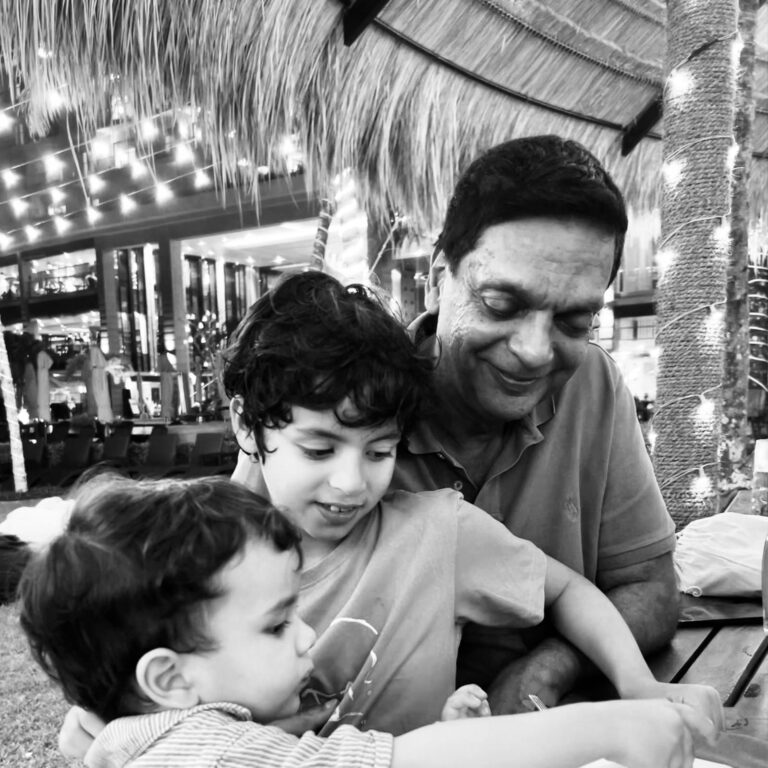
By Krishantha Prasad Cooray
It is with deep sorrow that I share the passing of one of my dearests and most trusted friends of many years, Lakshman Balasuriya. He left us on Sunday morning, and with him went a part of my own life. The emptiness he leaves behind is immense, and I struggle to find words that can carry its weight.
Lakshman was not simply a friend. He was a brother to me. We shared a bond built on mutual respect, quiet understanding, and unwavering trust. These things are rare in life, and for that reason they are precious beyond measure. I try to remind myself that I was privileged to spend the final hours of his life with him, but even that thought cannot soften the ache of his sudden and significant absence.
Not too long ago, our families were on holiday together. Lakshman and Janine returned to Sri Lanka early. The rest of the holiday felt a bit empty without Lakshman’s daily presence. I cannot fathom how different life itself will be from now on.
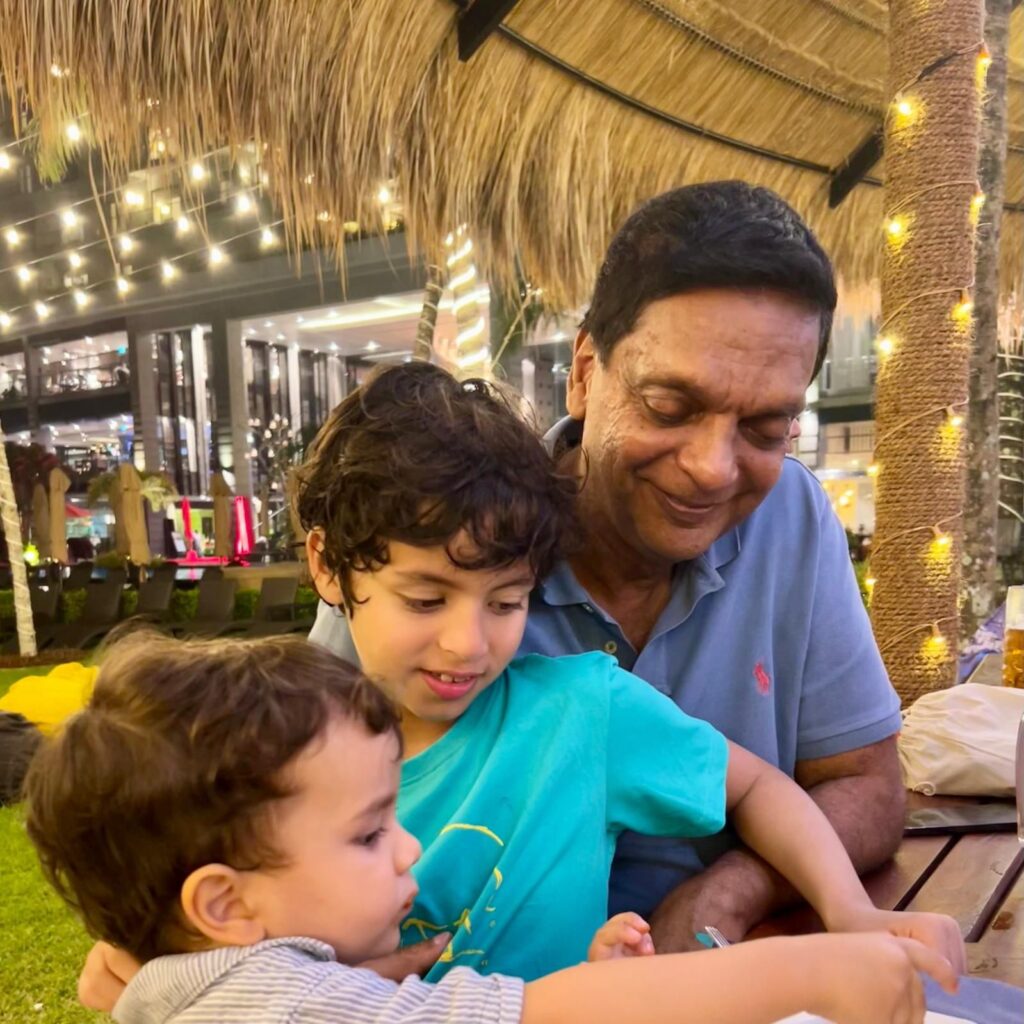
He was gentle and a giant in every sense of the word. A deeply civilised man, refined in taste, gracious in manner, and extraordinarily humble. His humility was second to none, and yet it was never a weakness. It was strength, expressed through kindness, warmth, and dignity. He carried himself with quiet class and had a way of making everyone around him feel at ease.
Lakshman had a very dry, almost deadpan, sense of humor. It was the kind of humor that would catch you off guard, delivered with too straight a face to be certain he was joking, but it could lighten the darkest of conversations. He had a disdain for negativity of any kind. He preferred to look forward, to see possibilities rather than obstacles.
He was exceptionally meticulous and had a particular gift for identifying talent. Once he hired someone, he made sure they were cared for in unimaginable ways. He provided every resource needed for success, and then, with complete trust, granted them independence and autonomy. His staff were not simply employees to him. They were family. He took immense pride in them, and his forward-thinking optimism created an environment of extraordinary positivity and a passion to deliver results and do the right thing.
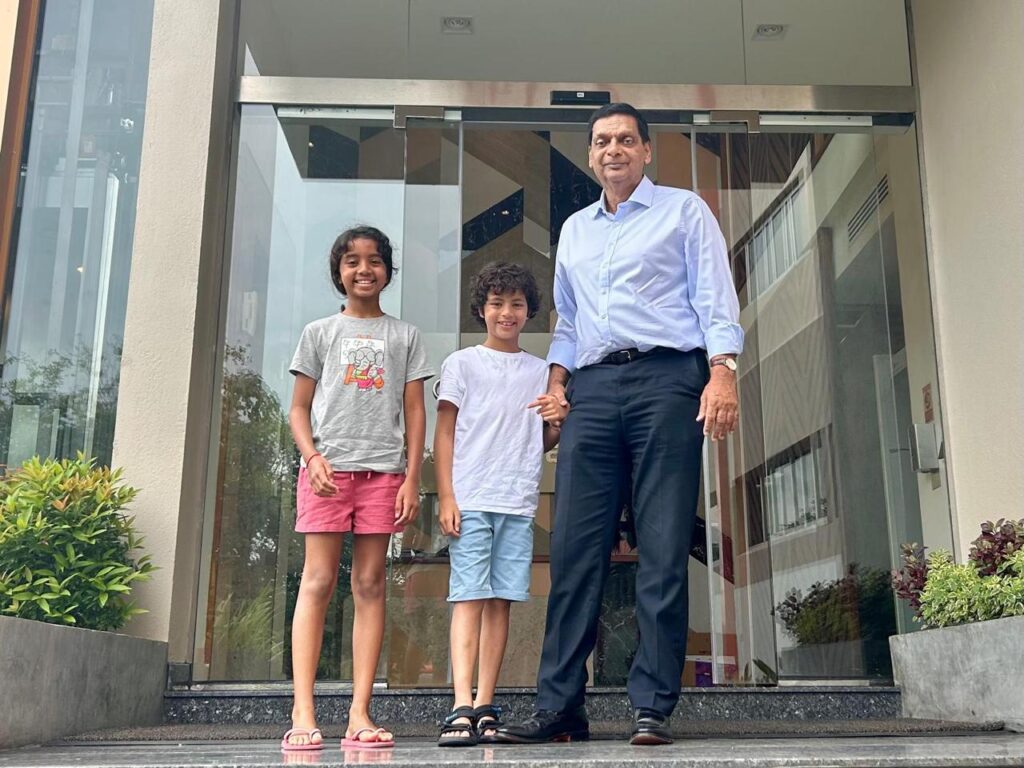
Lakshman was also a proud family man. He spoke often, and with great pride, about his children, grandchildren, nephews, and nieces. His joy in their achievements was boundless. He was a proud father, grandfather, and uncle, and his devotion to his family reflected the same loyalty he extended to his colleagues and friends.
Whether it was family, staff, or anyone he deemed deserving, Lakshman stood by them unconditionally in times of crisis. He would not let go until victory was secured. That was his way. He was a uniquely kind soul through and through.
Our bond was close. Whenever I arrived in Sri Lanka, it became an unspoken ritual that we would meet at least twice. The first would be on the day of my arrival, and then again on the day I left. It was our custom, and one I cherished deeply. We met regularly, and we spoke almost daily. He was simply a top-class human being. We were friends. We were brothers. His passing has devastated me.
Today I understood fully the true meaning of the phrase ‘priyehi vippayogo dukkho’ — (ප්රියෙහි විප්පයෝගෝ දුක්ඛෝ) ‘separation from those who are beloved is sorrowful.’
My thoughts and prayers are with Janine, Amanthi, and Keshav during this time of profound loss. Lakshman leaves behind indelible memories, as well as a legacy of decency, loyalty, and quiet strength. All of us who were fortunate to know him will hold that legacy close to our hearts.
If Lakshman’s life could leave us with just one lesson, that lesson would be this. True greatness is not measured in titles or possessions, but in the way one treats others: with humility, with loyalty, with kindness that does not falter in times of crisis. Lakshman showed us that to stand by someone, to believe in them, and to lift them up when they falter, is the highest of callings, and it was a calling he never failed to honour.
Rest well, my dear friend.
Cyclone Aid Falls Short as Foreign Support Hits 0.17% in Sri Lanka
By: Staff Writer
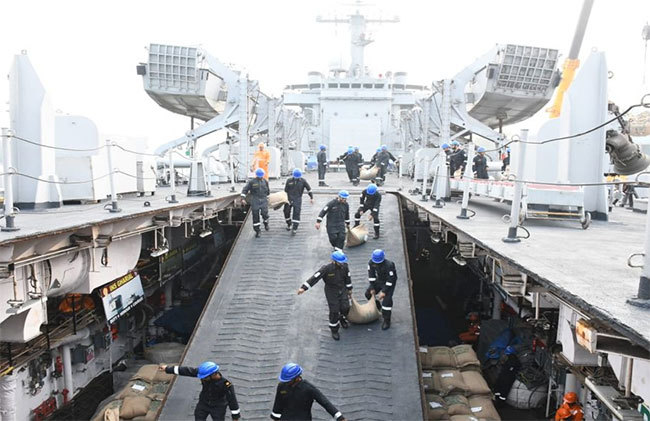
December 16, Colombo (LNW): As images of foreign aircraft unloading relief supplies dominate social media, a misleading narrative has emerged that Sri Lanka has received an unprecedented wave of international assistance following Cyclone Dithwa. The reality, however, is far more alarming. Despite widespread publicity, actual foreign aid received so far accounts for only 0.17% of the estimated cost of rebuilding the devastation caused by the cyclone.
According to Essential Services Commissioner Prabath Chandrakirthi, Cyclone Dithwa has inflicted damage requiring between USD 6–7 billion for reconstruction. Taking the midpoint estimate of USD 6.5 billion, Treasury Secretary Dr. Harshana Suriyapperuma confirmed that as of 13 December, total assistance received both domestic and foreign amounted to only USD 11 million. Even if this entire sum is generously treated as foreign aid, the shortfall remains staggering.
The contrast with Sri Lanka’s experience during the 2004 tsunami is striking. At that time, the estimated reconstruction cost was USD 1.5 billion, of which nearly USD 1.3 billion, or 87%, was mobilised through foreign assistance. The current collapse to 0.17% is not a marginal decline but a catastrophic failure of disaster diplomacy and international engagement.
A critical factor behind this gap appears to be weak policy action and poor communication by the current NPP-led government. During the tsunami, then Foreign Minister Lakshman Kadirgamar personally engaged the international community, facilitated global media coverage, and ensured that the scale of the tragedy resonated worldwide. Today, despite written appeals, the government has failed to convene a major international donor conference or generate global urgency through sustained international media engagement.
This failure raises serious questions about leadership capacity. While the President is widely recognised for strong rhetoric and stated willingness to work for the country, effective governance demands more than speeches. “Walking the talk” requires strategic diplomacy, coordinated messaging, and credible engagement with donors.
The confusion between relief aid and reconstruction aid has further distorted public understanding. Goods arriving by air are immediate relief, not rebuilding funds. Even this assistance is far lower than in 2004, reinforcing concerns that Sri Lanka is being left dangerously exposed due to weak international outreach.
Fashion Bug Celebrates Customer Loyalty with Rewards Getaway
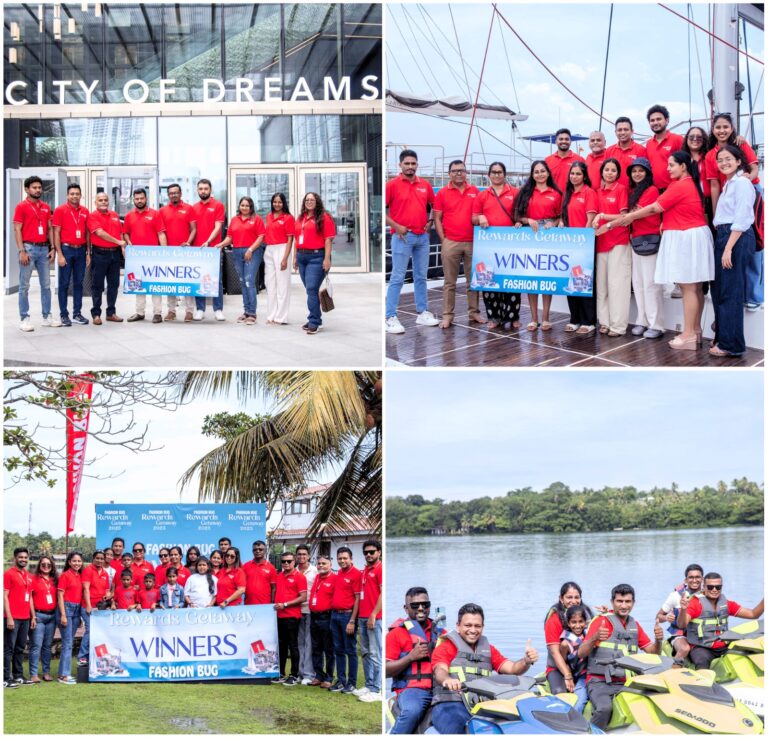
Rashia Hennayake 15 December 2025 Colombo LNW : Sri Lanka’s leading fashion retail brand, Fashion Bug, has concluded its much-anticipated annual customer appreciation initiative, Fashion Bug Rewards Getaway, reaffirming its commitment to celebrating loyal shoppers. Rolled out across all 14 Fashion Bug outlets islandwide, it attracted overwhelming participation from over 50,000 excited customers.
Designed as a giveback to those who have played a key role in the brand’s journey, the Fashion Bug Rewards Loyalty Programme delivered an uplifting lifestyle-focused experience throughout its duration. The initiative reinforced the brand’s customer-first philosophy while adding an element of excitement to everyday shopping.
Fashion Bug curated a collection of exclusive leisure escapes for selected participants. Winners, chosen through a random draw, were treated to premium lifestyle experiences aligned with the brand’s mantra, including overnight stays at Cinnamon Life at City of Dreams, an overnight cruise aboard a luxury yacht, and thrilling jet ski safari adventures across the scenic waters of Bolgoda Lake.
Remarking on the initiative, Fashion Bug Chief Executive Officer Shabier Subian said, “Our customers are at the heart of everything we do. The Fashion Bug Rewards Getaway was conceived as a gratitude to those who have supported us over the years. Celebrating loyalty is central to our values, and it reflects our commitment to giving back while making shopping a true lifestyle experience.”
The winners expressed their appreciation for the opportunity to enjoy these exclusive rewards, describing them as exceeding expectations and creating cherished memories with their families. The selection process was conducted under the supervision of a Senior Revenue Officer from the Western Province Revenue Department, ensuring full credibility and transparency.
“At Fashion Bug, our goal has always been to go beyond retail and create meaningful experiences for our customers. Seeing their joy and excitement reinforces why we continue to innovate and engage in initiatives that celebrate the people who make our brand what it is today,” said Dr S. H. M. Faraaz, Deputy General Manager, Marketing and Sales.
Founded in 1994 with a team of just seven, Fashion Bug has grown into a leading fashion retailer with a workforce exceeding a thousand. Today, the brand takes pride in being a premium Sri Lankan fashion retailer, showcasing locally designed and manufactured collections while introducing global trends here. It invites customers to stay connected by following its social media to be updated on upcoming rewarding experiences.
Green Light Given for New Housing for Disaster-Affected Families
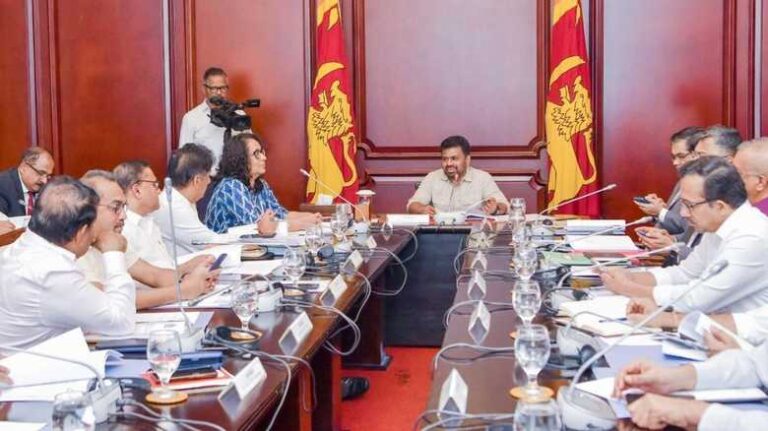
December 16, Colombo (LNW): The National Council for Disaster Management has endorsed a major housing initiative aimed at resettling families who were left homeless by recent disasters, as well as those currently living in areas identified as highly vulnerable to landslides.
The decision was taken at a council meeting held yesterday and chaired by President Anura Kumara Dissanayake.
Minister of Housing and Water Supply Dr. Susil Ranasinghe said the National Housing Development Authority has been assigned responsibility for designing and carrying out the proposed housing schemes. The projects will focus on providing safe and permanent homes for displaced families and relocating residents from dangerous locations.
He noted that District Secretaries and local government bodies have already submitted assessments to the Commissioner General of Essential Services, detailing housing needs and identifying suitable state or alternative lands for resettlement in high-risk districts.
Following these evaluations, the National Housing Development Authority, together with the Urban Development Authority, has been instructed to move swiftly and begin the initial stage of construction for families who have lost their homes and those requiring urgent relocation to safer areas.
Sri Lanka Posts Strong Third-Quarter Economic Expansion in 2025

December 16, Colombo (LNW): Sri Lanka’s economy gathered notable momentum in the third quarter of 2025, recording a solid growth rate of 5.4 per cent, based on the latest national accounts data released by the Department of Census and Statistics.
Measured at constant 2015 prices, the country’s Gross Domestic Product rose to Rs. 3,325.6 billion, compared to Rs. 3,154.1 billion during the corresponding period last year, pointing to a steady recovery despite ongoing global and regional economic pressures. At current market prices, overall output expanded to around Rs. 8,400 billion, reflecting a year-on-year increase of 12.6 per cent.
Economic activity was broad-based, with all major sectors contributing to growth. Industry emerged as the strongest performer, expanding by 8.1 per cent, while agriculture grew by 3.6 per cent and services by 3.5 per cent. Net taxes on products also recorded a sharp rise of 13.9 per cent, further lifting overall output.
Industrial growth was driven largely by a rebound in construction, which posted double-digit growth of over 12 per cent, alongside strong gains in mining and quarrying. Manufacturing output also surged, led by significant increases in petroleum-related products and basic metal production, signalling renewed industrial capacity and demand.
Meanwhile, the agriculture sector benefited from improved yields in several key areas. Plant propagation recorded exceptional growth, while coconut cultivation, sugar cane and other non-perennial crops also performed strongly, helping stabilise rural incomes and food supply.
Japanese Disaster Relief Medical Team Concludes Flood Response Mission in Sri Lanka
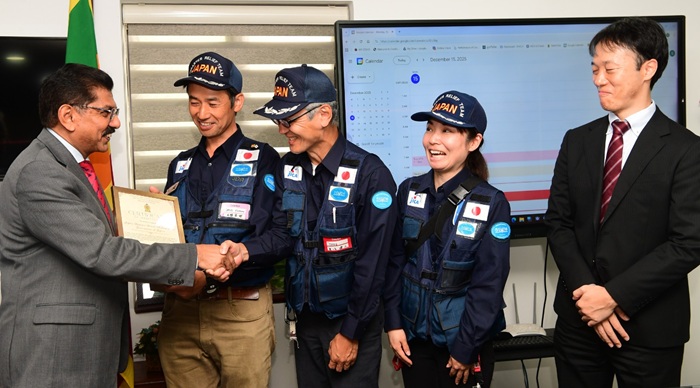
December 16, Colombo (LNW): A Japanese emergency medical unit has wrapped up its humanitarian deployment in Sri Lanka and returned home after delivering vital healthcare services to flood-affected communities.
The 31-member team, deployed under Japan’s Disaster Relief (JDR) programme, arrived in the country in early December and spent close to two weeks operating a temporary field hospital at the Chilaw Police Grounds. During this period, the team provided a wide range of medical services to residents in Chilaw and neighbouring areas, including outpatient consultations, diagnostic testing, pharmacy support and essential clinical treatment.
On Monday morning, Health Secretary Dr Anil Jasinghe met the delegation at the Ministry of Health and Mass Media to formally recognise their contribution. In a statement, the Ministry said the professionalism, coordination and technical expertise of the Japanese team played a key role in strengthening Sri Lanka’s emergency health response during a critical period.
Team leader Iwase Kiichiro expressed appreciation to Sri Lankan authorities for their cooperation, describing the mission as another chapter in the long-standing partnership and goodwill between Japan and Sri Lanka.
The group comprised doctors, nurses, pharmacists, laboratory technicians, radiology specialists and disaster response coordinators, and operated in line with internationally accepted emergency medical standards. The Ministry of Health also maintained close oversight of the field hospital throughout the mission to ensure seamless coordination with local health services.
Officials said the presence of the JDR medical team helped ease pressure on local hospitals and ensured timely treatment for thousands affected by the flooding, underscoring the value of international cooperation in times of crisis.
MSF Boosts Emergency Shelter Support for Displaced Families in Sri Lanka
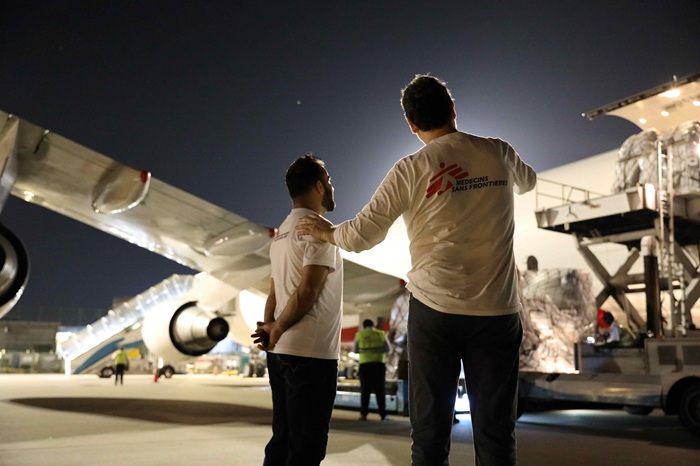
December 16, Colombo (LNW): Doctors Without Borders/Médecins Sans Frontières (MSF) has stepped up its humanitarian assistance to Sri Lanka by handing over a large shipment of emergency shelter materials to the Disaster Management Centre (DMC).
The consignment, delivered earlier this week, includes 1,000 insulated family tents and 1,500 heavy-grade plastic sheets designed to withstand cold and wet conditions. MSF said the shelters are intended to offer displaced households a safer and warmer living space, particularly in hill country areas where temperatures drop sharply.
In a statement, the organisation noted that improved shelter is vital to protecting vulnerable families from severe weather and preventing the spread of illness in temporary settlements.
The latest delivery forms part of MSF’s ongoing response to the widespread flooding and landslides triggered by Cyclone Ditwah, which have disrupted the lives of more than 1.8 million people nationwide. Alongside shelter support, MSF teams are working with local authorities and community partners to address urgent needs related to sanitation, health services and essential supplies.
To date, the organisation has also provided 500 emergency relief packs and an equal number of dry food ration kits to families forced from their homes. Preparations are under way to distribute maternity kits and dignity kits in the coming days, aimed at safeguarding maternal health and personal wellbeing in evacuation centres.
David Croft, MSF’s Emergency Coordinator in Sri Lanka, said the provision of winterised tents was a key priority as families face prolonged displacement. He added that MSF remains committed to adjusting its support in line with evolving needs and strengthening cooperation with national and local agencies to ensure aid reaches those most affected.
Ex-Minister C.B. Rathnayake Released on Bail After CIABOC Probe
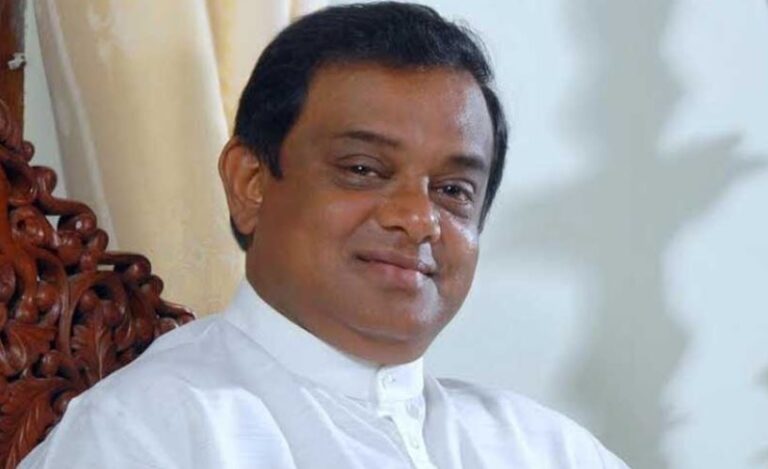
December 16, Colombo (LNW): Former minister C. B. Rathnayake, who was taken into custody by the Commission to Investigate Allegations of Bribery or Corruption in connection with an ongoing inquiry, has been granted bail by the Colombo Chief Magistrate’s Court.
The court ordered his release on two sureties of Rs. 2 million each, while also enforcing a ban on overseas travel as a condition of bail.
Rathnayake had been held on remand following his arrest earlier this month, after reporting to CIABOC to give a statement related to the investigation.
The inquiry is continuing, and the former minister is required to comply with all court-imposed conditions as proceedings move forward.