
Sri Lanka and India have agreed to explore further avenues towards greater cooperation in the food processing and dairy sectors.
The matter was taken up for discussion when Sri Lanka’s High Commissioner to India, Milinda Moragoda met with India’s Minister of Food Processing Industries Pashupati Kumar Paras on Friday (July 01) in New Delhi.
The Indian government led by Prime Minister Shri Narendra Modi is always ready to help Sri Lanka in these difficult times, Minister Paras has said.
While thanking the Minister, High Commissioner Moragoda stressed the importance of establishing close linkages between India and Sri Lanka in various sectors under the Minister’s purview, in particular the dairy industry.
The High Commissioner observed that the import of milk powder from India including through the existing credit line would contribute to increase nutrition levels among children in Sri Lanka.
The Minister and the High Commissioner agreed that cooperation could commence with the dairy sector, and it could later be expanded into other sectors falling under the supervision of the Ministry of Food Processing Industries.
High Commissioner Moragoda said the ultimate objective of these efforts would be greater economic integration of the two countries.
With a view to looking into the way forward for cooperation in these sectors, it was decided to form a study group that would comprise officials from the India’s Ministry of Food Processing Industries and the High Commission of Sri Lanka as well as other relevant stakeholders both in India and Sri Lanka. It was also decided to have the first meeting of the study group soon.
Minister Paras, who hails from the State of Bihar, is the incumbent President of the Rashtriya Lok Janshakti Party, which is part of the ruling National Democratic Alliance led by Prime Minister Narendra Modi. He has been a member of the Bihar Legislative Assembly seven times since 1977 and had served thrice as a Minister in the State.
Secretary to the Ministry of Food Processing Industries, Anita Praveen, senior officials of the Ministry as well as senior diplomatic officers of the High Commission of Sri Lanka in New Delhi also attended the meeting.
Govt explores avenues with India in food processing & dairy sectors
Meeting of Afghan clerics ends with silence on education for girls
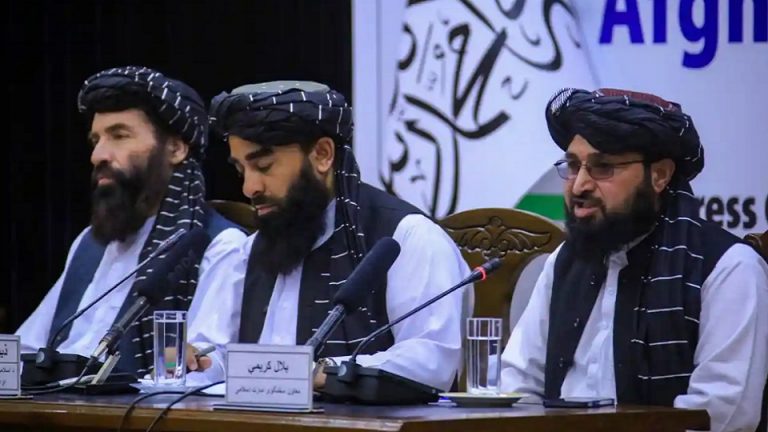
Elders call for international recognition but supreme leader tells foreign countries not to interfere
A gathering of thousands of Afghan clerics and elders has ended with a call for international recognition, but silence on the country’s ban on secondary education for girls.
Nearly a year since their surprise military triumph across Afghanistan, not a single country has officially recognised the Taliban as the legitimate government.
Diplomats say the ban on girls’ education is one of the main reasons the Taliban are still international outcasts. It is resented by many in the movement’s ranks, who want their own daughters to be educated.
Classes were set to restart in March, until a last-minute reversal, apparently on the orders of hardliners close to the supreme leader of the movement, Mullah Haibatullah Akhundzada.
The all-male group of religious and community leaders spent three days discussing the future of the country, largely united under Taliban rule after decades of civil war. There had been hope they might offer political incentives or cover for the Taliban leadership to reverse course on the ban. But only two out of more than 4,500 participants called for the reopening of secondary schools for girls, Afghanistan’s Tolo television channel reported.
And in their final communique, the clerics made only passing reference to the need for “religious and modern education” and to respect “the rights of women”. It did not clarify if those rights include schooling.
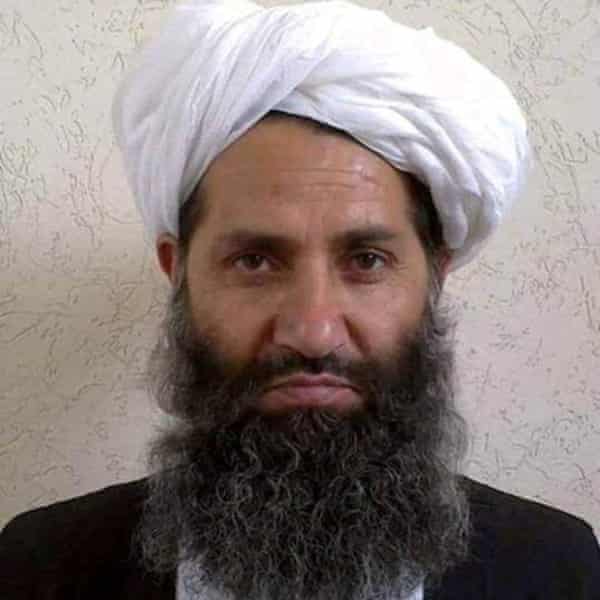
The Taliban leader Mullah Haibatullah Akhundzada. Photograph: Reuters
“It’s hard to get too excited about vague references to education and women’s rights at the end of the Taliban’s big meeting when the Taliban previously made a very clear promise to reopen all schools only to break that promise,” said Heather Barr, associate women’s rights director at Human Rights Watch. “Donors, diplomats and the UN need to act as though this ban is likely permanent … It’s far past time for the international community to respond to their gender apartheid in ways more tangible than statements of deep concern.”
Akhundzada came to Kabul from his base in the southern city of Kandahar to address the gathering. It was his first known trip to the capital since Taliban fighters seized it last August.
He lashed out at foreign demands on the government, as the UN rights chief Michelle Bachelet called for an end to “systematic oppression” of women in the country. Women are blocked from working in most sectors outside health and education, require a male guardian for long-distance travel and have been ordered to cover their faces in public.
The meeting was closed to media but in an audio recording Akhundzada, a hardliner whose son was a suicide bomber, warned the international community against interfering in Afghanistan.
“Thank God, we are now an independent country. [Foreigners] should not give us their orders, it is our system and we have our own decisions,” he said, according to the official Bakhtar news agency.
Sri Lankans living in Australia refrain from sending money to motherland

Sri Lankans living in Australia are refraining from sending desperately-needed funds to struggling friends and family back home, fearing money will never end up in the hands of those in need because the government will steal it.
Multiple members of the Sri Lankan community contacted by NCA NewsWire have lost trust in the government to the point where they believe their financial aid will be intercepted, leading to a feeling of helplessness amid the country’s economic crisis.
The government blames the crisis on the pandemic, but economic experts say the country’s misfortunes are due to monetary mismanagement.
Shortages have become so dire that only essential services are currently allowed to fill up fuel, while fears of a famine grow amid a concerning undersupply of food.
The secretary of the North Victoria Sri Lankan Welfare and Cultural Association says the Sri Lankan community feels powerless.
“We can’t help. If you look on Facebook in the morning, you’ll have messages from a few friends in Sri Lanka asking for help,” he said.
“The thing is, the country needs dollars, but because of the frustration and disappointment, some Sri Lankan-Australians don’t want to send money.
“If we send dollars, the government will take it – it’s not going to help the community.
“The government says to send money through proper channels. We don’t want to do that, we don’t trust doing that.”
Australians looking to donate to the country should be wary of sending money, he warned, suggesting medical supplies could help make more of a difference.“In terms of money, I don’t think money’s a good idea at all,” he said.
The Australian government in June announced it would provide US$50 million in emergency aid, with Home Affairs Minister Clare O’Neil recently travelling to Colombo to stem the flow of Sri Lankans trying to reach Australia by boat.
He stresses Sri Lanka needs tourism to inject desperately needed money into its economy, but travelling there is unappealing because of gas and food shortages.
Other members of the Sri Lankan community in Australia also expressed their concern in not feeling safe providing financial aid to loved ones, but they wanted to remain anonymous because they fear government repercussions when they eventually return to the island nation.
They describe President Gotabaya Rajapaska and his government as corrupt, even suggesting the current cricket series against Australia was established to distract the people from their country’s problems.
Opposition Leader urges government led by President and Prime Minister to resign
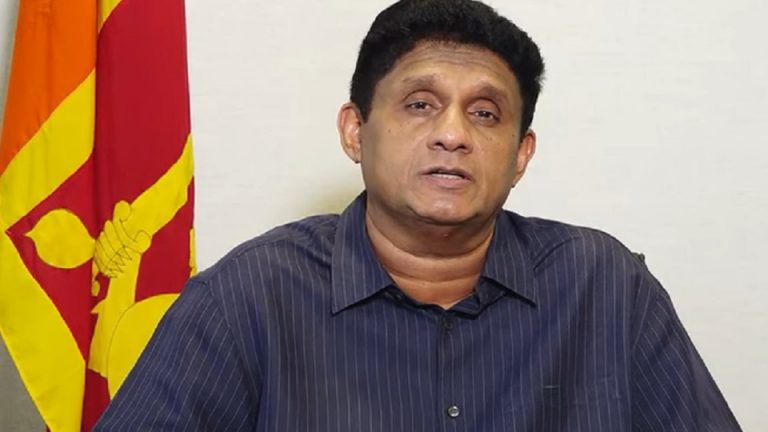
The government led by the President and the Prime Minister should immediately resign as it has already proven that it cannot run this country, said Leader of the Opposition Sajith Premadasa, making a statement at the Opposition Leader’s Office this (03) afternoon.
Pledging that he would start the people’s struggle to oust what he described as the unamenable government, the Opposition Leader invited all people to spare party differences and come forward.
Premadasa also requested the security forces to devote themselves to protecting the people of the country instead of protecting one ‘gang’ or individual against the country.
The problems facing the country cannot be solved immediately in five days or five months, he went on, adding that the people should not be fooled by such lies and that it would be an unfortunate situation, should someone even try to deceive the public by such lies.
The Opposition Leader further noted that it may take at least five years minimum to rebuild the country into its former state and that any talk promising a lesser period would be false.
MIAP
SriLankan now defaults on $175 M Bond
Srilankan Airlines has warned about its capability to make a coupon payment on a Singapore-listed bond, citing the deterioration in Sri Lanka’s economy. The payment relates to a $175 million bond with a 7% coupon listed in Singapore, according to a filing with the Singapore stock exchange. The bonds term is to complete in 2024.
This is the Company and Board that wanted to lease 25 new Aircraft. Where was the money coming from? Shows their commitment. The airline was given a hand out of $500 million by the President using the tax payers USD reserves. As usual he had no clue what was happening. The board must held responsible for the mismanagement . Time for the public to sue the board for running down the airline to the ground . Hans Wijesuriya is a top executive of Dialog, an aide of the President, Malik Fernando has foreign income from Tea exports. His wife Kirmali ruined the tourism industry.
Jayantha Perera buys tickets from the airline for sale. Ashok Pathirege owes billions to banks. So this is the A team put by Gotabaya. They obviously are hanging according Airline staff for the tickets. Looks pathetic for an Airline Board. The President’s track record is so pathetic, but remains defiant including the cronies round him. COPE over to you.
Adolf
Met Dept issues red notice on strong winds and swell waves
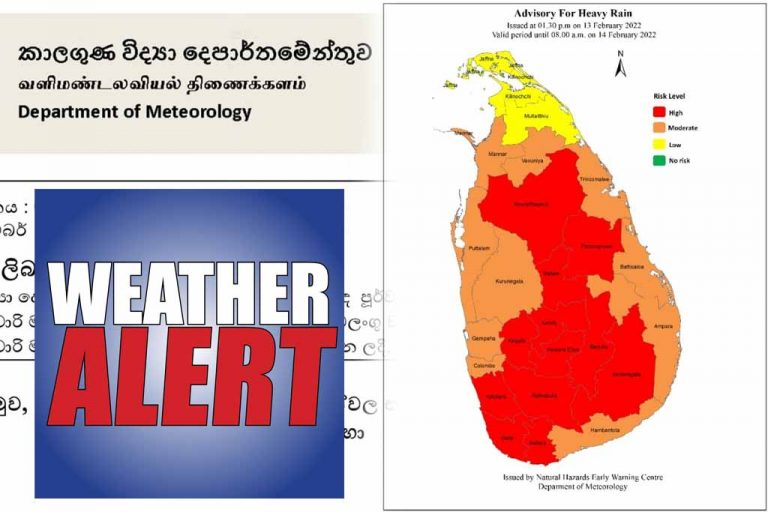
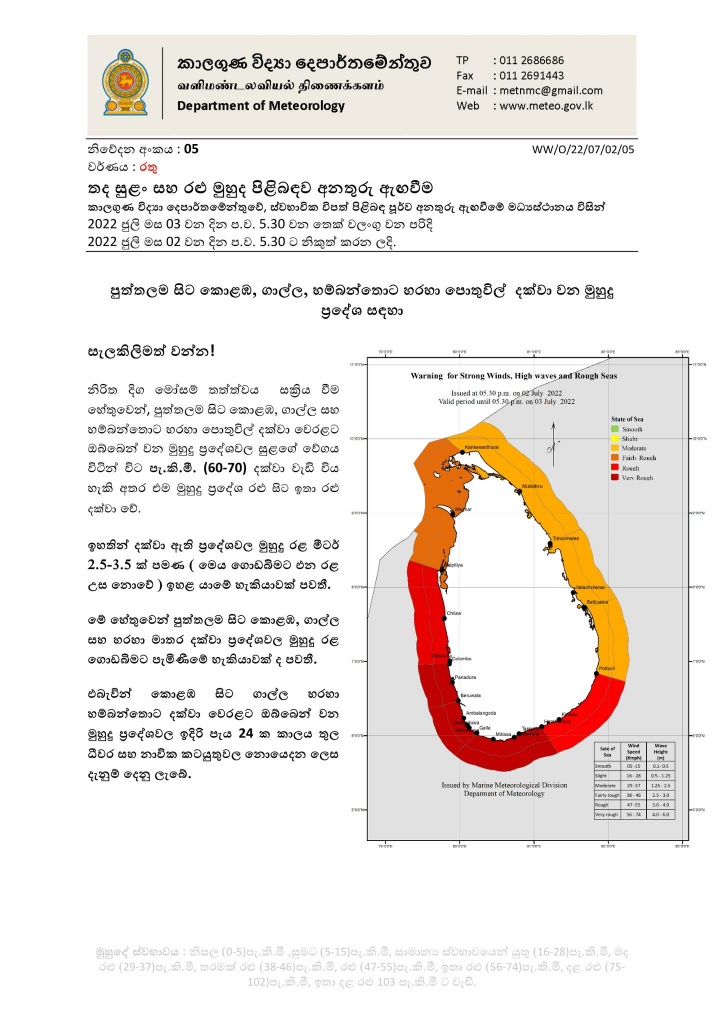
Winds will be westerly to south-westerly and wind speed will be (30-40) kmph, while the wind speed can increase up to (60-70) kmph in the sea areas off the coast extending from Colomboto Pottuvil via Galle and Hambantota and increase up to (50-60) kmph in the sea areas off the coast extending from Puttalam to Colombo, the Department of Meteorology warned.
The sea areas off the coast extending from Colomboto Pottuvil via Galle and Hambantota will be very rough. The sea areas off the coast extending from Puttalam to Colombo will be rough. The other sea areas around the island will be moderate.
There is a possibility to increase swell waves (about 2.5 – 3.5 m) in the sea areas off the coast extending from Puttalam to Pottuvil via Colombo, Galle and Hambantota. There is a possibility that near shore sea areas off the coast extending from Puttalam to Matara via Colombo and Galle, may experience surges due to swell waves.
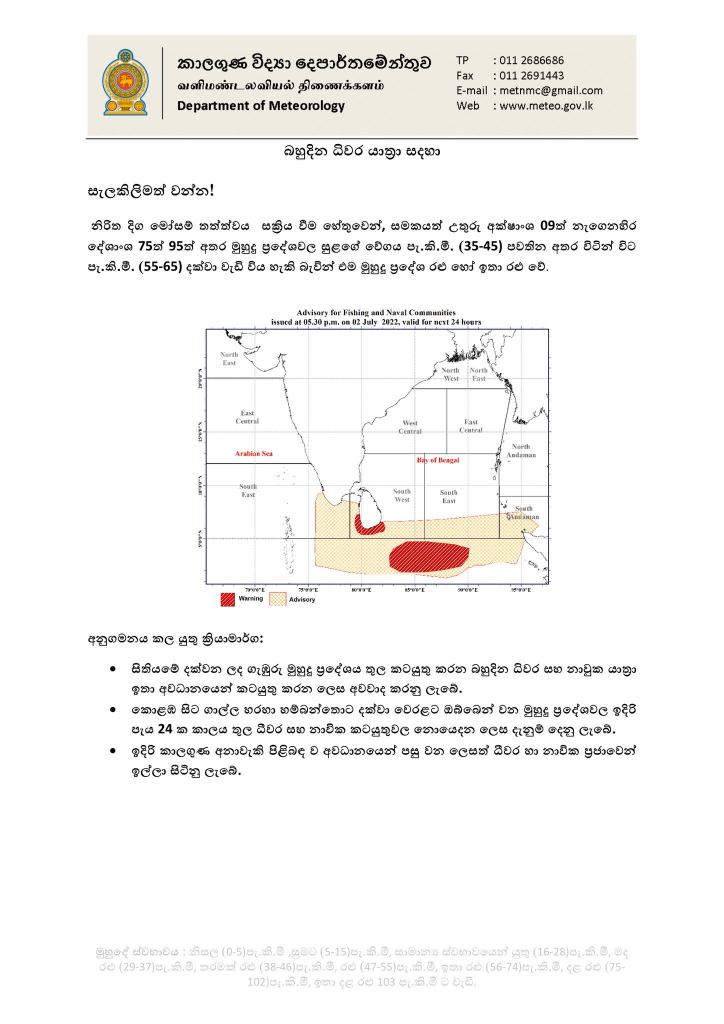
It is advised not to venture in fishing and naval activities in the sea areas off the coast extending from Colombo to Hambantota via Galle within the next 24 hours.
MIAP
Ali Sabry to be reinstated as FM?
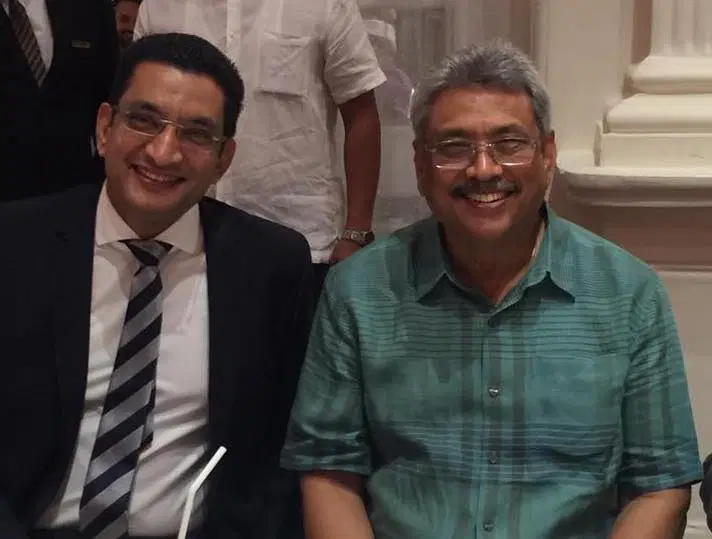
Prime Minister Ranil Wickremesinghe is soon to be removed from his post as the Finance Minister, mainly due to his failure to hold successful talks with the International Monetary Fund (IMF), internal government sources said.
Accordingly, Mohammed Ali Sabry who had held discussions with the IMF last April is believed to be reinstated in the position, according to sources.
MIAP
Press release from High Commission of India Colombo on Processing of visas
In view of the current situation, giving consideration to the convenience of the Sri Lankan and other nationals who avail our visa services and also mindful of the aspects related to the travel of the relevant employees, it has been decided that the outsourced visa application centre IVS will receive visa applications from applicants on three days every week viz. Tuesday, Thursday and Friday, with effect from 4 July 2022. It may be noted that appointment won’t be available on Monday, 4 July. The services will also be unavailable on these days if it is a closed holiday, notified by the High Commission.
Prospective visa applicants are requested to take prior appointment and submit visa applications with IVS Centre for the above mentioned days only, till further notice.
We thank all concerned for their understanding and cooperation in the current situation.
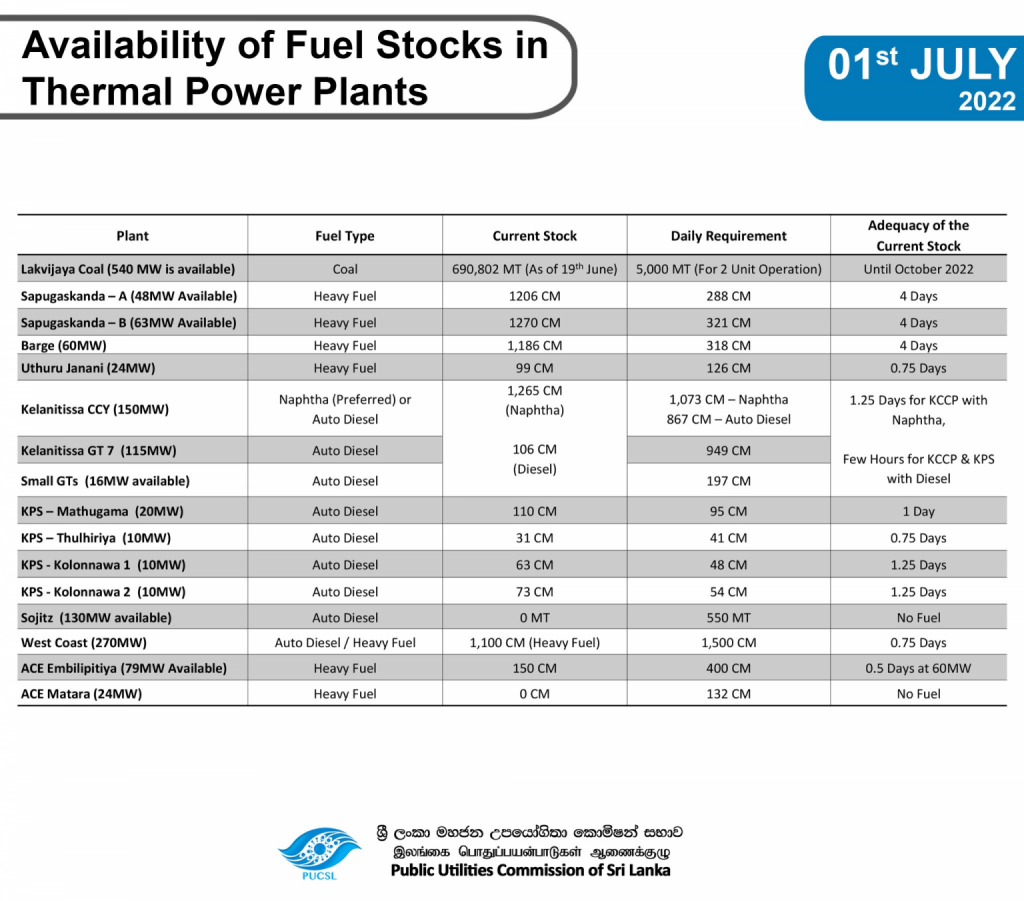
Fuel levels in many power plants are seriously low!

According to the Public Utilities Commission, the fuel stocks of many power plants that generate electricity using diesel and fuel oil have gone down to a sufficient level for only a few days.
According to a note issued by the said commission yesterday (01), the stocks of fuel owned by the Sojits plant and the Matara Ace plant were already exhausted by yesterday.
Also, many other power plants are going to run out of fuel today and only Sapugaskanda A, Sapugaskanda B and Barge have enough fuel for another three days.
The Norochchole coal-fired power plant has enough coal stocks till next October, but as one of the three generators of the plant has been stopped for essential maintenance, the capacity is down to 540 MW.
Accordingly, sources in the field said that only if the government is able to get a stock of diesel from IOC today, it will be able to avoid a major power cut.
200 bn to be allocated to provide relief to low-income families
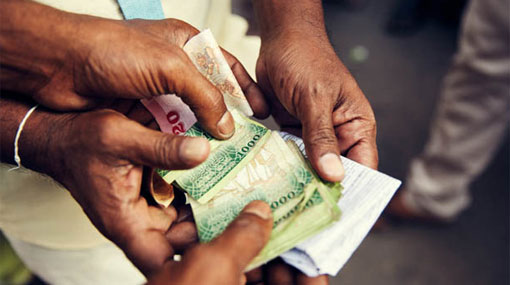
It is reported that the government has decided to allocate 200 billion rupees to provide relief to low-income families who are affected by the current economic crisis.
This decision has been taken by the cost of living committee which met under the chairmanship of Prime Minister Ranil Wickremesinghe.
Accordingly, the Minister of Agriculture Mahinda Amaraweera stated that for all low-income families across the island, an amount ranging from 7,500 to 10,000 rupees per family will be allocated.