Home Blog Page 2354

Another person dies at a fuel queue

0

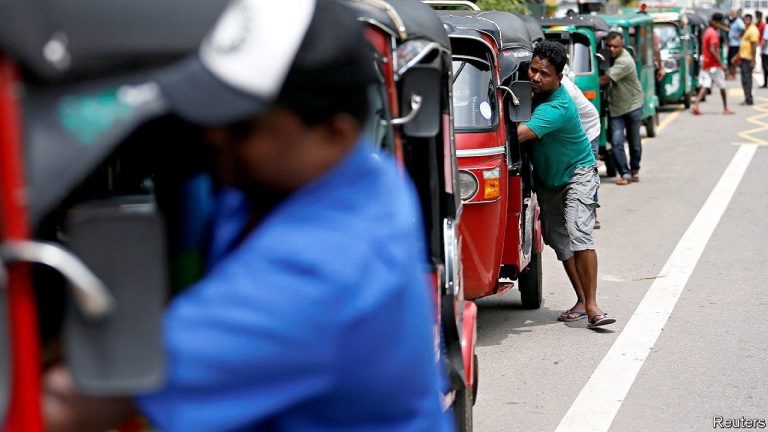
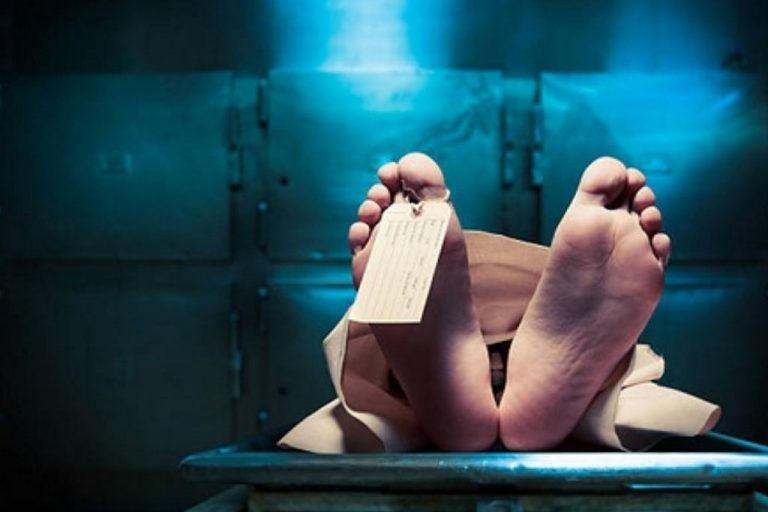
A person has died during a fuel queue. The death was reported from a petrol station in Kadawatha.

The victim, 71, was a resident of Makola and suddenly fell while waiting in line to get petrol, Police said.

He was rushed to the Ragama Hospital after which his death was pronounced.

A similar death was reported at a petrol shed in Kandy yesterday.

A similar death was reported at a petrol station in Kandy yesterday.

Price of a bottle of water soared by 30%

0

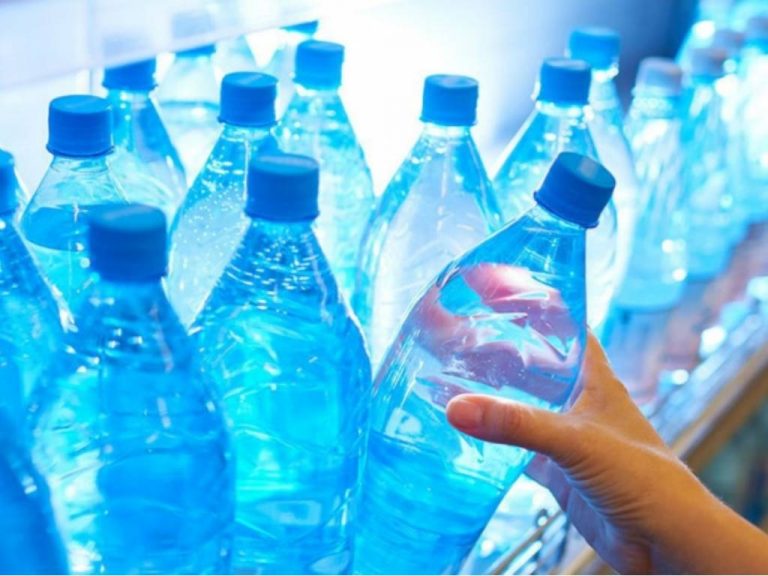
The price of bottled water in the market has surged, reports said. A 1.5 litre bottle of water which was sold for Rs. 90 has gone up to Rs. 120, a surge of approximately 33 per cent.

This comes in following the price hike designated to almost every essential and non-essential items in all categories in the market. The ongoing dollar deficit and the depreciation of the Sri Lankan Rupee is attributed to the crisis.

The depreciation of the Sri Lankan Rupee has a direct impact on the importation of commodities, but the prices of locally produced goods being risen in the same manner would be a serious problem.

People are wondering how the dollar crisis affects drinking water bottles in a country with so much drinking water.

Meanwhile, the prices of imported milk powder have increased and the prices of local milk powder have also been increased.

Reports said that the manufacturers and importers have also decided to increase the the prices of face masks by 30 per cent.

MIAP

Laugfs Gas price skyrocketed. Litro remains unchanged!

0

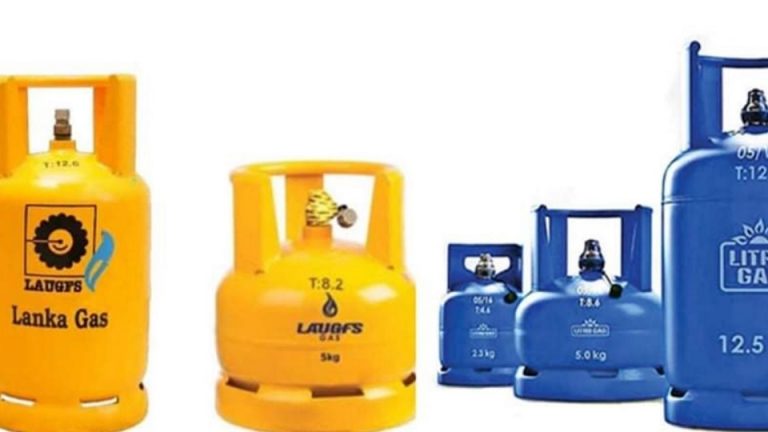
The Laugfs Gas company has reportedly surged their LP gas prices. Accordingly, the price has surged by Rs. 1,359, making the new price of a 12.5 kg domestic gas cylinder Rs. 4,199.

However, there is no revision of gas prices allowed for LITRO at the moment, according to reports.

Laugfs revised the price of a 12.5 kg cylinder in August, 2021 increasing the figure from Rs. 1,493 to Rs. 1,856. The figure was revised again in October to Rs. 2,840.

In the latest strike, the figure has surged up to Rs. 4,199.

It would be questionable as to why Laugfs has been allowed a price hike when LITRO, which supplies gas at current prices and even has issued statements about the grave economic risk befallen it, is not.

Commenting on the situation, the Movement to Protect LITRO questioned who is fulfilling their personal needs over gas by shutting down all industries that depend on gas and disrupting the lives of the people, while losing dollars to the country.

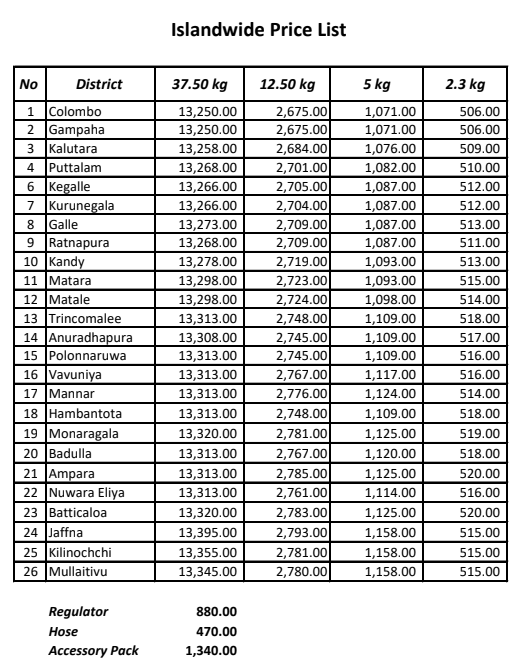
Litro Price index

The above action further proves the attempt by certain parties to destroy LITRO, they alleged.

Pasha Lee went from Ukrainian screen idol to volunteer

0

ON THE VERY day that Russia invaded, February 24th, Pasha Lee left his job and went to enlist with the Territorial Defence Forces of Ukraine. He might well have been recognised as he signed up and took the oath to defend the motherland, because his face was famous. It was bright and handsome, with a quiff of well-gelled black hair and a delicate line of beard, and with an oriental cast from his half-Korean father.

His looks had turned him into a boy idol of a sort, and his Instagram page showed him living the dream: buffing his smooth, hard pecs at the gym, sipping coffee in bed in a luxury hotel, posing in sexy shades against backgrounds of soaring skyscrapers or foaming water, adjusting the cuffs of beautiful jackets. Even in more everyday gear, like his smiley-face sweatshirt, he was clearly in love with his phone and himself.

The job he had walked away from was as a presenter on the Dom (“Home”) TV channel—specifically, presenter of a popular new show called “Day at Home”, and glitzier bits of programming such as “Star Factory” and “X-Factor”. But through the neon and glitter there was also politics here. Dom had been set up in 2020 to broadcast in both Russian and Ukrainian to Russian-occupied Donetsk and Luhansk in the east, as well as to Crimea. “Do you want to know the truth?” shouted billboards and phones all over the country when they had their big audience drive; “Watch Dom TV.“ President Zelensky himself had said he wanted two or three more channels like Dom, to tell people cut off from their own country’s media, already at war for years, what was really going on.

This work struck a chord because Pasha was from Crimea himself, from Yevpatoriya, a resort town on the Black Sea famous for healing water and mud cures. But eventually, especially after the Russian annexation in 2014, it was healthier to leave. So at some point he moved to Irpin, a city just outside Kyiv to the north-west, across the Irpin river. This too sold itself as a health resort and a great place for sport; even better, it had an annual film festival and was really close to the capital, where he could pursue his acting. He became a regular performer at the Koleso theatre in Kyiv, a gem of a building recently rescued from being Soviet-era flats. It was tiny, with a company of 16 and space on the first floor for only 70 people, crammed almost up to the stage. On the ground floor was a space where the audience could take part in plays themselves, professionals and amateurs together.

Acting had bitten him early. At 17 he made his first film, a horror-thriller called “Shtolnya” (The Pit), in which a group of students uncovered a pit, left from the second world war, with terrible secrets at the bottom of it and no obvious means of escape. His more natural slot was in comedy-horror, where a few hapless students would be chasing girls one minute and devils the next. In “Unforgotten Shadows” (2013), an accident at a university released demons who would kill the whole campus unless he and his mates could find the Carpathian warlocks who had originally locked them up. Only slightly more seriously, in “#SelfieParty” (2016) he played a policeman trying to shut down a drunken orgy and find out, from four semi-conscious students, how a dead body had turned up next morning on the lawn. His most sober film was “The Fight Rules” (2016), in which a boxer, his friend, tried to resist the mobsters who were pressing him to throw a fight. “There’s a single rule in life and in the fight,” the boxer bravely told one villain: “you win or you lose.” “It’s not like that in life,” the villain sneered back.

Many Ukrainians knew his voice better than his face. He dubbed the Ukrainian versions of “The Hobbit” and the remake of “The Lion King”, both stories of reclaiming lost treasure and lost ancestral lands. In the Hobbit he was Bilbo Baggins, another confused and fearful character who steadily grew in courage and in the end defeated Smaug, a terrifying dragon who had ravaged the land with fire. Bilbo dreamed and sang of green meadows on his journey. Pasha’s profile picture, as the Russian threat drew nearer, was a yellow Ukrainian field.

In 2021 he had actually been making a war film, set in Luhansk and called “Mirny (Peace)-21”. When he turned up at the TDF office in Irpin he looked much less good at fighting. He had hardly ever handled weapons, unless you counted the baseball bat with which he whacked half-visible demons in mystical forests in “Shadows”, or his fake police pistol in “#SelfieParty”. Luckily, his main job would be to help the proper army behind the lines. With tens of thousands of others, housewives, lawyers, shopkeepers, footballers, he now spent his days learning basic first aid, how to make up emergency bags and the safe evacuation of buildings. He was also taught the basics of knife fighting and the use of RPG-7 anti-tank launchers, and did drills with wooden rifles in the snow. But as the publicity for “The Fight Rules” ran, “Your Spirit is your Weapon.” On Instagram he urged everyone to UNITE! And volunteer.

The lessons were needed quickly. Within days, the Russians began their bombardment of Irpin. On March 1st he posted a grim and resolute photo of himself in military gear, his hair flattened by an army cap, with the Ukrainian flag folded before him. On March 4th, after 48 hours of shelling, he posted a merrier image and message. “We are smiling because we will manage!” he told his followers. “Everything will go Ukraine’s way. WE ARE WORKING!”

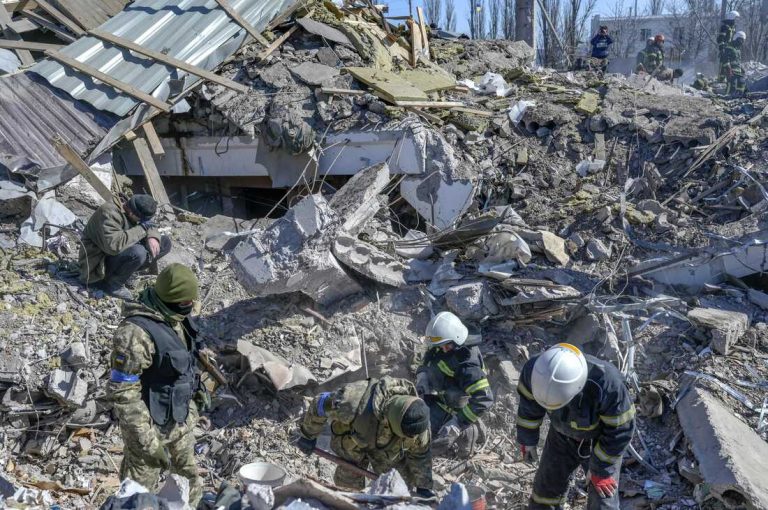
By then the city had been without heating, water or power for three days. Hundreds of citizens were streaming towards the bridge over the Irpin river, hoping to cross towards Kyiv. But Ukrainian forces had destroyed it to slow the Russian advance, rigging up instead a perilous crossing of narrow planks and ropes. As evacuees tried to cross in terrified groups, the Russians shelled them. His job was now to shield the evacuees and carry their loads, shepherding them out of danger and plunging back in again. When his body was found, seven days later, it emerged that he had taken off his bulletproof vest to give it to a child he was carrying.

It was an elementary mistake for a man in uniform to make. But then he had never meant to be a soldier.

The Economist
‘Ella Odyssey’ special train now runs to heavenly hilly tourist hot spot

0

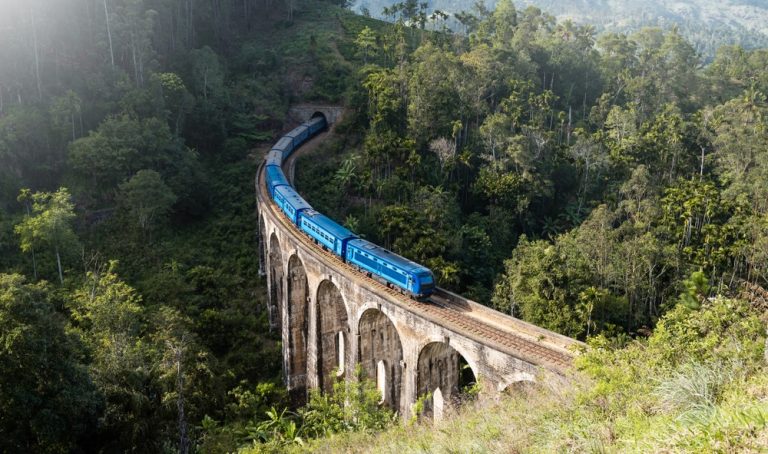
Sri Lanka Railways recently commenced a special train service for local and foreign tourists from Kandy to Ella.

The train departs Kandy at 7 a.m. and reaches the Demodara Railway Station at 2:20 p.m. on a daily basis. The return journey will commence at 3:40 p.m. from the Demodara Station and reach Kandy at 9:35 p.m.

The train named ‘Ella Odyssey’, is unique and dedicated to provide an extraordinary train ride to the heavenly up-country of Sri Lanka. It comprises 176 air conditioned first-class seats, 144 second-class seats and a restaurant.

Thundering waterfalls, beautiful green hills, vast tea plantations. The hour-long train ride from Kandy to Ella (or Ella to Kandy) is known as one of the most beautiful train routes in the world.

During the ride, passengers are allowed to stick their heads as far out of the window as they like, and daredevils can even hang out of the door.

There are virtually no rules or supervisors, so passengers can basically do whatever they want. As the journey progresses, the train climbs higher and higher, and the views become more and more spectacular.

The train route was established in the mid-19th century, when Sri Lanka was still a colony of England. The route was mainly used to transport tea from the plantations to Colombo, to be shipped internationally. Today, the train route is used by locals to travel to and from work, and is a popular tourist attraction for travellers from all over the world.
The train will stop at stations with tourist attraction locations such as St. Clair’s Waterfalls, Great Western station, Elgin Fall, Summit, Tunnel No. 18, Idalgashinna station, Nine Arch Bridge, Demodara Tunnel and Bridge.

A stage type platform is provided adjacent to the Nine Arch Bridge. Odyssey Special travellers can enjoy the adventurous experience while adjusting to the given time plans.

An extraordinary stage and a view point is located at Demodara station for the purpose of observing the unique running of the trains through Demodara rail loop. Passengers can also experience it while riding on Odyssey Special through Demodara rail loop.

Ella is a favourite among day hikers and more experienced trekkers alike. The two famous treks in the area are Little Adam’s Peak and Ella Rock, not to mention Ravana Falls and other famous waterfalls in the area. For overnight walkers and camping enthusiasts, Ella is a great starting point for the Meemure hike and longer waterfall explorations.

The Ella Gap is a privileged spot in the surrounding mountains that provides views of the lowland jungles and rainforests with vistas of the tea plantations higher up.

The train ride from Colombo to Ella is a beautiful experience – from the city to the mountains, passing through paddies and fields and then through forests to arrive in Ella.

The train from Ella to Nanu Oya, higher up in the mountains, is one of the most scenic rides in the world and a favourite activity among tourists coming to Sri Lanka. First class is comfortable but second class is the most memorable because you ride with the locals.

Many countries including the US and Britain request SL to Stand up against Russia

0

Fourteen countries, including the United States and the United Kingdom, have called on Sri Lanka to directly oppose Russia’s military aggression against the Ukrainian people.

Diplomats, including Ambassadors and High Commissioners representing the respective countries in Colombo, have issued a joint statement containing this request.

Relevant diplomats have called on the Sri Lankan government to provide verbal support for Russia’s invasion of Ukraine in accordance with UN Charter and international law.

Diplomats from the United States, Great Britain, Australia, Canada, France, Germany, Italy, the Netherlands, New Zealand, Norway, Japan, Romania, Switzerland and the European Union have issued this joint statement.

Colombo Port City targets India as its largest market   

0

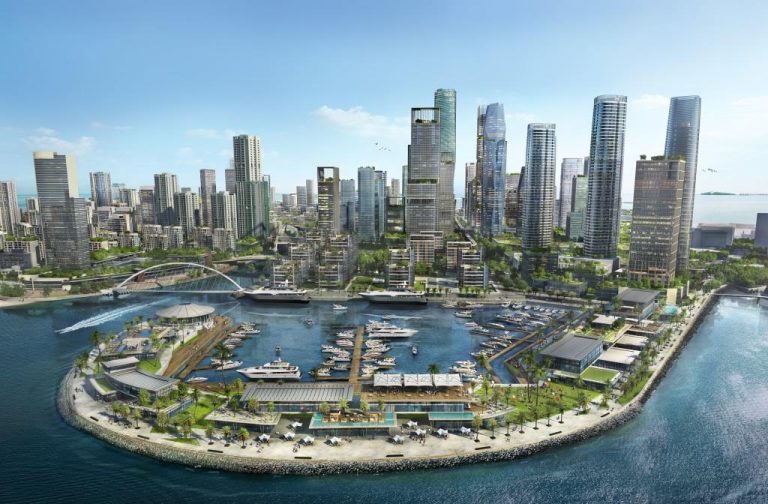
The Indian subcontinent is the largest target market for the $ 1.12 billion Port City Colombo, which will build on ongoing political alignment between Sri Lanka and India to offer key opportunities to Indian businesses, said the Head of the Commission overseeing the project.

The Colombo Port City Economic Commission Director General Saliya Wickramasuriya told Hindustan Times in an interview that the project will offer opportunities to Indian players that already have a presence in Sri Lanka and to those making their maiden foray into the island nation. He highlighted the separate laws being enacted for the Port City and bespoke business solutions as its main attractions for Indian investors.

“With the changing economic circumstances both here and overseas, our target market is shifting slightly and the value proposition has to change accordingly… While there is recovery, there are still economic constraints everywhere and there are political disturbances everywhere,” Wickramasuriya said.

“So, what we’re looking at here is building on the relationships that already exist with entities who have invested in Sri Lanka. In particular, the Indian subcontinent is by far our largest target market,” he added.

The Commission wants the “Port City to be an international city” but it is also looking at more detailed, bespoke and customised solutions to “create value propositions for key anchor investors,” Wickramasuriya said.

Port City Colombo is being implemented by China Harbour Engineering Company, part of the China Communications Construction Company, to create a city on 269 hectares of land reclaimed from the sea and extend Colombo’s central business district. The developers of the project are hoping it will benefit from a recent increase in economic cooperation between India and Sri Lanka.

The Indian side has provided Sri Lanka a $ 500 million line of credit for purchasing fuel and a currency swap of $ 400 million under the SAARC facility. It has also deferred the payment of $ 515 million due to the Asian Clearing Union. 

The two sides also finalised the long-gestating project to refurbish and develop the Trincomalee oil farm, a storage facility with a capacity of almost one million tonnes.

Saliya Wickramasuriya acknowledged the economic problems currently being faced by Sri Lanka but was upbeat that the growing political alignment with India will benefit the project.

“I think bridges are being strengthened on the political front, which is good because it’s something we should do and keep doing with India, our oldest and biggest trading partner and also home to our largest contingent of arriving visitors,” he said.

Highlighting the port city’s potential for commercial and retail activities, he added: “There’s a lot of potential for Indian businesses to move one step closer to the world by coming to Sri Lanka, because a lot of Indian goods get trans-shipped through Sri Lanka… So, this is why we are offering an international financial centre concept in a very convenient physical location for businesses that are in the goods and services movement business.”

The Colombo Port City Economic Commission is currently working on a set of 10 key policy frameworks and regulations – including regulations for banking and finance, setting up and winding down businesses, immigration, and dispute resolution.

“Those regulations are being drafted and we are sealing up the ease of doing business indicator types. I would say by the end of April, we should be able to roll out our drafts to the market…,” Wickramasuriya said. 

Sri Lanka’s government is stoking inflation and indignation

0

When Gotabaya Rajapaksa became president of Sri Lanka in 2019, he inherited an economy in bad shape. Terrorist attacks and political crises had hit the country hard. Growth was at its lowest since 2001. Tourist arrivals—a big source of foreign currency—were down by nearly a fifth after steadily rising for a decade

The new president quickly got to work. He and his ministers—the most influential ones are his brothers and nephews—cut taxes and started printing money. Inflation duly rose, tax collections plummeted and the budget deficit widened.

In the meantime tourism was hit by an even bigger shock than terrorism, in the form of covid-19. Even as foreign-currency receipts plunged, import bills were climbing, thanks to the global rise in commodity prices. A man of action, Mr Rajapaksa responded forcefully, albeit quixotically, prohibiting the import of motor vehicles in 2020. Last year he banned (imported) chemical fertilisers, ostensibly for public-health reasons, before the impending collapse of farming forced a reversal.

With inflation already high and the government’s prestige on the line, the central bank resisted a devaluation, instead burning through its foreign-exchange reserves. Dollars became hard to come by, impeding imports. That, in turn, led to shortages of diesel and cooking gas. The lack of fuel also crippled electricity generation which, because of a drought that has diminished output from hydropower plants, is increasingly dependent on oil and coal. The electricity board initiated rolling blackouts in February of up to seven-and-a-half hours a day. Many small businesses stopped work, unable to cope with gas shortages, power cuts and rising prices.

On March 7th the central bank gave up: having maintained a rate of 200 rupees to the dollar for five months, it devalued by 15%. A few days later it allowed the rupee to float. The currency slumped by a further 15%, to 265 rupees to the dollar.

By raising the cost of imports, the devaluation will exacerbate the main way in which this fiasco impinges on the lives of ordinary Sri Lankans: inflation. As it was, prices rose by more than 15% year-on-year in February, a 13-year high. Food prices leapt by more than 25%, double the rate six months earlier.

The cost of everything has shot up, including basics such as lentils, milk powder, sugar and wheat flour. Fares on planes, trains, buses and even autorickshaws have surged. State-mandated prices of dozens of medicines, including paracetamol, have been raised by 29%. The most shocking increases are for fuel. On March 12th the state-run oil-and-gas body pushed up the price of petrol by 43.5% and that of diesel by 45.5%. “I don’t blame the rulers. I blame the people who voted for them,” says Gayan Prasad, who works as a driver.

Further upheaval is inevitable. Sri Lanka’s dollar reserves shrank to just $734m at the end of February. Yet it is supposed to come up with $6.6bn, mostly denominated in dollars, in debt and interest payments this year. Multiple credit-rating downgrades have left it unable to borrow. After months of resistance, the government is seeking the imf’s help. A debt restructuring looms.

Anger is mounting. Candlelit vigils demanding “Gota go home” have taken place in several towns. “How come we are the only country in South Asia to show negative growth?” asks Sahan Wiratunga, a social worker who organised one of them. “It is because of economic mismanagement and corruption.” On March 15th thousands attended a protest rally in Colombo. On social media people are railing at Mr Rajapaksa and his government in all three of the country’s languages.

Many Sri Lankans are trying to leave. Perched outside the immigration and emigration department, M. Perera, a 57-year-old mason, waited for his wife to return with her new passport. She will go to Saudi Arabia to toil as a domestic worker because it is “impossible to survive on our earnings”. He voted for “Gota”, he says, then shrugs. “What to say now?” 

THE ECONOMIST

International Energy Agency sets out 10-point plan to reduce global oil demand

0

The International Energy Agency (IEA) has presented a ten-point proposal to reduce daily fuel demand in the face of the global oil crisis.

According to the agency, if the proposal is implemented expeditiously, the demand for petroleum could be reduced by 2.7 million barrels in the next four months.

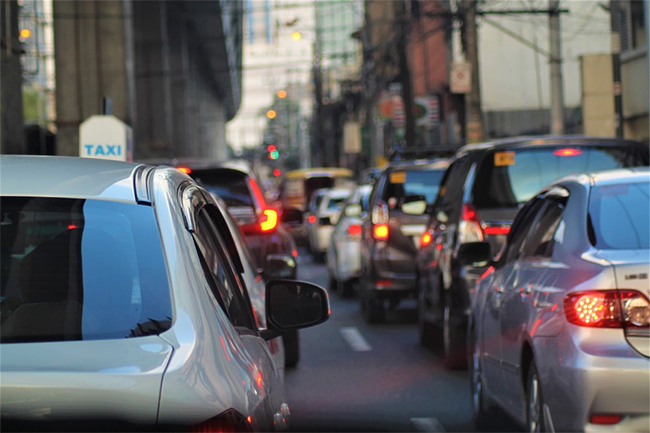
At present, the global daily production of petroleum is 88 million barrels, however, the daily global demand for petroleum is 97 million barrels. Accordingly, there is more than 10% more demand than production and this high demand has also contributed to the rise in oil prices.

Reducing demand is the best solution to this situation and the International Energy Agency is proposing a ten-point proposal accordingly.

Reduce speed limits on highways by at least 10 km/h
Work from home up to three days a week where possible
Car-free Sundays in cities
Make public transport cheaper and incentivise walking and cycling
Alternate private car access to roads in large cities (eg every other day)
Increase car-sharing and adopt practices to reduce fuel use
Promote efficient driving for freight trucks and delivery of goods
Using high-speed and night trains instead of planes
Avoid business air travel where alternative options exist
Reinforce the adoption of electric and more efficient vehicles

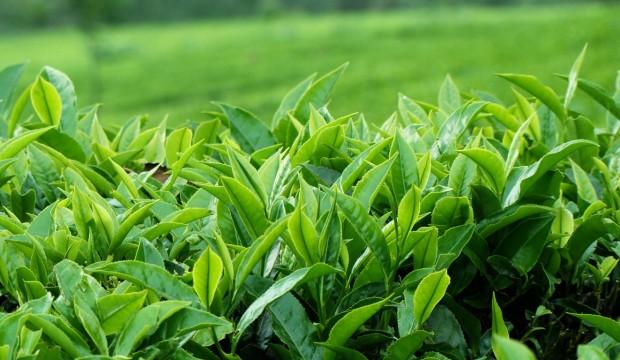
Sri Lanka’s tea industry down with lowest yield in 13 years

0

Sri Lanka’s tea crop suffered its lowest yield in 13 years, official data showed Friday, reducing output in its main export commodity as the island grapples with its worst economic crisis in seven decades, industry sources complained.

The country’s agriculture sector was hit hard by a ban on agrochemicals imposed last April as the Government introduced an ambitious plan to make Sri Lanka the world’s first nation to rely solely on organic farming.

Tea exports brought in $ 1.3 billion annually before the fertiliser ban Industry officials added that around 10% of Sri Lanka’s exports had also been affected by Russia’s invasion of Ukraine. Both countries are top buyers of Sri Lanka’s aromatic black tea.

ri Lanka’s Ceylon Tea exports fell 6.91 percent in January 2022 to 19.38 million kilograms from 20.82 million kilograms from a year ago, with Russia and Iraq being the top buyers, industry data showed.

Purchases by China dropped from 1.5 million kilograms last year to 738,000 kilograms in January 2022.

The island’s tea production dropped 0.36 percent in January 2022 to 22.82 million kilograms from 23.18 million kilograms in 2021.

“Elevation wise analysis shows that for the month of January 2022 Low Growns had recorded a decrease of 1.53 million kilograms whilst High & Medium Growns recorded an increase of 0.59 million kilograms and 0.58 million kilogram increase respectively when compared to the same period in 2021,” Ceylon Tea Brokers, a Colombo-based brokerage said in a report.

The free on board (FOB) price per kilo for the month of January 2022 was 948.24 rupees, up from 923.99 rupees a year earlier.

The January monthly average price for tea was 3.50 US dollars (704.67 rupees) compared to 3.30 US dollars (645.02 rupees) in January 2021, according to Ceylon Brokers data.

“Total export earnings shows a decrease of 0.86 Billion rupees (-4.46%) for the month of January 2022 as against the corresponding month in 2021,” Ceylon Tea Brokers said as the volume drop outpaced price gains.

The average price was 4.70 dollars a kilogram in January from 4.62 a year earlier.

Iraq was the top buyer of Ceylon Tea in January buying 3.80 million kilograms, up from 1.79 million a year earlier.

Meanwhile, Russia remained in second place buying 2.56 million kilograms higher than previous year’s 2.46 million kilograms.UAE bought 2.03 million kilograms, up from 1.11 million last year.

The crisis-hit Libya bought 1.13 million kilos in January 2022.Turkey which was a key buyer in 2021 slipped to 10th place buying only 0.52 million kilograms from the corresponding years 3.82 million kilograms.

China, which had been an emerging key buyer, bought only 0.74 million kilograms compared to 1.51 million kilograms last year. CIS countries bought 1.06 million kilos, down from 1.07 million last year.

The fertilizer ban was lifted in October following backlash from the industry but farmers were left unable to access imported fertiliser as the country simultaneously ran out of dollars to finance imports with the pandemic battering Sri Lanka’s tourism sector.

Monthly tea crops dropped to 18.16 million kilos (39.95 million pounds) in February, down nearly 20% from the corresponding period last year, the Sri Lanka Tea Board figures showed