Home Blog Page 248

IMF Chief Warns of AI Divide, Calls for Urgent Ethical and Regulatory Reforms

0

October 14, Colombo (LNW): The global community is unprepared for the pace and scale of artificial intelligence (AI) advancement, particularly when it comes to the ethical and regulatory challenges it presents, warned International Monetary Fund (IMF) Managing Director Kristalina Georgieva on October 13.

Speaking at the opening session of the joint IMF and World Bank annual meetings, Georgieva urged civil society organisations across the world to raise their voices and push governments to address the growing risks posed by unchecked AI development.

Highlighting the disparity in preparedness between wealthy and poorer nations, Georgieva stressed that while AI is progressing rapidly in advanced economies—most notably the United States—developing countries are struggling to keep pace. “The readiness gap is widening,” she said, “and this makes the road to digital inclusion steeper for many low-income countries.”

Although some emerging economies, such as China, are beginning to develop robust AI ecosystems, many others remain hindered by limited internet access, inadequate technological infrastructure, and a shortage of skilled professionals. The IMF, she said, has been advising governments in these regions to first invest in core digital foundations—including education systems, broadband connectivity, and human capital—before seeking to implement more sophisticated AI systems.

Georgieva also reiterated concerns she voiced earlier this month regarding speculative trends in financial markets, which she likened to the exuberance seen during the dot-com boom. She warned that AI-fuelled investment hype, if left unchecked, could trigger volatility and economic setbacks—particularly for vulnerable economies already lagging behind.

To help assess and address these disparities, the IMF has developed an AI preparedness index, which evaluates countries based on four pillars: digital infrastructure, workforce capabilities, innovation, and governance frameworks. Among these, the area where most countries are falling significantly short is the establishment of effective regulation and ethical guidelines.

“The ethical and regulatory backbone of AI is still missing in most of the world,” Georgieva said. “Without it, we risk letting a powerful technology develop in ways that may not align with the public good.”

She urged civil society groups to step in and hold both governments and the private sector to account. “Sound the alarm,” she said. “In the world of AI, standing still means falling behind.”

Fugitive ‘Ishara Sewwandi’ Linked to Underworld Killing Apprehended in Nepal

0

October 14, Colombo (LNW): A female suspect long sought by Sri Lankan authorities in connection with the high-profile assassination of alleged underworld leader Sanjeewa Kumara Samararatne, known by the alias ‘Ganemulla Sanjeewa,’ has reportedly been captured in Nepal.

The woman, identified as Ishara Sewwandi, had been evading law enforcement for several months following the fatal incident, which drew significant media and public attention due to its links with organised criminal networks.

Her arrest in a foreign jurisdiction marks a key development in the investigation, which has spanned across borders.

Sri Lankan Travel Firm Earns International Acclaim at Prestigious Global Awards

0

October 14, Colombo (LNW): In a significant boost to Sri Lanka’s presence on the global tourism stage, Expo Leisure has achieved a landmark victory at the 2025 World Travel Awards, emerging as one of the first companies from the island nation to claim major accolades in both the inbound and outbound travel sectors.

The company’s travel arms—Classic Travel and Classic Destinations—were honoured for their outstanding contributions to the tourism industry during the Asia & Oceania Gala Ceremony, which took place on 13 October in Hong Kong. The event, regarded as one of the most prestigious in the global travel calendar, draws leading hospitality and tourism operators from across the region.

Classic Travel was recognised as Sri Lanka’s Travel Agency of the Year for 2025, marking its second consecutive win in the category. Meanwhile, Classic Destinations secured the award for Destination Management Company of the Year, highlighting the group’s strength in curating memorable and seamlessly managed travel experiences for international visitors to Sri Lanka.

Receiving the awards on behalf of the company, Sabry Bahaudeen—Chief Commercial Officer and Director of the Expo Leisure Cluster—expressed gratitude and pride, noting that the recognition reflects years of dedication, innovation, and a firm commitment to service excellence. He added that the honours serve not only as a celebration of corporate success but as a moment of pride for the entire Sri Lankan travel industry.

“Our mission has always been to place Sri Lanka firmly on the map as both a vibrant tourist destination and a trusted travel services hub,” Bahaudeen said following the ceremony. “These awards validate the hard work of our teams and our continued investment in raising the bar for travel services both within and beyond our borders.”

The accolades are expected to further strengthen Expo Leisure’s international reputation and reinforce Sri Lanka’s appeal as a destination capable of delivering world-class travel experiences amidst a competitive global market.

Supreme Court Orders Police Officers to Compensate Bus Operator Over Rights Violations

0

October 14, Colombo (LNW): In a The Supreme Court of Sri Lanka has found six officers attached to the Kottawa Police responsible for serious violations of fundamental rights, including unlawful arrest, physical abuse, and a fabricated narcotics charge against a private bus operator.

The ruling, issued yesterday (13), came as part of a fundamental rights petition filed by Vithanage Sunil, a bus owner operating two vehicles along the Kottawa–Pettah route. The bench, led by Justice Menaka Wijesundara and supported by Justices Yasantha Kodagoda and Janak de Silva, concluded that the conduct of the officers amounted to a gross abuse of power. The Court ordered that a sum of Rs. 1 million be paid to the petitioner as compensation—personally borne by the officers involved.

According to the details presented in court, the incident occurred on the night of July 09, 2016. Mr Sunil had been returning home after visiting a friend when he was intercepted by a group of policemen. Without warning or explanation, a firearm was allegedly pointed at his head, he was forced to the ground, physically assaulted, and subsequently accused of heroin possession—a charge he vehemently denied from the outset.

Despite being remanded following his arrest and produced before the Homagama Magistrate’s Court, a medical report later confirmed that Mr Sunil had sustained injuries to multiple parts of his body while in police custody. Further, an investigative report showed no evidence of drug use, casting serious doubt on the legitimacy of the accusation.

In delivering the verdict, Justice Wijesundara observed that the treatment meted out to the petitioner amounted to degrading and inhumane conduct, constituting a violation of Article 11 of the Constitution, which guarantees protection against torture and cruel treatment. The Court criticised the lack of credible justification for the arrest and noted that the officers’ explanations were riddled with inconsistencies and suspicion.

The officers held accountable include then-Officer-in-Charge L.P.B. Samarasinghe, Inspector Cyril Perera, Sub-Inspector Premasiri, and Constables Nandana Piyal, Sampath, and Chandra Niroshan. The ruling sends a clear message regarding the consequences of police misconduct, reaffirming the judiciary’s role in safeguarding civil liberties.

New Tariff Scheme Introduced to Boost Battery Storage in Solar Energy Sector

0

October 14, Colombo (LNW): In a move aimed at advancing Sri Lanka’s renewable energy capabilities, the government has given the green light to a time-sensitive tariff system designed specifically for battery energy storage systems paired with rooftop solar installations.

According to an official statement from the Ceylon Electricity Board (CEB), the newly approved framework will see electricity stored in batteries and supplied to the grid during peak evening hours—between 6:30 p.m. and 10:30 p.m.—purchased at a rate of Rs. 45.80 per kilowatt-hour.

This is expected to provide a strong financial incentive for solar energy producers to invest in battery storage infrastructure.

It is designed not only to reward efficient energy storage and timely contribution to the national grid but also to ease the strain on conventional power plants during high-demand periods.

By enabling households and small-scale producers to store excess energy generated during daylight hours and release it during the evening peak, the scheme is expected to play a critical role in reducing the country’s reliance on fossil fuel-based power generation—especially costly thermal energy imports.

Foreign Visitors Now Required to Obtain ETA Before Arrival Under New Visa Rule

0

October 14, Colombo (LNW): Starting from tomorrow (15), all foreign nationals who qualify for a free tourist visa will be required to secure an Electronic Travel Authorisation (ETA) prior to entering the country, under a newly introduced immigration regulation.

This mandatory pre-arrival procedure applies even to those eligible for visa-free entry, signalling a significant change in the nation’s border control and visitor management policy.

Authorities state that the move is aimed at streamlining the entry process, enhancing national security, and ensuring better tracking of inbound tourists.

The ETA, which must be obtained online before travel, will serve as a preliminary clearance for entry and is expected to reduce delays at immigration checkpoints. Travellers who arrive without this authorisation may be denied entry or face administrative delays.

Heavy falls about 100 mm expected in many districts (Oct 14)

0

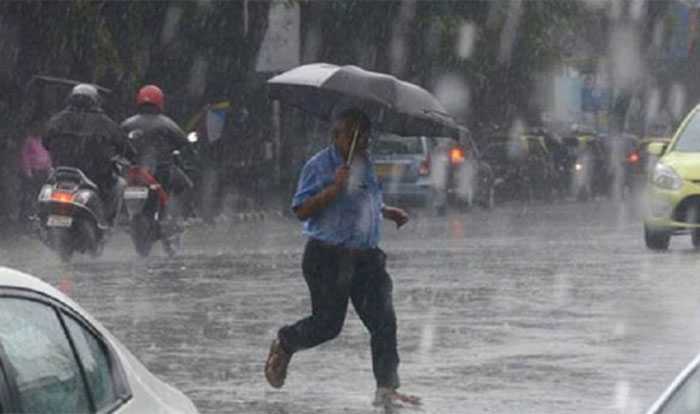
October 14, Colombo (LNW): Showers or thundershowers will occur at most parts of the island after 1.00 p.m., with heavy falls about 100 mm likely at some places in Western, Sabaragamuwa, Central, Northwestern and Uva provinces and in Galle and Matara districts, the Department of Meteorology said in its daily weather forecast today (14).

Showers may occur in Western and Southern provinces in the morning too.

Misty conditions can be expected at some places in Central, Sabaragamuwa, Uva and Northcentral provinces during the morning.

The general public is kindly requested to take adequate precautions to minimise damages caused by temporary localised strong winds and lightning during thundershowers.

KKS Port Revival: Northern Gateway or another Stalled Dream?

0

By: Staff Writer

October 13, Colombo (LNW): The long-awaited Kankesanthurai (KKS) Port development project, initiated under the previous government, is again drawing attention as progress remains uneven despite renewed pledges of regional growth. Once envisioned as a northern maritime hub, the project was launched with a $60 million investment supported by India’s Exim Bank, aiming to transform KKS into a commercial port linking Sri Lanka to South India and regional trade networks.

According to the Sri Lanka Ports Authority (SLPA), nearly 70 percent of civil and dredging work has now been completed. The port’s basin has been deepened to 8.5 meters, enabling medium-sized cargo vessels to dock, while the reconstruction of three jetties is nearing final stages. The project’s second phase construction of a breakwater and modernization of storage yards has been delayed due to supply and funding constraints amid fiscal tightening.

Sources within the SLPA reveal that the initial feasibility studies projected KKS to handle 1.5 million metric tons of cargo annually within five years of completion. However, recent internal assessments suggest this target may fall short by nearly 30 percent, given the slower industrial recovery in Sri Lanka’s Northern Province and weaker domestic logistics linkages.

The port, once a naval base rendered inoperative during the civil conflict, has been a politically sensitive development priority. While the previous administration under the United National Party–led alliance positioned KKS as a “gateway to regional integration,” the new NPP government faces pressure to accelerate construction while ensuring transparency in foreign-funded projects.

Analysts point out that the project’s strategic proximity to India’s southern coastline makes it geopolitically significant. India has contributed over $45 million in grant and credit assistance, including dredging, breakwater construction, and navigational aid installations. Yet, the project’s operational model—whether under SLPA, a joint venture, or a public-private partnership—remains undecided, raising concerns about long-term sustainability.

Local business chambers in Jaffna argue that the port could stimulate agri-export trade, fisheries, and small-scale logistics, provided supporting road and warehousing infrastructure are built. However, delays in connecting the A9 highway logistics corridor and establishing customs facilities have left the project underutilized even as construction nears completion.

Environmental groups have also flagged concerns over dredging impacts and the absence of a transparent Environmental Impact Assessment (EIA) publication.

As of September 2025, project expenditure stands at Rs. 19.2 billion, with an estimated Rs. 7 billion still required for completion by mid-2026. While officials maintain optimism, insiders fear bureaucratic inertia and procurement disputes could stall the final phase.

For the Northern region, KKS port represents more than infrastructure—it symbolizes long-promised economic revival. But unless governance, transparency, and strategic planning improve, it risks becoming another incomplete monument of political ambition, rather than a functional maritime gateway to prosperity.

AI-Powered Grand Serendib Hotel Redefines Sri Lanka’s Tourism Vision

0

By: Staff Writer

October 13, Colombo (LNW): Sri Lanka’s tourism industry, which has weathered years of political instability and economic turbulence, is entering a transformative phase with the launch of the Grand Serendib Colombo the nation’s first AI-powered hotel project. The initiative, unveiled at the Shangri-La Hotel Colombo on October 10, symbolizes the new government’s push to integrate artificial intelligence (AI) and smart infrastructure into its broader tourism revival strategy.

The inauguration was attended by Minister of Foreign Affairs, Foreign Employment and Tourism Vijitha Herath, who called the project a “milestone investment” that will “redefine Sri Lanka’s smart hospitality landscape.” The event also marked the 20th anniversary of ABEC, the company spearheading the development. Joining the minister were Sri Lanka National Cricket Team Head Coach Sanath Jayasuriya, ABEC Premier Dilip K. Herath, and several diplomats and academics, emphasizing the project’s national significance.

The Grand Serendib Colombo is expected to incorporate AI across multiple service dimensions from personalized guest experiences and predictive maintenance to energy optimization and smart logistics. According to ABEC executives, AI-driven analytics will enable the hotel to anticipate tourist demand patterns, manage resources efficiently, and improve sustainability metrics.

This aligns closely with the government’s Smart Tourism Strategy 2025, which aims to reposition Sri Lanka as a tech-driven destination that blends digital innovation with its natural and cultural heritage. The Ministry of Tourism has already introduced digital visa processing, destination intelligence platforms, and AI-based visitor analytics to track spending, stay duration, and travel behavior.

Recent data from the Sri Lanka Tourism Development Authority (SLTDA) shows a 35% year-on-year rise in tourist arrivals during the first nine months of 2025, reaching nearly 1.7 million visitors, with India, Russia, and the UK leading source markets. Tourism revenue crossed USD 2.8 billion, a 28% increase compared to the same period last year a strong rebound supported by diversified promotional campaigns and improved air connectivity.

However, industry analysts caution that while tourist arrivals are rising, average spending per visitor remains stagnant, and infrastructure outside Colombo continues to lag. Projects like Grand Serendib are seen as test cases for integrating technology to enhance value addition rather than volume growth.

Minister Herath stressed that Sri Lanka must transition “from traditional sun-and-sand tourism to data-driven, sustainable hospitality.” He added that AI will play a pivotal role in “improving service quality, optimizing resources, and strengthening Sri Lanka’s global tourism competitiveness.”

Academics at the event highlighted that AI-based predictive models could help forecast seasonal trends, personalize marketing strategies, and reduce operational inefficiencies areas long neglected in Sri Lanka’s tourism sector.

As the island prepares for its Tourism Vision 2030, which targets USD 10 billion in annual revenue, the Grand Serendib Colombo stands as a symbol of innovation-led recovery. It represents not only a step toward smarter tourism but also a broader shift in how Sri Lanka leverages technology to rebuild confidence, attract investors, and reshape its global image as a next-generation tourism hub in South Asia.

Sapugaskanda Refinery’s Fate Tied to Sinopec’s Mega Investment

0

By: Staff Writer

October 13, Colombo (LNW): The future of Sri Lanka’s petroleum refining sector hangs in balance as the Sapugaskanda Oil Refinery modernisation project becomes a key test of investor confidence and energy security. While the government has received 20 Expressions of Interest (EOIs) to expand the country’s only refinery, the outcome could directly influence Sinopec’s $3.7 billion Hambantota refinery investment, currently under review.

Built in 1969, the Sapugaskanda Refinery operated by the Ceylon Petroleum Corporation (CPC) has long struggled with outdated technology, limited refining capacity, and dependence on imported refined fuels. Despite minor upgrades, it continues to process only 38,000 barrels per day, meeting less than 30% of the nation’s fuel demand. The remaining requirement—nearly 2.5 million tonnes of refined products annually is met through costly imports, straining foreign reserves and energy stability.

The government’s EOI call earlier this year sought global investors to modernize and expand Sapugaskanda’s capacity to 100,000 barrels per day under a public-private partnership model. Industry sources say major energy players, including Sinopec, Vitol, and Indian Oil Corporation, have expressed interest.

However, the evaluation results expected this month are viewed as a “decisive signal” for foreign partners. Sinopec, which signed an agreement to build the 200,000-barrel-per-day Hambantota refinery, has reportedly tied part of its decision to the direction of Sapugaskanda’s development. The Chinese state-owned company is also seeking an increased local market share from 20% to 40%, a request yet to be approved by the government.

Analysts warn that the government’s hesitation could deter further investment, especially at a time when Sri Lanka needs long-term energy partnerships to reduce import dependency. The Hambantota refinery if completed would be the largest in South Asia, capable of generating significant export revenue and enhancing the island’s refining self-sufficiency.

Meanwhile, Sapugaskanda continues to operate at near full capacity, but with outdated infrastructure. According to the Public Utilities Commission of Sri Lanka (PUCSL), annual production efficiency has fallen by nearly 15% over the past decade due to frequent maintenance shutdowns and declining crude processing flexibility.

The facility also faces challenges in handling different crude blends, limiting its competitiveness. Industry experts stress that modernization is essential to accommodate low-sulfur and alternative crude grades, which would align Sri Lanka with global energy transition trends.

The success or failure of the Sapugaskanda expansion will determine whether the island can finally transition from being a net importer of refined fuels to a regional energy hub. With total refinery-linked investments exceeding USD 6.7 billion across Hambantota and Sapugaskanda, the coming months will reveal whether Sri Lanka’s energy sector can balance foreign partnerships, modernization goals, and market liberalization without compromising sovereignty or transparency.