December 13, Colombo (LNW): Dr Kapila Kannangara, Director of the National Dengue Control Unit, has urged both citizens and authorities to adopt a more proactive mindset in tackling dengue, emphasising that environmental cleanliness is a shared responsibility.
“The environment itself acts as a breeding ground for mosquitoes, so maintaining it properly is critical. Cleanliness is not just a duty of the authorities—it is the community’s responsibility too,” he explained, addressing the unveiling of the world’s first Simplified Early Action Protocol (SEAP) for dengue prevention.
Dr Kannangara also noted shortcomings in local government efforts, citing factors such as competing priorities, lack of awareness, and a tendency to underestimate the risk. “Prevention must continue alongside other recovery or relief efforts. Dengue does not wait for people to catch up,” he warned.
The SEAP initiative represents a significant move from reactive responses to anticipatory public health action. Scheduled to operate over the next two years, until June 2027, the project will initially focus on high-risk districts including Colombo, Gampaha, Kalutara, Jaffna, and Kandy.
With monsoon rains and recent events such as Cyclone Ditwah creating ideal conditions for mosquito proliferation, dengue remains a major public health concern in Sri Lanka, placing considerable strain on hospitals and medical services. By enabling early interventions, SEAP aims to reduce community vulnerability, prevent outbreaks, and save lives before case numbers escalate.
Dr Kannangara issued a stark reminder of the risks posed by delayed action: “When people are exhausted or distracted, their immunity drops. A standard dengue infection can escalate to a severe form, which can be fatal. Continuous prevention efforts are essential to avoid turning dengue into another disaster.”
This launch signals a major step forward in Sri Lanka’s fight against dengue, combining innovative strategy with community engagement to protect public health.
Sri Lanka Launches Groundbreaking Early Dengue Response Programme

Public Servants to Receive One-Off Advance Allowance
December 13, Colombo (LNW): The Government has approved a temporary financial facility for public sector employees, granting them access to a special advance allowance aimed at easing short-term monetary pressures.
A circular issued by the Secretary to the Ministry of Public Administration, Aloka Bandara, confirms that eligible officers may obtain an advance of up to Rs. 4,000. The measure is intended as a limited support mechanism rather than a permanent entitlement.
However, the directive makes it clear that the benefit will not be extended to officials who have failed to meet repayment obligations on earlier special advances or designated bank loans. Only those with a satisfactory repayment record will qualify.
The advance may be drawn during the period from January 01 to February 28, 2026. Recovery of the amount will be carried out over ten equal monthly instalments, with interest applied at an annual rate of eight per cent.
Sri Lanka and Italy Renew Agreement Allowing Reciprocal Driving Licence Conversion

December 13, Colombo (LNW): Sri Lanka and Italy have reaffirmed their long-standing cooperation on road transport by renewing the bilateral arrangement that allows for the mutual recognition of driving licences, following a formal signing ceremony held in Rome.
The agreement was endorsed on behalf of Sri Lanka by its Ambassador to Italy, Satya Rodrigo, while Italy was represented by the Deputy Minister and Undersecretary of State for Foreign Affairs and International Cooperation, Maria Tripodi.
The renewed pact marks the successful conclusion of extensive discussions between the respective transport and motor traffic authorities of both countries.
Originally introduced in 2011, the agreement has played a key role in easing mobility for Sri Lankan and Italian nationals living abroad. After a previous renewal in 2016, the arrangement lapsed in 2021, prompting renewed negotiations to restore the facility in line with current administrative and regulatory requirements.
The updated agreement enables eligible residents who have settled permanently in either country to exchange their valid domestic driving licences for a local one, without the need to sit written or practical driving tests.
This provision applies to individuals who have been resident in the host country for up to six years, offering a significant convenience for expatriate communities.
Officials from both sides described the renewal as a practical step that strengthens bilateral ties and supports the everyday needs of citizens living and working overseas, while also reinforcing cooperation in transport and consular affairs.
UN Agency Seeks Emergency Funds to Protect Women and Girls After Sri Lanka Cyclone
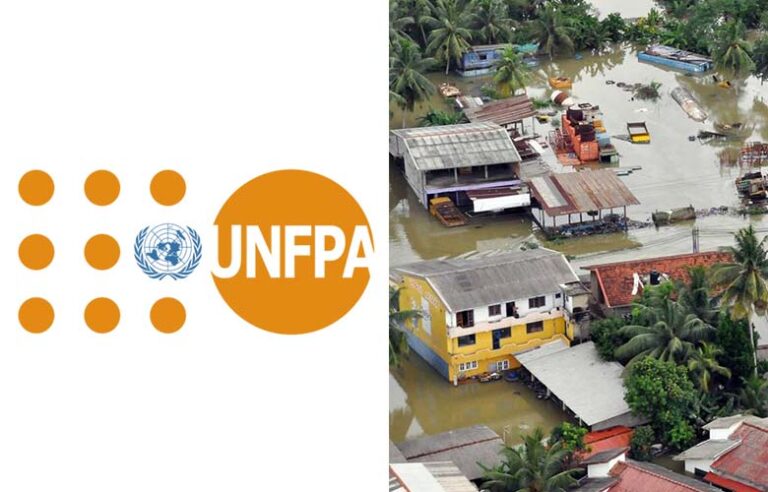
December 13, Colombo (LNW): The United Nations Population Fund (UNFPA) has issued an urgent appeal for US$8.3 million to safeguard the health, safety and dignity of women and girls in Sri Lanka following the devastation caused by last month’s cyclone.
The storm, which struck on 28 November, has affected more than two million people across multiple districts, sweeping away homes, damaging hospitals and clinics, and forcing large numbers of families into temporary shelters.
As recovery efforts struggle to keep pace with the scale of destruction, women and girls are facing growing risks, including disrupted access to sexual and reproductive healthcare, heightened exposure to gender-based violence and increasing psychological distress.
UNFPA estimates that those impacted include around 520,000 women of reproductive age, among them more than 22,000 pregnant women, as well as nearly 194,000 elderly women. Flooded roads, debris and damage to medical facilities have sharply limited access to essential services, including emergency obstetric care, placing expectant mothers and newborns in particular danger.
Conditions in evacuation centres have further compounded vulnerabilities. Overcrowding and a lack of privacy have raised safety concerns, especially for adolescent girls, older women and women living with disabilities.
UNFPA’s Officer-in-Charge in Sri Lanka, Phuntsho Wangyel, said the agency moved quickly in coordination with national authorities, dispatching more than 1,200 maternity and dignity kits within a day of the emergency being declared.
However, he warned that the situation is deteriorating and that far more resources are needed to prevent women and girls from being overlooked as the crisis deepens.
The agency plans to expand its operations to reach over 200,000 women and girls with life-saving services. These include mobile health clinics for displaced and remote communities, the distribution of maternity supplies and essential care kits, and efforts to restore damaged health centres.
UNFPA also aims to strengthen protection measures by supporting safe spaces, providing targeted cash assistance, improving referral systems for survivors of abuse and scaling up mental health and psychosocial support.
Despite the urgency, only a small fraction of the appeal has been funded so far. UNFPA has cautioned that without swift international backing, critical gaps in care will widen, leaving women, girls, newborns and the elderly to shoulder the heaviest burden of the disaster. The agency has called on governments and donors to respond quickly to ensure vital services reach those most at risk.
Appeal Court Upholds Lengthy Sentence, Warning of the Deep Social Scars of Rape

December 13, Colombo (LNW): Sri Lanka’s Court of Appeal has underscored the profound and lasting damage caused by sexual violence, describing rape as a grave offence that harms not only individual victims but society as a whole.
The remarks were made while rejecting an appeal by a man convicted of sexually assaulting a teenage girl.
Delivering the judgement, Justice Amal Ranaraja, with Justice Sasi Mahendran concurring, noted that sexual offences remain disturbingly common in Sri Lanka and continue to erode social trust and security.
The Court stressed that rape inflicts enduring psychological trauma on victims and creates a climate of fear, particularly among women and girls, making firm judicial responses essential.
The case centred on offences committed in Adippala, Chilaw, between November and December 2006. At the time, the offender was a 27-year-old married man, while the victim was just 15.
Evidence before the trial court established that the abuse resulted in the birth of a child, with DNA analysis conclusively identifying the accused as the father.
The Attorney General had brought three charges of rape under the Penal Code, to which the accused pleaded guilty. The High Court in Chilaw subsequently imposed 18 years of rigorous imprisonment on each count, with the sentences ordered to run concurrently.
In appealing against the ruling, the convict argued that the punishment was excessive. However, the prosecution pointed out that he had occupied a position of trust and effectively acted as a guardian to the girl, a responsibility he had grossly betrayed.
Dismissing the appeal, the Court of Appeal ruled that the sentence was lawful and proportionate to the seriousness of the crimes. The judges emphasised that strong penalties in such cases are necessary both to deliver justice to victims and to send a clear deterrent message.
The Court also highlighted the severe physical and emotional suffering endured by the victim, who was forced to face pregnancy and childbirth while still a child herself, a burden the judges described as particularly cruel given her age and vulnerability.
Parliament to Meet on Dec 18: Speaker
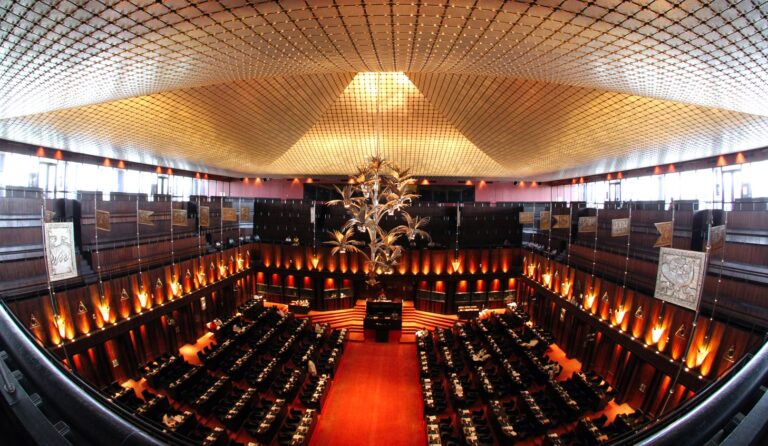
December 13, Colombo (LNW): Sri Lanka’s Parliament has been called to sit on December 18, 2025, with proceedings scheduled to begin at 9.30 a.m., Speaker Dr Jagath Wickramaratne confirmed on Thursday (12).
The decision was formalised through an Extraordinary Gazette notification issued under Standing Order 16.
The notice followed a formal request by the Prime Minister, paving the way for legislators to reconvene later this month to take up pending parliamentary business and address key national matters.
Remittance Inflows Continue Upward Momentum in November

December 13, Colombo (LNW): Sri Lanka received just over US$673 million in foreign currency inflows from overseas workers in November 2025, reflecting the continued resilience of remittances as a key source of external financing, figures released by the Central Bank reveal.
With one month still remaining in the year, total remittances for the January–November period have climbed to approximately US$7.19 billion.
This represents a robust increase of more than 20 per cent compared with the same eleven-month span in 2024, underscoring a steady recovery in overseas employment earnings and transfer channels.
Ditwah Catastrophe: More than 5,700 houses destroyed nationwide
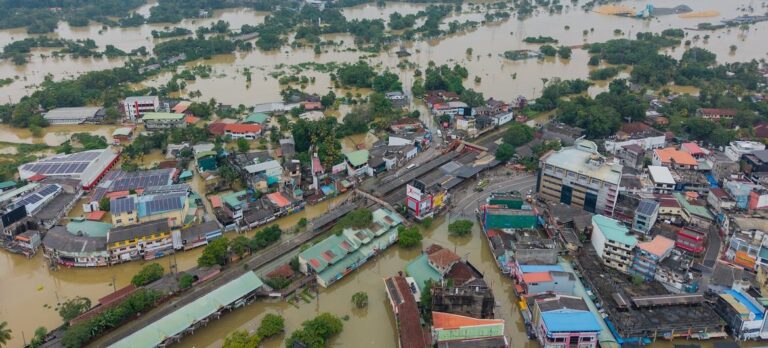
December 13, Colombo (LNW): Widespread extreme weather has caused extensive damage across Sri Lanka, with more than 5,700 homes reduced to rubble nationwide, according to the Disaster Management Centre (DMC).
Thousands more buildings have suffered varying degrees of damage as communities grapple with the aftermath of flooding, landslides and high winds.
Kandy District has emerged as the hardest hit in terms of housing losses, recording over 1,500 homes completely destroyed alongside more than 14,000 partially damaged. Nuwara Eliya follows closely, where hundreds of houses have been flattened and several thousand more rendered unsafe. Puttalam ranks third overall, with more than 600 homes destroyed and over 20,000 sustaining partial damage, underlining the scale of destruction along the western belt.
Significant losses have also been reported elsewhere, including Kurunegala, Badulla, Kegalle, Anuradhapura and Polonnaruwa, each seeing hundreds of homes wiped out as the severe weather swept across the island.
Human impact figures remain deeply concerning. Colombo District has recorded the highest number of affected residents, with more than 330,000 people from over 86,000 families impacted. Large numbers have also been affected in Puttalam, Kandy, Trincomalee, Kurunegala, Mannar, Kegalle, Anuradhapura, Badulla and Ratnapura, reflecting the nationwide reach of the disaster.
The death toll has climbed to 640, the DMC confirmed, with Kandy District accounting for the largest share of fatalities at 234. Badulla has reported 90 deaths, followed by Nuwara Eliya, Kurunegala, Puttalam, Kegalle and Matale, each recording significant losses of life.
Displacement remains a major challenge. More than 82,000 people from over 26,000 families are currently sheltering in 847 temporary camps across the country. Kandy hosts the largest number of relief centres, accommodating more than 27,000 people, while substantial numbers are also housed in camps in Nuwara Eliya, Badulla and Kegalle. Authorities say relief operations are ongoing as assessments continue and further assistance is mobilised for affected communities.
Sri Lanka and China Reaffirm Ties Following Cyclone Support
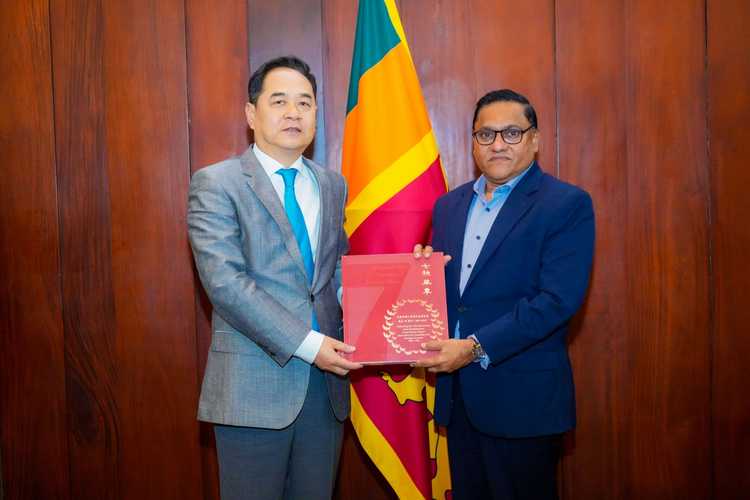
December 13, Colombo (LNW): Sri Lanka’s Foreign Minister Vijitha Herath met Yang Wanming, President of the Chinese People’s Association for Friendship with Foreign Countries, during a courtesy call at the Ministry of Foreign Affairs, Foreign Employment and Tourism on Wednesday.
Following the meeting, Minister Herath said China’s assistance in the wake of Cyclone Ditwah had been deeply appreciated, noting the continued solidarity shown by the Chinese government and its people during a difficult period for Sri Lanka.
He described Beijing’s support as timely and meaningful as the country works through the humanitarian and economic challenges left by the disaster.
The discussions also focused on strengthening the long-standing relationship between Colombo and Beijing, with both sides reaffirming their commitment to closer cooperation and people-to-people exchanges. Minister Herath indicated that there was mutual interest in building on existing partnerships and exploring new avenues for collaboration in the years ahead.
Singapore pledges US$ 100,000 to back relief efforts post-Ditwah

December 13, Colombo (LNW): Singapore has pledged fresh backing for relief efforts in Sri Lanka, setting aside US$100,000 (about S$129,000) as seed funding to boost a public fundraising drive led by the Singapore Red Cross (SRC).
The move is intended to galvanise wider donations as communities across the island struggle to recover from a powerful cyclone that struck earlier this month.
The government’s contribution adds to the SRC’s own commitment of S$50,000, which is being directed towards urgent humanitarian needs such as shelter, clean water and medical assistance. The Ministry of Foreign Affairs said the combined support reflects Singapore’s desire to stand with Sri Lanka during a period of acute hardship.
In a separate gesture of solidarity, President Tharman Shanmugaratnam and Foreign Minister Vivian Balakrishnan have written to their Sri Lankan counterparts, President Anura Kumara Dissanayake and Foreign Affairs Minister Vijitha Herath, to express condolences over the heavy loss of life and extensive damage caused by the storm.
Cyclone Ditwah tore through Sri Lanka roughly two weeks ago, unleashing severe flooding and landslides across much of the country. Authorities estimate that more than two million people — nearly a tenth of the population — have been affected, making it the most destructive cyclone to hit the island in a century. At least 639 deaths have been confirmed, while around 200 people remain unaccounted for.
The scale of the disaster has prompted an international appeal. The United Nations has urged donors to step forward, noting that Sri Lanka cannot shoulder the cost of reconstruction alone. UN resident coordinator Marc-André Franche has outlined a US$35.3 million emergency funding plan, with US$9.5 million already secured from partners including the European Union, Switzerland, the United States and the United Kingdom.