November 18, Colombo (LNW): A pilot scheme enabling Sri Lankan Buddhist pilgrims to use a digital payment service while travelling in India was officially unveiled on Monday (17).
The initiative, spearheaded by the Sri Lankan High Commission in India in collaboration with the National Payments Corporation of India (NPCI), introduces the UPI One World platform to Sri Lankan travellers.
The system allows users to make secure, instant payments throughout India without needing an Indian mobile number, offering a modern alternative to carrying cash.
The launch, held at the High Commission in New Delhi, was attended by senior officials including Ven. Beragama Vimala Buddhi Thera, Administrative Secretary of the Buddhist Pilgrims’ Rest, along with Ravi Kant Sharma and Vivek Garg from NPCI.
Officials highlighted that the platform will also support Sri Lankans visiting India for medical purposes, providing safer and more flexible payment options during their stay.
According to the High Commission, the introduction of UPI One World is a significant step in enhancing the travel experience for Sri Lankan visitors, strengthening people-to-people connections, and reflecting growing collaboration between Sri Lanka and India in digital innovation and tourism facilitation.
New Digital Payment System Launched for Sri Lankan Pilgrims Visiting India
Renowned Broadcaster Chithra Kumari Kalubowila Passes Away
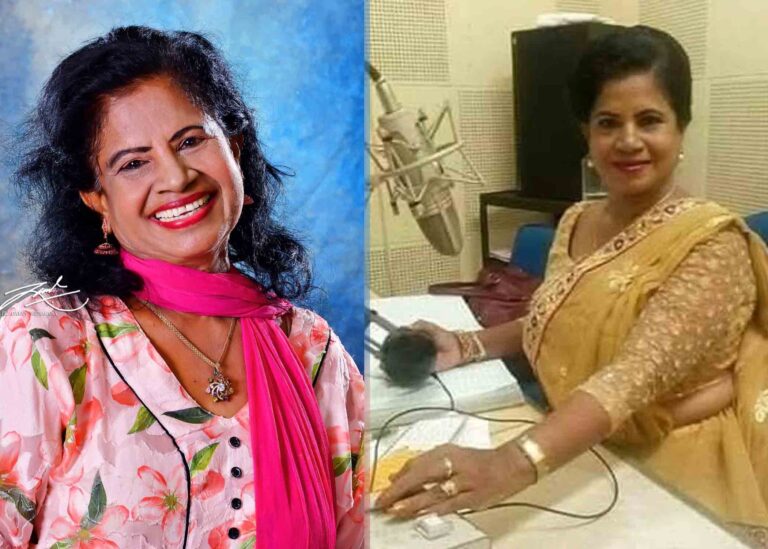
November 18, Colombo (LNW): Veteran radio personality and journalist Chithra Kumari Kalubowila has passed away at the age of 68, according to family sources.
Ms. Kalubowila began her distinguished career in broadcasting in 1979, spending several decades at the Sri Lanka Broadcasting Corporation (SLBC).
During her tenure, she rose to the position of Directress of the Sinhala Commercial Service and became a familiar voice and face to generations of listeners and viewers.
An award-winning radio presenter, news anchor, and accomplished radio drama artist, she had been receiving treatment for an illness prior to her death.
Colleagues and fans alike have expressed their condolences, remembering her for her professionalism, warm on-air presence, and lasting contribution to Sri Lanka’s broadcasting landscape.
Cabinet Clears Path to Scrap Long-Standing Parliamentary Pension Scheme
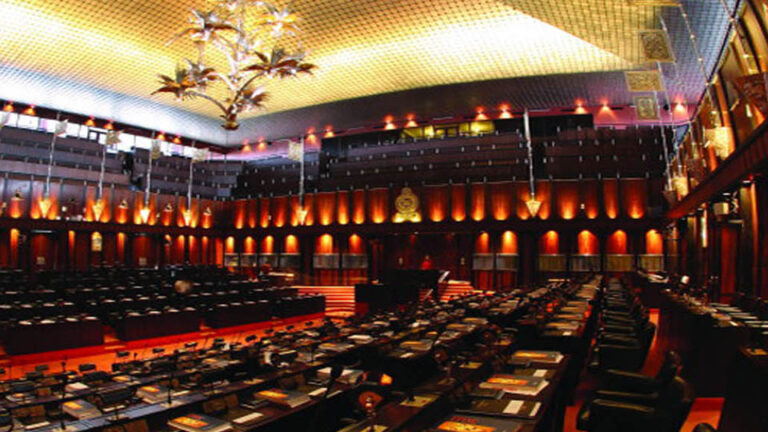
November 18, Colombo (LNW): The Cabinet has given the green light for a draft bill aimed at repealing the decades-old Parliamentary Pensions Law to be submitted to Parliament for debate and final approval.
The Cabinet Spokesman confirmed that the proposed legislation, which seeks to abolish pension entitlements for Members of Parliament, has already received the Attorney General’s go-ahead. It will now be published in the government Gazette before being formally placed on the parliamentary agenda.
Ministers had previously agreed, in principle, to do away with the Parliamentary Pensions Law of 1971 during a Cabinet meeting on 16 June 2025. The latest decision effectively moves the long-discussed reform into its final stages.
Woman Handed Life Term Over Heroin Trafficking Case

November 18, Colombo (LNW): A woman has been sentenced to life in prison by the Colombo High Court after being convicted of possessing and distributing more than 42 grammes of heroin.
The ruling, delivered by High Court Judge Manjula Thilakaratne, followed an extended legal process that examined both the circumstances of her arrest and the wider network allegedly connected to her activities.
The defendant was taken into custody during a Police Narcotics Bureau operation in the Kotte area in mid-September 2021.
Prosecutors later charged her not only with possession and trafficking of 42.23 grammes of heroin, but also with having amassed around Rs. 5 million through illicit drug dealings.
While the court found sufficient evidence to convict her on the narcotics charges, it ruled that the allegation relating to illegal earnings could not be substantiated. As a result, she was cleared of that financial charge.
Court officials noted that the case underscores continuing concerns about small-scale operatives being drawn into larger drug networks.
Anti-narcotics officers said the investigation had provided fresh leads which may support ongoing efforts to disrupt distribution channels in several urban pockets around Colombo.
Minister Says Probe Uncovers Possible Political Links to Criminal Networks
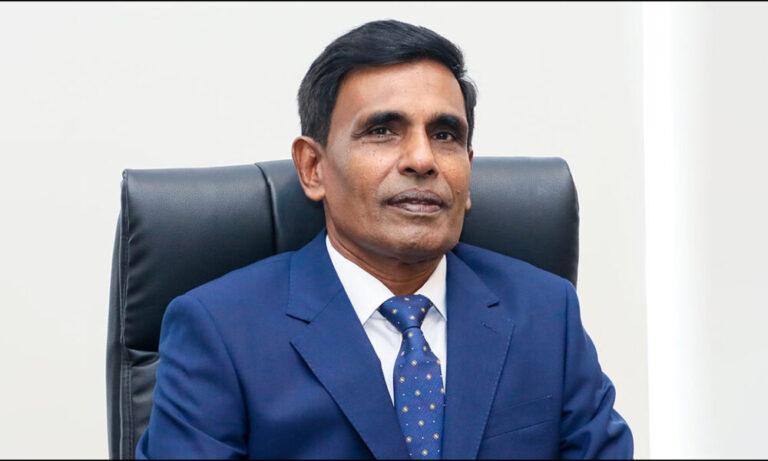
November 18, Colombo (LNW): Public Security and Parliamentary Affairs Minister Ananda Wijepala told Parliament today (18) that investigators have stumbled upon indications of possible ties between certain politicians and underworld figures.
These leads, he said, surfaced during questioning of several recently detained suspects, including individuals associated with Ishara Sewwandi, who was arrested earlier this year.
Speaking during the Committee Stage debate on the 2026 Budget, the Minister confirmed that inquiries are actively progressing, with multiple agencies now examining the alleged connections. He added that, in parallel, international efforts are under way to apprehend a further 80 fugitives sought for organised criminal activity.
Interpol has issued Red Notices for these individuals, and Sri Lankan authorities are said to be working closely with the organisation to coordinate their capture.
Wijepala also reported a series of significant arms recoveries linked to intelligence extracted from a group of gang members detained in Indonesia. Since August 30, security forces have seized seven T-56 rifles, a T81 firearm, six pistols, nine revolvers, two additional weapons and nearly a thousand rounds of ammunition.
Firing Up Soon.. South Africa’s flame-grilled favourite chicken Galito’s to launch in Sri Lanka and Maldives
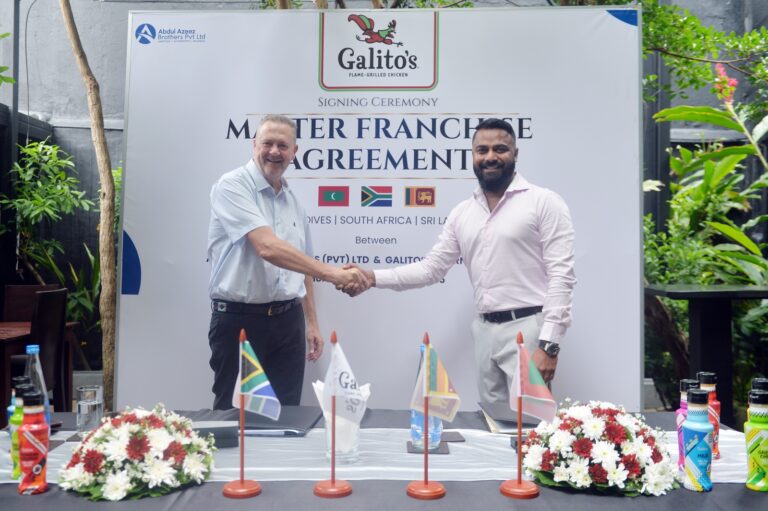
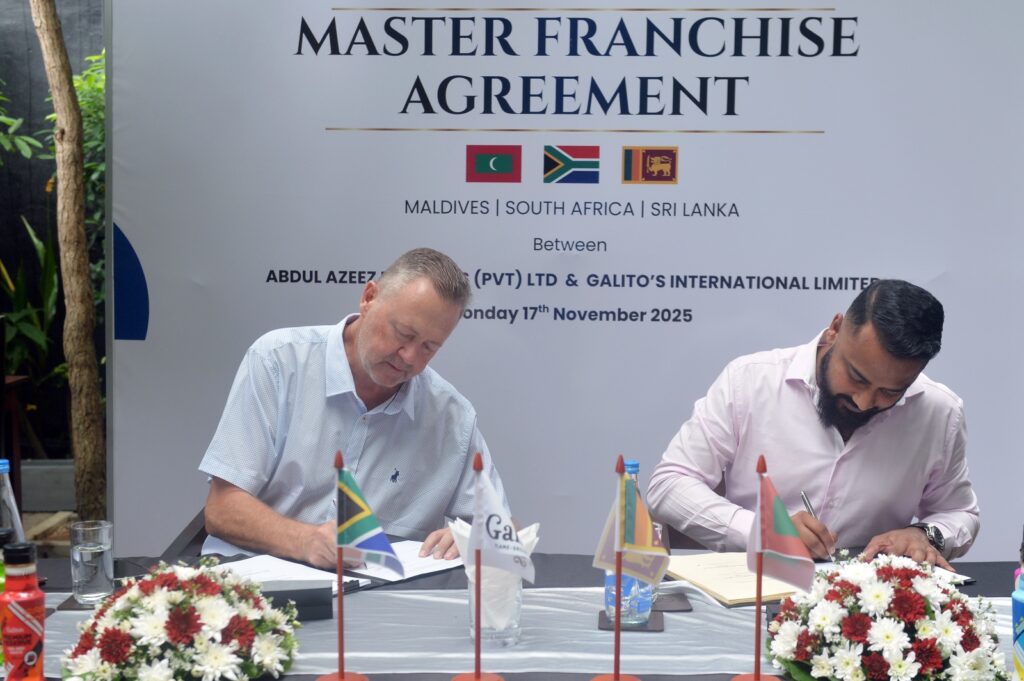
Galito’s, one of South Africa’s most successful fast-casual exports, is set to tantalize Sri Lankan taste buds with its signature flame-grilled chicken and fiery flavoured sauces. The franchise agreements were signed between Mr Abdul Azeez Mohamed Hilme, Chairman & Managing Director, Abdul Azeez Brothers Pvt.. Ltd and Louis Germishuys, Galito’s International Limited, Founder & CEO, paving the way for the brand’s official entry into Sri Lanka and Maldives
Started in the small town of Nelspruit, South Africa in 1996, Galito’s quickly rose to prominence as a household name in South Africa, celebrated for its authentic flame-grilled flavour, marinated for hours in freshly prepared peri-peri sauces made from real herbs, garlic, lemon, and African bird’s-eye chillies. Over the years, the brand has expanded rapidly, now serving customers in more than 17 countries outside South Africa including Kenya, Canada, Serbia and Bangladesh with 260 stores. Sri Lanka is the latest destination to join this global footprint, offering food lovers a chance to experience the bold South African flavours.
Two Galito’s outlets are scheduled to open in premium locations in Sri Lanka within the next year, offering customers a vibrant dining experience centred on quality, flavour, and innovation. An outlet in the Maldives is also planned for a later stage, further extending the brand’s reach in the region.
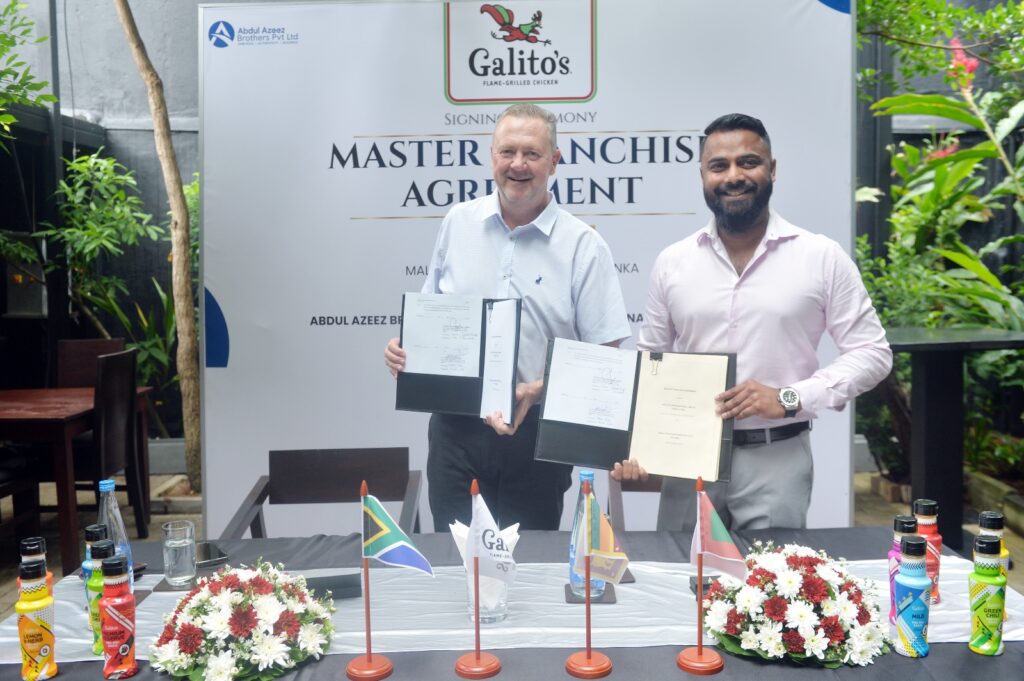
Abdul Azeez Brothers Pvt. Ltd. has a proven track record of introducing international food brands to Sri Lanka, the Maldives, with preparation underway for its entry into the Kingdom of Saudi Arabia. The company successfully brought Singapore’s PastaMania to the region, and developed its own Sri Lankan brand, Island Wraps, which is now being prepared for global expansion.
The introduction of Galito’s reflects Abdul Azeez Brothers’ continued commitment to diversifying dining options and creating new culinary experiences for Sri Lankan customers.
Quote – “We are delighted to bring Galito’s to Sri Lanka. Its flame-grilled chicken and authenticfiery sauces have won hearts across the world, and we are confident that Sri Lankan customers will embrace this exciting new experience. The launch strengthens our vision of introducing diverse global cuisines while also building Sri Lanka’s reputation as a hub for international dining.”
Sri Lanka Yet to Fix Accord Concerning US Reciprocal Tariffs
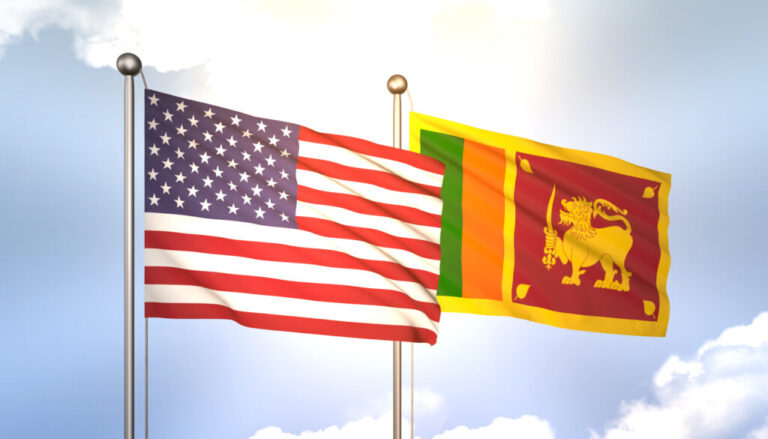
November 18, Colombo (LNW): Sri Lanka has not yet settled on a final accord with the United States concerning reciprocal tariffs, with negotiations still in progress, Foreign Minister Vijitha Herath informed Parliament yesterday (17).
According to the Minister, both nations have engaged in 17 rounds of talks to date. He noted that Sri Lanka had succeeded in pushing for a substantial reduction in certain American tariffs — lowered from 44 per cent to 20 per cent — during these discussions.
He also recalled that former US President Donald Trump had, in an order issued on 13 November, removed duties entirely on several Sri Lankan food exports, a move Colombo continues to view as diplomatically significant.
Reflecting on the broader diplomatic landscape, Herath claimed that Sri Lanka had made considerable headway over the past year. He said the country had revived stalled relationships and opened new channels with a number of states, particularly in regions where engagement had previously been minimal.
In Latin America and the Caribbean, Sri Lanka had established new formal ties with Antigua, Barbuda and Belize, aiming to widen its diplomatic footprint beyond its traditional partners.
The Minister also highlighted a notable increase in high-level foreign visits, with more than 20 heads of state and senior leaders travelling to Sri Lanka in the last year. Over the same period, he said the government concluded upwards of 70 memoranda of understanding with countries across South Asia, East Asia, Europe, the Middle East, and the Caribbean.
Herath further reported that the Foreign Ministry had assisted around 150 overseas firms in exploring investment opportunities in Sri Lanka, while initial discussions had been initiated with roughly 2,000 companies.
The Minister suggested that this growing interest signalled renewed confidence in the country’s economic prospects, although he acknowledged that sustained diplomacy and stable policy frameworks would be essential to convert that interest into long-term partnerships.
Sri Lanka Faces Mounting Concern Over Men’s Mental Health as Suicide Rates Remain High

November 18, Colombo (LNW): Sri Lanka is confronting a persistent mental-health challenge, with men continuing to bear the brunt of conditions such as depression and anxiety.
Fresh assessments from the World Health Organisation (WHO) indicate that the country’s male suicide rate stands at roughly 27 per 100,000 people—far above the global average of 10.5. Women, by comparison, record a rate of around five per 100,000, bringing the national figure to approximately 15 per 100,000.
The WHO’s 2022 analysis highlights striking age-related patterns. Among men, suicide becomes more common with advancing age, peaking among those aged 55 and above at an estimated 65 per 100,000.
For women, the highest rates are found among younger adults, particularly those aged between 17 and 25, where the figure reaches about 10 per 100,000.
The study further notes that the majority of these deaths were caused by hanging, accounting for nearly 70 per cent of recorded cases. Other methods included pesticide ingestion—still an issue in many rural communities—along with a mixture of non-pesticide poisoning and other means.
Globally, the WHO reports that suicide represents more than one in every hundred deaths, with at least twenty attempts for every life lost. In 2019 alone, around 703,000 people across all age groups died by suicide, with lower-middle-income countries—where most of the world’s population lives—bearing the greatest share. Among those aged 15 to 29, suicide ranked as the fourth leading cause of mortality.
Local health workers in Sri Lanka say the figures reflect not only long-standing pressures but also newer stresses, including economic uncertainty and social isolation. Some community organisations are now calling for better early-intervention services, greater public awareness, and more culturally sensitive outreach efforts in the hope of easing the burden on those who feel they have nowhere else to turn.
Reservoir Gates Opened as Persistent Rain Swells Water Levels

November 18, Colombo (LNW): The Irrigation Department has confirmed that two spillway gates at the Deduru Oya Reservoir have been lifted by around a foot each, increasing downstream discharge to roughly 1,400 cubic feet of water per second as the region continues to face unrelenting rainfall.
Elsewhere, engineers at the Polgolla Mahaweli Dam reported that six of its sluice gates were raised earlier today, each by about 18 inches. This controlled release is sending an estimated 9,000 cubic feet of water per second towards the Victoria Reservoir, easing pressure on the Polgolla basin after several days of unsettled weather.
Officials are advising communities living along the downstream stretch of the Mahaweli River to remain vigilant, particularly those who rely on the river for transport, fishing, or daily chores. With water levels expected to fluctuate throughout the day, local disaster-management teams have been placed on alert and residents urged to keep a close eye on official safety updates.
Customs Confirms Release of Detained BYD Vehicles as Court Reviews Progress

November 18, Colombo (LNW): Sri Lanka Customs has notified the Court of Appeal that all previously detained BYD vehicles have now been handed over to the importers, following the arrangement reached during the earlier hearing.
Deputy Solicitor General Chaya Sri Nammuni, representing Customs, conveyed this to the bench as several writ applications filed by John Keells CG Auto (Pvt) Ltd came up before Court of Appeal President Justice Rohantha Abeysuriya and Justice K. Priyantha Fernando. The dispute centres on the motor specifications of several BYD models, which led to their temporary detention.
The cases were listed primarily to confirm that Customs had honoured its earlier undertaking to release the vehicles. According to counsel, the process has now been completed, aside from a small number of units retained for technical examination.
The Court also instructed all parties to submit written arguments on 18 November concerning an intervention request lodged by the Vehicle Importers Association, which seeks to join the proceedings. A ruling on that application is expected on November 28.
Earlier, on 11 November, the Court directed Customs to expedite the clearance of 625 BYD vehicles, subject to bank and corporate guarantees. Customs subsequently agreed to release a variety of models—such as the Atto range, Dolphin variants, and the Sealion 7—under the stipulated guarantee conditions. The bench was informed that only six vehicles remain in custody to allow further testing of their motor capacity.
President’s Counsel Farzana Jameel appeared for the petitioners, while Senior Additional Solicitor General Sumathi Dharmawardena, PC, together with Deputy Solicitor General Nammuni, represented Sri Lanka Customs.