Home Blog Page 270

Government Fast-Tracks National Digital ID System amid Readiness Questions

0

By: Staff Writer

September 30, Colombo (LNW): The Sri Lankan government has accelerated efforts to launch a nationwide Unique Digital Identity (SLUDI) system, a flagship initiative under its digital transformation agenda aimed at modernizing public service delivery, enhancing transparency, and enabling digital trust. The Digital Economy Ministry and the Information and Communication Technology Agency (ICTA) have begun selecting a local Managed Service Provider (MSP) to manage and operate the platform, marking a critical shift toward national ownership of the project.

The SLUDI system, funded under an Indian government grant, is currently being developed by a Master Systems Integrator (MSI). Once the system’s acceptance and security testing are completed, the MSI will hand over operational control to a Sri Lankan MSP. The transition, expected to begin in December 2025, will involve a six-month knowledge transfer period to ensure smooth continuity.

After the MSP assumes full responsibility, the Department for Registration of Persons (DRP) will launch nationwide collection of biometric and demographic data a process projected to start in the second half of 2026. This phase will mark the practical rollout of the digital ID, positioning it as a key enabler of e-governance, digital payments, and citizen authentication.

Officials say the SLUDI will underpin Sri Lanka’s broader shift to a digital economy by creating a secure, verifiable identity framework that can be integrated across key sectors such as finance, health, education, and public administration. “It’s not just an ID it’s the backbone for digital inclusion,” an ICTA official noted, emphasizing its potential to streamline services and reduce bureaucratic inefficiencies.

However, concerns remain over data protection, privacy safeguards, and institutional readiness. Experts warn that without a robust legal framework and independent oversight, centralizing citizens’ biometric data could expose them to surveillance and cyber threats. Civil society groups have also urged the government to ensure public consultation and transparency in the selection of the MSP, cautioning that mismanagement or weak cybersecurity could undermine public trust.

The ICTA recently issued a Request for Information (RFI) to evaluate the technical and financial capacity of local firms interested in managing the platform. Industry insiders say the challenge will be finding a provider with both cybersecurity expertise and long-term operational capability, given the project’s complexity.

While the government views SLUDI as a cornerstone of its “Smart Nation” strategy, successful implementation will depend heavily on the MSP’s competence and accountability. The transition from foreign-led implementation to local management represents both a milestone and a test one that could determine whether Sri Lanka’s digital future is built on innovation and trust, or hindered by technical and governance pitfalls.

A New Dimension in Sri Lankan Politics

0

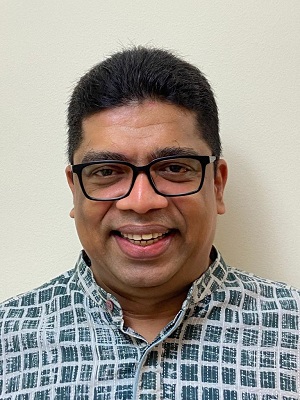
By: Roger Srivasan

For seventy-five years, Sri Lankans were presented with two stark choices: head or tail, Green or blue, one of two entrenched parties that monopolised the political landscape. Generations of citizens, weary yet loyal, cast their votes in a system that left little room for genuine change.

But today, a new dimension has entered the political arena. It is not merely a third party — it is a movement. A force that stands resolutely against corruption, nepotism, and the scourge of the drug menace. It is a vision of clean governance and accountability, unshackled from the baggage of the past.

Unlike the tired politics of transactional loyalty and opportunistic shifting of allegiances, this new political dimension is defined by its integrity. Many of its supporters, including those who were once prominent figures in the traditional parties, have embraced it not out of expediency but conviction. They see in it a rare chance to reclaim the nation from decay and restore dignity to public life.

This new dimension is not just about politics — it is about principle. It is about the promise that the twin evils of corruption and narcotics shall be vanquished, consigned forever to history’s annals. It is about leaders whose legitimacy derives not from backroom deals but from the will of the people.

For the first time in living memory, Sri Lanka’s political horizon is expanding. A long-suppressed yearning for honesty, discipline, and national renewal now has a home. The people have discovered that they are not condemned to the old binary of head or tail — they can finally choose the whole coin, stamped with integrity.

This is the new dimension in Sri Lankan politics: a dimension of hope, of moral clarity, and of unyielding resolve.

SL to Establish Globally Recognised National Quality Infrastructure System

0

September 30, Colombo (LNW): Sri Lanka is set to launch a comprehensive national quality infrastructure (NQI) system aimed at aligning the country’s industrial and regulatory standards with globally recognised benchmarks, Minister of Science and Technology Dr Chrishantha Abeysena announced this week.

The Minister made these remarks at the opening of a two-day workshop held in Colombo, focusing on regulatory impact assessment and the strengthening of national quality systems. The event was organised by the Ministry of Science and Technology in collaboration with the United Nations Industrial Development Organization (UNIDO), with technical assistance from the European Union.

With the 2025 national budget earmarking a substantial investment towards this initiative, the government intends to roll out a high-functioning quality assurance framework that will apply across multiple sectors. The new system will cover everything from food safety and pharmaceuticals to industrial goods and both imports and exports, with a strong emphasis on raising the global competitiveness of Sri Lankan products.

At the heart of the initiative are four central pillars: standards, precise measurement systems, conformity assessments, and certifications. These are designed to work together to create a reliable and internationally credible framework for quality assurance and compliance.

A number of leading national institutions will play a central role in implementing the infrastructure. Among them are the Industrial Technology Institute (ITI), the Sri Lanka Standards Institution (SLSI), the National Engineering Research and Development Centre (NERDC), the Sri Lanka Accreditation Board, and the Department of Registrar of Companies. These bodies will be tasked with upgrading laboratory facilities, enhancing technical capabilities, and modernising infrastructure to support the ambitious targets set under the new framework.

Dr Abeysena stressed that strengthening the national quality infrastructure is not only a matter of compliance but a strategic step toward building an export-driven economy. “In today’s global market, product quality, safety, and consistency are non-negotiable,” he said. “If we are serious about expanding our footprint in international markets, our goods and services must meet the most rigorous global standards.”

To this end, the government has allocated Rs. 750 million to support the initial development and implementation of the system. These funds will go toward upgrading testing laboratories, enhancing research facilities, and improving institutional capacity across the involved agencies.

Online Platform Launched to Simplify Driving Licence Renewals in Sri Lanka

0

September 30, Colombo (LNW): A new digital system aimed at easing the renewal process for driving licences in Sri Lanka officially went live today (30th), marking a significant shift toward more accessible and streamlined public services.

The Department of Motor Traffic (DMT) has introduced the first phase of the online platform, allowing eligible applicants to begin the renewal process without the need to physically visit the DMT headquarters in Werahera. The move is part of a broader effort to modernise public administration and reduce congestion at government offices.

Under the updated procedure, those seeking to renew their licences can now obtain the required medical certificate at the National Transport Medical Institute (NTMI) in Nugegoda. Once certified, applicants will be issued a temporary licence on-site, and their details will be electronically transmitted to the DMT for further processing.

Sri Lanka Sets Ambitious Course Toward Digital Future at Inaugural AI Expo

0

September 30, Colombo (LNW): Sri Lanka has reaffirmed its commitment to transforming into a digitally empowered nation, with an emphasis on education, innovation, and inclusive access to technology, Prime Minister Dr Harini Amarasuriya announced at the opening of the country’s first-ever National AI Expo 2025.

Addressing a gathering of innovators, educators, and tech industry leaders in Battaramulla, the Prime Minister highlighted that the cornerstone of this transformation lies in equipping the population with skills aligned with the demands of modern technology.

The National AI Expo, held on 29 and 30 September, brings together experts, businesses, and students under one roof to showcase and explore the rapidly evolving field of artificial intelligence.

Jointly organised by the Ministry of Digital Economy and Sri Lanka Telecom Mobitel, the event serves as a catalyst for AI integration across sectors, whilst also targeting early engagement by introducing AI tools to students and fostering partnerships between research institutions and private enterprises.

“Artificial intelligence is not merely an emerging field—it is already shaping the decisions we make as individuals, businesses, and governments,” Dr Amarasuriya noted during her keynote speech. “Our vision is not simply to adapt to this change, but to lead it.”

She outlined a bold roadmap to grow Sri Lanka’s digital economy to USD 15 billion by 2030, representing 12% of the national GDP. This includes a target of USD 5 billion in digital exports and the development of a skilled digital workforce of 200,000 professionals.

As part of this wider strategy, the government has designated September as ‘Digital Economy Month’—a move aimed at raising awareness and enthusiasm for digital transformation throughout the country. A series of exhibitions, workshops, and training programmes are being held to encourage the adoption of digital tools in both public and private sectors.

In the education sphere, reforms are already underway. Artificial intelligence, robotics, and environmental sciences are being added to the national curriculum, with a comprehensive effort to train 100,000 teachers and equip classrooms with smart learning technology.

“Empowering every citizen—from schoolchildren to entrepreneurs—with access to digital tools is essential. Our reforms are not just about infrastructure, but about fostering a new mindset,” the Prime Minister said.

Dr Amarasuriya also drew attention to several government-led digital service initiatives, including the expansion of GovPay for online transactions such as traffic fines, and the launch of aigov.lk, a national AI platform intended to support emerging sectors and streamline government services.

On the question of security and trust in the digital space, she confirmed that a national cyber security strategy and operations centre is currently being implemented to ensure safe access to e-services and digital markets.

The overarching goal, she stressed, is to position Sri Lanka as a regional hub for digital services in South Asia—an ecosystem where tech entrepreneurs, SMEs, and multinational investors can thrive in a connected, secure, and innovation-driven economy.

University Lecturers Launch Strike as Higher Education Crisis Deepens

0

September 30, Colombo (LNW): Academic staff across Sri Lanka’s state universities are set to stage a nationwide strike today (30), in protest against what they describe as the government’s persistent neglect of critical issues facing the higher education sector.

The Federation of University Teachers’ Associations (FUTA), which represents lecturers and academics from public universities, announced the industrial action during a press briefing in Colombo.

The Union accuses the current administration of failing to deliver on promises made to address longstanding challenges within the university system, despite having been in office for over a year.

FUTA Secretary, Senior Lecturer Charudaththe Ilangasinghe, voiced deep concern over the deteriorating conditions in public universities, emphasising that the government’s silence on the key issues could be dangerous for the future of public education in Sri Lanka.

Among the core grievances raised by the union are the declining quality of education, underfunding, and a growing exodus of experienced academic staff. Ilangasinghe highlighted the situation at the University of Peradeniya, where more than 200 lecturers have reportedly resigned or left for overseas positions in the past year alone—a figure he described as “deeply troubling.”

Sri Lankan Nationals Held in Bengaluru Over Illegal Entry and Criminal Allegations

0

September 30, Colombo (LNW): Authorities in Bengaluru have apprehended three Sri Lankan nationals believed to be involved in serious criminal activities, following a targeted operation carried out by the city’s Central Crime Branch (CCB).

The trio, aged 29, 31, and 41, were found residing unlawfully in an apartment complex located in the Devanahalli area, on the outskirts of the city. Initial inquiries suggest the individuals had been living in hiding for several months, evading detection by local authorities.

According to Indian media, the men—originally from Dondra, Ratmalana, and Kotahena—are suspected to have entered India illegally via a maritime route from Jaffna to Rameswaram, Tamil Nadu, sometime in 2024.

After brief stopovers in Chennai and Coimbatore, they eventually made their way to Bengaluru, where they settled without proper identification or immigration documents. None of the individuals possessed valid passports or visas at the time of arrest.

Police investigations have revealed that at least two of the detainees are facing serious charges in Sri Lanka. One is reportedly wanted in connection with a drug trafficking case, while another is under suspicion for involvement in a murder, among other alleged crimes.

A few districts to witness showers further: Fairly strong winds to occur elsewhere (Sep 30)

0

September 30, Colombo (LNW): Several spells of showers will occur in Western and Sabaragamuwa provinces and in Galle, Matara, Kandy and Nuwara-Eliya districts, the Department of Meteorology said in its daily weather forecast today (30).

A few showers may occur in North western province.

Fairly strong winds of about (30-40) kmph can be expected at times over Western slopes of the central hills and in Northern, North-central, North-western, and Central provinces and in Trincomalee and Hambantota districts.

Marine Weather:

Condition of Rain:
Showers will occur at several places in the sea areas off the coast extending from Chilaw to Matara via Colombo and Galle.

Winds:
Winds will be south-westerly and wind speed will be (30-40) kmph. Wind speed can increase up to (50-55) kmph at times in the sea areas off the coast extending from Matara to Pottuvil via Hambantota and from Chilaw to Kankasanthurai via Mannar. Wind speed can increase up to 50 kmph at times in the sea areas off the coast extending from Kankasanthurai to Trincomalee.

State of Sea:
The sea areas off the coast extending from Matara to Pottuvil via Hambantota and from Chilaw to Kankasanthurai via Mannar will be rough at times. The sea areas off the coast extending from Kankasanthurai to Trincomalee will be fairly rough at times.

Vehicle Import Boom Threatens Sri Lanka’s Reserve Targets

0

By: Staff Writer

September 29, Colombo (LNW): Sri Lanka’s decision to lift the four-year ban on vehicle imports has unleashed a massive surge in demand, with Letters of Credit (LCs) for imports already nearing US$1.6 billion, raising concerns over potential pressure on the country’s fragile foreign exchange reserves.

Despite assurances from senior officials that the outflows are “manageable,” financial analysts warn that the timing of this import spree could complicate Sri Lanka’s commitments under the International Monetary Fund (IMF) programme, which requires the country to build reserves to over US$7 billion by year-end.

Director General of Customs Seevali Arukgoda confirmed that there are no foreign exchange ceilings on commercial vehicle imports, with only a one-vehicle-per-year restriction on private buyers. “There is no threshold. Any amount of imports can come in. It will not negatively affect foreign reserves,” he asserted.

However, data from the banking sector indicates a sharp spike in LC openings between June and September 2025, largely driven by pent-up demand from vehicle dealers and leasing companies preparing for the post-ban market. With each LC backed by U.S. dollars, the foreign exchange outflow over the next few months could exceed US$2 billion, depending on shipping and settlement timelines.

Deputy Secretary to the Treasury Ajith Abeysekera defended the Government’s position, saying the current LC volume remains within “expected parameters” agreed under the IMF programme. “It does not look like it will impact foreign reserves,” he said, stressing that the IMF team stationed in Colombo is monitoring the country’s fiscal and external stability closely.

Officials maintain that the surge in imports is providing an unexpected fiscal windfall. Customs revenues from vehicle imports have already exceeded Rs. 700 billion, significantly strengthening Government coffers after years of stagnation. Yet, economic experts caution that short-term revenue gains may not offset the long-term foreign exchange cost, especially if importers settle LCs simultaneously during the final quarter.

Health and Mass Media Minister Dr. Nalinda Jayatissa, also the Cabinet Spokesperson, insisted that the Central Bank has raised no objections to the scale of imports. “We are doing this in cooperation with the CBSL, and there’s been no indication that it will harm reserves,” he said.

While officials argue that demand has peaked and is now stabilising, market observers note that the renewed appetite for vehicles especially hybrids and electric cars reflects rising consumer confidence and credit expansion. But if foreign inflows from tourism, remittances, and exports falter in coming months, Sri Lanka’s reserve accumulation target of US$7.5 billion could come under threat.

As one senior banker observed, “The question is not whether we can import, but whether we can afford this pace without derailing external stability. A few billion dollars in vehicles today could mean tighter monetary controls tomorrow.”

FACETS 2026 to Shine as Sri Lanka’s Gem Renaissance

0

By: Staff Writer

September 29, Colombo (LNW): With just three months to go, anticipation is building for FACETS Sri Lanka 2026, the 33rd edition of Asia’s premier gem and jewellery exhibition.

Organised by the Sri Lanka Gem and Jewellery Association (SLGJA) in collaboration with the National Gem and Jewellery Authority, the event will take place from 3-5 January 2026 at Cinnamon Life- The City of Dreams, unveiling a bold, two-floor showcase that merges heritage with innovation.

This year’s edition marks a new era for the global gem trade, reaffirming Sri Lanka’s position as the “Island of Gems”. The event will feature immersive experiences that trace the gemstone journey from mine to market, including interactive displays, VR showcases, and Story Corners where exhibitors narrate their brand legacies.

A major highlight is the formation of the Sapphire Sponsorship Circle, comprising 11 of Sri Lanka’s top gem and jewellery exporters.

The elite group includes Colombo Jewellery Stores, Domico Gems, Ellawala Exports, Gem Paradise, Mushan International, Regal Gems, RnR Fine Gems, Ruwanpura Gems, Subash Gems, Trust Gems, and Zam Gems. Their collective support underscores industry unity and commitment to positioning FACETS as the region’s most influential gem showcase.

SLGJA President Akram Cassim hailed the Sapphire Circle as a milestone for the sector. “Their support is a powerful endorsement of our shared vision to showcase Sri Lankan gemstones and craftsmanship on a global stage,” he said. “FACETS has always been more than an exhibition — it’s a celebration of our heritage and a bridge to the world.”

FACETS 2026 Chairman Armil Samoon emphasised the exhibition’s enduring legacy. “Since 1991, FACETS has carried Sri Lanka’s gem story across the globe. This edition builds on that history with a futuristic vision connecting our past to the opportunities of tomorrow,” he said.

Adding further value, Universal Travel Bureau (UTB) joins as the event’s Official Travel Partner, curating exclusive pre- and post-show experiences for delegates. These include gem mine tours offering a rare look into Sri Lanka’s centuries-old mining traditions and sustainable practices — transforming the exhibition into a cultural journey blending heritage, hospitality, and discovery.

FACETS 2026 also places strong emphasis on sustainability, ethical sourcing, and design innovation, ensuring alignment with evolving global standards and consumer expectations. Over the past three decades, FACETS has grown into a hallmark of excellence, drawing traders, collectors, and jewellery enthusiasts from around the world.

As Sri Lanka prepares to open its doors in January, FACETS 2026 promises to be its most dynamic and visionary edition yet a dazzling celebration of tradition, creativity, and the enduring brilliance of Sri Lanka’s gem heritage.