By Faraz Shauketaly
The incumbent Tanzanian president has used many tools common to those trying to hang on to power. In Sri Lanka from the time of Tricky Dicky, through to the people’s president Premadasa, Chandrika Kumaratunga, ‘the war winning, extra judicial killing- denying’ Mahinda Rajapaksa and through to the ‘who is Lasantha’ Gothabya Rajapaksa who displayed singular cowardice and fled the country despite an overwhelming vote, a favourite tool has been the PTA – used to dissuade public concern and supress freedom of information as well as freedom of speech.
Politically beneficial and expedient methods have been used to stymie the opposition.
Some killings simply have not been solved.
It’s almost as though Waseem Thajudeen simply died of natural causes and Lasantha just happened to die – as for Prageeth Ekneligoda he probably ran away from his loving, devoted wife and is well hidden from the world.
With disarming but misplaced loyalty and falsehood, there was even a MP who claimed to have seen Ekneligoda in Europe.
Some displayed so much loyalty while perhaps enriching themselves and who dumped the war-winning, extra-judicial-killing-denying Mahinda only to join the President Wickremesinghe bandwagon, now find themselves doing time at Colombo Prison – convicted.
They have appealed but like President Nikolas Sarkozy, Mahindananda Aluthgamage and his colleague have been jailed pending any further legal manoeuvres.
The money they have found or have or whatever explanation (they can say whatever they want but as for me, ever the sceptic, I simply am unlikely to believe it) is probably more than enough to keep the crème de la crème of Hultsdorph to continue living in Colombo 7.
The point is of course they have been convicted, are jailed and there’s no Rajapaksa remotely connected to the seats of power – to even falsely assure them that they will be released soon.
Thus is the system in Sri Lanka. Tight, getting tighter.
For all his wonderfully non-corrupt ways, his focused speeches in parliament and his stated aim to bring responsibility and accountability to the fore and to ensure the independence of the judiciary, President AKD must assure the people who voted him into power, that he has his ‘eye on the ball’.
He must with all sincerity rid this nation of the scourge of the PTA laws, not to bring an equally contentious law as a replacement but to recognise that Sri Lanka has enough laws and one will understand that the PTA and any replacement belongs firmly in the ‘dark old days’.
In the case that the Round Table at Thalawathugoda don’t quite see it with the same hue as does the President, there is a need for him to be at his exceptional best and bring an immediate ‘U” turn and explain to the Round Table that somethings ‘aint no easy task’ (www.shauketaly.com)
Hanging On To Power

AKD’s 2026 Budget: Pivoting to Exports, No New Taxes Despite IMF Pressure
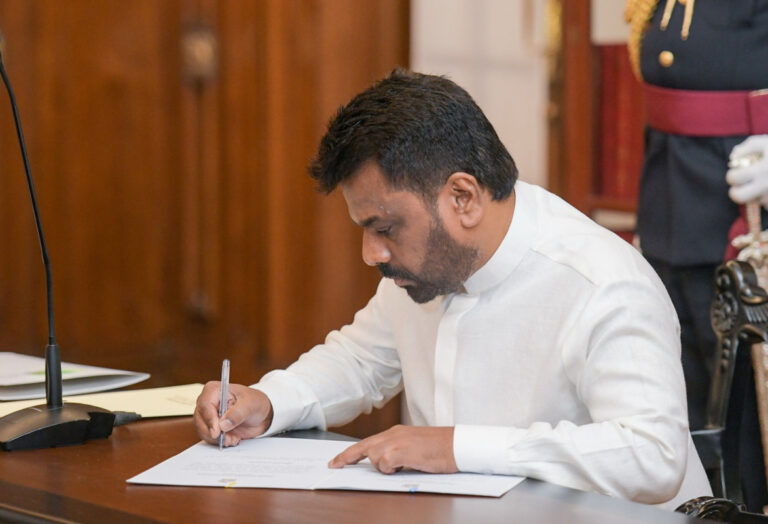
November 02, Colombo (LNW): President Anura Kumara Dissanayake is set to deliver his high-stakes second budget on November 7, forging a critical path between IMF mandates and public relief. Sources confirm the 2026 fiscal plan strategically avoids new taxes, despite IMF recommendations for additional levies.
Instead, the administration will launch an aggressive revenue drive focused on enforcement, optimizing collection from the Inland Revenue, Customs, and Excise departments, and penalizing evaders to broaden the tax net.
This decisive strategy aims to fund a robust relief package for low-income groups and crucial incentives for exports and SMEs.
The budget’s core objectives are clear: attract vital Foreign Direct Investment, aggressively boost foreign exchange earnings, and stabilize the economy, all while cushioning the public from further economic shocks. The presentation is poised to define Sri Lanka’s recovery trajectory.
IMF Calls for Urgent Overhaul of Sri Lanka’s Corruption-Prone Procurement System
By: Staff Writer
November 01, Colombo (LNW): Sri Lanka’s public procurement system long plagued by inefficiency, corruption, and lack of oversight—has come under renewed scrutiny from the International Monetary Fund (IMF), which has called for the immediate enactment of a comprehensive Public Procurement Law to restore transparency and accountability in government spending.
In its latest governance diagnostic report, the IMF has warned that the country’s current procurement process, marked by opaque tendering and excessive political discretion, poses a serious threat to economic recovery and investor confidence. The Fund’s call forms part of its wider governance reform agenda under the Extended Fund Facility, aimed at tightening public financial management and ensuring responsible use of taxpayer funds.
The IMF report identifies systemic flaws—including the absence of a central regulatory authority, outdated procurement regulations, and excessive Cabinet-level discretion in awarding major contracts. Procurement decisions are currently scattered across ministries and departments, while high-value contracts are funneled through Cabinet Appointed Procurement Committees (CAPCs) before reaching the Cabinet for final approval. However, the lack of obligation to follow CAPC recommendations has led to inconsistencies and opened doors for irregular decision-making.
A landmark 2006 Court of Appeal ruling underscored these weaknesses, stating that Cabinet decisions were not legally bound by procurement guidelines or appeals board recommendations—effectively legitimizing discretionary power in contract awards. This, according to the IMF, has eroded public confidence and created fertile ground for corruption.
To address these weaknesses, the IMF has urged the government to operationalize the National Procurement Commission (NPC) without delay, empowering it with full regulatory and oversight authority. The Fund also recommends the implementation of an 18-month action plan to speed up the reform process.
Another central pillar of the proposed reforms is the Procurement Management Information System (PROMISe), currently in pilot phase. This digital platform aims to automate procurement procedures, track progress from bid submission to contract signing, and improve monitoring. However, its success, the IMF cautions, will depend on staff capacity, coordination with audit systems, and strong political will.
To enhance transparency, the IMF suggests that the government publish all public procurement contracts above Rs 1 billion, along with details on the level of competitive bidding, every six months on a publicly accessible website.
Experts agree that moving toward a digital, rule-based procurement system could transform public financial management provided reforms also strengthen audit frequency and accountability mechanisms.
As Sri Lanka strives to rebuild after its worst economic crisis in decades, the IMF’s message is clear: reforming public procurement is not just about saving money it’s about restoring public trust and ensuring every rupee is spent fairly and efficiently.
Japan-Funded Roadmap to Transform Sri Lanka’s Port Efficiency
By: Staff Writer
November 01, Colombo (LNW): Sri Lanka’s maritime gateways are set for a transformative upgrade in traveller clearance and health preparedness, following the launch of an $8.4 million roadmap jointly developed by the International Organization for Migration (IOM) and the Sri Lanka Ports Authority (SLPA), with funding from the Government of Japan. The initiative aims to modernise border management, enhance inter-agency coordination, and strengthen public health resilience across the island’s major seaports.
The new framework titled “Baseline Assessment and Roadmap of Traveller Clearance Arrangements at Sri Lanka Seaports” was unveiled at the Seaport Symposium held in Colombo this week. Covering the ports of Colombo, Galle, Trincomalee, and Kankesanthurai, the study also references Hambantota as an emerging maritime hub. It provides a detailed assessment of existing border processes and outlines strategic reforms to streamline operations, improve digital integration, and ensure readiness for future health emergencies.
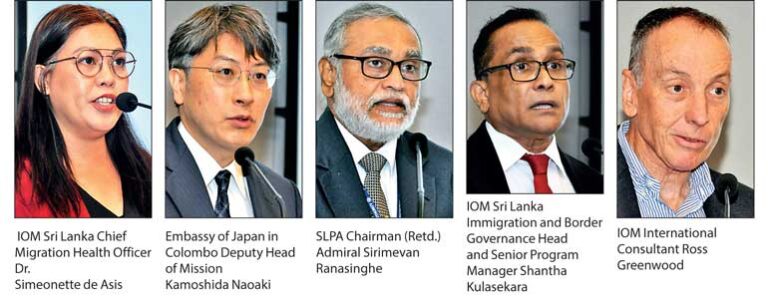
IOM Chief Migration Health Officer for Sri Lanka and the Maldives, Dr. Simeonette de Asis, described the project as a milestone in balancing border facilitation with public health security. “This collaboration strengthens Sri Lanka’s capacity to manage borders safely and efficiently — not only for trade and travel but also for future pandemic preparedness,” she said, thanking Japan for its sustained support.
Japan’s Deputy Head of Mission in Colombo, Kamoshida Naoaki, reaffirmed his country’s long-standing commitment to Sri Lanka’s infrastructure development, recalling Japan’s contributions to Bandaranaike International Airport and the Jaya Container Terminal. “Infrastructure and equipment are vital, but without proper processes and trained personnel, safety and efficiency cannot be achieved,” he noted.
SLPA Chairman Admiral (Retd.) Sirimevan Ranasinghe emphasised that as an island nation on one of the world’s busiest maritime routes, Sri Lanka’s ports must evolve into secure, efficient, and health-resilient gateways. He outlined ongoing digital upgrades, the installation of modern screening and scanning systems, and the rollout of the Smart Port initiative to accelerate traveller clearance.
The roadmap, he said, provides “a clear and practical guideline for Sri Lanka’s next steps — from procedural harmonisation to infrastructure enhancement and institutional coordination.” He reaffirmed SLPA’s full commitment to implementing the recommendations, which are expected to improve operational efficiency and support sustainable growth in the maritime sector.
The $8.4 million Japan-funded project spans both Sri Lanka and the Maldives. Among its major deliverables are the first Automated Border Control (ABC) system at Bandaranaike International Airport, biometric upgrades at 20 diplomatic missions, and the construction of a new Port Health Office in Colombo. It also includes donations of 17 large-scale scanners and development of standard waste management procedures with the International Civil Aviation Organization (ICAO).
IOM consultant Ross Greenwood noted that Sri Lanka’s strategic location along global shipping routes presents “enormous potential for trade and tourism,” and the new roadmap’s 46 recommendations 12 of them immediate priorities will help unlock this potential through better coordination, data interoperability, and infrastructure upgrades.
Bureaucratic Friction Hampers Sri Lanka’s Latest BOI FDI Surge
By: Staff Writer
November 01, Colombo (LNW): Sri Lanka’s attempt to rejuvenate foreign direct investment (FDI) continues to hit friction despite recent headline numbers, as concerns linger over the efficiency of its principal investment‐promotion body, the Board of Investment of Sri Lanka (BOI), and the clarity of its reporting.
In a statement issued October 21, 2025, BOI Chairman Arjuna Herath reported that FDI inflows (including foreign commercial loans to BOI‐approved enterprises) for the first nine months of 2025 reached US$ 827 million, representing a 138 % increase compared to the same period in 2024.
According to the breakdown, equity capital amounted to US$ 133 million; reinvested retained earnings US$ 132 million; intra‐company foreign borrowings US$ 231 million; and long‐term foreign commercial loans US$ 331 million.
Local investment from 163 BOI-registered projects amounted to US$ 326 million in this period. These figures, while headline‐grabbing, raise questions about substance and speed of actual investment flows, especially given the still‐complex approval environment. The BOI was tasked under the country’s new Economic Transformation Act (ETA) to streamline investment approvals one target being to reduce approval times from 269 days to 82 days. But analysts say that despite legislative reform, bureaucratic delays and overlapping regulatory layers continue to hamper investor momentum.
Furthermore, critics note that the BOI’s methodology aggregating equity, retained earnings, intra-company loans and commercial borrowing into a single “FDI” figure clouds true foreign capital inflows. One independent commentary described the US$ 827 million claim as “book-keeping” rather than new cross-border investment, warning that much of it reflects reinvestment by existing investors rather than fresh foreign funds.
In practice, key projects such as the Colombo West International Terminal (CWIT) invested US$ 229 million, and new tyre‐manufacturer CEAT OHT Lanka Pvt Ltd injected US$ 111 million, together contributing significantly to the total.
But the concentration of major hubs means that broader investor participation and speed of green-field start‐ups remain more muted than the total number suggests.
For Sri Lanka’s government, the challenge is now two-fold: to convert headline-worthy figures into tangible operational capacity, job creation and export growth; and to ensure that the BOI’s facilitation mechanisms move at pace and with transparency. With the reform agenda still unfolding, delayed approvals, ambiguous accounting categories and investor wariness around policy consistency could dampen the boost implied by the nine-month numbers.
As one senior economist put it, reforms are necessary but not sufficient—the institutional machinery must deliver. For Sri Lanka’s FDI push to move beyond optics into real impact, the BOI must bring its bureaucracy down, clarify its reporting, and ensure that capital translates into jobs, factories and sustainable growth.
Central Bank Governor Flags Policy Gaps amid Recovery Signs
By: Staff Writer
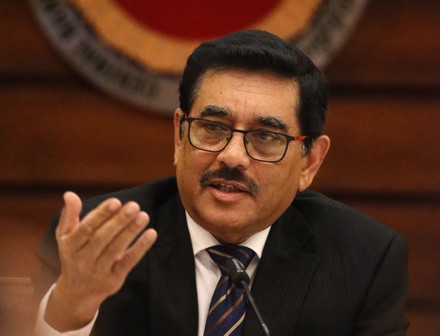
November 01, Colombo (LNW): In remarks that underscore both progress and lingering inconsistencies in economic management, Central Bank of Sri Lanka (CBSL) Governor Dr. Nandalal Weerasinghe said the country’s financial system has regained “significant stability” yet cautioned that sluggish economic dynamics and policy misalignment continue to dampen momentum.
Dr. Weerasinghe emphasised at a media conference in Colombo recently that the banking and finance sector is now “much stronger” than a year ago, attributing the improvement to better asset quality, enhanced fiscal oversight and improved debt metrics.
He pointed to anticipated revenue above 15.3 percent of GDP and a primary surplus above the 2.3 percent budget target as rare signals of fiscal discipline under the current government.
However, while lauding the automatic boost from a surge in vehicle imports estimated at around US$1.5 billion this year compared with prior projections of US$1 billion he implied that such gains reflect short-term windfalls rather than deep structural reform.
On credit conditions, the Governor noted the shift in credit growth from the public sector toward the private sector as a positive rebalancing. Lending to the public sector is declining, creating more room for private-sector credit expansion, he said. However, he also acknowledged that overall financial intermediation remains below pre-crisis levels, and that interest margins continue to exceed 4 percentage points, something the bank will attempt to address through greater transparency and competition.
Dr. Weerasinghe’s medium-term outlook remains cautious: inflation is expected to settle at 5 percent next year and GDP growth is forecast at 4–5 percent in 2026, after a 5 percent expansion this year. These projections reflect the improved stability across fiscal, monetary and financial fronts but hinge on sustained discipline and policy coherence.
By highlighting both the gains and the work still required, the Governor’s comments implicitly underscore tensions in the government’s economic policy mix. On the one hand, improved revenue collection and a primary surplus point to fiscal discipline.
On the other, growth remains modest, margins remain high and the economy’s deeper structural driversinvestment, export competitiveness, and private-sector credit quality remain fragile. According to CBSL data, Sri Lanka’s economy grew around 5 percent in 2024, yet underlying dynamics remain sluggish, with inflation below target and domestic investment weak.
In short, while Governor Weerasinghe celebrates the “hard-won gains,” the underlying message is clear: without tighter policy alignment, structural reform and stronger growth drivers, the recovery may stall or fall short of its potential. The government now faces the challenge of turning temporary upswings into sustained, inclusive growth.
Sri Lanka Welcomes Over 150,000 Tourists in October
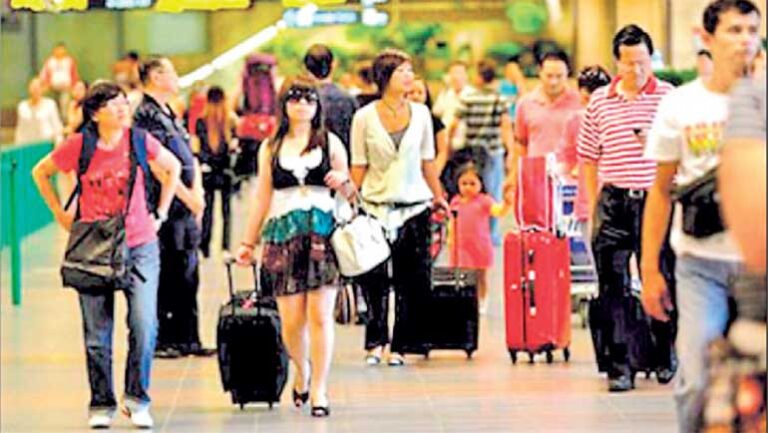
November 01, Colombo (LNW): The Sri Lanka Tourism Development Authority (SLTDA) has revealed that 153,063 foreign visitors arrived in the country between October 01 and 29, 2025, underscoring the continuing strength of Sri Lanka’s tourism recovery.
India remained the largest source market, contributing 44,741 visitors—around 29 per cent of total arrivals for the month. The United Kingdom followed with 12,128 tourists, while Russia and China accounted for 10,450 and 10,408 visitors respectively. Germany recorded 8,950 arrivals, and Australia 7,226, reflecting steady interest from Europe and the Asia-Pacific region.
Cumulative data for the year up to 29 October shows that Sri Lanka has welcomed 1,878,557 international travellers. Of this total, 420,033 were from India, 174,021 from the United Kingdom, and 132,594 from Russia.
Tourism authorities have described these figures as a positive indicator of sustained confidence in Sri Lanka as a travel destination, attributing the steady influx to improved connectivity, promotional campaigns, and a growing reputation for cultural and environmental diversity.
Government to Recover Subsidy Funds from Farmers Who Leave Land Uncultivated
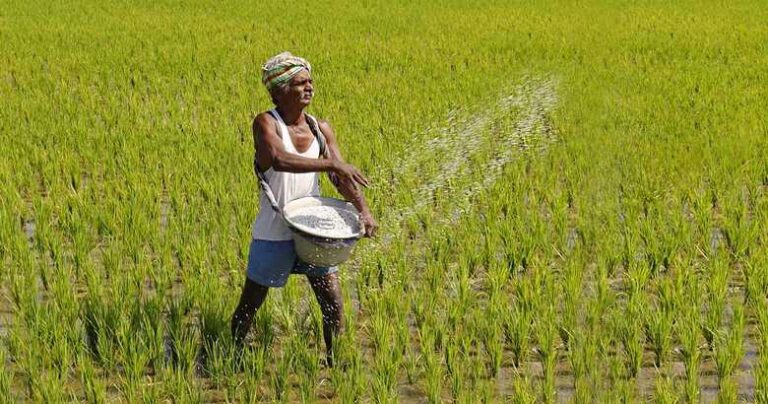
November 01, Colombo (LNW): Agriculture Deputy Minister Namal Karunaratne has announced that the government will reclaim funds from farmers who fail to cultivate their fields after obtaining fertiliser subsidies.
He explained that the amount owed by such farmers will be deducted automatically when subsidies for the following cultivation season are issued. The measure is intended to ensure accountability and encourage the proper use of state assistance intended to boost agricultural productivity.
At present, farmers receive a fertiliser subsidy of Rs. 50,000 for two hectares of cultivated land. In addition, those engaging in intercropping on paddy lands will be granted a separate subsidy of Rs. 30,000 for the same area.
The Deputy Minister stressed that the policy aims to promote more efficient use of agricultural resources and discourage misuse of public funds allocated to support farming communities.
Nationwide Data Collection on Transport Services Commences Today
November 01, Colombo (LNW): The National Transport Commission (NTC) has announced the launch of a comprehensive data collection initiative covering three-wheelers, school transport services, office vans, and special tour buses, beginning today.
According to NTC Director General Dr Nilan Miranda, the primary aim of the project is to establish a fair and transparent system for determining fares, while also developing new regulations and operational guidelines for these transport services.
Dr Miranda further noted that public participation will play a vital role in shaping the forthcoming policies. To that end, the NTC has organised a programme to gather feedback and suggestions from commuters, operators, and other stakeholders, ensuring that the reforms reflect the needs and realities of everyday transport users.
Laugfs Gas Confirms No Change in Prices for November
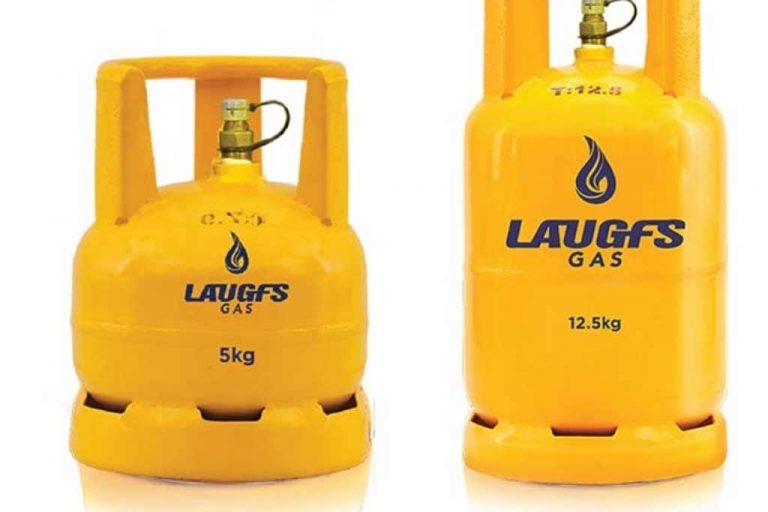
November 01, Colombo (LNW): Dr Niroshan J. Peiris, Director of Laugfs Gas, has announced that the company will maintain its existing gas prices throughout November, following its regular monthly price evaluation.
Accordingly, the cost of a 12.5-kilogramme domestic gas cylinder will remain at Rs. 4,100, while the price of a 5-kilogramme cylinder continues at Rs. 1,645.
Dr Peiris explained that the decision was reached after reviewing global market trends and operational costs, noting that current conditions did not justify any adjustment at this time.