By: Staff Writer
October 19, Colombo (LNW): Sri Lankan credit- and debit-card users are facing mounting financial pressure as invisible charges, steep interest rates and surging card debt converge amid high living costs and low incomes. Despite directives from the Central Bank of Sri Lanka (CBSL), many cardholders find themselves caught in a punishing financial trap.
Banks charge annual interest rates on credit-card purchases as high as around 20 percent, and up to 26 percent for cash advances—far above the policy rate of 7.75 percent. On top of this, surcharges of 2.5–3 percent are still routinely passed onto customers by merchants when payments are made by card. Since these are often calculated on tax-inclusive prices, consumers end up paying a “tax on tax” in effect.
The emerging scale of the problem is stark. By August 2024, total outstanding credit-card debt at licensed commercial banks stood at Rs. 150.6 billion, up by Rs. 942 million in that month alone.
The number of active credit-cards has climbed as well: by April 2024 there were 1,914,126 in use, though the figure edged up just marginally from end of December 2023.
Consumer advocates say these numbers undershoot the anguish faced by many cardholders whose monthly incomes are squeezed and whose living-costs are rising. One recent study reported that although active card numbers were under 2 million, the value of defaulted cards as of Q2 2024 was Rs. 20.7 billion even though the number of defaulted accounts fell slightly to 168,978.
On top of high interest and surcharges, card users face ATM withdrawal fees (especially at machines of other banks), foreign-exchange mark-ups, and stamp duties embedded in overseas cards. For instance, some “Gold” credit-cards levy Rs. 25 for every Rs. 1,000 spent abroad, in addition to currency conversion costs.
A significant government reform is under review: the Ministry of Finance, Sri Lanka has confirmed it is considering a proposal from the Ministry of Digital Economy, Sri Lanka to eliminate extra fees on card transactions. Initial consultations have been held with the CBSL and the Inland Revenue Department of Sri Lanka to assess how to cover losses borne by consumers. The reform forms part of a broader push towards a fully cash-less economy, routing payments through QR-based mobile systems.
Yet until reforms take effect, millions of Sri Lankans with cards will continue to bear the brunt of hidden costs and high-interest debt. With many households already living on tight margins, the combination of surcharges, interest and default risk poses a growing threat to household financial stability.
Sri Lankan Cardholders Trapped in Costly Cycle of Hidden Fees and High Debt

Sri Lanka to Field Record-Breaking Squad at Asian Youth Games in Bahrain
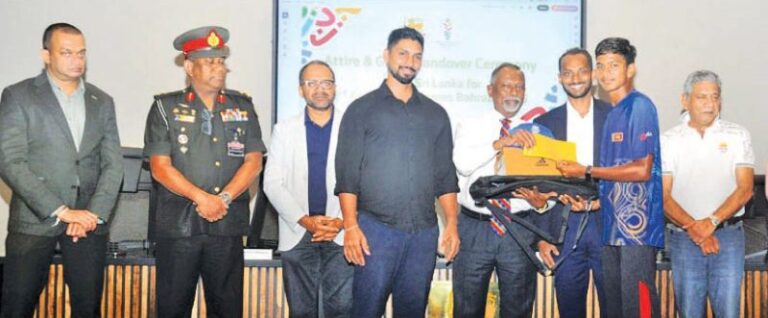
October 19, Colombo (LNW): Sri Lanka is preparing to make a historic appearance at the upcoming Asian Youth Games (AYG), with the island nation set to send its largest-ever delegation to the continental multi-sport event, taking place in Bahrain from October 22 to 31.
A total of 150 individuals will represent the country, including a record 100 young athletes—56 boys and 44 girls—who will compete across 12 disciplines. The athlete group will be supported by a team of 31 sport-specific officials and 19 members from the wider national delegation.
The young Sri Lankan competitors will take part in athletics, badminton, 3×3 basketball, boxing, esports, golf, kabaddi, swimming, taekwondo, beach volleyball, weightlifting, and wrestling—highlighting the growing breadth of youth sport development on the island.
Flying the national flag at the Opening Ceremony will be two standout athletes: Janidu Dhananjaya, the country’s top-ranked Under-16 boxer in the 52kg weight class, and Dilini Nethsala, a rising star in the long jump. Their selection as flag-bearers reflects both promise and performance in their respective fields.
This year’s participation comes with added significance as it marks the first time the National Olympic Committee of Sri Lanka (NOCSL) will offer a daily allowance to athletes during an international youth event—a progressive step aimed at recognising their commitment and easing financial burdens on young sportspeople and their families.
Sri Lanka’s track record at the AYG includes a modest but meaningful medal haul. At the most recent edition in Nanjing in 2013, Sri Lankan athletes earned six medals, including a silver in the men’s 110m hurdles. The inaugural Games in Singapore in 2009 saw the country take home three medals, one of which was silver in the men’s 4x200m relay.
Yevan David Makes History with Rookie Title Win in Euroformula Open

October 19, Colombo (LNW): Young Sri Lankan racing driver Yevan David has etched his name into the record books by becoming the first Sri Lankan to clinch the Rookie Championship title in the prestigious Euroformula Open series.
The landmark achievement came during the penultimate round of the championship, held at the iconic Monza circuit in Italy. David secured the rookie crown after finishing second in the weekend’s second race, capping off a high-pressure weekend with a composed and strategic drive.
The weekend began with a fierce contest in the opening race, where David started from pole position. He found himself in a tight three-way battle with his Motopark teammate Everett Stack and Mexico’s Jose Garfias. Despite a shredded rear-left tyre in the final lap—an incident that nearly derailed his podium hopes—David managed to bring the car home in sixth place. That finish, however, earned him the reversed-grid pole for the next day’s race.
In Race Two, David showed maturity beyond his years, defending strongly and maintaining a steady pace to secure second place at the chequered flag. That result not only earned him the rookie title but also elevated him to second place in the overall drivers’ standings, edging past South Korea’s Michael Shin. Poland’s Tymek Kucharczyk continues to lead the championship.
David’s breakthrough season in European single-seater racing has captured the attention of motorsport enthusiasts back home and across the continent. His consistent performances, sharp racecraft, and resilience under pressure have marked him as a rising talent to watch in the international racing scene.
Vietnamese Buddhist Delegation from the US Begins Spiritual Tour of Sri Lankan
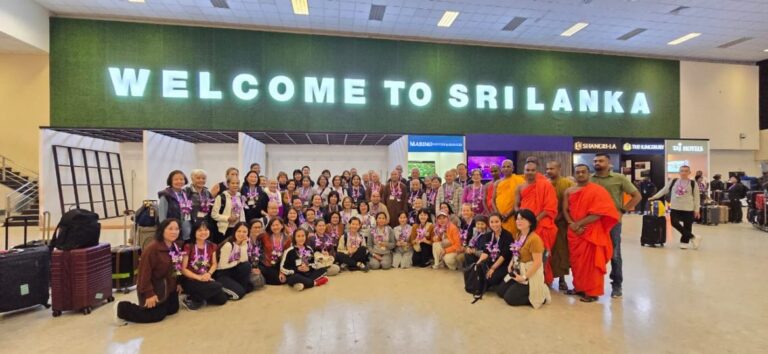
October 19, Colombo (LNW): A group of 86 Vietnamese Buddhist monks, nuns, and lay followers based in the United States arrived in Sri Lanka on Friday (17), to embark on a week-long spiritual and cultural pilgrimage.
The delegation is being led by Venerable Thien Thero, the abbot of the Lien Hoa Buddhist Temple in San Antonio, Texas, and is visiting the island under the spiritual guidance of Venerable Udumule Saranapala Thero, a Royal Pandita and senior teacher affiliated with the same temple.
During their stay, the group is expected to engage in a number of religious and cultural activities aimed at deepening their understanding of Sri Lanka’s Theravāda Buddhist traditions. A key part of their itinerary includes formal audiences with the Most Venerable Maha Nayaka Theros of the Malwatta and Asgiri Chapters in Kandy, as well as spiritual leaders of the Atamasthana—the sacred eight sites of Anuradhapura.
In addition to these ceremonial engagements, the visitors will take part in religious observances and offer alms and educational assistance to local monastics. The delegation is also scheduled to visit several iconic heritage sites such as the Temple of the Tooth Relic in Kandy, the ancient ruins of Anuradhapura, the rock fortress of Sigiriya, and the Dambulla cave temple complex.
Venerable Saranapala Thero explained that the journey is not only a pilgrimage, but also a gesture of spiritual solidarity with Sri Lanka’s monastic community, with the broader goal of fostering global Theravāda unity and supporting the continued revival of Buddhist practice in the region.
Sri Lanka Secures $100 Million ADB Loan to Strengthen Secondary Healthcare System
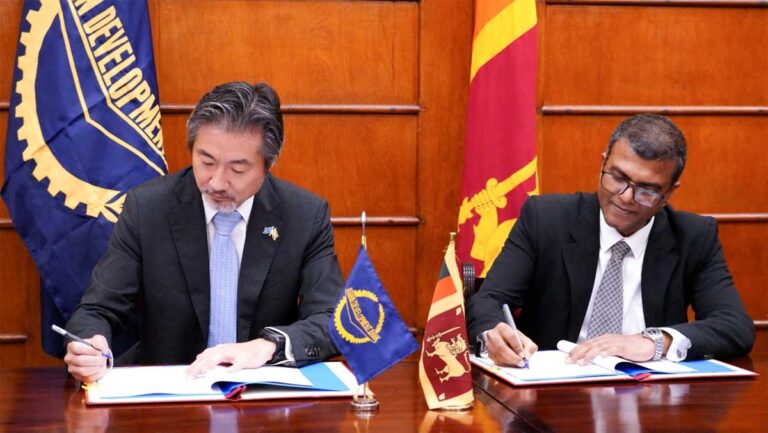
October 19, Colombo (LNW): Sri Lanka has finalised a new financial agreement with the Asian Development Bank (ADB), securing a loan of US$ 100 million aimed at strengthening the country’s healthcare infrastructure, with a particular focus on improving secondary-level medical services.
The initiative forms part of a broader effort to ensure equitable access to quality healthcare under the government’s commitment to universal health coverage.
The loan has been extended through ADB’s Ordinary Capital Resources and will directly support a national health development programme designed to improve the efficiency, reach, and responsiveness of the public health system—especially in areas serving as the first point of referral for patients beyond primary care.
According to the Ministry of Finance, the project will centre on three key areas: enhancing the delivery of first referral care services, building robust systems for pandemic prevention and emergency response, and improving technical capabilities within the health sector, including more effective management of the pharmaceutical supply chain.
In addition to the main loan facility, the programme will receive a supplementary grant of US$ 6.9 million from the ADB-managed Pandemic Prevention, Preparedness and Response Trust Fund, further boosting the capacity of Sri Lanka’s healthcare system to respond to future health emergencies.
The agreement was formally signed by Harshana Suriyapperuma, Secretary to the Ministry of Finance, Planning and Economic Development, on behalf of the Sri Lankan government, while Takafumi Kadono, ADB’s Country Director, represented the lending institution.
Officials involved in the project noted that the programme will play a critical role in bridging the gap between primary care and specialised hospital services, while also helping modernise health infrastructure and workforce training in line with global standards. Implementation is expected to be carried out in phases across multiple provinces, with particular attention to underserved and rural areas.
Hulftsdorp Court Murder: Police Granted 90-Day Detention Order for Ishara Sewwandi

October 19, Colombo (LNW): Sri Lankan authorities have secured official clearance to detain and question Ishara Sewwandi—a key suspect in a high-profile underworld murder case—for a period of 90 days.
The Ministry of Defence approved the extended detention period following a formal request from Sri Lanka Police. The approval allows investigators additional time to conduct in-depth interrogations related to the killing of underworld figure known as ‘Ganemulla Sanjeewa.’
Sewwandi, who had been evading arrest for several months, was recently tracked down and apprehended in Nepal through coordinated international efforts. She was subsequently repatriated to Sri Lanka to face legal proceedings.
Investigators suspect her involvement in a broader criminal network, and believe she may hold critical information about the circumstances surrounding Sanjeewa’s murder, as well as other related criminal activity.
Zimbabwe Confirmed for T20 Tri-Series in Pakistan Alongside Sri Lanka
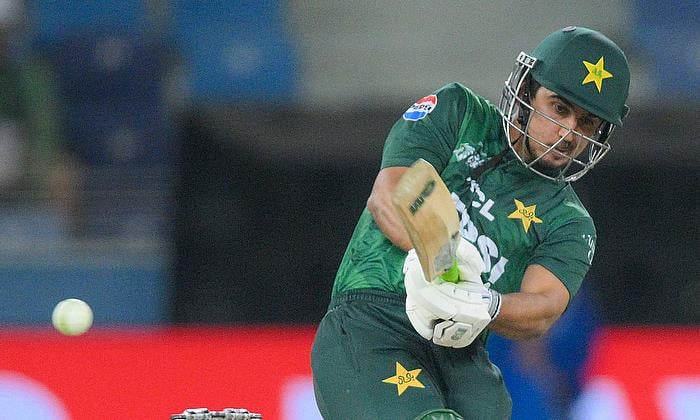
October 19, Colombo (LNW): Zimbabwe has formally accepted an invitation from the Pakistan Cricket Board (PCB) to compete in a T20 international tri-series, which will also feature Sri Lanka. The tournament is set to take place across two Pakistani cities—Rawalpindi and Lahore—from November 17 to 29.
This marks the first time a T20 tri-series will be hosted on Pakistani soil, and it has been designed to serve as crucial match preparation for all three teams ahead of the ICC Men’s T20 World Cup in 2026, which will be jointly hosted by India and Sri Lanka.
The series will kick off on November 17 at the Rawalpindi Cricket Stadium, where Pakistan will face Zimbabwe in the opening clash. On November 19, Zimbabwe will return to the field to take on Sri Lanka at the same venue.
After these initial two fixtures, the tournament will move to Lahore’s Gaddafi Stadium, which will host the remaining five matches, including the final, scheduled for November 29.
The inclusion of Zimbabwe comes after Afghanistan withdrew earlier in the day, citing scheduling constraints. Their absence opened the door for Zimbabwe to step in and provide competitive balance to the three-nation series.
Sri Lanka’s Public Debt Jumps by One Trillion in 1H of 2025

October 19, Colombo (LNW): Sri Lanka’s public debt has reportedly surged by one trillion rupees in the first half of 2025.
Notwithstanding the massive increase in taxes and the implementation of the cost-reflective prices of utilities since the beginning of the IMF programme, Government indebtedness and its debt stock has been rising at a dangerous pace.
At the end of December 2024, the total debt stock of the Government was Rs.28.7 trillion. By June 2025 (in six months), it had jumped to Rs.29.7 trillion: an increase of Rs.1 trillion or Rs.1000 billion in just six months at an unbelievable rate of about Rs.5.6 billion per day!
President Stresses Integrity in Public Service at Air Force Commissioning in Trincomalee
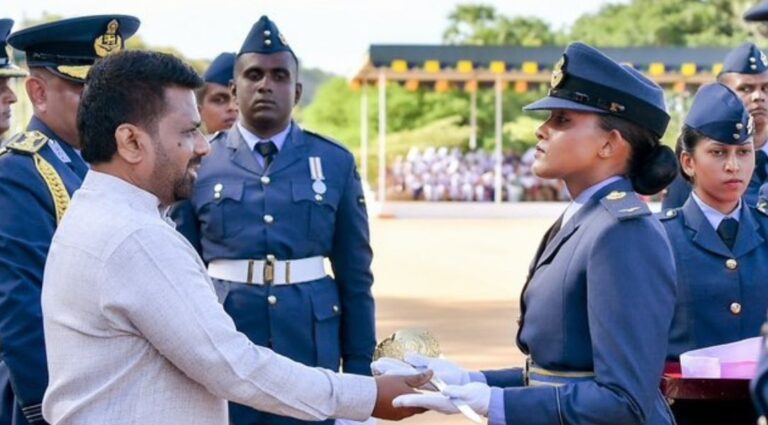
October 19, Colombo (LNW): President Anura Kumara Dissanayake has underscored the urgent need for a state sector built on professionalism, responsibility, and public trust, calling for a renewed commitment to duty across all branches of government service. His remarks were delivered during a formal event hosted by the Sri Lanka Air Force at China Bay in Trincomalee.
Speaking at the ceremony, President Dissanayake emphasised that the country’s progress depends on a disciplined and accountable public service, where each institution carries out its mandate with dedication and efficiency. In this context, he announced that the Air Force will be assigned an enhanced role in the national campaign against drug trafficking and organised crime—a growing concern that threatens public health and national security.
The occasion marked a significant milestone for the Sri Lanka Air Force, as the No. 3 Maritime Squadron was honoured with Presidential Colours in recognition of its service and operational excellence. The symbolic gesture is reserved for military units that have demonstrated exceptional discipline, loyalty, and contribution to national defence.
The event also celebrated the commissioning of 66 officers, including graduates of the 103rd Flying Cadet Officer Course. Each newly commissioned officer was formally decorated with flight badges, presented personally by the President, in a ceremony that combined military tradition with national pride.
President Dissanayake further recognised cadet officers who exhibited outstanding skill and leadership during their training, presenting them with special awards in acknowledgement of their excellence.
The ceremony, held at the Sri Lanka Air Force Academy in China Bay, showcased the discipline, precision, and spirit of service that the armed forces represent. It also served as a platform for the President to reaffirm his administration’s commitment to reforming public institutions, starting with those entrusted with national defence and public safety.
Protective Barriers to Be Installed Along Risk-Prone Mountain Roads in Sri Lanka
October 19, Colombo (LNW): In a move to enhance road safety in hilly terrain, the Road Development Authority (RDA) has launched a targeted infrastructure project aimed at reducing accidents along embankments deemed particularly dangerous.
The initiative follows a concerning rise in road-related incidents across mountainous regions.
As part of the initial phase of this safety enhancement programme, the RDA will begin constructing protective fencing along treacherous road stretches in the Uva, Sabaragamuwa, and Central Provinces.
These regions, known for their winding roads and steep gradients, have seen a disproportionate number of vehicle mishaps in recent months, particularly during periods of heavy rainfall and low visibility.
Deputy Director General of the RDA’s Road Safety and Traffic Management Division, K. Chandrakumara, stated that approximately 50 kilometres of iron fencing will be installed in areas that have been identified through risk assessments and accident data analysis.
The fencing will serve as a physical barrier to prevent vehicles from veering off sharp bends and plunging down embankments—a common and often fatal occurrence on Sri Lanka’s hill-country roads.
The project has been prioritised due to the urgent need to protect both local commuters and tourists who frequently travel through these scenic but perilous routes.
In many of the identified locations, minimal infrastructure exists to prevent vehicles from leaving the roadway, particularly in rural or remote areas where emergency response times can be delayed.
While the current phase covers only a portion of the country’s high-risk areas, authorities have indicated that the initiative may be expanded in future stages to include additional provinces and secondary roads, subject to funding and further evaluations.