October 06, Colombo (LNW): The Ceylon Electricity Board (CEB) has officially called for tenders to develop 200MW/200MWh of battery energy storage systems (BESS), as part of its broader strategy to strengthen Sri Lanka’s national grid and increase its capacity to absorb renewable energy.
The initiative, backed by funding from the Asian Development Bank (ADB), represents a key step in the country’s energy transition.
The BESS project, to be located at the Kolonnawa grid substation, is being tendered in two equal parts—each for 100MW/100MWh of storage capacity. This large-scale deployment is intended to address one of the major technical challenges in integrating variable renewable sources, such as solar and wind, into the grid: their intermittent nature.
The ADB had previously extended a credit facility of USD 150 million to Sri Lanka, aimed specifically at upgrading the transmission and distribution infrastructure to better handle renewable power generation. Unlike traditional fossil-fuel plants or large hydropower stations, solar and wind installations are subject to fluctuations in output, depending on weather and time of day.
Without appropriate grid support, these fluctuations can trigger voltage instability and potentially cause cascading failures across the system.
Battery storage offers a critical solution to this problem. BESS installations can respond to imbalances in supply and demand within milliseconds, helping to smooth out short-term fluctuations and improve overall grid reliability. In doing so, they act as a buffer—storing excess energy when supply is high and releasing it when demand rises or generation dips.
CEB Invites Bids for Major Battery Storage Project to Support Renewable Energy Integration
Over 130 Traders Face Legal Action for Selling Rice Above Controlled Prices
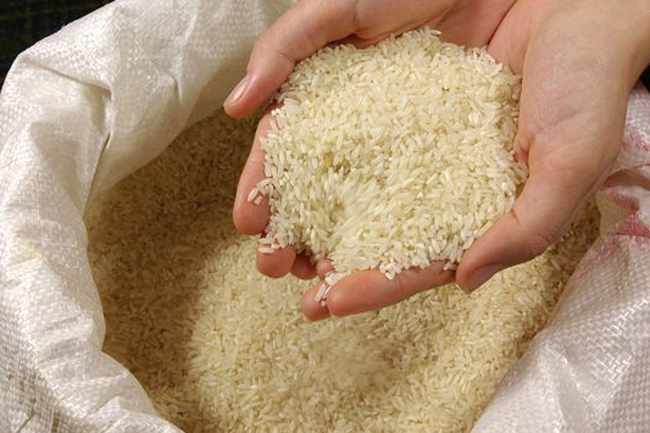
October 06, Colombo (LNW): The Consumer Affairs Authority (CAA) has initiated legal proceedings against 135 traders across Sri Lanka for allegedly selling rice at inflated prices, as part of a broader clampdown on unethical market practices amid rising concerns over food affordability.
According to the CAA, the cases stem from raids conducted islandwide over the past month, targeting both individual vendors and businesses suspected of price manipulation or hoarding of essential food items.
The authority confirmed that enforcement operations are ongoing, particularly against those attempting to profit by concealing rice stocks or violating price controls.
Under the Consumer Affairs Authority Act, traders found guilty of overpricing rice may face significant penalties. Individuals risk fines ranging from Rs. 100,000 to Rs. 500,000, imprisonment for a period of up to five months, or both.
In the case of corporate entities, penalties can range from Rs. 500,000 to Rs. 5 million, with the added possibility of custodial sentences and the confiscation of goods found to be hoarded or sold unlawfully.
The CAA also issued a stern warning to repeat offenders, stating that courts are empowered to impose double the standard fine and extend prison terms to a maximum of one year upon a second conviction.
Central Bank Launches Survey on Virtual Asset Service Providers Ahead of AML Evaluation

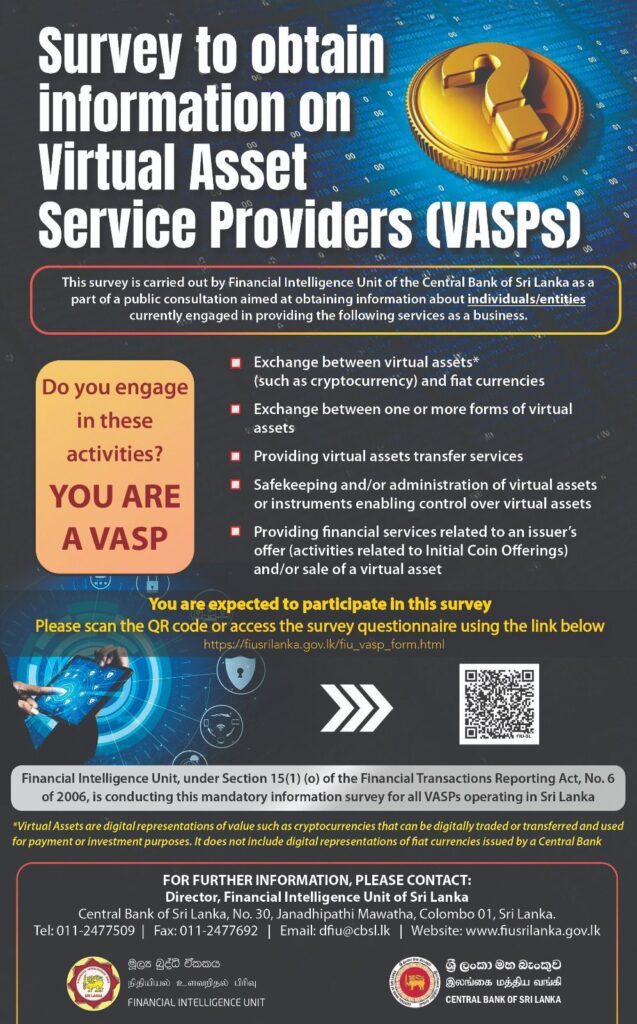
October 06, Colombo (LNW): Sri Lanka’s Financial Intelligence Unit (FIU), operating under the Central Bank, has launched a mandatory survey aimed at identifying individuals and businesses engaged in Virtual Asset Service Provider (VASP) activities.
The initiative comes as part of preparatory efforts ahead of the country’s third national evaluation of its Anti-Money Laundering and Countering the Financing of Terrorism (AML/CFT) framework.
The survey forms part of a broader public consultation process designed to map out the landscape of virtual asset-related services currently being offered in the country. It targets any persons or entities involved in business activities such as the exchange of virtual assets for fiat currency, the transfer or safekeeping of virtual assets, and the provision of financial services tied to virtual asset offerings or sales.
The Central Bank clarified that virtual assets—such as cryptocurrencies—are defined as digital representations of value that can be digitally traded, transferred, or used for investment purposes. These assets, however, do not include digital representations of fiat currency issued by the Central Bank itself.
While the use of virtual assets continues to grow globally, Sri Lanka maintains strict regulations on their use within its financial system. Under current foreign exchange laws, the use of cryptocurrencies or other virtual assets for payment transactions remains prohibited.
Nonetheless, activities related to virtual assets for investment or trading purposes, if conducted as a business, may fall under the scope of VASP classification and be subject to regulatory scrutiny.
The FIU’s effort to collect data on VASPs is expected to inform both domestic policy and international assessments, particularly as global watchdogs continue to tighten standards around digital finance and its potential links to money laundering and terrorist financing.
The Central Bank has encouraged individuals and businesses involved in virtual asset services to participate fully in the survey, noting that compliance will help enhance regulatory clarity and bolster the country’s readiness for the upcoming AML/CFT evaluation.
Power Restoration Efforts Hindered as CEB Trade Union Action Enters Second Month

October 06, Colombo (LNW): Efforts to restore power across Sri Lanka have been significantly hampered due to ongoing industrial action by employees of the Ceylon Electricity Board (CEB), as the country grapples with widespread outages triggered by severe weather.
According to CEB sources, nearly 30,000 power failures have been reported islandwide, largely attributed to high winds that have brought down trees and damaged power lines. However, despite the urgent need for repairs, response times have been severely affected due to a continuing work-to-rule campaign by electricity sector trade unions.
The Sri Lanka Nidahas Sevaka Sangamaya, a key union within the CEB, confirmed that the industrial action has delayed power restoration in many affected areas. Their campaign, now in its 32nd consecutive day, has seen employees limit themselves strictly to regular working hours, refraining from overtime and additional duties typically essential during emergency repair operations.
The protest began on September 04 and initially involved 25 trade unions, including those with affiliations to political parties such as the Sri Lanka Freedom Party (SLFP), United National Party (UNP), and Sri Lanka Podujana Peramuna (SLPP). It has since expanded in scope and impact.
Union representatives originally tabled 24 demands focused on the ongoing restructuring of the CEB. However, the list has since grown to include grievances over stalled promotions, unpaid salary arrears, and the non-permanency of a temporary Rs. 10,000 monthly allowance paid until the end of 2023.
Workers are also calling for this allowance to be incorporated into their basic salary and for a 25 per cent salary increase effective from 1 January 2024, along with corresponding back payments.
In response to the deteriorating situation, the CEB has suspended all forms of employee leave in a bid to maintain critical operations and minimise disruptions to the public. Meanwhile, an Extraordinary Gazette declaring electricity services as essential remains in force, theoretically obligating staff to report for work. Despite this, the industrial campaign continues to paralyse key functions, particularly emergency repair work.
Police Administrative Powers to Shift Back to IGP Amid Structural Changes

October 06, Colombo (LNW): The authority to oversee transfers, promotions, and other administrative matters concerning police personnel is set to return to the Inspector General of Police (IGP) in the coming week, marking a notable shift in the governance of Sri Lanka’s police force.
A formal gazette notification is expected to be issued shortly, officially transferring these powers from the National Police Commission (NPC) back to the IGP. This development follows a decision made during a recent meeting of the NPC held last Wednesday.
Currently, the National Police Commission is vested with the power to manage critical human resource functions within the police service, including disciplinary matters, career advancement, and officer transfers.
Chemical Analysis on Drugs Seized in Kandana to Be Released Soon
October 06, Colombo (LNW): Authorities in Sri Lanka are currently conducting laboratory tests on a quantity of chemical substances recently uncovered in Kandana, which are suspected to be methamphetamine, commonly referred to as ‘Ice’.
The National Dangerous Drugs Control Board (NDDCB) has stated that the final test results are expected to be released within the week.
The seizure in Kandana follows a string of discoveries in recent weeks, believed to be part of a larger international drug network operating across several regions. Substances recovered from previous raids in Middeniya and Netolpitiya, both located in the Tangalle area, have already been confirmed through laboratory analysis as methamphetamine—one of the most potent and widely trafficked synthetic narcotics.
Additionally, the NDDCB confirmed that a separate substance found in the possession of a Moldovan national in Weligama has been positively identified as Mephedrone, a synthetic stimulant that poses serious health risks and is known for its high potential for abuse and addiction.
Mephedrone is classified among the newer generation of designer drugs, often linked to party scenes and recreational misuse, but increasingly appearing in organised trafficking operations.
These findings are part of an ongoing investigation with international dimensions. Sri Lankan authorities were alerted following intelligence obtained from several individuals arrested in Indonesia, identified as members of a transnational crime syndicate.
The information provided by these suspects led to the discovery of substantial quantities of suspicious chemicals at multiple locations across the island.
All samples recovered from the recent operations have been sent to the NDDCB’s forensic laboratories for detailed examination. Officials noted that such testing is crucial not only for criminal prosecution but also to identify the exact composition and origin of the drugs, which may help uncover broader trafficking routes and supply chains.
Postal Chief Flags Widespread Misconduct and Delays in National Mail Service
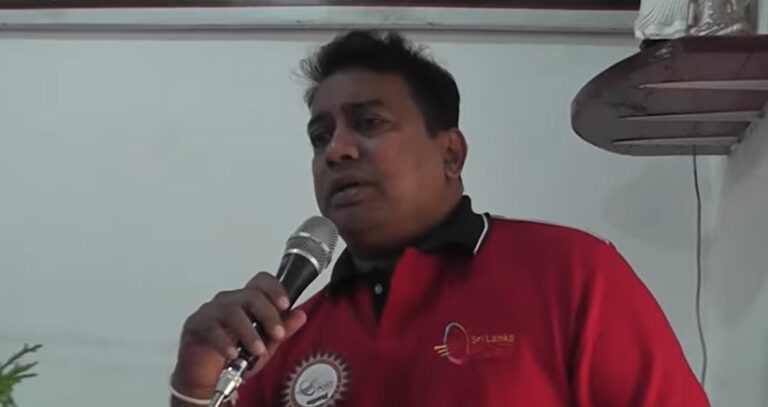
October 06, Colombo (LNW): The head of Sri Lanka’s postal service has voiced deep concern over ongoing irregularities and systemic inefficiencies within the department, pointing to a culture of misconduct that has undermined both public trust and operational standards.
Postmaster General Ruwan Sathkumara made the remarks during a World Post Day gathering held at the Haputale Post Office, where he addressed both employees and the public.
Speaking candidly, he acknowledged that his tenure has been marred by persistent internal challenges, many of which stem from fraudulent practices and administrative negligence.
Among the most alarming revelations was the misuse of overtime claims, which, according to Sathkumara, has cost the department millions of rupees.
“Overtime has been recorded and paid out without proper biometric verification,” he stated, referring to the fingerprint-based attendance system intended to ensure transparency. In many cases, records were manipulated or not maintained at all, enabling employees to secure payments without fulfilling the corresponding work hours.
He also highlighted abuse in relation to vehicle maintenance operations, where staff reportedly exaggerated the number of personnel involved and overstated the hours spent on routine servicing.
In addition to financial mismanagement, Sathkumara drew attention to unacceptable delays in the core function of mail delivery. He cited a recent incident in which a letter posted from Pilimathalawa to the Ministry of Higher Education in Colombo inexplicably took close to a month to arrive.
Boutique Hotels Hold Key to Sri Lanka’s Tourism Reinvention

By: Staff Writer
October 06, Colombo (LNW): Sri Lanka’s post-crisis tourism revival is beginning to find new direction through the rise of boutique hotels, small, design-focused properties that promise personalised experiences rooted in local culture and community. The recent SME Conclave Boutique Hotel Development Workshop, jointly organised by the Rotary Club of Colombo East and Boutiques in Sri Lanka, offered a revealing glimpse into how this niche can help reposition the country’s tourism identity and generate high-value returns.
The event brought together boutique hotel operators, SME suppliers, and tourism innovators to explore strategies ranging from digital transformation and wellness tourism to financing and sustainability. Discussions centred on how smaller, independent establishments can compete in a market dominated by large hotel chains and international brands.
According to the Sri Lanka Tourism Development Authority (SLTDA), the country currently has over 4,500 registered accommodation establishments, though only 169 are officially classified as tourist hotels. Within this diverse mix, boutique hotels form a fast-emerging category a space that blends luxury and authenticity, catering to travellers seeking unique, place-based experiences. SLTDA data also shows 15 boutique hotels under construction, underscoring investor interest despite macroeconomic uncertainty.
Industry analysts estimate that Sri Lanka’s hospitality market will reach USD 702 million by 2030, up from USD 503 million in 2025, with independent and boutique hotels accounting for over 60 percent of market share. This shift reflects a broader global trend where travellers prefer personalised stays over standardized offerings, a change accelerated by post-pandemic preferences for wellness, privacy, and local engagement.
Speakers at the Colombo workshop highlighted that wellness integration and medical tourism could become major growth drivers. With rising global demand for health-conscious travel, boutique hotels are ideally positioned to offer retreats centred on rejuvenation and preventive care. Meanwhile, sessions on artificial intelligence and digital tools showcased how technology can transform guest engagement, streamline operations, and open new marketing channels for small operators that struggle to reach international audiences.
Yet challenges remain. Access to capital continues to be a major constraint, with many boutique hoteliers unable to secure long-term financing for upgrades or expansion. Digital adoption also lags, particularly among provincial properties lacking trained staff and marketing expertise. The workshop’s focus on AI-based tools and secure digital payment solutions was therefore timely, as cashless transactions and online visibility increasingly shape destination competitiveness.
Experts note that boutique hotels can deliver far more than just luxury. Their smaller scale and community linkages allow them to integrate local supply chains, promote regional crafts, and showcase Sri Lanka’s cultural diversity advantages that larger resorts often overlook. Strengthening these linkages could make boutique hotels a model for inclusive tourism, blending profitability with social sustainability.
However, to realise this potential, policymakers must recognise the sector’s strategic value. Tailored financing mechanisms, tax incentives, and targeted promotion campaigns could help boutique operators expand beyond niche status. Equally vital is sustained capacity building training owners and staff in marketing, digital transformation, and wellness standards that align with global expectations.
The Boutique Hotel Development Workshop was more than a networking event; it signalled an industry awakening. By empowering small operators with knowledge, tools, and partnerships, it highlighted how Sri Lanka’s boutique tourism can evolve from a scattered collection of ventures into a cohesive, high-value export segment. If nurtured through smart policy and sustained collaboration, boutique hotels could indeed become a defining force in Sri Lanka’s tourism renaissance — one that combines authenticity, innovation, and resilience.
Govt Balances Cultural Values and Tourism Strategy amid LGBTQ Debate
By: Staff Writer
October 06, Colombo (LNW): Sri Lanka’s tourism industry, one of the key pillars of post-crisis economic recovery, is once again in the spotlight, this time over growing public debate surrounding the potential promotion of LGBTQ-oriented tourism. The discussion has sparked concern among religious and cultural leaders, even as the Government clarified that its tourism strategy remains rooted in national values, culture, and heritage.
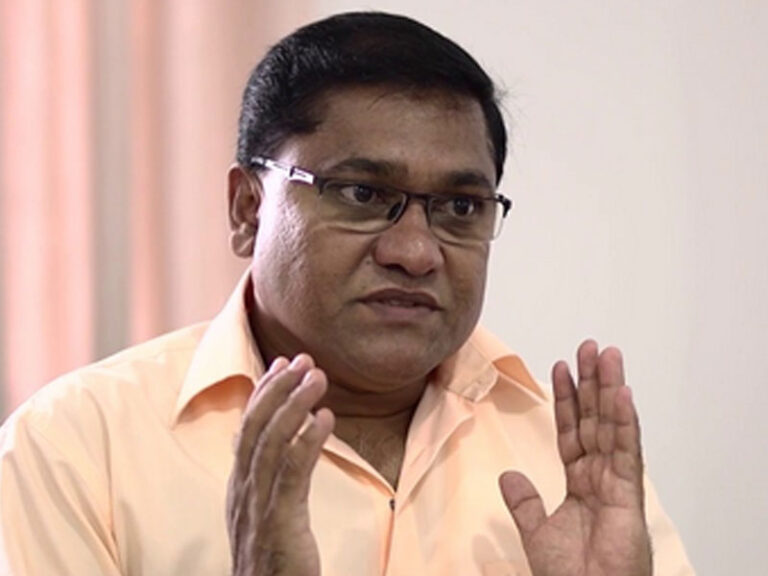
Speaking at the International Tourism Leaders’ Summit (ITLS) held at the BMICH, Tourism Minister Vijitha Herath categorically stated that the Government has no plans to promote LGBTQ tourism as part of its policy framework. He emphasised that Sri Lanka’s tourism revival has been achieved by prioritising authenticity, heritage, and quality experiences, not by altering its moral or cultural foundations.
“Tourism is not just another industry; it reflects our civilisation and hospitality. We have achieved this remarkable recovery without compromising who we are,” Herath told delegates, including President Anura Kumara Dissanayake, diplomats, and industry stakeholders.
The Minister’s clarification followed expressions of concern from several religious leaders, including the Mahanayake Theras of the Malwatte and Asgiriya Chapters, who urged that tourism growth must align with the country’s cultural and spiritual traditions.
Herath assured that Sri Lanka welcomes all travellers without discrimination, but underscored that policy direction would focus on promoting value-driven, sustainable tourism that enhances the island’s reputation as a culturally rich destination.
The clarification comes as the sector records one of its strongest post-pandemic performances. According to Sri Lanka Tourism Development Authority (SLTDA) data, the country welcomed 158,971 visitors in September 2025, the highest monthly figure on record, pushing year-to-date arrivals to 1.72 million.
Tourism earnings for the first eight months of 2025 were estimated at USD 2.3 billion, marking a steady improvement from last year. With strong demand from India, the UK, Russia, China, Germany, and France, officials expect total annual revenue to exceed USD 3.2 billion.
The Government recently adjusted its annual target to 2.6 million visitors, reflecting a pragmatic focus on sustainable growth and higher-spending tourists.
At the ITLS, the private sector unveiled the “Ruhunu Ring”, a 300-kilometre thematic tourism circuit connecting Yala, Udawalawe, Sinharaja, Arugam Bay, Mirissa, Galle Fort, and Kataragama. The project — branded “Culturally Wild” aims to boost experiential tourism and raise daily visitor spending beyond the current USD 170–180.
Tourism Chairman Buddhika Hewawasam described it as “a defining step in diversifying Sri Lanka’s product offering,” while Herath reiterated that the nation’s cultural authenticity will remain its strongest global asset.
With tourism poised to become a multi-billion-dollar contributor once again, Sri Lanka is seeking to balance its economic aspirations with a renewed respect for cultural identity, a delicate equilibrium the industry now strives to maintain.
IMF Playbook Still Drives Sri Lanka Treasury as Recovery Claims Falter
By: Staff Writer
October 06, Colombo (LNW): Sri Lanka’s Treasury Secretary Dr. Harshana Suriyapperuma yesterday sought to reassure the public that the nation’s economic recovery is “on track,” crediting fiscal discipline and reform progress. Yet behind the confident rhetoric lies a familiar pattern a policy framework still tightly bound to IMF prescriptions and former President Ranil Wickremesinghe’s austerity-driven economic model, which continues to dictate fiscal priorities.
Addressing the Annual Conference on Public Sector Reforms for Economic Revival, Dr. Suriyapperuma argued that Sri Lanka is “in a better place” due to financial discipline. However, analysts point out that this optimism glosses over a deeper truth: much of the “discipline” stems from externally mandated constraints under the Extended Fund Facility (EFF), leaving limited space for homegrown reform or growth-oriented fiscal strategy.
Central Bank data show the budget deficit dropped by 54.9% year-on-year in the first eight months of 2025, to Rs. 411 billion, largely reflecting reduced capital expenditure and import restrictions rather than improved productivity or fiscal innovation. Meanwhile, total public debt climbed to Rs. 29.6 trillion, underscoring that austerity alone has not contained the debt burden.
The Treasury chief’s portrayal of renewed investor confidence and expanding business sentiment appears overstated. Despite modest gains, foreign direct investment remains below pre-crisis levels, while domestic enterprises face high borrowing costs and tax burdens. Many economists view the upbeat narrative as an attempt to put a brave face on what remains a fragile and externally steered recovery.
The IMF’s own assessments underscore those vulnerabilities. Under the recent debt restructuring deal, macro-linked Bonds could add between $150–270 million annually to debt servicing from 2028–2038, even if GDP slows effectively locking the country into higher payments once performance thresholds are triggered. Far from freeing Sri Lanka, this structure may deepen long-term dependency.
Dr. Suriyapperuma’s emphasis on digitalisation, legislative reform, and independent board appointments reprises long-standing reform themes promoted since Wickremesinghe’s 2023 stabilization roadmap. Yet implementation gaps persist, with governance reforms largely cosmetic and key structural issues such as loss-making state enterprises, tax evasion, and low export competitiveness still unaddressed.
While the Treasury talks of a “modern Sri Lanka,” the underlying fiscal approach remains narrowly technocratic, prioritising IMF compliance over developmental vision. The real test lies not in deficit reduction, but in whether Sri Lanka can escape policy dependence and design a self-sustaining growth model.
For now, the Treasury’s optimism rings hollow — more a continuation of IMF orthodoxy than a roadmap for national renewal.