
March 30, Colombo (LNW): Sri Lankan authorities have successfully returned 30 individuals accused of serious crimes from overseas over the past three years, marking a significant push to bring fugitives to justice.
Police Media Spokesperson, Assistant Superintendent F. U. Wootler, confirmed that the latest among them is Prabhath Madusanka, also known as “Midigama Chuti”, who was repatriated to the country today. The suspect is believed to have links to organised criminal networks and faces allegations ranging from homicide and armed robbery to drug trafficking, weapons smuggling, and counterfeit currency operations.
Speaking at a media briefing in Colombo, the spokesperson stated that Madusanka will be produced before court, after which investigators are expected to seek a detention order to facilitate further questioning by the Criminal Investigation Department.
He highlighted that close collaboration with foreign law enforcement agencies has enabled Sri Lanka to secure the return of suspects even in cases where formal international alerts had not been issued. In total, 13 individuals have been repatriated under such arrangements, including two who were recently brought back from India.
According to police figures, international warrants remain active against dozens of other suspects linked to organised crime, signalling that efforts to track down fugitives are ongoing.
In a related development, authorities announced heightened security measures ahead of upcoming Easter Sunday observances. Personnel from the armed forces, police, intelligence units, and civil defence groups are set to be deployed across key locations to ensure public safety.
Meanwhile, island-wide operations targeting the illegal hoarding of fuel have led to the seizure of tens of thousands of litres of diesel, along with significant quantities of petrol and kerosene. Several suspects have been taken into custody in connection with these offences.
Police also confirmed that disciplinary action has been initiated against an Officer-in-Charge linked to a separate high-profile investigation, underscoring efforts to maintain accountability within the force as part of the broader crackdown.
Thirty Wanted Suspects Brought Back as Police Intensify Crackdown on Crime

Fuel Stocks Stable Until Mid-May as CEYPETCO Reviews Distribution Plans

March 30, Colombo (LNW): The Ceylon Petroleum Corporation (CEYPETCO) has reassured the public that the country’s fuel reserves are sufficient to meet demand until at least the middle of May, easing concerns over potential shortages.
Officials confirmed that previously arranged shipments are continuing to arrive as scheduled, helping maintain steady stock levels despite ongoing uncertainties in global energy markets.
At the same time, the Corporation is reviewing short-term distribution arrangements, particularly for the next couple of days, as they fall on odd-numbered dates under existing supply management measures. Authorities are assessing whether any adjustments are needed to ensure smooth and equitable access for consumers.
CEYPETCO Managing Director Mayura Neththikumarage stated that a final decision on how fuel will be distributed during this period is expected shortly, following consultations with relevant stakeholders.
The Corporation indicated that it remains focused on maintaining an uninterrupted supply chain while adapting distribution strategies when necessary, in order to prevent congestion at filling stations and ensure fair access across the country.
Deputy Minister Clarifies Police Powers Amid Allegations of Misconduct
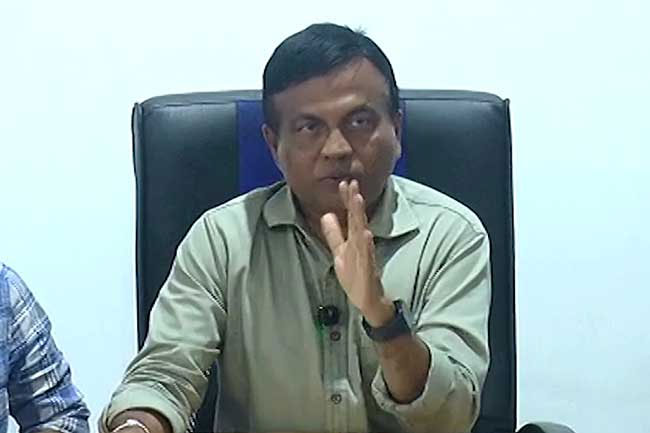
March 30, Colombo (LNW): Deputy Minister of Public Security Sunil Watagala has moved to clear up confusion surrounding his recent remarks on police authority, stressing that officers are legally permitted to carry out operations outside their designated areas when necessary.
Addressing questions from the media, Watagala explained that his earlier comments—made during a coordinating committee meeting in Maharagama—had been misunderstood.
He noted that his concerns were not about the legality of such operations, but rather about the misuse of authority by certain individuals within the force.
According to the Deputy Minister, recent findings suggest that a small number of officers had ventured beyond their official jurisdictions under the pretext of conducting raids, while allegedly engaging in improper activities, including soliciting bribes and manipulating evidence.
He pointed to a particular case in which discrepancies were discovered in seized narcotics, along with claims that suspects had been unlawfully substituted.
Watagala further revealed that the officers involved had reportedly acted without informing their station’s Officer-in-Charge, raising serious questions about their intentions. He maintained that such actions undermine public trust and must be dealt with firmly.
He also confirmed that renewed scrutiny of the incident led to the apprehension of the original suspect, who has since been remanded, while separate investigations are underway into the conduct of the officers concerned.
The Deputy Minister reiterated that his position remains clear: while police retain the authority to operate beyond their usual jurisdictions, such actions must be carried out transparently and with proper oversight. He added that ensuring accountability within law enforcement is essential to maintaining credibility and upholding the rule of law.
Electricity Tariffs Revised with Higher Charges for Heavy Users
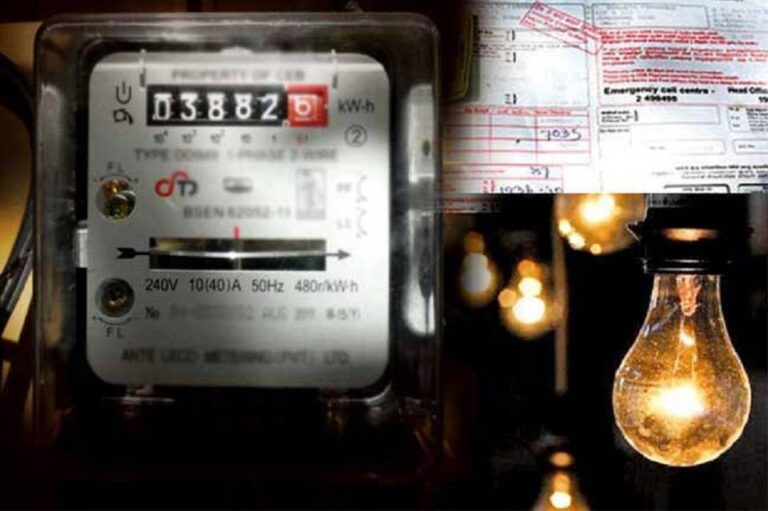
March 30, Colombo (LNW): Sri Lanka’s power regulator has announced a fresh adjustment to electricity tariffs for the second quarter of 2026, with households set to see varying increases depending on their level of consumption.
Under the revised structure, those using minimal amounts of electricity will experience only a modest rise in their monthly bills. However, as consumption increases, the adjustments become more pronounced, reflecting a tiered pricing approach aimed at encouraging energy conservation.
Consumers in lower usage brackets are expected to face relatively small increments, while middle-range users will see slightly higher additions to their bills. The most significant impact will be felt by households with high electricity usage, where tariffs have been raised sharply compared to previous rates.
Officials explained that the revision is based on current cost pressures within the energy sector, including generation expenses and broader economic factors affecting supply. The move is also intended to ensure the financial sustainability of electricity providers while maintaining service reliability.
The regulator indicated that the updated pricing model is designed not only to recover costs but also to promote more responsible energy consumption, particularly at a time when the country is navigating supply constraints and fluctuating resource availability.
Further reviews are expected later in the year, depending on changes in fuel prices, weather conditions affecting hydropower generation, and overall demand patterns.
Court to Hear Petition Challenging Minister’s Parliamentary Eligibility

March 30, Colombo (LNW): Sri Lanka’s Court of Appeal has scheduled a writ petition questioning the eligibility of Minister Dr Upali Pannilage to serve as a Member of Parliament, with the matter set to be taken up on May 13.
The case was listed for mention on that date after the third respondent—identified as the former Vice Chancellor of the University of Ruhuna—requested additional time to engage legal representation.
The petition has been filed by social and political activist Oshala Herath, who has named several respondents, including Dr Pannilage, the Secretary General of Parliament, the current Vice Chancellor of the University of Ruhuna, the institution itself, and the Attorney General.
At the centre of the legal challenge is the claim that Dr Pannilage was still formally attached to the University of Ruhuna as an employee at the time he entered Parliament and later assumed ministerial office. The petitioner argues that this alleged overlap may render his appointment invalid under existing laws governing public office.
Counsel representing both sides appeared before the court, with senior lawyers outlining their initial positions as the case moves forward.
The upcoming hearing is expected to determine the next steps in what could become a closely watched legal battle, given its potential implications for parliamentary standards and the holding of dual roles within public institutions.
Government Pushes Faster Recovery Effort After Cyclone Damage
By: Isuru Parakrama
March 30, Colombo (LNW): Sri Lanka is stepping up efforts to accelerate relief and reconstruction work in the aftermath of Cyclone Ditwah, as authorities contend with both environmental damage and ongoing economic pressures.
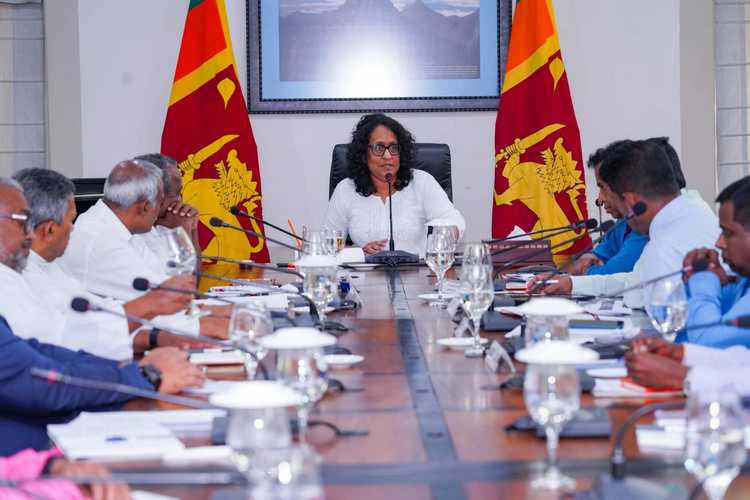
A high-level meeting was convened at Temple Trees on March 28 under the leadership of Prime Minister Dr Harini Amarasuriya, bringing together government officials and representatives from civil society groups to review progress and identify urgent priorities.
During the discussions, senior officials outlined the current status of relief operations, including the disbursement of compensation through District Secretariats and the management of temporary shelters established for displaced families.
Updates also highlighted the challenges faced in reaching vulnerable groups and ensuring aid is distributed efficiently.
Particular concern was raised over the situation of estate sector communities, especially members of the Malaiyaha Tamil population who lack formal land ownership. Officials acknowledged that these individuals face difficulties in accessing state assistance and indicated that policy-level decisions will be required to address the gap.
Plans for long-term recovery were also presented, with a focus on large-scale housing initiatives. Authorities aim to construct tens of thousands of new homes while repairing a significantly higher number of partially damaged properties.
Financial assistance schemes are being expanded to support families who possess suitable land to rebuild, while urban housing projects featuring improved infrastructure are also under consideration.
In addition to physical reconstruction, the government has placed emphasis on monitoring the broader well-being of affected communities. Special attention is being given to women, children, and individuals with additional needs, with support mechanisms to be coordinated through community organisations and dedicated oversight groups.
Prime Minister Amarasuriya underscored the importance of rebuilding in safer locations, noting that recent housing efforts have prioritised resilience and access to essential services. She also called for sustained engagement with affected communities to ensure that recovery initiatives are both inclusive and responsive to local needs.
Possible Water Rationing Looms as Dry Spell Strains Supply

By: Isuru Parakrama
March 30, Colombo (LNW): Sri Lanka could soon face limited daily water supply hours as prolonged dry weather begins to place pressure on national resources, according to officials.
Chairman of the National Water Supply and Drainage Board, Chandana Bandara, warned that if current conditions persist, water distribution may have to be curtailed for several hours each day over the coming weeks. While no formal restrictions have yet been imposed, authorities are closely monitoring the situation.
He explained that although treatment facilities, including major plants such as Ambatale, continue to operate at normal capacity, the declining water levels have already affected distribution in certain areas. Residents in elevated regions are reportedly experiencing reduced water pressure, signalling early strain on the system.
Bandara noted that contingency measures are being prepared, including the deployment of water bowsers to assist communities facing shortages. These mobile supplies are expected to play a crucial role if conditions worsen.
Despite the challenges, there is cautious optimism that anticipated rainfall in the near future could ease the situation. In the meantime, the public has been urged to conserve water wherever possible and avoid unnecessary usage.
Officials emphasised that responsible consumption over the next few weeks will be key to preventing more severe restrictions and ensuring that available resources are shared equitably.
Urea Supplies Prioritised for Paddy Farmers Amid Tight Stocks
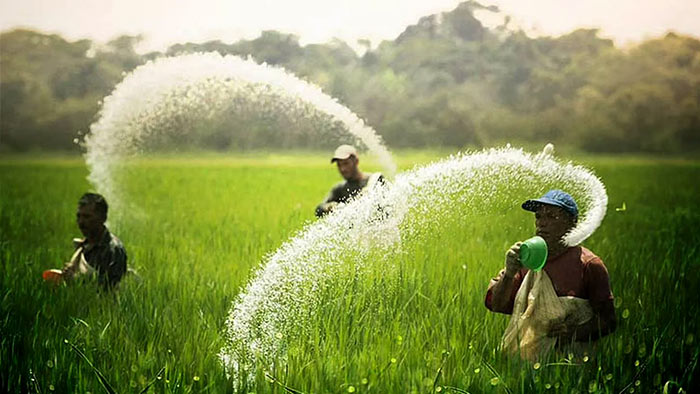
March 30, Colombo (LNW): Sri Lanka has moved to limit the distribution of urea fertiliser exclusively to paddy cultivation, as authorities grapple with reduced national reserves linked to ongoing disruptions in global supply chains.
The Department of Agrarian Development announced that, for the upcoming 2026 Yala season, stocks of unmixed urea will be allocated solely to rice farmers through Agrarian Service Centres. The decision is intended to safeguard the country’s staple food production at a time of heightened uncertainty in international markets.
Officials have issued directives to Agrarian Development Officers across the island, instructing them to strictly regulate distribution based on the extent of land under paddy cultivation. Fertiliser will be released only after verification, either through seasonal planning meetings or field-level confirmation of crops.
The department indicated that an existing database of registered farmers will be used to match fertiliser allocations with cultivated acreage, ensuring a more transparent and accountable system. This approach is also expected to minimise misuse and prevent over-allocation.
Authorities have further called on local officers to carefully manage available stocks to avoid shortages during the cultivation period. Ensuring uninterrupted paddy farming remains a key priority, given its central role in national food security.
While the restriction may affect growers of other crops, officials maintain that the temporary measure is necessary to maintain stable rice production during a period of constrained supply.
Health Ministry Invites Applications for Grade I Medical Officer Posts

March 30, Colombo (LNW): The Ministry of Health has opened applications for a new intake of Grade I Medical Officers, targeting 453 medical graduates who completed their internship training in July 2025.
Eligible candidates have been invited to submit their applications as part of the government’s ongoing efforts to strengthen the public healthcare workforce and address staffing needs across hospitals and regional medical institutions.
According to the Ministry, applications will be accepted until 12 noon on 4 April 2026, with officials stressing that late submissions will not be entertained under any circumstances. Applicants have been urged to ensure that all required documentation is completed accurately and submitted well ahead of the deadline to avoid disqualification.
Health authorities noted that the recruitment drive forms part of a broader plan to improve service delivery and reduce pressure on existing medical staff, particularly in underserved areas.
The Ministry further emphasised that responsibility for timely submission rests entirely with the applicants, warning that no exceptions will be made for delays regardless of the reason.
Government Plans Crackdown on Suspiciously Cheap Imports to Protect Local Industry
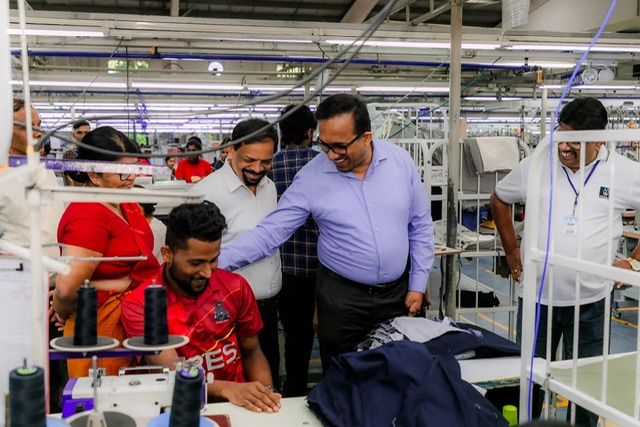
March 30, Colombo (LNW): Sri Lanka is preparing to introduce new laws aimed at tackling the sale of imported goods at unusually low prices, amid growing concerns over unfair competition faced by domestic manufacturers.
Minister of Industry and Entrepreneurship Development Sunil Handunnetti revealed the proposed move during an निरी inspection of the Nalanda and Kaludewala industrial zones in the Matale District. He indicated that the legislation would target traders dealing in goods believed to have entered the market through irregular or unlawful channels.
The Minister pointed out that a range of items—including footwear, construction materials such as tiles, and everyday household products—are increasingly being sold at prices that undercut locally produced alternatives. He warned that such pricing patterns raise serious questions about compliance with import regulations and quality standards.
Calling for greater vigilance, Handunnetti urged manufacturers and members of the public to report suspicious cases to the authorities. He stressed that safeguarding the domestic industry requires collective responsibility, rather than relying solely on government enforcement.
Officials believe that curbing the influx of underpriced imports will help stabilise local production, protect jobs, and encourage fair market practices. The proposed legal framework is expected to strengthen monitoring mechanisms while imposing stricter penalties on those found violating trade regulations.
The Ministry also hinted at broader reforms to support small and medium-scale enterprises, as part of efforts to boost local industry and reduce dependence on external markets.