Home Blog Page 380

Sri Lanka’s $1 Billion Claim Against X-Press Feeders: A Legal Battle Beyond Borders

0

By: Ovindi Vishmika

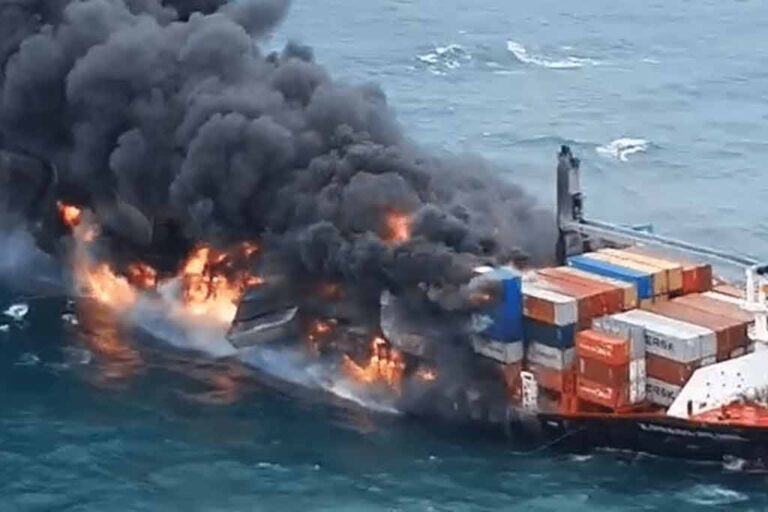
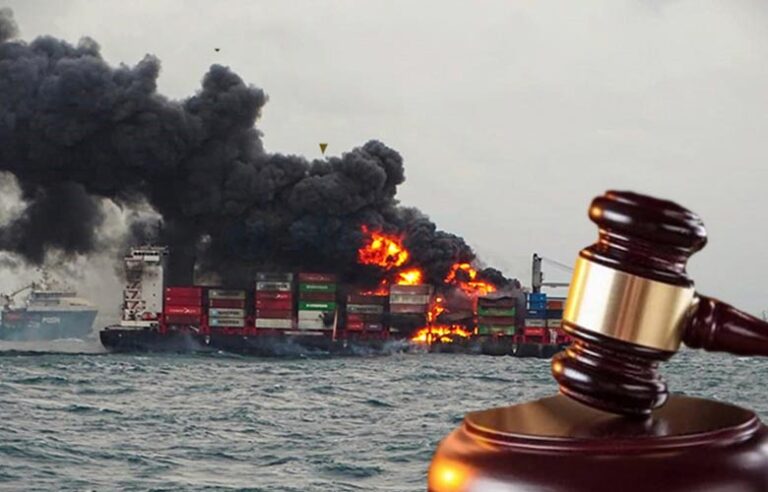
September 24, Colombo (LNW): When Sri Lanka’s Supreme Court in July ordered Singapore-based shipping company X-Press Feeders to pay US$1 billion in damages for the catastrophic sinking of the MV X-Press Pearl, it marked one of the most significant environmental rulings in the country’s history. The 2021 disaster saw tonnes of plastic pellets, lead ingots, and hazardous chemicals spill into the ocean after a nitric acid leak caused a devastating fire onboard the vessel.

The decision was celebrated domestically as a victory for communities and ecosystems devastated by the disaster. Yet, just weeks before the first US$250 million tranche of compensation was due, X-Press Feeders publicly announced it would refuse to pay. Its Chief Executive Officer, Shmuel Yoskovitz, defended the stance on the grounds that honoring the judgment would “set a dangerous precedent” and undermine the principle of limitation of liability, a cornerstone of maritime law.

This open rejection not only raises questions of corporate accountability but also spotlights a complex legal puzzle: What happens when a sovereign court’s decision collides with international legal boundaries?

Jurisdiction Meets International Boundaries

The jurisdictional reach of a national court is powerful within its own borders but limited beyond them. In Sri Lanka, the Supreme Court is the highest authority, and its rulings carry unquestionable weight for those present within the country. X-Press Feeders, however, is domiciled in Singapore and operates globally, meaning the Colombo ruling cannot automatically bind the company abroad.

The case exemplifies the tension between territorial jurisdiction and the realities of cross-border commerce. Sri Lanka can validly claim jurisdiction because the damage occurred in its waters, but enforcing this ruling outside Sri Lanka is another matter altogether.

Adding to the complexity, London’s Admiralty Court last year capped X-Press Feeders’ liability at £19 million (US$25 million) under international maritime conventions, while Sri Lanka’s ruling seeks an initial US$1 billion with further damages possible. The clash of outcomes demonstrates how different jurisdictions can produce vastly divergent legal obligations, leaving victims caught in the middle.

Pathways for Enforcement

The refusal leaves Sri Lanka with several possible,though challenging,legal avenues. So, what options does Sri Lanka have when its highest court’s decision is flatly rejected?

First, Colombo could attempt to enforce the judgment in Singapore or other countries where X-Press Feeders has assets. But without a reciprocity treaty between Sri Lanka and Singapore, the courts there are under no obligation to recognise the ruling. In fact, Singapore may resist on the grounds that Sri Lanka’s order conflicts with the Convention on Limitation of Liability for Maritime Claims, a global framework designed to shield shipowners from unlimited financial exposure.

Second, Sri Lanka could seek diplomatic engagement. This approach would elevate the matter to a state-to-state level, pressing Singapore to encourage its company to negotiate a settlement. It is here that Sri Lanka could frame the case not only as a financial dispute but also as a matter of environmental justice.

Third, there is the option of international arbitration or tribunals. The United Nations Convention on the Law of the Sea (UNCLOS) obliges states to protect the marine environment, and Sri Lanka could bring a claim before the International Tribunal for the Law of the Sea (ITLOS).
However, arbitration requires the consent of both parties, which may not be forthcoming from X-Press Feeders or Singapore.

Finally, Sri Lanka may turn to domestic criminal law as leverage. Already, the ship’s Russian captain has been barred from leaving Sri Lanka for more than four years. The Supreme Court has directed police and prosecutors to initiate criminal proceedings for non-compliance if responsible individuals are present in the country. Yet such measures are limited to those physically within Sri Lanka and do not touch the corporate entity itself.

Stakeholders in the Crossfire

The fallout extends beyond courtrooms and diplomatic corridors.For fisherfolk and coastal communities, the incident was devastating. Fishing bans imposed after the spill crippled livelihoods for months, and while cleanup operations have cleared visible plastic, long-term ecological damage remains. For them, the Supreme Court’s ruling symbolises long-awaited recognition of their suffering.

Environmental advocates caution that the damage is far from over. Hemantha Withanage of the Centre for Environmental Justice notes that while the coastline appears free of debris today, “the effects of the pollution will be felt for a long time.” Calls for comprehensive monitoring of marine ecosystems continue to grow.

Meanwhile, the global shipping industry views the ruling with alarm. If Sri Lanka’s approach were replicated elsewhere, shipowners could face crippling liabilities far beyond convention limits. The fear is that insurance premiums would skyrocket, raising shipping costs worldwide and ultimately burdening consumers.

International Pressure and the UN’s Role

Sri Lanka’s challenge is not only to seek justice domestically but also to mobilise the international community. The recent intervention by the United Nations office in Colombo expressed “deep concern” over X-Press Feeders’ refusal to comply, urging the company to recognise the magnitude of the harm caused to communities and ecosystems.

Such interventions highlight a possible avenue for Sri Lanka: to rally global opinion and cast the dispute as a test of corporate accountability in an era of increasing environmental disasters. By drawing in multilateral actors and framing the issue as a climate justice and sustainable oceans concern, Sri Lanka may be able to pressure Singapore and the company into reaching a settlement.

What Comes Next?

The Supreme Court’s judgment is clear, but its enforcement is uncertain. With no treaty framework to compel compliance abroad, Sri Lanka’s best hope may lie in diplomatic negotiations, international advocacy, and selective legal actions in foreign courts where the company holds assets.

Still, the refusal by X-Press Feeders exposes a sobering reality: even the highest courts of sovereign nations can struggle to hold multinational corporations accountable when jurisdictional boundaries intervene. For Sri Lanka, this is more than a legal dispute; it is a battle to ensure that corporate negligence does not escape justice simply because of geography.

For Sri Lanka, the path forward lies in a combination of law, diplomacy, and international advocacy. As the hearing scheduled for September 25 unfolds, the world will watch closely to see whether Sri Lanka can transform a domestic court ruling into a binding international outcome — or whether the MV X-Press Pearl becomes another reminder of the difficulties small states face in holding global corporations accountable.
Massive Sinkhole Disrupts Bangkok

0

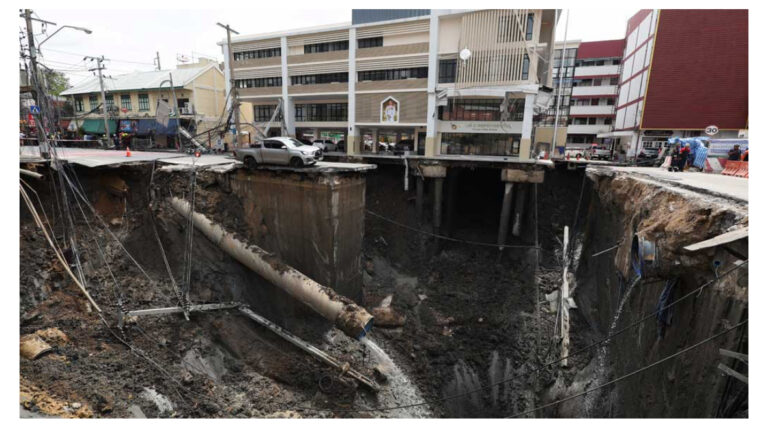
A massive sinkhole measuring about 30 by 30 meters and 50 meters deep opened on Samsen Road in front of Vajira Hospital on Wednesday morning.

Several vehicles were damaged and nearby buildings, including the hospital and a police station, were evacuated as a precaution. Utilities were cut off and traffic in central Bangkok ground to a halt.

Officials say the collapse is likely linked to construction on the Purple Line railway project. No fatalities have been reported.

Authorities are working to stabilize the site and investigate the cause.

Voice Against Trincomalee Student Killings, Dr. Manoharan, Passes Away

0

By S V Kirubaharan

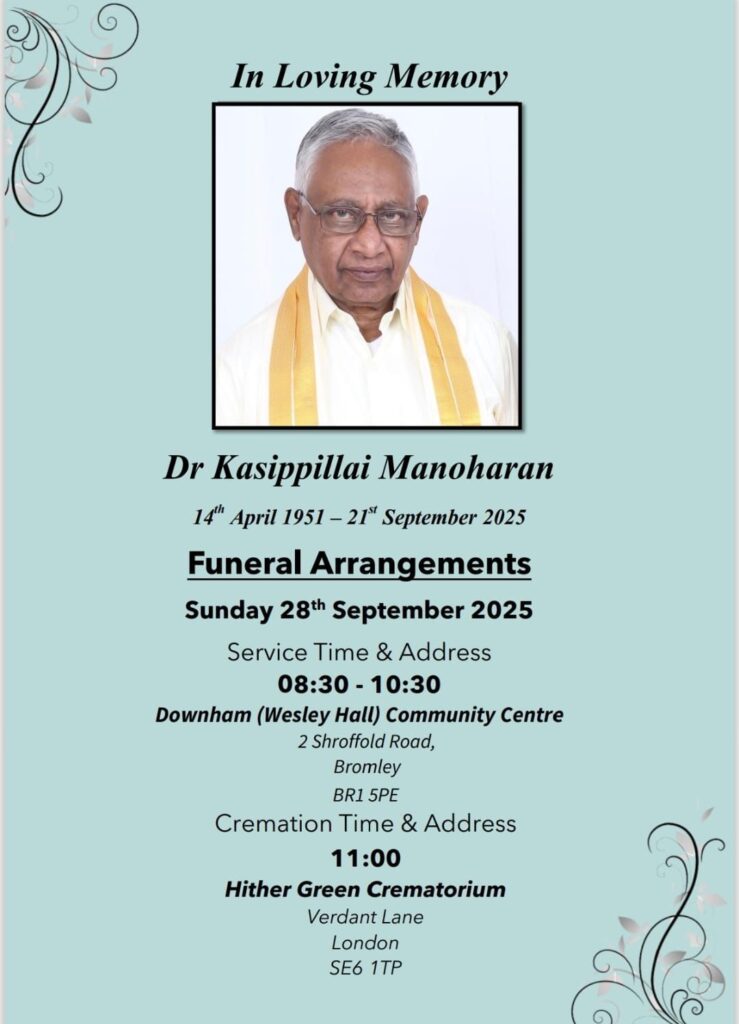
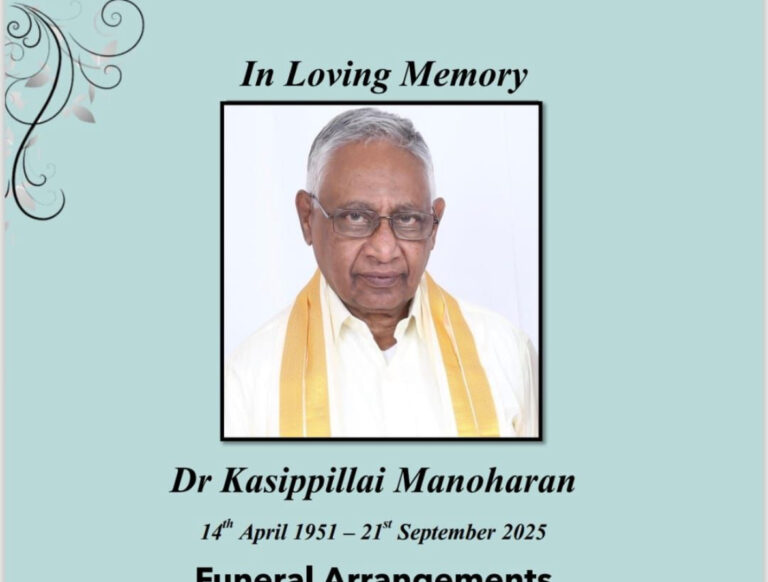
Very sad to here the news that Dr Kasippillai Manoharan passed away in UK on Sunday 21 September, 2025 Dr Manoharan is the father of Ragihar, one of the students murdered by the Sri Lankan Navy in Trincomaler on 2nd January 2006 .

Manohara fought very hard to find justice for the murder of his son, living in exile in UK due to the threat that he faced in Sri Lanka. He worked tirelessly with UN instituisons to find justice. But until today, none of the government in Sri Lanka did anything concern to the murder of these students in Trincomalee.

Let Dr Manoharan’s soul rest in peace.🌹💐🕉️✝️☸️☪️🌹💐

CDB Rings Bell at Colombo Stock Exchange Marking 30th Anniversary

0

Rashika Hennayake September 24, Colombo (LNW):

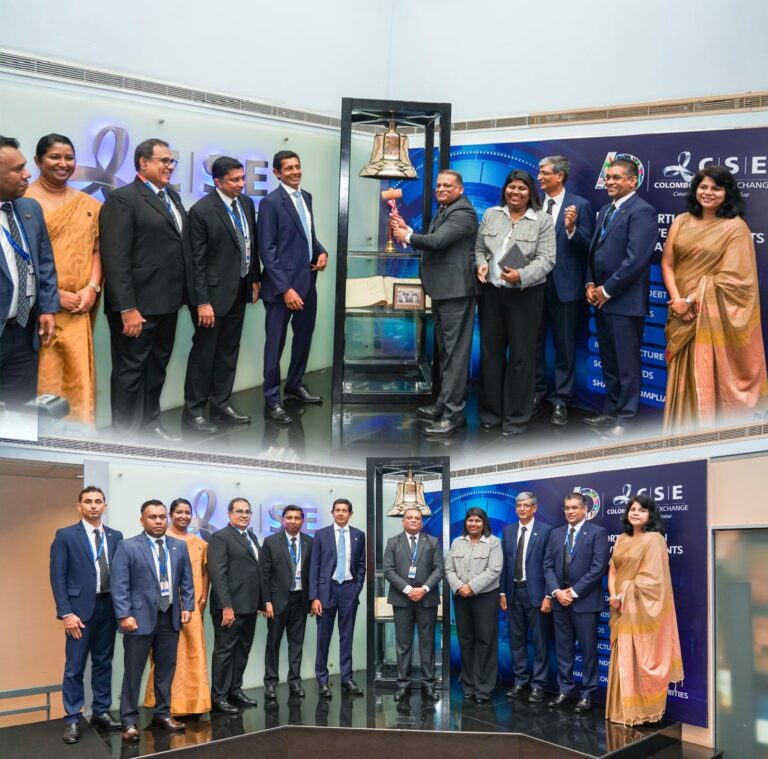
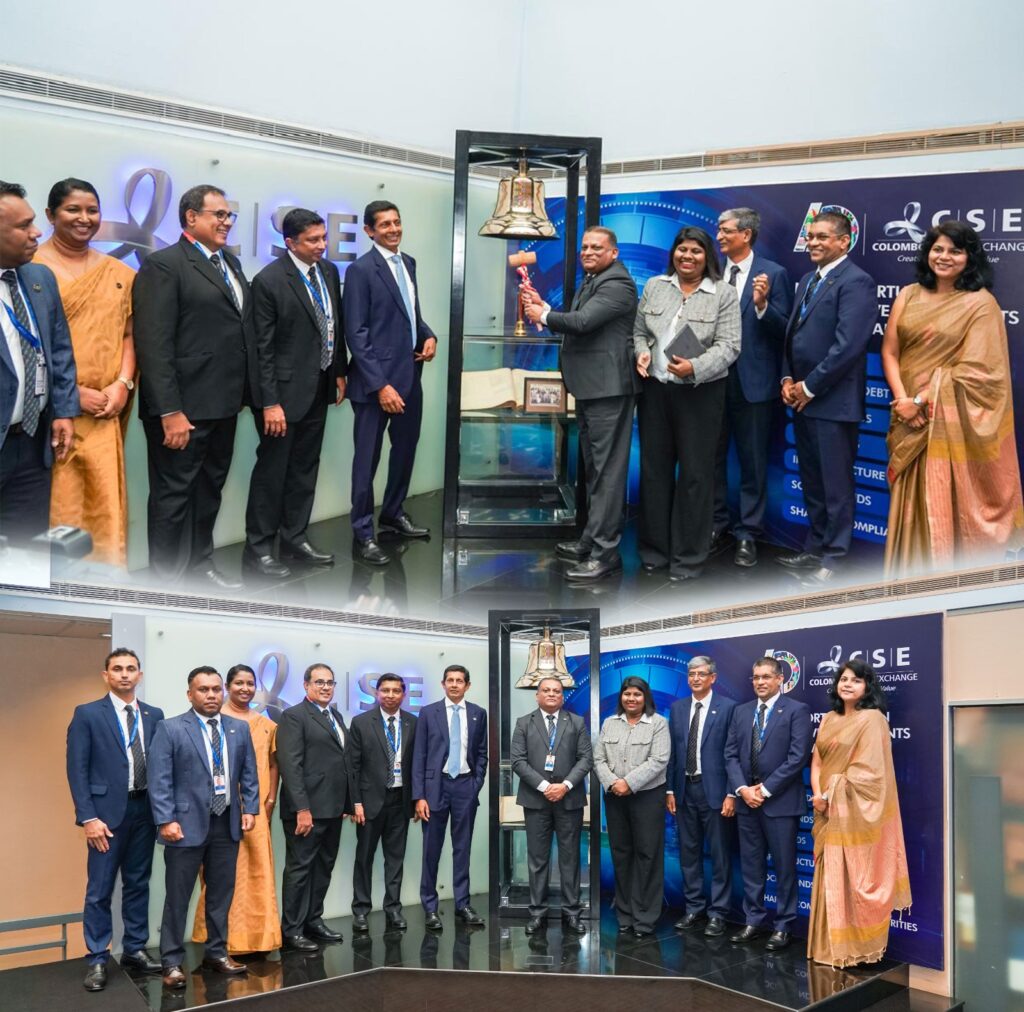
Reiterating its presence in financial excellence and innovation, leading NBFI in Sri Lanka Citizens Development Business Finance PLC (CDB) marked its 30th anniversary celebrations by ringing the bell to start the trading day at the Colombo Stock Exchange (CSE) on 9th September. With the ringing of the bell at the CSE, this digitally transformative pioneering trailblazer in the financial services industry in Sri Lanka ceremonially marked a new chapter in its continued growth and commitment to empowering a smarter, sustainable Sri Lanka.

The ringing of the bell is an iconic sound that reverberates across the trading floor and is a tradition organised by the Colombo Stock Exchange, signifying and celebrating the market’s resilience, which echoes CDB’s journey of three decades.

Delivering the welcome address, Vindhya Jayasekera, CEO – Designate of the Colombo Stock Exchange, congratulated CDB on this remarkable milestone. She remarked, “Marking 30 years is a true testament to CDB’s commitment to its customers, investors and the broader community. Listed on the CSE for nearly 15 years, CDB has built a strong and mutually beneficial relationship with capital markets – one that has been integral to its growth. The CSE is proud to support institutions that lead by example – upholding transparency, sound governance and contribute meaningfully to national development. Its journey over the past three decades highlights a remarkable contribution to the industry and the lives of Sri Lankans across the nation.”

Chairman of CDB PLC Alastair Corera remarked, “The ringing of the bell is one of the most rewarding and significant events in our thirty-year journey, which can be seen through the lens of both CDB’s pre- and post-listing on the CSE.” He added, “It is a sound that redefines corporate Sri Lanka, its resilience, its staying power and its commitment to create a better nation – all of which resonate with how we have etched our journey – from highs to lows, achievements, transformation and future vision.”

MD/CEO Mahesh Nanayakkara recalled CDB’s mammoth rebranding exercise in 2009 prior to the company’s listing on the CSE on 6th October 2010. “At the time of listing, CDB was less than an LKR 10 Bn balance sheet size entity in the first fifteen years of our journey. Subsequent to the listing, in the next fifteen years from 2011 to 2025, CDB recorded an exceptional growth trajectory of over 17 times – which now stands at over LKR 170 Bn in terms of total assets.”

Nanayakkara explained that CDB’s transformative journey began with a clear vision – to become a future-ready financial institution that is digitally driven, sound in its governance and compliance fundamentals and raising the bar of excellence continually to ensure all stakeholders are empowered in a sustainable ecosystem founded on People.Planet.Profit. “Our heartfelt appreciation to each of our stakeholders who have been the trusses supporting us in this journey, who have pushed us to constantly innovate and be true to our values and principles. Our customers have given us trust and confidence to march through turbulent times, while the communities we work with give us reason to create a better Sri Lanka. By ringing this bell, we bring all this and more into focus, not just our 30-year journey but also our next chapter that we are writing to make this nation and our planet better.”

Image Caption:

MD/CEO of CDB PLC, Mahesh Nanayakkara, marked the company’s 30th anniversary by ringing the bell to open trading at the CSE, alongside CDB PLC Chairman Alastair Corera. Joining them are Executive Director – Sales and Business Development Sasindra Munasinghe, Executive Director – Business Operations Dave De Silva, Chief Support Service Officer Nayanthi Kodagoda, Chief Sales and Digital Business Officer (Director Designate) Hasitha Dassanayake, Chief Financial Officer Ruwan Chandrajith, Executive Director, Corporate Finance Roshan Abeygoonewadena, Deputy CEO and Executive Director Damith Tennakoon with CEO-Designate of CSE Vindhya Jayasekera and Chief Regulatory Officer Nilupa Perera

Shipwreck, Pollution, Bribes: X-Press Pearl Showdown of Corruption

0

Sri Lanka’s worst marine disaster, the X-Press Pearl catastrophe of 2021, has once again resurfaced in the public eye this time not for the environmental havoc it caused, but for the brazen refusal of its operators to pay the US$1 billion in damages ordered by the Supreme Court. The case exposes not only the fragility of international maritime law but also the disturbing possibility of political profiteering in Colombo’s corridors of power.

A Billion-Dollar Blaze at Sea

The Singapore-flagged container vessel MV X-Press Pearl caught fire off Colombo on May 20, 2021. Its cargo included 81 containers of hazardous chemicals notably nitric acid and lead ingotsalong with hundreds of tonnes of plastic pellets. Denied entry by ports in Qatar and India after reporting the acid leak, the vessel entered Sri Lankan waters, where it burned for nearly two weeks before sinking.

The aftermath was catastrophic. An 80-kilometre stretch of Sri Lanka’s western coast was inundated with microplastics, while fishing was banned for months, crippling livelihoods. A government-appointed expert panel later estimated the economic and environmental damage at US$6.4 billion, though some marine scientists argue the final bill could exceed US$15 billion once long-term losses to biodiversity, tourism, and fishing stocks are accounted for.

The Court Order and the Refusal

In July 2025, the Supreme Court ordered X-Press Feeders—the vessel’s operator—to pay US$1 billion in damages in three tranches, beginning with US$250 million by September 23. Yet, on the eve of the deadline, company CEO Shmuel Yoskovitz flatly rejected the order.

He argued that unlimited liabilities “undermine the entire base of maritime trade” and warned of a “dangerous precedent” that could raise global insurance premiums. The firm insists it has already spent US$170 million on wreck removal, beach clean-up, and compensation for fishermen, but maintains that any settlement must fall under international maritime conventions that cap liability.

Critics, however, point out that Sri Lankan courts found the company and its agents guilty of withholding crucial information, ignoring early warnings, and failing to prevent the disaster. For many, the company’s rejection is not a matter of principle but a calculated escape through legal loopholes.

Who Really Pays the Price?

While the shipping company invokes maritime law to limit exposure, Sri Lankan fishing families, tourism operators, and marine ecosystems bear the brunt. Scientists warn that the spill’s invisible scars microplastic contamination and coral reef damage will haunt the country for decades. The US$1 billion judgment itself is modest compared to the scale of losses, and refusing even that amount raises the spectre of injustice on a global stage.

Allegations of Political Profiteering

The scandal has also taken a darker turn. In 2023, then-Justice Minister Wijeyadasa Rajapakshe revealed evidence of a staggering US$250 million bribe allegedly paid to a Sri Lankan intermediary to derail litigation.

The revelations suggested possible involvement of figures tied to the Rajapaksa regime, though no convictions have followed. Reports also allege that insurers sought to influence officials to disrupt legal action, raising questions of whether sections of the political elite stood to benefit from the disaster.

If proven, such allegations mean Sri Lanka’s tragedy was not just ecological and economic—it became a political cash cow for those entrusted with protecting national interests.

Can X-Press Pearl Walk Away?

Legally, X-Press Feeders has secured an order from London’s Admiralty Court capping its liability at just £19 million, a fraction of the Sri Lankan court’s award. Enforcement of Sri Lanka’s judgment abroad will be difficult, with related litigation in Singapore and the UK dragging on until at least 2026.

But morally, the refusal to pay is indefensible. With damages running into billions, lives and livelihoods destroyed, and Sri Lanka’s reputation scarred, many argue that allowing the company to walk away would signal open season for polluters.

The Final Reckoning

The X-Press Pearl case is no longer just about one ship it is about whether global shipping giants can hide behind conventions to escape responsibility, and whether corrupt local actors will continue to trade national interest for personal gain. For Sri Lanka, the fight is not only for compensation but also for justice, transparency, and the principle that the polluter must pay.

Until then, the Indian Ocean remains a graveyard of accountability its waters poisoned, its people betrayed.

Litro Gas Tender Sparks Outcry over Hambantota Laugfs terminal Clause

0

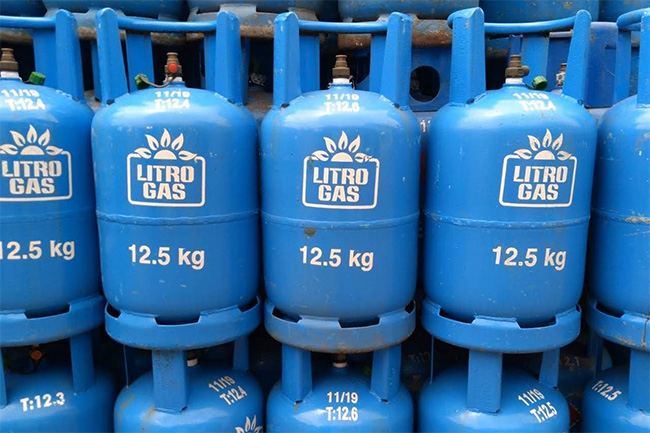
Sri Lanka’s latest international tender for liquefied petroleum gas (LPG) procurement has ignited controversy after state-owned Litro Gas Lanka Ltd quietly inserted a last-minute clause that critics say tilts the process in favor of its main rival.

The tender, floated on August 27 and closed on September 23, seeks 380,000 metric tonnes (±20%) of LPG for 2026. But in the final stretch, Litro amended its conflict-of-interest section with a new provision that permits bidders to lease a competitor’s facility—the Hambantota LPG terminal—without Litro assuming responsibility for logistics until delivery at its own terminal.

The insertion, under Section 11, Clause 4.2 (new Clause VIII), appears on the surface to offer flexibility. In reality, energy analysts warn it could push suppliers toward infrastructure owned by LAUGFS Gas, Litro’s direct competitor.

“This is like forcing a state company’s suppliers to pay rent to its rival,” one industry expert said warning of long-term risks to transparency and national energy security.

Hambantota vs Kerawalapitiya

The controversy stems from the sharp disparity between the two companies’ facilities. Litro operates a modest 8,000 MT terminal at Kerawalapitiya and relies on frequent shipments to meet Sri Lanka’s 32,000 MT monthly domestic demand. In contrast, LAUGFS controls a state-of-the-art 30,000 MT terminal at Hambantota, in addition to a smaller 3,000 MT unit at Mabima, giving it superior storage and transshipment capacity.

By permitting bidders to rely on Hambantota, critics argue Litro risks embedding structural dependence on LAUGFS, undermining its own position as the national distributor. The move has also rekindled political debates over whether critical energy infrastructure should be controlled or leveraged by competitors.

Old Proposals, New Flashpoints

This is not the first time Hambantota’s terminal has been at the center of controversy. In 2021, the government considered a public-private partnership that would allow Litro and LAUGFS to jointly use the Hambantota facility. Proponents, led by LAUGFS Chairman W.K.H. Wegapitiya, argued the move could slash import costs by around US$70 per tonne and help stabilize retail prices.

Although a special committee was appointed to study feasibility, the proposal stalled amid political resistance and concerns about losing strategic control of the national LPG supply chain.

 Tender Integrity at Risk

Procurement specialists have raised red flags about the process. They argue that any material change to tender conditions must be issued as a formal addendum and circulated to all bidders. By slipping in a new clause without proper procedure, Litro risks legal challenges before the Procurement Appeal Board or even in the courts.

For foreign suppliers, the clause poses operational risks, including higher costs and reduced flexibility. For consumers, fewer willing bidders could translate into higher LPG prices and greater supply vulnerability.

With Sri Lanka still grappling with energy affordability and security, the Hambantota clause has exposed a dangerous fault line: whether state procurement serves the public interest, or the commercial advantage of private players.

Board of Investment Loopholes Fuel Tax Evasion, Dollar Drain

0

Sri Lanka is quietly hemorrhaging foreign exchange as a section of Board of Investment (BOI)-approved firms manipulate tax concessions and export regulations to profit from the domestic market rather than earn dollars, an investigation has revealed.

Spanning sectors from apparel and processed food to plastics and palm oil, these companies exploit BOI privileges to import machinery, accessories, and raw materials duty-free—benefits granted to attract export-oriented investment. Yet, instead of fulfilling their mandate to export 80 percent of output as required under Section 17 of the BOI Act, many divert bulk production to the domestic market.

This practice not only deprives the Treasury of millions in revenue but also drains foreign reserves while distorting competition for local manufacturers. “Legitimate businesses cannot compete with firms that use loopholes to evade taxes,” a senior Trade Ministry official told this newspaper.

Paper Exports, Real Profits

In the apparel sector, several BOI-licensed manufacturers allegedly declare shipments on paper while channeling large volumes of garments into the local market through subsidiary trading companies. By avoiding customs duties and value-added tax (VAT), they can undercut compliant producers by 20–30 percent.

“This is a systemic failure,” warned an economist specializing in export industries. “The BOI framework is designed to bring in foreign exchange, but loopholes mean the country loses both tax revenue and dollars every month.”

Palm Oil Racket Exposed

The palm oil industry offers perhaps the starkest example. Under the Indo-Sri Lanka Free Trade Agreement, BOI refiners receive quotas to export refined oil to India. Instead, many divert nearly their entire production to the domestic market while declaring fictitious exports.

Maintaining bonded warehouses and shell trading companies, these firms avoid the 18 percent VAT and other duties, giving them a cost advantage over compliant producers. Customs data shows Sri Lanka imports about 20,000 metric tonnes of edible oil monthly, costing $15–20 million in scarce foreign exchange. Analysts estimate this misuse drains $150–200 million annually.

“The palm oil racket illustrates how export incentives are hijacked for local profiteering,” said a trade expert. “Meanwhile, coconut oil producers and small edible oil refineries are pushed to the brink.”

Treasury Loses, Public Pays

The fallout is widespread. Local garment producers, edible oil refiners, and coconut growers face shrinking margins due to artificially cheap competition, while the Treasury loses vital revenue at a time when every rupee counts. For ordinary citizens, the hidden cost is higher taxes and reduced social spending to offset state losses.

Parliamentary committees have repeatedly raised the issue, but enforcement remains sporadic. Finance Ministry sources argue that stricter audits, continuous surveillance of bonded warehouses, and heavy penalties are urgently needed.

“If unchecked, Sri Lanka will continue subsidising tax evasion at the expense of ordinary taxpayers and genuine exporters,” one senior official warned.

The question now is whether the government has the political will to plug these holes—or whether vested interests will keep bleeding the economy dry.

Sri Lanka Unveils Hydrogen Roadmap to Power Green Energy Future

0

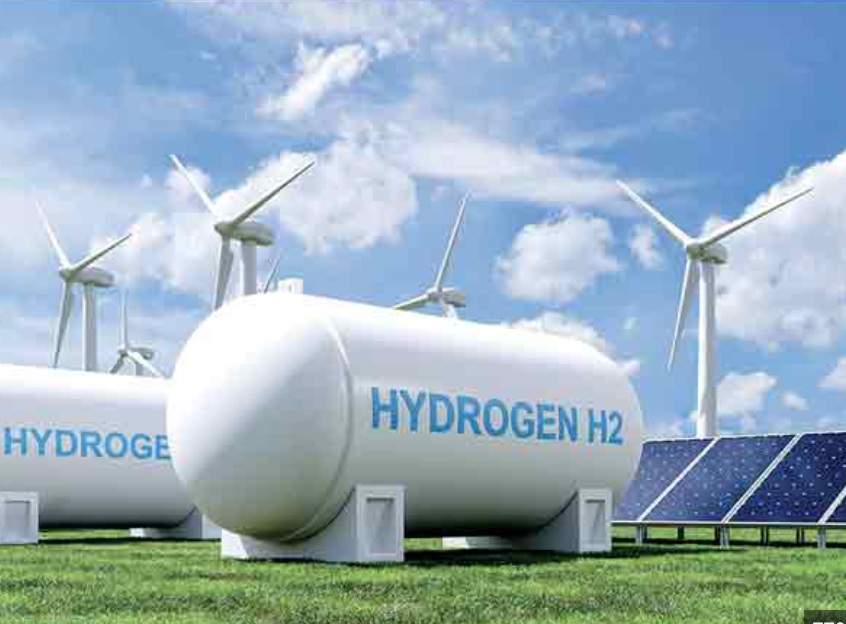
Sri Lanka has taken a major step towards reshaping its energy landscape, launching a National Renewable Hydrogen Policy and a Just Energy Transition (JET) Study with support from the United Nations Development Programme (UNDP). Officials say the twin initiatives are designed to position the island as a regional hub for renewable hydrogen while ensuring an equitable shift to clean energy.

Hydrogen Policy and Financing Framework

The hydrogen roadmap was presented at the recent Renewable Hydrogen Stakeholder Consultation Workshop: From Strategy to Actions, jointly organized by the Ministry of Energy, the Sri Lanka Sustainable Energy Authority (SLSEA), and UNDP. The event brought together policymakers, private investors, financiers, academics, and international experts to discuss how Sri Lanka could build a viable hydrogen economy.

According to the UNDP, Sri Lanka’s abundant renewable energy resources—particularly wind and solar offer the potential to produce hydrogen that can decarbonize power generation, heavy industry, and transport. The policy outlines measures to integrate hydrogen into the energy mix, establish safety standards, and attract foreign investment.

The government also launched the Integrated National Financing Framework (INFF) Strategy for the Energy Sector, which provides recommendations for mobilizing both domestic and international finance. The INFF aims to align public and private resources with Sri Lanka’s renewable energy goals, helping accelerate a fair and inclusive transition.

Just Energy Transition

The JET study, developed with UNDP technical expertise, highlights practical pathways for Sri Lanka to reduce dependence on fossil fuels without leaving vulnerable communities behind. It emphasizes job creation, energy affordability, and protecting workers affected by the shift to renewables.

“This study ensures people remain at the centre of the transformation,” said Marina Ten, Officer-in-Charge of UNDP in Sri Lanka. “Taken together, the hydrogen policy, INFF, and JET provide Sri Lanka with the tools to attract investment, drive innovation, and deliver a clean energy transition that leaves no one behind.”

Official Statements

Energy Secretary K. T. M. Udyanaga Hemapala described renewable hydrogen as a catalyst for both energy independence and industrial competitiveness. “By embracing renewable hydrogen, we are taking a decisive step towards climate resilience while securing our energy future,” he said.

SLSEA Chairman Wijendra J. Bandara stressed the importance of practical implementation. “Our responsibility is to ensure policy becomes action on the ground. From infrastructure to safety standards and governance, we are committed to building a robust ecosystem for hydrogen to thrive.”

A Game-Changer for Investment and Security

Analysts note that renewable hydrogen could transform Sri Lanka into a regional energy hub, attracting international investment at a time when the country is struggling to rebuild its economy. It is also expected to diversify energy sources and reduce exposure to fossil fuel price volatility, a key vulnerability highlighted during the island’s recent financial crisis.

UNDP officials said the INFF will help connect Sri Lanka’s ambitions with resources, enabling the government to unlock the financing needed to meet both national development goals and the UN’s Sustainable Development Goals (SDGs).

With global demand for clean hydrogen expected to surge in coming decades, Sri Lanka’s early move into this sector could position the nation as a strategic player in the Indian Ocean energy corridor provided the policy framework swiftly translates into concrete investments and projects.

Government to Introduce QR Code System for Tea Fertiliser Subsidy

0

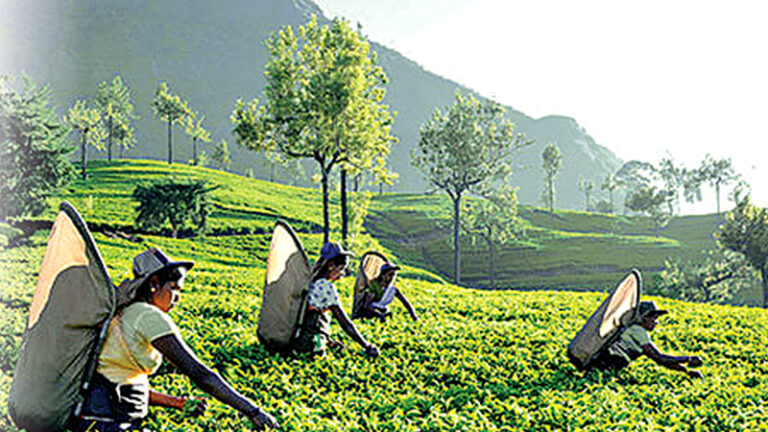
The government will introduce a QR code system for the distribution of fertiliser subsidies, beginning with a scheme worth Rs. 200 million for tea cultivation, Plantation and Community Infrastructure Minister Samantha Vidyarathna told Parliament yesterday (23).

Responding to a question from NPP MP Ajantha Gammedage, the Minister said the QR code system is designed to prevent irregularities in the fertiliser subsidy process and ensure transparency in supporting tea farmers.

Cabinet approval has already been secured, and the first phase of the initiative will be rolled out on September 26 in the Mathugama area of Kalutara District.

“We have received Cabinet approval to adopt this new method of providing fertiliser. The Tea Board has allocated Rs. 2,000 million for the 2025 tea fertiliser subsidy. Around 75% of the beneficiaries are small tea estate owners, and our aim is to prioritise them,” Minister Vidyarathna said.

He added that farmers will be able to redeem their QR-based fertiliser subsidies from multiple fertiliser companies registered with the Fertiliser Secretariat, including government suppliers. The scheme will be formally launched in Itthapana, Mathugama, on September 26, 2025.

Sri Lanka’s Exports Rise 6.6% in First Eight Months of 2025, Topping $11.5 Billion

0

Sri Lanka’s export sector has continued its growth momentum in 2025, recording total earnings of US$ 11,554.32 millionin the first eight months of the year — a 6.61% increase compared to the same period in 2024, the Export Development Board (EDB) reported.

In August 2025 alone, combined merchandise and services exports reached US$ 1,607.58 million, reflecting a 2.57% year-on-year growth. The EDB said the performance underscores the effectiveness of strategies to expand market access and strengthen global competitiveness.

EDB Chairman and CEO Mangala Wijesinghe noted:

“This encouraging growth highlights Sri Lanka’s increasing integration into global trade and the success of our continued efforts to strengthen export competitiveness while diversifying market opportunities. Our exporters have once again demonstrated remarkable resilience and adaptability in navigating evolving global challenges.”

He added that cumulative earnings of over US$ 11.6 billion during January–August reflect the strength, determination, and innovation of exporters despite global uncertainties.

Merchandise exports grew by 5.13% year-on-year in August, reaching US$ 1,294.83 million, according to provisional Sri Lanka Customs data. For January–August 2025, merchandise exports totaled US$ 9,092.85 million, up 6.89%compared to the previous year.

Services exports also contributed significantly, with estimated earnings of US$ 312.75 million in August. Over the first eight months of 2025, services exports grew 5.57%, reaching US$ 2,461.46 million.

The EDB highlighted that ICT/BPM, Construction, Financial Services, and Transport & Logistics remain key drivers of services exports, underscoring the rising importance of Sri Lanka’s knowledge-based economy in diversifying the country’s export portfolio and creating high-value jobs.