Home Blog Page 381

Govt to Consult Attorney General After X-Press Pearl Owners Refuse $1 Billion Compensation Order

0

The Sri Lankan government on Tuesday said it will seek the advice of the Attorney General after the owning company of the MV X-Press Pearl refused to comply with a Supreme Court order to pay USD 1 billion in compensation for the 2021 marine disaster off Colombo.

The Singapore-flagged container vessel caught fire in May 2021 while carrying 81 containers of hazardous chemicals, including 25 tonnes of nitric acid. The fire raged for nearly two weeks, causing catastrophic marine pollution. Billions of plastic nurdles and toxic substances spilled into Sri Lankan waters, killing marine life and devastating coastal communities. Dead turtles, dolphins, and whales washed up on beaches for weeks following the disaster.

On July 24, 2025, the Supreme Court directed the ship’s owning and operating companies to pay USD 1 billion in compensation, with an initial tranche of USD 250 million due by September 23.

However, Cabinet Spokesman Dr. Nalinda Jayatissa told reporters that the Attorney General would advise the government on the next steps after reports indicated the owners were unwilling to comply.

Company CEO Shmuel Yaskovitz, quoted in foreign media, said the ruling undermined the principle of limitation of liability in maritime law, warning that compliance could set a “dangerous precedent” for future maritime incidents.

The Supreme Court described the X-Press Pearl fire as the worst marine chemical catastrophe in Indian Ocean history, ruling it a violation of Sri Lankan fisherfolk’s fundamental right to lawful occupation.

In parallel, Sri Lanka has also filed criminal proceedings against the ship’s captain, chief engineer, and chief officerover the disaster.

FR Petition Against Appointment of CIABOC Director General Withdrawn

0

The Fundamental Rights (FR) petition challenging the appointment of High Court Judge Ranga Dissanayake as the Director General of the Commission to Investigate Allegations of Bribery or Corruption (CIABOC) has been withdrawn before the Supreme Court today (23).

The petition was filed by a group including the Chief Incumbent of the Udawalawe Soma Viharaya, Ven. Wewelduwa Gnanaprabha Thero.

The case was taken up before a three-judge bench comprising Chief Justice Preethi Padman Surasena, Justice Mahinda Samayawardhena, and Justice Sampath Abeykoon.

During the hearing, the petitioner’s attorney sought permission to withdraw the application. The court accordingly granted permission and dismissed the petition.

Dr Manoharan, father of Trinco 5 victim, dies in exile without seeing justice

0

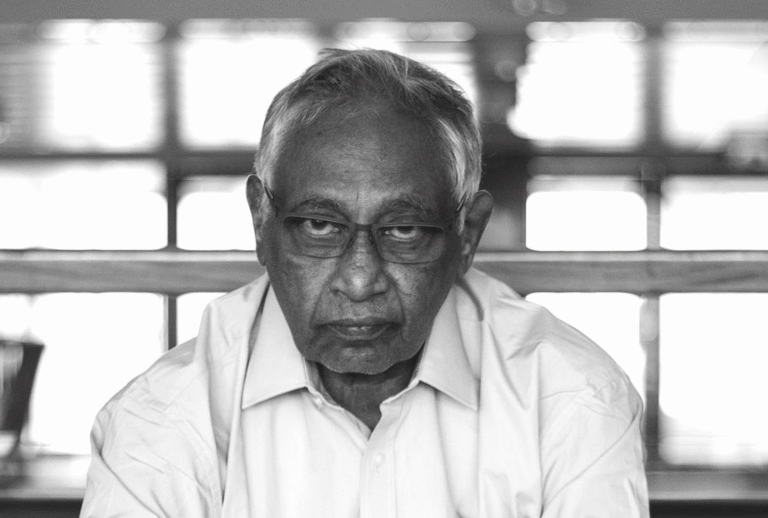
Dr Kasipillai Manoharan, the father of Ragihar Manoharan, one of five Tamil students summarily executed by Sri Lanka’s Special Task Force (STF) in Trincomalee in 2006, has died in exile at the age of 74, without ever seeing justice delivered for his son’s murder.

On 2 January 2006, Ragihar, aged 20, was on the Trincomalee beachfront with four friends when they were executed at point-blank range by STF officers. The killing, now known as the Trinco 5 massacre, sparked outrage across the North-East and international condemnation. 

To this day, no one has been held accountable.

Dr Manoharan was among the first to rush to the scene after hearing his son’s final desperate phone call – “Daddy, the forces are around me.” Stopped by soldiers and prevented from reaching his son, he later found Ragihar’s body in the mortuary, with a gunshot wound to his head. 

Despite threats, intimidation and bribes offered by senior Sri Lankan politicians, Dr Manoharan refused to be silenced.

In the weeks following his testimony to a magistrate, his family home was attacked, his practice forced shut, and his life repeatedly threatened. He was eventually forced into exile, where he spent nearly two decades campaigning tirelessly for justice, often addressing events at the UN Human Rights Council in Geneva and demanding an independent international investigation.

His activism made him a target. Successive Sri Lankan governments attempted to buy his silence, offering him housing in Colombo and promises of protection, but Dr Manoharan rejected every offer. “I will not rest till the people behind this crime are charged,” he declared in 2019.

International human rights organisations such as Amnesty International and Human Rights Watch repeatedly highlighted his courage. Amnesty’s Secretary General Salil Shetty said in 2012, “Of the crowd of people on the seafront that night, Ragihar’s father was the only one prepared to speak out. Others were too scared.”

The Trinco 5 case was listed by the UN High Commissioner for Human Rights in 2014 as one of four “emblematic cases” that epitomised Sri Lanka’s entrenched culture of impunity. It was also noted in leaked US diplomatic cables, where Basil Rajapaksa privately admitted that the STF was responsible for the murders. Yet despite arrests of STF officers in 2013, no prosecutions were ever brought.

In 2020, Dr Manoharan’s wife, who had stood by him through years of harassment, also died in exile. Now, with his passing, both parents of Ragihar have died without seeing those responsible held to account.

Civil society in Trincomalee continues to mark the killings each year with memorial events, but justice for the Trinco 5 remains elusive. 

For Tamils, Dr Manoharan’s death is another painful reminder of how Colombo’s refusal to prosecute perpetrators of mass atrocities leaves families waiting for decades, only to die without redress.

TAMIL GUARDIAN
 

President Anura Kumara Dissanayake Arrives in New York for UN General Assembly

0

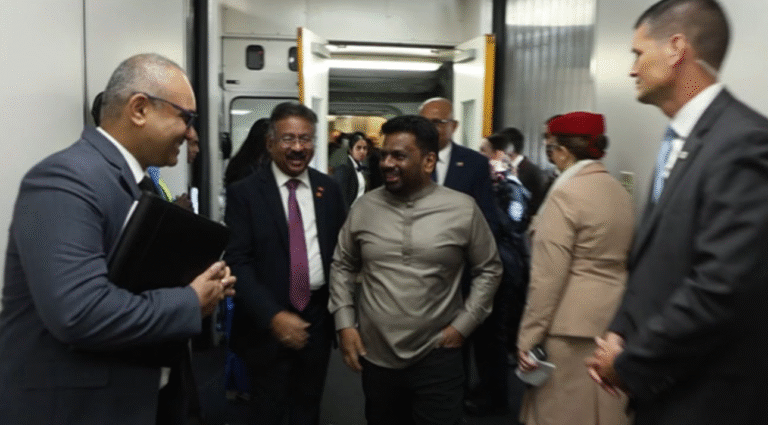
President Anura Kumara Dissanayake has arrived in New York to attend the 80th Session of the United Nations General Assembly (UNGA).

The President’s flight landed at John F. Kennedy International Airport at approximately 8:50 a.m. (US time).

On arrival, President Dissanayake was welcomed by Sri Lanka’s Permanent Representative to the United Nations, former Chief Justice and President’s Counsel Jayantha Jayasuriya, along with members of the Sri Lankan delegation.

The President is accompanied on this official visit by Minister of Foreign Affairs, Foreign Employment and Tourism Vijitha Herath.

Showers will occur at times in Western, Sabaragamuwa and North-western provinces

0

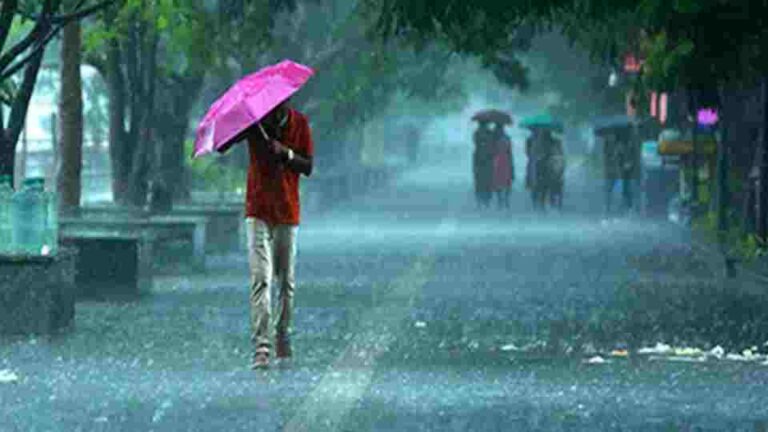
Showers will occur at times in Western, Sabaragamuwa and North-western provinces and in Galle, Matara, Kandy and Nuwara-Eliya districts. Fairly heavy falls of above 50 mm are likely at some places.Showers or thundershowers are likely at a few places in Uva province and in Ampara and Batticaloa districts after 2.00 p.m.

Fairly strong winds of about (30-40) kmph can be expected at times over Western slopes of the central hills and in Central, Northern, North-central and North-western provinces and in Trincomalee and Hambantota districts.

The general public is kindly requested to take adequate precautions to minimize damages caused by lightning and temporary localized strong winds during thundershowers.

Inter-School Tourism Club Competition in Anuradhapura Showcases Youth Talent for Sustainable Tourism

0

By: Nipuni Liyanage
September 23, Colombo (LNW) –
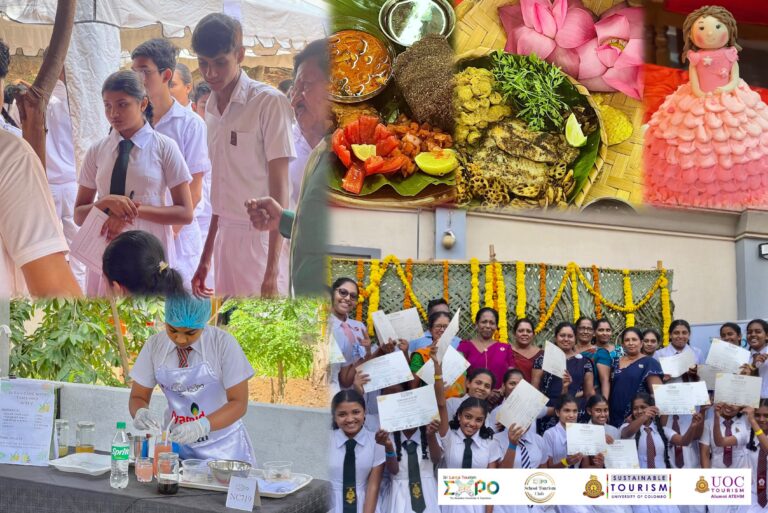
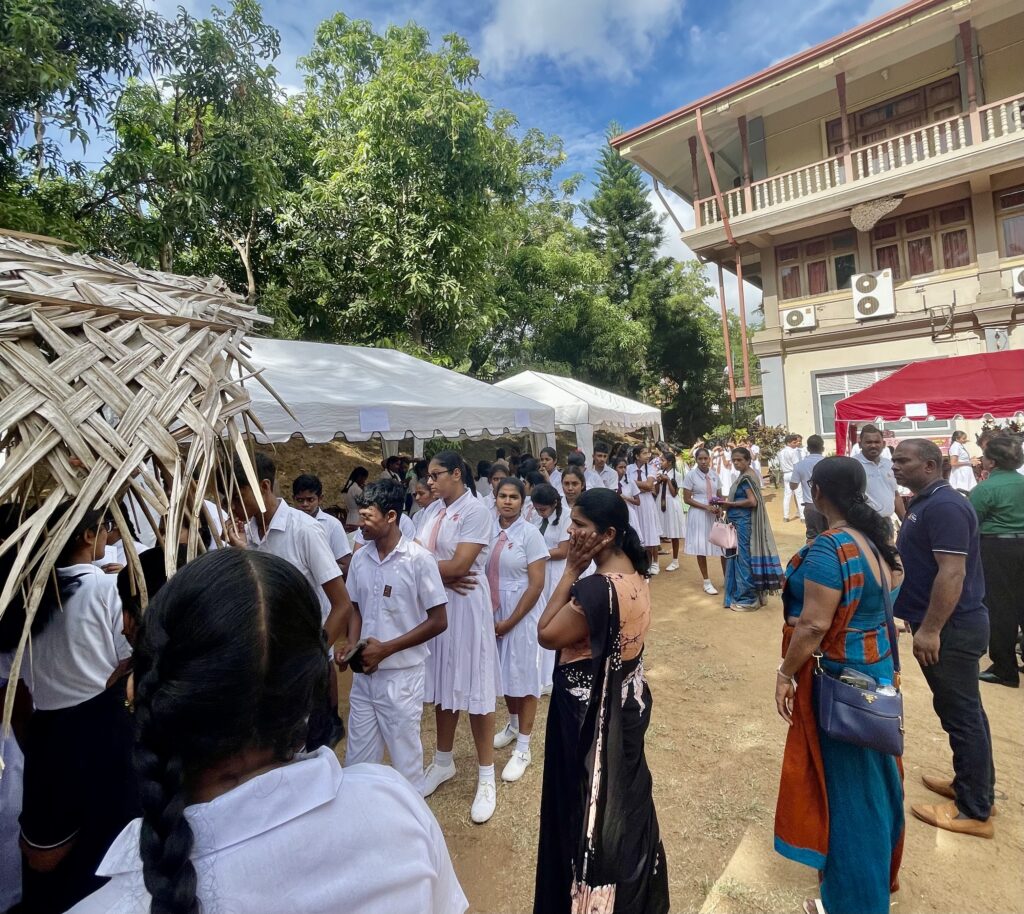
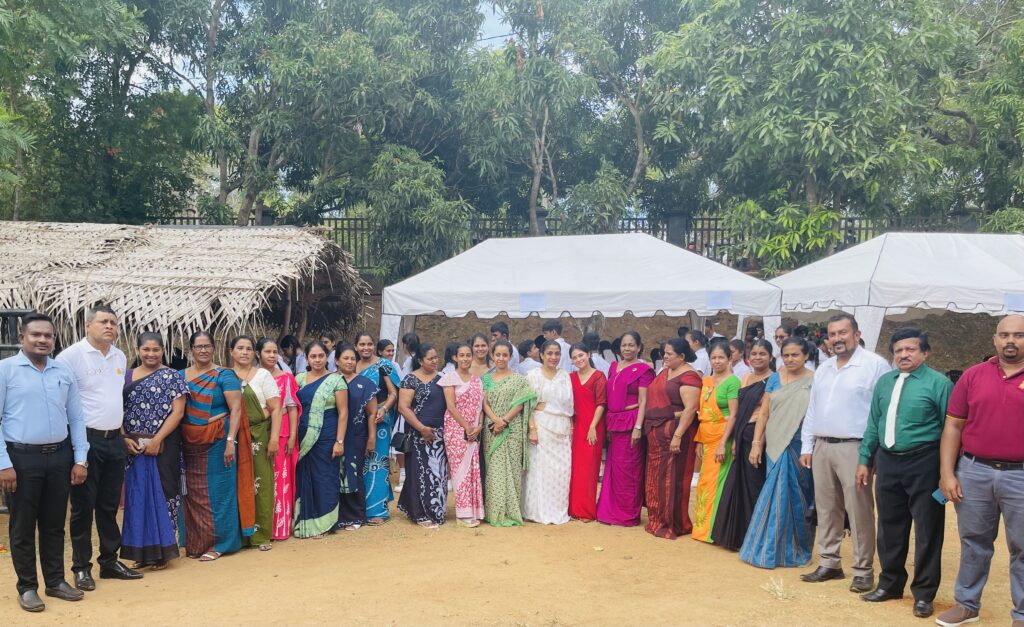
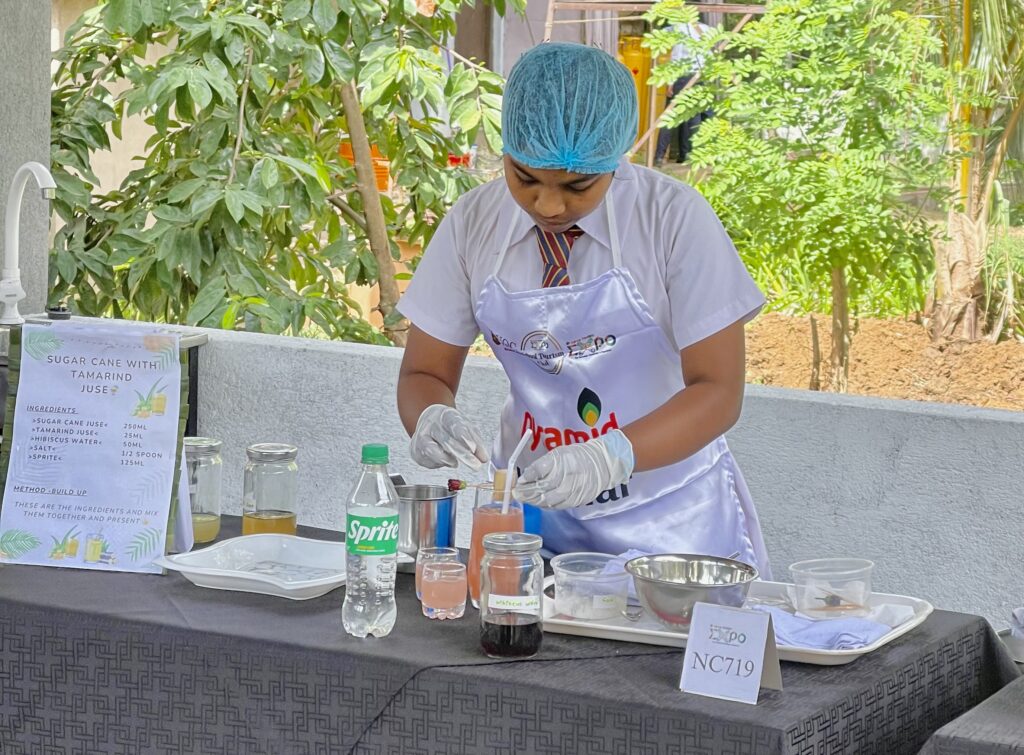
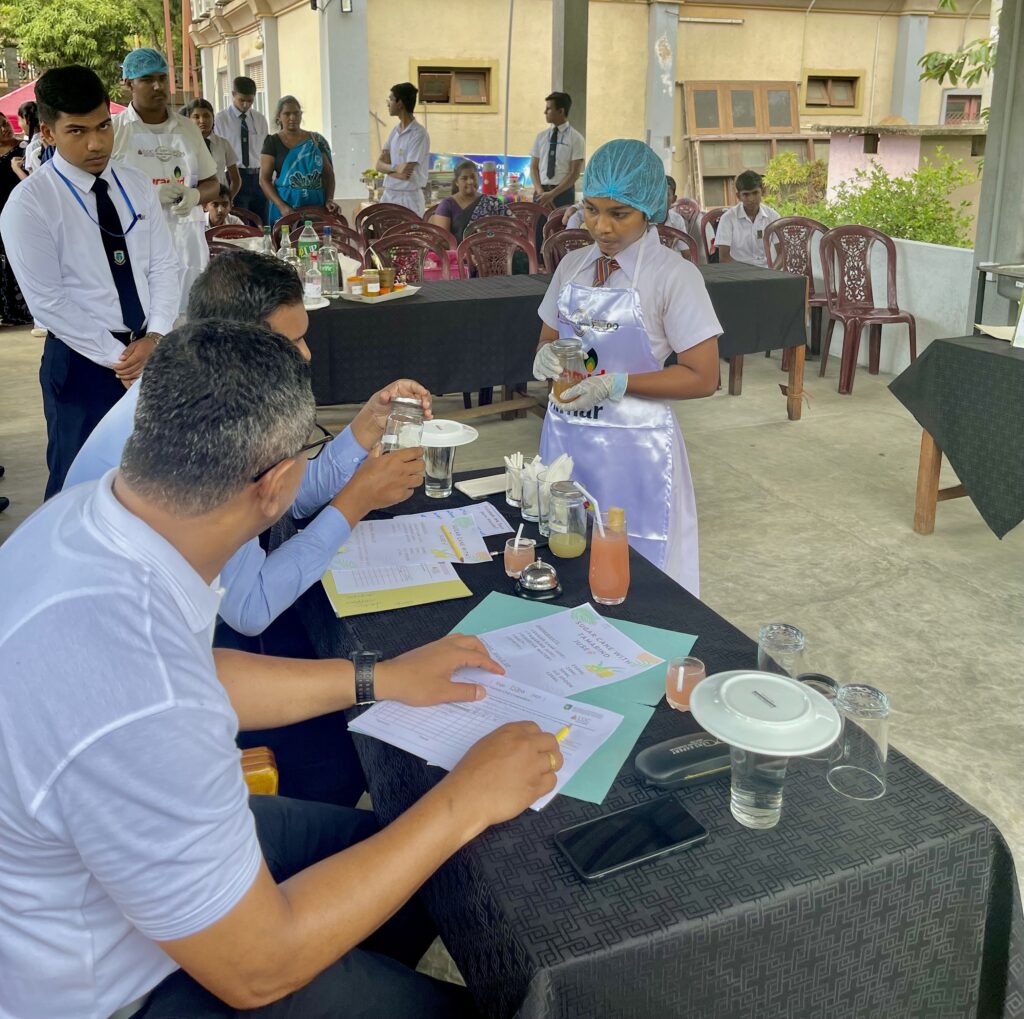
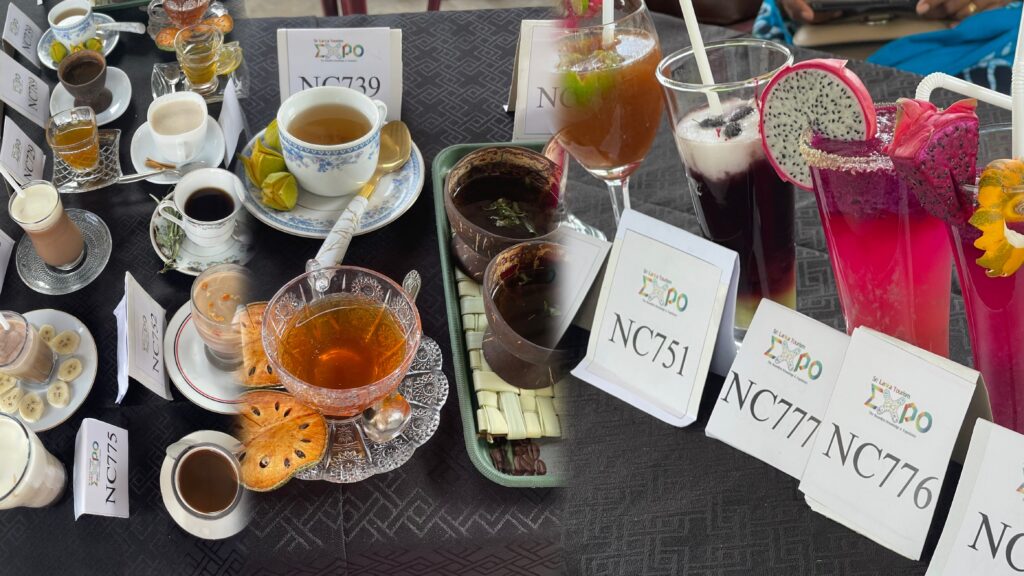
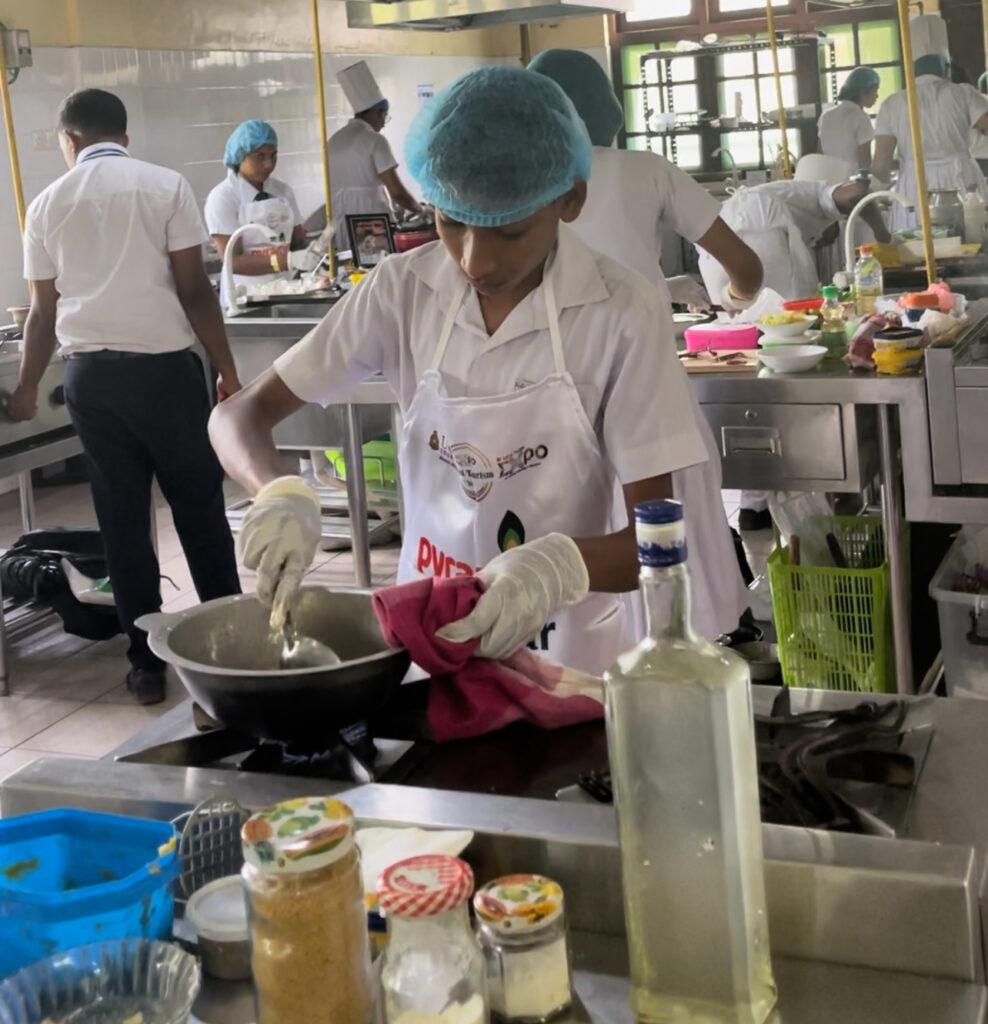
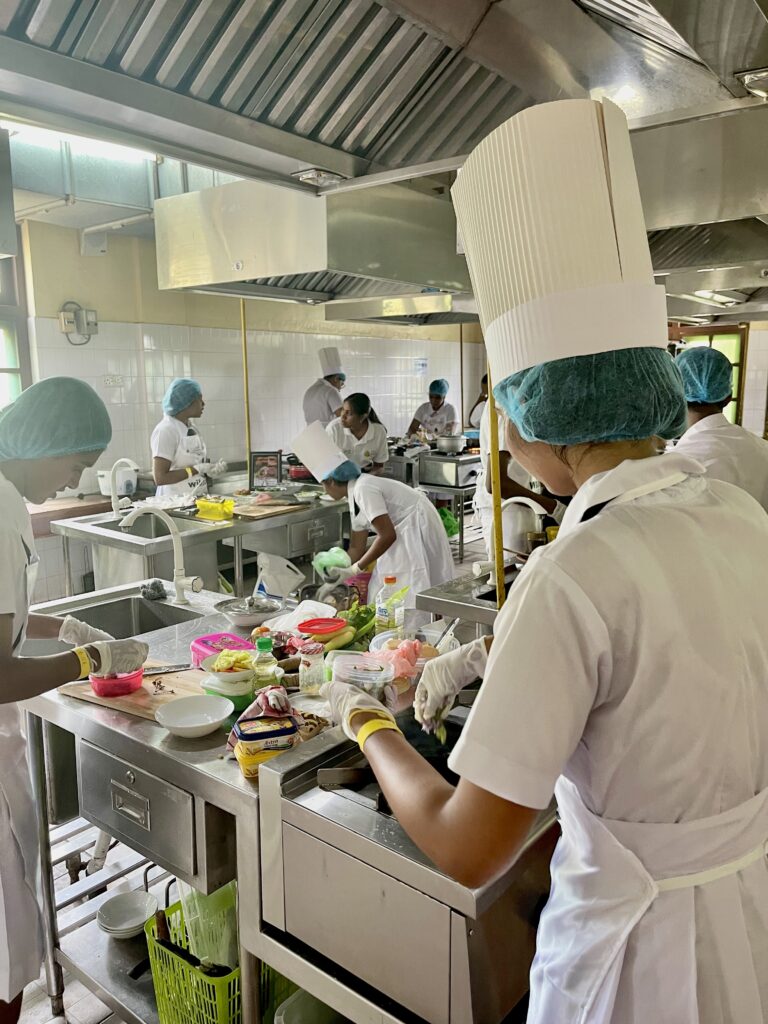
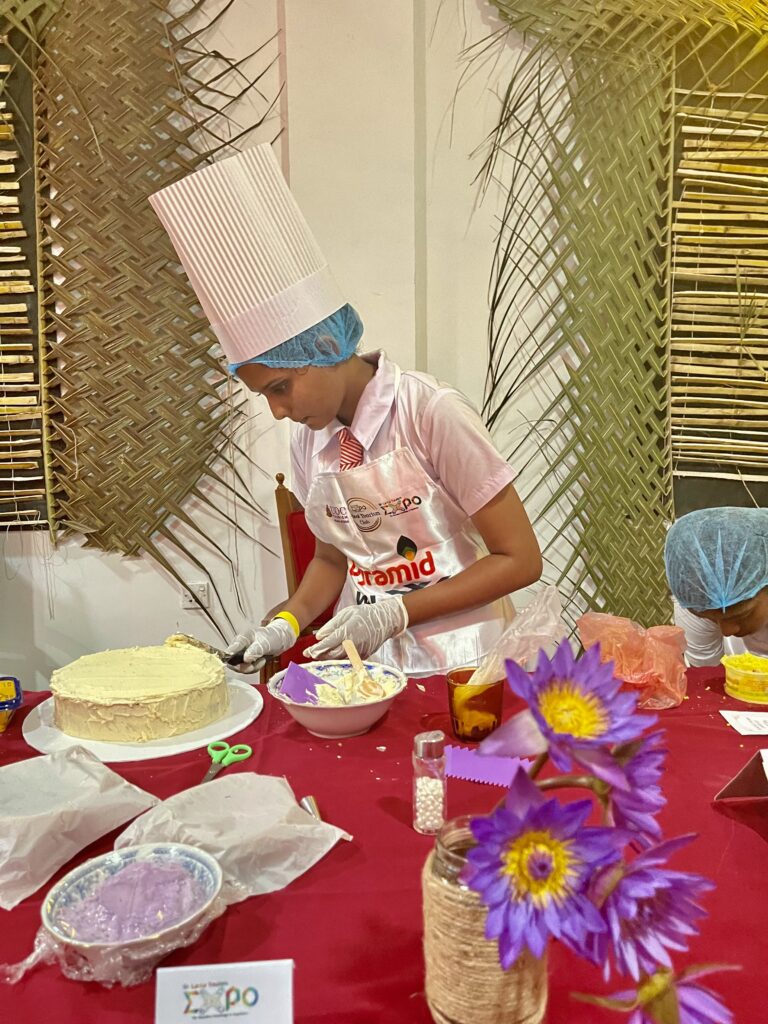
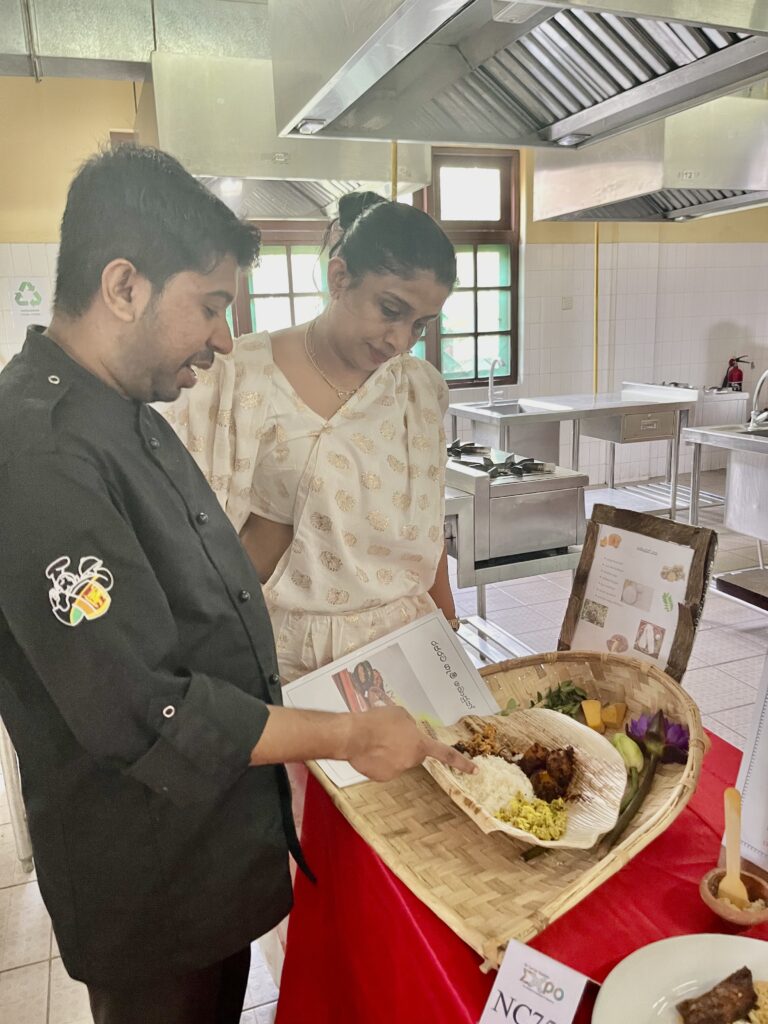
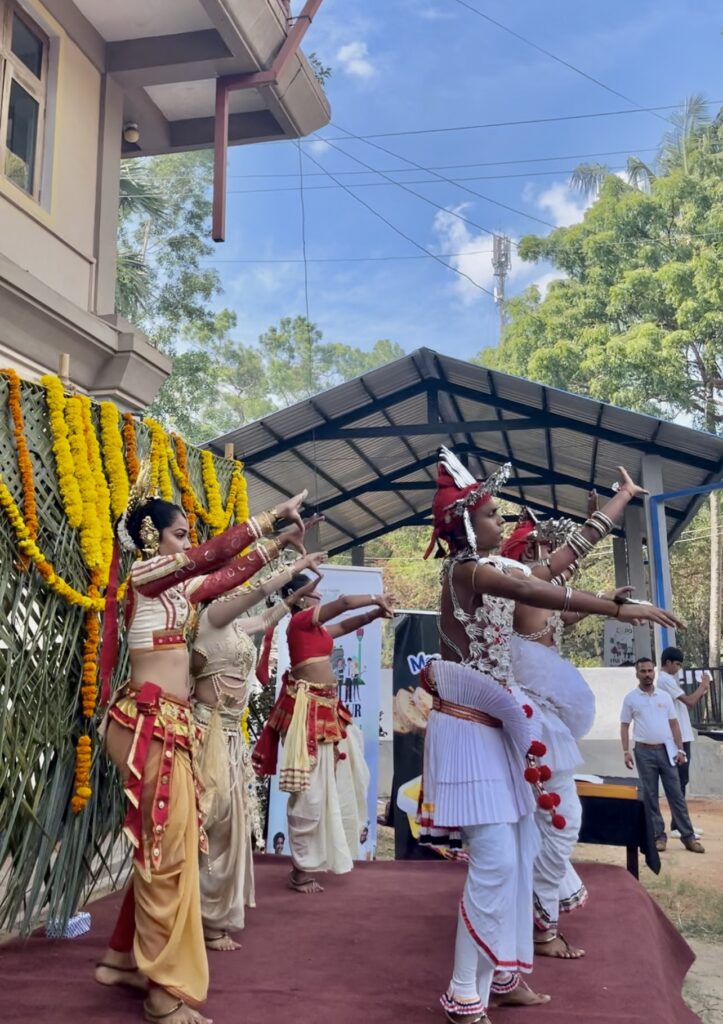
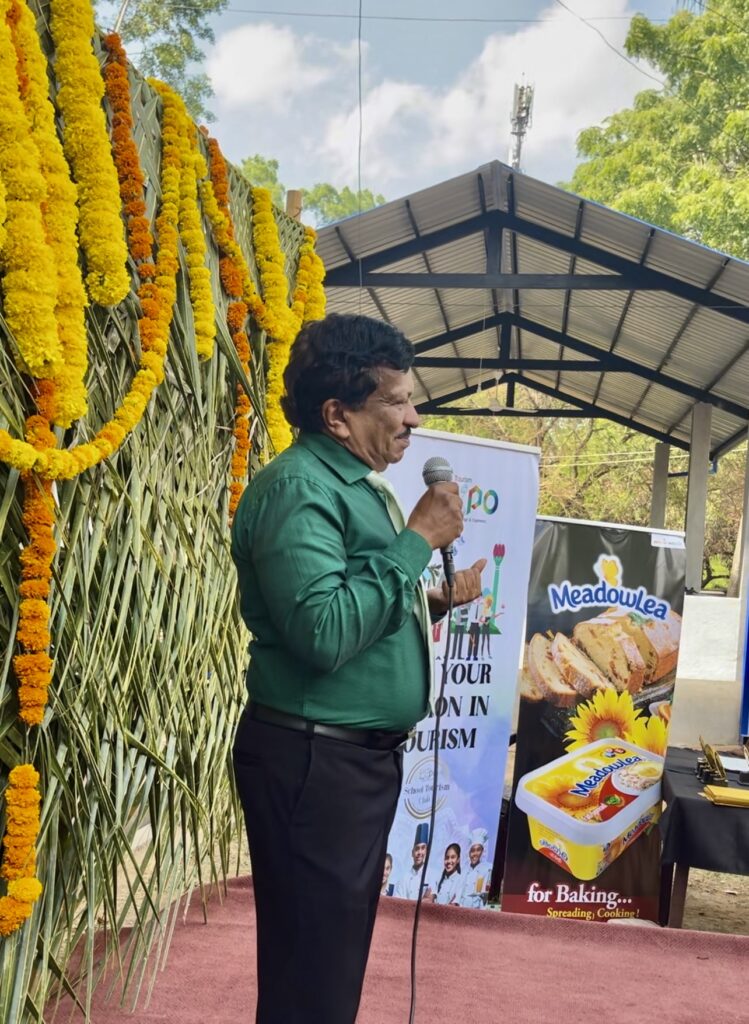
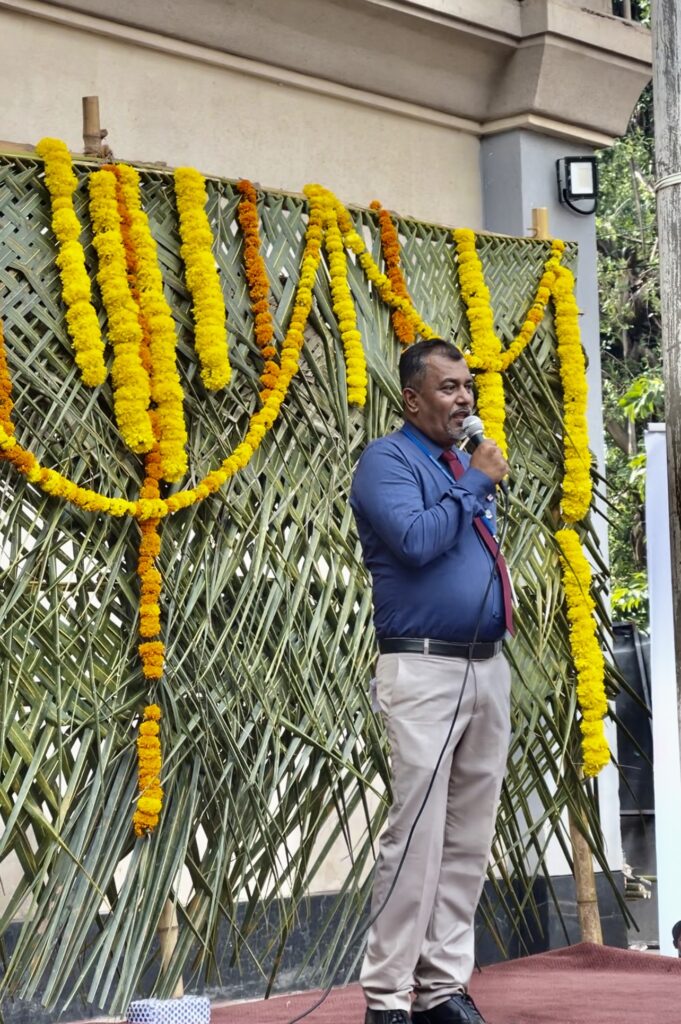
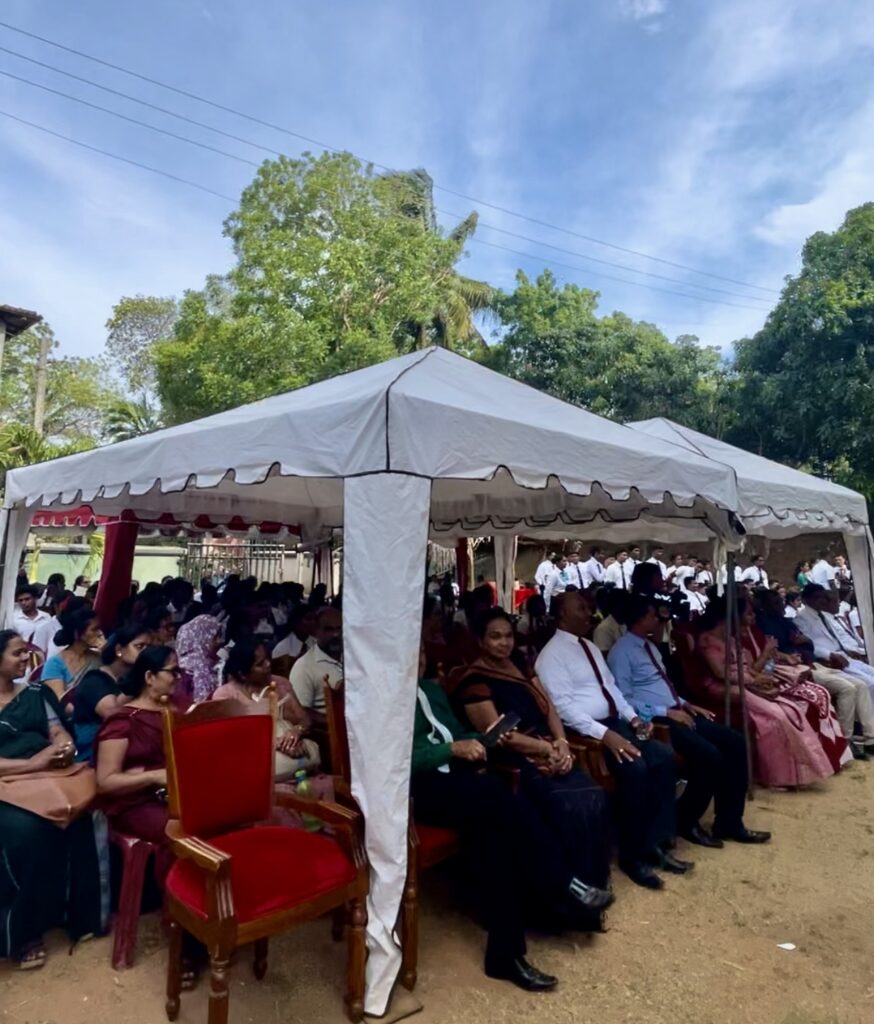
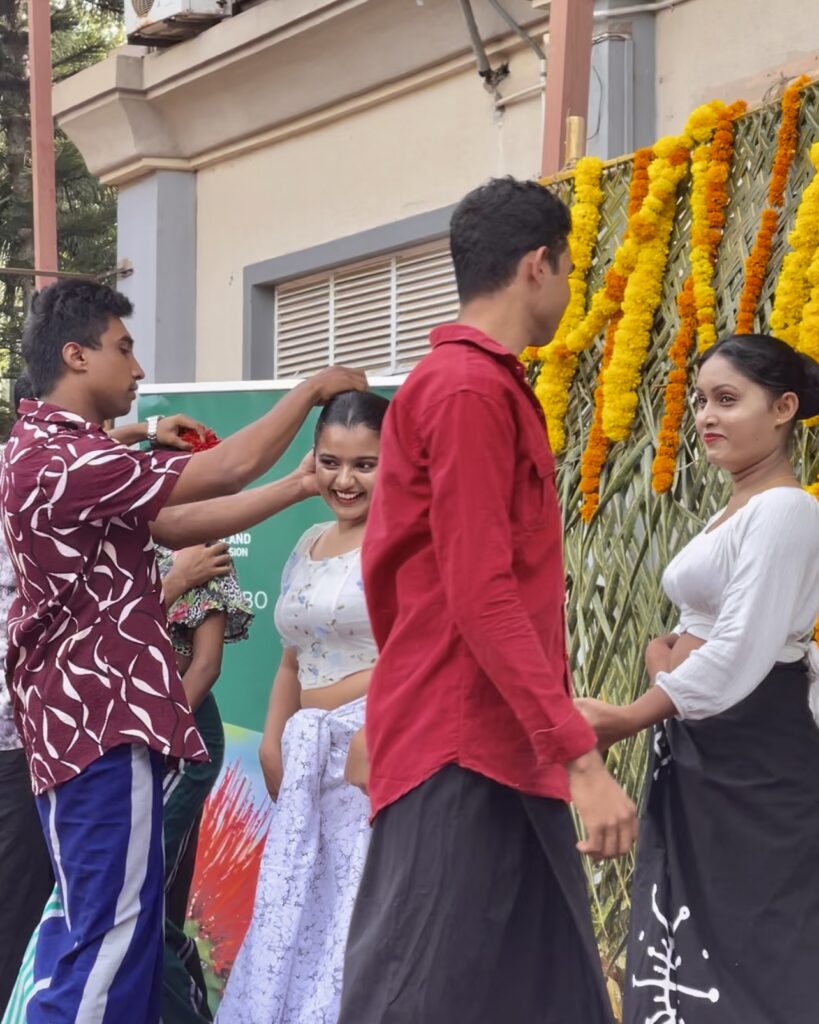
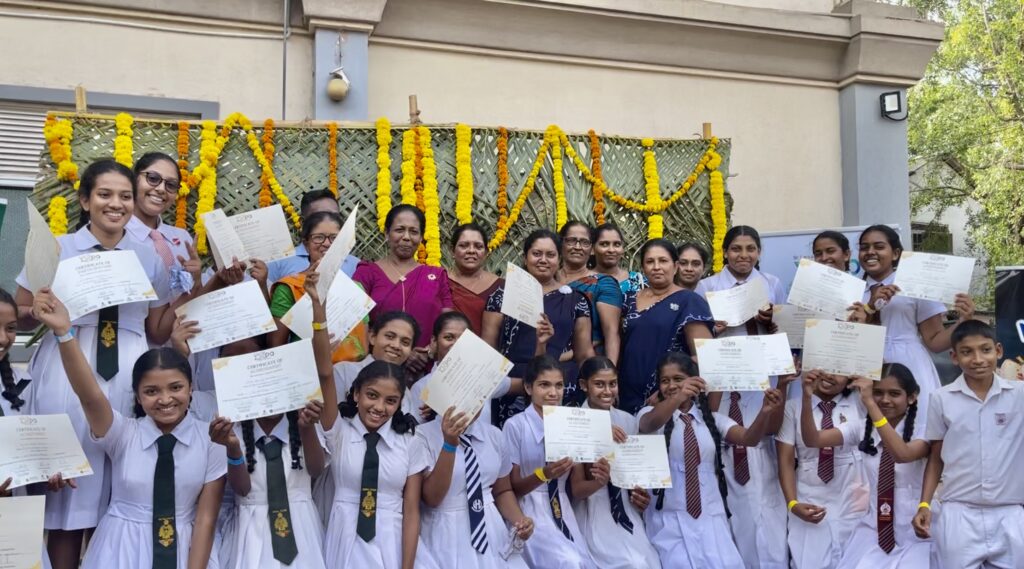
The Inter-School Tourism Club Competition of the North Central Province was held yesterday at the Sri Lanka Institute of Tourism & Hotel Management (SLITHM), Anuradhapura, as part of the World Tourism Day 2025 celebrations. The event brought together talented school students from across the province to showcase their creativity, leadership, and innovative ideas for promoting sustainable tourism.

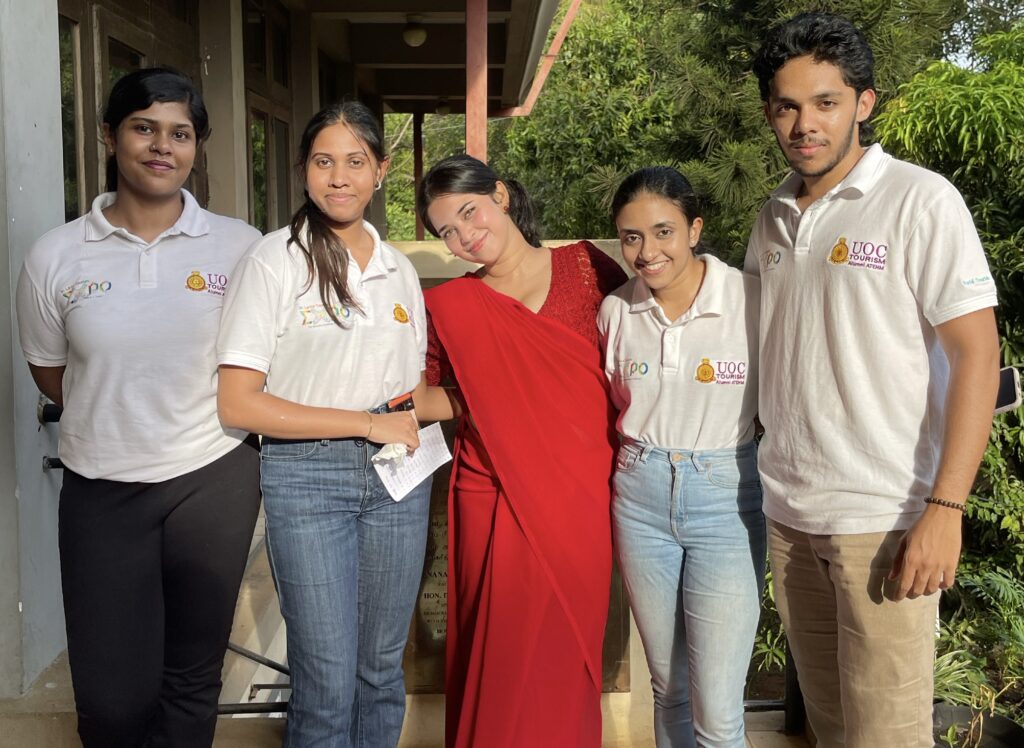
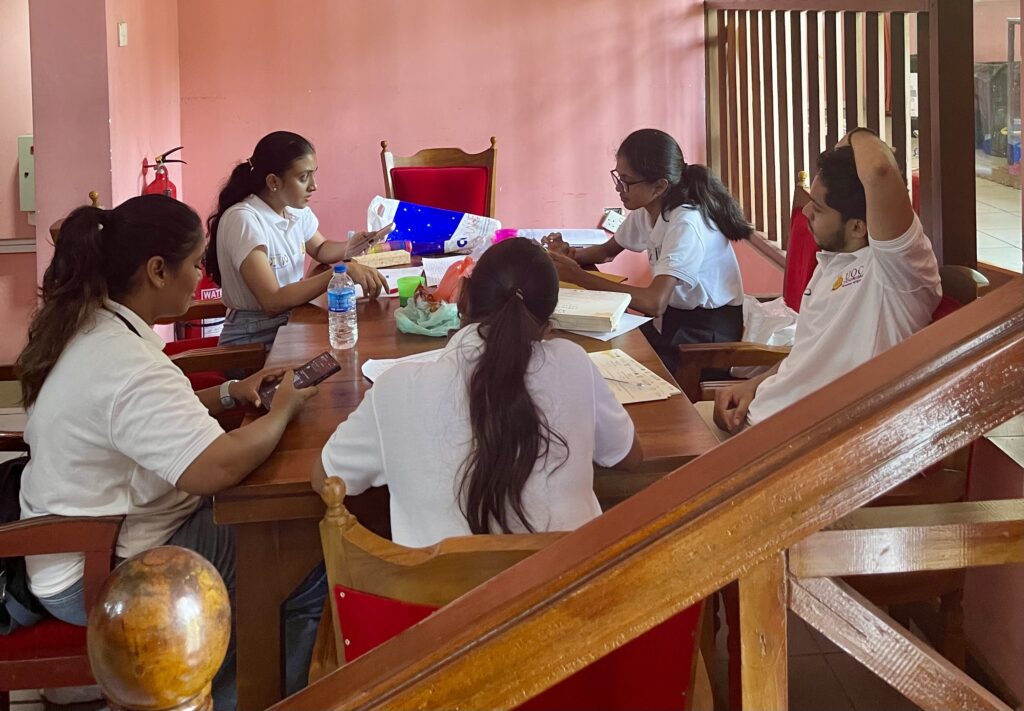
The competition was jointly organized by the Alumni of ATEHM and the Sustainable Tourism Unit of the University of Colombo, with the aim of inspiring the younger generation to play an active role in shaping the future of Sri Lanka’s tourism industry. Students participated enthusiastically, presenting fresh perspectives on how tourism can contribute to cultural preservation, community empowerment, and environmental sustainability.

The event was graced by the presence of respected academics, tourism professionals, and education leaders. A special note of gratitude is extended to Professor DAC Suranga Silva, whose invaluable guidance and encouragement greatly contributed to the success of the program.

The organizers also expressed their sincere appreciation to Mr. Sumith, Mr. Nihal Muhandiram, Mr. Indika, Miss Dinuka, and Mr. Sujith Yamasinghe of SLITHM Anuradhapura, along with their hardworking team, for their unwavering support and dedication in making the competition a success.

Equally important was the cooperation of school principals, teachers, and zonal education officers, who ensured the active participation of students and motivated them to engage with the theme of sustainable tourism. Their commitment played a vital role in strengthening the collaboration between schools and the tourism sector.

The Inter-School Tourism Club Competition not only celebrated World Tourism Day but also emphasized the importance of youth engagement in building a sustainable and inclusive future for tourism in Sri Lanka.

Legendary Cricket Umpire Dickie Bird Passes Away Aged 92

0

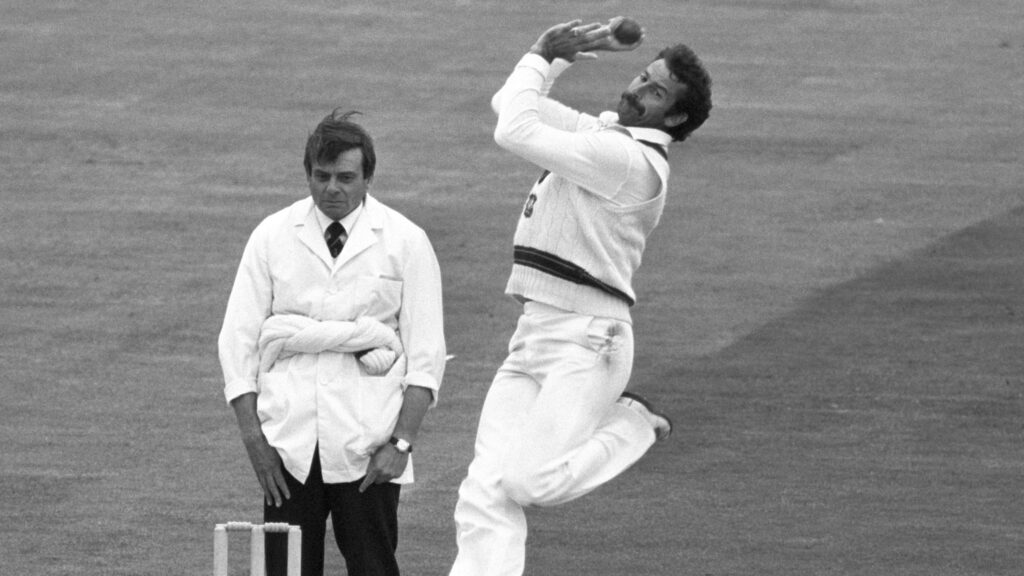
September 23, World (LNW): Harold Dennis “Dickie” Bird, one of cricket’s most iconic umpires, has died peacefully at his home aged 92, Yorkshire County Cricket Club announced. Widely regarded as among the most beloved figures in the sport, Bird’s legacy stretches well beyond his umpiring statistics, touching the hearts of players, supporters and fellow cricketing professionals alike.

Born in Barnsley in 1933, Bird was not always destined for the umpire’s chair. Early injuries curtailed a modest playing career, but his passion for cricket led him to take up umpiring in 1970, standing in his first county match. His first Test match followed three years later. Over nearly three decades he officiated 66 Test matches and 69 One Day Internationals, including three World Cup finals — a record that places him among the most experienced and respected umpires of his era.

Bird’s popularity stemmed not just from his consistency and fairness, but from his warmth, witty exchanges and character. He developed a reputation for memorable incidents: observing play from the centre of the pitch during a bomb scare at Lord’s; navigating burst water pipes at Headingley; responding to a disgruntled crowd; and even slipping in the showers at the Women’s World Cup, injuring his elbow — all stories that became part of his larger-than-life persona.

Outside the field, Bird’s influence was significant. His autobiography became the biggest‑selling sports book in the UK. He became a familiar face on television and stage, touring with anecdotes and reflections that captured audiences. In 2014 he was appointed President of the Yorkshire County Cricket Club, a role in which he served with evident pride and distinction, presiding over two County Championship victories during his tenure.

Bird was honoured with an MBE in 1986 and an OBE in 2012 for services to cricket. He remained a proud Yorkshireman and lifelong friend of Geoffrey Boycott and Michael Parkinson, whom he met in his youth at
Barnsley.

The England and Wales Cricket Board described him as “deeply saddened” by the passing of someone who was “a proud Yorkshireman and a much‑loved umpire… sorely missed.”

Tributes have also poured in from across the cricketing community and public life: former England wicketkeeper Jack Russell called him unique. One off. The greatest”; broadcaster Piers Morgan named him “the greatest and most legendary umpire in cricket history”; and former prime minister David Cameron paid
homage by calling him “a national treasure”.

Late in life, Bird remained active in his community. He was seen supporting Barnsley Football Club as recently as ten days before his death, with the club set to hold a minute’s applause in his memory at its next
fixture.

Dickie Bird’s on‑field achievements will long be remembered, but it was perhaps his humanity, humour and ability to bring people together that truly defined him. His passing marks the end of an era; his legacy will
endure in every square leg shout, every light‑stopped play, and in the countless stories shared by those who knew him.

*With inputs from Sky News

Government Firm on Preventing Power Outages, Says Reforms to CEB Will Target Efficiency

0

September 23, Colombo (LNW): Cabinet Spokesperson and Minister Dr Nalinda Jayatissa today (23) reiterated the government’s unwavering commitment to ensuring an uninterrupted supply of electricity, stating that power outages will not be tolerated under any circumstances.

Speaking at a media briefing, Dr Jayatissa defended the recent decision to cancel all leave for employees of the Ceylon Electricity Board (CEB), following the President’s directive classifying electricity services as essential. He emphasised that this measure was necessary to maintain stability in the country’s power sector.

“The government cannot and will not permit power cuts,” he stated. “Electricity supply is now designated an essential public service. What we are saying is simple: if you’re employed in this sector, you are expected to report for duty. If, for any reason, someone cannot continue, there is a compensation process. But the work must go on. These reforms are essential for the country’s progress.”

Addressing further questions about the ongoing restructuring efforts at the CEB, Dr Jayatissa said the goal is to reduce operational inefficiencies and bring down overall costs, which could ultimately result in lower electricity bills for consumers.

He acknowledged the growing concerns around rising tariffs, saying, “Yes, we want to provide relief—not just for industrial investors, but also for households and ordinary consumers. The way the current system operates, a blanket increase in electricity rates creates a number of problems. We need to approach the issue in a more targeted way.”

According to Dr Jayatissa, part of the strategy involves reassessing the structure of the CEB itself. Rather than running the board as a single, centralised entity, the government is exploring the possibility of separating different components—such as generation, transmission, and distribution—into more streamlined, semi-independent units.

“By analysing each segment individually, we can understand where the inefficiencies lie, and where improvements can be made,” he said. “If managed correctly, this will not only reduce costs but also make the system more responsive and accountable.”

IMF, SL MPs and high officials push for Balanced Power Tariff Reform

0

By: Staff Writer

September 23, Colombo (LNW): Sri Lanka’s electricity pricing system came under sharp review this week as an International Monetary Fund (IMF) technical team met with Parliamentarians and government officials to examine reforms to the Ceylon Electricity Board’s (CEB) tariff methodology ahead of a key November 2025 deadline under the Extended Fund Facility (EFF) programme.

The joint session, led by IMF mission chief Delphine Prady, brought together the Committee on Public Finance (CoPF), the Committee on Public Enterprises (COPE), the Sectoral Oversight Committee on Infrastructure and Strategic Development, as well as officials from the Energy Ministry, Finance Ministry, CEB, and the Public Utilities Commission of Sri Lanka (PUCSL).

While described as a technical review rather than a policy-making exercise, Sri Lankan participants stressed that the tariff framework must strike a balance between cost reflectiveness, cost recovery, affordability, and renewable energy goals.

Cost Recovery and Investment

Officials noted that ensuring cost recovery is essential for the sector to meet its total expenditure, curb inefficiencies, and attract the financing and credit required for modernisation. Cost reflectiveness, meanwhile, would ensure consumers are billed in line with the actual cost of serving their demand, reducing the burden of cross-subsidies between customer categories. Without such measures, the power sector risks deepening losses and deterring investors.

Renewables at the Core

A central theme was Sri Lanka’s renewable energy target of 70% by 2030. Experts emphasised that achieving this will require not only expanding solar, hydro, and wind power but also investing in energy storage, transmission upgrades, and emerging technologies such as green hydrogen.

Thermal generation, while still part of the mix, was branded as “super expensive” and volatile, leaving the country exposed to global fuel price shocks. Renewables, though increasingly competitive, demand substantial upfront investment and long-term policy certainty.

Affordability and Consumer Protection

Participants highlighted the risks posed by volatile generation costs, stressing the need for accurate forecasting and predictable tariff structures to avoid sudden price shocks for households and businesses. MPs underscored the importance of protecting vulnerable consumers through targeted subsidies, safeguarding workers affected by restructuring, and ensuring that efficiency gains result in fairer outcomes for the public.

Governance and Transparency Gaps

The discussions also exposed weaknesses in governance, with concerns raised over incomplete cost breakdowns, opaque Power Purchase Agreements (PPAs), and inadequate information systems. Stronger regulatory independence and data integrity were deemed critical for applying an effective and credible tariff methodology.

Policy, Not Just Technicalities

Both IMF representatives and local stakeholders agreed that tariff reform cannot be approached as a purely technical task. Instead, it must be rooted in broader policy goals: building a financially viable electricity sector, accelerating the shift to renewables, protecting vulnerable groups, and enhancing transparency across the industry.

As the November deadline approaches, the debate highlights the difficult balancing act facing Sri Lanka keeping electricity affordable for consumers while ensuring the power sector’s sustainability and alignment with the country’s climate commitments.

Lake House Technologies Launches First Biodegradable Banking Card with BOC

0

By: Staff Writer

September 23, Colombo (LNW): Sri Lanka has taken a decisive step towards greener financial solutions with the launch of its first-ever biodegradable banking card, a collaborative effort between Lake House Technologies, Bank of Ceylon (BOC), Thales, and Mastercard International. The eco-friendly card, unveiled this week, is positioned as a landmark innovation in the nation’s banking and payments industry.

Unlike conventional PVC-based cards, which can take centuries to decompose, the new card is made from non-edible, corn-derived polylactic acid (PLA). The material is fully industrially compostable, offering an environmentally responsible alternative without compromising on durability, security, or international functionality.

Lake House Technologies, a market leader with over a decade of experience in delivering secure and innovative card solutions to Sri Lanka’s banking sector, spearheaded the project. Division Executive Director Tony Johnpillai, who has pioneered multiple firsts in the industry, said the launch reflects the company’s vision of blending technology with sustainability.

“This project reflects our vision to bring world-class, environmentally responsible innovations to Sri Lanka’s banking sector,” Johnpillai said. “Partnering with BOC and global leaders like Thales and Mastercard ensures that we are not only meeting the evolving demands of the market but also contributing to a sustainable future.”

The environmental implications are significant. With millions of banking cards issued annually in Sri Lanka, the introduction of biodegradable cards could substantially reduce plastic waste heading to landfills. Financial analysts note that even a partial shift towards PLA cards will have measurable environmental benefits, especially if other banks adopt similar practices.

BOC plans to roll out the cards in phases, offering them to both new customers and those renewing expired cards. This phased approach ensures a smooth transition and minimizes disruption to cardholders while providing them with the choice to switch to a greener alternative.

The involvement of Thales, a world leader in digital identity and security, and Mastercard International, one of the biggest global payment networks, ensures the new card meets international security and performance standards. This partnership underscores the ability of Sri Lanka’s financial services sector to integrate seamlessly with global innovations.

Industry observers say the launch aligns with growing global momentum for sustainable financial products, as banks and consumers worldwide become increasingly conscious of their environmental footprint. Sri Lanka’s introduction of biodegradable cards places it among the early adopters in Asia.

For Lake House Technologies, the initiative not only cements its reputation as an innovation leader but also highlights the broader role of private sector partnerships in advancing the country’s sustainability agenda. By combining environmental responsibility with cutting-edge technology, the firm is setting a new benchmark for the local industry.

With the launch of this eco-friendly card, Sri Lanka signals its commitment to balancing financial innovation with environmental stewardship. As more banks follow BOC’s lead, the nation could witness a gradual but significant transformation in how financial services are delivered reducing reliance on harmful plastics while empowering customers with secure, sustainable choices